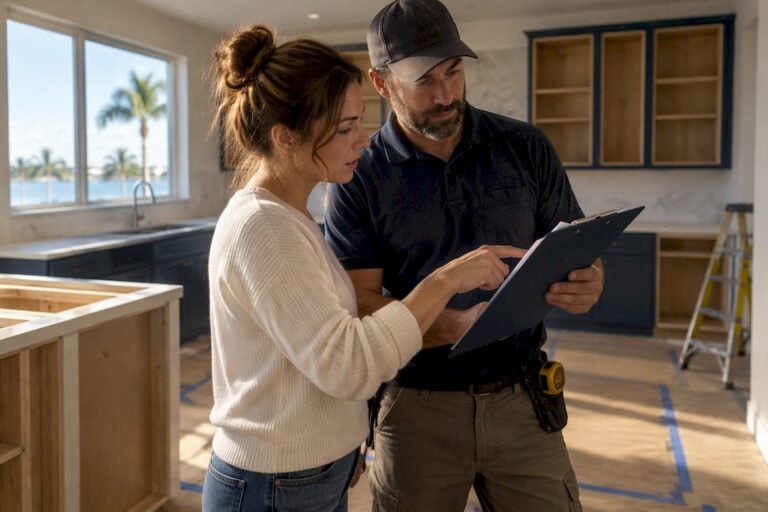


Welcome to your complete guide on how long a home remodel takes, where we break down realistic renovation timelines so you can plan with confidence instead of guesswork. Whether you are updating a single bathroom, remodeling your kitchen, or tackling a full home renovation in Florida, understanding the true renovation duration can save you time, money, and stress. Many homeowners underestimate how long permits, inspections, material lead times, and construction phases actually take, which leads to frustration and unexpected delays. In this guide, you will learn the average home remodel timeline by project type, what factors influence scheduling, how Florida regulations may impact your project, and practical strategies to keep your renovation on track from start to finish.
A home remodel typically takes anywhere from 4 weeks to 12 months, depending on the project scope. Small renovations like bathrooms may take 3 to 8 weeks, while kitchen remodels often require 6 to 12 weeks. Full home renovations can take 4 to 12 months or longer, especially when permits, structural changes, and inspections are involved.
Average Home Remodel Timeline By Project Type
When homeowners ask how long a home remodel takes, the honest answer is that the timeline depends heavily on the type of project. A small bathroom update and a full-home renovation operate on completely different construction schedules. Understanding the average renovation duration by project type helps set realistic expectations and prevents frustration once work begins.
Below is a breakdown of common remodel types, what affects their timelines, and what you should expect during each phase.
Bathroom Remodel Timeline (3–8 Weeks)
A bathroom remodel is often one of the faster renovation projects, but the timeline can vary widely depending on scope. A cosmetic update moves quickly, while a full-gut renovation requires more coordination, inspections, and trade work.
Cosmetic Vs. Full-Gut Renovation
A cosmetic bathroom remodel typically stays within the existing layout and plumbing configuration. This means fewer surprises behind the walls and fewer permit complications.
- Cosmetic remodel: Replacing tile, vanity, fixtures, lighting, and paint without moving plumbing lines usually takes 3 to 5 weeks.
- Full-gut renovation: Removing everything down to the studs, replacing plumbing, updating electrical, or waterproofing from scratch can extend the timeline to 6 to 8 weeks or more.
The moment you open walls, you introduce variables such as outdated wiring or water-damage repair, which can extend renovation duration.
Plumbing Or Layout Changes Impact
Changing the layout significantly affects the remodeling timeline. Moving a toilet, shower, or tub requires re-routing plumbing lines and sometimes cutting into concrete slabs in Florida homes.
- Fixture relocation: Adds additional plumbing labor and inspection requirements.
- Slab modifications: Can increase labor time due to concrete cutting and patching.
- Drain adjustments: Must meet updated building-code standards.
Even small layout changes add complexity, and complexity increases time.
Inspection Considerations
If plumbing or electrical systems are altered, inspections are usually required.
- Rough-in inspection: Conducted before walls are closed to confirm code compliance.
- Final inspection: Required before the space can be officially completed.
Inspection scheduling alone can add several days or weeks, depending onthe local building-department workload.
Kitchen Remodel Timeline (6–12 Weeks)
A kitchen remodel typically takes longer than a bathroom remodel because of cabinetry, appliance coordination, and higher trade involvement. The kitchen is also one of the most detail-heavy spaces in a home, which naturally increases renovation duration.
Cabinet Lead Times
Cabinets often dictate the construction schedule.
- Stock cabinets: Usually available within 1 to 3 weeks.
- Semi-custom cabinets: Often require 4 to 8 weeks.
- Custom-built cabinetry: May take 8 to 12 weeks or longer, depending on craftsmanship and demand.
Construction cannot move to final installation until cabinets arrive, which makes early ordering critical.
Custom Vs. Stock Materials
Material choices directly affect how long a home remodel takes.
- Custom finishes: Specialty countertops, imported tile, or custom millwork increase production time.
- Stock materials: Readily available products reduce waiting periods.
- Back-ordered items: Even a delayed faucet can stall progress if it prevents final plumbing installation.
Experienced contractors sequence work to minimize downtime, but material delays remain one of the most common schedule disruptors.
Appliance Availability
Appliances can quietly extend a kitchen renovation timeline.
- Standard models: Often in stock and delivered quickly.
- High-end brands: May require longer shipping times.
- Built-in appliances: Must be on-site before final cabinet measurements and installation.
Ordering appliances early ensures cabinetry and electrical work align properly.
Whole-Home Renovation Duration (4–12+ Months)
A whole-home renovation is the most time-intensive remodel type. These projects involve multiple trades, phased inspections, and careful project management. The renovation duration depends largely on structural changes and system upgrades.
Structural Changes
Altering a home’s structure dramatically affects the schedule.
- Load-bearing wall removal: Requires engineering plans and reinforcement.
- Foundation modifications: Add specialized labor and inspection steps.
- Roof or framing changes: Introduce weather-related risks and extended build time.
Structural work must be completed and inspected before moving forward with interior finishes.
Electrical And Plumbing Upgrades
Older homes often require system-wide updates during a full renovation.
- Panel upgrades: Necessary to support modern electrical loads.
- Re-piping: Replacing outdated plumbing materials increases project length.
- Code compliance updates: Must meet current safety standards.
System upgrades add weeks but improve long-term safety and performance.
Moving Walls Or Additions
Reconfiguring interior layouts or building additions significantly increases remodeling timelines.
- Room additions: Often require foundation work and extended framing phases.
- Open-concept conversions: Demand engineering review and structural reinforcement.
- Permit revisions: Layout changes sometimes require resubmission to local authorities.
For a large-scale project, a realistic home remodel timeline often ranges from 6 to 12 months.
Home Remodel Timeline In Florida: What Makes It Different?
Florida remodeling projects have unique factors that influence renovation duration. Homeowners often underestimate how local regulations and environmental conditions affect scheduling.
Permit Timelines By County
Permit processing times vary across Florida counties.
- High-growth counties: May experience longer review periods due to demand.
- Coastal regions: Often require additional documentation for wind-resistance compliance.
- Revision requests: Plan corrections can extend approval timelines.
Starting the permit process early is essential for staying on schedule.
Hurricane Codes And Impact Windows
Florida’s strict building codes protect homes against hurricane damage but add construction complexity.
- Impact-rated windows: Often require special-order manufacturing.
- Wind-load requirements: May require structural reinforcements.
- Inspection compliance: Ensures hurricane-code adherence before project approval.
These requirements increase safety but can extend the overall renovation timeline.
HOA Approvals
In many Florida communities, homeowner associations require approval before exterior modifications begin.
- Architectural review boards: May take several weeks to review submissions.
- Design restrictions: Can limit material choices and require revisions.
Failing to secure HOA approval can halt construction unexpectedly.
Weather Delays And Supply-Chain Logistics
Florida weather and logistics can influence how long a home remodel takes.
- Hurricane season: Can delay exterior work and material deliveries.
- High humidity: Affects drying times for paint and finishes.
- Shipping routes: Imported materials may experience port delays.
Experienced contractors factor seasonal risks into project planning to reduce disruption.
Quick Comparison: Project Type Vs. Typical Renovation Duration
| Project Type | Typical Timeline |
| Cosmetic Bathroom Remodel | 3 to 5 Weeks |
| Full-Gut Bathroom Remodel | 6 to 8 Weeks |
| Kitchen Remodel | 6 to 12 Weeks |
| Whole-Home Renovation | 4 to 12+ Months |
| Florida Remodel With Permits | Add 2 to 8+ Weeks Depending On County |
Understanding the average home remodel timeline by project type allows homeowners to plan budgets, living arrangements, and expectations realistically. While every project is unique, clear scope definition, early material selection, and proactive permitting dramatically improve schedule reliability.
What Actually Determines How Long a Renovation Takes?
If you ask five contractors how long a home remodel takes, you may get five slightly different answers. That is because renovation duration is not based on square footage alone. The timeline depends on scope, permitting, labor availability, materials, and decision-making. Understanding these factors upfront helps you set realistic expectations and avoid preventable delays. Below is a breakdown of what truly controls a remodeling schedule from a practical, boots-on-the-ground perspective.
Scope of Work Cosmetic vs. Structural
The scope-of-work is the single biggest factor influencing a home remodel timeline. Cosmetic updates move quickly because they focus on surface-level improvements. Structural renovations require engineering, inspections, and often specialized trades, which extend the schedule.
Paint And Flooring Vs. Layout Changes
Cosmetic projects such as painting, replacing flooring, or upgrading fixtures are typically straightforward. These improvements do not alter the structural framework of the home and often do not require permits.
- Surface-level updates: Painting, flooring replacement, and cabinet refacing can often be completed within weeks because they involve minimal demolition and no structural changes.
- Layout modifications: Moving walls, reconfiguring kitchens, or expanding bathrooms requires demolition, framing, electrical rerouting, and plumbing adjustments, which significantly increase renovation duration.
- Systems coordination: Layout changes require coordination between multiple trades, which adds time due to inspection checkpoints and sequencing requirements.
Even small layout adjustments can add several weeks because each trade must complete its phase before the next begins.
Load-Bearing Wall Removal
Removing a load-bearing wall is not just demolition. It is structural engineering. A structural engineer may need to calculate beam size and support requirements before any work begins.
- Engineering review: Plans must often be stamped by an engineer, which adds planning time.
- Structural reinforcement: Installing beams or posts requires precision and inspection approval.
- Inspection requirements: Structural modifications almost always require city approval before closing up walls.
This type of work can extend a project timeline by several weeks compared to a cosmetic remodel.
Foundation Or Roof Work
Foundation repairs or roof replacement are complex and weather-dependent tasks. These are high-impact structural elements of the home.
- Foundation repair: Structural stabilization may uncover hidden damage that requires additional work.
- Roof replacement: Weather conditions can delay roofing projects, especially during Florida’s storm season.
- Inspection sequencing: Structural exterior work often requires staged inspections before proceeding.
When foundation or roof work is involved, expect a longer and less predictable renovation timeline.
Permits And Inspections
Permits protect homeowners and ensure construction meets local building codes. However, the permitting process can significantly influence how long a renovation takes.
City And County Permitting Process
Each municipality operates differently. Some cities issue permits within days, while others may take several weeks.
- Application review: Submitted plans are reviewed for code compliance, which can result in revision requests.
- Backlog delays: High-demand seasons increase review times.
- Approval variations: Smaller towns may move faster than large metropolitan areas.
It is common for permit approvals to add two to eight weeks before construction even begins.
Florida Building Codes
Florida has some of the strictest building codes in the country due to hurricane-risk conditions.
- Wind-load requirements: Structural changes must meet specific wind-resistance standards.
- Impact-rated products: Windows and doors often require approved impact-rated materials.
- Energy-efficiency standards: Mechanical systems must meet state-regulated efficiency requirements.
Compliance with Florida building codes improves safety but can extend planning and inspection timeframes.
Inspection Scheduling Bottlenecks
Inspections occur at multiple stages of construction. Work cannot proceed until each stage passes.
- Rough inspections: Plumbing, electrical, and framing must be approved before drywall installation.
- Reinspection delays: If corrections are required, additional inspection appointments must be scheduled.
- Scheduling congestion: During peak construction periods, inspection slots may be limited.
Inspection-related delays are common but manageable with proactive scheduling.
Contractor Availability And Scheduling
Even the most detailed renovation plan depends on skilled labor availability. The construction industry operates in cycles, and timing matters.
Busy Seasons
Spring and early summer are peak remodeling periods in many regions.
- High-demand scheduling: Contractors may be booked months in advance.
- Extended lead times: Popular contractors prioritize projects scheduled well ahead of time.
- Permit backlog impact: Increased construction activity often slows permit approvals.
Planning your remodel during off-peak months can sometimes reduce timeline pressure.
Labor Shortages
Skilled trades such as electricians, plumbers, and framers are in high demand.
- Trade coordination: If one trade is delayed, the entire project schedule shifts.
- Specialized work: Certain tasks require licensed specialists, which limits availability.
- Unexpected turnover: Crew availability can change due to overlapping projects.
Reliable contractors build buffer time into their schedules to accommodate labor fluctuations.
Project Sequencing
Renovation work must follow a logical order. Certain phases cannot begin until others are complete.
- Critical-path tasks: Structural framing and mechanical systems must finish before insulation and drywall.
- Dependency scheduling: Flooring cannot be installed before cabinetry in many layouts.
- Inspection checkpoints: Progress pauses until inspections are approved.
Proper sequencing prevents costly rework but naturally extends renovation duration.
Material Lead Times
Material selection has a direct impact on project completion. In recent years, supply-chain disruptions have made lead times even more important.
Custom Cabinetry
Custom-built cabinets offer design flexibility but require manufacturing time.
- Production timeline: Custom cabinetry often requires six to twelve weeks for fabrication.
- Design revisions: Late changes reset production schedules.
- Delivery coordination: Installation cannot begin until the cabinets arrive.
Homeowners who choose semi-custom or stock options may shorten the renovation timeline.
Imported Tile Or Specialty Finishes
Specialty materials add character but may involve longer procurement periods.
- Shipping delays: Imported products may face customs or freight delays.
- Limited inventory: High-demand materials may sell out quickly.
- Replacement timing: Damaged or incorrect shipments require reorder processing.
Ordering specialty finishes early reduces risk to the overall project schedule.
Windows And Doors Impact Rated In Florida
Impact-rated windows and doors are often required in hurricane-prone areas.
- Manufacturing standards: Impact-rated products must meet strict performance certifications.
- Custom sizing: Non-standard openings increase production time.
- Inspection approval: Installation must meet local code requirements before final approval.
These products protect the home but may extend renovation duration if not ordered in advance.
Change Orders And Mid-Project Decisions
One of the most common reasons remodels run long is homeowner-driven change.
How Client Indecision Extends Renovation Duration
Mid-project changes disrupt workflow and trade scheduling.
- Design alterations: Changing tile, cabinetry, or layout after demolition can require rework.
- Material substitutions: Swapping products late may trigger new lead times.
- Budget revisions: Financial adjustments may pause construction until decisions are finalized.
Even small changes create ripple effects across the entire construction schedule.
Why Finalizing Selections Early Matters
Clear, upfront decisions keep projects on track.
- Pre-construction planning: Finalizing materials before demolition prevents waiting periods.
- Accurate scheduling: Contractors can build precise timelines when selections are locked in.
- Cost control: Early planning reduces expensive last-minute upgrades.
From experience, homeowners who invest more time in planning often experience shorter, smoother renovation timelines. Careful preparation does not eliminate every delay, but it dramatically improves predictability and keeps your home remodel moving forward efficiently.
Step-By-Step: The Typical Remodeling Timeline From Planning To Completion
Understanding the home remodel timeline helps you set realistic expectations and reduce unnecessary stress. While renovation duration varies depending on project scope, location, and contractor scheduling, most remodels follow a predictable step-by-step structure. Below is a practical breakdown of each phase so you can see how a typical remodeling schedule unfolds from the first planning meeting to the final walkthrough.
Phase 1 – Planning And Design (2–6 Weeks)
This is the most important phase of the entire project. A well-planned remodel prevents costly mid-project changes and keeps the renovation timeline on track. Rushing this stage often leads to delays later.
- Budget Setting: Establish a clear, numbers-backed budget that includes materials, labor, permits, and a 10 to 20 percent contingency buffer. Many timeline extensions happen when homeowners adjust scope mid-project due to unclear financial planning.
- Design Consultations: Work with a contractor or designer to align layout, functionality, and style. Finalizing selections early such as tile, cabinetry, and fixtures reduces back-order risks and protects your renovation duration.
- Architectural Drawings: Structural changes, wall removal, or layout reconfiguration often require permit-ready drawings. In Florida, code-compliant plans are essential, especially when hurricane-rated materials or load-bearing modifications are involved.
A detailed pre-construction plan creates a schedule-driven project rather than a reactive one.
Phase 2 – Permits And Approvals (2–8+ Weeks)
Permits are one of the most common reasons homeowners underestimate how long a home remodel takes. Approval timelines depend on location, complexity, and current municipal workload.
- Submitting Plans: Contractors submit architectural and engineering documents to the city or county for review. Errors or missing details can extend review times significantly.
- HOA Approval: In many Florida communities, HOA approval is required before permits can be finalized. This additional review step can add several weeks if the documentation is incomplete.
- Permit Review Times: Depending on the municipality, permit review may take two weeks or several months. Projects involving structural, electrical, or plumbing upgrades typically undergo stricter scrutiny.
An experienced contractor helps streamline this phase by submitting complete, code-compliant documentation the first time.
Phase 3 – Demolition (1–2 Weeks)
Demolition is where visible progress begins, but it must be handled carefully to avoid damage or unexpected structural complications.
- Site Prep: Protective coverings, dust containment systems, and safety barriers are installed before any tear-out begins. A well-prepared job site reduces clean-up time and protects unaffected areas.
- Disposal Logistics: Proper debris removal, dumpster scheduling, and recycling coordination are essential. Delays in disposal scheduling can pause work unexpectedly.
During demolition, hidden issues such as outdated wiring, water damage, or structural deficiencies may surface. Addressing these early prevents larger setbacks later in the remodeling timeline.
Phase 4 – Rough Construction (2–8 Weeks)
This phase forms the backbone of the renovation. It includes all behind-the-wall systems that make the home functional and code-compliant.
- Framing: Structural modifications, wall framing, or layout changes occur at this stage. Load-bearing adjustments require precision and inspection approval.
- Plumbing: Pipe rerouting, drain relocation, and fixture repositioning take place before walls are closed. Improper sequencing here can create expensive rework.
- Electrical: Wiring upgrades, panel adjustments, outlet placement, and lighting configuration are completed according to code requirements.
- HVAC: Ductwork adjustments, vent relocation, and system upgrades are installed to maintain energy-efficient airflow.
Rough construction must pass inspection before moving forward. Cutting corners at this stage risks long-term performance issues and compliance failures.
Phase 5 – Inspections
Inspections act as quality-control checkpoints throughout the project. They protect homeowners by ensuring the remodel meets safety and building-code standards.
- Rough Inspections: City inspectors verify plumbing, electrical, framing, and HVAC systems before drywall installation. Failed inspections require corrections before approval.
- Corrections If Needed: Minor revisions are common. An experienced contractor anticipates inspection requirements to minimize repeat visits.
Inspection scheduling depends on local availability. In high-demand areas, inspector backlog can affect renovation duration.
Phase 6 – Finishing Work (2–6 Weeks)
This is when the space begins to look complete. While finishes seem cosmetic, they require careful sequencing and craftsmanship.
- Drywall: Installation, taping, mudding, sanding, and texture application prepare surfaces for paint.
- Flooring: Tile, hardwood, laminate, or luxury vinyl flooring is installed after major dust-producing work is complete.
- Cabinets: Cabinet installation must align precisely with plumbing and electrical placements.
- Fixtures: Lighting, faucets, appliances, and hardware are installed during this stage.
- Paint: Interior painting typically occurs near the end to protect final finishes.
Material lead times directly impact this phase. Custom cabinetry or specialty tile can extend the finishing schedule.
Phase 7 – Final Walkthrough And Punch List (1–2 Weeks)
The final walkthrough ensures the remodel meets both contractual and quality expectations.
- Punch-List Review: Minor touch-ups, hardware adjustments, paint corrections, or alignment fixes are identified and resolved.
- Final Inspections: Required final inspections confirm the project complies with approved plans and local codes.
- Client Approval: Homeowners review workmanship and confirm satisfaction before final payment.
This step protects both the contractor and homeowner by confirming completion standards are met.
Remodeling Timeline Summary
Below is a simplified recap of how long a home remodel takes under normal conditions:
- Planning And Design: 2 to 6 weeks
- Permits And Approvals: 2 to 8 or more weeks
- Demolition: 1 to 2 weeks
- Rough Construction: 2 to 8 weeks
- Inspections: Ongoing throughout construction
- Finishing Work: 2 to 6 weeks
- Final Walkthrough: 1 to 2 weeks
For a mid-size kitchen or bathroom remodel, the full renovation duration often falls between 8 and 16 weeks from planning to completion. A whole-home remodel can extend to 6 to 12 months, depending on complexity and permit requirements.
When homeowners understand this structured process, they make better decisions, avoid rushed changes, and maintain a realistic timeline. A well-managed, properly sequenced remodel protects your investment and ensures your finished space is both beautiful and built to last.
Why Remodels Get Delayed (And How To Prevent It)
Even the most well-planned renovation can experience delays. In my experience working on mid-size and full-home remodel projects, the issue is rarely one single problem. Delays usually come from a chain reaction of small decisions, overlooked details, or outside factors that were not fully accounted for during the planning phase. Understanding what typically slows a renovation down allows you to take proactive steps and protect your timeline from unnecessary setbacks.
Common Causes Of Renovation Delays
Most remodeling delays fall into a handful of predictable categories. When homeowners understand these risks early, they can make better decisions that keep the renovation-duration realistic and manageable.
- Backordered Materials: Custom cabinets, specialty tile, impact-rated windows, and imported fixtures often have extended lead times. We often see projects pause for weeks because a key component was ordered after demolition began. If one critical item is missing, multiple trades may be unable to proceed, creating a domino-effect delay.
- Permit Revisions: Building-permit approval is not always a one-step process. If plans require corrections or additional documentation, the review timeline resets. In Florida counties, hurricane-code compliance and inspection scheduling can extend the approval window. A delayed permit often means construction cannot legally move forward.
- Unexpected Structural Issues: Once walls are opened, hidden problems sometimes appear. Common discoveries include outdated wiring, water-damaged framing, or non-compliant prior work. Addressing these issues is necessary for safety and code compliance, but it adds time to the construction-schedule.
- Weather Challenges: In Florida, heavy rain and hurricane-season storms can disrupt roofing, exterior work, and material deliveries. Even interior renovations can slow down if inspections are postponed due to weather-related closures.
- Scope Creep: Scope creep occurs when additional work is added after the project begins. Homeowners may decide to upgrade flooring throughout the house or expand the kitchen footprint mid-project. While upgrades can improve the final outcome, they often require revised plans, new materials, and additional inspections, extending the renovation-duration significantly.
The key takeaway is that most delays are preventable with better planning and early decision-making. The earlier risks are identified, the easier they are to control.
Expert Tips To Stay On Schedule
Staying on schedule requires preparation, discipline, and clear communication between the homeowner and contractor. In well-managed remodel projects, the schedule is treated as seriously as the budget.
- Finalize Selections Before Demolition: We often see delays begin when homeowners are still choosing tile, cabinets, or fixtures after demolition starts. A fully-approved material-selection list before construction allows ordering, scheduling, and coordination to happen in advance. This eliminates guesswork and last-minute substitutions.
- Order Materials Early: Long-lead items should be ordered as soon as the design is finalized. Cabinets, specialty lighting, and custom windows can take several weeks to arrive. Confirming delivery dates before demolition ensures materials are on-site when needed.
- Choose Experienced Licensed Contractors: An experienced, licensed contractor understands local building-codes, inspection requirements, and realistic scheduling. They anticipate common bottlenecks and build contingency time into the construction-timeline. In Florida, working with a contractor familiar with hurricane-code standards can prevent costly rework.
- Build A 10-20 Percent Time Buffer Into Expectations: Even well-organized remodel projects encounter small surprises. Adding a reasonable time-buffer protects you from frustration and allows for adjustments without panic. For example, if your kitchen remodel is projected at eight weeks, planning for nine or ten weeks reduces stress if inspections take longer than expected.
- Avoid Making Major Changes Mid-Project: Once framing, plumbing, and electrical work are complete, layout changes become expensive and time-consuming. We often advise clients to walk through finalized plans carefully before construction begins. Committing to those decisions protects both the schedule and the budget.
In well-executed remodel projects, timeline control starts long before construction-day one. When homeowners understand the common causes of delays and take preventive steps, the renovation process becomes smoother, more predictable, and far less stressful.
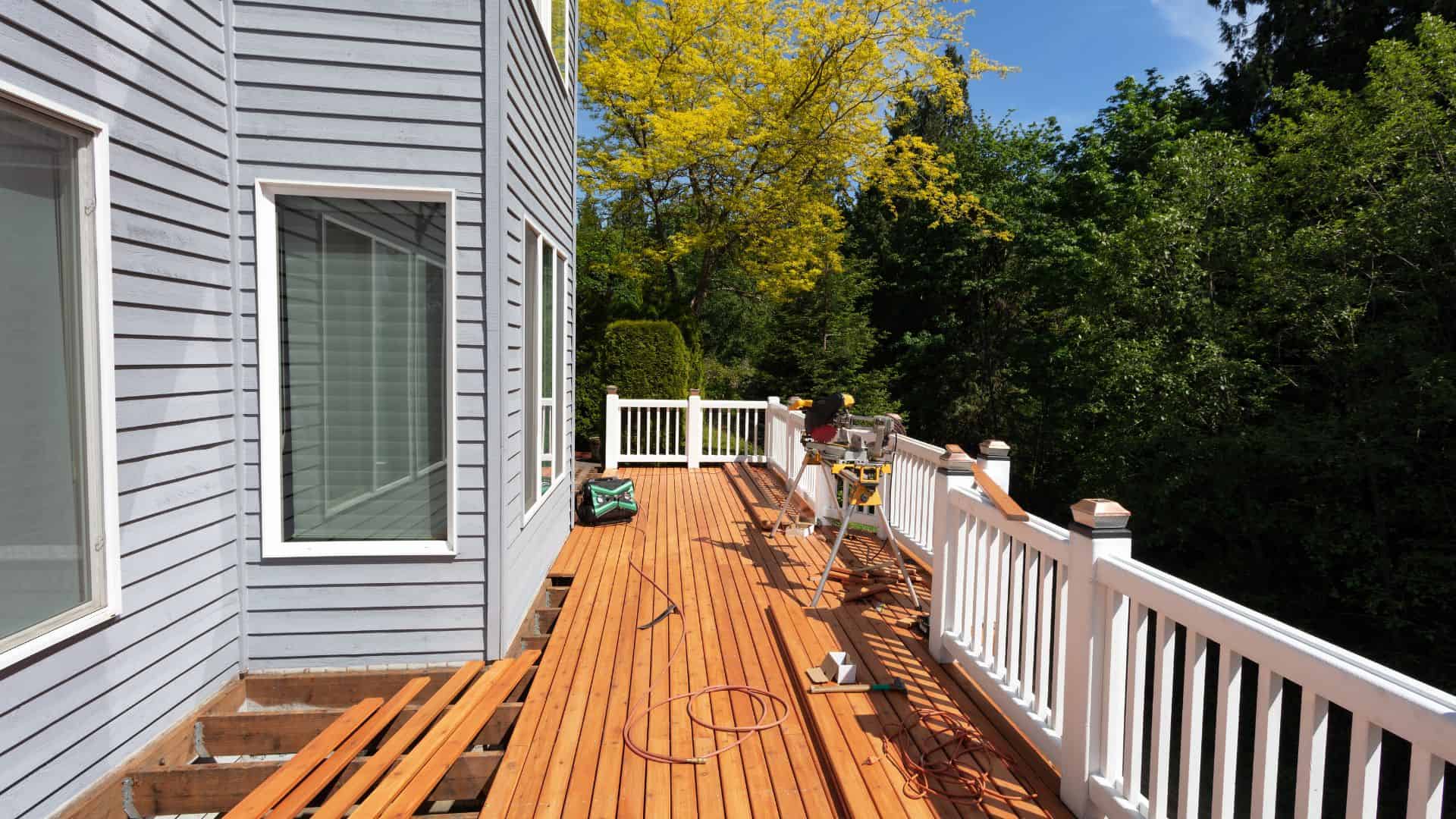
How Long Should You Plan to Be Out of Your Home?
One of the most common questions homeowners ask during a renovation-planning phase is whether they need to move out and, if so, for how long. The answer depends on the scope of work, which rooms are affected, and how disruptive the construction process will be. Some projects allow you to remain comfortably at home with minor adjustments, while others make temporary relocation the safest and most practical option. Understanding the difference helps you plan realistically and avoid unnecessary stress during your home remodel timeline.
Partial Remodel Vs. Full Relocation
The scale of your renovation plays the biggest role in determining whether you need to move out.
A partial-remodel project, such as updating one bathroom or replacing flooring in a few rooms, usually allows homeowners to remain in the house. Contractors can isolate work areas with plastic barriers and maintain access to essential spaces like bedrooms and bathrooms. In these cases, renovation duration may be inconvenient, but it is often manageable.
A full-home renovation or whole-house remodel is a different situation. When multiple systems are being updated simultaneously, especially plumbing, electrical, or HVAC, your home may temporarily lose water, power, or climate control. If walls are opened throughout the house, dust control becomes much more difficult. In these circumstances, planning to relocate for part or all of the construction schedule is often the most practical choice.
As a general guideline:
- Single-room remodel: You can often stay in the home with minor disruption.
- Multi-room renovation: Temporary relocation may be needed during high-impact phases.
- Full structural remodel: Expect to move out for a significant portion of the renovation duration.
Every project is different, so reviewing the construction schedule in advance is essential.
Living In The Home During Kitchen Remodel
Kitchen remodels deserve special attention because the kitchen is central to daily life. Even a well-managed kitchen renovation creates functional challenges.
During demolition and cabinet installation, you may not have access to:
- Running water: Sinks may be disconnected for extended periods.
- Appliances: Refrigerators, ovens, and dishwashers are often removed early in the process.
- Food storage: Cabinets are emptied and inaccessible.
Many homeowners create a temporary kitchen setup in another room. This may include a microwave, coffee maker, mini-fridge, and disposable dishware. While manageable for a short renovation duration of six to eight weeks, this setup becomes more stressful if delays occur.
If your remodel includes layout changes, plumbing relocation, or electrical rewiring, living in the home becomes more challenging. In those cases, some families choose short-term housing for the demolition and rough-construction phase, then return once finishes begin.
Dust, Noise, And Safety Factors
Even when utilities remain functional, construction conditions can impact comfort and safety. Home remodeling is not a quiet or clean process.
Key considerations include:
- Air quality: Drywall sanding and demolition create fine dust that can travel beyond sealed areas.
- Noise levels: Power tools, hammering, and saw cutting may occur daily.
- Debris and materials: Construction zones contain sharp objects, exposed wiring, and unstable surfaces.
- Children and pets: Young children and animals are particularly vulnerable to safety hazards.
Professional contractors use containment systems and daily clean-up procedures, but no remodel is completely disruption-free. If anyone in the household has respiratory issues or works from home full-time, temporary relocation may significantly improve comfort during the renovation timeline.
When Temporary Housing Makes Sense
Moving out is not always necessary, but in some cases it is the most practical decision.
Temporary housing often makes sense when:
- Major system shutdowns: Extended loss of water, electricity, or HVAC is scheduled.
- Structural work: Load-bearing wall removal or foundation repairs affect large areas of the home.
- Extensive flooring replacement: When all flooring is removed simultaneously, access becomes limited.
- Health considerations: Household members have asthma or other respiratory conditions.
- Tight construction schedule: Relocating can sometimes allow crews to work more efficiently and finish faster.
From experience, many homeowners initially try to remain in the home during a large-scale remodel, only to relocate midway through the process. Planning for relocation from the beginning can reduce stress and prevent last-minute decisions.
Practical Planning Tips For Beginners
If this is your first remodel, preparation makes all the difference. Before construction begins:
- Review the written schedule: Ask your contractor which weeks will be the most disruptive.
- Clarify utility interruptions: Confirm when water or power will be unavailable.
- Create a backup plan: Identify short-term rental or family housing options early.
- Protect valuables: Remove sensitive items from construction areas.
- Communicate expectations: Discuss daily work hours and site-cleanup routines.
A realistic conversation about living arrangements is just as important as discussing renovation duration. The more informed you are about the construction process, the easier it becomes to decide whether staying in your home is feasible or whether temporary relocation will provide peace of mind.
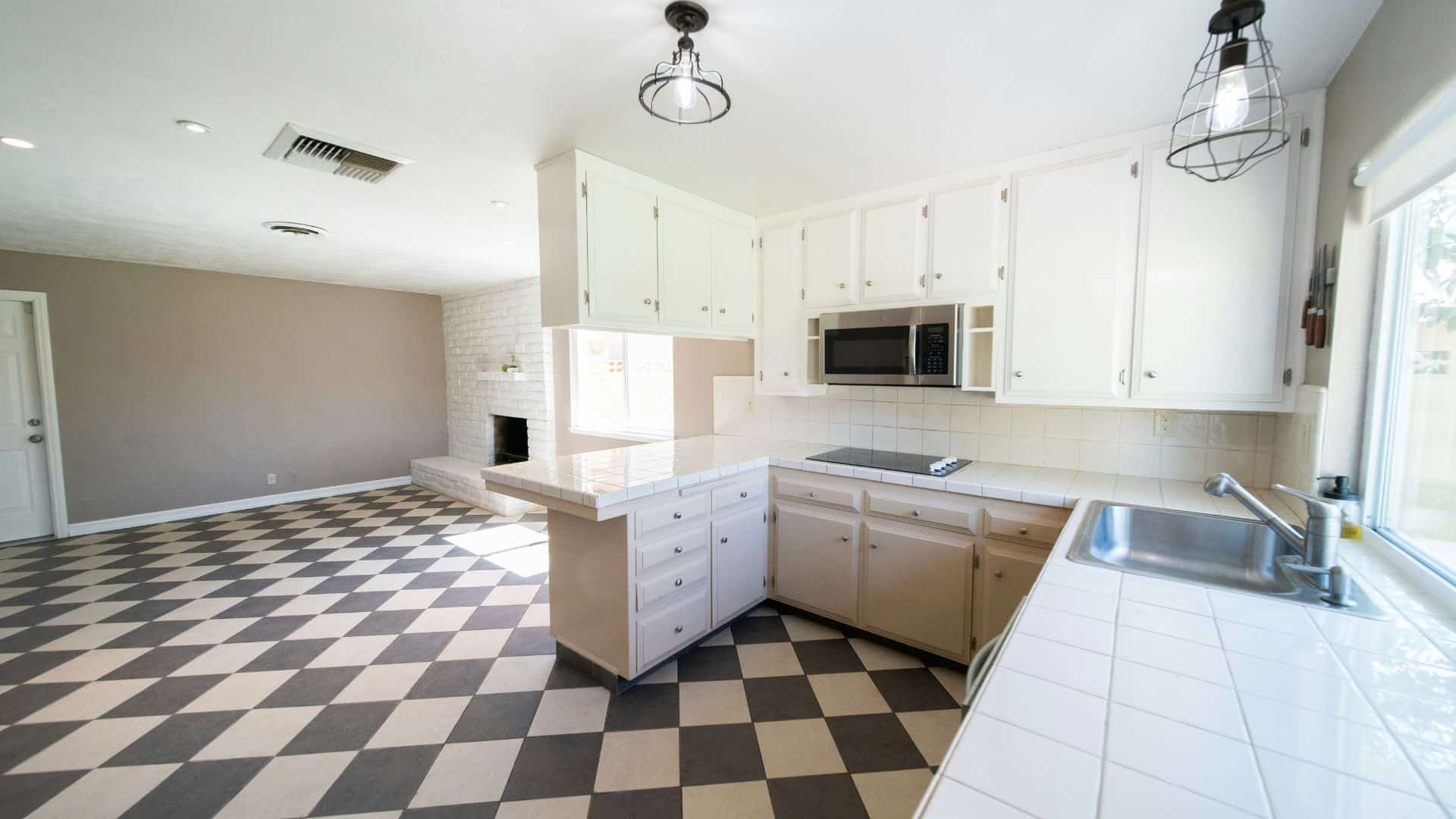
Budget vs. Timeline: Does Spending More Make It Faster?
One of the most common questions homeowners ask is whether increasing the budget will shorten the renovation duration. The honest answer is yes in some cases, but not always. While a higher budget can remove certain bottlenecks, it cannot eliminate permit-review timelines, inspection requirements, or physics-driven construction steps that simply take time. Understanding where money makes a difference and where it does not will help you plan a realistic home remodel timeline.
Paying For Expedited Permits?
In some municipalities, expedited-permit processing is available for an additional fee. This can reduce waiting time at the submission stage, but it does not guarantee instant approval.
- Availability varies: Not all cities or counties offer expedited-permit options, and in Florida, many building departments still follow fixed review cycles.
- Scope matters: Minor interior updates may move quickly, but structural changes, load-bearing wall removal, and electrical upgrades often require deeper plan review.
- Inspection scheduling remains separate: Even with fast permit approval, required inspections must still be scheduled and passed before the project can move forward.
In practice, paying for faster permit processing may save a few weeks on the front end, but it does not compress the entire construction timeline. Permit-driven steps are sequential and cannot be skipped without risking code violations or failed inspections.
Custom vs. Pre-Fab Materials
Material selection has a significant impact on renovation duration. The difference between custom-built and pre-fabricated components can determine whether your kitchen remodel takes eight weeks or fourteen.
- Custom cabinetry: Typically requires design approval, shop drawings, fabrication time, and delivery scheduling. Lead times can range from six to twelve weeks depending on complexity.
- Pre-fabricated options: Stock cabinets and ready-made vanities are often available within days or a few weeks, which helps accelerate installation.
- Special-order materials: Imported tile, impact-rated windows in Florida, and specialty countertops can extend timelines if ordered late.
- Supply-chain variables: Even well-funded projects can stall if critical materials are backordered.
Spending more on readily available materials can shorten parts of the schedule. However, if you choose fully-custom finishes, a larger budget may actually increase the renovation duration because custom work requires fabrication time.
Larger Crews vs. Small Teams
Homeowners often assume that adding more workers automatically speeds up construction. In reality, crew size must match project scope and site conditions.
- Task sequencing: Certain phases such as electrical rough-in and plumbing installation must happen in a specific order. Overcrowding a work site can slow productivity.
- Space limitations: In a small bathroom remodel, only a few trades can work efficiently at the same time.
- Project management quality: A well-coordinated small team can outperform a large, poorly-managed crew.
- Labor availability: During high-demand seasons in Florida, larger crews may be split across multiple projects, reducing scheduling flexibility.
An experienced contractor builds a timeline based on realistic labor capacity, not just headcount. Throwing more people at a project does not override inspection requirements, curing times for concrete, or installation best practices.
Realistic Expectations
While budget can influence certain parts of a home remodel timeline, it cannot eliminate essential construction steps. Drywall must dry. Tile adhesive must cure. Inspections must pass. These are process-driven realities.
- Time buffers are healthy: Adding a 10 to 20 percent time buffer helps absorb unexpected delays without creating stress.
- Change-order impact: Mid-project design changes often extend timelines more than budget limitations.
- Quality control matters: Rushing a project to save time can lead to rework, which ultimately increases overall duration.
- Clear communication is key: A detailed, written project schedule provides more timeline certainty than simply increasing spending.
From professional experience, the fastest remodels are not always the most expensive ones. They are the most well-planned, well-coordinated, and decision-ready projects. A realistic budget supports efficiency, but disciplined planning and contractor expertise are what truly keep a renovation on schedule.
Florida-Specific Remodeling Timeline Considerations
Remodeling in Florida comes with unique timing factors that do not apply in many other states. Beyond standard construction phases, homeowners must account for hurricane-related building codes, seasonal population shifts, and county-level permitting variations. If you are researching the home remodel timeline Florida homeowners typically experience, understanding these regional influences will help you set realistic expectations and avoid preventable delays.
Hurricane Code Requirements
Florida’s strict hurricane-resistant building codes are one of the biggest factors affecting renovation duration. These regulations are designed to protect homes from high-wind events, flying debris, and heavy rain, but they can extend both planning and construction timelines.
Impact windows and structural reinforcements are not simple upgrades. They often require engineering documentation, inspections, and specialty materials that are not always immediately available.
- Impact-rated windows and doors: These products must meet Florida Building Code standards and often have longer lead times than standard materials. Custom sizing or specialty finishes can extend delivery by several weeks.
- Structural reinforcements: Projects involving roof upgrades, wall removal, or additions may require engineered drawings to confirm load-bearing compliance with wind-resistance standards.
- Inspection sequencing: Hurricane-code upgrades typically require multiple inspections at different stages, which can pause progress until approval is granted.
- Product approvals: Materials may need Florida Product Approval or Miami-Dade Notice of Acceptance documentation, which adds another layer of review before installation.
From experience, projects that involve exterior modifications, such as replacing windows, altering roof structures, or adding square footage, tend to take longer in Florida than similar projects in other states because compliance is non-negotiable and closely enforced.
Seasonal Construction Cycles
Florida’s construction calendar is heavily influenced by population shifts and weather patterns. These seasonal construction cycles can significantly impact contractor availability and renovation duration.
Snowbird Season Demand Spikes
From late fall through early spring, Florida sees a major influx of part-time residents. This seasonal population increase drives higher demand for remodeling services.
- Contractor availability: Reputable contractors often book projects months in advance during peak season.
- Inspection scheduling: Municipal inspection departments may experience heavier workloads, extending approval timelines.
- Material supply strain: Increased construction activity can lead to regional shortages or slower deliveries.
If you are planning a remodel during snowbird season, it is wise to secure a contractor early and finalize material selections before peak demand begins. Pre-planning reduces the risk of schedule gaps between project phases.
Summer Weather Delays
While summer may seem like an off-peak time, it presents its own challenges. Florida’s rainy season and hurricane season can slow progress, especially for exterior work.
- Rain interruptions: Frequent storms delay roofing, concrete pours, exterior painting, and framing.
- Storm preparedness: Contractors may pause projects to secure job sites ahead of severe weather.
- Utility disruptions: Power outages or weather-related material delivery delays can extend timelines.
Interior projects are less affected, but any remodel involving structural openings, roofing, or additions may experience weather-related slowdowns during the summer months.
Local Permit Backlogs By County
Permit timelines vary significantly across Florida counties, and this is one of the most overlooked factors when estimating a home renovation timeline. Some municipalities process residential permits quickly, while others experience consistent backlogs.
Urban counties with high construction volume may require several weeks for plan review, especially for structural modifications or additions. Coastal regions often apply stricter scrutiny to hurricane-related upgrades. Smaller counties may move faster, but can still experience seasonal slowdowns.
Based on industry experience, here are practical considerations:
- Plan review timeframes: Structural remodels requiring engineered drawings typically take longer than cosmetic updates.
- Revision cycles: If submitted plans require corrections, each revision resets part of the review timeline.
- Inspection scheduling capacity: Some counties have limited inspectors, creating bottlenecks during high-demand months.
- HOA coordination: In master-planned communities, HOA approval is often required before permit submission, adding another pre-construction step.
Before committing to a renovation schedule, homeowners should ask their contractor about current local permit processing times in their specific county. An experienced Florida-based contractor can provide recent timeline data rather than relying on outdated averages.
How To Get An Accurate Timeline For Your Specific Project
One of the most common mistakes homeowners make is relying on a general estimate they found online instead of getting a project-specific timeline. While average renovation duration ranges are helpful, your remodel depends on your home’s condition, scope-of-work, permit requirements, and contractor availability. An accurate timeline is built through detailed planning, transparent communication, and professional evaluation. Below is how experienced remodelers determine a realistic start-to-finish schedule and how you can make sure the timeline you receive is grounded in reality.
Questions To Ask Contractors
The quality of the timeline you receive is directly tied to the quality of the questions you ask. An experienced contractor should be able to walk you through the full process, not just provide a rough completion date.
- Project scope clarity: Ask how the scope-of-work affects the overall renovation duration. Structural changes, plumbing relocations, and electrical upgrades typically extend timelines beyond cosmetic updates.
- Permit requirements: Confirm whether permits are required and how long approvals typically take in your city or county. In Florida, hurricane-code compliance and inspection scheduling can add measurable time.
- Material lead-times: Ask which materials have long lead-times, especially custom cabinets, impact-rated windows, or specialty tile.
- Crew scheduling: Clarify whether the contractor uses in-house crews or subcontractors and how scheduling overlaps are managed.
- Contingency planning: Ask how unexpected issues such as water damage or outdated wiring are handled without derailing the entire project.
An experienced professional should answer confidently and specifically. Vague responses are often a red flag.
Requesting Written Schedules
A verbal estimate is not enough for a time-sensitive remodel. A written schedule provides accountability and clarity for both parties.
A well-prepared construction schedule typically includes:
- Phase breakdown: Clear milestones such as demolition, rough-in work, inspections, drywall, and finishing stages.
- Estimated durations: Time ranges assigned to each phase based on realistic labor availability.
- Inspection windows: Built-in time for city or county inspections, which can delay progress if not scheduled properly.
- Material arrival dates: Confirmation that long lead-time items are ordered before demolition begins.
- Completion targets: A projected final completion date with buffer time included.
Written schedules reduce misunderstandings and create a reference point if delays occur. They also demonstrate that the contractor operates with a structured, project-management mindset.
Understanding Critical Path
The critical-path method is a project-management principle that identifies the sequence of tasks that directly affect the final completion date. If one task on the critical path is delayed, the entire project shifts.
For example, cabinetry installation cannot happen until drywall is complete. Drywall cannot begin until rough plumbing and electrical inspections pass. If an inspection fails, the downstream tasks automatically move.
Understanding the critical path helps you:
- Prioritize decisions: Finalize selections before demolition to prevent bottlenecks.
- Recognize dependencies: Some tasks cannot overlap even if additional labor is added.
- Evaluate delays realistically: Not every delay affects the overall timeline equally.
Experienced remodelers map out this sequence before construction begins, which is one reason professional planning reduces timeline surprises.
Reviewing Previous Project Timelines
One of the most reliable ways to evaluate a contractor’s timeline accuracy is to review completed project timelines. Past performance often predicts future performance.
Ask for examples of:
- Comparable projects: Renovations similar in size and complexity to yours.
- Planned versus actual completion dates: This reveals how closely they adhere to projected schedules.
- Delay explanations: Understanding why delays occurred helps you assess risk management practices.
- Client references: Speaking directly with past clients provides insight into communication and schedule reliability.
Professionals who consistently deliver within reasonable timeframes usually have strong coordination systems and experienced crews.
Importance Of Licensed And Insured Professionals
Licensing and insurance are not just legal requirements. They are timeline-protection tools.
Licensed contractors understand local building-codes, permit requirements, and inspection processes. In states like Florida, compliance with hurricane-impact standards and structural codes is non-negotiable. An unlicensed contractor may overlook requirements that lead to stop-work orders, costly corrections, and extended renovation duration.
Insurance is equally important. If damage or injury occurs on-site, uninsured contractors can halt progress while liability issues are resolved.
Working with licensed and insured professionals ensures:
- Code compliance: Reduces risk of failed inspections and rework.
- Permit efficiency: Experienced professionals know how to navigate local approval systems.
- Professional accountability: Licensed contractors are held to regulatory standards.
- Financial protection: Insurance safeguards against unexpected disruptions.
When evaluating how long does a home remodel take for your specific property, professional credentials directly influence the answer. An experienced, well-organized contractor with proper licensing and insurance is far more likely to provide an accurate timeline and deliver on it.
If you are planning a remodel and want a realistic timeline tailored to your home, our team is here to help. We provide clear project schedules, transparent communication, and expert guidance so you know exactly what to expect before construction begins. Visit our website to explore our remodeling process, review past projects, and schedule a consultation so you can move forward with confidence and avoid costly timeline surprises.
FAQs: About How Long Does a Home Remodel Take
- How long does a typical home remodel take from start to finish?
Most home remodels take anywhere from 4 weeks to 12 months depending on the size and complexity of the project. A small bathroom remodel may take a few weeks, while a full-home renovation can take several months. Planning, permits, and material availability all affect the total renovation duration. - How long does a kitchen remodel usually take?
A standard kitchen remodel typically takes 6 to 12 weeks once construction begins. Custom cabinets, layout changes, or structural modifications can extend the timeline. Pre-ordering materials and finalizing design decisions early helps avoid delays. - What is the average home remodel timeline in Florida?
In Florida, remodel timelines can be extended by local permit requirements, hurricane code regulations, and seasonal demand. Permit approvals may take several weeks, depending on the county. Weather conditions and HOA approvals can also impact scheduling. - Do permits significantly delay a renovation?
Permits can add several weeks to a project timeline, especially if revisions are required. Inspections at different phases must be scheduled and approved before work continues. Working with an experienced contractor can streamline the permitting process. - Can I live in my house during a remodel?
In many cases, homeowners can stay in the home during smaller renovations. However, major kitchen remodels, full-home renovations, or projects involving plumbing and electrical shutdowns may require temporary relocation. Safety, dust, and noise should be carefully considered. - What factors most commonly extend renovation duration?
Common delays include backordered materials, unexpected structural issues, change orders, and inspection failures. Weather and contractor scheduling conflicts can also slow progress. Proper planning and clear communication reduce the risk of timeline extensions. - How long does it take to renovate a 2,000-square-foot house?
Renovating a 2,000 square foot home can take 4 to 9 months, depending on whether the remodel is cosmetic or structural. Projects involving layout changes, roofing, plumbing, or electrical updates will take longer. A detailed project scope is necessary for an accurate estimate. - Does a bigger budget make a remodel faster?
A larger budget can reduce delays if it allows for larger crews, higher-quality materials in stock, or faster design approvals. However, permits, inspections, and structural work still require time. Budget helps efficiency, but it does not eliminate process requirements. - What is the fastest type of home remodel?
Cosmetic updates such as painting, flooring replacement, or fixture upgrades are typically the fastest projects. These can often be completed within 2 to 4 weeks. Projects that do not involve structural changes or permits move more quickly. - How can I get a more accurate timeline for my specific remodel?
Request a detailed written schedule from your contractor that outlines each construction phase and estimated completion dates. Ask about material lead times, inspection scheduling, and potential risk factors. Reviewing past project timelines from your contractor can also provide realistic expectations.
Conclusion
Every home remodel comes with its own timeline, and while it is natural to want a clear start-and-finish date, the reality is that renovation duration depends on the scope of work, permit approval, material lead-times, and decision-making speed. The most important takeaway is that timelines vary, but thoughtful planning dramatically reduces stress, unexpected delays, and budget surprises. A well-planned remodel begins long before demolition day with finalized design selections, written construction schedules, and realistic contingency buffers built into both time and cost estimates. Proactive preparation such as confirming product availability, understanding local permit requirements, and reviewing contractor timelines from past projects, allows you to move forward with confidence instead of reacting to preventable setbacks. Just as critical is maintaining consistent, transparent communication with your contractor throughout the process. Regular progress updates, clear expectations about inspection scheduling, and prompt decisions when questions arise can keep a remodeling project on-track and minimize disruptions. When homeowners approach a remodel with flexibility, preparation, and open dialogue, the entire experience becomes more manageable, predictable, and ultimately more successful.
Expert Home Remodel Services Designed Around How Long Your Remodel Takes
- Full Home Remodeling: Expert full home remodel services that align design, planning, and construction so your renovation timeline stays organized and predictable, helping you understand how long a home remodel takes from start to finish.
- Kitchen Remodeling: Professional kitchen remodels crafted to fit your lifestyle with clear scheduling and material planning so your kitchen renovation duration reflects accurate expectations and minimizes delays.
- Luxury Kitchen Remodel: Premium kitchen renovations that combine high-end design with strategic project timing, ensuring your remodel duration stays realistic without sacrificing quality or functionality.
- Bathroom Remodeling: Tailored bathroom upgrades with thoughtful sequencing and clear communication so you know how long bathroom remodel steps take and what to expect at every stage.
- Floor Installation Contractor: Quality flooring installation that fits into your broader home remodel timeline, optimizing scheduling so your renovation duration stays on track.