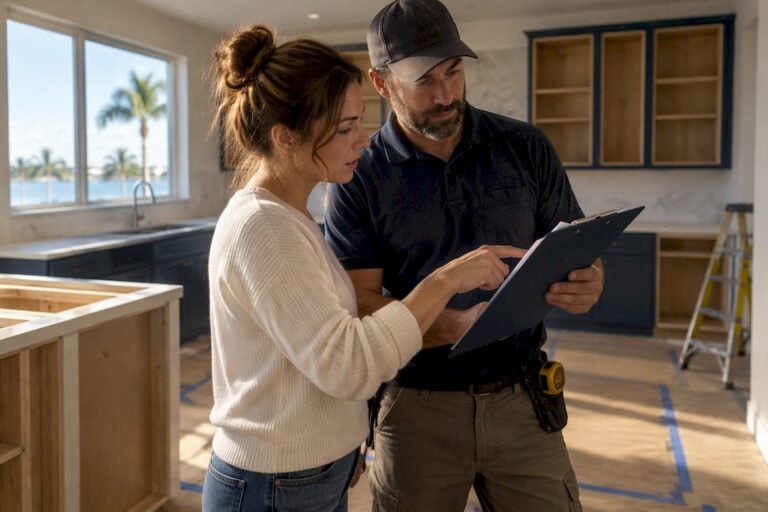

Welcome to your complete, no-nonsense guide on how to choose a remodeling contractor without stress, wasted money, or costly mistakes. Whether you’re planning a small home update or a full renovation, finding the right contractor can feel overwhelming—especially when every company claims to be “the best.” In this guide, we’ll walk you through exactly what to look for, which questions to ask, and how to spot red flags before signing a contract, so you can confidently choose a licensed, reliable remodeling contractor who delivers quality work, clear communication, and results you’ll actually be happy with.
Choosing a remodeling contractor starts with verifying licenses and insurance, reviewing past work, and asking the right general contractor questions before hiring. Homeowners should compare detailed estimates, check reviews and references, confirm local experience, and avoid contractors who pressure fast decisions or offer vague pricing. Choosing a licensed contractor with proven experience helps protect your budget, timeline, and home investment.
Why Choosing The Right Remodeling Contractor Is So Important
Hiring a remodeling contractor isn’t just another item on your to-do list. The person or team you choose will directly affect your budget, your daily life at home, and the quality and safety of the work itself. A good contractor makes the process feel organized and predictable, while the wrong one can create stress that lasts long after the final invoice.
The Financial Risks Of Hiring The Wrong Contractor
Home remodeling is expensive, and most homeowners don’t have room in the budget for preventable mistakes. When the contractor isn’t qualified, organized, or transparent, costs tend to rise fast and for reasons that are hard to control.
Common financial problems include:
- Vague estimates: A low quote that lacks detail often turns into a higher total once “missing” items appear mid-project.
- Change order overload: Poor planning upfront leads to repeated add-ons, and each change usually adds labor, materials, and time.
- Inferior materials: Some contractors cut costs by using cheaper products than promised, which can lead to early failure and replacement costs.
- Payment disputes: When progress and payments aren’t clearly tied to milestones, homeowners can end up paying too much too early with little leverage if work stalls.
- Rework costs: Bad workmanship often has to be fixed by another professional, and you may pay twice for the same part of the job.
If you’re learning how to choose a remodeling contractor, this is where due diligence pays off. A professional who documents the scope clearly, explains allowances, and sets expectations upfront is usually the one who protects your budget best.
The Emotional Toll Of A Bad Remodeling Experience
A remodel can be disruptive even under ideal conditions. When the contractor is unreliable, the project can take over your life in ways you didn’t expect. Missed deadlines, unanswered calls, and constant surprises tend to create stress that affects your work schedule, your family routines, and even your ability to relax at home.
Homeowners commonly report issues like:
- Constant uncertainty: You never really know when workers will show up, what’s happening next, or when the project will end.
- Communication breakdowns: If updates are inconsistent, it’s easy for misunderstandings to turn into conflict.
- Decision fatigue: Poor planning can force you into rushed choices on finishes, fixtures, and materials, often without enough information.
- Loss of control: When your home is under construction, you want a partner who keeps you informed and respects your space.
Choosing a remodeling contractor who communicates clearly and manages the process well isn’t just about convenience. It’s about reducing stress and giving you confidence that your home is in capable hands.
The Structural And Safety Risks You Can’t Afford To Ignore
Beyond money and stress, there’s a bigger concern: the work has to be done correctly. Remodeling often involves electrical systems, plumbing, load-bearing structures, ventilation, waterproofing, and code requirements. Mistakes in these areas can create hazards that don’t always show up right away.
Structural and safety risks may include:
- Hidden damage: Poor demolition or improper installation can lead to water intrusion, mold, or rot behind walls and under floors.
- Electrical and plumbing problems: Shortcuts can cause leaks, poor drainage, tripped breakers, or fire risks.
- Improper permits: Skipping permits or failing inspections can leave you responsible for bringing the work up to code later.
- Load-bearing errors: Removing or altering structural elements without proper planning can cause sagging, cracks, or worse.
This is one of the biggest reasons homeowners should focus on licensed contractor tips, proof of insurance, and real project experience. A trustworthy contractor won’t just tell you they do quality work, they’ll show you how they plan, build, and protect your home.
The Long-Term Consequences That Follow You After The Remodel
The impact of choosing the wrong contractor doesn’t always end when the job is finished. In many cases, the most expensive consequences show up months later, when you’re living with the results.
Here are a few long-term issues homeowners run into:
- Costly repairs: Tile that wasn’t waterproofed properly, cabinets installed out of level, or flooring laid over an uneven subfloor can fail early and require replacement.
- Warranty confusion: If the contractor disappears or never offered written warranty terms, you may have no realistic path to fixing defects without paying out of pocket.
- Legal and insurance headaches: Unlicensed work, unpaid subcontractors, or missing permits can lead to liens, disputes, or complications with homeowners insurance claims.
- Reduced resale value: Buyers and inspectors notice sloppy workmanship. Bad remodeling can lower offers, delay closing, or force you to make repairs before selling.
This is why asking the right general contractor questions before hiring matters so much. You’re not only paying for labor today, you’re protecting the value of your home for years.
Why Due Diligence Matters More Than A Quick Quote
It’s tempting to make a fast decision when you’re excited to start a remodel, but rushing usually leads to regret. Due diligence isn’t about being suspicious, it’s about being smart. When you take the time to verify credentials, review past work, and compare estimates properly, you dramatically reduce your chances of dealing with delays, disputes, and expensive repairs.
Before you hire anyone, make sure you can confidently answer:
- Credentials: Are they licensed, insured, and able to pull permits for this type of project?
- Track record: Can they show similar remodels and provide references you can actually contact?
- Clarity: Does their estimate clearly explain scope, materials, allowances, and timeline?
- Communication: Do they respond reliably now, and do you understand how updates will work during the project?
If your project is in a competitive market, like homeowners searching for the best contractor Tampa has available, these steps matter even more. The best remodeling contractors are rarely the cheapest on paper, but they are often the most cost-effective over the life of your home.
Start With Clear Remodeling Goals
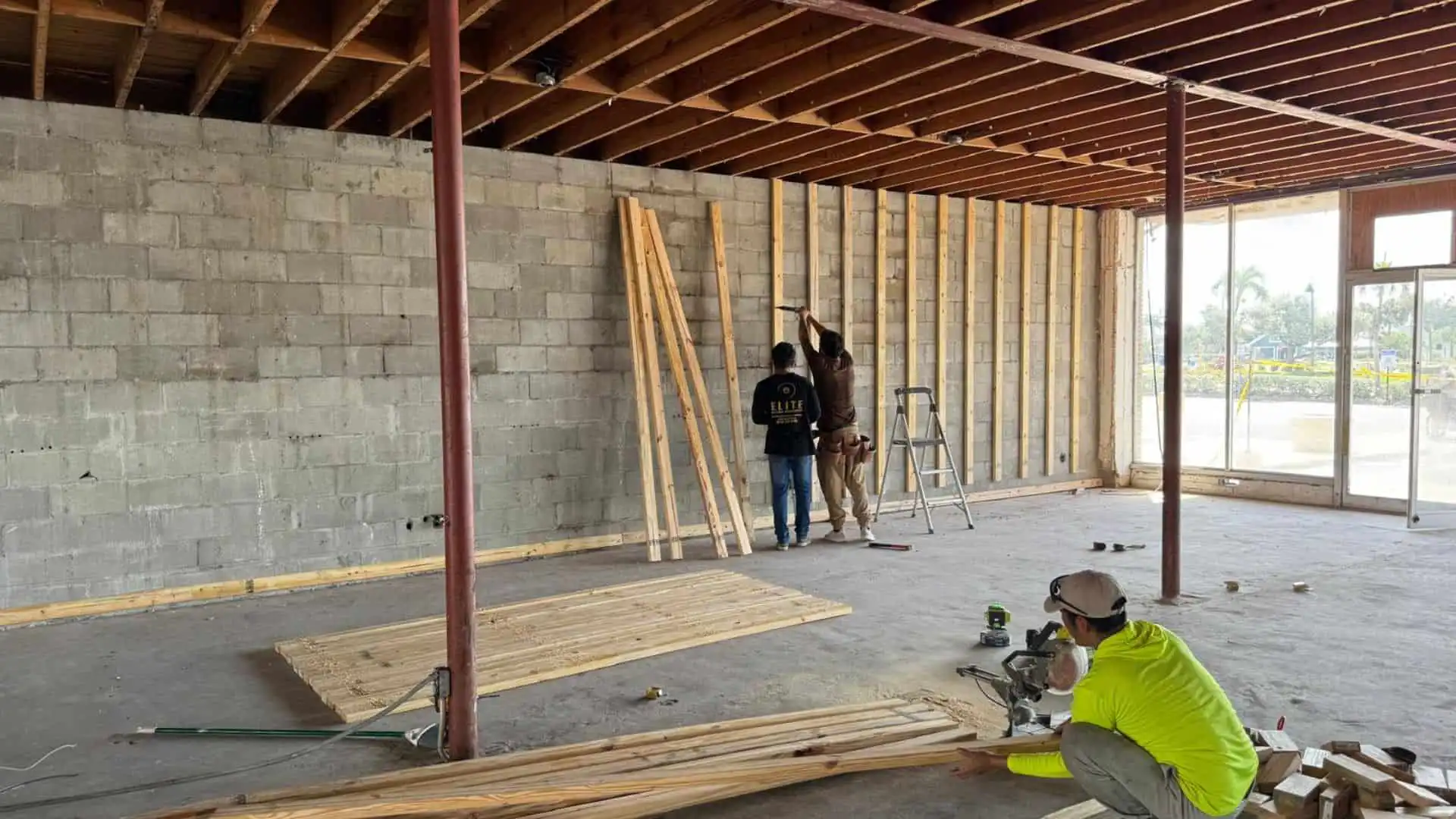
Before you speak with any remodeling contractor, the most important work starts with you. Clear remodeling goals help prevent miscommunication, reduce unexpected costs, and make it easier for contractors to give accurate estimates. When homeowners take time to prepare upfront, projects tend to stay on schedule, within budget, and aligned with expectations.
Define Your Scope Of Work
Knowing exactly what you want to remodel sets the foundation for every decision that follows. A clearly defined scope of work helps contractors understand the project and prevents assumptions that can lead to costly changes later.
- What are you remodeling: Be specific about the areas involved, whether it’s a kitchen, bathroom, addition, or a full home renovation. Vague descriptions often lead to inconsistent estimates and misunderstandings.
- What problems are you trying to solve: Focus on function, not just appearance. Are you dealing with outdated layouts, lack of storage, water damage, or poor lighting? Identifying the problem helps contractors recommend practical solutions rather than cosmetic fixes.
- What’s “nice to have” vs “must have”: Separate essentials from optional upgrades. Must-haves are non-negotiable features needed for functionality or safety, while nice-to-haves can be adjusted if budget or timeline constraints arise.
Taking the time to clarify these points allows contractors to design solutions that match your priorities instead of guessing your expectations.
Set A Realistic Budget
A realistic budget is just as important as a clear scope of work. Budget uncertainty is one of the most common reasons remodeling projects stall or exceed expectations.
- Why vague budgets lead to miscommunication: When homeowners avoid discussing budget, contractors may either overestimate to protect themselves or underestimate to stay competitive. Both scenarios can result in frustration once real costs surface.
- Budget ranges vs fixed expectations: Providing a budget range gives contractors flexibility to recommend materials and approaches that align with your financial comfort zone. Fixed budgets are helpful when they are realistic, but they should still allow room for adjustments.
- Importance of contingency funds: Unexpected issues such as structural repairs or outdated wiring are common in remodeling projects. Setting aside a contingency fund helps you handle surprises without delaying work or compromising quality.
Clear financial boundaries allow contractors to plan accurately and reduce the likelihood of uncomfortable conversations mid-project.
How To Find Potential Remodeling Contractors
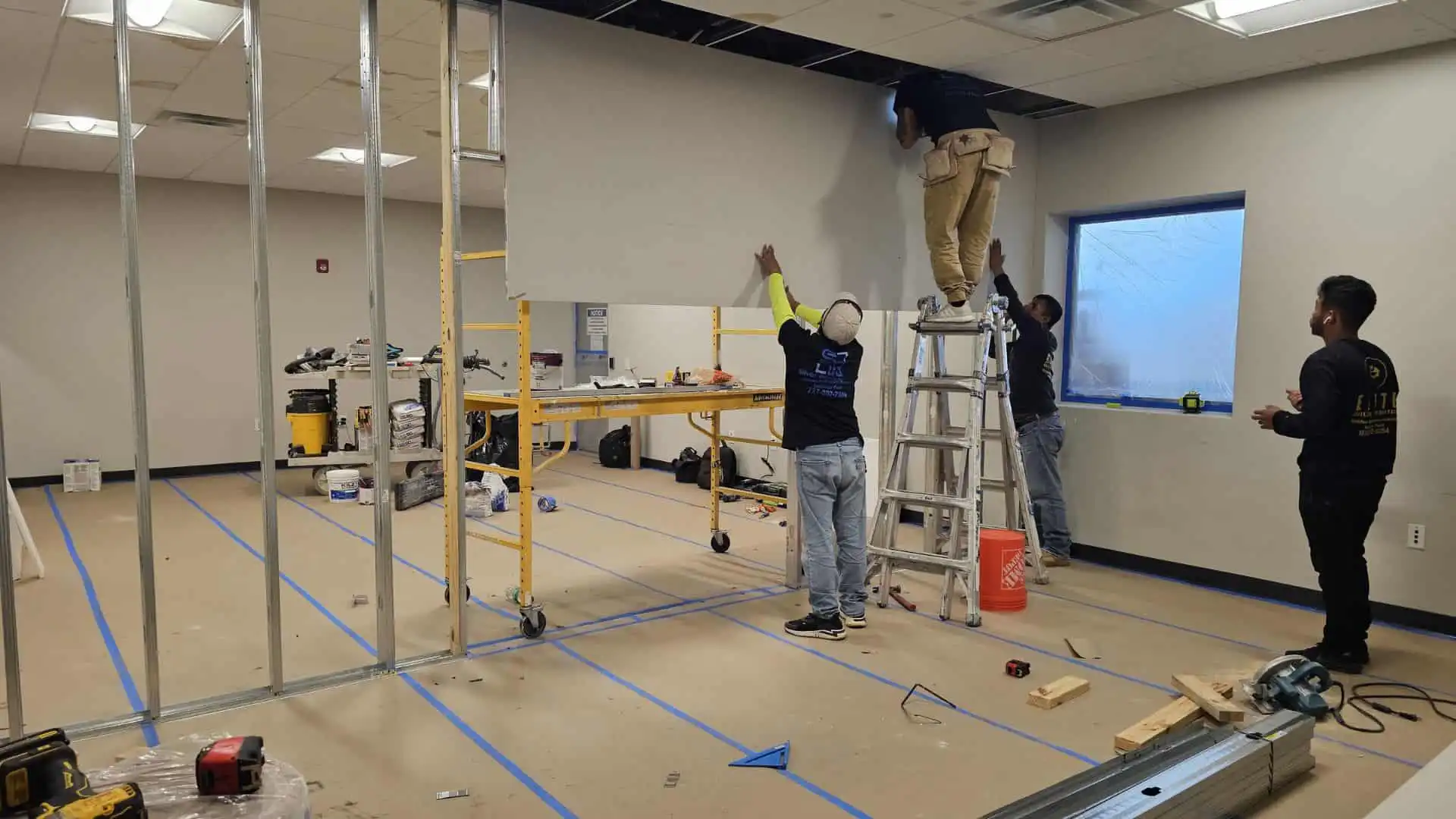
Finding the right remodeling contractor starts with knowing where to look and how to evaluate your options. Taking a thoughtful approach helps you avoid unreliable hires and focus on professionals who are experienced, trustworthy, and capable of delivering quality results.
Where To Look For Reputable Contractors
Reputable contractors typically have a strong presence both within their local community and online. Using multiple sources during your search gives you a more complete picture of a contractor’s reliability and work quality.
- Referrals From Friends And Neighbors:
Personal recommendations are often the most dependable starting point. Friends, family members, or neighbors who have recently completed remodeling projects can share honest insights about communication, workmanship, timelines, and overall satisfaction. Seeing completed work in person also helps set realistic expectations. - Online Directories And Reviews:
Platforms such as Google Business Profiles, Yelp, and home service directories allow you to compare contractors, read verified reviews, and view photos of past projects. Focus on detailed feedback that explains how contractors handled challenges, not just overall star ratings. Consistency across multiple review platforms is usually a strong sign of reliability. - Local Searches:
Searching locally helps you find contractors who actively work in your area and understand regional requirements. Using search terms like best contractor Tampa can highlight professionals with established businesses, strong local reputations, and experience working with nearby homeowners.
Why Local Experience Matters
Local experience plays a major role in how smoothly a remodeling project runs. Contractors who regularly work in your area are better equipped to manage regulations, timelines, and expectations.
- Knowledge Of Local Codes And Permits:
Local contractors are familiar with municipal building codes, inspection processes, and permit requirements. This knowledge reduces delays, prevents compliance issues, and helps projects move forward without unnecessary interruptions. - Faster Response Times:
Contractors based nearby can respond quickly to site visits, questions, or unexpected issues during the project. Faster communication often leads to quicker problem-solving and less downtime. - Accountability Within The Community:
Local contractors depend heavily on their reputation within the community. Because their business relies on referrals and repeat clients, they are often more motivated to maintain quality standards, communicate clearly, and resolve concerns professionally.
Taking the time to find potential remodeling contractors through trusted sources and prioritizing local experience can make a significant difference in your renovation outcome. A careful search helps ensure you hire a professional who understands your needs, respects your home, and delivers reliable results from start to finish.

Licensed Contractor Tips Every Homeowner Should Know
Hiring a licensed contractor is one of the most important decisions you’ll make during a remodeling project. Licensing is not just a formality or a marketing claim. It is a key signal of professionalism, legal compliance, and accountability that protects both your home and your investment. Understanding these licensed contractor tips will help you avoid unnecessary risks and choose a contractor you can trust with confidence.
Why Licensing Is Non-Negotiable
A contractor’s license exists to protect homeowners, not contractors. It ensures that anyone working on your property meets minimum standards set by the state or local authority.
- Legal protection for homeowners:
A licensed contractor operates under regulations that give you legal recourse if something goes wrong. If disputes arise over workmanship, payments, or unfinished work, licensing provides a clear path for filing complaints or seeking resolution. Hiring an unlicensed contractor can severely limit your options if problems occur. - Compliance with building codes:
Licensed contractors are required to understand and follow local building codes and permit requirements. This helps ensure that your remodel is completed safely, structurally sound, and up to current standards. Code violations can lead to failed inspections, costly rework, and issues when selling your home in the future. - Insurance and liability considerations:
Licensed contractors are typically required to carry proper insurance, including general liability and, in many cases, workers’ compensation. This protects you from being held financially responsible if someone is injured on your property or if accidental damage occurs during the project.
How to Verify a Contractor’s License
Knowing how to confirm a contractor’s credentials is just as important as asking if they are licensed. A legitimate professional will never hesitate to provide proof.
- State or local license lookup:
Most states and municipalities offer online license databases where you can search by the contractor’s name or license number. This allows you to confirm that the license is active, valid, and appropriate for the type of work being performed. - Red flags to watch for:
Be cautious if a contractor avoids questions about licensing, provides excuses instead of documentation, or claims a license is not necessary for your project. These are common warning signs that can indicate a lack of compliance or experience. - What “licensed and insured” really means:
This phrase should mean more than words on a website. Ask for proof of both licensing and insurance, and verify them independently. A licensed and insured contractor demonstrates accountability, professionalism, and respect for your property and financial security.
Understanding and applying these licensed contractor tips can save you from costly mistakes and unnecessary stress. Taking the time to verify credentials upfront sets the foundation for a smoother remodeling experience and a finished project you can feel confident about.

General Contractor Questions You Should Always Ask
Hiring a remodeling contractor is a major decision, and the questions you ask upfront can make the difference between a smooth project and a stressful experience. This section focuses on the most important general contractor questions homeowners should ask to evaluate experience, communication, and pricing before moving forward. Taking the time to get clear answers helps set expectations and protects your investment.
Experience & Expertise
Understanding a contractor’s background helps you determine whether they are truly qualified for your specific remodeling project. Experience is not just about years in business, but also about relevant, hands-on knowledge.
- How long have you been in business: Contractors with an established history tend to have proven processes, reliable subcontractors, and the ability to handle unexpected issues. Longevity can also indicate financial stability and customer satisfaction.
- Do you specialize in this type of remodel: A contractor who regularly completes projects similar to yours is more likely to understand common challenges, material requirements, and best practices. Specialization often results in higher-quality work and fewer delays.
Project Management
Strong project management keeps a remodel organized, on schedule, and less stressful for homeowners. These questions clarify how your project will be handled day to day.
- Who will be on-site daily: Knowing whether the contractor, a project manager, or a foreman will oversee the job helps establish accountability. It also ensures you know exactly who to contact if questions or concerns arise.
- How is communication handled: Clear communication prevents misunderstandings. Ask how often you will receive updates and whether communication will take place through calls, emails, texts, or in-person check-ins.
- Timeline expectations: A professional contractor should provide a realistic project timeline based on the scope of work. While changes can happen, clear expectations help you plan and reduce frustration if adjustments are needed.
Pricing & Contracts
Transparent pricing and clear contracts are essential when choosing a remodeling contractor. These general contractor questions help you understand costs and avoid unexpected expenses.
- How are estimates structured: Ask whether estimates are itemized or fixed-price and what assumptions they are based on. Detailed estimates make it easier to compare contractors and understand where your money is going.
- What’s included vs excluded: Clarifying what the contract covers helps prevent disputes later. Materials, permits, cleanup, and change orders should all be clearly defined before work begins.
- Payment schedules: Reputable contractors use milestone-based payment schedules rather than large upfront payments. This structure protects both parties and keeps the project moving forward responsibly.
Asking these general contractor questions early helps you identify professionals who value transparency, communication, and quality work. A reliable contractor will welcome these discussions and provide clear answers. Ending the process with confidence sets the foundation for a successful remodeling experience and fewer surprises along the way.
How To Compare Remodeling Contractor Estimates
Comparing remodeling contractor estimates is one of the most important steps in the hiring process, yet it’s also where many homeowners make costly mistakes. Prices can vary significantly, and without knowing what to look for, it’s easy to choose an option that seems good upfront but leads to problems later. This section breaks down how to evaluate estimates properly so you can make a confident, informed decision.
Why The Cheapest Estimate Is Rarely The Best
The lowest estimate often looks appealing, especially when you are trying to stay within a budget. However, a price that is significantly lower than others usually means something important is missing or underestimated.
Common reasons the cheapest estimate causes issues include:
- Incomplete scope of work: Essential tasks or materials may be excluded, resulting in added costs later
- Lower-quality materials: Cheaper options may not meet durability or performance expectations
- Underestimated labor: Inaccurate labor costs can lead to rushed work or project delays
- Frequent change orders: Initial savings disappear once unexpected charges begin
A fair estimate reflects realistic labor, proper materials, and enough time to complete the remodel correctly. In most cases, value matters more than the lowest price.
Apples-To-Apples Comparison Tips
To truly compare remodeling contractor estimates, each bid must be evaluated on equal terms. Differences in formatting or missing details can make one estimate look better than it actually is.
When comparing estimates, make sure to:
- Confirm the same scope of work: Every contractor should be pricing the same project details
- Review itemized costs: Labor, materials, permits, and cleanup should be clearly listed
- Compare timelines: Each estimate should include a realistic start date and completion window
- Check warranties and guarantees: Understand what protection is included after the project is complete
If one estimate stands out as drastically higher or lower, ask for clarification. A professional contractor should be willing to explain their pricing clearly and transparently.
Understanding Allowances And Line Items
Allowances are placeholder amounts included in an estimate for materials or fixtures that have not yet been selected. These commonly apply to items such as cabinets, flooring, or lighting.
Important things to understand about allowances:
- They are estimates, not final prices: Actual costs depend on your final selections
- Low allowances can be misleading: Underestimated allowances make bids appear cheaper upfront
- Clear descriptions are essential: Each allowance should specify what is included and at what quality level
Line items should clearly describe specific tasks or services being performed. Detailed line items help prevent confusion, disputes, and unexpected costs once the project begins.
Warning Signs Of Vague Estimates
A vague estimate often signals poor communication or lack of professionalism. Clear, detailed documentation protects both you and the contractor throughout the remodeling process.
Watch for these warning signs:
- Overly simple estimates: One-page bids with minimal detail often lead to misunderstandings
- Missing material information: No brands, grades, or specifications listed
- Unclear payment terms: No defined payment schedule or milestones
- Reliance on verbal agreements: Anything not written may not be honored later
If an estimate feels unclear or raises concerns, take it as a sign to ask more questions or continue your search.
Red Flags That Signal a Bad Remodeling Contractor
Choosing the right remodeling contractor is just as much about knowing who to avoid as it is about finding the best option. Recognizing early warning signs can protect you from budget overruns, unfinished projects, and unnecessary stress. Paying attention to these red flags helps you make a confident, informed decision and ensures your remodeling experience stays on track.
Requests for Large Upfront Payments
A trustworthy remodeling contractor will ask for a reasonable deposit, not the majority of the project cost before work begins. Excessive upfront payment requests often indicate poor financial management or unreliable business practices.
- What to watch for: Requests for more than 30–40% of the total project cost before any work or materials are provided
- Why it matters: Paying too much upfront limits your leverage if the contractor delays work or fails to deliver
- Best practice: Payments should be clearly tied to project milestones outlined in the contract
No Written Contract
A written contract protects both the homeowner and the contractor by clearly defining expectations. Contractors who avoid formal agreements often leave room for misunderstandings or disputes.
- What to watch for: Refusal to provide a written agreement or reliance on verbal promises
- Why it matters: Without a contract, there is no clear record of scope, pricing, timelines, or responsibilities
- Best practice: Always insist on a detailed, written contract before any work begins
Poor Communication
Clear communication is critical during a remodeling project. If communication issues appear early, they often worsen once the project is underway.
- What to watch for: Delayed responses, unclear answers, or difficulty reaching the contractor
- Why it matters: Poor communication can lead to mistakes, delays, and increased frustration
- Best practice: Choose a contractor who communicates promptly and sets expectations from the start
Lack of References or Verifiable Work
Experienced remodeling contractors should be able to demonstrate their work through references, reviews, or completed projects.
- What to watch for: Excuses for not providing references or only offering vague testimonials
- Why it matters: A lack of verifiable experience may signal inexperience or unresolved customer complaints
- Best practice: Ask for recent references and examples of similar remodeling projects
Pressure Tactics
Professional contractors understand that homeowners need time to evaluate their options. High-pressure sales tactics are often a sign of unreliable service.
- What to watch for: Claims that prices are only valid for a short time or pressure to sign immediately
- Why it matters: Rushed decisions increase the risk of overlooking important details
- Best practice: Work with a contractor who respects your timeline and answers questions without pressure
Understanding these red flags gives you greater control when choosing a remodeling contractor. Taking the time to evaluate professionalism, communication, and transparency helps you avoid costly mistakes and select a contractor who will treat your home and investment with care.
How To Check Reviews, References, And Past Work
Taking the time to properly review a contractor’s reputation is one of the most important steps in choosing the right professional for your remodel. Reviews, references, and past projects offer real-world insight into how a contractor operates, communicates, and delivers results. When evaluated correctly, this information helps you avoid costly mistakes and confidently move forward with a qualified remodeling contractor.
Reading Online Reviews The Right Way
Online reviews can be extremely helpful, but only if you know how to interpret them. Rather than focusing on star ratings alone, look deeper into what past clients are actually saying about their experience.
- Spotting fake or misleading reviews:
Some reviews may be exaggerated, vague, or not entirely genuine. Watch for these warning signs:- Overly generic praise: Reviews that lack specific details about the project, timeline, or outcome may not reflect real experiences.
- Unnatural language patterns: Repeated phrases or similar wording across multiple reviews can indicate automated or incentivized posts.
- Extreme opinions with no context: Five-star or one-star reviews that provide no explanation should be taken with caution.
- Patterns vs one-off complaints:
No contractor is perfect, so an occasional negative review isn’t always a deal-breaker. What matters is consistency.- Repeated issues: Multiple complaints about missed deadlines, poor communication, or budget overruns signal a potential problem.
- Contractor responses: Professional, respectful replies to negative reviews often show accountability and a willingness to resolve issues.
- Balanced feedback: A mix of positive and constructive reviews usually indicates authenticity and transparency.
Asking For And Contacting References
Speaking directly with past clients gives you a clearer picture than reviews alone. A reputable remodeling contractor should be willing and prepared to provide references without hesitation.
- What questions to ask past clients:
When contacting references, ask questions that focus on the overall experience, not just the final result.- Project expectations: Was the scope of work clearly defined and followed?
- Communication: Did the contractor provide regular updates and respond promptly to questions?
- Timeline and budget: Was the project completed on time and within the agreed budget?
- Work quality: Has the work held up well since completion?
- Professionalism: Would they hire the contractor again?
- What answers should raise concern:
Pay close attention to tone and hesitation, not just words.- Vague responses: Unclear or guarded answers may indicate unresolved issues.
- Frequent change orders: Constant cost increases without explanation can be a red flag.
- Poor follow-up: Complaints about lack of communication after the contract was signed often signal deeper problems.
- Reluctance to recommend: If a past client wouldn’t hire the contractor again, that’s worth serious consideration.
By carefully reviewing online feedback, asking the right questions, and examining past work, you gain a realistic understanding of what it’s like to work with a contractor before making a commitment. This level of due diligence not only protects your investment but also helps ensure a smoother, more successful remodeling experience from start to finish.
Choosing The Best Contractor For Your Area
Choosing a remodeling contractor isn’t just about finding someone with good reviews. The best results usually come from hiring a pro who understands how projects work in your specific area, from permits to supplier timelines to the little climate-related details that can make or break a renovation. If you’re searching for the best contractor Tampa homeowners can rely on, local knowledge is one of the most practical “quality indicators” you can use to narrow down your options.
Why Regional Experience Matters
A contractor can be talented and still be a poor fit if they’re unfamiliar with your city or county’s processes. Local experience affects how smoothly your project runs, how accurate the timeline is, and how often you get surprised by paperwork, inspections, or material delays. Contractors who work in your area every week usually build relationships with permitting offices, inspectors, and suppliers, and that can translate into fewer delays and fewer expensive adjustments once work is underway.
- Permits and inspections: A locally experienced contractor typically knows which permits are required, how long approvals usually take, and which inspection checkpoints tend to slow projects down if they’re not planned for early. This matters because permit delays can stall your schedule and create cost overruns, especially if trades are booked based on a timeline that shifts.
- Climate and durability needs: Regional weather impacts material choices, ventilation needs, moisture protection, and even the construction schedule. A contractor who understands your local climate is more likely to recommend materials and installation methods that hold up long-term rather than what simply looks good on day one.
- Supplier and subcontractor reliability: Local contractors often know which suppliers consistently deliver on time and which subcontractors show up, communicate well, and do clean work. That network can save you from last-minute substitutions and avoidable downtime.
Example Considerations For Tampa Homeowners
If you live in the Tampa area, choosing the right remodeling contractor means looking beyond general “before and after” photos. Tampa’s climate, storm risk, and local building requirements can influence how your remodel should be planned, priced, and executed. A contractor who works locally will typically have a stronger feel for what performs well in real Florida conditions and what tends to fail.
Storm-Resistant Materials
In coastal and storm-prone regions, material choices aren’t just aesthetic, they’re protective. A local remodeling contractor should be comfortable discussing durability, water resistance, and long-term maintenance, especially for exterior-facing work or rooms that experience humidity swings.
- Storm performance priorities: Ask what materials and installation methods they recommend to reduce water intrusion, improve wind resistance, and support long-term durability in heavy rain and high humidity.
- Moisture management approach: A Tampa-savvy contractor should be able to explain how they handle ventilation, sealing, and water-resistant assemblies in kitchens, bathrooms, and any area exposed to humidity.
Local Regulations
Even homeowners who have remodeled before can get tripped up by local requirements. Tampa-area permitting and code expectations can affect project scope, inspection scheduling, and what needs to be documented before work begins. The contractor you hire should be able to explain what applies to your remodel in plain language, not vague reassurances.
- Permit clarity: A reliable contractor should tell you which permits are needed, who pulls them, and how inspections are scheduled, including what might cause an inspection to fail and how they prevent that.
- Code-aware planning: Look for contractors who build local requirements into the plan early, rather than “figuring it out later.” That typically shows up in a more detailed estimate, clearer scope of work, and fewer change orders mid-project.
Seasonal Scheduling
In Florida, the calendar can affect your project more than you might expect. Weather patterns, demand spikes, and holiday scheduling can all influence labor availability and delivery times. Contractors with local experience plan around these realities instead of promising timelines that fall apart once the season shifts.
- Weather-smart timeline planning: A contractor who understands Tampa seasons should set expectations for how rain-heavy periods can affect exterior work, deliveries, and inspection timing.
- Availability and lead times: Ask about current lead times for labor and materials, and whether they’re ordering long-lead items early. The best remodeling contractors build those lead times into the schedule from the start.
How To Confirm A Contractor Truly Knows Your Area
It’s easy for any contractor to say they serve Tampa, but you want proof that they understand the local process and have successfully completed similar projects nearby. A quick set of practical checks can help you confirm you’re not hiring someone who’s learning your area on your dime.
- Project examples in your neighborhood: Ask for recent remodels in Tampa or nearby communities that match your project type and budget range.
- Reference questions that reveal local expertise: Ask past clients whether the contractor handled permits smoothly, passed inspections without drama, and kept the schedule realistic.
- Process transparency: A strong local contractor can explain their typical workflow, inspection steps, and how they coordinate trades, without dodging details.
If you want fewer surprises and a remodel that holds up over time, prioritize contractors who understand your area as well as they understand construction. When you choose a local professional with proven experience and a reliable network, you’re not just hiring labor, you’re hiring a plan that’s built for where you live.
Ready to work with a remodeling contractor you can actually trust? Visit our website to connect with experienced, licensed professionals who understand your local market, respect your budget, and deliver high-quality results—without the headaches. Don’t gamble with your home renovation. Click through now and take the first step toward a remodel done right.
FAQs: About How to Choose a Remodeling Contractor
Conclusion
Before making a final decision, it’s important to slow down and confirm that every key detail is in place so you can move forward with confidence. Start by ensuring the contractor’s license has been properly verified, since this protects you legally and confirms they meet local and state requirements. Take the time to carefully review the contract to make sure pricing, responsibilities, and expectations are clearly outlined in writing. The scope of work should be fully defined so there is no confusion about what is included in the project and what is not, which helps prevent disputes later on. A realistic timeline should be agreed upon in advance so you understand how long the remodel is expected to take and how delays will be handled if they arise. Finally, set clear communication expectations so you know who your main point of contact will be and how often you will receive updates. Completing this final checklist helps ensure there are no surprises and puts you in a strong position to start your remodeling project with clarity, trust, and peace of mind.
Remodeling Services To Consider When Hiring The Right Contractor
- Full Home Remodeling This service brings all areas of your home together under one cohesive plan, making it easier to manage design, construction, and quality throughout your entire remodeling project.
- Bathroom Remodeling Bathroom remodeling complements larger renovations by improving comfort and functionality in one of the most used spaces while aligning with your overall design goals.
- Flooring Installation New flooring helps unify your remodel by creating a consistent look and feel while improving durability and everyday comfort across your home.
- Roofing Contractor Roofing services protect your interior upgrades by ensuring your home is secure and weather-resistant, safeguarding your remodeling investment.
- Outdoor Kitchen Contractor An outdoor kitchen extends your living space and enhances your remodel by connecting indoor improvements with functional outdoor areas.
- Remodel Financing Remodel financing makes it easier to move forward with your project by providing flexible options that support your budget and planning needs.