

Welcome to your complete guide on how to remodel a bathroom, where you’ll learn exactly how to turn an outdated or inefficient space into something functional, stylish, and built to last without feeling overwhelmed by the process. Whether you’re planning a simple refresh or a full renovation, this guide walks you through every step from setting a realistic budget and designing your layout to choosing materials, managing timelines, and avoiding costly mistakes so you can confidently make smart decisions that improve both your daily comfort and your home’s long-term value.
To remodel a bathroom, start by defining your goals, setting a budget, and planning the layout. Then proceed with demolition, update plumbing and electrical systems, install flooring and fixtures, and finish with painting and sealing. Careful planning and quality materials ensure a durable, functional, and visually appealing result.
What to Know Before You Remodel a Bathroom
Before you start tearing out tiles or shopping for fixtures, it’s important to step back and plan your bathroom remodel with a clear strategy. A well-thought-out approach helps you avoid costly mistakes, keeps the project on track, and ensures the final result meets both your functional needs and design preferences. This stage is where you define priorities, understand the scope of work, and set realistic expectations for cost and effort.
Define Your Goals (Function vs Style)
Every successful bathroom remodel starts with a clear understanding of what you want to achieve. Some homeowners focus on improving daily usability, while others prioritize creating a more modern or visually appealing space. Ideally, your remodel should balance both function and style.
- Function-focused upgrades: Improve layout efficiency, increase storage space, enhance accessibility, and fix existing issues like poor lighting or ventilation
- Style-driven changes: Update finishes, colors, fixtures, and overall design to create a cohesive and visually appealing look
It’s also important to think beyond your immediate needs and consider how your lifestyle may change over time.
- Long-term usability: Plan for future needs such as aging-in-place features or growing family requirements
- Resale value: Choose designs and materials that appeal to a broad range of buyers if you plan to sell your home later
- Daily comfort: Focus on features that improve your everyday routine, such as better lighting, more counter space, or a larger shower
By clearly defining your goals early, you can make smarter decisions throughout the remodeling process and avoid unnecessary changes later on.
Understand the Scope of Your Remodel
Not all bathroom remodels are created equal. Some projects involve simple cosmetic updates, while others require extensive structural changes. Understanding the scope of your remodel helps you plan your timeline, budget, and level of involvement more effectively.
- Cosmetic remodel: Includes surface-level updates like painting, replacing fixtures, updating lighting, or installing new flooring without altering the layout
- Full renovation: Involves changing the layout, replacing major components, and potentially upgrading plumbing and electrical systems
If your remodel includes structural changes, the complexity increases significantly.
- Plumbing updates: Moving sinks, toilets, or showers requires rerouting water lines and drainage systems
- Electrical work: Adding outlets, upgrading lighting, or installing heated flooring requires professional expertise
- Wall modifications: Removing or relocating walls can affect the overall structure and may require permits and inspections
Being clear about the scope from the beginning allows you to allocate resources properly and avoid unexpected complications during construction.
Set a Realistic Budget
Budgeting is one of the most critical parts of a bathroom remodel. Without a clear financial plan, costs can quickly spiral out of control. Setting a realistic budget helps you prioritize spending and ensures you get the best value for your investment.
- Average cost range: Most bathroom remodels fall between $5,000 and $25,000, depending on size, materials, and labor requirements
- Material costs: Includes tiles, fixtures, cabinetry, countertops, and finishes, which can vary widely in price
- Labor expenses: Professional services such as plumbing, electrical work, and installation often make up a significant portion of the budget
It’s also essential to plan for the unexpected.
- Contingency fund: Set aside an additional 10–20% of your total budget to cover hidden issues like water damage or outdated wiring
- Cost control strategies: Keep the existing layout, mix high-end and budget-friendly materials, and compare quotes from multiple contractors
- Value-based decisions: Invest in durable, high-quality elements that will last longer and reduce future maintenance costs
A well-planned budget not only keeps your project on track but also helps you make confident decisions without compromising on quality or functionality.
Careful planning at this stage sets the foundation for a smooth remodeling process, helping you move forward with clarity, confidence, and a clear understanding of what it takes to create a bathroom that truly works for your needs.
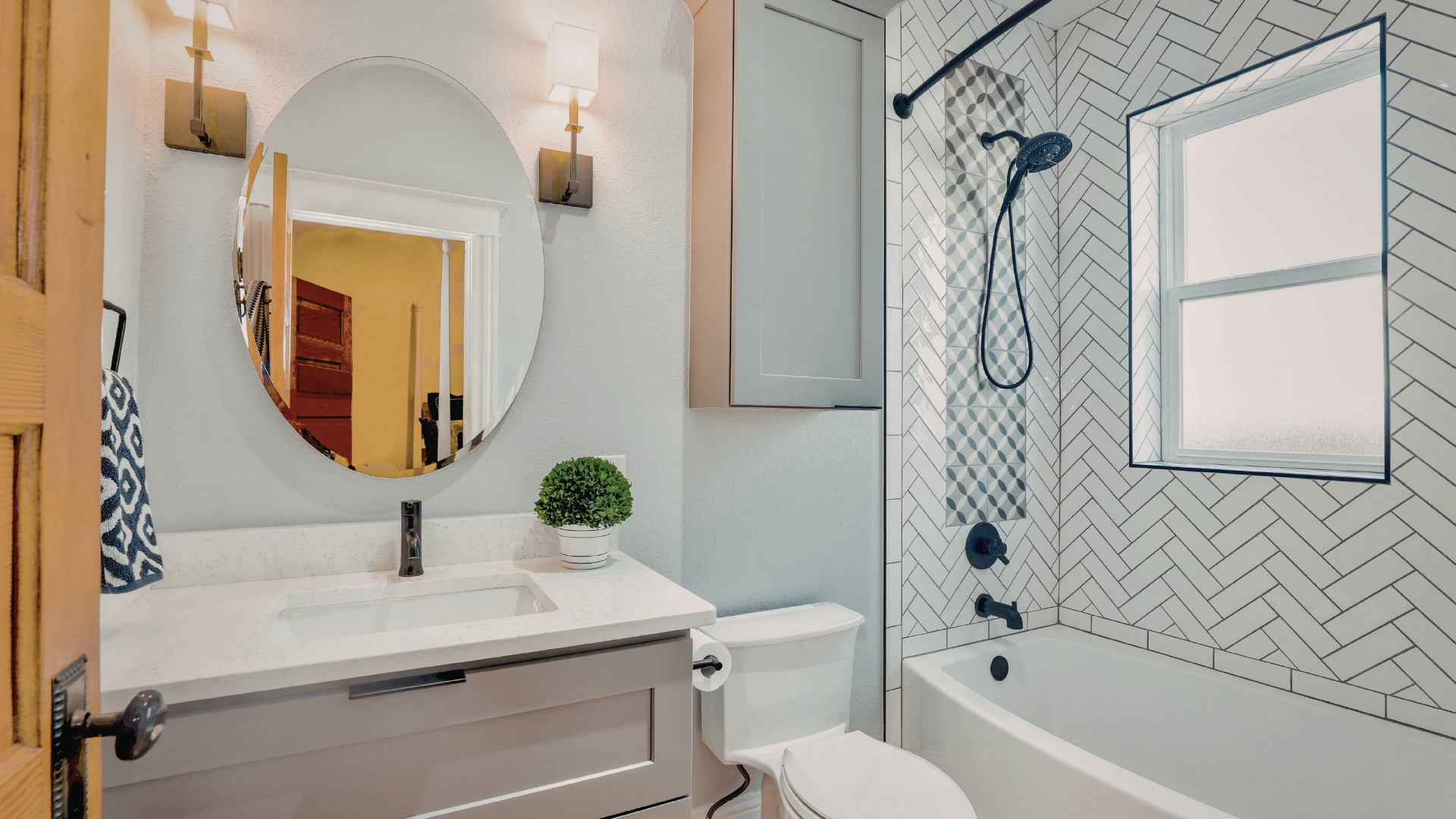
Bathroom Remodel Planning Checklist
A well-planned bathroom remodel saves time, reduces costs, and prevents avoidable mistakes during construction. Before you start tearing out tiles or buying fixtures, it is essential to understand your space, clarify your design direction, and ensure everything complies with local regulations. This checklist walks you through the critical planning steps that set the foundation for a smooth, successful renovation.
Measure And Assess Your Space
Before making any design decisions, you need an accurate understanding of your bathroom’s current size, layout, and limitations. Skipping this step often leads to poor-fitting fixtures, inefficient layouts, and costly adjustments later.
Layout Constraints
Your existing layout plays a major role in determining what changes are realistic. Walls, doors, and structural elements can limit how much you can reconfigure the space.
- Room dimensions: Measure the full length, width, and ceiling height to understand your working area
- Door clearance: Check how doors open and whether they interfere with fixtures or movement
- Structural walls: Identify load-bearing walls that cannot be easily moved or removed
- Traffic flow: Ensure there is enough space for comfortable movement between fixtures
Plumbing And Electrical Locations
Relocating plumbing and electrical systems can significantly increase costs, so it is important to know where everything is currently positioned.
- Plumbing lines: Note the location of water supply and drainage pipes for sinks, toilets, and showers
- Electrical outlets: Identify existing outlets, switches, and lighting placements
- Ventilation systems: Check if there is an exhaust fan and where it vents
- Upgrade needs: Determine if your current systems meet modern safety and efficiency standards
Gather Design Inspiration
Once you understand your space, the next step is defining how you want your bathroom to look and feel. Gathering inspiration helps you create a cohesive design rather than making disconnected decisions later.
Modern, Minimalist, Traditional, Spa-like
Choosing a style early helps guide your material, color, and fixture selections.
- Modern style: Clean lines, neutral colors, and sleek fixtures for a streamlined look
- Minimalist approach: Simple layouts with clutter-free surfaces and functional design
- Traditional design: Classic finishes, detailed cabinetry, and timeless materials
- Spa-like feel: Soft lighting, natural textures, and calming colors for relaxation
Use Pinterest, Home Design Sites, Real Examples
Visual research allows you to see how different elements work together in real spaces.
- Pinterest boards: Save ideas and organize them by layout, color, or feature
- Design websites: Explore curated bathroom remodel projects for professional insights
- Showrooms: Visit local stores to see materials and fixtures in person
- Real-home examples: Learn from actual remodels to understand what works in practice
Create A Bathroom Layout Plan
A thoughtful layout plan ensures your bathroom is both functional and visually balanced. This step is where your measurements and inspiration come together into a practical design.
Key Elements: Toilet, Sink, Shower Or Tub Placement
Each fixture should be placed with both usability and code requirements in mind.
- Toilet placement: Ensure proper spacing from walls and other fixtures for comfort and compliance
- Sink and vanity: Position for easy access while allowing sufficient counter space
- Shower or tub: Choose a location that works with existing plumbing to reduce costs
- Clearances: Maintain adequate space between fixtures for safe and comfortable use
Space Optimization Tips
Even small bathrooms can feel spacious with smart planning.
- Wall-mounted fixtures: Save floor space and create a more open feel
- Corner installations: Maximize underused areas for showers or storage
- Sliding doors: Replace swing doors to improve movement in tight spaces
- Built-in storage: Use recessed shelves or niches to reduce clutter
Check Permits And Building Codes
Before starting construction, it is critical to confirm that your remodel meets all local regulations. This step protects you from legal issues and ensures the work is safe and up to standard.
When Permits Are Required
Permits are typically needed when your remodel involves structural or system changes.
- Plumbing modifications: Moving pipes or installing new fixtures
- Electrical updates: Adding outlets, lighting, or wiring changes
- Structural changes: Altering walls, windows, or major layout elements
- Major renovations: Full remodels that significantly change the space
Importance Of Compliance And Safety
Following building codes is not just about legality, it directly impacts the quality and safety of your bathroom.
- Safety assurance: Proper installations reduce risks like leaks, mold, or electrical hazards
- Inspection approval: Ensures your work meets professional standards
- Resale value: Code-compliant renovations make selling your home easier
- Long-term reliability: Well-executed systems last longer and perform better
Careful planning at this stage sets the tone for the entire remodel, helping you avoid delays, stay within budget, and create a bathroom that truly works for your needs.
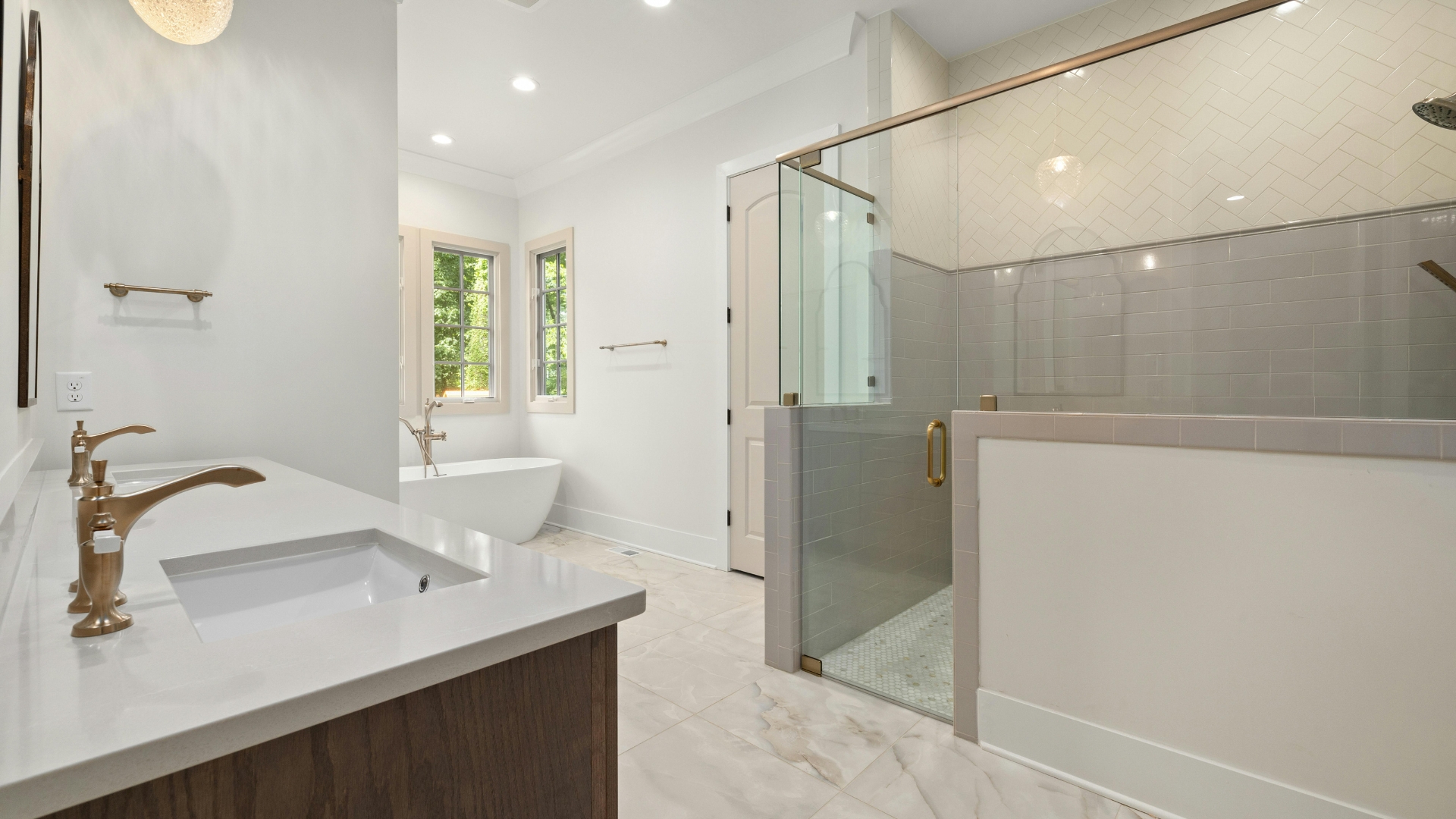
Step-By-Step Bathroom Remodeling Process
A well-planned bathroom remodel follows a logical sequence that helps prevent costly mistakes and ensures every component works together properly. By breaking the project into clear steps, you can manage time, budget, and quality more effectively, whether you are doing some of the work yourself or coordinating with professionals.
Step 1 – Demolition And Prep Work
This phase involves clearing out the existing bathroom so you can start fresh. Proper preparation here sets the foundation for everything that follows.
- Removing old materials: Take out outdated fixtures, tiles, cabinets, and flooring carefully to avoid damaging plumbing lines or structural elements that may still be usable.
- Protecting surrounding areas: Use plastic sheeting or drop cloths to keep dust and debris from spreading to other parts of your home.
- Inspecting underlying issues: Once surfaces are exposed, check for mold, water damage, or rot that may need repair before continuing.
Safety should always come first during demolition.
- Shut off utilities: Turn off the water supply and electricity before removing any fixtures or opening walls to prevent accidents.
- Use proper gear: Wear gloves, safety glasses, and a dust mask to protect yourself from debris and harmful particles.
- Dispose responsibly: Follow local guidelines for disposing of construction waste, especially if materials contain hazardous substances.
Step 2 – Plumbing And Electrical Updates
After demolition, this is the stage where the behind-the-walls systems are updated or reconfigured. Getting this right ensures long-term functionality and safety.
- When to hire professionals: Plumbing and electrical work often require licensed experts, especially if you are relocating pipes, installing new circuits, or upgrading wiring to meet current codes.
- Upgrading outdated systems: Replace old pipes, faulty wiring, or insufficient outlets to avoid future repairs and improve efficiency.
- Planning for modern needs: Consider adding extra outlets, better lighting, or upgraded water lines to support new fixtures and appliances.
Common upgrades during this phase include:
- Lighting improvements: Installing layered lighting such as task lighting near mirrors and ambient lighting for overall brightness.
- Outlet additions: Adding GFCI-protected outlets for safety in moisture-prone areas.
- Water line adjustments: Ensuring proper water pressure and positioning for showers, sinks, and toilets.
Step 3 – Install Flooring And Walls
Once the core systems are in place, you can start rebuilding the visible structure of your bathroom.
- Choosing flooring materials: Tile remains a popular choice for durability and water resistance, while vinyl offers a cost-effective and easy-to-install alternative.
- Ensuring waterproofing: Select materials designed for high-moisture environments to prevent long-term damage.
- Installing subfloor support: Make sure the subfloor is level and strong enough to support heavy materials like tile or stone.
Walls also require careful attention:
- Moisture-resistant drywall: Use specially designed drywall in areas exposed to humidity to reduce the risk of mold growth.
- Proper sealing: Apply waterproof membranes in the shower and tub areas for added protection.
- Accurate alignment: Straight and level walls ensure a clean finish when installing tiles or fixtures.
Step 4 – Install Fixtures And Features
This stage brings your bathroom design to life as you install the main functional and visual elements.
- Positioning fixtures: Install the toilet, sink, vanity, shower, and bathtub according to your layout plan to ensure proper spacing and usability.
- Securing connections: Make sure all plumbing connections are tight and leak-free before finalizing installation.
- Testing functionality: Run water and check drainage to confirm everything works as expected.
When selecting fixtures, focus on long-term performance:
- Durable materials: Choose fixtures made from high-quality materials that resist corrosion and wear.
- Water efficiency: Look for water-saving options that reduce utility costs without sacrificing performance.
- Design consistency: Select finishes and styles that complement the overall look of your bathroom for a cohesive appearance.
Step 5 – Paint, Seal, And Finish
The final step is where your bathroom starts to feel complete, combining protection with visual appeal.
- Applying moisture-resistant paint: Use paint specifically formulated for bathrooms to withstand humidity and prevent peeling or mildew.
- Sealing surfaces: Properly seal tiles, grout, and joints to protect against water infiltration.
- Installing trim and details: Add finishing touches like baseboards, mirrors, and hardware to complete the space.
Waterproofing is critical in this phase:
- Caulking joints: Apply caulk around sinks, tubs, and showers to create a watertight seal.
- Inspecting for gaps: Check all edges and corners to ensure there are no openings where moisture can seep in.
- Final quality check: Review the entire bathroom for leaks, alignment issues, or cosmetic imperfections before considering the project complete.
A step-by-step bathroom remodel not only makes the process more manageable but also ensures that each phase is done correctly, resulting in a space that is functional, durable, and built to last.
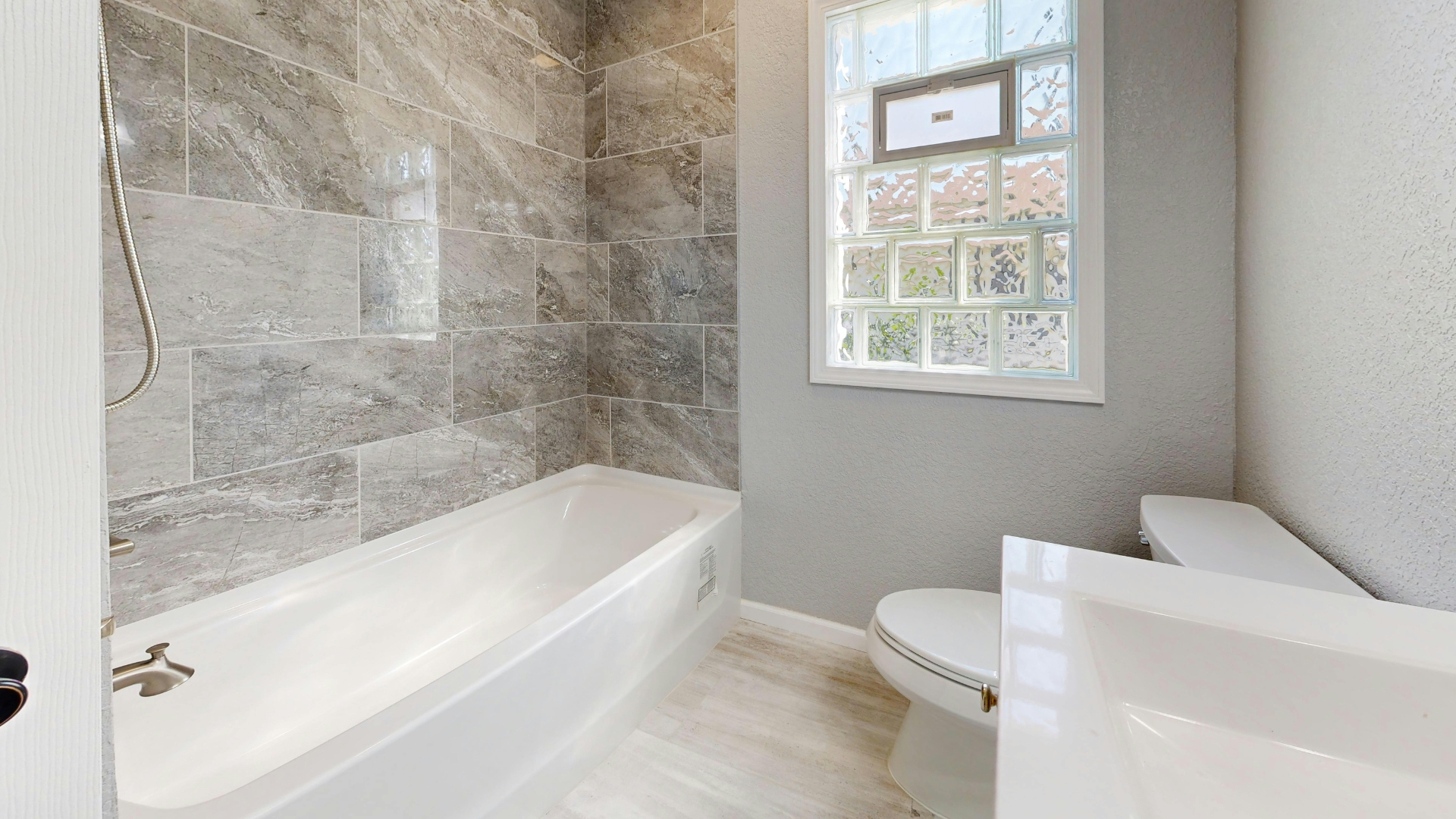
Choosing The Right Materials And Fixtures
Selecting the right materials and fixtures is one of the most important decisions in any bathroom-remodel project because it directly affects durability, maintenance, comfort, and overall design. A well-chosen combination not only enhances the look of your space but also ensures it performs well in a high-moisture environment over time. Instead of focusing only on appearance, it is essential to balance style with practicality, especially in areas exposed to water, humidity, and daily use.
Best Flooring Options For Bathrooms
Bathroom flooring needs to handle moisture, temperature changes, and frequent cleaning without wearing down. The right choice depends on your budget, design preferences, and how much maintenance you are willing to handle.
- Ceramic tile: Affordable and widely available, ceramic tile offers good water-resistance and design flexibility, though it can feel cold underfoot and may chip if heavy objects are dropped.
- Porcelain tile: A denser and more water-resistant option than ceramic, porcelain tile is highly durable and ideal for high-traffic bathrooms, but it typically comes at a higher cost.
- Vinyl flooring: A budget-friendly and water-resistant solution, vinyl is comfortable underfoot and easy to install, making it a popular choice for DIY-friendly projects, though it may not have the same long-term durability as tile.
- Natural stone: Materials like marble or slate provide a high-end, luxurious look, but they require regular sealing and maintenance to prevent moisture damage and staining.
When choosing flooring, consider slip-resistance, especially in households with children or older adults, and always opt for water-resistant materials to avoid long-term issues.
Vanity And Storage Solutions
A well-designed vanity and smart storage can significantly improve both functionality and organization in your bathroom. The goal is to maximize space without making the room feel cluttered.
- Floating vanities: Wall-mounted designs create a clean, modern look and make small bathrooms feel larger by exposing more floor space, but they may offer less storage compared to traditional options.
- Traditional vanities: Floor-mounted units provide more storage capacity and are often easier to install, making them a practical choice for family bathrooms with higher storage needs.
- Built-in storage: Recessed shelves or wall niches help keep essentials within reach without taking up extra space, which is especially useful in compact layouts.
- Multi-purpose furniture: Vanities with drawers, organizers, or pull-out compartments improve accessibility and reduce clutter, helping maintain a tidy environment.
Choosing the right vanity depends on how much storage you need and how you want the space to feel, whether open and minimal or fully functional and storage-focused.
Shower And Bathtub Options
Your choice between a shower, a bathtub, or a combination of both should reflect your lifestyle, available space, and long-term needs. This decision often has a big impact on both usability and resale value.
- Walk-in showers: These are ideal for modern bathrooms and smaller spaces, offering easy access and a streamlined look, especially when paired with a glass enclosure.
- Bathtubs: A great option for relaxation or families with children, bathtubs add versatility but require more space and may not be used daily in all households.
- Shower-tub combos: A practical solution for maximizing functionality in limited space, combining both features without requiring a larger footprint.
- Glass enclosures: Frameless or semi-frameless glass enhances visual space and allows light to flow, making the bathroom feel more open and clean.
- Accessibility features: Walk-in tubs, grab bars, and low-threshold showers improve safety and are worth considering for long-term usability or aging-in-place design.
Think about how you use your bathroom daily, as well as future needs, to choose a setup that balances comfort, safety, and convenience.
Lighting And Ventilation Essentials
Proper lighting and ventilation are often overlooked, but they are essential for both functionality and long-term maintenance in a bathroom.
- Ambient lighting: Provides overall illumination and ensures the space is well-lit, typically through ceiling-mounted fixtures or recessed lights.
- Task lighting: Focused lighting around mirrors or vanities helps with grooming tasks like shaving or applying makeup, reducing shadows and improving visibility.
- Accent lighting: Adds depth and visual interest by highlighting design features such as tile work or architectural elements.
- Exhaust fans: A high-quality exhaust fan removes moisture and prevents mold, mildew, and long-term damage to walls and fixtures, making it a critical investment in any bathroom-remodel project.
Balancing layered lighting with proper ventilation not only improves the look and feel of your bathroom but also protects your investment by maintaining a dry and healthy environment.
Choosing the right materials and fixtures is where design meets practicality, and thoughtful decisions at this stage can make your bathroom more comfortable, efficient, and visually appealing for years to come.
DIY Vs Hiring A Professional
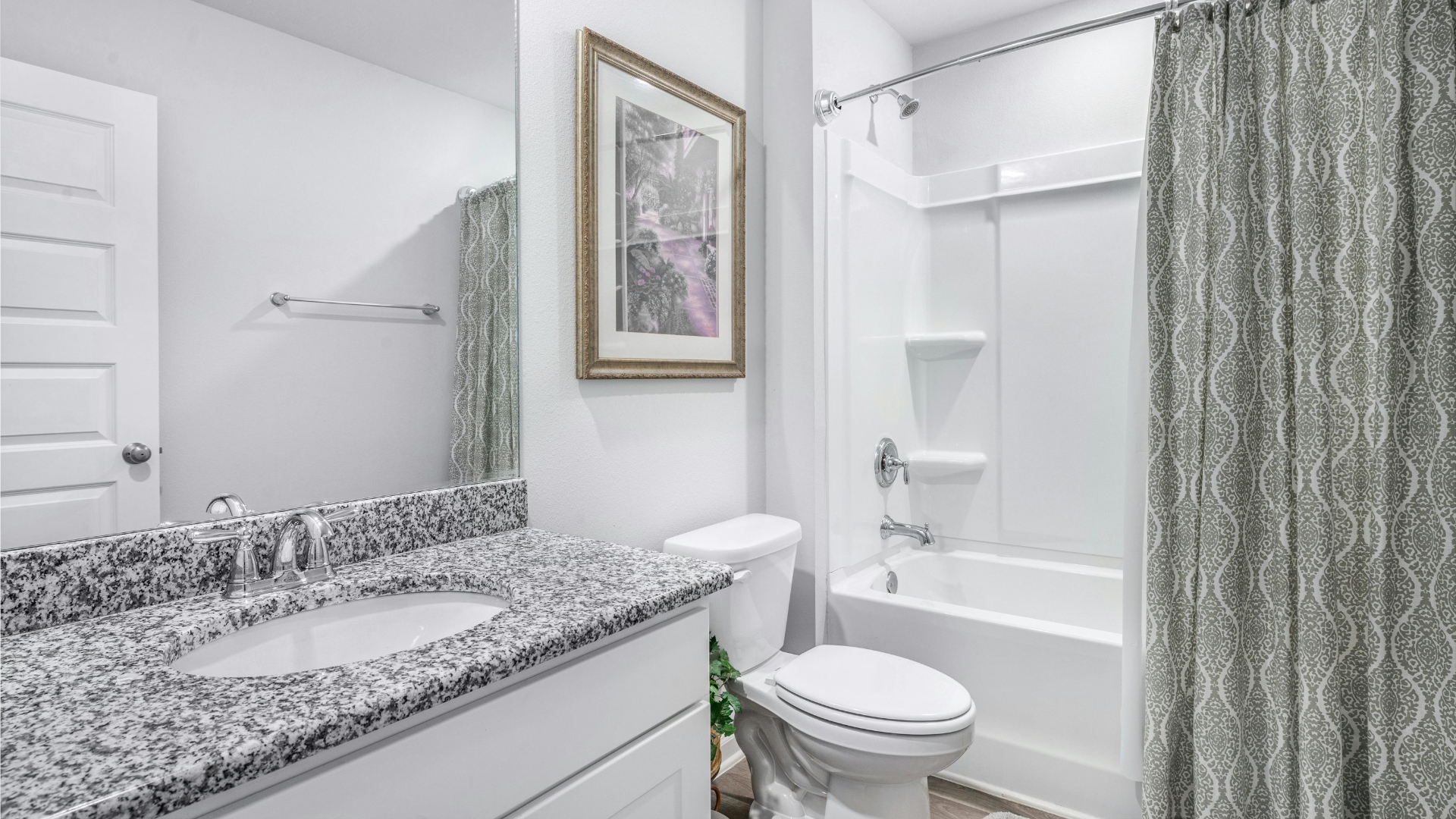
Deciding whether to take the do-it-yourself route or hire a professional is one of the most important choices you’ll make during a bathroom remodel. The right decision depends on your skill level, the complexity of the project, your budget, and how much time you can realistically commit. While DIY can save money and offer a sense of accomplishment, hiring a professional ensures that critical work is done safely, efficiently, and up to code.
When You Can DIY
Taking on parts of a bathroom remodel yourself can be a great way to reduce costs, especially if the work is straightforward and low-risk. DIY projects are best suited for cosmetic improvements that don’t involve major systems like plumbing or electrical wiring.
- Painting walls and ceilings: Applying moisture-resistant paint is a manageable task that can instantly refresh the space when done with proper surface preparation and ventilation awareness
- Installing fixtures: Swapping out faucets, showerheads, towel bars, and cabinet hardware is typically simple and requires only basic tools
- Updating vanity or cabinets: Repainting cabinets, replacing handles, or installing a pre-assembled vanity can enhance both style and storage without complex construction
- Cosmetic tile work: Small-scale backsplash tiling or peel-and-stick tile upgrades can be done with patience and attention to detail
DIY work is most successful when you stay within your skill set and avoid tasks that could lead to water damage or safety issues if done incorrectly.
When To Hire A Contractor
Certain aspects of a bathroom remodel require professional expertise, especially when they involve systems that must meet building codes and safety standards. Hiring a licensed contractor can prevent costly mistakes and ensure long-term durability.
- Plumbing modifications: Moving pipes, installing new drainage systems, or upgrading water lines requires precise work to prevent leaks and water damage
- Electrical upgrades: Adding outlets, installing lighting circuits, or upgrading wiring must comply with local electrical codes to avoid hazards
- Structural changes: Removing walls, altering layouts, or reinforcing floors demands professional assessment to maintain structural integrity
- Full-scale renovations: Large projects that combine multiple trades benefit from coordinated project management and experienced execution
Attempting these tasks without proper training can lead to expensive repairs, failed inspections, or safety risks, making professional help a worthwhile investment.
How To Choose A Reliable Contractor
Selecting the right contractor is just as important as deciding to hire one. A skilled and trustworthy professional can make the remodeling process smoother, more predictable, and far less stressful.
- Licensing and insurance: Always verify that the contractor is licensed and carries insurance to protect you from liability and ensure compliance with local regulations
- Reviews and references: Look for consistent positive feedback and ask for past client references to understand the quality of their work and reliability
- Detailed quotes: Request written estimates that clearly outline labor, materials, and timelines so you can compare options and avoid hidden costs
- Clear timelines: A reliable contractor should provide a realistic schedule and communicate any potential delays upfront
- Communication style: Choose someone who listens to your goals, explains the process clearly, and keeps you informed throughout the project
Taking the time to vet contractors carefully can save you from delays, budget overruns, and poor workmanship.
Choosing between DIY and hiring a professional ultimately comes down to balancing cost, complexity, and confidence in your abilities, and making the right call at each stage can lead to a smoother remodel and better long-term results.
Common Bathroom Remodeling Mistakes To Avoid
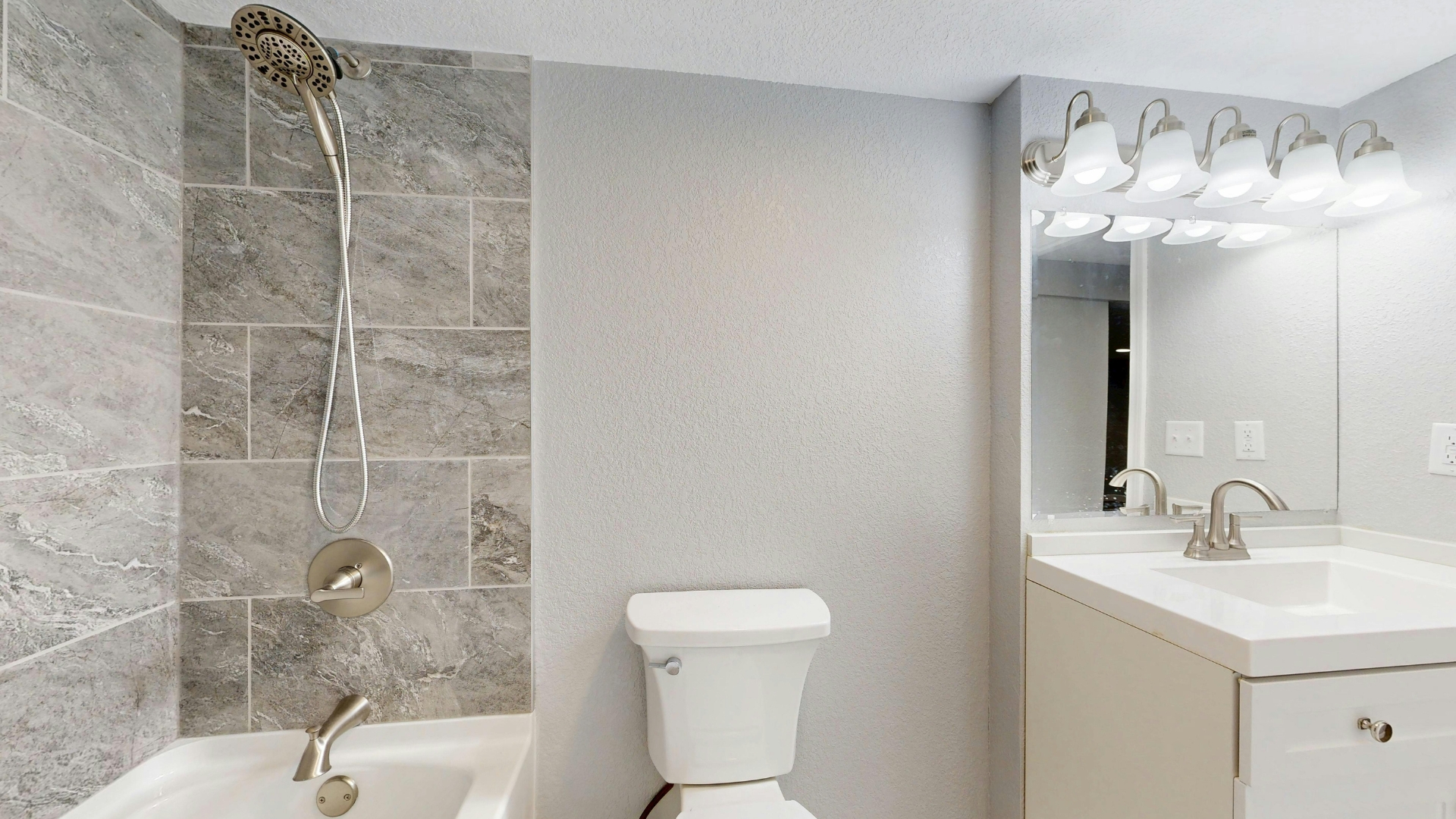
Even well-planned bathroom remodels can run into problems if key details are overlooked. Many costly issues come from decisions made early in the process, especially when homeowners focus too much on appearance and not enough on functionality, durability, and long-term performance. Understanding these common mistakes can help you avoid unnecessary expenses, delays, and frustration while ensuring your finished bathroom meets both practical needs and design expectations.
Underestimating Budget
One of the most frequent mistakes is setting a budget that only accounts for visible upgrades while ignoring hidden costs. Bathroom remodeling often involves behind-the-wall work that can quickly increase expenses.
- Hidden repairs: Older bathrooms may have water damage, mold, or outdated plumbing that must be fixed before new installations can begin
- Labor costs: Skilled trades such as electricians and plumbers can make up a significant portion of your total budget
- Material upgrades: Small changes in tile, fixtures, or finishes can quickly raise costs if not planned in advance
- Contingency buffer: Always set aside 10 to 20 percent of your budget for unexpected issues
A realistic, well-planned budget allows you to make informed decisions without compromising quality halfway through the project.
Ignoring Ventilation
Proper ventilation is essential in a moisture-heavy environment like a bathroom, yet it is often overlooked during remodeling. Without adequate airflow, humidity can build up and lead to long-term damage.
- Mold and mildew growth: Excess moisture creates the perfect environment for mold, which can damage surfaces and affect indoor air quality
- Material deterioration: Paint, wood, and even drywall can degrade faster without proper ventilation
- Exhaust fan importance: Installing a correctly sized exhaust fan helps remove humidity and maintain air circulation
Investing in a good ventilation system protects your remodel and ensures your bathroom remains clean, safe, and durable over time.
Poor Layout Planning
A bathroom that looks great but functions poorly can quickly become frustrating to use. Layout planning should focus on efficiency, accessibility, and comfort.
- Tight spacing: Insufficient clearance around fixtures can make movement awkward and uncomfortable
- Inefficient workflow: Poor placement of the sink, toilet, and shower can disrupt daily routines
- Storage limitations: Failing to plan for cabinets or shelving often leads to cluttered countertops
A well-thought-out layout maximizes your space and ensures the bathroom works seamlessly for everyday use.
Choosing Style Over Functionality
While aesthetics are important, prioritizing design trends over practical features can lead to long-term dissatisfaction. A bathroom should first meet your daily needs before focusing on visual appeal.
- Trendy materials: Some stylish finishes may not hold up well in high-moisture environments
- Difficult maintenance: Complex designs or delicate materials can be harder to clean and maintain
- Comfort considerations: Features like lighting, storage, and accessibility often matter more than purely decorative elements
Balancing style with functionality ensures your bathroom remains both beautiful and practical for years to come.
Skipping Waterproofing
Waterproofing is one of the most critical steps in any bathroom remodel, yet it is sometimes rushed or skipped to save time or money. This can lead to serious structural issues down the line.
- Water damage risk: Without proper sealing, water can seep into walls and floors, causing rot and mold
- Tile failure: Poor waterproofing can lead to loose tiles and cracked grout
- Long-term costs: Repairs from water damage are often far more expensive than doing waterproofing correctly the first time
Using quality waterproofing systems and proper installation techniques is essential for protecting your investment and ensuring long-term durability.
A successful bathroom remodel comes down to thoughtful planning and attention to detail, and by avoiding these common mistakes, you can create a space that is not only visually appealing but also functional, durable, and built to last.
How Long Does a Bathroom Remodel Take?
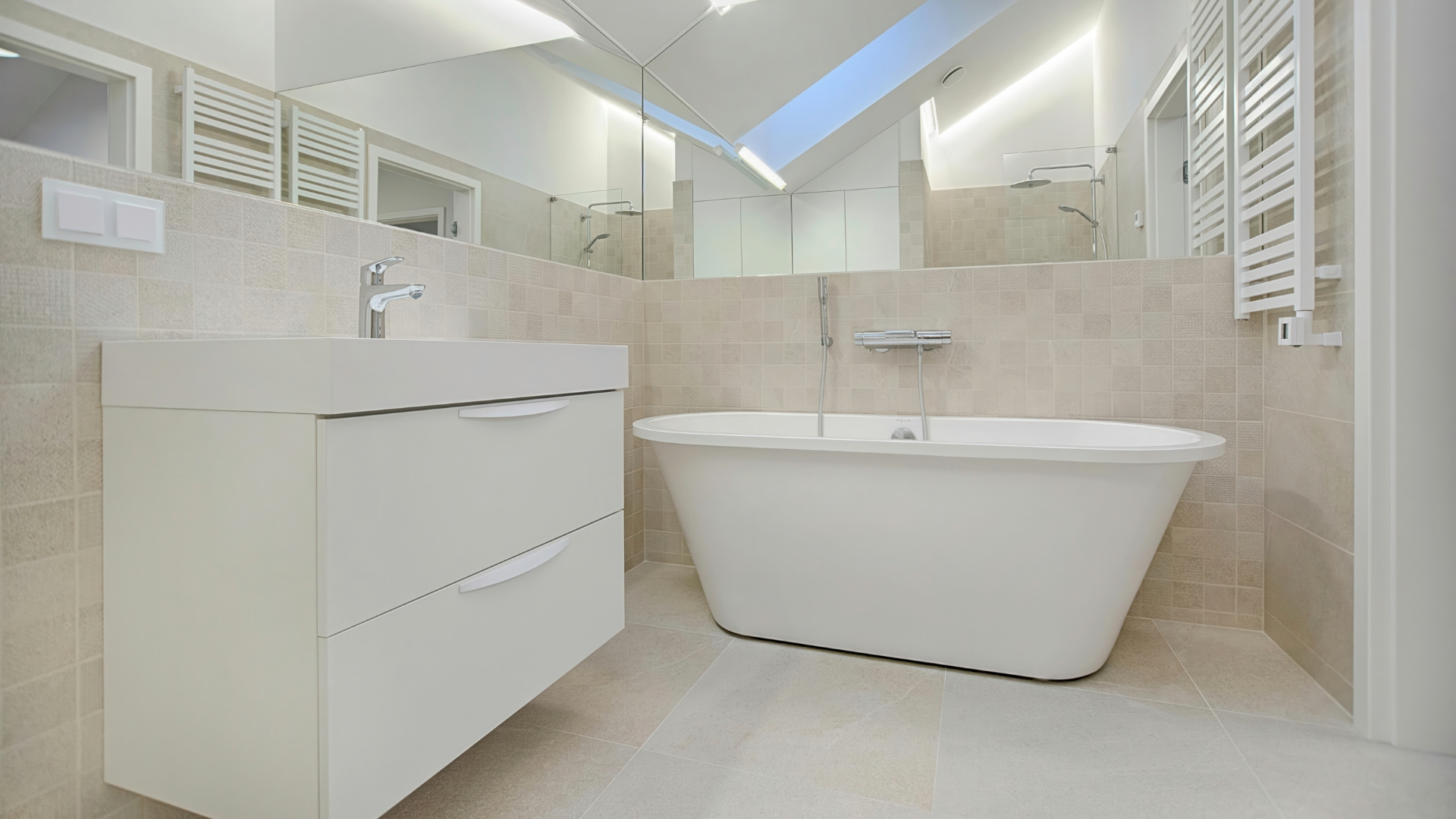
Understanding how long a bathroom remodel takes helps you plan realistically and avoid unnecessary stress during the process. While timelines can vary depending on the size and complexity of the project, having a clear expectation allows you to coordinate contractors, manage your daily routine, and make better decisions along the way.
Typical Timelines for Small vs Full Remodel
The duration of a bathroom remodel largely depends on the scope of work involved. A simple cosmetic update will move much faster than a full-scale renovation that includes structural or plumbing changes.
- Small-scale remodel: Typically takes 1 to 3 weeks and includes updates like painting, replacing fixtures, updating lighting, or installing a new vanity without changing the layout.
- Mid-range remodel: Usually takes 3 to 5 weeks and may involve new flooring, tile work, upgraded fixtures, and minor plumbing or electrical adjustments.
- Full bathroom renovation: Can take 5 to 8 weeks or longer, especially if you are reconfiguring the layout, moving plumbing lines, or doing custom work such as walk-in showers or built-in storage.
These timelines assume materials are readily available and there are no major unexpected issues. Delays can happen if planning is rushed or if coordination between trades is not well managed.
Factors That Affect Duration
Several variables can impact how long your bathroom remodel will take, and understanding these can help you set realistic expectations before starting.
- Project scope: Larger projects that involve layout changes, structural updates, or custom features naturally take longer than surface-level upgrades.
- Material availability: Back-ordered tiles, fixtures, or cabinetry can pause progress and extend timelines significantly.
- Contractor scheduling: Skilled contractors often have full schedules, so availability can affect both start and completion dates.
- Permits and inspections: If your remodel requires permits, waiting for approvals and inspections can add days or even weeks to the timeline.
- Hidden issues: Problems like water damage, mold, or outdated wiring discovered during demolition can require additional work and delay progress.
Each of these factors can compound, so building flexibility into your schedule is always a smart approach.
Tips to Avoid Delays
While not every delay is preventable, there are practical steps you can take to keep your bathroom remodel on track and minimize disruptions.
- Plan everything in advance: Finalize your design, layout, and material selections before starting to avoid last-minute changes that slow down progress.
- Order materials early: Secure all key materials ahead of time, especially custom or specialty items that may have longer lead times.
- Work with experienced professionals: Hiring reliable, well-reviewed contractors helps ensure efficient work and fewer costly mistakes.
- Create a clear timeline: Establish a realistic schedule with your contractor that includes each phase of the remodel and expected completion dates.
- Prepare for contingencies: Set aside extra time and budget to handle unexpected issues without derailing the entire project.
A well-planned remodel not only moves faster but also reduces stress and improves the overall quality of the final result.
A bathroom remodel timeline may vary, but with proper planning, realistic expectations, and the right team, you can complete your project efficiently while achieving a space that meets both your functional needs and design goals.

Tips To Save Money On Your Bathroom Remodel
Remodeling a bathroom can quickly become expensive if you are not intentional with your choices, but the good news is that there are proven ways to reduce costs without sacrificing quality or long-term value. By focusing on smart planning, strategic material selection, and knowing where to invest versus save, you can achieve a high-quality result while staying within your budget.
Reuse Existing Layout
Keeping your current bathroom layout is one of the most effective ways to control costs during a remodel. Moving plumbing lines, electrical connections, or major fixtures can significantly increase labor and material expenses, especially if walls or flooring need to be opened up.
- Plumbing savings: Keeping the toilet, sink, and shower in the same location avoids costly pipe relocation and reduces labor time.
- Faster timeline: A layout-preserving remodel often moves faster since fewer structural changes are required.
- Lower risk: Minimizing changes reduces the chance of unexpected issues like hidden water damage or outdated wiring.
If your current layout is functional, focus on upgrading finishes and fixtures instead of redesigning the entire space.
Mix High-End And Budget Materials
You do not need to use premium materials for every part of your bathroom to achieve a polished, upscale look. A balanced approach allows you to invest in key features while saving on less noticeable elements.
- Focus areas: Spend more on high-impact items like vanities, countertops, or shower systems that are used daily and highly visible.
- Cost-effective alternatives: Use budget-friendly tiles or fixtures in secondary areas such as flooring or backsplash.
- Design consistency: Choose materials that complement each other so the overall space looks cohesive, even if some items are more affordable.
This approach ensures you get durability and style where it matters most while keeping overall costs manageable.
Shop Smart (Sales, Bundles)
Being strategic about when and how you purchase materials can lead to significant savings. Many homeowners overspend simply by buying everything at full retail price without exploring better options.
- Seasonal sales: Look for discounts during major holidays or end-of-season clearance events for fixtures and materials.
- Bundle deals: Some suppliers offer package pricing when you purchase multiple items like vanities, sinks, and faucets together.
- Compare suppliers: Prices can vary widely between stores, so taking time to compare options can reduce costs without compromising quality.
Planning your purchases ahead of time gives you flexibility to wait for better deals rather than rushing into higher prices.
Do Partial DIY
Taking on certain parts of the remodel yourself can reduce labor costs, but it is important to be realistic about your skill level and the complexity of the work.
- DIY-friendly tasks: Painting, installing hardware, assembling cabinets, or adding accessories are manageable for most homeowners.
- Leave technical work: Plumbing, electrical, and structural tasks should be handled by licensed professionals to avoid costly mistakes.
- Hybrid approach: Combining DIY work with professional help allows you to save money while ensuring critical components are done correctly.
This balanced strategy helps you stay within budget without risking safety or long-term performance.
A cost-conscious bathroom remodel does not mean cutting corners, it means making smarter decisions at every stage so you can achieve a space that looks great, functions well, and delivers lasting value without unnecessary expenses.

Final Inspection And Finishing Touches
Before you consider your bathroom remodel complete, the final inspection and finishing stage is where everything comes together. This step is critical not just for aesthetics, but for ensuring your space is safe, functional, and built to last. Taking the time to carefully review your work and add thoughtful design elements will elevate your remodel from simply “done” to truly polished and professional.
Check For Quality And Safety
A thorough inspection helps catch small issues before they turn into costly problems. Even well-planned remodels can have minor oversights, so it is important to go through each component with a detail-oriented mindset.
- Leaks: Check all plumbing connections under sinks, around toilets, and inside the shower or tub area. Turn on faucets and run water for several minutes to ensure there are no slow leaks or drips that could lead to water damage over time.
- Electrical systems: Test all outlets, switches, and lighting fixtures to confirm they are working correctly. Make sure GFCI outlets are installed where required, especially near water sources, to meet safety standards and prevent electrical hazards.
- Fixture stability: Ensure that toilets, vanities, faucets, and showerheads are securely installed and do not wobble or shift. Loose fixtures can lead to long-term wear or hidden damage if not corrected early.
- Sealing and waterproofing: Inspect caulking around sinks, tubs, and showers to confirm it is properly applied and sealed. Well-applied sealant prevents moisture from seeping behind surfaces and causing mold or structural issues.
- Ventilation performance: Run the exhaust fan and check that it effectively removes moisture from the room. Proper airflow is essential for maintaining a mold-resistant and long-lasting bathroom environment.
Add Decor And Personal Style
Once the functional elements are confirmed, the finishing touches are what bring personality and comfort into your bathroom. This is where you can reflect your style while enhancing usability.
- Mirrors: Choose a mirror that complements your vanity size and overall design style. A well-placed mirror can make a small bathroom feel larger and improve lighting reflection.
- Plants: Incorporate moisture-friendly plants like ferns or snake plants to add a fresh, natural feel. They also help soften hard surfaces and improve the overall ambiance.
- Accessories: Add practical yet stylish items such as towel racks, soap dispensers, and storage baskets. These small details improve organization while contributing to the visual appeal of the space.
- Textiles: Use coordinated towels, bath mats, and shower curtains to introduce color, texture, and warmth without overwhelming the design.
Creating a cohesive look is about ensuring every element feels intentional and connected. Stick to a consistent color palette, match finishes such as brushed nickel or matte black, and avoid mixing too many competing styles. When everything works together, the bathroom feels balanced, inviting, and professionally designed.
A well-executed final inspection combined with thoughtful finishing touches ensures your bathroom remodel not only looks great on day one but continues to perform and impress for years to come.
If you’re ready to remodel your bathroom with confidence, take the next step by exploring a detailed checklist or consulting with a trusted expert who can help you avoid costly mistakes and maximize your investment. With the right plan and guidance, you can transform your space faster, smarter, and with results that truly last.

FAQs: About How to Remodel a Bathroom
- How much does it cost to remodel a bathroom?
The cost to remodel a bathroom typically ranges from $5,000 to $25,000, depending on size, materials, and labor. Smaller cosmetic updates cost less, while full renovations with plumbing or layout changes are more expensive. Always include a contingency budget for unexpected issues. - How long does a bathroom remodel usually take?
A standard bathroom remodel can take anywhere from 2 to 4 weeks for basic upgrades, while full renovations may take 4 to 8 weeks. Timelines depend on project complexity, material availability, and whether structural changes are involved. - Can I remodel a bathroom myself or should I hire a professional?
You can handle minor updates like painting, installing fixtures, or replacing hardware yourself. However, plumbing, electrical, and structural work should be done by licensed professionals to ensure safety and compliance with building codes. - What is the first step in remodeling a bathroom?
The first step is planning, which includes defining your goals, setting a budget, and measuring your space. Proper planning helps prevent costly mistakes and ensures the remodel meets both functional and design needs. - Do I need a permit to remodel my bathroom?
Permits are usually required if you’re making changes to plumbing, electrical systems, or structural elements. Check your local building codes to ensure compliance and avoid potential fines or issues when selling your home. - What are the best materials for bathroom flooring?
Popular bathroom flooring options include ceramic tile, porcelain tile, and waterproof vinyl. These materials are durable, moisture-resistant, and easy to maintain, making them ideal for high-humidity environments. - How can I save money on a bathroom remodel?
You can reduce costs by keeping the existing layout, choosing mid-range materials, and doing some DIY work. Shopping for sales and mixing high-end and budget-friendly finishes can also help maximize value without overspending. - What are common mistakes to avoid when remodeling a bathroom?
Common mistakes include underestimating the budget, poor layout planning, inadequate ventilation, and skipping waterproofing. These issues can lead to long-term damage and additional repair costs if not addressed properly. - Is remodeling a bathroom worth the investment?
Yes, bathroom remodeling can significantly increase home value and improve daily comfort. It’s one of the most impactful upgrades for both resale potential and personal use, especially when done with quality materials and smart design. - What features should I prioritize in a bathroom remodel?
Focus on functionality first, including efficient layout, proper storage, and durable fixtures. Good lighting, ventilation, and water-efficient features also improve usability and long-term performance.
Conclusion
Remodeling your bathroom is often one of the most rewarding home-improvement projects because it directly improves daily comfort while also increasing property value and overall functionality. A well-planned remodel can transform a cramped or outdated space into a more efficient, visually appealing, and easier-to-maintain environment that better fits your lifestyle. Beyond aesthetics, upgrades such as improved lighting, better ventilation, and water-efficient fixtures contribute to long-term usability and cost savings. However, the key to getting real value from your investment lies in thoughtful planning, setting a realistic budget, and making informed decisions about layout, materials, and labor before the project begins.