

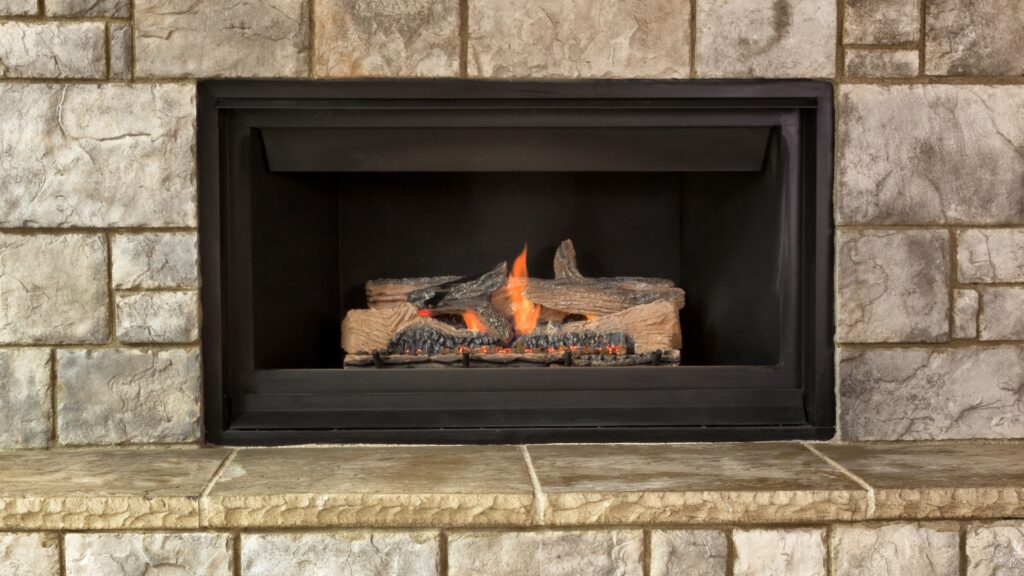
Welcome to your complete guide on how to remodel a fireplace with stone, where style, durability, and home value come together in one impactful upgrade. Whether you are looking to transform an outdated brick fireplace into a modern focal point or add rustic charm to your living space, this guide will walk you through everything you need to know, from choosing the right stone to understanding costs, design options, and installation methods. By the end, you will have the clarity and confidence to plan a fireplace remodel that not only enhances your home’s aesthetic but also delivers long-term function and value.
To remodel a fireplace with stone, clean and prep the surface, install a backer board if needed, and apply stone veneer or natural stone using mortar. Work from the bottom up, ensure proper spacing, and finish with grout and sealing for durability and a polished look.
Why Remodel Your Fireplace With Stone
Remodeling your fireplace with stone is one of the most effective ways to upgrade both the look and function of your living space. A well-designed stone fireplace creates a strong visual anchor while adding long-term durability that other materials often cannot match. Whether you are updating an outdated feature or planning a full home improvement project, stone offers a balance of style, performance, and value that makes it a practical and attractive choice.
Benefits Of Stone Fireplaces
Stone fireplaces stand out because they combine natural beauty with structural reliability. Unlike many surface-level upgrades, this type of remodel enhances both aesthetics and performance in a way that lasts for years.
- Timeless appearance: Stone provides a classic, high-end look that works across multiple design styles, from rustic farmhouse to modern minimalist interiors. Its natural texture adds depth and character that painted drywall or tile often cannot replicate.
- Natural texture: Each piece of stone has unique variations in color and pattern, which creates a more organic and visually appealing finish. This makes the fireplace feel like a custom-built feature rather than a standard installation.
- Increased home value: A stone fireplace is often viewed as a premium upgrade by buyers. It can improve perceived home value by creating a focal point that enhances the overall design of the space.
- Visual focal point: In most living rooms, the fireplace naturally draws attention. Adding stone elevates that effect, making it a centerpiece that ties the room together and influences furniture layout and design choices.
- Durability and heat resistance: Stone is naturally heat-resistant and built to withstand high temperatures over time. This makes it a reliable option for both wood-burning and gas fireplaces, with minimal risk of wear compared to other materials.
When It’s Time To Upgrade Your Fireplace
Not every fireplace needs a full remodel, but there are clear signs that indicate when an upgrade can make a meaningful difference. Recognizing these situations helps you plan improvements that are both functional and worthwhile.
- Outdated brick or worn finishes: Older fireplaces often feature dated brick colors or surfaces that have become chipped, stained, or uneven. A stone remodel can modernize the look while covering imperfections without requiring a full structural rebuild.
- Mismatch with interior design: If your fireplace no longer fits your home’s style, it can disrupt the overall aesthetic of the room. Upgrading to stone allows you to align the fireplace with your current design preferences, whether that means a clean, modern finish or a more rustic feel.
- Renovation or resale preparation: During a home renovation, updating the fireplace can significantly improve the final result. For homeowners planning to sell, a well-executed stone fireplace can make the space more appealing and help create a stronger first impression for potential buyers.
A stone fireplace remodel is more than a cosmetic update, it is a strategic improvement that enhances both daily living and long-term value, making it a worthwhile investment for many homeowners.
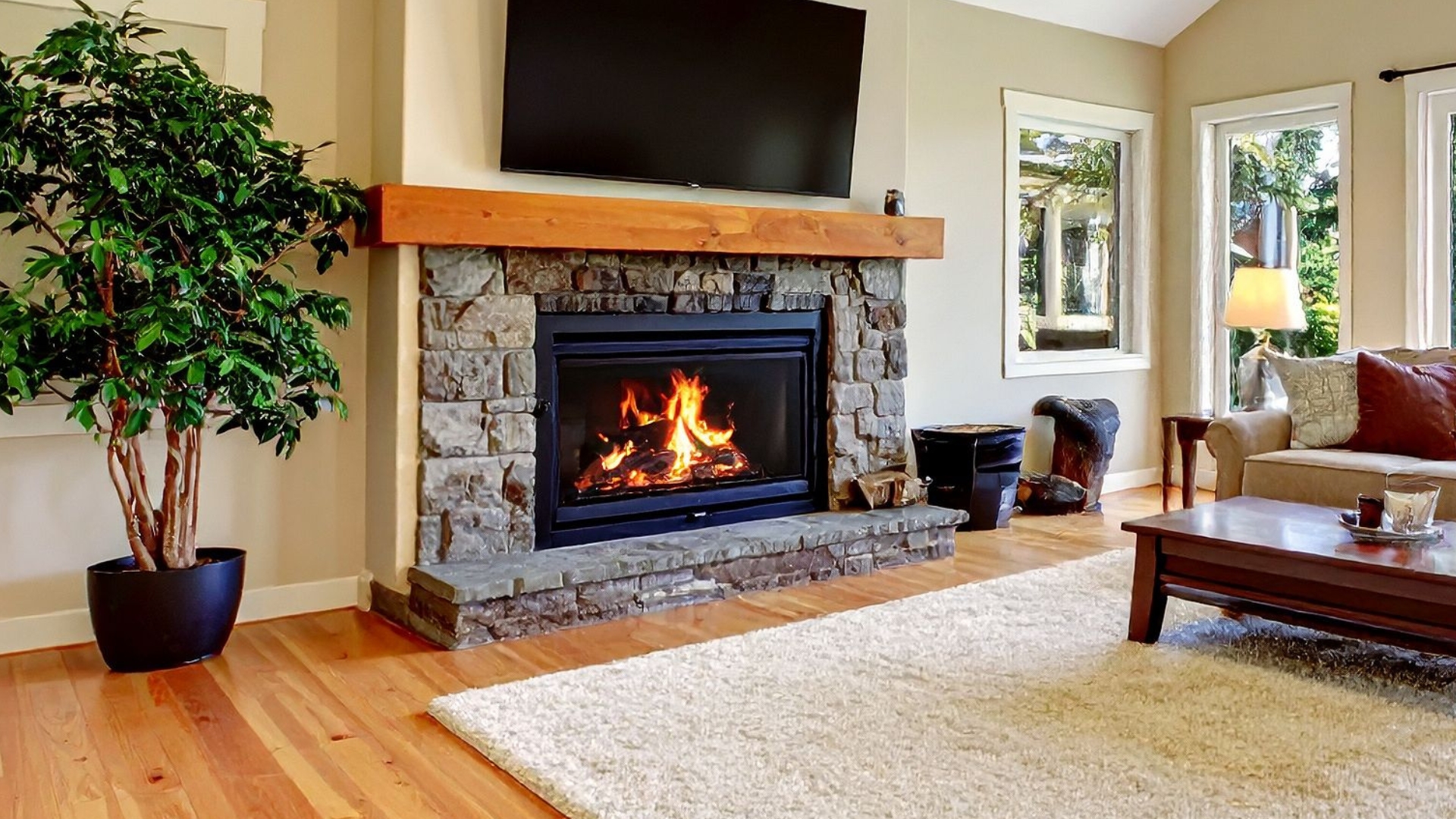
Types Of Stone You Can Use For Fireplace Remodeling
Choosing the right stone is one of the most important decisions in any fireplace remodel because it directly affects the overall look, durability, and installation complexity. Each option offers a different balance of style, cost, and practicality, so understanding the differences will help you select a material that fits both your design vision and your budget.
Natural Stone Options
Natural stone remains the gold standard for homeowners who want an authentic, high-end fireplace with long-lasting performance. These materials are quarried directly from the earth, giving each piece a unique texture, color variation, and character that cannot be perfectly replicated.
- Granite: Known for its dense structure and heat-resistant properties, granite is ideal for a sleek, polished look. It works well in modern or high-end designs but tends to be one of the more expensive options.
- Slate: Slate offers a rich, layered appearance with natural color variation ranging from deep gray to earthy tones. It is a great choice for creating a textured, contemporary feel.
- Limestone: This softer stone provides a more uniform and subtle look, making it ideal for traditional or transitional spaces. It is easier to shape but may require sealing due to its porous nature.
- Fieldstone: Often used in rustic or farmhouse-style fireplaces, fieldstone features irregular shapes and sizes that create a rugged, natural appearance.
- Pros: Natural stone delivers unmatched authenticity, strong durability, and long-term value, making it a premium choice for homeowners who want a timeless focal point.
- Cons: It is heavier, more expensive, and typically requires professional installation due to structural support considerations.
Manufactured (Faux) Stone Veneer
Manufactured stone veneer is designed to mimic the look of natural stone while offering a more practical and budget-friendly solution. It is made from concrete and lightweight aggregates, molded and colored to resemble real stone textures.
- Lightweight Design: Easier to handle and install, especially on existing fireplace surfaces without major structural changes.
- Cost Efficiency: Significantly less expensive than natural stone, making it accessible for larger projects or tighter budgets.
- Design Flexibility: Available in a wide range of styles, colors, and patterns to match different interior designs.
- Best Use Case: Ideal for DIY-friendly projects or homeowners who want the look of stone without the complexity and cost of full-stone installation.
- Consideration: While high-quality veneer looks realistic, it may not have the same depth and uniqueness as natural stone when viewed up close.
Stacked Stone Vs. Smooth Finish
The finish you choose plays a major role in defining the overall style and feel of your fireplace. Both stacked-stone and smooth-finish designs can work beautifully, but they create very different visual effects.
- Stacked-Stone Style: This design features thin, layered pieces arranged horizontally to create depth and texture. It is commonly used in modern or contemporary homes where a bold, statement-making feature is desired.
- Smooth-Finish Stone: This option uses cut or polished stone with flatter surfaces, resulting in a cleaner and more refined look that suits traditional or minimalist interiors.
- Visual Impact: Stacked-stone designs create a dramatic, high-texture focal point, while smooth finishes offer a more subtle and elegant appearance.
- Maintenance Considerations: Stacked stone can collect dust and soot in its crevices, requiring more detailed cleaning, whereas smooth surfaces are easier to wipe down and maintain.
- Style Compatibility: Choose stacked stone for a modern or rustic statement and smooth finishes for a classic, timeless feel.
Selecting the right type of stone comes down to balancing design preference, budget, and installation complexity. Whether you lean toward natural stone for its authenticity or veneer for its practicality, the right choice will transform your fireplace into a durable and visually striking centerpiece.
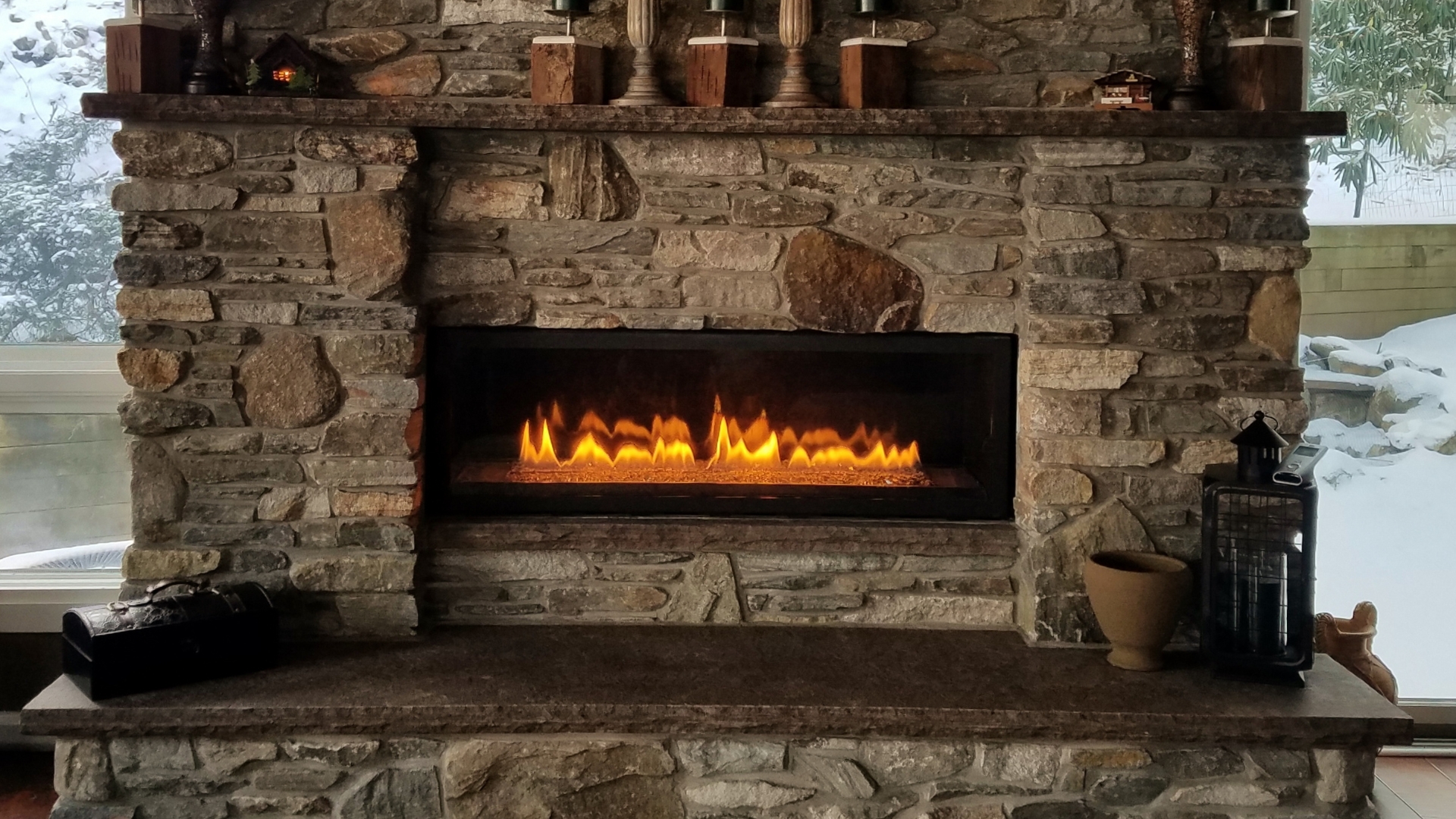
Popular Stone Fireplace Design Ideas
Choosing the right design for your stone fireplace remodel is just as important as selecting the material itself. The style you choose will influence the overall feel of your space, whether you want something bold and dramatic or subtle and modern. Below are some of the most popular and effective design approaches that homeowners use to create a visually striking and well-balanced fireplace.
Floor-to-Ceiling Stone Fireplaces
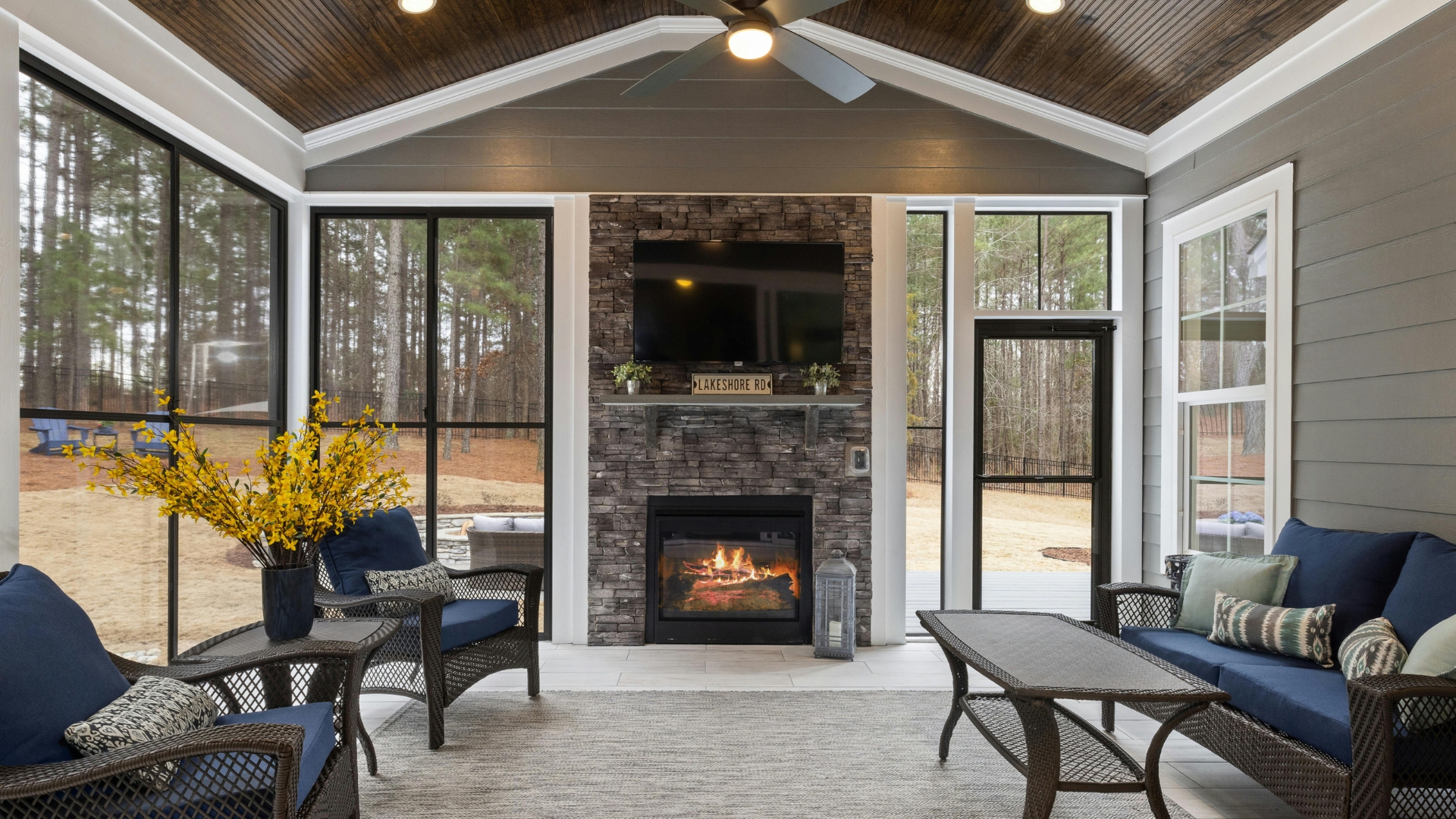
A floor-to-ceiling stone fireplace instantly creates a strong visual anchor in any room. This full-height design draws the eye upward, making ceilings feel higher and the space more expansive. It works especially well in living rooms with open layouts or vaulted ceilings.
- Visual impact: Extending stone from the hearth to the ceiling creates a seamless, high-end look that feels intentional and architectural.
- Material consistency: Using the same stone throughout avoids visual breaks and helps the fireplace stand out as a cohesive focal point.
- Design pairing: This style pairs well with large windows, exposed beams, or statement lighting to enhance the overall effect.
When planning this type of installation, it’s important to consider scale and proportion. Larger stone pieces often work better for tall surfaces, as they reduce visual clutter and create a more balanced appearance.
Rustic Farmhouse Style
A rustic farmhouse-style fireplace blends natural textures and warm materials to create a cozy, inviting atmosphere. This design is especially popular in homes that lean toward traditional, country, or transitional interiors.
- Material contrast: Combining rough-cut stone with a reclaimed-wood mantel adds depth and character.
- Warm tones: Earth-toned stone such as beige, tan, or soft gray complements wood finishes and enhances the cozy feel.
- Layered texture: Mixing stone with wood, metal accents, and soft furnishings creates a well-rounded, lived-in look.
This approach works best when the materials feel authentic. Avoid overly polished finishes and instead focus on slightly imperfect, natural textures that give the space personality.
Modern Minimalist Designs
For a clean, contemporary look, a modern minimalist fireplace design focuses on simplicity, symmetry, and subtle detail. This style is ideal for newer homes or spaces with a sleek, uncluttered aesthetic.
- Clean-lined layout: Use evenly cut stone or stacked-stone veneer to maintain straight edges and uniform patterns.
- Neutral palette: Shades like white, charcoal, or soft gray help the fireplace blend into a modern interior without overpowering it.
- Integrated features: Built-in shelving, hidden storage, or flush-mounted fireplaces enhance the streamlined appearance.
In this style, less is more. Keeping the surrounding decor minimal allows the stone texture to add interest without making the space feel busy.
Accent Wall Fireplace Remodels
An accent-wall fireplace remodel is a practical option for homeowners who want to upgrade their space without committing to a full-scale renovation. This approach focuses on enhancing a specific section of the wall rather than covering the entire fireplace structure.
- Cost-effective upgrade: Using stone on a portion of the wall reduces material and labor costs while still improving visual appeal.
- Design flexibility: You can highlight the fireplace area without overwhelming the room, making it suitable for smaller spaces.
- Quick transformation: Accent-wall projects are typically faster to complete, making them ideal for budget-conscious remodels or phased renovations.
This style works well when you want to introduce texture and depth without dramatically altering the room’s existing layout.
A well-designed stone fireplace does more than improve appearance, it shapes the entire atmosphere of your living space and reflects your personal style while adding lasting value.
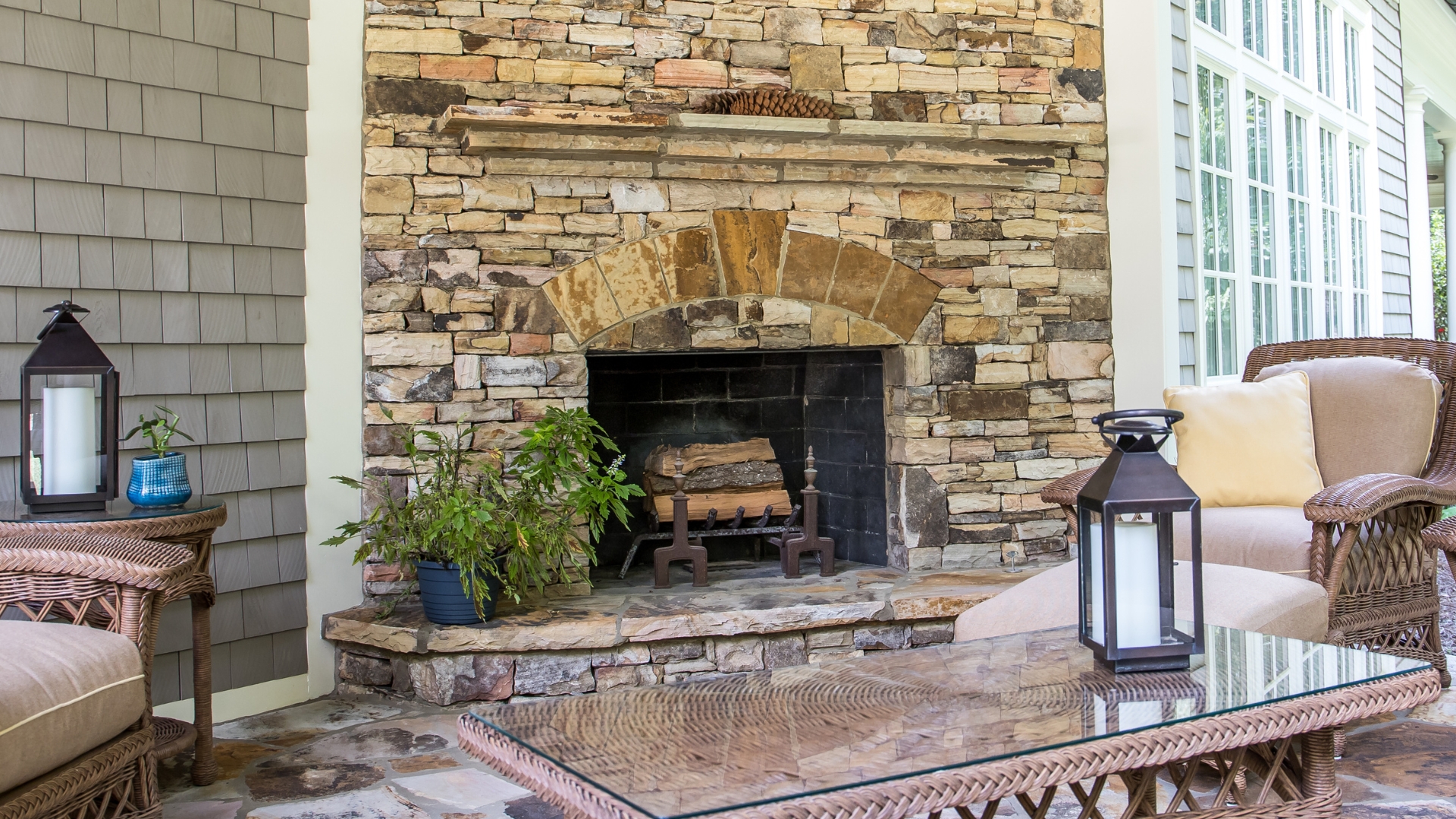
Cost To Remodel A Fireplace With Stone
Remodeling a fireplace with stone can range from a modest upgrade to a high-end transformation depending on your design choices, materials, and installation method. Understanding where your money goes helps you plan realistically and avoid unexpected costs. Whether you are considering a simple stone veneer overlay or a full floor-to-ceiling natural-stone installation, knowing the breakdown will help you make smarter decisions.
Average Cost Breakdown
A fireplace remodel typically includes three main cost categories, each contributing to the final budget in different ways. Being aware of these components allows you to adjust your plan based on priorities like aesthetics, durability, and overall investment.
- Materials (Natural vs Veneer): Natural-stone materials such as slate, granite, or limestone tend to be more expensive due to their weight, sourcing, and cutting requirements. Manufactured stone veneer offers a more cost-effective alternative that mimics the look of real stone while being lighter and easier to install. This makes veneer a popular choice for homeowners seeking a high-end appearance without the higher price point.
- Labor Costs: Labor can make up a significant portion of the total cost, especially for complex or custom designs. A professional installer ensures proper adhesion, alignment, and safety compliance, which is critical for long-term durability. Simple veneer installations may cost less in labor, while intricate patterns or full-wall installations increase the price.
- Additional Materials (Adhesive, Mortar, Tools): Beyond the stone itself, you will need supporting materials such as mortar, bonding agents, metal lath, or cement backer boards. These items may seem minor individually, but they add up quickly and are essential for a structurally sound and long-lasting finish.
Factors That Affect Pricing
The overall cost of remodeling a fireplace with stone is influenced by several key variables. Understanding these factors allows you to control your budget and prioritize what matters most in your project.
- Fireplace Size And Height: A small, standard fireplace surround will naturally cost less than a large, floor-to-ceiling feature wall. More surface area means more materials, more labor, and more installation time, all of which increase the total cost.
- Type Of Stone Used: The choice between natural stone and manufactured veneer has one of the biggest impacts on pricing. Natural stone requires more preparation, cutting, and support, while veneer is designed for easier installation. Premium stone types and custom finishes will further raise the cost.
- DIY Vs Hiring A Professional: Taking a do-it-yourself approach can significantly reduce labor expenses, but it requires time, skill, and attention to detail. Hiring a professional adds upfront cost but ensures a polished result, proper installation, and compliance with safety standards, especially for gas or wood-burning fireplaces.
Budget-Friendly Tips
If you want the look of a stone fireplace without exceeding your budget, there are several practical strategies that can help you achieve a high-quality result at a lower cost.
- Using Stone Veneer Instead Of Full Stone: Stone veneer provides a similar visual impact to natural stone at a fraction of the cost. It is lighter, easier to install, and often does not require additional structural reinforcement, making it an ideal choice for cost-conscious remodels.
- Partial Remodel Options: Instead of covering the entire fireplace wall, consider focusing on key areas such as the surround or a feature section. A partial-stone design can still create a strong focal point while reducing both material and labor expenses.
- Sourcing Materials Locally: Purchasing stone from local suppliers can help lower transportation costs and sometimes provide access to discounted or surplus materials. Local sourcing also allows you to inspect the stone in person and choose pieces that best match your design vision.
A well-planned fireplace remodel does not have to break your budget if you understand where to invest and where to save, allowing you to achieve a balanced result that looks great and performs well over time.
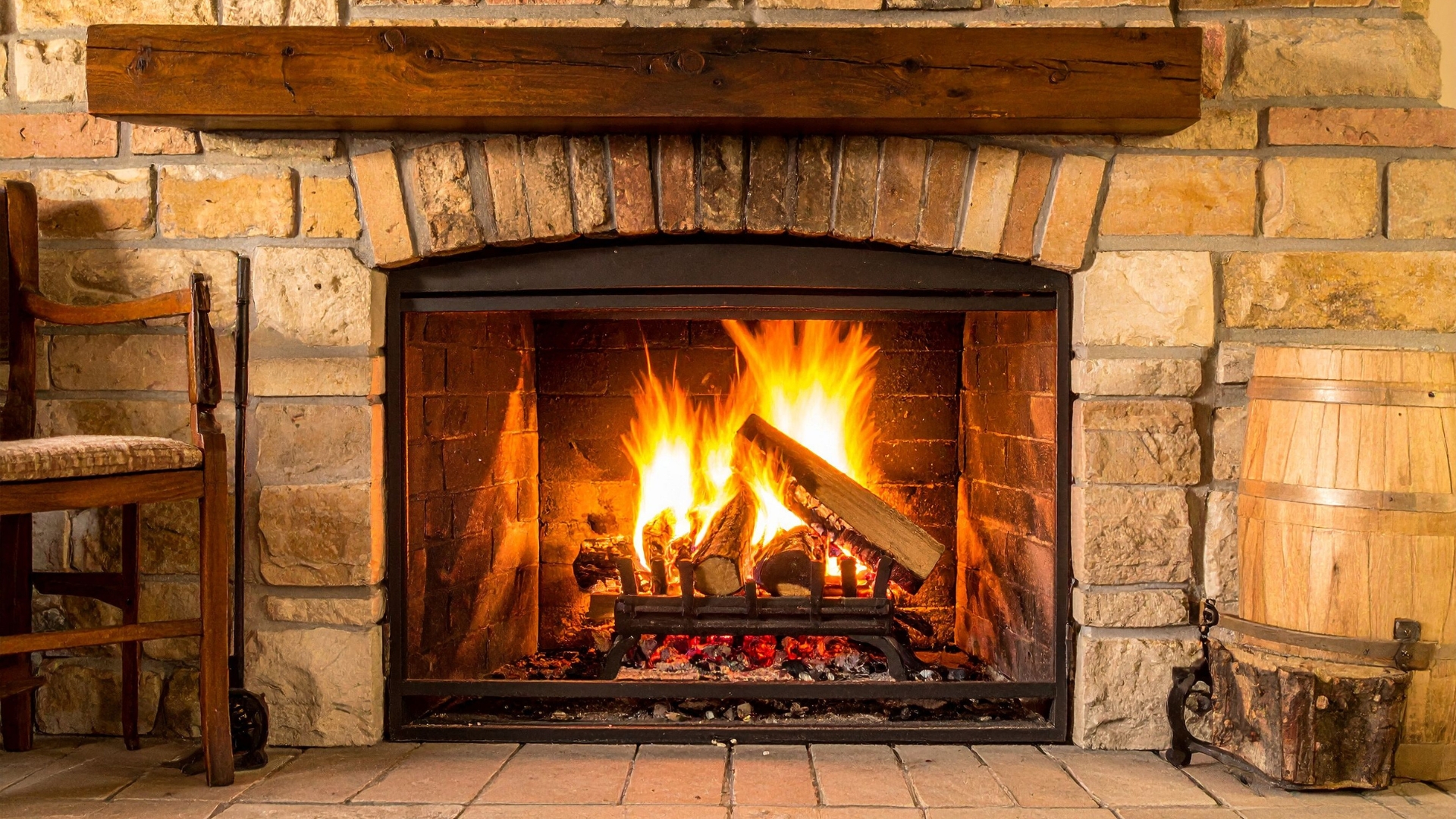
DIY Vs Hiring A Professional: What You Need To Know
Deciding whether to take on a fireplace remodel yourself or hire a professional is one of the most important steps in the planning process. The right choice depends on your skill level, the complexity of the design, and the type of fireplace you have. A well-executed stone fireplace remodel can significantly improve both aesthetics and function, but mistakes can be costly and difficult to fix, especially when safety is involved.
When DIY Makes Sense
For homeowners with some hands-on experience, a DIY approach can be a cost-effective and rewarding way to update a fireplace. Simpler projects that do not involve structural changes are typically manageable with the right preparation and tools.
- Small-scale projects: Installing stone veneer over an existing, stable surface is one of the most DIY-friendly options, especially when working with lightweight, manufactured stone.
- Basic skill requirements: If you have experience with tiling, masonry work, or similar hands-on projects, you are more likely to achieve clean, professional-looking results.
- Cost savings: Taking the DIY route can significantly reduce labor costs, making it a practical choice for budget-conscious homeowners.
- Creative control: DIY projects allow you to fully control the design, layout, and finishing details without relying on outside input.
That said, even in DIY-friendly scenarios, careful planning and attention to detail are essential. Poor surface preparation or uneven stone placement can affect both the durability and appearance of the finished fireplace.
When To Hire A Pro
Some fireplace remodels go beyond surface-level upgrades and require specialized knowledge, tools, and compliance with safety standards. In these cases, hiring a professional is the safer and more reliable option.
- Structural modifications: If your project involves altering the fireplace structure, extending the surround, or adding weight-heavy materials, a professional ensures the integrity of the installation.
- Gas or wood-burning systems: Fireplaces that involve active heat sources require precise installation to prevent hazards such as gas leaks, smoke issues, or fire risks.
- Large-scale designs: Floor-to-ceiling stone fireplaces or intricate layouts demand expert-level precision to maintain alignment, balance, and visual appeal.
- Time efficiency: Professionals can complete complex projects faster and with fewer errors, which can be especially valuable during a full home renovation.
Hiring a qualified contractor also provides peace of mind, particularly when dealing with long-term durability and safety considerations.
Safety And Building Code Considerations
Regardless of whether you choose DIY or professional installation, safety should always be a top priority. Fireplace remodels must meet specific building codes and manufacturer guidelines to ensure safe operation.
- Heat-clearance requirements: Stone materials and surrounding structures must be installed with proper spacing from the firebox to prevent overheating and fire hazards.
- Local building regulations: Many areas require permits or inspections for fireplace modifications, especially when structural or mechanical elements are involved.
- Ventilation standards: Proper airflow is critical for both gas and wood-burning fireplaces to avoid smoke buildup or harmful gas exposure.
- Fire-resistant materials: Using approved materials designed for high-heat environments helps maintain safety and compliance over time.
Before starting any project, it is important to research local requirements or consult with a professional to ensure your remodel meets all necessary safety standards.
A well-planned decision between DIY and professional installation can make the difference between a smooth, successful fireplace upgrade and a costly setback, so it is worth evaluating your skills, the project scope, and safety requirements before moving forward.
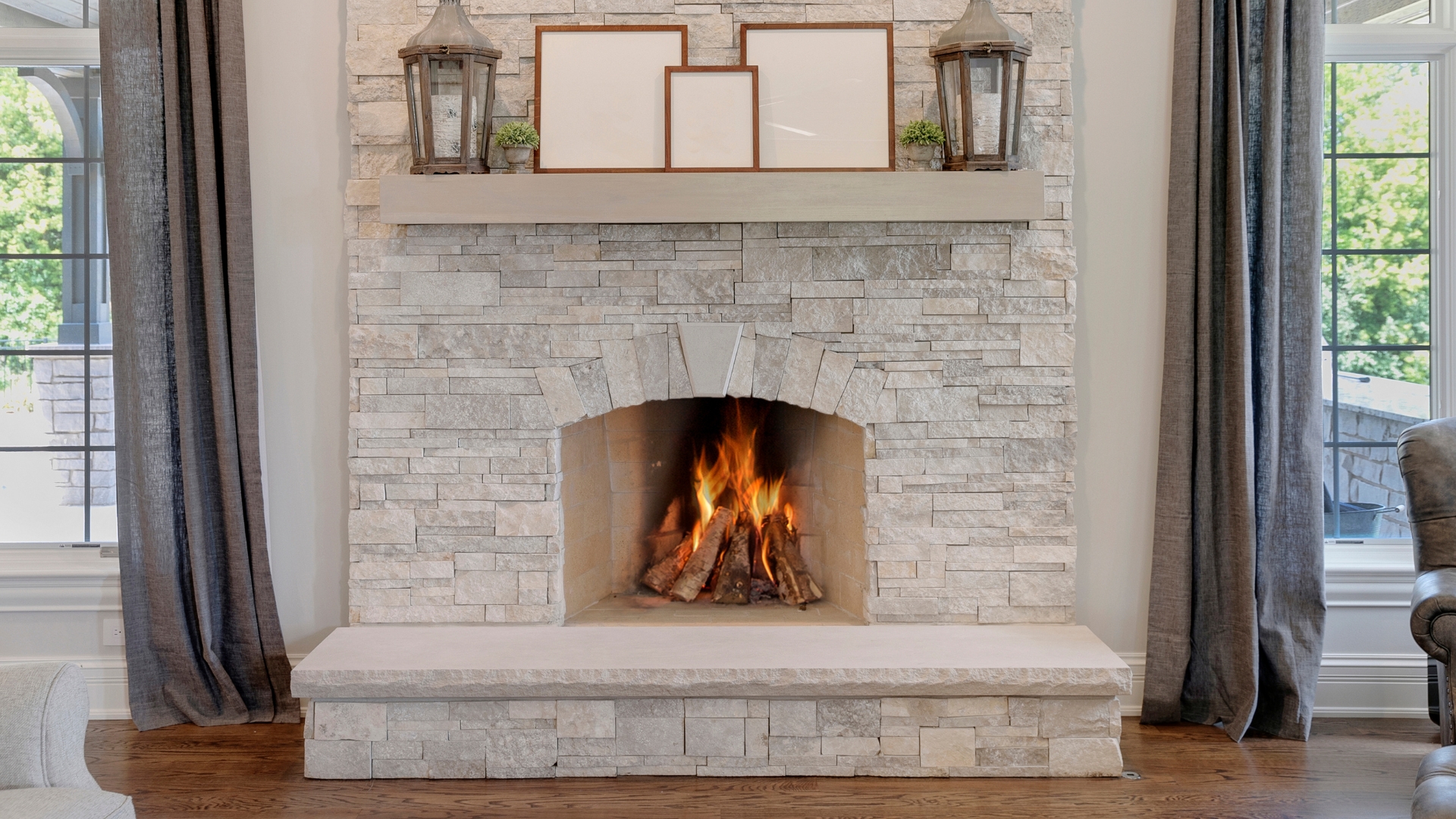
Step-by-Step Guide To Remodeling A Fireplace With Stone
Remodeling a fireplace with stone is one of those projects where preparation and attention to detail make all the difference. Whether you are using natural stone or a manufactured veneer, following a structured, step-by-step process ensures a durable, professional-looking result that holds up over time.
Step 1: Prepare The Surface
Before installing any stone, the surface must be properly cleaned and stabilized. Skipping this step is one of the most common reasons stone installations fail or look uneven.
- Remove old materials: Take off loose paint, outdated tile, or crumbling mortar so the new stone adheres properly.
- Clean thoroughly: Use a wire brush or mild cleaner to eliminate dust, grease, and debris that could weaken the bond.
- Check structural integrity: Make sure the fireplace surface is solid and level, since uneven areas can affect alignment and long-term durability.
A clean, stable base creates the foundation for a secure installation and helps prevent issues like shifting or cracking later on.
Step 2: Install Backer Board Or Lath
Once the surface is prepped, the next step is to create a proper foundation that allows the stone to bond effectively.
- Use cement backer board: For flat surfaces like drywall, install a moisture-resistant backer board to support the weight of the stone.
- Add metal lath when needed: On brick or uneven surfaces, metal lath helps mortar grip more effectively and improves overall adhesion.
- Secure properly: Fasten materials tightly using appropriate screws or anchors to avoid movement during installation.
This layer acts as a stable base, ensuring your stone fireplace remodel remains strong and secure over time.
Step 3: Plan Your Stone Layout
Taking time to plan your layout before applying mortar helps you avoid awkward spacing and repetitive patterns.
- Dry fit the stones: Lay out your pieces on the floor first to visualize how they will look on the wall.
- Mix sizes and shapes: Blend different stones to create a natural, balanced appearance rather than a uniform pattern.
- Avoid repetition: Rotate pieces and vary placement to prevent noticeable duplication that can make the design look artificial.
A well-planned layout is what separates a professional-looking fireplace from one that feels rushed or inconsistent.
Step 4: Apply Mortar And Install Stone
This is where the transformation really begins, and precision is key to achieving a clean, durable finish.
- Work from the bottom up: Start at the base and build upward to provide support for each row of stone.
- Apply consistent mortar: Use a trowel to spread an even layer, ensuring strong adhesion without excess buildup.
- Press and hold each stone: Firmly place each piece and hold briefly to allow the mortar to grip securely.
- Maintain even spacing: Keep gaps consistent to create a cohesive and visually appealing pattern.
Taking your time during this step ensures that the final result looks polished and professionally installed.
Step 5: Grouting And Finishing Touches
After the stone is installed, finishing work brings the entire fireplace together and enhances its overall appearance.
- Fill gaps carefully: Use grout or mortar to fill joints between stones, ensuring full coverage without overfilling.
- Smooth the joints: Shape and clean the grout lines for a consistent and refined look.
- Remove excess mortar: Wipe away any residue before it hardens to keep the stone surface clean.
Attention to detail during finishing is what gives your fireplace that clean, high-end look.
Step 6: Seal And Maintain
Proper sealing and maintenance protect your investment and keep your fireplace looking its best for years.
- Apply a protective sealer: Use a heat-safe sealant to guard against stains, moisture, and wear, especially for natural stone.
- Allow proper curing time: Let the mortar and grout fully cure before applying sealant to ensure long-lasting results.
- Perform regular upkeep: Clean the surface periodically and inspect for minor cracks or wear to address issues early.
A well-maintained stone fireplace not only retains its visual appeal but also ensures long-term durability and safety.
A carefully executed stone fireplace remodel can completely transform a room, and by following each step with precision and patience, you can achieve a result that looks professionally done and stands the test of time.
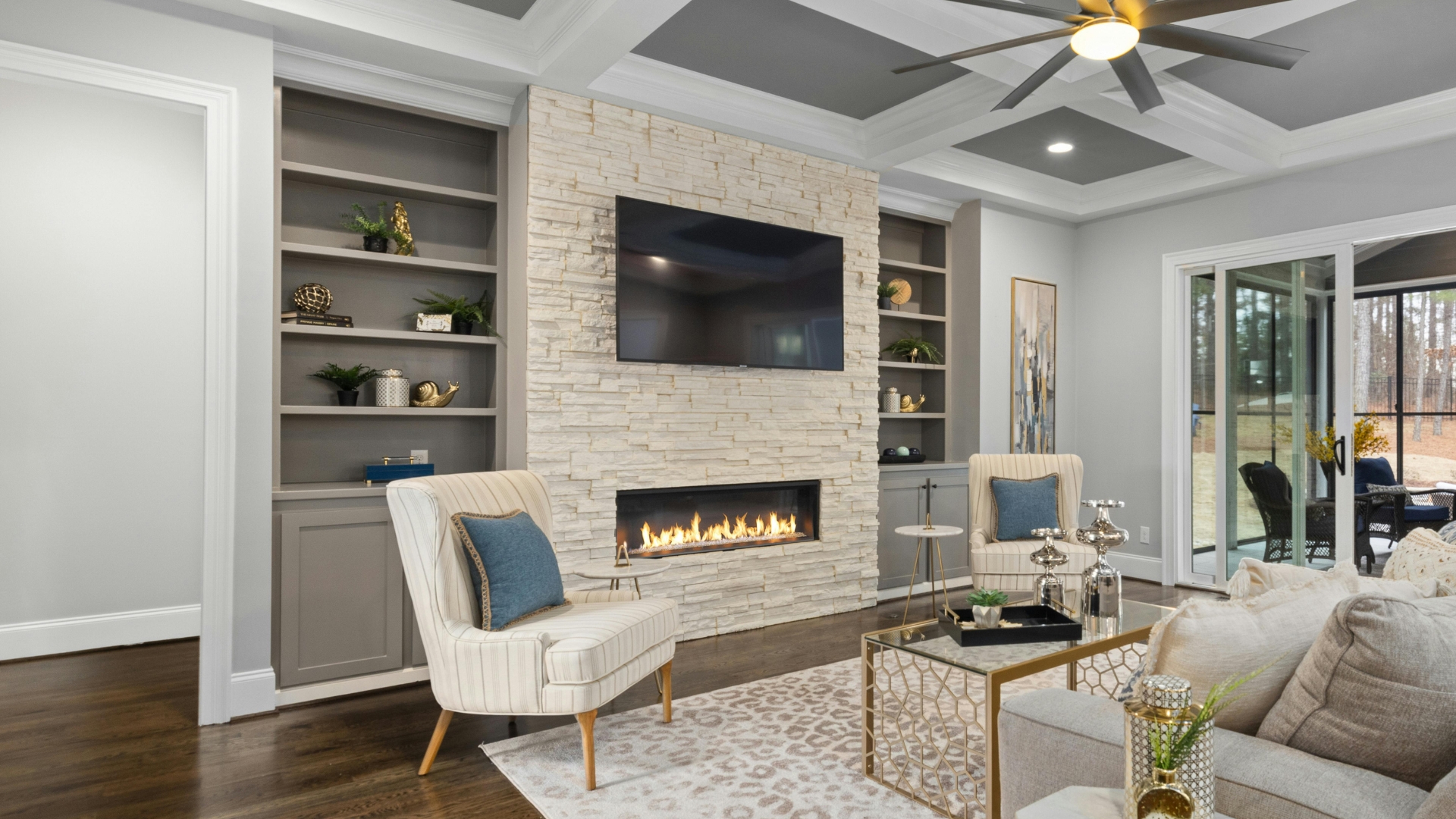
Common Mistakes to Avoid When Remodeling a Fireplace
Remodeling a fireplace with stone can dramatically elevate the look and value of your space, but small missteps can lead to costly repairs or disappointing results. Understanding the most common mistakes helps you avoid setbacks and ensures your finished fireplace is both visually appealing and structurally sound.
Skipping Surface Preparation
Proper surface preparation is one of the most critical steps in any fireplace remodel, yet it is often rushed or overlooked. A poorly prepared surface can prevent stone from adhering correctly, leading to loose pieces or uneven finishes over time.
- Clean foundation: Remove dust, soot, grease, and debris to ensure strong adhesion between the surface and mortar
- Stable base: Repair cracks or damaged areas before installation to prevent shifting or cracking later
- Proper bonding layer: Use metal lath or a bonding agent when needed to help the stone adhere securely
Taking the time to prep correctly creates a long-lasting, professional-quality result.
Choosing the Wrong Stone for Heat Exposure
Not all stone materials perform the same under high heat, and selecting the wrong type can lead to cracking, discoloration, or safety concerns.
- Heat-resistant materials: Choose stones like slate, granite, or manufactured stone designed for fireplace use
- Manufacturer guidelines: Always verify that the product is rated for high-temperature environments
- Placement awareness: Understand which areas of the fireplace are exposed to direct heat and choose materials accordingly
Selecting the right material ensures both safety and durability, especially for wood-burning or gas fireplaces.
Poor Layout Planning
A fireplace remodel is as much about design as it is about installation, and poor planning can result in an uneven or unnatural look that detracts from the final outcome.
- Dry layout first: Arrange stones before installation to visualize spacing and avoid repetitive patterns
- Balanced appearance: Mix stone sizes and shapes to create a natural, cohesive look
- Focal alignment: Keep the design centered and aligned with the fireplace opening for visual consistency
Thoughtful layout planning helps achieve a polished, high-end finish rather than a rushed or mismatched appearance.
Ignoring Weight and Structural Support
Stone, especially natural stone, can be significantly heavy, and failing to account for weight can compromise the structure of your fireplace or wall.
- Load-bearing capacity: Ensure the wall or framing can support the additional weight of the stone
- Reinforcement needs: Install proper backing materials such as cement board or reinforced framing
- Material selection: Consider lightweight stone-veneer options if structural limitations exist
Addressing structural support early prevents sagging, cracking, or long-term damage.
Overlooking Local Building Codes
Fireplace remodels often involve safety regulations that must be followed, and ignoring local building codes can lead to fines or unsafe conditions.
- Clearance requirements: Maintain proper distance between stone materials and heat sources
- Fire safety standards: Follow guidelines for combustible and non-combustible materials
- Permit considerations: Check whether your project requires permits or inspections
Consulting local regulations or a professional ensures your remodel is compliant and safe for everyday use.
A well-executed stone fireplace remodel comes down to preparation, material selection, and attention to detail, and avoiding these common mistakes can make the difference between a short-lived upgrade and a long-lasting centerpiece in your home.
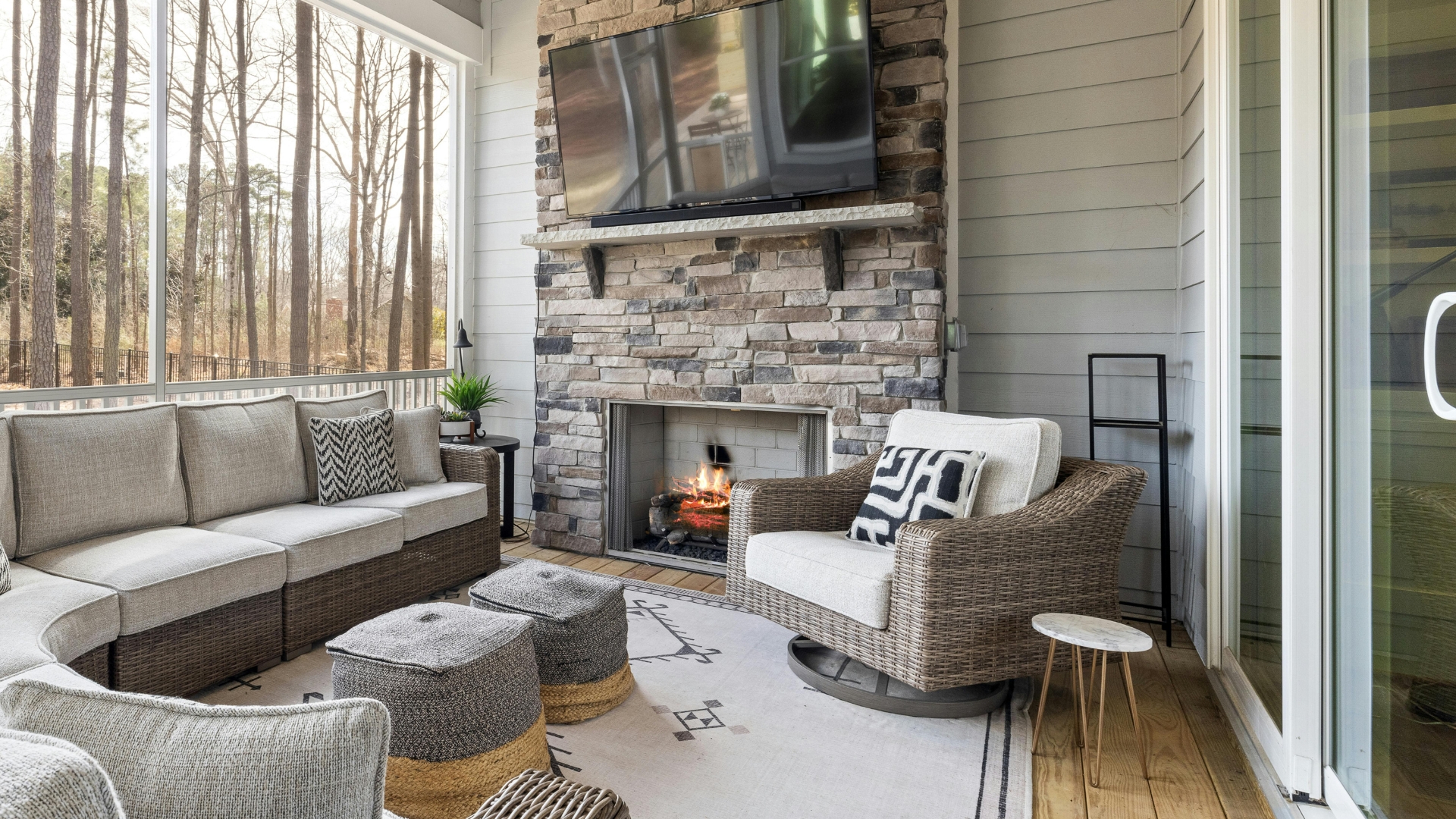
Maintenance And Care For Stone Fireplaces
A well-built stone fireplace is designed to last for decades, but maintaining its appearance and structural integrity requires consistent care. Whether you have natural stone or a manufactured veneer, proper cleaning, sealing, and minor repairs will help preserve its look and prevent long-term damage. Understanding how to care for your stone fireplace ensures it remains a durable, low-maintenance feature that continues to enhance your home.
Routine Cleaning Tips
Regular cleaning keeps your stone fireplace looking fresh while preventing buildup that can damage the surface over time. The key is to use gentle, non-abrasive methods that protect the stone’s natural texture.
- Use a soft-bristle brush: This helps remove dust, soot, and debris from uneven stone surfaces without scratching or wearing down the material.
- Choose mild cleaning solutions: A mixture of warm water and a small amount of dish soap is usually enough for routine cleaning, especially for interior fireplaces.
- Avoid harsh chemicals: Acid-based cleaners or bleach can discolor or weaken natural stone, particularly porous materials like limestone or sandstone.
- Clean soot carefully: For wood-burning fireplaces, soot buildup can occur. Use a fireplace-safe cleaner or a baking soda paste to gently lift stains without damaging the surface.
- Dry thoroughly after cleaning: Excess moisture can seep into porous stone, so always wipe down the surface with a clean, dry cloth after washing.
Consistent light cleaning is more effective than occasional deep cleaning and helps maintain the original finish of the stone.
Sealing And Protection
Sealing is one of the most important steps in protecting a stone fireplace, especially if the material is porous. A high-quality sealant creates a protective barrier that prevents stains, moisture absorption, and long-term wear.
- Understand your stone type: Natural stones like slate, limestone, and fieldstone typically require sealing, while some manufactured stone products may already have protective coatings.
- Apply a breathable sealant: This allows moisture to escape while still protecting the surface, which is essential for preventing trapped moisture and potential damage.
- Reapply periodically: Sealants wear down over time, so it is important to reseal every one to three years depending on usage and exposure to heat.
- Protect high-traffic areas: Surrounds and hearths that are frequently touched or exposed to debris benefit most from regular sealing.
- Test before full application: Always test sealant on a small, hidden area to ensure it does not alter the color or finish of the stone.
Proper sealing not only preserves the stone’s appearance but also makes future cleaning much easier and more effective.
Repairing Chips Or Cracks
Even durable materials like stone can develop small chips or cracks over time, especially in high-use fireplaces. Addressing these issues early helps prevent further damage and keeps the fireplace looking well-maintained.
- Inspect regularly: Look for small cracks, loose pieces, or surface damage, particularly after heavy use or seasonal temperature changes.
- Use stone repair kits: Many minor chips can be fixed using color-matched fillers or epoxy designed specifically for stone surfaces.
- Reapply mortar when needed: If stones become loose, fresh mortar can secure them back into place and restore structural stability.
- Match texture and color carefully: When making repairs, choose materials that closely match the existing stone to maintain a consistent appearance.
- Consult a professional for major damage: Larger cracks or structural issues may require expert assessment to ensure safety and proper repair.
Taking care of small repairs early helps avoid more extensive and costly fixes later, while maintaining the overall integrity of the fireplace.
A well-maintained stone fireplace not only retains its visual appeal but also continues to function safely and efficiently, making it a lasting centerpiece in your home for years to come.
If you’re ready to upgrade your fireplace into a stunning centerpiece, now is the time to plan your remodel with confidence and the right approach. Explore your design options, set a realistic budget, and take the next step by consulting a professional or starting your DIY plan to bring your vision to life.
FAQs: About How to Remodel a Fireplace With Stone
- Can you remodel a fireplace with stone over the existing brick?
Yes, you can install stone veneer directly over an existing brick fireplace if the surface is clean, stable, and properly prepared. In most cases, a bonding agent or metal lath is added to ensure the stone adheres securely and lasts long-term. - What is the best type of stone for a fireplace remodel?
The best stone depends on your style and budget, but popular options include natural stone like slate or limestone and manufactured stone veneer for easier installation. Veneer is often preferred for DIY projects due to its lighter weight and lower cost. - How much does it cost to remodel a fireplace with stone?
The cost typically ranges from moderate to high, depending on materials and labor, with stone veneer being more affordable than natural stone. Factors like fireplace size, design complexity, and whether you hire a professional will significantly impact the final price. - Is remodeling a fireplace with stone a DIY project?
Yes, many homeowners can complete a stone fireplace remodel using veneer materials, especially with basic masonry skills. However, complex designs, structural changes, or gas fireplaces are best handled by professionals for safety and quality. - How long does it take to remodel a fireplace with stone?
A simple stone veneer installation can take one to three days, while larger or more complex projects may take up to a week. Time depends on preparation, drying periods, and the level of detail in the design. - Do stone fireplaces require maintenance?
Stone fireplaces require minimal maintenance, but periodic cleaning and sealing can help preserve their appearance. Sealing is especially important for porous natural stones to prevent stains and damage over time. - Can stone veneer withstand high heat from a fireplace?
Yes, most stone veneer products are designed to handle fireplace heat when installed correctly. It is important to follow manufacturer guidelines and local building codes to ensure proper heat clearance and safety. - What are common mistakes when remodeling a fireplace with stone?
Common mistakes include poor surface preparation, uneven stone placement, ignoring weight support, and skipping proper sealing. These issues can affect both the appearance and durability of the finished fireplace. - Does a stone fireplace increase home value?
Yes, a well-designed stone fireplace can increase home value by enhancing visual appeal and creating a strong focal point. It is often seen as a desirable feature by potential buyers. - Can you change the style of a stone fireplace later?
Yes, you can update a stone fireplace by refinishing, painting certain types of stone, or adding new design elements like mantels. However, removing or replacing stone entirely can be more labor-intensive and costly.
Conclusion
Remodeling a fireplace with stone is one of those upgrades that delivers both immediate visual impact and long-term value, making it a worthwhile investment for many homeowners. A well-designed stone fireplace can transform a plain or outdated space into a striking focal point while also offering durability and heat-resistant performance that stands up over time. From a practical standpoint, it can enhance resale appeal and create a more cohesive, high-end look within your home. The decision ultimately comes down to your budget, design goals, and level of experience, especially when choosing between a DIY-friendly stone-veneer project and a more complex installation that may require professional expertise. If you are working with a limited budget or want a manageable project, stone veneer can provide a cost-effective solution, while full natural stone installations are better suited for those seeking a premium, long-lasting finish. By weighing your priorities, understanding the scope of work, and planning carefully, you can confidently decide whether a stone fireplace remodel aligns with your home improvement goals and delivers the result you envision.