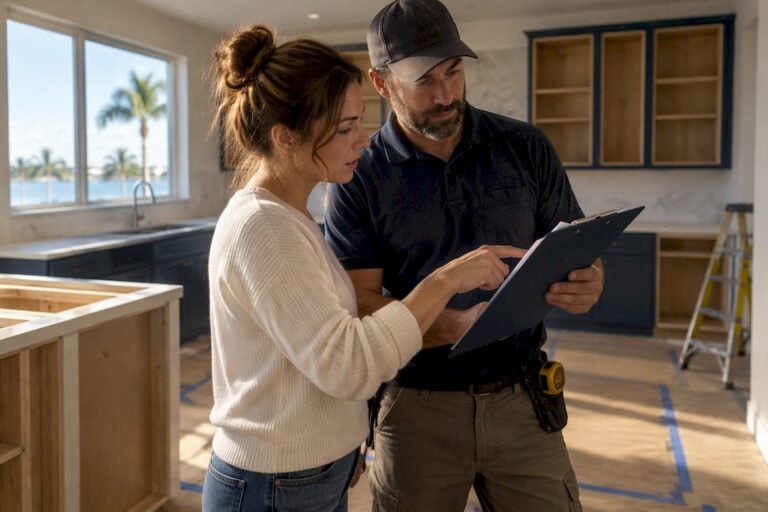

Design consultation is defined as a structured, collaborative process where a professional assesses your home’s existing conditions, your lifestyle needs, and your project goals before any construction begins. The role of design consultation in renovation goes far beyond choosing paint colors or cabinet styles. It aligns your vision with construction realities, sharpens your budget, and prevents the costly mistakes that derail so many projects. For homeowners in Tampa Bay considering a remodel, understanding this process is the first step toward a renovation that actually delivers what you imagined.
What happens during an initial renovation design consultation?
An initial design consultation is a structured, collaborative meeting lasting 60–90 minutes. Its purpose is discovery and alignment, not final designs or sales pitches. You should leave the meeting with a clearer picture of your project’s scope, constraints, and realistic direction.
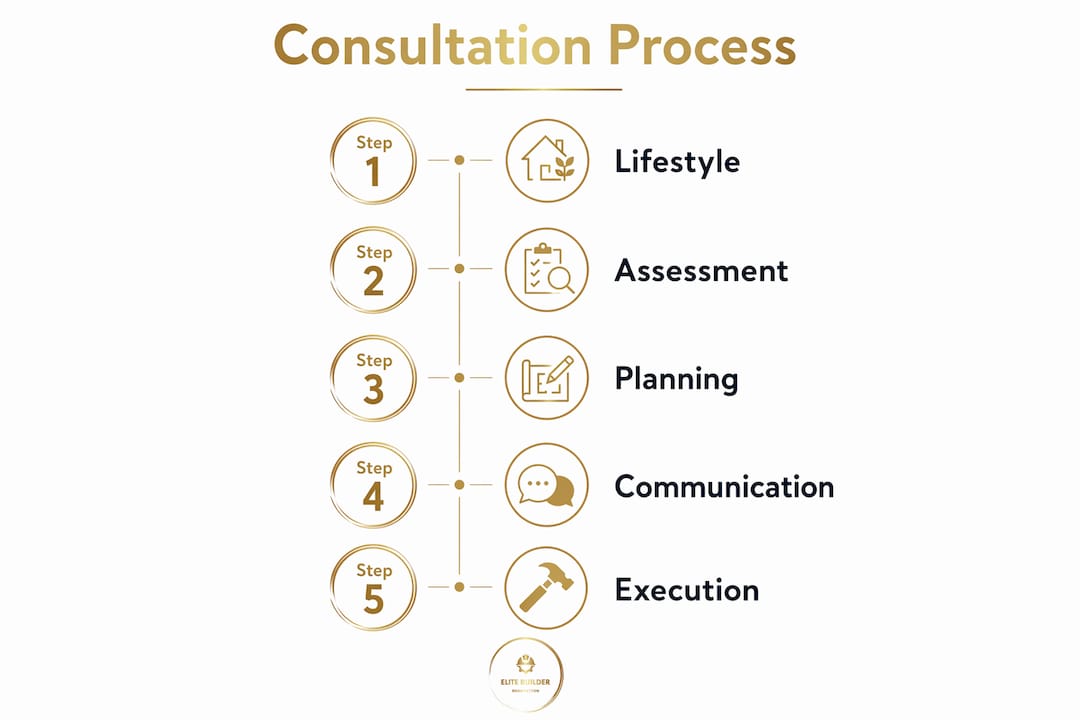
During that session, a design professional typically covers:
- Site assessment: Measurements, existing structural conditions, plumbing and electrical locations, and any code compliance considerations specific to your home.
- Lifestyle interview: How you use each room daily, where clutter tends to gather, traffic flow through the space, and storage gaps that create friction.
- Project goals: What you want to achieve functionally and aesthetically, your timeline, and your budget range.
- Style preferences: Finish directions, material preferences, and any non-negotiables you already have in mind.
- Constraint review: Load-bearing walls, plumbing lines, and mechanical systems that will shape what is actually buildable within your budget.
The lifestyle interview is where most homeowners are surprised. Functional friction points in daily routines, such as where clutter gathers, traffic bottlenecks, and storage gaps, are essential data that shape a more accurate renovation scope than aesthetics alone. A designer who only asks about your style preferences is skipping the most important part of the job.
Pro Tip: Bring photos of spaces you love and a written list of your daily frustrations with your current layout. This gives the consultant concrete data to work with and shortens the discovery process significantly.

Many homeowners believe they need finalized plans before booking a consultation. Experts prefer the opposite. An exploratory consultation focuses on understanding your home’s structural and mechanical limits first, which prevents expensive redesigns later. Come with questions, not answers.
Why should you hire a design consultant before a contractor?
The sequence in which you hire professionals directly affects your renovation budget and outcome. Engaging a design professional before a general contractor reduces costly change orders by 15–25% or more by establishing a clear, well-defined project design early in the process. That reduction translates directly into money staying in your pocket.
Here is why the order matters:
- Scope clarity: A designer defines exactly what gets built before contractors bid. Vague allowances in contractor bids, such as “allowance for tile” without a specified product, are a leading cause of budget overruns.
- Structural optimization: When a designer joins after a contractor is already selected, their influence is limited to finishes, foregoing optimization of floor plans or structural improvements that often lead to higher costs.
- Accurate bids: Contractors prefer clients who have made design decisions before bidding. Prepared clients reduce on-site decision delays and rework, which improves bid accuracy and project efficiency.
- Reduced decision fatigue: Design consultants manage hundreds of granular choices, from grout color to outlet placement, so you are not making those calls under construction pressure.
- Change order prevention: Late-stage changes to materials, layouts, or finishes are the single most common source of cost overruns. A clear design direction eliminates most of them before the first nail is driven.
“A clear design direction early in renovation reduces homeowner stress and budget surprises, enabling informed cutting or expanding of project scope with confidence.”
The practical implication is straightforward. You get better bids, fewer surprises, and a contractor who can execute efficiently because the plan is already solid. Skipping the design phase to save money upfront almost always costs more by the time the project is finished. You can also review renovation best practices to understand how design consultation fits into a broader planning framework.
How do design consultants improve communication between homeowners and trades?
Design consultants act as a communication bridge between you and the tradespeople building your renovation. This role is one of the most underappreciated benefits of professional design advice for renovations. Without it, homeowners often find themselves translating their wishes to a plumber, then an electrician, then a tile setter, with no one coordinating the full picture.
A design consultant handles this coordination by:
- Translating vision into buildable plans: Abstract desires like “open and airy” become specific ceiling heights, window placements, and material selections that contractors can price and execute.
- Vetting selections for feasibility: Before you fall in love with a fixture or layout, the consultant confirms it works within your structural, mechanical, and budget constraints.
- Managing expectations across phases: As the project moves from demolition to framing to finish work, the consultant keeps all parties aligned on what was decided and why.
- Preventing miscommunication: Good renovation communication reduces costly mistakes and renovation regret by turning abstract desires into buildable realities. A written design package with specifications, drawings, and material schedules gives every trade a single source of truth.
- Handling alternatives: When a structural constraint or supply issue forces a change, the consultant evaluates alternatives against your original goals rather than leaving you to decide under pressure.
The role of subcontractors in remodeling is to execute specific scopes of work with precision. They do their best work when the design is clear and the decisions are already made. A design consultant creates that clarity before the trades ever set foot in your home.
What practical benefits do Tampa Bay homeowners gain from design consultation?
The practical outcomes of thorough design consultation show up in three areas: functional improvement, budget control, and reduced renovation regret. For homeowners in Tampa, St. Petersburg, Clearwater, and across Pinellas County and Hillsborough County, local conditions add another layer of complexity that makes professional guidance especially valuable.
| Benefit | What it means for your renovation |
|---|---|
| Functional space planning | Layouts are designed around how you actually live, not just how a room looks in a photo |
| Budget transparency | Material and fixture selections are confirmed before bidding, eliminating vague allowances |
| Code compliance support | Local permit requirements in Tampa Bay are addressed in the design phase, not during inspection |
| Reduced renovation regret | Decisions made with full information before construction are far less likely to disappoint |
| Cohesive aesthetics | Finishes, fixtures, and materials are coordinated across the project for a unified result |
Florida’s climate creates specific challenges that a local design consultant understands. Moisture-resistant materials, hurricane-rated windows, and proper ventilation are not optional considerations in Tampa Bay. They are code requirements and practical necessities. A design consultant familiar with Pinellas County and Hillsborough County permitting processes can flag these requirements before they become mid-project surprises.
Design leadership supports decision-making from initial sketches through final installation, ensuring a cohesive, functional renovation. This is the distinction between a designer and a decorator. Decorators choose finishes. Design consultants lead the entire decision-making process, considering structural integrity, lifestyle factors, and wellness alongside aesthetics.
Pro Tip: Ask your design consultant to walk you through a “day in the life” scenario for each renovated space. This exercise consistently reveals functional gaps that a purely visual review misses, especially in kitchens and bathrooms.
For families in Tampa Bay, family-friendly design considerations are part of the consultation process. Storage for kids’ gear, durable flooring choices, and traffic flow through shared spaces are all addressed before a single tile is ordered. The result is a home that works for your actual life, not just the version of your life that exists in a design magazine.
Key Takeaways
Design consultation is the single most effective step a homeowner can take to reduce renovation costs, prevent mistakes, and achieve a result that matches the original vision.
| Point | Details |
|---|---|
| Consult before contracting | Hiring a design professional before a contractor reduces change orders by 15–25% or more. |
| Discovery over decoration | The first consultation focuses on site conditions, lifestyle needs, and structural constraints, not final finishes. |
| Communication clarity | Design consultants translate homeowner goals into buildable specifications that every trade can follow. |
| Local conditions matter | Tampa Bay’s climate, permit requirements, and code compliance issues are best addressed in the design phase. |
| Sequence determines outcomes | The order in which you engage design and construction professionals directly affects your budget and final result. |
How Elite Builder Renovation approaches design consultation in Tampa Bay
Elite Builder Renovation has completed over 375 successful projects across Tampa, St. Petersburg, Clearwater, Largo, and Safety Harbor, and design consultation is built into every project from day one. The team coordinates design decisions and construction execution under one roof, which eliminates the communication gaps that drive up costs and extend timelines. Whether you are planning a kitchen remodel in Tampa, a bathroom renovation in Clearwater, or a full home renovation in Pinellas County, the process starts with a thorough consultation that defines scope, budget, and design direction before any work begins. Read what past clients say about the process on the Elite Builder Renovation reviews page and see how a structured approach to design consultation delivers results that hold up long after the project is complete.
FAQ
What is a renovation design consultation?
A renovation design consultation is a structured 60–90 minute meeting where a design professional assesses your home’s conditions, your lifestyle needs, and your project goals before any design or construction work begins.
How does design consultation reduce renovation costs?
Early design involvement reduces costly change orders by 15–25% or more by establishing a clear project scope and material selections before contractors bid, eliminating vague allowances and late-stage decisions.
When should I schedule a design consultation?
Schedule a design consultation before contacting any contractors. Engaging a designer first allows the design to drive the construction scope, not the other way around.
Do I need finalized plans before my first consultation?
No. Experts prefer an exploratory consultation that assesses your home’s structural and mechanical constraints first. Coming with ideas and questions is more useful than arriving with finished plans.
Why does design consultation matter specifically in Tampa Bay?
Tampa Bay’s climate, hurricane codes, moisture requirements, and local permit processes in Pinellas County and Hillsborough County create renovation constraints that a local design consultant identifies and addresses before construction begins.