
Welcome to your complete guide to water damage restoration tips designed to help you act quickly, minimize costly repairs, and protect your home from long-term issues like structural deterioration and mold growth. Whether you are dealing with a burst pipe, storm flooding, roof leaks, or hurricane-related water intrusion in Florida, knowing the right steps to take in the first 24 to 48 hours can make a significant difference in both safety and repair costs. In this guide, you will learn practical, expert-backed strategies for immediate water removal, effective drying techniques, mold prevention methods, and when to seek professional water damage repair in Florida, so you can confidently protect your property and your health.
Water damage restoration tips include stopping the water source, removing standing water immediately, thoroughly drying affected areas with fans and dehumidifiers, discarding damaged materials, disinfecting surfaces, and preventing mold growth within 24 to 48 hours. Quick action reduces structural damage, lowers repair costs, and protects indoor air quality.
Understanding Water Damage: Why Quick Action Matters
Water damage is one of the most time-sensitive problems a homeowner can face. What may look like a small leak or minor flooding can quickly escalate into structural deterioration, electrical hazards, and mold growth if not addressed properly. Acting quickly is not just about limiting visible damage. It is about protecting your home’s structure, indoor air quality, and long-term property value. The first 24 to 48 hours are critical in any water damage restoration scenario, especially in humid climates like Florida where moisture lingers longer and accelerates secondary damage.
The Most Common Causes of Water Damage
Water damage can originate from several sources, and identifying the cause is the first step in determining the correct restoration approach.
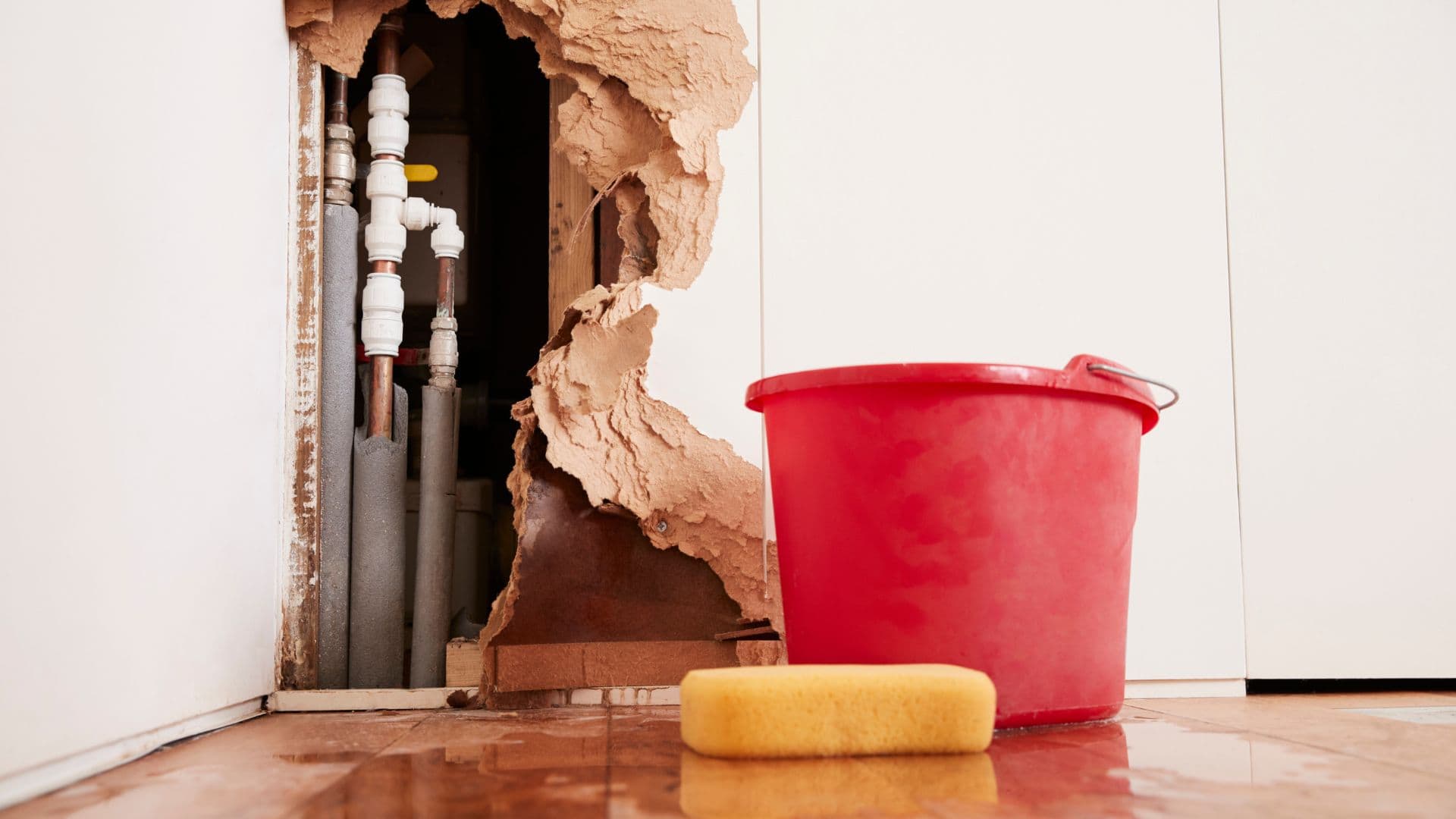
- Burst Pipes: Pipes can rupture due to corrosion, high water pressure, temperature changes, or aging plumbing systems. When a pipe bursts, it can release gallons of water within minutes, saturating drywall, flooring, insulation, and structural framing. Immediate shutoff of the main water supply is essential to limit spread.
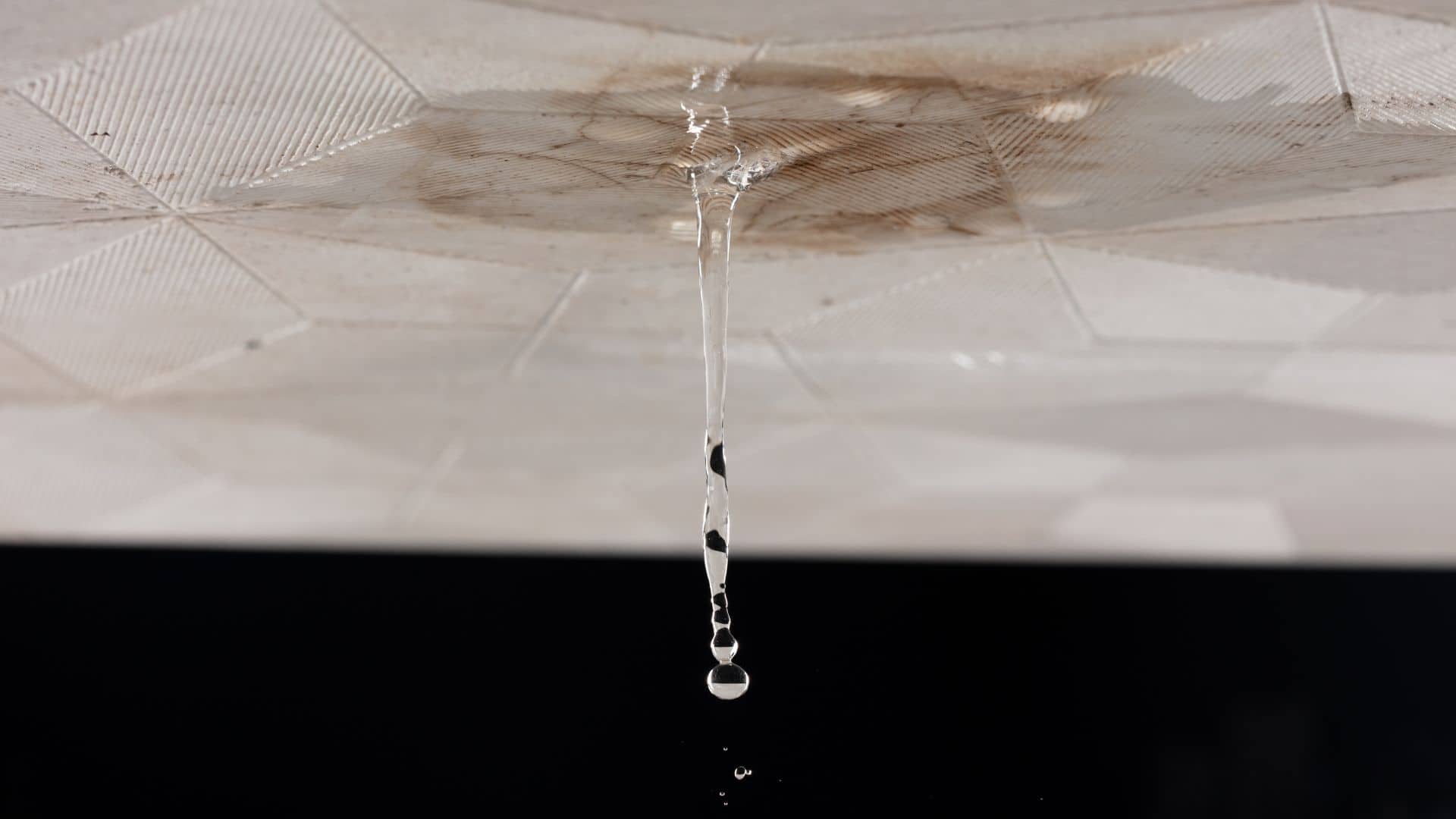
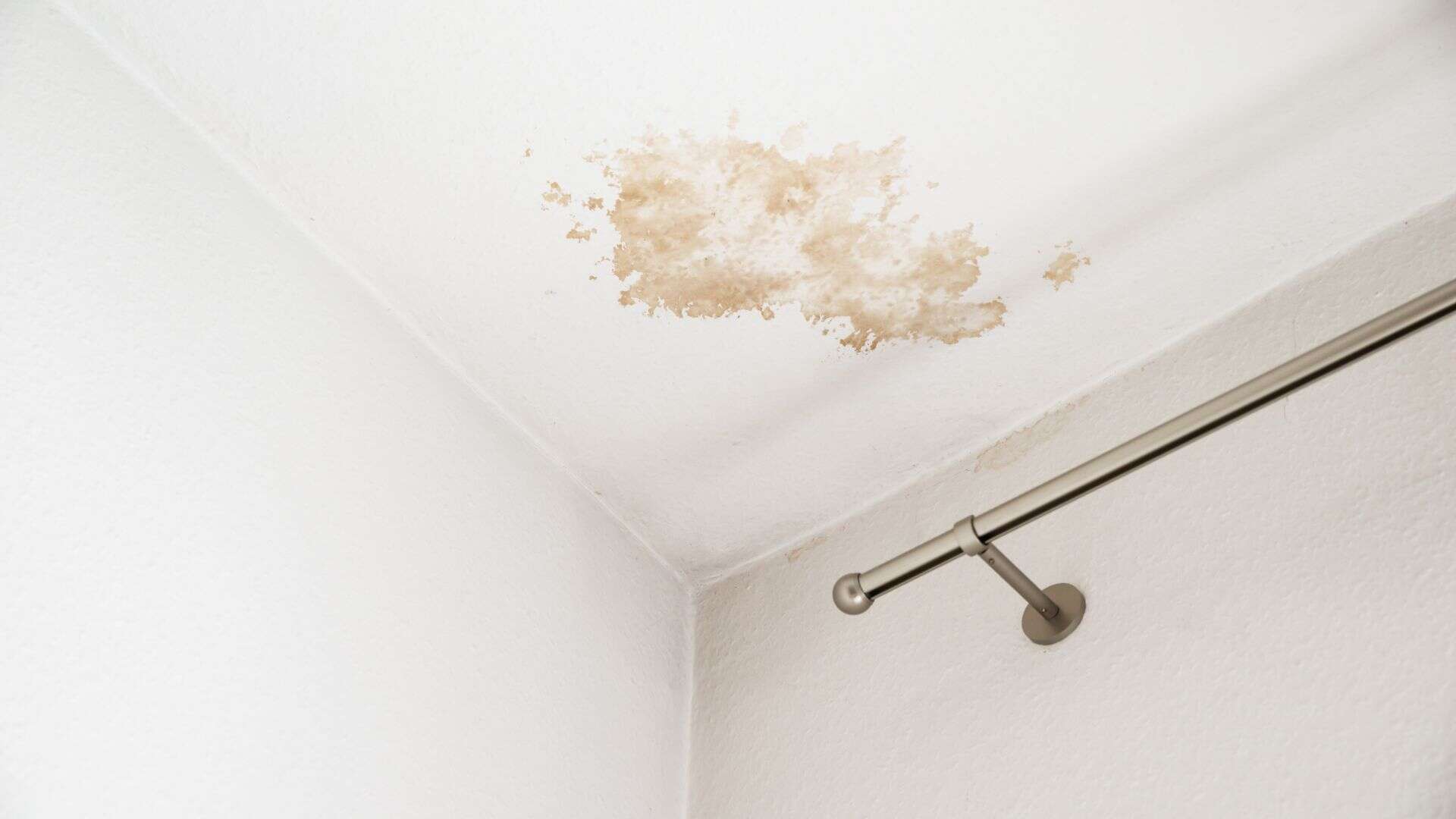
- Roof Leaks: Damaged shingles, deteriorated flashing, or clogged gutters allow rainwater to seep into attics and ceilings. Over time, even small roof leaks can weaken structural beams and lead to hidden mold growth. In Florida, heavy rainfall and wind-driven storms increase the likelihood of roof-related water intrusion.
- Appliance Failures: Dishwashers, washing machines, water heaters, and refrigerators with water lines are common culprits. A cracked hose or faulty valve can slowly leak for days before being noticed, creating hidden moisture behind walls and under flooring.
- Storms And Hurricanes: Florida homeowners face unique risks during hurricane season. Wind-driven rain, storm surge, and structural damage from high winds can allow large volumes of water into the home. Hurricane-related water damage often affects multiple areas simultaneously, making professional assessment essential.
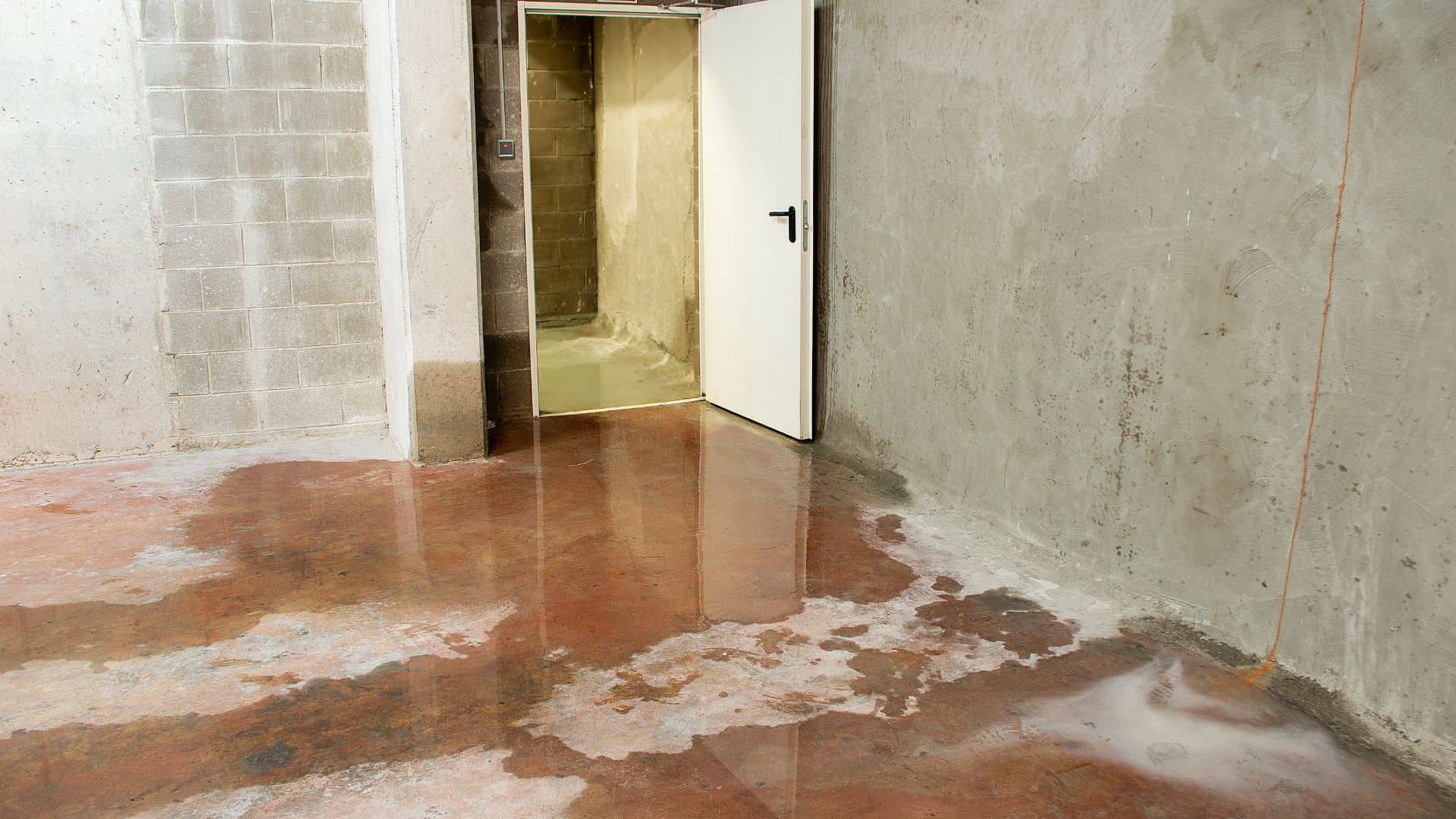
- Flooding And Poor Drainage: Improper grading around a home, blocked storm drains, or rising groundwater can cause water to enter through foundations and crawl spaces. Floodwater often carries contaminants, which changes how restoration must be handled.
Understanding the source helps determine both urgency and cleanup strategy. Clean water from a supply line is treated differently than contaminated floodwater from outside.
The 3 Categories Of Water Damage Clean, Gray, Black Water
Not all water damage is equal. Restoration professionals classify water into three categories based on contamination level, and this classification directly affects health risks and cleanup procedures.
- Clean Water: This comes from a sanitary source such as a broken supply pipe or overflowing sink. While initially safe, clean water can quickly degrade into gray water if not removed promptly. Quick extraction and drying can often prevent extensive material removal.
- Gray Water: This water contains some contaminants and may come from appliances, washing machines, or sump pump failures. It may contain chemicals, soap residue, or microorganisms. Protective equipment and thorough disinfection are required during restoration.
- Black Water: This is highly contaminated water from sewage backups, storm surge, or floodwaters. It can contain bacteria, viruses, and hazardous debris. Black water damage requires specialized cleaning, disposal of porous materials, and strict safety protocols.
The category of water determines how restoration is performed. Clean water incidents may involve drying and limited demolition, while black water damage often requires removal of drywall, insulation, flooring, and professional sanitation. Misjudging the category can create serious health risks and long-term structural issues.
Why Florida Homes Face Higher Water Damage Risk
Florida properties face elevated water damage risks due to environmental and structural factors. Understanding these regional challenges is essential for effective water damage restoration and mold prevention.
- High Humidity: Florida’s year-round humidity slows the evaporation process. Even after visible water is removed, moisture can remain trapped inside walls, subflooring, and framing. Without proper dehumidification, this creates ideal conditions for mold growth.
- Hurricane Season: From June through November, hurricanes and tropical storms increase the risk of roof damage, window leaks, and storm surge flooding. Wind-driven rain can penetrate small gaps in exterior barriers that would not typically allow water entry.
- Flash Flooding: Intense rainfall over short periods overwhelms drainage systems. Homes in low-lying areas or near coastal zones are particularly vulnerable. Flash floods often introduce contaminated water, requiring more aggressive restoration measures.
- Older Plumbing In Coastal Communities: Many Florida homes, especially in established coastal neighborhoods, have aging plumbing systems. Corroded pipes and outdated materials increase the likelihood of sudden failures. Salt air exposure can also accelerate the deterioration of exterior fixtures and building materials.
Regional awareness is part of delivering responsible, experience-driven guidance. Water damage repair in Florida requires not only rapid response but also an understanding of climate-related risks that influence drying times, mold growth, and long-term structural integrity.
Immediate Water Damage Restoration Tips (First 24–48 Hours)
The first 24 to 48 hours after water intrusion are critical. This short window often determines whether you are dealing with a manageable cleanup or a costly, long-term structural and mold remediation issue. Acting quickly can significantly reduce repair costs, prevent mold growth, and protect your home’s structural integrity. The steps below reflect proven water damage restoration practices used by professionals and are especially important in high-humidity climates like Florida.
Step 1 – Stop the Water Source Safely
Before you begin cleanup, you must stop the source of water. Ongoing exposure will continue to damage building materials and increase the risk of contamination and mold.
- Shut Off The Main Water Line: If the issue is caused by a burst pipe or plumbing failure, locate your main water shutoff valve and turn it off immediately. Every homeowner should know where this valve is located before an emergency happens.
- Turn Off Electricity If Needed: If water has reached outlets, appliances, or electrical panels, shut off power at the breaker box. Never step into standing water if electricity may still be active. If you are unsure, contact an electrician or emergency restoration service.
- Prioritize Personal Safety: Wear protective gloves and waterproof boots. If the water is contaminated, such as from sewage backup or floodwater, avoid direct contact and seek professional assistance immediately.
Stopping the water source prevents additional damage and sets the foundation for effective water damage restoration.
Step 2 – Document the Damage for Insurance
Proper documentation protects you financially and streamlines the insurance claim process. Many homeowners overlook this step in the rush to clean up, but it can make a significant difference in reimbursement.
- Take Clear Photos And Video: Capture wide-angle shots of affected rooms and close-ups of damaged materials. Document water lines on walls, soaked flooring, and any structural impact.
- Create A Detailed Inventory: List damaged furniture, electronics, appliances, and personal belongings. Include estimated purchase dates and values when possible.
- Contact Your Insurance Company Early: Notify your insurer as soon as possible. Early communication allows adjusters to guide you on documentation requirements and next steps for water damage repair.
Accurate documentation supports your claim and ensures transparency throughout the restoration process.
Step 3 – Remove Standing Water Quickly
Standing water accelerates structural deterioration and mold growth. The longer moisture remains, the deeper it penetrates porous materials such as wood, drywall, and subflooring.
- Use Wet Dry Vacuums For Small Areas: For minor clean water leaks, a wet dry vacuum can effectively remove pooled water from hard surfaces and carpets.
- Deploy Water Pumps For Larger Flooding: Submersible pumps are useful for basements or rooms with significant accumulation. These tools remove water more efficiently than household equipment.
- Know When To Call Professionals: Large-scale flooding, contaminated water, or hidden moisture requires professional extraction equipment. Restoration companies use high-capacity truck-mounted systems that remove water far more thoroughly than standard DIY tools.
Quick water extraction reduces long-term damage and lowers the risk of secondary problems such as mold prevention failures.
Step 4 – Begin the Drying Process
After removing visible water, drying becomes the most important phase of water damage restoration. Surfaces may look dry while moisture remains trapped behind walls and under flooring.
- Use Dehumidifiers To Control Indoor Moisture: High-capacity dehumidifiers pull moisture from the air and building materials. Maintaining indoor humidity between 30 and 50 percent is critical to preventing mold growth.
- Position Industrial Fans Strategically: Air movers should be directed across wet surfaces, not directly into walls. Proper airflow accelerates evaporation and prevents stagnant moisture pockets.
- Open Windows Only When Conditions Allow: Ventilation can help if outdoor humidity is low. In humid climates like Florida, opening windows may introduce more moisture, slowing the drying process.
- Understand Florida’s Humidity Challenges: High ambient humidity significantly complicates drying. Without mechanical dehumidification, moisture may linger even if surfaces appear dry to the touch. This is one reason professional water damage repair in Florida often requires specialized equipment.
Thorough drying is essential. Skipping this step or rushing it is one of the most common mistakes homeowners make.
Step 5 – Remove Water-Damaged Materials
Some materials cannot be salvaged once saturated. Porous items absorb water quickly and create an environment where mold can develop within 24 to 48 hours.
- Remove Soaked Carpets And Padding: Carpet padding is especially difficult to dry completely. In most cases, it must be discarded to prevent lingering moisture and odor.
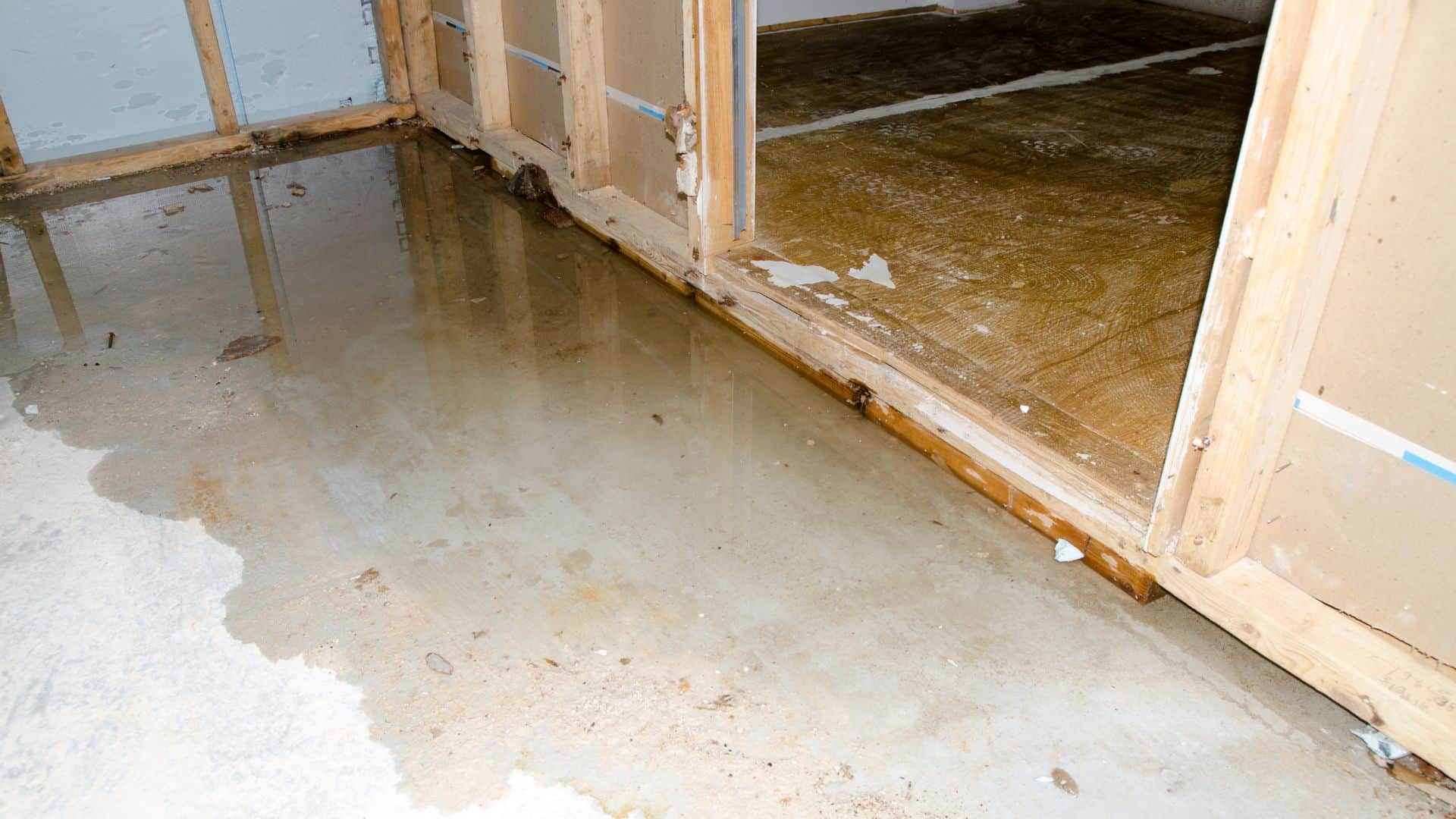
- Cut Out Damaged Drywall: Drywall absorbs water like a sponge. Restoration professionals often remove sections at least several inches above the visible water line to ensure hidden moisture is eliminated.
- Dispose Of Wet Insulation: Insulation loses its effectiveness when wet and can trap moisture inside walls. It should be replaced once fully dried areas are confirmed.
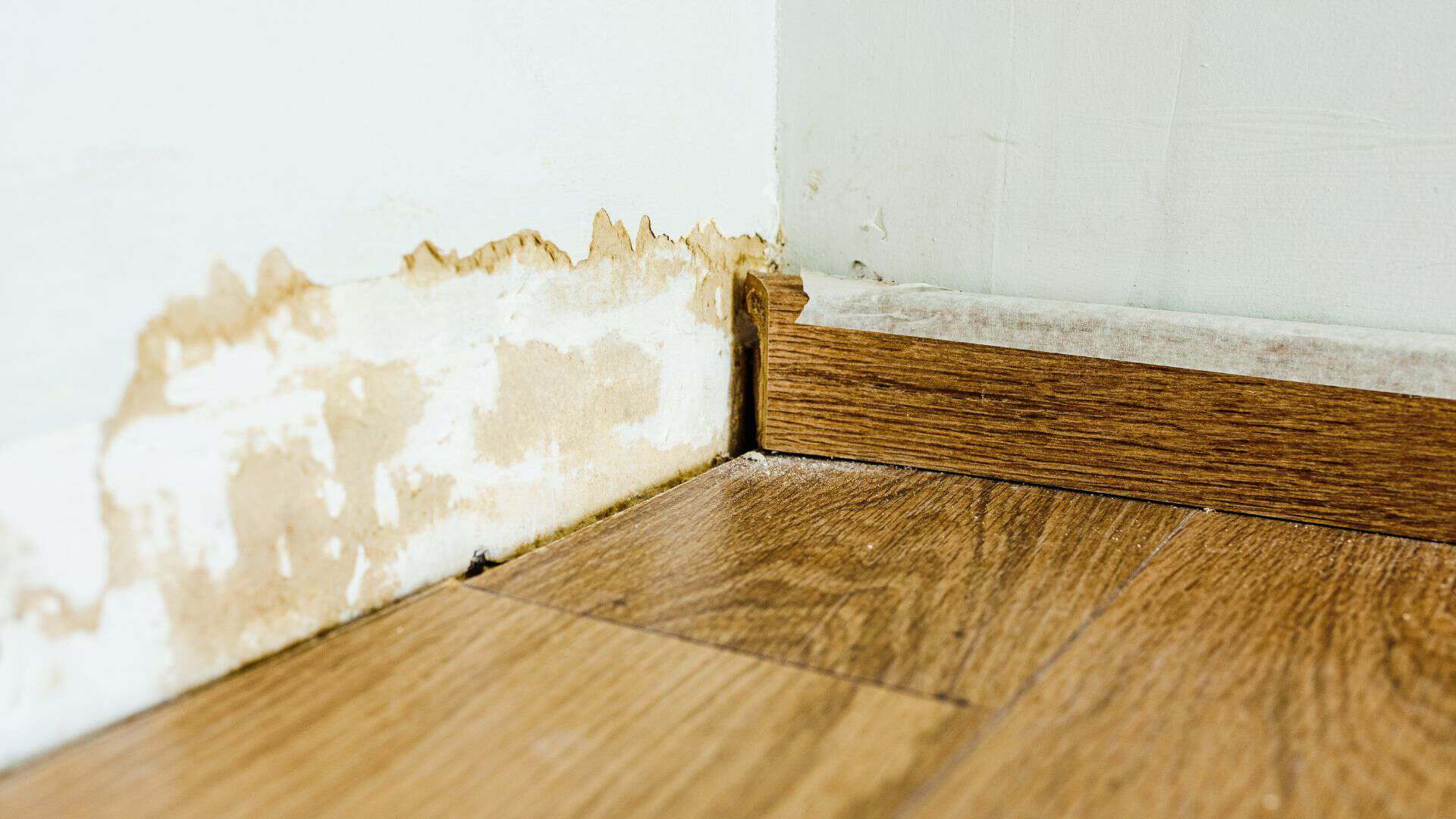
- Detach Swollen Baseboards And Trim: These materials can trap water behind them. Removing and drying the underlying wall structure prevents concealed mold growth.
Removing compromised materials allows the structure to dry properly and supports long-term mold prevention.

Mold Prevention After Water Damage
Mold prevention is one of the most important steps in the entire water damage restoration process. Once moisture enters your home, the clock starts ticking. Even a small leak behind a wall or under flooring can create the perfect environment for mold growth if it is not addressed quickly and thoroughly. Effective mold prevention after water damage requires more than just surface drying. It involves removing excess moisture, controlling humidity, disinfecting affected areas, and monitoring hidden spaces where mold can thrive.
How Fast Mold Can Grow 24 to 48 Hours
Many homeowners underestimate how quickly mold can begin forming after water intrusion. In reality, mold spores are already present in indoor air. When they come into contact with moisture and organic material such as drywall or wood, growth can begin rapidly.
In most cases, mold can start developing within 24 to 48 hours after water exposure. That short window is why immediate action is critical.
- Why Speed Matters: Mold does not need visible standing water to grow. Damp drywall, wet insulation, and saturated subflooring are enough. Acting quickly reduces the chance that spores will anchor into porous materials, which makes remediation more complex and costly.
- Warm, Humid Climates Accelerate Growth: In places like Florida, high humidity and warm temperatures create ideal conditions for mold colonies to expand quickly. Even after visible water is removed, elevated indoor humidity can sustain growth if proper drying and dehumidification are not implemented.
The bottom line is simple. The first 48 hours after water damage often determine whether you are dealing with straightforward drying or a full mold remediation project.
Key Mold Prevention Techniques
Successful mold prevention requires a structured, thorough approach. Simply placing a few fans in the room is rarely enough. Professionals focus on drying both visible and hidden moisture to prevent future problems.
- Proper Structural Drying: This goes beyond drying surfaces. Structural drying involves removing moisture from framing, subfloors, wall cavities, and insulation. Restoration professionals use moisture meters and thermal imaging to confirm that internal building materials are dry, not just the surface layer.
- Dehumidification Targets: Maintaining indoor humidity between 30 and 50 percent is critical. High-capacity dehumidifiers pull excess moisture from the air, preventing condensation and secondary mold growth. In humid regions, dehumidification may need to continue even after materials feel dry to the touch.
- Disinfecting Affected Areas: Once drying is underway, antimicrobial treatments can be applied to help inhibit mold growth. These treatments should be used appropriately and safely, especially in living areas, and are most effective when combined with complete moisture removal.
- HEPA Filtration: High Efficiency Particulate Air filtration helps capture airborne mold spores during and after water damage restoration. This is especially important if building materials were removed, as disturbance can release spores into the air.
Each of these techniques supports long-term mold prevention by eliminating both the moisture source and the environmental conditions mold requires to grow.
Signs Mold May Already Be Growing
Even with fast action, it is important to monitor for early signs of mold growth after water damage. Mold does not always appear immediately, and it can develop in hidden spaces.
- Musty Odors: A persistent earthy or damp smell often indicates microbial growth, even if mold is not visible. This odor typically intensifies in enclosed or poorly ventilated areas.
- Discoloration: Dark spots, greenish patches, or irregular staining on walls, ceilings, or baseboards may signal mold activity. Discoloration around previous water stains is particularly concerning.
- Warped Surfaces: Buckling drywall, lifting flooring, or soft spots in walls can indicate trapped moisture, which creates a breeding ground for mold.
- Respiratory Irritation: Increased allergy symptoms, coughing, or eye irritation after water damage may suggest compromised indoor air quality due to mold spores.
If you notice any of these warning signs, further inspection is necessary to determine the extent of contamination.
When to Call a Mold Remediation Specialist
There are situations where professional intervention is not just recommended but necessary. Mold remediation requires containment procedures and specialized equipment to prevent cross-contamination throughout the home.
- Visible Spread: If mold covers more than a small localized area or continues spreading despite drying efforts, professional remediation is typically required.
- HVAC Contamination: Mold inside ductwork or air handling systems can distribute spores throughout the property. This requires specialized cleaning and filtration to restore safe indoor air quality.
- Health Concerns: If occupants experience ongoing respiratory issues, headaches, or other symptoms, professional evaluation is essential to protect health and safety.
Mold prevention after water damage is ultimately about controlling moisture and acting decisively. When drying is thorough, humidity is managed, and early warning signs are addressed quickly, you significantly reduce the risk of long term structural damage and indoor air quality problems.
Water Damage Repair Florida: Special Considerations For Homeowners
Water damage repair in Florida requires a different level of attention compared to many other states. The combination of high humidity, coastal exposure, hurricane activity, and strict building regulations creates unique restoration challenges. Homeowners must understand not only how to dry and repair damage properly, but also how local codes, environmental factors, and storm risks affect long-term structural integrity and mold prevention.
Florida Building Codes & Moisture Challenges
Florida has some of the strictest building codes in the country, largely due to hurricanes and flood risks. These regulations directly impact how water damage restoration and repairs must be handled.
- Moisture Barriers: Florida homes are typically built with moisture-resistant materials and vapor barriers designed to limit humidity intrusion. After water damage, these systems must be carefully inspected and restored correctly. Improper replacement of vapor barriers can trap moisture inside walls, increasing the risk of mold growth and structural rot.
- Flood Zone Regulations: Many properties fall within designated flood zones, especially in coastal and low-lying areas. Repair work in these zones may require compliance with elevation requirements, specific material standards, and local permitting rules. Using flood-resistant materials during repairs is often recommended to reduce future risk.
- Hurricane-Related Water Intrusion: Wind-driven rain can penetrate roofing systems, window frames, and exterior walls even without visible structural damage. This type of intrusion often leaves hidden moisture inside insulation and framing. Proper moisture mapping and thermal imaging are essential to ensure water is not trapped behind walls or under flooring.
Florida’s climate also intensifies drying challenges. High outdoor humidity reduces the effectiveness of natural ventilation, which means professional-grade dehumidification is often necessary to achieve safe moisture levels.
Saltwater & Storm Surge Damage
Coastal properties face an additional layer of complexity when water damage involves saltwater or storm surge flooding. Saltwater is far more destructive than freshwater and requires specialized handling.
- Corrosion Risks: Salt accelerates corrosion in metal components such as fasteners, electrical wiring, HVAC systems, and structural connectors. If not properly cleaned and treated, corrosion can continue long after visible water has dried, leading to electrical failures or weakened structural connections.
- Structural Impact: Storm surge often carries debris, contaminants, and sediment into the home. This can compromise drywall, subflooring, framing, and foundation materials. Porous materials exposed to saltwater typically need full removal rather than surface drying.
- Why Specialized Restoration May Be Required: Salt contamination requires thorough cleaning with appropriate neutralizing agents before repairs begin. Standard drying alone is not enough. Professionals trained in coastal restoration understand how to address salt residue, prevent ongoing deterioration, and restore building materials safely.
Failing to address salt exposure correctly can result in long term structural degradation that may not be immediately visible but becomes costly over time.
Choosing A Licensed Water Damage Restoration Company In Florida
Selecting the right restoration partner is one of the most important decisions a homeowner can make after water damage. Not all contractors are equipped to handle Florida-specific conditions.
- IICRC Certification: The Institute of Inspection, Cleaning and Restoration Certification sets industry standards for water damage restoration. Companies with IICRC-certified technicians demonstrate formal training in proper extraction, drying, sanitation, and mold prevention procedures.
- Insurance Coordination: Experienced Florida restoration companies understand the claims process and documentation requirements. They can provide detailed moisture readings, photos, and damage reports that help streamline communication with insurance adjusters and reduce delays.
- Emergency Response Availability 24/7: Water damage does not wait for business hours. Immediate response significantly reduces secondary damage and mold growth. A reliable company should offer rapid dispatch and emergency extraction services at any time.
- Local Experience With Hurricane Damage: Restoration teams familiar with Florida’s storm patterns understand common failure points in roofing systems, stucco exteriors, and coastal construction methods. This local knowledge helps identify hidden moisture issues that less experienced contractors may overlook.
Water damage repair in Florida is not simply about drying surfaces. It requires understanding building science, local regulations, climate impact, and storm exposure. Homeowners who work with qualified professionals and prioritize proper moisture control protect not only their property value but also the health and safety of everyone inside the home.

DIY Vs Professional Water Damage Restoration
When water damage occurs, one of the first questions homeowners ask is whether they can handle it themselves or if they need professional help. The answer depends on the source of the water, the extent of the damage, and how quickly you can respond. While some minor situations can be managed safely with the right tools and caution, more serious damage requires trained professionals with specialized equipment. Understanding the difference can help you protect your home, avoid mold growth, and prevent costly long-term structural issues.
When DIY May Be Appropriate
Not all water damage requires a full restoration crew. In certain limited situations, a homeowner can manage the cleanup effectively if action is taken quickly and safely.
- Minor leaks: A slow drip from a supply line under a sink or a small appliance leak caught early can often be handled without professional intervention. If the leak has not spread beyond a confined area and materials are only lightly damp, prompt drying and disinfection may be sufficient.
- Small affected areas: If water is limited to a small section of flooring or drywall and has not seeped into structural components, a combination of wet vacuum extraction, air circulation, and dehumidification may resolve the issue. The key is confirming that moisture has not migrated behind walls or under subflooring.
- Clean water only: Water from a broken pipe or supply line is generally classified as clean water, meaning it does not initially contain harmful contaminants. If addressed within 24 hours, clean water incidents can sometimes be resolved without professional restoration. However, if clean water sits too long, it can quickly degrade into a higher contamination category.
Even in these scenarios, homeowners should monitor humidity levels and inspect for lingering moisture. Florida’s humid climate, in particular, can make drying more difficult and increase the risk of mold prevention failures if moisture is not fully removed.
When You Should Hire Professionals
Certain types of water damage present risks that go beyond what standard household tools can handle. Delaying professional water damage repair can lead to structural weakening, hidden mold growth, and serious health hazards.
- Structural damage: If water has soaked framing, subflooring, ceilings, or load-bearing walls, professional assessment is critical. Structural components can weaken silently, and improper drying may lead to warping, rot, or long-term instability.
- Electrical risk: Water and electricity are a dangerous combination. If outlets, wiring, or electrical panels have been exposed to water, a licensed electrician and restoration professional should evaluate the property before reentry or repairs begin.
- Black water contamination: Floodwater, sewage backups, or storm surge are classified as black water because they contain harmful bacteria, chemicals, and pathogens. These situations require specialized containment, protective equipment, and sanitization procedures that should never be attempted without professional training.
- Mold growth: If mold is visible, if there is a persistent musty odor, or if water has been present for more than 24 to 48 hours, professional mold containment and remediation may be necessary. Attempting to disturb mold without proper containment can spread spores throughout the home and worsen the problem.
In regions like Florida, where storms and flooding are common, professional water damage restoration is often the safest and most effective route. High humidity levels can trap moisture in walls and insulation, making it difficult to fully dry affected areas without commercial-grade equipment.
What Professional Restoration Typically Includes
Hiring a certified water damage restoration company does more than remove visible water. A professional team follows a structured process designed to protect both the property and the occupants.
- Moisture mapping: Technicians use moisture meters and infrared cameras to detect hidden water inside walls, ceilings, and flooring. This step ensures that no damp areas are overlooked and reduces the risk of future mold growth.
- Industrial drying equipment: High-capacity air movers and commercial dehumidifiers are strategically placed to accelerate evaporation and control indoor humidity. This equipment is far more powerful than standard household fans and is essential for thorough structural drying.
- Mold containment: If mold is present or suspected, professionals establish containment barriers and use air filtration systems to prevent cross-contamination. This protects unaffected areas of the home and improves indoor air quality during restoration.
- Structural repairs: After drying is complete, damaged drywall, flooring, insulation, or framing may be repaired or replaced. Restoration professionals coordinate repairs to return the property to a safe and stable condition.
Professional water damage restoration provides more than convenience. It delivers accurate assessment, controlled drying, and documented results that are often required for insurance claims. By understanding when DIY efforts are sufficient and when expert intervention is necessary, homeowners can make informed decisions that protect their investment and ensure long-term safety.
Common Water Damage Restoration Mistakes to Avoid
Even small water intrusions can turn into expensive structural repairs if they are handled incorrectly. As someone who has seen minor leaks become full-scale mold remediation projects, I can tell you that most long-term damage is not caused by the initial water event. It is caused by the mistakes people make in the hours and days afterward. Understanding these common water damage restoration mistakes can protect your home, your finances, and your health.
Waiting Too Long To Act
Delaying action is one of the most costly mistakes in water damage restoration. Water begins soaking into porous materials immediately, and within 24 to 48 hours, mold growth becomes a real possibility, especially in humid climates like Florida.
Here is why timing matters:
- Structural Absorption: Wood framing, subflooring, and drywall absorb moisture quickly, weakening structural integrity if left untreated.
- Mold Development Window: Mold spores are naturally present indoors. When moisture is introduced and not removed promptly, growth can begin in as little as one day.
- Increased Repair Costs: What starts as minor drying may turn into drywall removal, insulation replacement, and mold remediation if action is delayed.
The safest approach is to begin water removal and drying immediately. Even if the damage appears minor, early intervention significantly reduces long-term repair expenses.
Assuming Surfaces Are Dry When They Aren’t
One of the biggest misconceptions homeowners have is that if a surface feels dry to the touch, the problem is resolved. In reality, moisture often remains trapped beneath flooring, behind baseboards, and inside wall cavities.
Professional water damage repair relies on moisture detection tools because visible dryness does not guarantee structural dryness.
- Subsurface Moisture: Water can travel beneath tile, laminate, or hardwood flooring and sit undetected.
- Wall Cavities: Drywall may appear dry externally while insulation behind it remains saturated.
- Humidity Retention: Elevated indoor humidity slows the evaporation process, especially in coastal and high-humidity areas.
Without proper moisture mapping using meters or thermal imaging, hidden moisture can remain and create long-term mold or rot issues. Thorough drying requires more than fans and open windows.
Not Removing Damaged Insulation
Insulation is highly absorbent and often one of the most overlooked materials during water damage restoration. Once insulation becomes saturated, it loses its effectiveness and becomes a breeding ground for mold.
Here is why removal is often necessary:
- Moisture Retention: Insulation holds water far longer than drywall or framing.
- Reduced Energy Efficiency: Wet insulation no longer insulates properly, leading to higher energy costs.
- Mold Risk: Trapped moisture within insulation creates an ideal environment for microbial growth.
In many cases, removing and replacing damaged insulation is safer and more cost-effective than attempting to dry it in place.
Ignoring Hidden Moisture Behind Walls
Water does not stay where you see it. It travels along framing, seeps downward due to gravity, and spreads laterally behind surfaces. Ignoring hidden moisture is one of the leading causes of recurring damage and future mold outbreaks.
Hidden moisture commonly collects in:
- Stud Bays: Water migrates vertically behind drywall.
- Under Cabinets: Kitchen and bathroom leaks often spread beneath built-ins.
- Subfloor Layers: Moisture can remain trapped beneath finished flooring.
Professional restoration teams often remove small sections of drywall or drill access holes to properly dry interior wall cavities. While this may seem invasive, it prevents far greater structural damage later.
Skipping Mold Inspection
Even if you do not see visible mold, it does not mean it is not present. Mold growth can begin quickly after water exposure, particularly in warm, humid environments.
Skipping mold evaluation can lead to:
- Air Quality Issues: Mold spores can circulate through HVAC systems.
- Health Concerns: Respiratory irritation and allergy symptoms may develop.
- Secondary Remediation Costs: Delayed mold discovery often requires containment and more extensive removal.
A proper inspection after significant water damage ensures that moisture levels are fully normalized and that no microbial growth has begun. Prevention is always less expensive than remediation.
Failing To Verify Contractor Credentials
Not all restoration companies operate at the same level of training or accountability. Hiring an unqualified contractor can result in incomplete drying, improper repairs, or unresolved moisture issues.
Before hiring a water damage restoration company, confirm the following:
- Certification: Look for IICRC certification or equivalent industry credentials.
- Licensing And Insurance: Ensure the contractor is properly licensed and carries liability insurance.
- Moisture Testing Procedures: Ask how they verify dryness before closing a project.
- Written Scope Of Work: Request a clear, detailed outline of services and repair steps.
A qualified professional will be transparent about their process, equipment, and documentation methods. Restoration is not just about removing water. It is about restoring structural integrity and preventing long-term complications.
Long-Term Water Damage Prevention Tips
Preventing water damage is far less expensive and far less stressful than repairing it. After handling a leak, flood, or moisture issue, many homeowners focus on cleanup but overlook the systems that failed in the first place. Long-term water damage prevention requires consistent maintenance, early detection, and a clear understanding of how water enters and moves through a home. The following strategies are practical, proven methods that help reduce the risk of costly water damage repair, especially in high-risk climates like Florida.
Regular Plumbing Inspections
Most interior water damage starts with plumbing failures that go unnoticed. Small leaks under sinks or behind walls can cause structural deterioration and mold growth long before visible signs appear.
A proactive plumbing inspection should include:
- Supply Line Checks: Inspect connections under sinks, behind toilets, and near appliances for corrosion, loose fittings, or moisture buildup. Flexible supply lines should be replaced every few years as a preventative measure.
- Water Heater Evaluation: Look for rust, pooling water, or pressure relief valve leaks. Water heaters commonly fail without warning, and preventive replacement is often cheaper than emergency restoration.
- Pipe Condition Assessment: In older homes, especially in Florida coastal areas, corrosion and mineral buildup can weaken pipes. A licensed plumber can evaluate pressure levels and detect hidden vulnerabilities.
- Appliance Hose Inspection: Washing machine and dishwasher hoses are common failure points. Reinforced braided hoses are more durable than standard rubber lines.
Routine inspections once or twice a year can significantly reduce the likelihood of sudden water damage and help avoid emergency restoration costs.
Roof & Gutter Maintenance
Your roof is your home’s first defense against water intrusion. Even minor roof damage can allow moisture into attic spaces, insulation, and interior walls.
To maintain proper protection:
- Shingle and Flashing Inspection: Check for cracked, missing, or lifted shingles. Inspect flashing around chimneys, vents, and skylights, as these are common leak points.
- Gutter Cleaning: Clogged gutters force water to overflow and pool near the foundation. Clean gutters at least twice per year and after major storms.
- Downspout Positioning: Ensure downspouts extend several feet away from the foundation to prevent soil saturation and basement leaks.
- Attic Moisture Monitoring: Look for damp insulation, stains, or musty odors, which may indicate slow roof leaks.
In Florida, where heavy rain and storms are common, roof maintenance is especially important for long-term water damage prevention.
Sealing Windows & Doors
Poorly sealed windows and doors allow rainwater to seep into wall cavities, leading to hidden mold growth and structural damage. This is particularly common during hurricane season or wind-driven rain events.
Key preventive measures include:
- Caulk Inspection: Check exterior caulking for cracks or gaps and reseal as needed.
- Weatherstripping Replacement: Replace worn weatherstripping to maintain a tight seal.
- Frame Integrity Check: Inspect window and door frames for soft wood or warping, which may indicate past water intrusion.
- Glass Seal Monitoring: Fogging between window panes can signal broken seals that allow moisture infiltration.
Small sealing repairs can prevent extensive water damage repair projects later.
Installing Water Leak Detection Systems
Modern leak detection technology offers one of the most effective ways to prevent serious water damage. These systems detect moisture early and, in some cases, automatically shut off the water supply.
Consider the following options:
- Smart Leak Sensors: Placed near water heaters, washing machines, sinks, and HVAC units, these sensors send alerts to your phone when moisture is detected.
- Whole-Home Water Monitoring Systems: These devices track water flow patterns and automatically shut off the supply if abnormal usage is detected.
- Basement and Crawl Space Sensors: Ideal for areas prone to flooding or hidden leaks.
- Humidity Monitoring Devices: Maintaining indoor humidity between 30 and 50 percent reduces the risk of mold growth after minor leaks.
In humid climates like Florida, early leak detection significantly reduces the risk of mold prevention challenges and costly structural repairs.
Preparing for Hurricane Season in Florida
Homes in Florida face elevated water intrusion risks due to tropical storms, hurricanes, and intense rainfall. Preparation before storm season is one of the most important water damage prevention strategies.
Storm Shutters
Storm shutters help prevent wind-driven rain from penetrating through broken windows or compromised frames.
- Impact Protection: Shutters reduce the risk of shattered glass and interior flooding.
- Water Barrier Support: They limit direct rain exposure during severe weather.
- Insurance Benefits: Some insurers offer premium reductions for hurricane protection measures.
Proper Drainage Grading
Improper grading allows water to pool around the foundation, increasing the risk of slab leaks and interior flooding.
- Soil Slope Management: Ensure the ground slopes away from the home at least six inches over ten feet.
- French Drains or Swales: These systems redirect water away from vulnerable areas.
- Foundation Crack Inspection: Seal visible cracks to prevent seepage during heavy rain.
Effective grading is one of the most overlooked yet impactful long-term water damage prevention strategies.
Sump Pump Maintenance
While not all Florida homes have basements, sump pumps are common in flood-prone areas and crawl spaces.
- Routine Testing: Pour water into the sump pit to confirm proper activation.
- Backup Power Source: Install battery backups to ensure functionality during outages.
- Discharge Line Inspection: Confirm that water is directed away from the home and not recirculating near the foundation.
A well-maintained sump pump can prevent thousands of dollars in water damage repair following severe storms.
If you are facing water damage and want peace of mind that your home is restored safely and thoroughly, our team is here to help. With proven expertise in water damage repair in Florida and advanced mold prevention solutions, we provide fast, reliable assessments and professional restoration tailored to your situation. Visit our website today to learn how we can protect your home, preserve your property value, and guide you confidently through every step of the restoration process.
FAQs: About Water Damage Restoration Tips
- How quickly should I start water damage restoration after a leak or flood?
You should begin water damage restoration immediately, ideally within the first 24 hours. The longer water sits, the greater the risk of structural damage and mold growth. Fast action reduces repair costs and helps prevent long-term health and safety issues. - Can I handle water damage restoration on my own?
Minor clean water leaks affecting small areas can sometimes be handled with proper drying equipment and safety precautions. However, larger losses, contaminated water, electrical hazards, or hidden moisture behind walls require professional restoration to prevent mold and structural damage. - How long does water damage restoration typically take?
The timeline depends on the severity of the damage. Minor water incidents may take three to five days to dry and repair, while major flooding or storm damage can take several weeks. Structural drying alone often requires at least 72 hours with professional equipment. - Is water damage covered by homeowners insurance in Florida?
Coverage depends on the cause of the damage. Sudden and accidental incidents such as burst pipes are often covered, while flood damage from natural disasters usually requires a separate flood insurance policy. It is important to document all damage and contact your insurer immediately. - How can I prevent mold after water damage?
- What are the signs that mold may already be growing?
Common signs include a musty odor, visible discoloration on walls or ceilings, peeling paint, warped surfaces, and increased allergy symptoms. Mold can grow behind walls or under flooring, so persistent odors after water damage should be professionally evaluated. - Why is water damage repair in Florida more complex?
Florida’s high humidity, frequent storms, and hurricane exposure increase the risk of lingering moisture and mold growth. Coastal properties may also face saltwater corrosion. Proper drying and restoration require specialized equipment and experience with local building conditions. - What materials usually need to be replaced after water damage?
Porous materials such as drywall, insulation, carpeting, and ceiling tiles often need replacement if saturated. Wood flooring and structural framing may be salvageable if dried quickly. A professional assessment helps determine what can be restored safely. - How do professionals detect hidden moisture?
Restoration specialists use moisture meters, infrared cameras, and hygrometers to locate trapped water inside walls, floors, and ceilings. These tools ensure that drying is complete and help prevent mold growth or future structural issues. - What steps can I take to prevent future water damage?
Regularly inspect plumbing, maintain your roof and gutters, seal windows and doors, and consider installing leak detection systems. In Florida, preparing before hurricane season and ensuring proper drainage around your home can significantly reduce water intrusion risks.
Conclusion
Water damage is never just a surface issue, and the most important takeaway from these water damage restoration tips is simple: act quickly, dry thoroughly, and do not underestimate the risk of mold. The first 24 to 48 hours are critical because moisture spreads behind walls, under flooring, and into structural materials faster than most homeowners realize, especially in humid climates like Florida, where mold can begin developing almost immediately. Prompt water removal, proper dehumidification, and careful inspection of hidden spaces are what separate minor repairs from major reconstruction. If there is any uncertainty about the extent of the damage, visible contamination, or signs of mold growth, a professional evaluation is not an overreaction but a smart safeguard for your property and your health. Experienced restoration specialists can identify hidden moisture, verify complete drying, and recommend safe mold prevention measures that protect indoor air quality and structural integrity. Acting fast reduces repair costs, prevents secondary damage, and ensures your home remains a safe and healthy place for your family, which is ultimately the goal of any effective water damage repair plan.
Get Expert Water Damage Restoration And Home Repair You Can Trust
- Water Damage Restoration Services: Immediate water extraction, structural drying, and mold prevention to stop damage from spreading and restore your home safely after leaks, floods, or storm-related water intrusion.
- Drywall Repair And Installation: We repair and replace water-damaged drywall to eliminate trapped moisture, prevent mold growth, and restore smooth, durable walls that look and perform like new.
- Stucco Repair And Painting: Protect your home’s exterior with professional stucco repair and sealing that helps prevent future water intrusion and strengthens your property against Florida weather.
- Roofing Contractor Services: Stop leaks at the source with expert roof inspections and repairs designed to prevent costly interior water damage and improve long-term protection.
- Full Home Remodeling: Restore and upgrade your property after water damage with moisture-resistant materials and craftsmanship that enhances durability and value.
- Kitchen Remodeling: Upgrade your kitchen with water-resistant finishes and smart layouts that reduce moisture risks while improving comfort and functionality.
- Bathroom Remodeling: Improve waterproofing, ventilation, and drainage in your bathroom to help prevent recurring leaks, humidity issues, and mold concerns.