

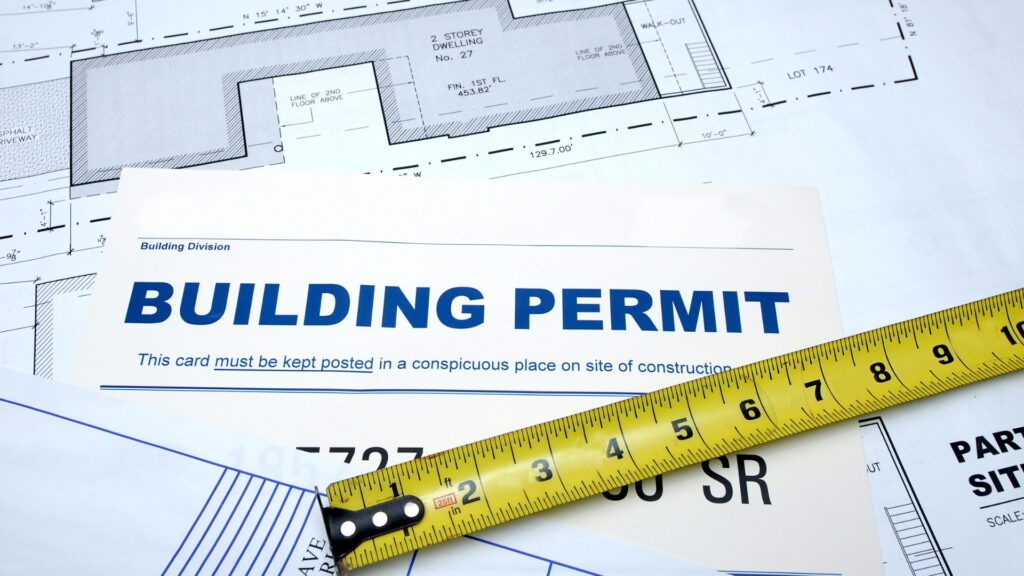
Welcome to your complete 2026 guide to understanding whether you need a permit for home remodeling in Florida, where confusing local rules, costly mistakes, and unexpected delays can quickly turn a simple renovation into a stressful experience. Whether you are planning a kitchen upgrade, bathroom remodel, or structural changes, knowing when permits are required can protect you from fines, failed inspections, and issues when selling your home. In this guide, you will learn exactly which projects require permits, which ones do not, how the process works across Florida, and how to confidently move forward with your renovation while staying fully compliant and avoiding unnecessary setbacks.
Yes, you typically need a permit for home remodeling in Florida if the project involves structural changes, plumbing, electrical, or HVAC work. Cosmetic updates like painting or replacing cabinets usually do not require permits. Requirements vary by city or county, so always check with your local building department before starting any renovation project.
What Is A Building Permit And Why Does It Matter?
A building permit is one of the most important parts of any home-remodeling project in Florida, yet it is often misunderstood or overlooked. Before you start tearing down walls or upgrading systems, it is essential to understand what a permit actually is, why it exists, and how it protects both your property and your investment. This section breaks down the definition, purpose, and Florida-specific rules so you can move forward with clarity and confidence.
Definition
A building permit is an official approval issued by your local city or county that allows you to legally begin construction, renovation, or remodeling work on your property. It confirms that your planned project meets local building codes, zoning regulations, and safety standards before any work begins.
In practical terms, a permit is not just paperwork. It is a formal review process where your project plans are evaluated to ensure they meet structural, electrical, plumbing, and safety requirements. Without this approval, any work completed may be considered unverified or non-compliant, which can lead to serious issues later.
Purpose
Building permits serve a critical role in maintaining safety, quality, and accountability in construction projects. They are designed to protect homeowners, contractors, and future buyers by ensuring that all work meets established standards.
- Code Compliance: Ensures your project follows the Florida Building Code, which is designed to withstand local conditions such as hurricanes, humidity, and flooding
- Structural Safety: Confirms that changes to walls, foundations, or roofing will not compromise the stability of the home
- System Reliability: Verifies that electrical, plumbing, and HVAC systems are installed correctly and safely
- Inspection Process: Allows for scheduled inspections during key phases of the project to catch issues early
- Long-Term Protection: Helps prevent costly repairs, safety hazards, or insurance complications caused by substandard work
Without permits, there is no official oversight, which increases the risk of hidden defects or unsafe construction practices.
Florida-Specific Context
In Florida, building permits are not issued at the state level but are handled by local municipalities. This means each city or county manages its own permitting process, timelines, and documentation requirements while still following the broader Florida Building Code.
- Local Authority: Permits are issued by your city or county building department, not a centralized state office
- Regional Differences: Requirements can vary slightly between areas such as Miami-Dade, Orlando, Tampa, or Jacksonville
- Environmental Considerations: Coastal regions may have stricter requirements due to wind-load and flood-zone regulations
- Approval Process: Some jurisdictions may require detailed plans or engineering documents for certain projects
Because of these variations, it is always important to check with your specific local building department before starting any remodeling work.
Understanding The Regulatory Framework
Permit requirements in Florida are grounded in a combination of statewide standards and local enforcement. The Florida Building Code sets the baseline for safety and construction practices, while local building departments interpret and enforce those rules based on regional needs.
This layered system ensures that your project is evaluated both for general safety and for location-specific risks. For example, a renovation in a hurricane-prone coastal area may require stricter structural considerations than a similar project inland.
Working within this framework helps ensure that your project is not only legally compliant but also built to handle the real-world conditions of your area. It also reinforces the importance of relying on licensed contractors and verified information rather than assumptions or outdated advice.
Understanding how permits work is the first step toward a smoother, safer remodeling experience. When you approach your project with the right information, you avoid unnecessary risks and set yourself up for long-term success.
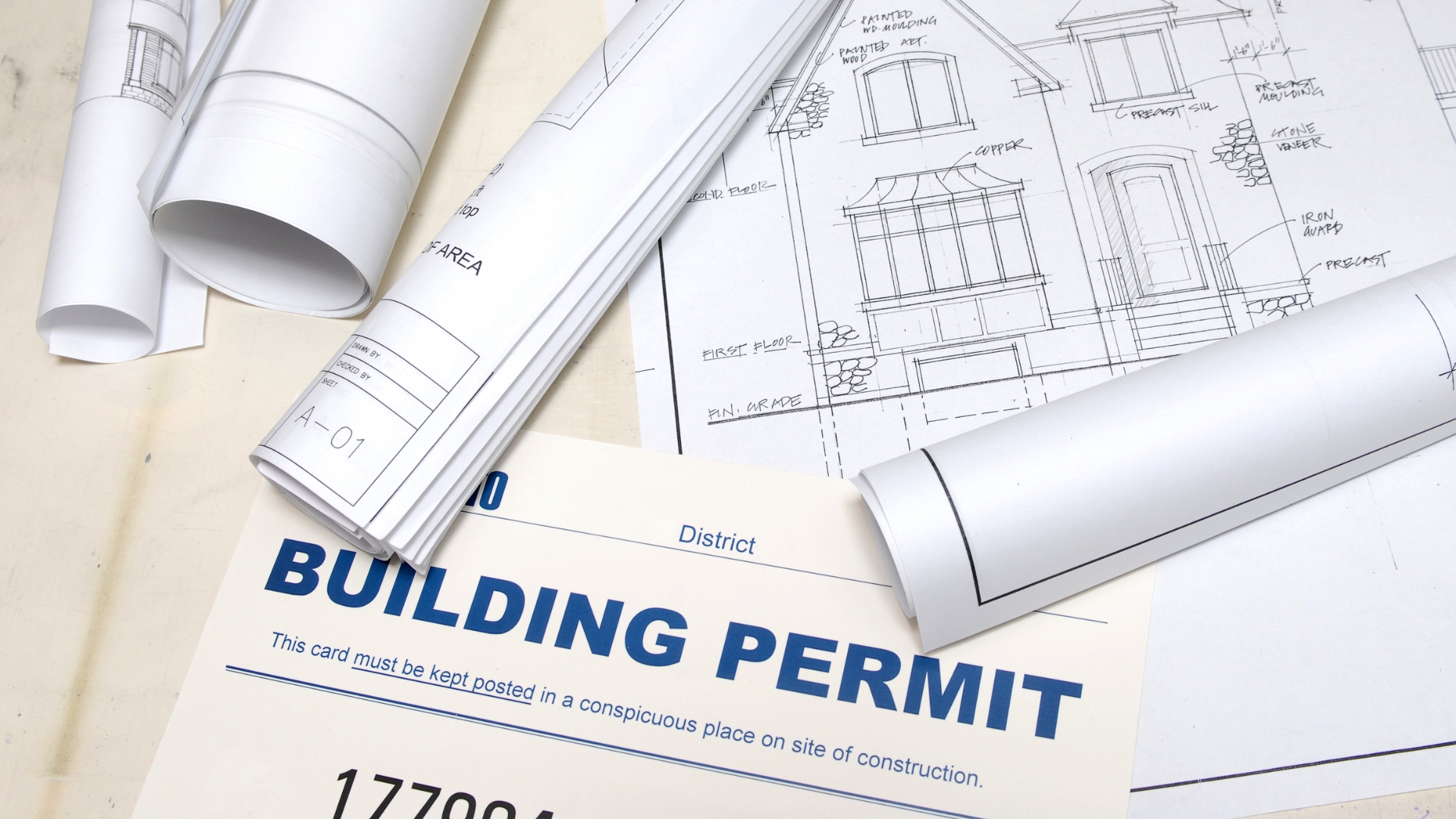
What Home Renovations Require a Permit in Florida?
Understanding which renovations require a permit in Florida comes down to one core principle: if the work impacts your home’s structure, major systems, or overall safety, a permit is usually required. Local building departments enforce these rules to ensure that all work meets the Florida Building Code and protects both current occupants and future buyers. While minor cosmetic upgrades are often exempt, anything more complex should always be reviewed before starting.
Structural Changes
Structural work is one of the most regulated areas of home remodeling because it directly affects the integrity and stability of your property. Even small changes can have serious consequences if not properly engineered and approved.
- Wall Removal or Addition: Removing or adding walls, especially load-bearing walls, requires a permit because it changes how weight is distributed throughout the home. Improper removal can lead to sagging ceilings or structural failure.
- Room Additions and Garage Conversions: Expanding your living space or converting a garage into a habitable area involves framing, insulation, and often electrical and plumbing updates. These projects must be reviewed to ensure they meet zoning and safety standards.
- Roof Modifications: Any work that alters the roof structure, such as raising the roofline or replacing structural components, requires approval to ensure it can withstand Florida’s weather conditions, including hurricanes and heavy rainfall.
Plumbing Work
Plumbing systems are tightly regulated because improper installation can lead to leaks, water damage, or health hazards. Permits ensure that all work meets code requirements and is properly inspected.
- Fixture Installation or Relocation: Moving or installing sinks, toilets, or showers changes the plumbing layout and requires a permit to confirm proper connections and drainage.
- Repiping or Drainage Changes: Replacing old pipes or modifying drainage systems involves significant system-level changes. These updates must be inspected to prevent leaks, pressure issues, or contamination risks.
Electrical Work
Electrical work carries a high risk if done incorrectly, which is why permits are required for most upgrades and modifications. Proper permitting ensures that installations meet safety codes and reduce the risk of fire or electrical failure.
- Panel Upgrades: Updating your electrical panel to handle increased load requires a permit to verify capacity, grounding, and safe installation.
- Rewiring: Replacing or altering wiring throughout the home must be inspected to ensure compliance with current electrical codes.
- New Circuits or Major Fixtures: Adding circuits or installing high-load fixtures like ovens or HVAC units requires approval to confirm the system can safely support the demand.
HVAC Modifications
Heating, ventilation, and air-conditioning systems play a critical role in both comfort and indoor air quality. Any modifications to these systems typically require a permit to ensure proper installation and efficiency.
- System Installation or Replacement: Installing or replacing an AC system involves electrical connections and load calculations that must meet code requirements.
- Ductwork Changes: Altering ductwork affects airflow and system performance. Permits ensure the design supports proper ventilation and energy efficiency.
Permits are generally required when a renovation affects your home’s structure, mechanical systems, or overall safety. If a project changes how your home is built or how its core systems operate, it is always best to confirm permit requirements with your local building department before starting.

Do You Need a Permit for Specific Remodeling Projects?
Understanding whether your specific remodeling project requires a permit in Florida can save you time, money, and unnecessary stress. While general rules apply, the details often depend on whether the work affects your home’s structure, plumbing, electrical systems, or overall safety. Below is a practical breakdown of common remodeling projects so you can quickly determine what typically requires approval and what does not.
Bathroom Remodel
Bathroom remodels can range from simple updates to full system overhauls, and permit requirements depend on the scope of work.
- Permit Required: If your project involves moving plumbing lines, installing new electrical wiring, or changing ventilation systems, a permit is typically required.
- No Permit Needed: Cosmetic-only updates such as replacing tiles, repainting walls, or swapping fixtures without altering plumbing connections are usually exempt.
Even small changes can trigger permit requirements if they affect water supply or drainage, so it is always smart to confirm with your local building department.
Kitchen Remodel
Kitchen renovations are one of the most common home upgrades, but they often involve multiple systems that are regulated.
- Permit Required: Electrical upgrades, plumbing changes, gas line adjustments, or layout modifications will require permits.
- No Permit Needed: Replacing cabinets, countertops, or appliances without altering wiring or plumbing typically does not require a permit.
Because kitchens involve both electrical and plumbing systems, even minor upgrades can cross into permit-required territory.
Flooring Replacement
Flooring updates are generally considered low-risk, but there are exceptions depending on what lies beneath the surface.
- Permit Required: Structural subfloor repairs or modifications that impact the integrity of the home may require approval.
- No Permit Needed: Installing tile, laminate, hardwood, or vinyl flooring over an existing surface is usually permit-free.
If your project involves leveling floors or repairing damage to the structure, it is worth checking permit requirements.
Drywall Replacement
Drywall work is often straightforward, but it can become regulated when tied to larger changes.
- Permit Required: If drywall replacement is part of a structural modification, electrical upgrade, or plumbing repair, a permit is typically needed.
- No Permit Needed: Simple patching, repairs, or replacing drywall in the same location without altering systems is generally exempt.
Drywall alone is not the issue, but what is behind it often determines whether a permit is required.
Cabinet Replacement
Cabinet upgrades are usually considered cosmetic, but layout changes can shift the requirements.
- Permit Required: If cabinet installation involves relocating plumbing or electrical connections, a permit may be necessary.
- No Permit Needed: Swapping cabinets in the same layout without changing systems does not typically require approval.
The key factor is whether the replacement affects underlying infrastructure.
Bathtub Replacement
Replacing a bathtub may seem simple, but plumbing connections make this project more regulated than expected.
- Permit Required: Any modification to plumbing lines, drainage systems, or fixture placement requires a permit.
- No Permit Needed: Direct replacements using existing plumbing connections may not require approval in some areas.
Because leaks and improper installations can cause major damage, many municipalities require permits even for moderate updates.
Removing a Wall
Wall removal is one of the most heavily regulated remodeling projects due to structural risks.
- Permit Required: Almost always required, especially for load-bearing walls that support the home’s structure.
- Engineering Review: Structural changes often require plans or approval from a qualified professional.
Removing a wall without proper approval can compromise safety and lead to costly corrections.
Adding a Bathroom
Adding a bathroom is considered a major renovation and always involves multiple regulated systems.
- Permit Required: Plumbing, electrical, and sometimes structural permits are required for this type of project.
- Inspections Needed: Multiple inspections are typically required throughout the process to ensure compliance.
Because this project adds new systems to the home, it is always subject to full permitting requirements.
Painting Your Home
Painting is one of the few remodeling activities that is purely cosmetic and not regulated.
- No Permit Needed: Interior and exterior painting does not require a permit in Florida.
- Exception: Special cases such as historic properties or regulated communities may have additional guidelines.
For most homeowners, painting is a straightforward, permit-free upgrade.
Quick Summary: Permit Required vs Not Required
For easy reference, here is a simplified breakdown of common remodeling projects:
- Permit Required: Structural changes, wall removal, plumbing modifications, electrical upgrades, HVAC work, adding a bathroom
- Usually Not Required: Painting, cabinet replacement without changes, flooring installation, minor drywall repairs
- Depends on Scope: Bathroom remodels, kitchen remodels, bathtub replacement
The deciding factor is almost always whether the project affects the structure, systems, or safety of the home.
Understanding these distinctions helps you plan smarter, avoid delays, and ensure your project stays compliant from start to finish. When in doubt, a quick check with your local building department or a licensed contractor can prevent costly mistakes later on.

What Happens If You Don’t Get a Permit?
Skipping the permit process might seem like a way to save time or money, but it often leads to far more serious and expensive consequences. In Florida, building permits are enforced at the local level, and failing to obtain one can create legal, financial, and long-term property issues that are difficult to resolve later.
Financial Penalties
Local building departments take unpermitted work seriously, and fines can add up quickly once a violation is discovered.
- Code violation fines: You may be charged daily or one-time penalties for performing work without approval, depending on the municipality
- Double-permit fees: Some jurisdictions require you to pay significantly higher fees to obtain a retroactive permit after work has already begun
- Inspection penalties: Additional fees may be required for failed inspections or re-inspections tied to unapproved work
These costs often exceed what the original permit would have been, turning a short-term shortcut into a long-term expense.
Legal And Project Risks
Beyond fines, unpermitted work can disrupt your entire remodeling project and expose you to legal complications.
- Stop-work orders: Local authorities can immediately halt your project until proper permits are secured, causing delays and scheduling issues
- Forced compliance corrections: You may be required to open walls, remove finishes, or undo completed work so inspectors can verify compliance
- Liability exposure: If the work causes damage or injury, you could be held responsible for not following required building codes
These setbacks can significantly extend project timelines and increase labor costs, especially if contractors must redo completed work.
Home Resale Issues
Unpermitted renovations can become a major obstacle when it is time to sell your home.
- Failed home inspections: Buyers or lenders may flag unpermitted work during inspections, leading to renegotiations or canceled deals
- Closing delays: You may need to obtain retroactive permits or correct violations before the sale can proceed
- Reduced property value: Buyers often view unpermitted work as a risk, which can lower your home’s market value or limit your buyer pool
In competitive markets like Florida, these issues can quickly put your property at a disadvantage.
Insurance Implications
Insurance coverage can also be affected if remodeling work was completed without proper permits.
- Claim denial risk: Insurance providers may deny claims related to damage caused by unpermitted work
- Coverage limitations: Even unrelated claims can be scrutinized if the insurer identifies code violations in the home
- Increased liability exposure: Without verified inspections, you may have difficulty proving that the work meets safety standards
This creates unnecessary financial risk, especially for major systems like electrical or plumbing work.
Taking the time to secure the proper permit is one of the simplest ways to protect your investment, avoid costly setbacks, and ensure your remodeling project meets Florida’s safety and legal requirements.

How To Get A Remodeling Permit In Florida
Getting a remodeling permit in Florida may seem complicated at first, but the process becomes much more manageable once you understand the steps and who is responsible for each part. Permits are issued at the local level, which means the exact requirements can vary depending on your city or county, but the overall process follows a consistent structure across the state. Taking the time to do this correctly helps you avoid delays, failed inspections, and costly corrections later.
Step-By-Step Process
Understanding each stage of the permit process will help you plan your project timeline and avoid unnecessary setbacks.
- Determine Permit Requirements: Before starting any work, confirm whether your project requires a permit by contacting your local building department or checking their website. Projects involving structural changes, plumbing, electrical systems, or HVAC work almost always require approval.
- Prepare Plans Or Drawings: For larger or more complex projects, you may need detailed construction drawings or plans. These are often prepared by a licensed contractor, architect, or engineer and must meet Florida Building Code standards.
- Submit the Application: Once your plans are ready, submit your permit application to the local building department. This can usually be done online or in person, depending on the municipality.
- Pay Applicable Fees: Permit fees vary based on the size and scope of the project. Payment is typically required before the application review process begins.
- Schedule Inspections During The Project: After your permit is approved and work begins, inspections will be required at different stages. These ensure the work meets safety and code requirements.
- Final Inspection And Approval: Once the project is complete, a final inspection is conducted. If everything meets code, the permit is closed, and your project is officially approved.
Who Applies: Contractor Vs Homeowner
Deciding who should handle the permit process is an important part of planning your remodel. While both homeowners and contractors can apply, there are key differences in responsibility and risk.
- Licensed Contractor Responsibility: Most homeowners choose to work with a licensed contractor who handles the entire permitting process. Contractors are familiar with local requirements, paperwork, and inspections, which helps streamline the process and reduce errors.
- Owner-Builder Option: Homeowners can apply for permits themselves under an owner-builder permit. This option gives you direct control over the project but also makes you fully responsible for compliance, scheduling inspections, and ensuring all work meets code.
- Risks Of DIY Permitting: Handling permits without professional experience can lead to delays, rejected applications, or failed inspections. Mistakes in documentation or code compliance can result in additional costs and extended timelines.
From a practical standpoint, working with licensed, experienced professionals is usually the safest and most efficient approach. Contractors who understand local building codes and permitting processes can help you avoid common pitfalls and keep your project moving forward without unnecessary complications.

How Much Do Permits Cost in Florida?
Understanding permit costs is an important part of planning any home-remodeling project in Florida. While many homeowners focus on materials and labor, permit fees can vary significantly depending on the scope of work and your location. The key is knowing what to expect so you can budget accurately and avoid surprises during the approval process.
General Cost Range
Permit costs in Florida are not fixed across the state because they are set by local building departments. However, there are common ranges that can help you estimate what you might pay for your project.
- Minor permits: Simple projects such as small electrical updates, minor plumbing work, or limited repairs typically fall between $50 and $300. These permits usually involve minimal review and fewer inspections.
- Major remodels or additions: Larger projects such as full kitchen renovations, room additions, or structural changes can range from $500 to $2,000 or more. These permits often require detailed plans, multiple approvals, and several inspections throughout the project.
It is important to remember that these are general estimates. Some high-value or complex projects may exceed these ranges, especially in larger cities or coastal areas with stricter regulations.
Factors Affecting Permit Costs
Several variables influence how much you will ultimately pay for a permit. Understanding these factors can help you better plan your project and avoid underestimating costs.
- Project size and complexity: Larger or more technical projects typically require more detailed plan reviews and inspections, which increases fees. Structural changes, multi-room remodels, or system upgrades tend to fall on the higher end of the cost range.
- Property location: Permit fees vary by city and county because each local building department sets its own pricing structure. Urban areas or regions with stricter building codes may have higher fees than smaller municipalities.
- Number of inspections required: Projects that require multiple inspections at different stages will generally cost more. Each inspection ensures the work meets code requirements, but it also adds to the overall permit expense.
Important Cost Considerations
Beyond the base permit fee, there are additional details homeowners should keep in mind when budgeting for permits.
- Plan review fees: Some municipalities charge separate fees for reviewing architectural or engineering plans before approval.
- Impact or specialty fees: Larger additions or structural changes may trigger additional fees related to zoning, environmental impact, or infrastructure use.
- Revision costs: If plans need to be updated after submission, there may be extra charges for re-review or modification.
Permit costs in Florida can vary widely depending on your project and location, so it is always best to check directly with your local building department before starting work. Taking the time to understand these costs upfront helps you stay on budget, avoid delays, and ensure your remodel moves forward without compliance issues.

Tips To Avoid Permit Issues
Avoiding permit-related problems in Florida is less about memorizing every rule and more about following a few smart, consistent practices. Many homeowners run into trouble not because they intended to break the rules, but because they made assumptions or skipped verification steps. By taking a proactive approach, you can prevent delays, fines, and costly corrections while keeping your project on track.
Work With Licensed And Insured Contractors
Hiring the right contractor is one of the most effective ways to avoid permit issues. Experienced professionals understand local requirements and handle the process correctly from the start.
- License Verification: A licensed contractor is familiar with Florida Building Code requirements and local permitting processes, reducing the risk of errors or rejected applications
- Permit Responsibility: Most licensed contractors will pull permits on your behalf, ensuring the paperwork and inspections are handled properly
- Insurance Protection: Working with an insured contractor protects you from liability if accidents or damages occur during the project
Always Verify Requirements With Your Local Building Department
Permit rules in Florida are enforced at the city or county level, which means requirements can vary even between neighboring areas.
- Local Code Differences: Each municipality may interpret or enforce building codes slightly differently, so what applies in one city may not apply in another
- Up-To-Date Information: Building departments provide the most current requirements, which helps you avoid relying on outdated or incorrect advice
- Project-Specific Guidance: You can confirm whether your exact scope of work requires a permit before starting, preventing costly surprises later
Don’t Rely On Assumptions From Other States Or Outdated Info
Many homeowners make decisions based on past experiences or information found online that may not apply to Florida or current regulations.
- State-Specific Codes: Florida has its own building codes designed for factors like hurricanes and humidity, which may require permits for work that would not need one elsewhere
- Outdated Online Advice: Permit requirements can change over time, so older articles or forum posts may no longer be accurate
- Project Variations: Even small differences in scope can change whether a permit is required, so assumptions can lead to compliance issues
Keep Copies Of Permits And Inspection Approvals
Maintaining proper documentation is essential for both compliance and future transactions involving your home.
- Proof Of Compliance: Having copies of permits and inspection approvals shows that work was completed legally and meets code requirements
- Resale Preparation: Buyers and inspectors often request documentation during the sale process, and missing records can delay or complicate closing
- Future Renovations: Keeping organized records helps contractors and inspectors understand past work when planning additional upgrades
Plan Permits Into Your Project Timeline
Permits are not just a formality, they are part of the construction process and should be factored into your schedule from the beginning.
- Approval Time: Permit reviews can take days or weeks depending on the project complexity and local workload
- Inspection Scheduling: Most projects require multiple inspections, which need to be scheduled in advance and can affect project flow
- Avoiding Delays: Starting work without permits can result in stop-work orders, which often cause longer delays than waiting for approval upfront
Taking the time to follow these steps helps you avoid unnecessary setbacks and ensures your remodeling project stays compliant from start to finish. A little preparation upfront can save significant time, money, and stress later in the process.
If you want to avoid costly mistakes, delays, or permit issues, getting expert guidance before you start can make all the difference. Our team helps homeowners navigate Florida’s permit requirements, plan renovations correctly, and ensure everything is done safely and legally. Get clarity on your project and move forward with confidence by connecting with a trusted professional today.
FAQs: About Florida Building Permit Requirements
- Do I need a permit for home remodeling in Florida?
Yes, you generally need a permit if your remodeling project involves structural changes, plumbing, electrical, or HVAC work. Cosmetic updates like painting or replacing cabinets without layout changes usually do not require permits. Always confirm with your local building department since rules can vary by city or county. - What happens if I remodel without a permit in Florida?
Remodeling without a permit can result in fines, stop-work orders, and even having to remove completed work. It may also create complications when selling your home, as unpermitted work can fail inspections or reduce property value. - Which remodeling projects do not require a permit in Florida?
Minor cosmetic projects such as painting, flooring replacement, and cabinet installation without plumbing or electrical changes typically do not require permits. However, even small changes should be verified locally to avoid compliance issues. - Do I need a permit to remove a wall in Florida?
Yes, removing a wall almost always requires a permit, especially if it is load-bearing. Structural changes must be reviewed and approved to ensure the safety and stability of the home. - How much does a remodeling permit cost in Florida?
Permit costs vary depending on the project size and location. Minor permits may cost between $50 and $300, while larger renovations or additions can range from $500 to over $2,000. Fees are determined by local municipalities. - How long does it take to get a permit in Florida?
Permit approval times can range from a few days to several weeks, depending on the complexity of the project and the local building department’s workload. Larger projects requiring detailed plans typically take longer. - Can a homeowner pull their own permit in Florida?
Yes, homeowners can apply for permits under an owner-builder permit, but they assume full responsibility for the work. This includes ensuring compliance with codes and passing all required inspections. - Do I need a permit for a kitchen or bathroom remodel?
Permits are required if the remodel involves plumbing, electrical, or layout changes. Simple updates like replacing cabinets or fixtures without modifying systems may not require a permit, depending on local rules. - Are permit requirements the same across all Florida cities?
No, permit requirements are based on the Florida Building Code but enforced locally. Each city or county may have specific processes, fees, and documentation requirements. - Can unpermitted work affect selling my home in Florida?
Yes, unpermitted work can delay or complicate a home sale. Buyers, inspectors, or lenders may require the work to be permitted retroactively or corrected, which can reduce your home’s value or extend closing timelines.
Conclusion
When planning a home-remodeling project in Florida, the key takeaway is simple but important: most renovations require a permit if they involve structural changes, plumbing, electrical work, or HVAC systems, and overlooking this step can lead to costly consequences. Taking the time to secure the proper permits helps protect your investment, ensures your home meets safety standards, and prevents complications when it comes time to sell or insure your property. While the process may seem time-consuming at first, it ultimately saves you from delays, fines, and potential rework. Before starting any project, it is always a smart move to verify requirements with your local building department and work with experienced, licensed professionals who understand Florida’s building codes and can guide you through the process with confidence.