
Welcome to your complete guide on what happens if you do home improvements without a permit, where we break down the real risks, costs, and consequences homeowners often overlook. Skipping permits might seem like a quick way to save time or money, but it can lead to fines, legal complications, insurance issues, and serious problems when selling your home. In this guide, you’ll learn when permits are required, the penalties for unpermitted work, and exactly what to do if you’ve already started or completed a project without one, so you can make informed decisions and protect your investment.
If you do home improvements without a permit, you may face fines, be required to redo or remove the work, and encounter problems when selling your home. Unpermitted work can also lead to insurance issues and legal risks, especially if it violates local building codes or safety regulations.
What Is a Building Permit and Why Does It Matter?
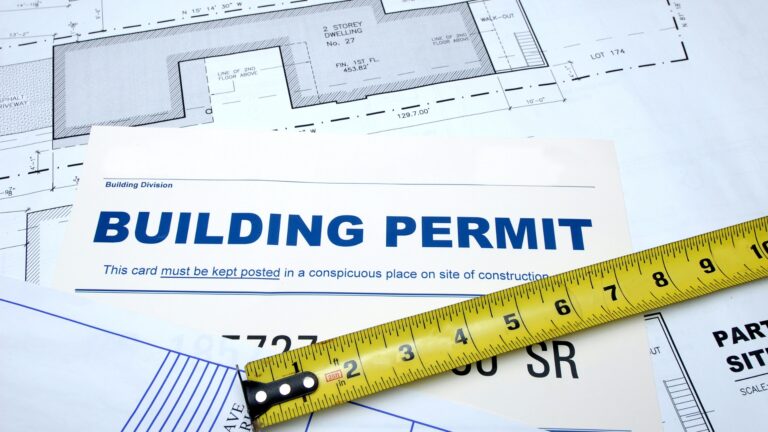
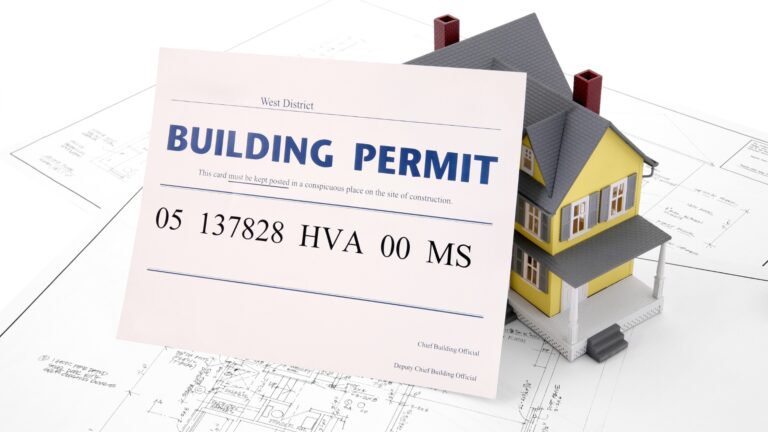
A building permit is an official approval issued by your local government that allows you to proceed with certain types of construction or renovation work. While it may feel like an extra step, it plays a critical role in ensuring that your project meets safety standards, follows local regulations, and protects both your property and the people in it. Understanding what permits cover and why they matter can help you avoid costly mistakes and long-term complications.
What a Permit Actually Covers
Building permits typically apply to projects that affect the structure, systems, or safety of your home. These are not limited to large-scale renovations, and even seemingly simple upgrades can require approval depending on the scope.
- Structural changes: Any work that alters load-bearing walls, foundations, roofing structures, or room additions usually requires a permit because it impacts the stability of the home.
- Electrical work: Installing new wiring, upgrading panels, or adding circuits must meet strict safety codes to prevent fire hazards and electrical failures.
- Plumbing systems: Changes to water lines, drainage, or sewer connections require permits to ensure proper installation and avoid leaks or contamination issues.
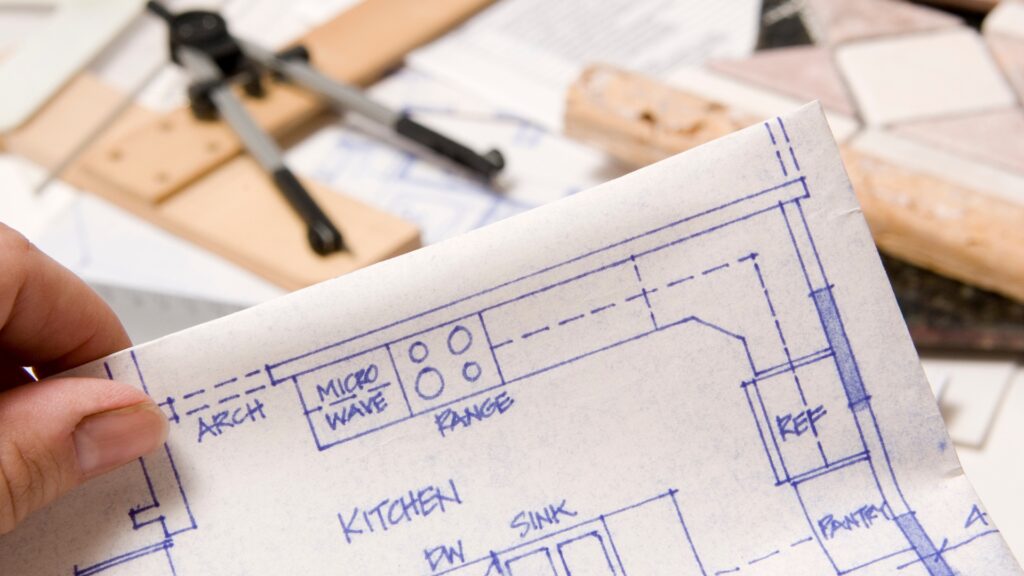
- Major renovations: Projects like kitchen remodels, bathroom renovations involving plumbing or electrical work, and HVAC installations typically fall under permit requirements.
- Safety and code compliance: Permits trigger inspections at different stages of the project, ensuring the work aligns with local building codes designed to protect occupants and future buyers.
Why Permits Exist
Permits are not just bureaucratic hurdles. They exist to protect homeowners, neighbors, and the broader community from unsafe or substandard construction.
- Protect homeowner safety: Proper inspections ensure that electrical, structural, and mechanical systems are installed correctly, reducing risks like fires, collapses, or water damage.
- Ensure compliance with local building codes: Building codes are developed based on safety standards, environmental factors, and regional risks such as earthquakes or flooding. Permits ensure your project meets these requirements.
- Maintain property value and insurability: Homes with properly permitted work are easier to insure and typically retain higher value. Unpermitted work can raise red flags during appraisals and inspections, affecting resale potential.
Who Requires Permits
Permits are issued and enforced at the local level, which means requirements can vary depending on where you live.
- Local city or municipality building departments: These agencies review plans, issue permits, and conduct inspections to ensure compliance with local codes and regulations.
- Variations depending on location: What requires a permit in one city may not in another. Some areas have stricter rules due to climate risks, population density, or zoning laws, so it is always important to check with your local authority before starting any project.
Understanding how permits work helps you make smarter decisions from the start. Taking the time to follow the proper process can save you from legal issues, financial setbacks, and safety concerns down the line.
Making informed decisions about permits is one of the simplest ways to protect your home, your investment, and your peace of mind.

What Happens If You Do Home Improvements Without a Permit?
Skipping a required permit might seem like a small shortcut, but it can create a chain of problems that are costly and time-consuming to fix. Local building codes are designed to protect safety, property value, and compliance, so when work is done outside that system, it often triggers financial penalties, legal risks, and complications down the line. Here’s what you can realistically expect if home improvements are completed without proper permits.
You May Face Fines And Penalties
Local building departments take unpermitted work seriously, and enforcement can happen quickly once it is discovered. Even minor violations can lead to escalating costs that go far beyond the original permit fee.
- Daily fines: Some municipalities charge ongoing fines for each day the violation remains unresolved, which can add up quickly if the issue is not addressed right away
- Stop-work orders: If construction is still in progress, officials can issue a stop-work order, halting the project until proper permits are secured
- Back-permitting fees: Obtaining a retroactive permit often costs significantly more than applying in advance, and may include additional administrative or inspection fees
These penalties are designed to discourage bypassing the system, so the financial impact is rarely minor.
You Could Be Forced To Undo Or Redo The Work
One of the most frustrating outcomes of unpermitted work is being required to reverse or correct what has already been completed. This is especially common when the work does not meet local code requirements.
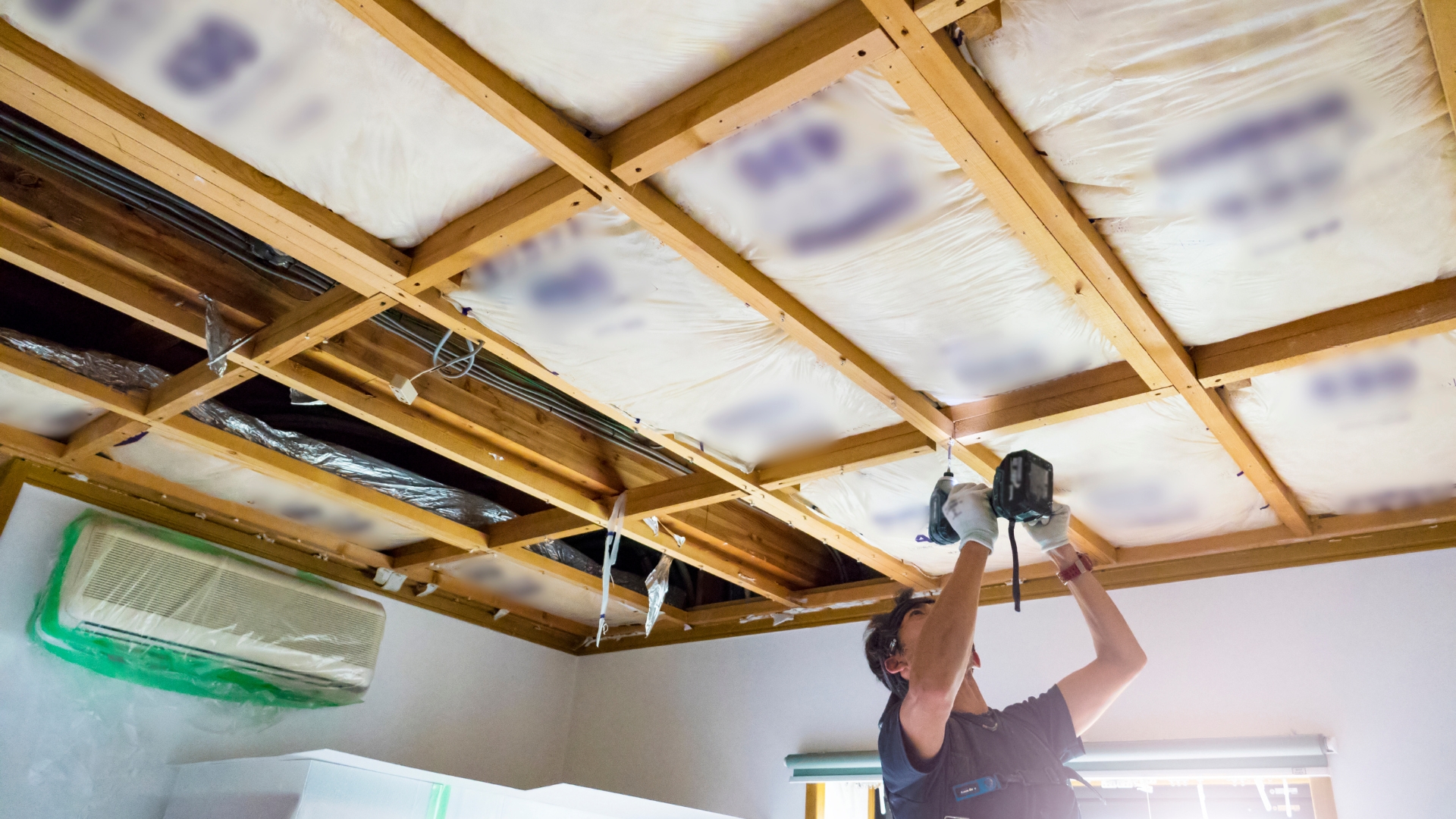
- Demolition of non-compliant work: Inspectors may require walls, ceilings, or fixtures to be removed so they can verify what was done behind the surface
- Code-required corrections: If the work does not meet safety or structural standards, it must be brought up to code, which can involve redoing electrical wiring, plumbing systems, or framing
In many cases, the cost of fixing unpermitted work ends up being far higher than doing it correctly the first time.
It Can Delay Or Block Selling Your Home
Unpermitted improvements often become a major issue when it is time to sell. Buyers, lenders, and inspectors all look closely at whether work was completed legally and documented properly.
- Failed home inspections: Unpermitted work may be flagged during inspection, raising concerns about safety and compliance
- Buyer negotiations: Buyers may request price reductions, repairs, or credits to account for the risk of unapproved work
- Deal cancellations: In more serious cases, buyers may walk away entirely if the issue cannot be resolved quickly
- Disclosure requirements: Sellers are typically required to disclose known unpermitted work, which can reduce buyer confidence
Even if the work looks high-quality, the lack of documentation can create hesitation and slow down the transaction.
Insurance May Not Cover Damage
Homeowners insurance policies are built around the assumption that work is done legally and up to code. When that is not the case, coverage can become limited or denied.
- Denied claims: If damage is linked to unpermitted work, such as faulty wiring or plumbing, the insurer may refuse to cover repairs
- Coverage limitations: Some policies exclude damage caused by code violations or improper installations
- Increased liability risks: If someone is injured due to unsafe work, the homeowner may be personally responsible for damages
This creates a situation where a single mistake can lead to significant out-of-pocket costs.
You Could Run Into Legal Issues
Beyond fines and insurance concerns, unpermitted work can lead to broader legal consequences, especially if safety is compromised or others are affected.
- Code violations: Local authorities can issue formal violations that must be resolved within a specific timeframe
- Legal disputes: Problems can arise with neighbors, buyers, or contractors if the work causes damage or fails to meet expectations
- Potential lawsuits: If unpermitted work results in injury or property damage, the homeowner may face legal claims
These risks are not always immediate, but they often surface at critical moments, such as during a sale or after an incident.
Taking shortcuts with permits can seem harmless at first, but the long-term consequences are rarely worth the risk, especially when safety, finances, and property value are on the line.
In most cases, the safest and most cost-effective approach is to handle permits upfront or correct the issue as soon as possible before it grows into a larger problem.

Legal Risks Of Unpermitted Work (What Homeowners Should Know)
Skipping a permit might feel like a minor shortcut, but it can open the door to serious legal consequences that many homeowners don’t fully anticipate. Local governments enforce building codes to protect safety and ensure consistency across residential properties, and when work is done outside that system, it creates risk not just for the homeowner but for anyone who enters the property. Understanding these legal risks helps you make informed decisions and avoid costly, long-term problems.
Code Violations And Municipal Enforcement
When home improvements are completed without a required permit, they are typically classified as code violations. Local building departments actively monitor and enforce these regulations, and violations can surface in several ways such as neighbor complaints, routine inspections, or during a home sale process.
- Official Notices: You may receive a formal violation notice requiring immediate action, often with a deadline to respond or correct the issue
- Mandatory Inspections: Authorities can require inspections of the unpermitted work, which may involve opening walls or exposing completed areas to verify compliance
- Financial Penalties: Fines can accumulate daily until the issue is resolved, and retroactive permits often come with higher-than-normal fees
- Stop-Work Orders: If a project is ongoing, the city can halt all construction until proper permits are obtained and approved
In more serious cases, municipalities can escalate enforcement through legal action, especially if the work poses safety risks. This is why addressing permit requirements early is always the safer and more cost-effective approach.
Liability If Someone Gets Injured
One of the most overlooked legal risks of unpermitted work is personal liability. If an accident occurs due to non-compliant construction, the homeowner may be held directly responsible, regardless of who performed the work.
- Homeowner Responsibility: Even if a contractor completed the project, the homeowner is ultimately responsible for ensuring all work meets local code and permit requirements
- Injury Claims: If a guest, tenant, or worker is injured because of unsafe conditions linked to unpermitted work, you could face lawsuits or insurance disputes
- Denied Insurance Coverage: Insurance companies may refuse to cover damages or injuries if the work was not properly permitted or inspected
- Increased Legal Exposure: Without documented compliance, defending against claims becomes significantly more difficult and costly
For example, improperly installed electrical wiring or plumbing can lead to fires or water damage, and if it is discovered that the work was not permitted, liability shifts heavily toward the homeowner.
Issues With Contractors And Disputes
Unpermitted work often involves informal agreements or hiring contractors who may not follow proper licensing or regulatory standards. This can create disputes that are harder to resolve legally.
- Unlicensed Work: Contractors who avoid permits may also lack proper licensing, which increases the risk of poor-quality or unsafe workmanship
- Limited Legal Protection: If something goes wrong, homeowners may have little legal recourse, especially if the contractor was not operating within legal guidelines
- Contract Disputes: Without proper permits and documentation, it becomes harder to enforce contracts or prove that work was completed to agreed standards
- Responsibility Confusion: Disagreements often arise over who was responsible for obtaining permits, leading to delays, added costs, or unfinished projects
In many cases, contractors who suggest skipping permits are trying to cut corners, which can leave homeowners exposed to both financial loss and legal complications. Working with licensed professionals who follow proper procedures helps protect your investment and ensures accountability throughout the project.
Unpermitted work may seem like a small risk at the start, but it can quickly evolve into a complex legal issue that affects your finances, safety, and ability to manage your property with confidence.

Penalties For No Permit: How Much Could It Cost?
Skipping a permit might feel like a cost-saving shortcut, but the financial consequences can quickly outweigh any initial savings. The penalties for no permit vary widely depending on your location, the type of work completed, and how the issue is discovered, but in most cases, the total cost ends up being significantly higher than doing things correctly from the start.
Typical Fines And Fees
Most cities and municipalities impose direct financial penalties when unpermitted work is identified. These penalties are designed not only to enforce compliance but also to discourage homeowners from bypassing the permitting process.
- Base fines: Local governments may issue fines that can range from modest amounts to several thousand dollars, depending on the severity of the violation and local enforcement policies
- Stop-work orders: If the project is still ongoing, authorities may halt all work until proper permits are secured, which can delay timelines and increase labor costs
- Increased permit fees: Many jurisdictions charge double or even triple the standard permit fee when applying after the fact, making retroactive compliance more expensive than obtaining approval upfront
The exact cost depends on the city, but the consistent pattern is clear: late compliance almost always costs more.
Hidden Costs Homeowners Don’t Expect
Beyond the obvious fines, there are several less-visible expenses that can significantly increase the total financial impact of unpermitted work. These are often the costs that catch homeowners off guard.
- Inspection fees: Retroactive permits typically require multiple inspections, which may involve additional fees, especially if initial inspections fail
- Engineering reports: For structural or complex projects, you may need a licensed engineer to evaluate the work and certify that it meets code requirements
- Rework or demolition: If the work does not meet current building codes, you may be required to open walls, redo electrical or plumbing systems, or completely remove non-compliant structures
These hidden costs can quickly escalate, particularly if the original work was not completed to code or lacks proper documentation.
Long-Term Financial Impact
The financial consequences of unpermitted work do not end once fines are paid or corrections are made. In many cases, the long-term impact can affect your property value and future financial decisions.
- Lower home value: Buyers often view unpermitted work as a risk, which can reduce your home’s market value or limit your buyer pool
- Reduced buyer trust: During a sale, disclosures about unpermitted work can raise concerns and lead to price negotiations or failed deals
- Cost of retroactive compliance: Bringing older, unpermitted work up to current code standards can be more expensive than meeting requirements at the time of construction
In some situations, homeowners end up spending far more correcting past mistakes than they would have spent securing the proper permits initially.
While skipping a permit may seem like a small shortcut at the beginning of a project, the financial risks can grow quickly and create long-term complications that are far more costly and stressful to resolve.
Can You Remodel a Bathroom Without a Permit?
Bathroom remodels are one of the most common home-improvement projects, and they often raise questions about permits. The short answer is that some minor updates can be done without a permit, but many bathroom renovations involve systems that are regulated for safety reasons. Understanding where the line is can help you avoid costly mistakes and ensure your work meets local building standards.
When A Permit Is Usually Required
Most bathroom remodels require a permit when the work goes beyond surface-level updates and involves systems that affect safety, structure, or code compliance.
- Plumbing changes: Any work that alters water supply lines, drain lines, or fixture locations typically requires a permit. This includes moving a toilet, installing a new shower, or rerouting pipes, since improper plumbing can lead to leaks, water damage, or sanitation issues.
- Electrical work: Upgrading wiring, adding outlets, installing new lighting, or modifying circuits usually requires a permit. Bathrooms have strict electrical codes due to moisture exposure, including requirements for ground-fault circuit interrupters and safe fixture placement.
- Structural modifications: Removing or altering walls, changing the layout, or modifying load-bearing elements requires approval. Structural work must meet building codes to ensure the safety and stability of the home.
When A Permit May Not Be Required
Some bathroom updates are considered minor and cosmetic, meaning they typically do not require a permit. However, it is still important to verify local regulations before starting any project.
- Cosmetic updates: Painting walls, replacing cabinet doors, updating faucets without moving plumbing lines, or installing new mirrors are generally considered low-risk changes that do not require permits.
- Minor replacements: Swapping out fixtures such as a toilet or sink in the same location, or replacing flooring and tiles without altering underlying systems, may not require approval as long as no plumbing or electrical changes are involved.
Why Bathrooms Are High-Risk Areas
Bathrooms are considered high-risk areas in residential construction because they combine water, electricity, and ventilation in a confined space. Even small mistakes can lead to serious issues over time.
- Water damage risks: Poorly installed plumbing or waterproofing can cause hidden leaks that lead to rot, structural damage, and costly repairs. Moisture can spread behind walls and under flooring before it becomes visible.
- Electrical safety concerns: Bathrooms require strict electrical safety measures to prevent shocks or fire hazards. Incorrect wiring or lack of proper protection devices can put occupants at risk, especially in a moisture-prone environment.
- Mold and ventilation issues: Inadequate ventilation can trap humidity, leading to mold growth and poor indoor air quality. Proper exhaust systems are often required by code to maintain a safe and healthy environment.
Even if your project seems straightforward, bathroom remodels often involve interconnected systems that must meet safety standards. Taking the time to confirm permit requirements upfront can save you from future repairs, legal complications, and unexpected costs.

What Types of Home Improvements Typically Require a Permit?
Understanding which home improvements require a permit is one of the most important steps before starting any renovation. While rules vary by location, most cities and municipalities follow similar guidelines focused on safety, structural integrity, and code compliance. In general, any project that affects your home’s systems or structure will likely require approval to ensure it meets current building standards.
Electrical Upgrades
Electrical work is one of the most strictly regulated areas because of the safety risks involved. Even small mistakes can lead to fire hazards or system failures, which is why permits and inspections are often required.
- Panel upgrades: Replacing or upgrading your electrical panel almost always requires a permit due to increased load capacity and safety concerns.
- New wiring installations: Adding circuits, rewiring rooms, or installing new outlets must meet code requirements and be inspected.
- Major fixture changes: Installing high-load systems like EV chargers, hot tubs, or whole-home generators typically requires approval.
Plumbing Changes
Plumbing systems directly affect water supply, drainage, and sanitation, so any modifications are closely monitored by local authorities.
- Pipe modifications: Moving or replacing water lines, drain lines, or gas lines requires a permit to ensure proper installation.
- Fixture relocation: Changing the layout of sinks, toilets, or showers often triggers permit requirements due to plumbing rerouting.
- Water heater installation: Installing or replacing a water heater must comply with safety and efficiency codes.
Structural Changes (Walls, Additions)
Structural work has a direct impact on the integrity and safety of your home, making permits essential for most of these projects.
- Load-bearing wall removal: Removing or altering structural walls requires engineering approval and inspection.
- Room additions: Expanding your home’s footprint or adding new rooms must meet zoning and building codes.
- Foundation work: Any changes to the foundation or support system require careful review and permitting.
HVAC Installations
Heating, ventilation, and air conditioning systems affect indoor air quality, energy efficiency, and overall comfort, so they are regulated to ensure proper performance.
- New system installation: Installing a new HVAC system requires permits to verify correct sizing and safe operation.
- Ductwork changes: Modifying or adding duct systems must meet airflow and efficiency standards.
- Ventilation upgrades: Bathroom and kitchen ventilation systems often require permits to ensure moisture and air quality control.
Roofing (In Some Areas)
Roofing requirements vary depending on the scope of work and local regulations, but permits are often needed for major updates.
- Full roof replacement: Replacing an entire roof typically requires a permit to ensure materials and installation meet code.
- Structural roof repairs: Repairs involving decking or support structures usually need approval.
- Material changes: Switching to heavier or different roofing materials may require inspection for load capacity.
Projects That Often Don’t Require Permits
Not all home improvements need permits, especially when the work is cosmetic and does not affect structure or systems. However, it is still important to confirm with your local building department before starting.
- Painting: Interior and exterior painting is generally considered cosmetic and does not require approval.
- Flooring: Installing new flooring such as tile, laminate, or hardwood typically does not need a permit unless structural changes are involved.
- Minor repairs: Fixing small issues like patching drywall or replacing fixtures usually falls outside permit requirements.
- Cabinet replacement (non-structural): Swapping cabinets without altering plumbing, electrical, or walls is usually exempt.
Even when a project seems simple, local rules can vary widely, so taking a few minutes to verify requirements can prevent costly mistakes later.

What to Do If You’ve Already Done Work Without a Permit
If you have completed home improvements without a permit, the situation may feel stressful, but it is often fixable with the right steps. The key is to act early, be transparent, and work with the proper authorities to bring the work into compliance. Taking a proactive approach can reduce penalties, protect your property value, and help you avoid larger issues down the line.
Step 1: Don’t Panic Assess The Situation
Start by understanding exactly what was done and how significant the work is. Not all unpermitted projects carry the same level of risk, so a clear assessment helps you determine your next move.
- Scope of work: Identify whether the project involved structural changes, electrical systems, plumbing, or HVAC, as these are more likely to require permits and inspections
- Type of improvement: Cosmetic upgrades like painting or replacing fixtures usually pose less risk than load-bearing modifications or system upgrades
- Quality of work: Evaluate whether the work appears safe and professionally done, since poor workmanship increases the likelihood of corrections later
Taking time to assess the situation allows you to approach the next steps with clarity rather than reacting out of urgency.
Step 2: Contact Your Local Building Department
Your local building department is the most reliable source of guidance. Reaching out early shows good faith and helps you understand your options for resolving the issue.
- Retroactive permits: Many municipalities allow “after-the-fact” permits, which legalize completed work through inspection and approval
- Local requirements: Each city or county has its own rules, fees, and processes, so it is important to get location-specific information
- Next steps: Officials can explain whether inspections, plans, or modifications are required before approval
Being honest and cooperative at this stage can often reduce complications and demonstrate that you are willing to comply with local codes.
Step 3: Prepare For Inspection
Once you begin the permit process, your property will likely need to be inspected. Proper preparation can make this step smoother and help avoid delays.
- Access to work areas: You may need to open walls, ceilings, or floors so inspectors can verify what was done behind the surface
- Documentation: Gather any receipts, plans, photos, or contractor details that show how the work was completed
- Code compliance: Be prepared for the possibility that some parts of the project may need adjustments to meet current building standards
Inspections are designed to ensure safety, so approaching them with transparency and readiness can improve the outcome.
Step 4: Work With A Licensed Contractor
If corrections are required, hiring a licensed contractor is often the most efficient way to bring the work up to code. Professionals understand local regulations and can guide you through the process.
- Code corrections: A contractor can identify what needs to be fixed and complete the work according to current standards
- Permit handling: Many licensed professionals can assist with paperwork, inspections, and communication with the building department
- Quality assurance: Properly completed work reduces future risks related to safety, insurance, and resale
Working with a qualified expert adds credibility to your project and increases the likelihood of approval.
Step 5: Budget For Additional Costs
Resolving unpermitted work usually comes with extra expenses, so it is important to plan ahead financially. Costs can vary depending on the scope of the project and local regulations.
- Permit fees: Retroactive permits are often more expensive than standard permits
- Inspection costs: Multiple inspections may be required before final approval
- Repairs or rework: Bringing the project up to code can involve additional labor and materials
- Time delays: Delays can impact timelines, especially if you are planning to sell or refinance your home
While the costs may be higher than expected, addressing the issue now can prevent larger financial and legal problems in the future.
Taking responsibility for unpermitted work may feel overwhelming at first, but a step-by-step approach makes the process manageable and helps protect your home, your finances, and your peace of mind.
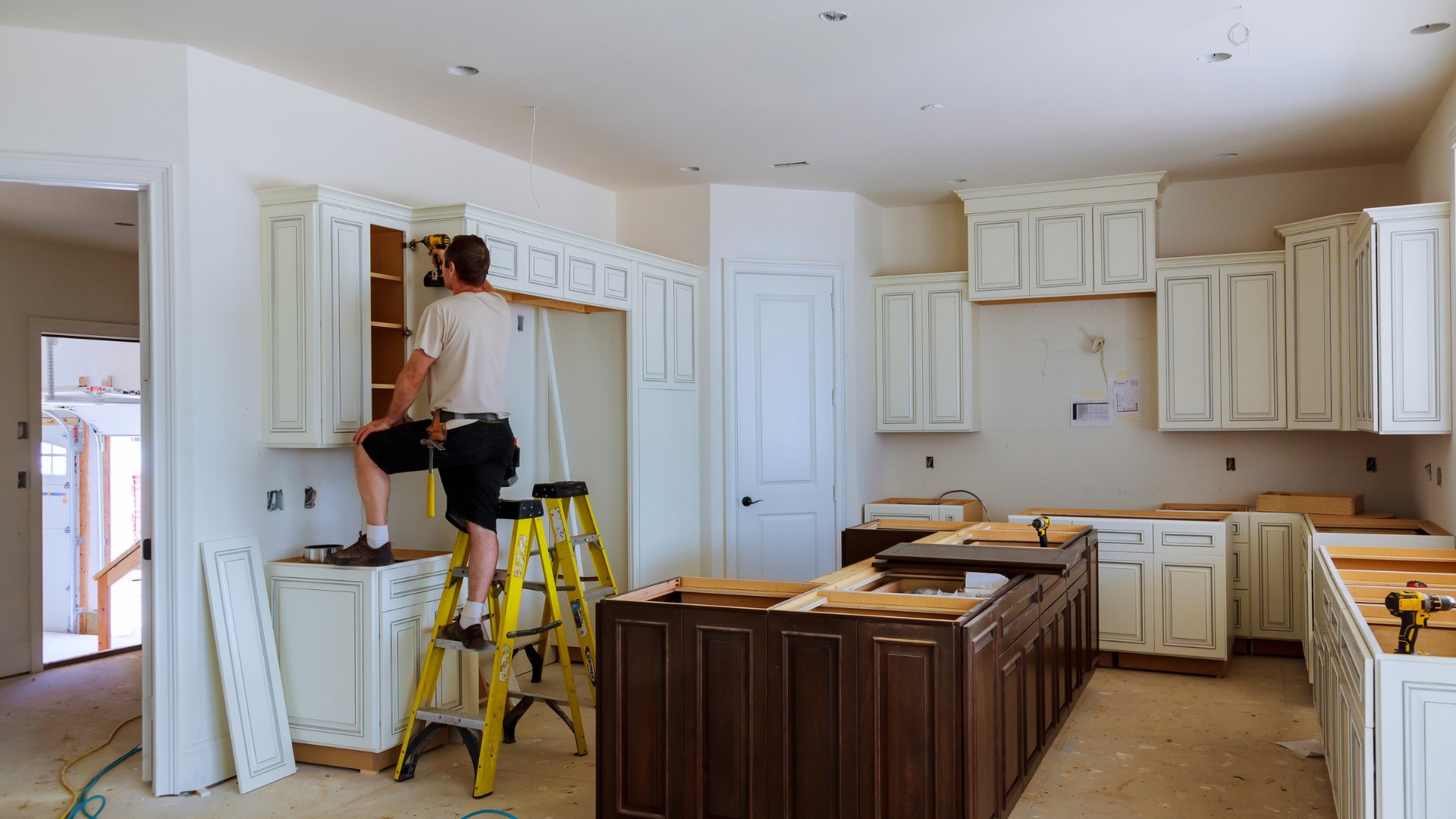
How to Avoid Permit Issues in Future Projects
Planning ahead is the most effective way to avoid costly permit-related problems. Many homeowners run into trouble not because they intend to break the rules, but because they misunderstand what is required or rely on incomplete information. Taking a proactive, well-informed approach ensures your project stays compliant, protects your investment, and prevents delays or unexpected expenses later on.
Always Check Local Requirements First
Building codes and permit requirements vary significantly by city and municipality, so what applies in one area may not apply in another. Before starting any home-improvement project, it is essential to confirm the rules that apply to your specific location.
- Local building department: Contact your city or municipal office directly to verify permit requirements for your project scope.
- Project-specific rules: Understand that requirements differ for electrical, plumbing, and structural work, even within the same property.
- Updated regulations: Codes change over time, so always rely on current information rather than past experience or second-hand advice.
Taking this step early can save you from costly corrections and ensures your project starts on the right track.
Work With Licensed, Reputable Contractors
Hiring the right contractor is one of the most important decisions you can make for a compliant and stress-free renovation. Experienced professionals understand permit requirements and can guide you through the process.
- License verification: Confirm that your contractor is properly licensed and authorized to perform the work in your area.
- Permit responsibility: Ask upfront who will handle the permit application and ensure it is included in your agreement.
- Code-compliant work: Reputable contractors follow local building codes and help avoid mistakes that could lead to failed inspections.
Working with a qualified contractor reduces risk and gives you confidence that the project meets both legal and safety standards.
Get Everything Documented
Proper documentation protects you throughout the project and becomes especially important if you sell your home in the future. Keeping clear records ensures transparency and provides proof that work was completed correctly.
- Permit approvals: Keep copies of all issued permits and related paperwork.
- Inspection records: Save reports showing that each stage of the project passed required inspections.
- Contracts and invoices: Maintain detailed agreements and receipts that outline the scope of work and responsibilities.
Well-organized documentation not only supports compliance but also builds trust with buyers, inspectors, and insurers.
Don’t Rely on Assumptions or Outdated Advice
One of the most common reasons homeowners skip permits is relying on incorrect or outdated information. What worked for a past project or what someone else experienced may not apply to your situation.
- Changing regulations: Building codes and permit rules are regularly updated, so older advice may no longer be accurate.
- Project differences: Even similar projects can have different requirements depending on scope, materials, or location.
- Online misinformation: Not all online sources are reliable, so always verify details with official local authorities.
Making decisions based on verified, current information helps you avoid unnecessary risks and ensures your project remains fully compliant.
Taking a careful, informed approach from the beginning makes the entire renovation process smoother and more predictable, helping you avoid setbacks while protecting both your home and your long-term investment.
If you’re unsure whether your project requires a permit or want to avoid costly mistakes, now is the time to get clarity before moving forward. Taking the right steps early can save you thousands in repairs, fines, and delays, so explore your options, consult with a qualified professional, and make sure your home improvements are done safely, legally, and with confidence.
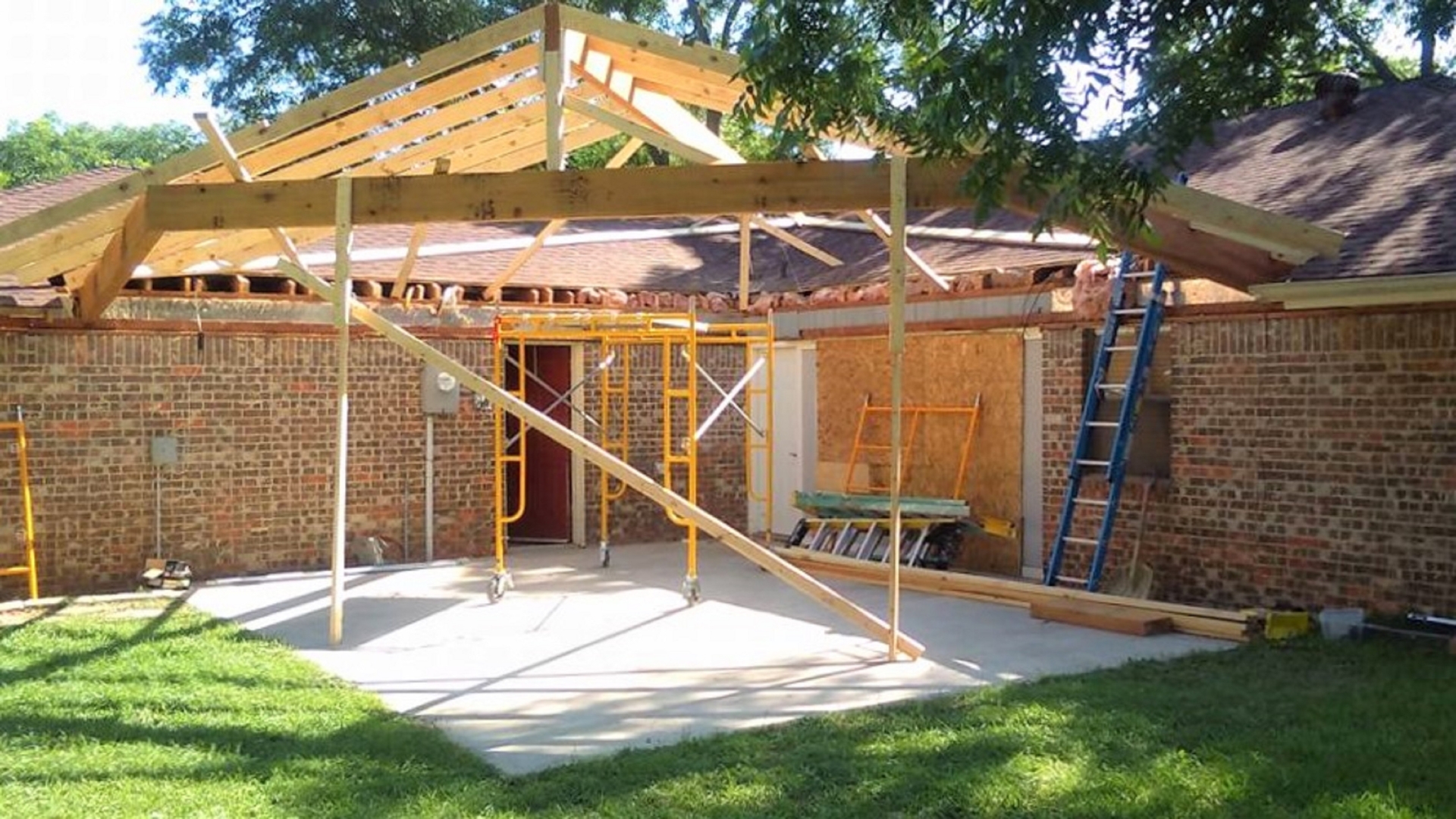
FAQs: About What Happens If You Do Home Improvements Without a Permit?
- What happens if you do home improvements without a permit?
You may face fines, be required to redo or remove the work, and encounter issues when selling your home. Unpermitted work can also violate local building codes, leading to legal and safety risks. - Can you remodel a bathroom without a permit?
It depends on the scope of the project. Cosmetic updates like painting or replacing fixtures may not require a permit, but plumbing, electrical, or structural changes typically do and must meet local code requirements. - What are the penalties for no permit on home renovations?
Penalties can include fines, stop-work orders, and higher fees for retroactive permits. In some cases, you may also need to pay for inspections or redo work to meet code standards. - Can unpermitted work affect selling a home?
Yes, unpermitted work can delay or even cancel a sale. Buyers may request repairs, price reductions, or walk away entirely if issues are discovered during inspection. - Will homeowners insurance cover unpermitted work?
Often, no. Insurance companies may deny claims related to unpermitted work, especially if it contributed to damage or failed to meet safety standards. - What should you do if you already completed work without a permit?
Contact your local building department to ask about retroactive permits. You may need inspections or modifications to bring the work up to code. - Do contractors handle permits, or is it the homeowner’s responsibility?
In many cases, contractors handle permits, but the homeowner is ultimately responsible for ensuring they are obtained. Always confirm permits are approved before work begins. - How can you find out if a permit is required for your project?
Check with your local building department or municipality. Requirements vary by location, and it’s important to verify before starting any major work. - Are there any home improvements that don’t require permits?
Yes, minor cosmetic changes like painting, flooring, or replacing cabinets typically don’t require permits. However, rules vary, so it’s best to confirm locally. - How far back can a city enforce permit violations?
Enforcement timelines vary by jurisdiction, but many cities can take action years after the work was completed. This often becomes an issue during property sales or inspections.
Conclusion
Understanding permit requirements and renovation rules can feel overwhelming, especially since local regulations vary and mistakes can lead to costly delays or legal issues. If you are unsure whether your project requires approval or how to fix unpermitted work, it is a smart, risk-aware decision to consult your local building department or a licensed professional who understands code-compliant construction and inspection standards. Working with an experienced expert can help you plan your project correctly, confirm permit requirements, ensure code compliance, and guide you through retroactive permits if needed, all while reducing the risk of fines or rework. Taking the time to get clarity upfront can save you significant time, money, and stress, especially since permit-related issues often surface during inspections or property sales when they are harder to resolve. If you are planning a renovation or need help addressing unpermitted work, reaching out to a qualified professional can give you clear direction and help you move forward with confidence while protecting your investment.