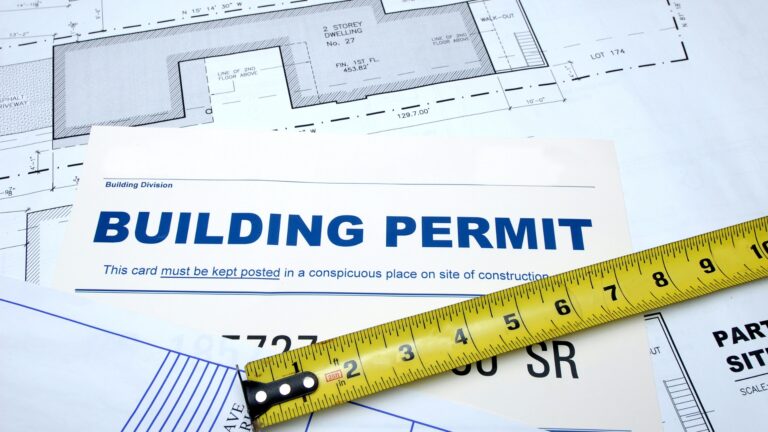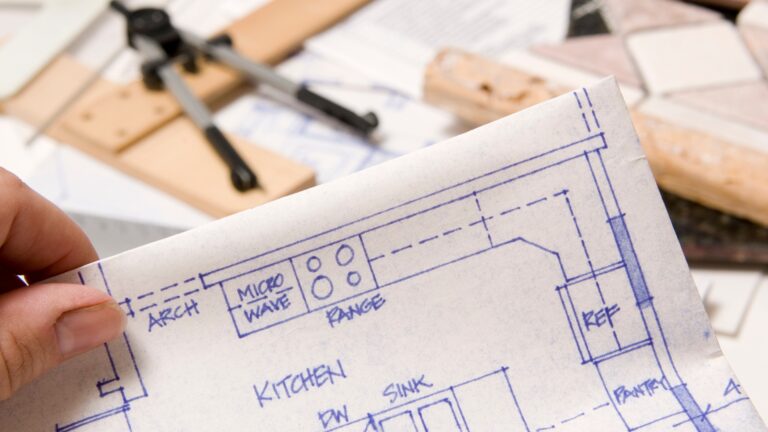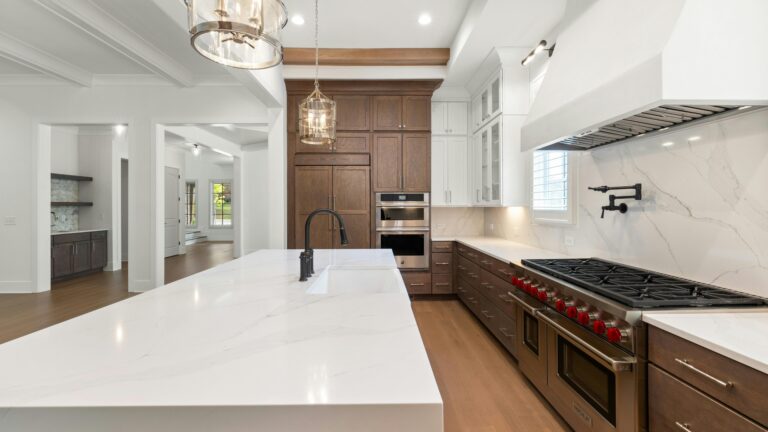


Welcome to your complete guide to Florida building permit requirements, where homeowners and property investors can finally understand what is required before starting a renovation or construction project. Navigating permits in Florida can feel overwhelming due to strict building codes, local regulations, and safety standards designed to protect against structural risks and extreme weather conditions. This guide breaks down exactly when permits are needed, which home renovations require approval, how electrical wiring rules apply to additions, and what steps to follow to stay compliant. By the end, you will have a clear, practical understanding of how to avoid costly mistakes, delays, and legal issues while confidently moving forward with your project.
Florida building permit requirements vary by location but generally apply to structural changes, electrical work, plumbing, HVAC, and major renovations. Homeowners must submit plans, obtain approval from local building departments, and pass inspections to ensure compliance with the Florida Building Code and safety regulations before completing construction.
What Is a Building Permit and Why Is It Required in Florida?
A building permit is an official approval issued by a local government that allows you to begin construction, renovation, or repair work on a property. In Florida, permits are not just a formality. They play a critical role in ensuring that any work done on a home meets strict safety standards, follows state and local regulations, and protects both the homeowner and the broader community.
What Is a Building Permit?
At its core, a building permit is a documented authorization that confirms your project has been reviewed and approved by the local building department before work begins. It ensures that the proposed construction aligns with applicable codes and zoning laws.
In simple terms, it acts as a checkpoint before, during, and after your project to make sure everything is done correctly and safely. Once a permit is issued, your project will typically be subject to inspections at different stages to verify compliance.
Why Building Permits Are Required in Florida
Florida has some of the most rigorous building standards in the country, largely due to its exposure to hurricanes, flooding, and high humidity conditions. Permits are required to ensure that every project meets these standards and protects long-term property value.
Safety And Structural Integrity
Permits help ensure that any construction or renovation work is structurally sound and safe for occupants.
- Code-compliant construction: Ensures framing, roofing, and load-bearing elements meet required safety standards
- Hazard prevention: Reduces risks related to electrical fires, structural collapse, and improper installations
- Inspection oversight: Requires professional inspections at key stages to catch issues early
Compliance With Florida Building Code
The Florida Building Code is a statewide standard that governs how buildings must be designed and constructed. Permits ensure that your project follows these rules from start to finish.
- Statewide consistency: Applies uniform safety and construction standards across Florida
- Local enforcement: City and county agencies review and approve plans based on these codes
- Updated regulations: Reflects current best practices for energy efficiency, wind resistance, and flood safety
Insurance And Resale Implications
Permitted work protects your financial investment and avoids complications down the road when dealing with insurance providers or future buyers.
- Insurance eligibility: Insurers may deny claims for damage caused by unpermitted work
- Property value protection: Buyers and appraisers look for documented, approved improvements
- Disclosure requirements: Sellers are often required to disclose unpermitted work, which can impact negotiations
Risks Of Skipping Building Permits
While it may be tempting to bypass the permit process to save time or money, doing so can lead to serious consequences that outweigh any short-term benefits.
- Financial penalties: Local authorities can issue fines or require costly retroactive permits
- Failed inspections: Unpermitted work may need to be opened up, corrected, and reinspected
- Project delays: Stop-work orders can halt construction until compliance is achieved
- Resale complications: Buyers may request repairs, price reductions, or walk away entirely
- Legal liability: Homeowners can be held responsible for unsafe or non-compliant work
Understanding how building permits work in Florida is essential before starting any renovation or construction project. Taking the time to secure the proper approvals not only keeps you compliant but also ensures your home remains safe, insurable, and valuable over time.

Florida Building Permit Requirements (Overview)
Understanding Florida building permit requirements starts with knowing that permits are designed to ensure safety, code compliance, and long-term property value. While the process may seem complex at first, it follows a clear framework based on the type of work being performed, where the property is located, and how the project impacts the structure or systems of the home. Getting familiar with these fundamentals helps homeowners avoid costly delays and ensures projects are completed legally and safely.
General Rule: When Permits Are Required
In Florida, a permit is generally required whenever a project involves changes that affect a home’s structure, systems, or overall safety. This applies whether the work is being done by a licensed contractor or a homeowner.
- Structural impact: Any modification that alters load-bearing walls, roofing systems, or foundation elements requires approval to ensure the building remains stable and compliant with code
- System modifications: Changes to electrical wiring, plumbing lines, or HVAC systems must be permitted because they directly affect safety and functionality
- Safety compliance: Permits ensure that work meets Florida’s strict building standards, particularly those designed to withstand hurricanes and severe weather conditions
- Inspection requirement: If a project requires an inspection at any stage, it almost always requires a permit beforehand
As a practical rule, if the work goes beyond simple cosmetic upgrades like painting or replacing flooring, a permit is likely needed.
Jurisdiction Differences: City vs County Permitting Offices
One of the most important things to understand is that building permits in Florida are handled at the local level, not centrally by the state. This means requirements can vary depending on where your property is located.
- City jurisdiction: If your home is within city limits, the city building department typically handles permitting, inspections, and approvals
- County jurisdiction: Properties outside city boundaries fall under county authority, which may have slightly different processes or timelines
- Local variations: Application forms, fees, review timelines, and inspection scheduling can differ between jurisdictions even though they follow the same base code
- Online systems: Many Florida municipalities now offer online permit portals, but the level of digital access varies by location
Because of these differences, it is always best to check directly with your local permitting office before starting any project.
Statewide Code vs Local Enforcement
Florida operates under a unified building code, but enforcement is handled locally. This distinction is key to understanding how requirements are applied in real-world scenarios.
- Florida Building Code: This statewide code sets the minimum standards for construction, safety, energy efficiency, and wind resistance
- Local enforcement: Cities and counties are responsible for interpreting, enforcing, and inspecting projects based on the state code
- Amendments and conditions: Some local jurisdictions may have additional requirements or stricter guidelines based on regional risks such as flood zones or coastal exposure
- Inspection authority: Local inspectors ensure that each phase of construction meets code before work can continue
This structure ensures consistency across the state while allowing flexibility for local conditions.
Categories Of Work That Require Permits
Building permits in Florida are typically required for specific categories of work that affect the safety, structure, or major systems of a property. Understanding these categories helps homeowners quickly identify whether their project will need approval.
Structural Changes
Structural work is one of the most regulated areas because it directly impacts the integrity of the building.
- Load-bearing modifications: Removing or altering walls that support the structure requires engineering review and approval
- Roof alterations: Replacing or modifying roofing systems, especially in storm-prone areas, must meet strict code requirements
- Foundation work: Any changes to the foundation or support systems require permits to ensure stability and long-term durability
Electrical, Plumbing, And HVAC Systems
Work involving essential home systems must meet strict safety standards and always requires permitting.
- Electrical updates: Installing new wiring, upgrading panels, or adding circuits requires permits and inspections to prevent fire hazards
- Plumbing changes: Modifying water lines, drainage systems, or installing new fixtures often requires approval to ensure proper function and sanitation
- HVAC installations: Adding or replacing heating and cooling systems must comply with energy efficiency and ventilation standards
Additions And Major Renovations
Large-scale projects almost always require permits due to their complexity and impact on the home.
- Room additions: Expanding the footprint of a home requires full plan review and multiple inspections
- Garage conversions: Changing the use of a space involves structural, electrical, and zoning considerations
- Major remodels: Projects that combine multiple system upgrades or layout changes require coordinated permitting and inspection processes
Planning a renovation in Florida becomes much easier once you understand how permits work and why they are required. Taking the time to follow the proper process not only protects your investment but also ensures your project is safe, compliant, and built to last.

What Home Renovations Require a Permit in Florida?
Understanding what home renovations require a permit in Florida is essential before starting any project, whether it is a small upgrade or a full-scale remodel. Florida has strict building codes designed to ensure safety, especially due to weather-related risks like hurricanes and flooding. While some improvements are straightforward and do not require approval, many projects must go through a formal permitting process to meet local and state regulations. Knowing the difference can help you avoid costly delays, fines, or having to redo completed work.
Renovations That Typically Require Permits
Most major renovations that affect a home’s structure, systems, or safety will require a permit. These projects are closely regulated because they can impact the integrity of the property and the safety of those living in it.
- Room additions: Adding new living space such as bedrooms, sunrooms, or expanded kitchens requires permits because it involves structural framing, foundation work, and possibly electrical and plumbing changes
- Garage conversions: Turning a garage into a livable area requires approval since it changes the use of the space and often involves insulation, ventilation, and electrical upgrades
- Roof replacement or structural repairs: Replacing a roof or repairing structural components like beams or load-bearing walls must meet Florida Building Code standards, especially for wind resistance
- Window and door replacements: Installing new windows or doors, particularly impact-rated models, often requires permits to ensure compliance with energy-efficiency and storm-protection requirements
- Electrical upgrades or rewiring: Any work involving wiring, panel upgrades, or adding circuits requires a permit to ensure the system is safe and meets code requirements
- Plumbing changes: Modifying or relocating plumbing lines, installing new fixtures in different locations, or upgrading systems requires approval to prevent leaks and ensure proper drainage
Renovations That May NOT Require a Permit
Not every home improvement project requires a permit, especially if the work is purely cosmetic or does not affect the structure or major systems. However, even these projects should be approached carefully to ensure they remain within local guidelines.
- Minor cosmetic work: Painting, installing flooring, replacing cabinets, or updating countertops typically do not require permits because they do not alter structural or system components
- Non-structural repairs: Fixing drywall, patching minor damage, or replacing trim are usually exempt since they do not impact the building’s integrity
- Small fixtures: Replacing light fixtures, faucets, or similar items may not require a permit as long as no wiring or plumbing modifications are involved, though exceptions can apply depending on complexity
Gray Areas (When to Double-Check)
Some renovations fall into a gray area where permit requirements can vary depending on the size, scope, or location of the project. This is where many homeowners run into issues, assuming approval is not needed when it actually is.
- Fence installation: Permit requirements often depend on fence height, material, and placement, particularly near property lines or easements
- Decks and patios: Ground-level patios may not require permits, but elevated decks or those attached to the home usually do because of structural considerations
- Sheds or accessory structures: Small storage sheds may be exempt in some areas, but larger structures or those with electrical connections typically require approval
- Local building department checks: Requirements can differ between cities and counties, so it is always best to verify details with your local permitting office before starting any project
Even experienced homeowners and contractors double-check local requirements because Florida building permit rules can vary by jurisdiction. Taking a few extra steps upfront ensures your renovation stays compliant and avoids unnecessary setbacks.
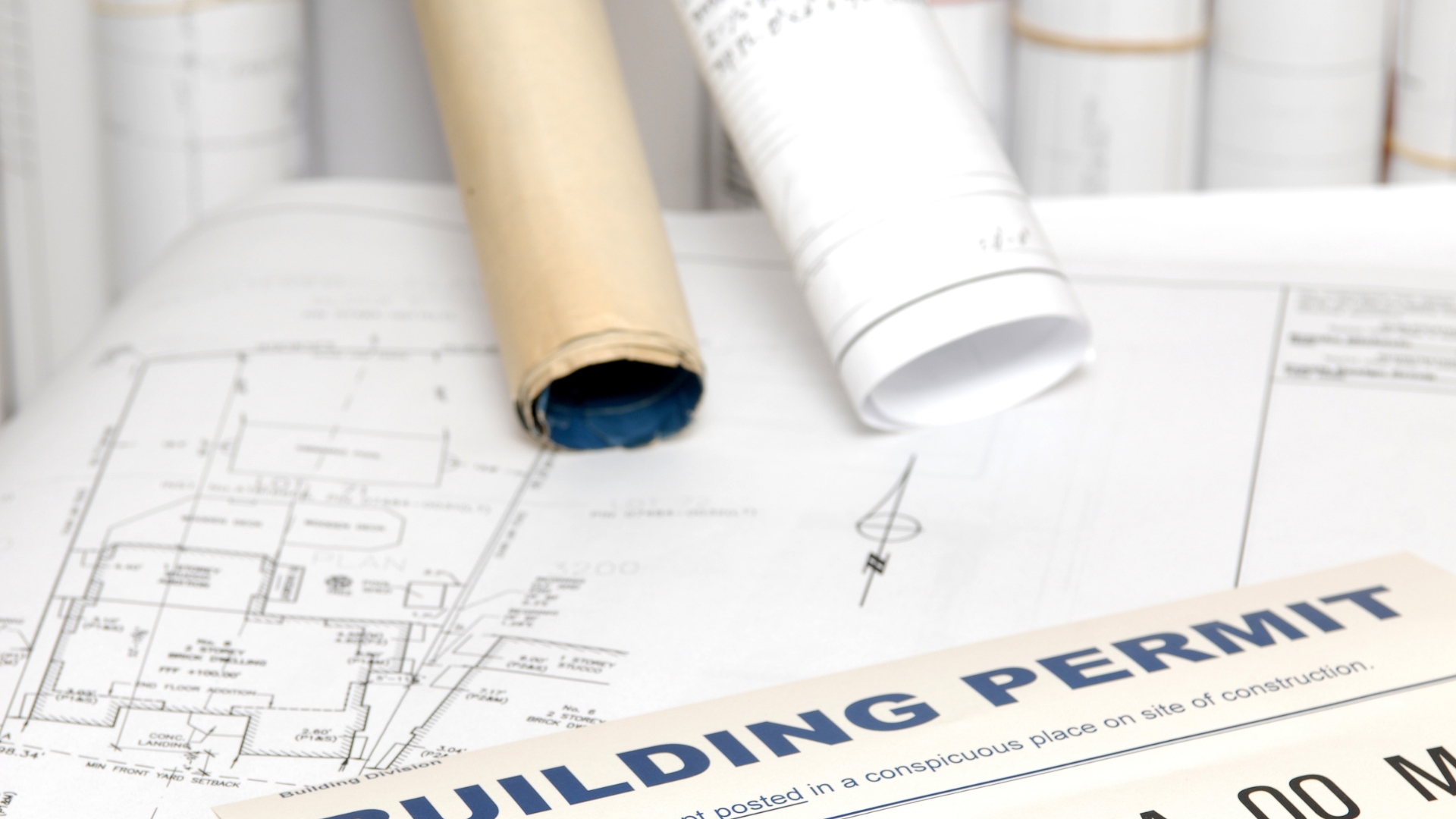
Home Renovation Permits In Florida: Step-By-Step Process
Understanding the permit process in Florida can make the difference between a smooth renovation and a stressful, delayed project. While requirements may vary slightly by city or county, the overall process follows a consistent structure designed to ensure safety, compliance, and proper documentation. Here is a clear, step-by-step breakdown to help you move forward with confidence.
Step 1 – Determine If A Permit Is Required
Before starting any renovation, the first step is confirming whether your project requires a permit. This is critical because even seemingly small upgrades can trigger permit requirements under the Florida Building Code.
- Local jurisdiction check: Contact your city or county permitting office since requirements are enforced locally and can vary.
- Online permit portals: Many Florida counties provide searchable databases or guidelines that outline permit requirements for common projects.
- Project scope evaluation: Structural changes, electrical work, plumbing updates, and additions almost always require permits, while cosmetic work typically does not.
Taking a few minutes to verify requirements upfront can prevent costly delays or penalties later.
Step 2 – Prepare Plans And Documentation
Once you confirm a permit is required, the next step is preparing the necessary documentation. This is where many homeowners underestimate the level of detail needed.
- Site plans: These show property boundaries, existing structures, and where the renovation will take place.
- Construction drawings: Detailed plans that outline structural elements, materials, and dimensions.
- Contractor information: Most projects require licensed contractor details, including license numbers and insurance information.
Working with a licensed contractor is highly recommended because they understand local codes, submission standards, and inspection requirements. Poorly prepared documents are one of the most common reasons for permit delays or rejections.
Step 3 – Submit Application
After gathering your documents, you will submit your permit application to the local building department. This step can be completed either online or in person, depending on your location.
- Online submissions: Faster and more convenient in most counties, often allowing you to track status updates.
- In-person submissions: May be required for complex projects or in smaller municipalities.
- Application completeness: Incomplete applications are a major cause of delays, so double-check all required forms and attachments.
Typical timelines vary. Smaller projects may be approved within a few days, while larger renovations can take several weeks due to detailed reviews.
Step 4 – Permit Review And Approval
Once submitted, your application enters the review phase. This is where local officials ensure your project complies with building codes and safety standards.
- Plan review process: Experts review structural, electrical, plumbing, and zoning aspects of your project.
- Code compliance check: Plans must meet Florida Building Code requirements, including hurricane-resistance standards where applicable.
- Revision requests: If something is missing or does not meet code, you will be asked to revise and resubmit.
Responding quickly and accurately to revision requests can significantly speed up approval time.
Step 5 – Inspections During Construction
After approval, construction can begin, but the process does not end there. Inspections are required at various stages to ensure the work is being completed correctly.
- Rough inspections: These occur before walls are closed and include electrical wiring, plumbing lines, and framing.
- Progress inspections: Some projects require additional checks depending on complexity.
- Final inspection: Conducted after all work is completed to verify everything meets code.
Scheduling inspections on time is essential. Missing an inspection can delay the entire project and may require reopening completed work.
Step 6 – Final Approval / Certificate Of Completion
The final step is receiving official approval from the building department, often referred to as a certificate of completion or certificate of occupancy.
- Project closure: Confirms that all work has passed inspections and meets code requirements.
- Resale protection: Proper documentation is critical when selling your home, as buyers and lenders often verify permitted work.
- Insurance compliance: Insurers may deny claims related to unpermitted work, making this step essential for long-term protection.
A well-managed permit process not only keeps your renovation compliant but also protects your investment, ensures safety, and prevents unnecessary complications down the line.

Electrical Wiring Requirements For Home Additions In Florida
When planning a home addition in Florida, electrical work is one of the most regulated aspects of the project. This is not just about passing inspections, it is about ensuring long-term safety, preventing fire hazards, and meeting strict state and local codes. Understanding how Florida applies national standards and what is required during installation can help you avoid costly mistakes and delays.
Florida Electrical Code Basics
Florida follows the National Electrical Code, often referred to as the NEC, but with state-level adoption and enforcement through the Florida Building Code. This means the rules are standardized across the state, but local jurisdictions handle permitting, inspections, and enforcement.
The NEC is updated regularly to reflect new safety standards and technologies. Florida adopts these updates to ensure that all electrical systems meet modern safety expectations, especially given the state’s exposure to storms, humidity, and high energy demand.
Compliance is not optional. Electrical systems that do not meet code can lead to failed inspections, denied permits, and serious safety risks. Proper wiring, grounding, and circuit protection are critical for preventing electrical fires and ensuring that systems operate reliably over time.
- Code foundation: The NEC serves as the baseline standard, with Florida adopting and enforcing it statewide
- Local enforcement: City or county building departments review plans and conduct inspections
- Safety focus: Code compliance reduces risks such as overheating, short circuits, and electrical fires
Key Requirements For Home Additions
Electrical systems in a home addition must be designed to handle increased demand while maintaining safety and efficiency. This goes beyond simply extending existing wiring and requires careful planning.
- Dedicated circuits: Major appliances such as HVAC systems, ovens, and water heaters must have their own circuits to prevent overload and ensure consistent performance
- GFCI protection: Ground Fault Circuit Interrupters are required in areas where water is present, such as kitchens, bathrooms, and outdoor spaces, to prevent electrical shock
- AFCI protection: Arc Fault Circuit Interrupters are required in most living areas to detect dangerous electrical arcs that could lead to fires
- Load calculations: Electricians must calculate the total electrical load to ensure the system can safely handle the additional demand without overloading circuits
- Panel capacity: The main electrical panel must have enough capacity to support new circuits, and in some cases, an upgrade may be required to meet code
These requirements are designed to ensure that your home addition integrates safely with the existing electrical system rather than placing strain on it.
When You Need A Licensed Electrician
In Florida, most electrical work tied to a home addition must be performed by a licensed electrician. This is both a legal requirement and a practical necessity.
Electrical systems are complex, and improper installation can lead to serious consequences, including fire hazards, failed inspections, and insurance issues. Licensed professionals are trained to follow code requirements, perform accurate load calculations, and ensure all components are installed correctly.
- Legal compliance: Many jurisdictions require a licensed contractor to pull permits and perform electrical work
- Inspection readiness: Work completed by a professional is more likely to pass inspections without delays
- Risk reduction: Proper installation minimizes the chance of electrical faults, outages, or long-term damage
While homeowners may be allowed to perform limited work under specific conditions, it is generally not recommended for complex additions where safety and compliance are critical.
Electrical Inspection Process
Electrical inspections are a key part of the permitting process in Florida. These inspections ensure that all work meets code requirements before it is concealed or put into use.
- Rough-in inspection: Conducted after wiring is installed but before walls are closed, this inspection checks proper placement, securing of wires, and compliance with code requirements
- Final inspection: Performed after all fixtures, outlets, and panels are installed, this ensures the system is fully operational and safe for use
- Common delay factors: Incomplete documentation, improper wiring methods, overloaded circuits, and missing safety devices such as GFCI or AFCI protection can all lead to failed inspections
Staying organized, following approved plans, and working with experienced professionals can help ensure that inspections go smoothly and your project stays on schedule.
Electrical wiring is not an area where shortcuts pay off. Taking the time to understand requirements, work with qualified professionals, and follow the proper process will protect your investment and ensure your home addition is safe, compliant, and built to last.

How Much Does a Building Permit Cost in Florida?
Understanding the cost of a building permit in Florida is an important part of planning any renovation or construction project. Permit fees are not one-size-fits-all, and they can vary significantly depending on the scope of work, the location, and the complexity of the project. Knowing what to expect ahead of time helps you budget more accurately and avoid unexpected delays during the approval process.
Typical Cost Ranges Based on Project Type and Value
Building permit costs in Florida are usually calculated based on the total value of the project or the type of work being performed. Smaller projects tend to have flat or minimum fees, while larger construction projects are often priced as a percentage of the overall construction cost.
- Minor projects: Simple upgrades like small electrical work or minor plumbing changes may cost anywhere from $50 to $300
- Mid-size renovations: Projects such as kitchen remodels or window replacements typically range from $200 to $1,000
- Major construction: Larger additions or structural changes can range from $1,000 to several thousand dollars depending on the total project value
In many Florida jurisdictions, permit fees are calculated per $1,000 of construction value, which means higher-cost projects naturally result in higher permit fees.
Factors That Affect Building Permit Costs
Several key factors influence how much you will pay for a building permit in Florida. These variables can differ from one city or county to another, so it is important to check with your local permitting office for exact details.
- Project size: Larger projects require more detailed review and multiple inspections, which increases overall permit costs
- Location: Each municipality sets its own fee structure, so costs in urban areas may be higher than in smaller counties
- Type of work: Structural, electrical, plumbing, and HVAC work often require separate permits or additional review, which can raise the total cost
These factors work together to determine your final permit fee, making it essential to understand your project scope before applying.
Additional Fees You Should Expect
Beyond the base permit cost, there are often additional fees that homeowners should plan for. These are part of the standard permitting process and ensure that the project meets all safety and code requirements.
- Plan review fees: This covers the cost of reviewing architectural drawings, engineering plans, and other submitted documents to ensure compliance with Florida Building Code
- Inspection fees: These fees are tied to required inspections during different stages of construction, including rough-in and final inspections
In some cases, there may also be fees for re-inspections if corrections are needed, as well as administrative or processing fees depending on the local building department.
Planning for these additional costs upfront can help you avoid surprises and keep your project on track both financially and legally.
Understanding permit costs is not just about budgeting, it is about ensuring your project moves forward without unnecessary setbacks. Taking the time to clarify fees with your local building department early in the process can make the entire experience smoother and more predictable.
How Long Does It Take to Get a Permit in Florida?
Getting a building permit in Florida can take anywhere from a few days to several weeks, depending on the type of project and the local jurisdiction handling the request. While some homeowners expect a quick approval, the timeline often varies based on how detailed the project is, how prepared the application is, and how busy the local permitting office happens to be. Understanding these variables upfront can help you plan your renovation more effectively and avoid unnecessary delays.
Typical Timelines: Small Projects vs Large Additions
The size and scope of your project play a major role in how quickly your permit gets approved. Smaller, straightforward projects usually move faster through the system, while larger or more complex builds require additional review.
- Small-scale projects: Minor renovations such as simple electrical updates, plumbing repairs, or non-structural improvements can often be approved within a few days to one week, especially if submitted online with complete documentation.
- Mid-range renovations: Projects like window replacements, roofing work, or interior remodels may take one to three weeks, depending on whether plan review is required.
- Large-scale additions: Major construction projects such as room additions, structural changes, or new builds typically require detailed plan reviews and multiple department approvals, which can take several weeks or longer.
Factors That Impact Permit Approval Speed
Even within the same city or county, permit timelines can vary significantly. Several key factors influence how quickly your application moves through the approval process.
- Application completeness: Submitting a fully-prepared application with accurate plans, required documents, and contractor details can significantly reduce delays. Missing or incorrect information often leads to revisions, which can extend the timeline by days or even weeks.
- Local backlog: Permit offices in high-growth areas or busy seasons may experience a higher volume of applications. This backlog can slow down processing times, even for smaller projects that would normally be approved quickly.
- Plan complexity: Projects that involve structural engineering, multiple systems, or unique design elements require more thorough review. The more complex the plans, the more time it takes for reviewers to ensure everything meets Florida Building Code requirements.
- Review cycles: Some applications go through multiple review rounds if corrections are requested. Each revision adds additional processing time, making it important to get plans right the first time.
- Inspection scheduling: After approval, the availability of inspectors can also impact your overall project timeline, especially in areas with high demand.
Planning ahead and working with experienced professionals can make a noticeable difference in how smoothly your permit process goes. A well-prepared application not only speeds up approval but also reduces stress throughout your project.
Getting a permit in Florida is not just about approval speed but about ensuring your project is done safely and correctly. Taking the time to understand the process and prepare properly can help you avoid setbacks and keep your renovation on track from start to finish.
What Happens If You Renovate Without A Permit In Florida?
Renovating without the proper permits in Florida might seem like a way to save time or money upfront, but it often leads to far more serious and expensive problems later. Florida has strict building-code enforcement due to safety concerns, especially with weather-related risks like hurricanes. When work is done outside of the permitting process, it raises red flags for local authorities, inspectors, insurance providers, and future buyers. Understanding the consequences can help you avoid costly setbacks and protect your investment.
Legal Consequences: Fines And Penalties
Failing to obtain a required permit is considered a violation of local building regulations, and enforcement can be swift once discovered.
- Fines and penalties: Local building departments can issue daily fines until the violation is resolved, which can quickly add up depending on how long the issue goes unaddressed
- Stop-work orders: If the project is still ongoing, inspectors can halt all construction immediately until proper permits are secured
- Code enforcement actions: You may be required to appear before a local board or comply with legal notices, adding time and stress to the process
These legal consequences are not just procedural. They are designed to enforce compliance with safety standards and ensure that all construction meets Florida’s building code.
Financial Risks: Issues Selling Your Home
Unpermitted work often becomes a major obstacle when it comes time to sell your property.
- Failed inspections: Home inspectors frequently flag unpermitted renovations, which can delay or completely derail a sale
- Buyer hesitation: Many buyers are unwilling to take on the risk of non-compliant work, especially if it involves structural or electrical changes
- Reduced property value: Appraisers may exclude unpermitted improvements from the home’s value, lowering your final sale price
In competitive real estate markets, even small compliance issues can make a big difference in how quickly and profitably a home sells.
Financial Risks: Insurance Complications
Insurance companies pay close attention to whether work was done legally and inspected properly.
- Denied claims: If damage occurs in an area that was renovated without a permit, your insurer may refuse to cover the claim
- Policy issues: Some insurers may cancel or refuse to renew policies if unpermitted work is discovered
- Liability concerns: If faulty, unpermitted work causes injury or damage, you could be held personally responsible
These risks highlight why compliance is not just about following rules but also about protecting yourself financially.
Requirement To Redo Work Or Obtain Retroactive Permits
One of the most frustrating outcomes of skipping permits is having to fix or undo completed work.
- Retroactive permits: In some cases, you may be allowed to apply for a permit after the fact, but this often involves additional fees and detailed inspections
- Opening completed work: Inspectors may require walls, ceilings, or floors to be opened so they can verify that the work meets code
- Reconstruction costs: If the work does not meet standards, you may have to redo part or all of the project, significantly increasing costs
This process can turn what seemed like a shortcut into a lengthy and expensive correction.
Taking the time to secure the proper permits from the beginning is always the smarter path. It ensures your project is safe, compliant, and protected from legal or financial complications down the line.

Tips For Navigating Florida Building Permit Requirements Smoothly
Getting through the permit process in Florida does not have to be stressful if you approach it with the right preparation and mindset. Many delays and costly mistakes happen not because the rules are unclear, but because homeowners overlook small but important details early on. The following practical tips are based on real-world experience and will help you stay organized, avoid setbacks, and keep your project moving forward efficiently.
Work With Licensed Contractors
Hiring a licensed contractor is one of the most important decisions you can make when dealing with permits in Florida. Licensed professionals understand local building codes, inspection requirements, and documentation standards, which significantly reduces the risk of errors.
- Code compliance expertise: Licensed contractors are trained to follow Florida Building Code requirements, helping ensure your project passes inspections without unnecessary revisions
- Permit handling: Many contractors can pull permits on your behalf, saving you time and ensuring paperwork is completed correctly
- Accountability: Working with a licensed professional provides legal protection and recourse if something goes wrong
If you choose to manage the project yourself, you take on full responsibility for meeting all code requirements, which can be challenging without prior experience.
Check Local Codes Early
Florida has a statewide building code, but enforcement and specific requirements vary by city and county. Checking local regulations at the beginning of your project helps you avoid surprises later.
- Project feasibility: Early research helps confirm whether your renovation is allowed before investing time and money
- Avoiding redesigns: Understanding requirements upfront prevents costly plan changes after submission
A quick call or visit to your local permitting office can clarify requirements and set clear expectations from the start.
Submit Complete Documentation
Incomplete or inaccurate applications are one of the most common reasons permits get delayed. Taking time to prepare thorough documentation can significantly speed up approval.
- Detailed plans: Include clear construction drawings, measurements, and specifications that meet local standards
- Supporting documents: Provide contractor licenses, property surveys, and any required engineering reports
- Accuracy matters: Double-check all forms and details to avoid rejection or requests for additional information
Submitting a complete and well-prepared application shows professionalism and helps reviewers process your request more efficiently.
Schedule Inspections Proactively
Inspections are a required part of the permit process, and failing to plan for them can slow down your entire project. Staying ahead of inspection scheduling keeps everything on track.
- Inspection milestones: Know when inspections are required, such as after framing, electrical rough-in, or plumbing installation
- Advance scheduling: Book inspections early to avoid delays, especially in busy jurisdictions
- Preparation: Ensure work is ready before inspection to avoid failed inspections and rework
Proactive scheduling helps maintain momentum and prevents unnecessary downtime between project phases.
Keep Copies Of Permits And Approvals
Maintaining organized records of your permits and approvals is essential for both current and future needs. Proper documentation can save you from complications down the line.
- Proof of compliance: Permits and inspection records show that your project meets legal and safety standards
- Resale value: Buyers and inspectors often request permit documentation during property transactions
- Future renovations: Having records makes it easier to plan additional work without confusion
Store both digital and physical copies in a secure place so they are easy to access when needed.
Taking a thoughtful, organized approach to the permitting process can make a significant difference in how smoothly your project progresses. By working with qualified professionals, understanding local requirements, and staying proactive at every stage, you can avoid common pitfalls and complete your renovation with confidence.
If you are planning a renovation or addition in Florida, taking the right steps early can save you time, money, and unnecessary stress, so do not leave compliance to guesswork. Connect with a qualified expert or local building authority today to ensure your project meets all permit requirements and moves forward smoothly from start to finish.

FAQs: About Florida Building Permit Requirements
- Do I need a building permit for home renovations in Florida?
Yes, most home renovations in Florida require a permit, especially if they involve structural, electrical, plumbing, or HVAC changes. Minor cosmetic updates like painting or flooring typically do not require permits, but it’s always best to confirm with your local building department. - What happens if I don’t get a permit in Florida?
Skipping permits can lead to fines, stop-work orders, and complications when selling your home. You may also be required to remove or redo the work to meet code standards, which can significantly increase costs. - Can a homeowner pull their own permit in Florida?
In many Florida counties, homeowners can pull permits for their primary residence if they plan to do the work themselves. However, they must meet certain requirements and assume full responsibility for code compliance and inspections. - How long does it take to get a building permit in Florida?
Permit approval timelines vary depending on the project size and local jurisdiction. Simple permits may take a few days, while larger projects requiring plan reviews can take several weeks. - Do I need a permit for electrical work in Florida?
Yes, most electrical work, including wiring, panel upgrades, and installing new circuits, requires a permit. This ensures the work meets safety standards and passes required inspections. - What home renovations require a permit in Florida?
Projects such as room additions, roof replacements, structural modifications, and major system upgrades typically require permits. Any work that affects safety, structure, or major systems usually needs approval. - Are building permit requirements the same across all of Florida?
No, while the Florida Building Code applies statewide, each city or county enforces its own permitting process and requirements. Always check with your local building department for specific rules. - How much does a building permit cost in Florida?
Permit costs vary based on the project’s size, value, and location. Fees can range from under $100 for minor work to several thousand dollars for large construction projects. - How do I check if a permit exists for my property in Florida?
You can usually search your local city or county building department’s online database using your property address. If records are not available online, you can contact the office directly for assistance.
Conclusion
Understanding Florida building permit requirements is not just about following rules, it is about protecting your investment, ensuring long-term safety, and avoiding costly setbacks that can arise from non-compliance. Taking the time to secure the right permits helps guarantee that your renovation meets structural and safety standards, supports smooth inspections, and preserves your property value if you decide to sell in the future. Before starting any project, it is always wise to check your local building department for specific requirements and consult a licensed contractor who understands Florida’s building codes and permitting process. If you are planning a renovation, getting expert guidance early can save you time, money, and unnecessary stress while keeping your project on track from start to finish.