

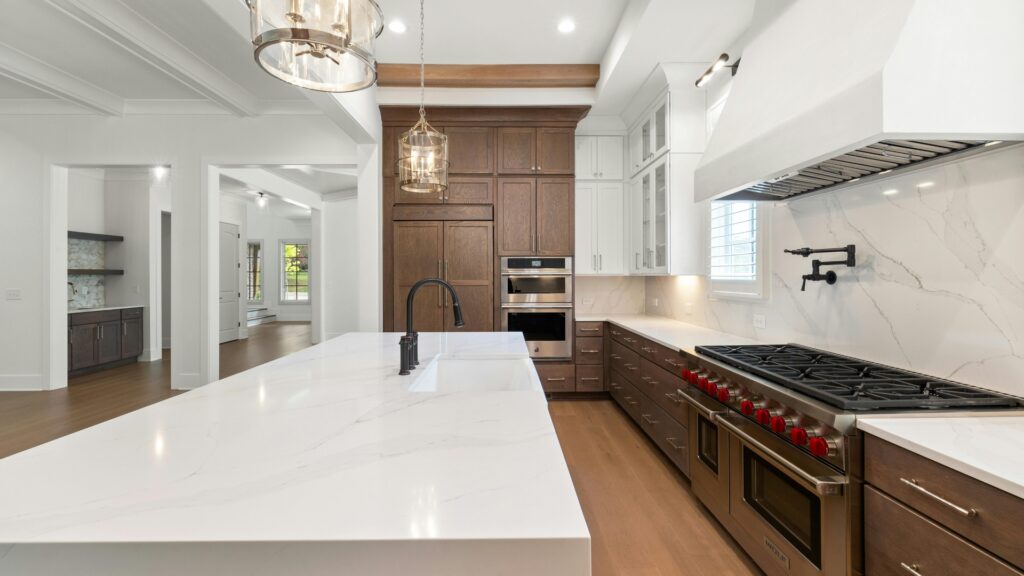
Welcome to your complete guide to understanding how much a kitchen remodel really costs, where we break down realistic price ranges, key cost factors, and smart ways to plan your budget without surprises. Whether you are considering a simple upgrade or a full renovation, this guide will help you estimate costs with confidence, avoid common budgeting mistakes, and make informed decisions that align with your goals, home value, and lifestyle needs.
The cost of a kitchen remodel typically ranges from $10,000 to $60,000 or more, depending on the size, materials, and scope of the project. Minor updates cost less, while full renovations with custom features and layout changes can exceed $75,000, especially in high-cost areas.
Average Cost Of A Kitchen Remodel In 2026
Kitchen remodel costs in 2026 vary widely depending on the size of the space, the quality of materials, and how extensive the changes are. Most homeowners fall into one of three budget tiers, ranging from basic cosmetic updates to full-scale luxury renovations. Understanding these ranges helps you set realistic expectations and avoid costly surprises during the planning phase.
On a national level, kitchen remodels typically range from $15,000 to $75,000+, with high-end projects exceeding six figures in premium markets. When broken down further, costs often fall between $150 to $400 per square foot, depending on finishes and labor complexity.
Here’s a simplified view of common budget tiers:
- Budget remodel: $15,000 to $30,000
- Mid-range remodel: $30,000 to $60,000
- High-end remodel: $60,000 to $100,000+
These ranges reflect typical projects, but your final cost will depend heavily on design choices, contractor rates, and whether structural changes are involved.
Low-End / Budget Remodel ($15,000–$30,000)
A budget-friendly kitchen remodel focuses on improving appearance and functionality without major structural changes. This approach is ideal if your kitchen layout works well and you mainly want a refreshed, modern look.
- Cabinet updates: Painting or refacing existing cabinets instead of replacing them
- Surface upgrades: Installing laminate or entry-level quartz countertops
- Fixture replacements: Swapping out faucets, lighting, and cabinet hardware
- Appliance upgrades: Replacing old appliances with standard, energy-efficient models
- Cosmetic improvements: New backsplash, fresh paint, and updated flooring
This type of remodel delivers a noticeable transformation at a lower cost, but it avoids moving plumbing, gas lines, or walls, which helps keep labor expenses down.
Mid-Range Remodel ($30,000–$60,000)
A mid-range kitchen remodel strikes a balance between cost and customization. It typically includes higher-quality materials and some layout adjustments, making it the most common choice for homeowners looking to improve both style and long-term value.
- Cabinet replacement: Installing semi-custom cabinets with improved storage features
- Countertop upgrades: Using durable materials like quartz or granite
- Appliance improvements: Adding upgraded or stainless-steel appliances
- Layout adjustments: Minor changes such as relocating appliances or expanding workspace
- Flooring and lighting: Installing new flooring and layered lighting for better functionality
At this level, you start to see a more personalized design, along with better durability and a stronger return on investment compared to basic upgrades.
High-End / Luxury Remodel ($60,000–$100,000+)
A high-end kitchen remodel involves a complete transformation, often including structural changes and premium materials. This type of project is common in high-value homes or for homeowners planning to stay long-term.
- Custom cabinetry: Fully tailored cabinets designed for maximum storage and aesthetics
- Premium surfaces: High-end materials like marble, waterfall-edge islands, or designer quartz
- Top-tier appliances: Professional-grade appliances such as built-in refrigerators and smart ovens
- Full layout redesign: Removing walls, expanding the kitchen, or creating an open-concept space
- Luxury features: Adding features like a large island, walk-in pantry, or integrated lighting systems
These projects require detailed planning and skilled labor, which significantly increases costs. However, they also deliver the highest level of functionality, design flexibility, and visual impact.
A kitchen remodel can range from a simple refresh to a full-scale transformation, so understanding where your goals fit within these tiers is the first step toward building a realistic and well-planned budget.

Key Factors That Affect Kitchen Remodel Costs
Kitchen remodel pricing can vary dramatically, even between homes of similar size. The difference usually comes down to a handful of core factors that influence both material and labor costs. Understanding these variables helps you plan more accurately, avoid budget surprises, and make smarter trade-offs based on your priorities.
Kitchen Size And Layout
The size of your kitchen and how much you plan to change the layout play a major role in determining overall cost. Larger spaces require more materials, more labor, and more time to complete.
- Small vs large kitchens: A small-kitchen remodel typically costs less because it involves fewer cabinets, less countertop material, and reduced labor hours. A large kitchen remodel increases costs across every category, including flooring, lighting, and installation complexity.
- Open-concept changes vs cosmetic updates: A cosmetic update, such as repainting cabinets or replacing fixtures, is far more budget-friendly than a layout change. Converting to an open-concept kitchen often involves removing walls, rerouting utilities, and reinforcing structural elements, all of which significantly increase costs.
Cabinetry (Biggest Cost Driver)
Cabinets are usually the most expensive part of a kitchen remodel, often accounting for the largest share of your budget. Your choice here can dramatically shift your total cost.
- Stock vs semi-custom vs custom cabinets: Stock cabinets are pre-made and affordable, making them ideal for budget-conscious projects. Semi-custom cabinets offer more flexibility in sizing and finishes, while custom cabinets are built to exact specifications and come with a premium price tag.
- Refacing vs replacing: Refacing involves updating cabinet doors and finishes while keeping the existing structure, which is a cost-effective alternative. Replacing cabinets entirely allows for a completely new look and layout but comes with higher material and labor costs.
Countertops And Materials
Countertops are both a functional and visual centerpiece, and the material you choose directly impacts your budget.
- Laminate vs quartz vs granite vs marble: Laminate is the most affordable and works well for basic upgrades. Quartz offers durability and low maintenance, making it a popular mid-range option. Granite provides a natural-stone look with moderate pricing, while marble delivers a high-end aesthetic but requires more maintenance and comes at a premium cost.
Appliances And Fixtures
Appliances and fixtures can range from basic and functional to high-end and feature-rich, which creates a wide cost spectrum.
- Standard vs high-end appliances: Standard appliances are reliable and cost-effective, making them suitable for most households. High-end appliances, such as professional-grade ranges or built-in refrigerators, significantly increase costs but offer enhanced performance and longevity.
- Smart kitchen upgrades: Smart appliances and fixtures, such as touchless faucets or app-controlled ovens, add convenience and modern appeal. While these upgrades can increase upfront costs, they may improve energy efficiency and long-term usability.
Labor And Location
Labor costs are often underestimated, yet they make up a significant portion of a kitchen remodel budget. Where you live also plays a major role in pricing.
- Regional cost differences: Labor and material costs tend to be higher in urban or high-cost-of-living areas. In contrast, smaller towns or rural areas may offer more affordable rates.
- Contractor rates: Experienced contractors may charge higher rates, but they often deliver better quality work and fewer costly mistakes. Choosing the lowest bid can sometimes lead to delays or rework, which increases overall expenses.
Plumbing, Electrical, And Structural Changes
Any changes behind the walls can quickly increase the complexity and cost of your remodel. These upgrades often require licensed professionals and permits.
- Moving sinks, gas lines, walls: Relocating plumbing fixtures, gas lines, or electrical wiring requires specialized labor and can add high costs. Structural changes, such as removing or modifying walls, may also require engineering assessments and reinforcement work, further increasing the budget.
A kitchen remodel is rarely a one-size-fits-all project, and understanding these cost drivers helps you make informed decisions that align with both your goals and your budget.
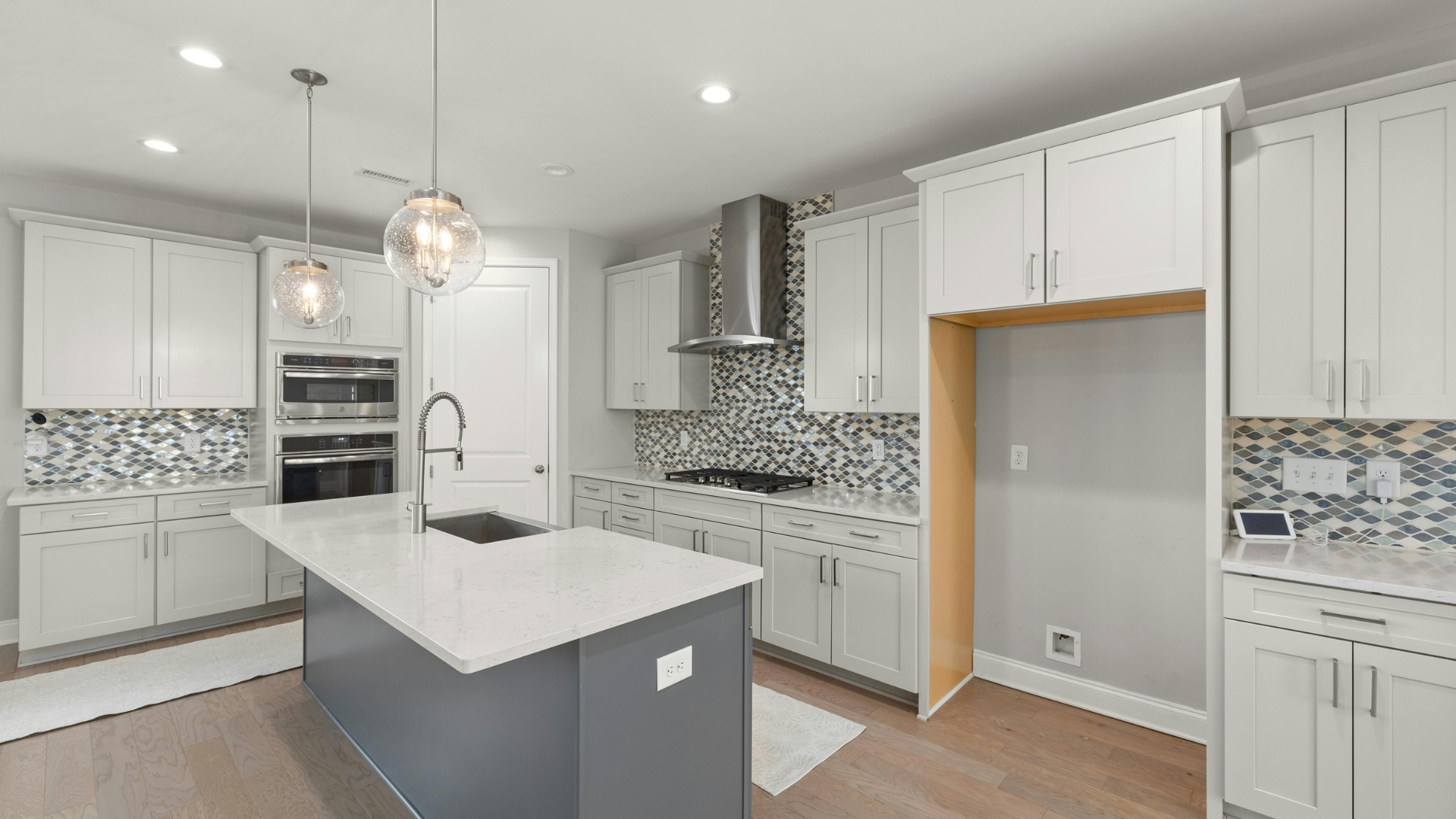
Kitchen Remodel Cost Breakdown (Where Your Money Goes)
Understanding where your budget actually goes is one of the most important parts of planning a kitchen remodel. Many homeowners focus only on the total cost, but the real insight comes from knowing how that money is distributed across different components. This breakdown helps you prioritize spending, identify potential savings, and make smarter decisions based on your goals, whether you are aiming for a budget-friendly upgrade or a high-end renovation.
Cabinets: ~30–40%
Cabinetry is typically the largest expense in any kitchen remodel because it defines both the functionality and overall look of the space. The cost can vary significantly depending on the type of cabinets you choose and whether you are replacing or upgrading existing ones.
- Stock cabinets: Pre-made and cost-effective, ideal for budget-conscious remodels with standard layouts
- Semi-custom cabinets: Offer more flexibility in sizing and finishes, balancing cost and personalization
- Custom cabinets: Built specifically for your space, allowing full design control but at a premium price
- Refacing option: Replacing doors and finishes while keeping the cabinet structure, which can reduce costs significantly
Investing in quality cabinets often pays off in durability and resale value, especially in a high-use space like the kitchen.
Labor: ~20–25%
Labor costs cover the skilled work required to bring your remodel to life. This includes contractors, electricians, plumbers, installers, and sometimes designers. Labor expenses can fluctuate depending on the complexity of the project and your location.
- General contracting: Project management and coordination of trades
- Specialized trades: Electrical, plumbing, and structural work that requires licensed professionals
- Installation work: Cabinets, countertops, flooring, and appliances
- Regional pricing: Labor rates vary based on local demand and cost of living
Complex, full-scale remodels that involve layout changes or structural adjustments will naturally increase labor costs.
Appliances: ~10–15%
Appliances are a key part of both the function and style of your kitchen. Costs vary widely depending on the brand, features, and energy efficiency of the models you choose.
- Standard appliances: Reliable and budget-friendly options for everyday use
- Mid-range appliances: Better performance, improved design, and added features
- High-end appliances: Premium brands with advanced technology, smart features, and professional-grade performance
- Energy-efficient models: Can reduce long-term utility costs while qualifying for rebates in some areas
Choosing appliances should balance performance, longevity, and how often you actually use each feature.
Countertops: ~10–15%
Countertops play a major role in both aesthetics and usability. The material you select will influence not only cost but also maintenance requirements and long-term durability.
- Laminate surfaces: Affordable and easy to maintain, but less durable over time
- Quartz countertops: Popular for their durability, low maintenance, and modern look
- Granite surfaces: Natural stone with unique patterns, requiring periodic sealing
- Marble finishes: High-end and visually striking, but more prone to staining and scratching
Your choice should reflect how you use your kitchen daily, especially if you cook frequently or need a low-maintenance surface.
Flooring, Lighting, Misc.: ~10–20%
This category includes several smaller but essential elements that complete the kitchen. While each item may seem minor on its own, together they make a noticeable impact on the final result.
- Flooring materials: Tile, hardwood, or vinyl options that affect durability and comfort
- Lighting fixtures: Task lighting, ambient lighting, and accent lighting that improve functionality and mood
- Backsplash installation: Adds visual interest and protects walls from moisture and stains
- Hardware and finishes: Handles, faucets, and fixtures that tie the design together
- Miscellaneous costs: Permits, waste removal, and small upgrades that are often overlooked
These finishing details are where design and practicality come together, and they can elevate the overall feel of the kitchen when chosen thoughtfully.
A well-planned budget that accounts for each of these categories gives you more control over your remodel and helps prevent costly surprises along the way.

Kitchen Remodel Cost by Size
Kitchen size plays a major role in determining the overall cost of a remodel because it directly affects materials, labor, and project complexity. A larger space typically requires more cabinetry, flooring, and installation time, while a smaller kitchen may still carry higher costs per square foot due to tighter layouts and specialized work. Understanding how costs scale by size helps you set realistic expectations and prioritize upgrades that deliver the most value.
Small Kitchen (Under 100 sq ft)
A small kitchen remodel is often seen as more affordable, but that is not always the case on a per-square-foot basis. Limited space can make installation more labor-intensive, especially when working around tight corners, plumbing, and electrical systems.
- Typical Cost Range: Smaller kitchens generally fall on the lower end of total project cost, but the price per square foot can be higher due to precision work and limited layout flexibility
- Common Upgrades: Most homeowners focus on cosmetic improvements such as cabinet refacing, new countertops, updated lighting, and modern fixtures
- Design Considerations: Space-saving solutions like pull-out storage, vertical shelving, and compact appliances are often prioritized to maximize functionality
- Cost Efficiency Tip: Keeping the existing layout intact can significantly reduce expenses by avoiding plumbing and electrical relocation
Medium Kitchen (100–200 sq ft)
A medium-sized kitchen offers more flexibility in both design and budgeting, making it the most common category for homeowners. This size allows for a balance between functionality and customization without the extreme costs associated with large-scale renovations.
- Typical Cost Range: Mid-range budgets are most common here, with enough space to justify both cosmetic and partial structural upgrades
- Common Upgrades: New cabinetry, upgraded countertops like quartz or granite, modern appliances, and improved lighting layouts
- Design Flexibility: This size often allows for additions such as kitchen islands, better workflow layouts, and improved storage solutions
- Cost Control Tip: Mixing high-end and budget-friendly materials can help maintain quality while keeping overall costs manageable
Large Kitchen (200+ sq ft)
Large kitchens provide the most design freedom, but they also come with significantly higher costs due to the scale of materials and labor required. These projects often involve full redesigns and premium finishes.
- Typical Cost Range: High-end budgets are common, especially when incorporating custom features and luxury materials
- Common Upgrades: Custom cabinetry, high-end appliances, stone countertops, expansive islands, and open-concept layouts
- Project Complexity: Larger spaces often involve structural changes, such as removing walls or reconfiguring layouts, which increases both cost and timeline
- Value Consideration: While expensive, a well-executed large kitchen remodel can significantly enhance both usability and long-term home value
Understanding how kitchen size impacts remodeling costs allows you to align your budget with realistic expectations and make informed decisions about where to invest for the best results.
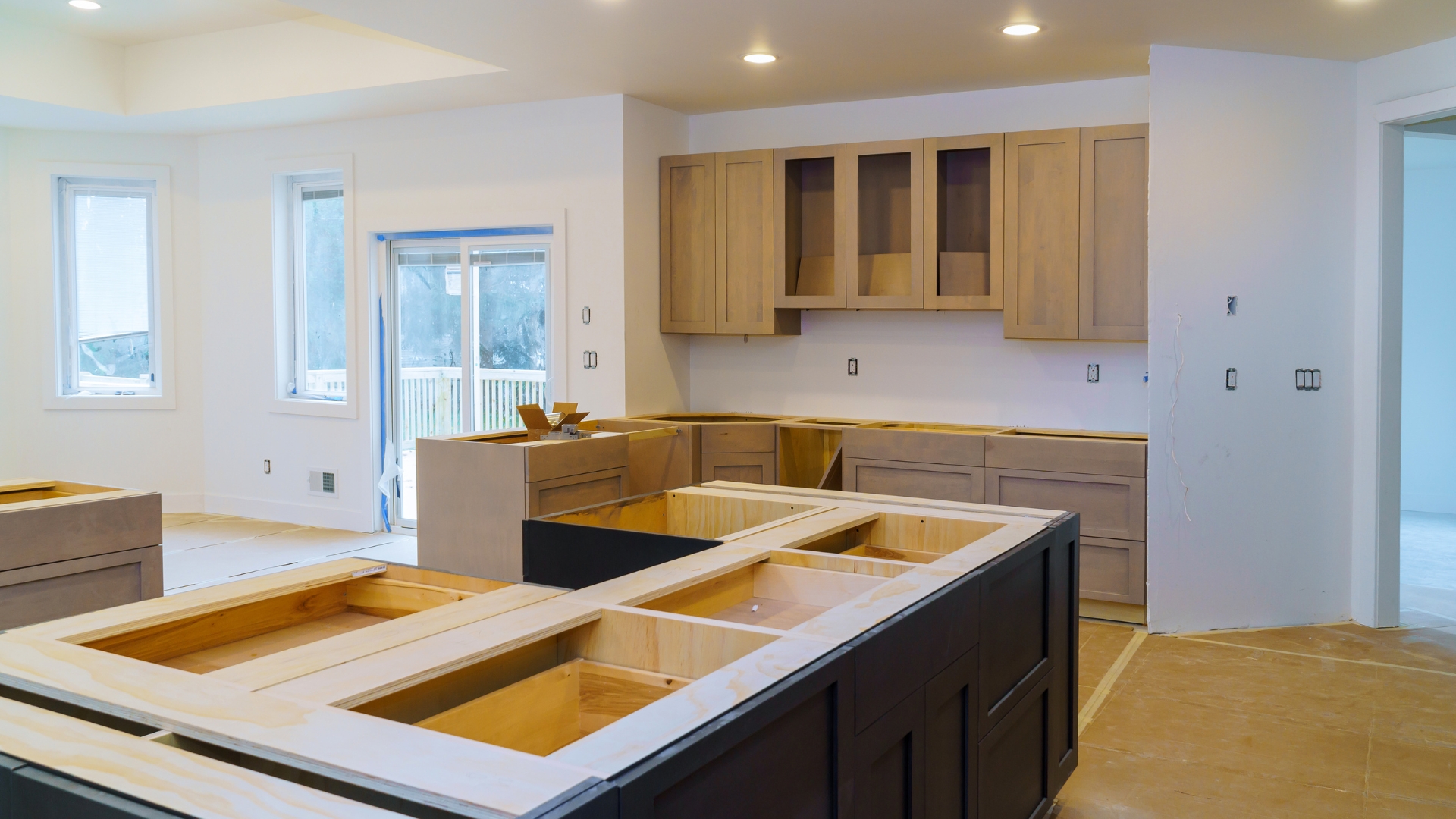
How to Estimate Your Kitchen Remodel Budget
Planning a kitchen remodel without a clear budget is one of the fastest ways to overspend or end up with unfinished work. A well-structured budget helps you make confident decisions, avoid unnecessary costs, and align your expectations with what is realistically achievable. The goal is not just to set a number, but to create a flexible, well-informed plan that reflects your priorities, home value, and long-term goals.
Step 1: Define Your Goals (Cosmetic vs Full Remodel)
Before you start pricing materials or contacting contractors, you need clarity on what you actually want to achieve. The scope of your remodel has the biggest impact on total cost, timeline, and complexity.
- Cosmetic upgrades: These include surface-level changes like repainting cabinets, updating hardware, replacing light fixtures, or installing a new backsplash. This type of remodel is ideal if your layout works and your kitchen just feels outdated.
- Partial remodel: This may involve replacing cabinets, upgrading countertops, or installing new appliances while keeping the existing layout. It balances cost and impact, making it a common choice for mid-range budgets.
- Full remodel: This includes layout changes, moving plumbing or electrical systems, and installing new cabinetry and finishes. It is more expensive but allows complete customization and improved functionality.
Taking the time to define your goals ensures you are not paying for unnecessary work or underestimating what your project requires.
Step 2: Set a Realistic Budget Range
Once your goals are clear, the next step is setting a budget that aligns with your home’s value and your financial comfort level. One widely used guideline is the 5–15% rule.
- 5% of home value: Suitable for a basic or cosmetic remodel that refreshes the space without major structural changes.
- 10% of home value: A balanced investment that supports a mid-range remodel with quality materials and some upgrades.
- 15% or more: Appropriate for a high-end remodel, especially if you plan to stay in the home long-term and want premium finishes or a redesigned layout.
For example, if your home is worth $300,000, a reasonable kitchen remodel budget would typically fall between $15,000 and $45,000, depending on scope and finish level.
Keep in mind that local labor costs, material availability, and market conditions can shift these ranges. Always treat this rule as a guideline, not a strict limit.
Step 3: Prioritize Must-Haves vs Nice-to-Haves
A well-planned kitchen remodel budget is not just about how much you spend, but how you allocate it. Separating essentials from optional upgrades helps you stay in control when costs start to add up.
- Must-haves: These are non-negotiable elements that impact functionality, safety, or long-term durability. Examples include replacing worn-out cabinets, fixing plumbing issues, or upgrading outdated electrical systems.
- Nice-to-haves: These are design-focused or convenience upgrades like high-end appliances, custom cabinetry, or luxury finishes. They enhance the space but are not critical to usability.
This prioritization allows you to make smart trade-offs. If you encounter unexpected expenses, you can scale back on optional features instead of compromising core functionality.
Step 4: Add a 10–20% Contingency Buffer
No matter how carefully you plan, unexpected costs are almost guaranteed in a kitchen remodel. Older homes, in particular, often reveal hidden issues once work begins.
- Hidden damage: Problems like water damage, mold, or outdated wiring can require immediate attention and increase costs.
- Design changes: Mid-project adjustments, even small ones, can add labor and material expenses.
- Material fluctuations: Price changes or delays in materials can impact your budget and timeline.
Adding a 10–20% contingency buffer protects you from these surprises and keeps your project moving without financial stress. For example, if your planned budget is $30,000, setting aside an additional $3,000 to $6,000 is a practical safeguard.
A well-planned kitchen remodel budget gives you clarity, flexibility, and confidence throughout the process, helping you make smarter decisions without losing control of your spending.
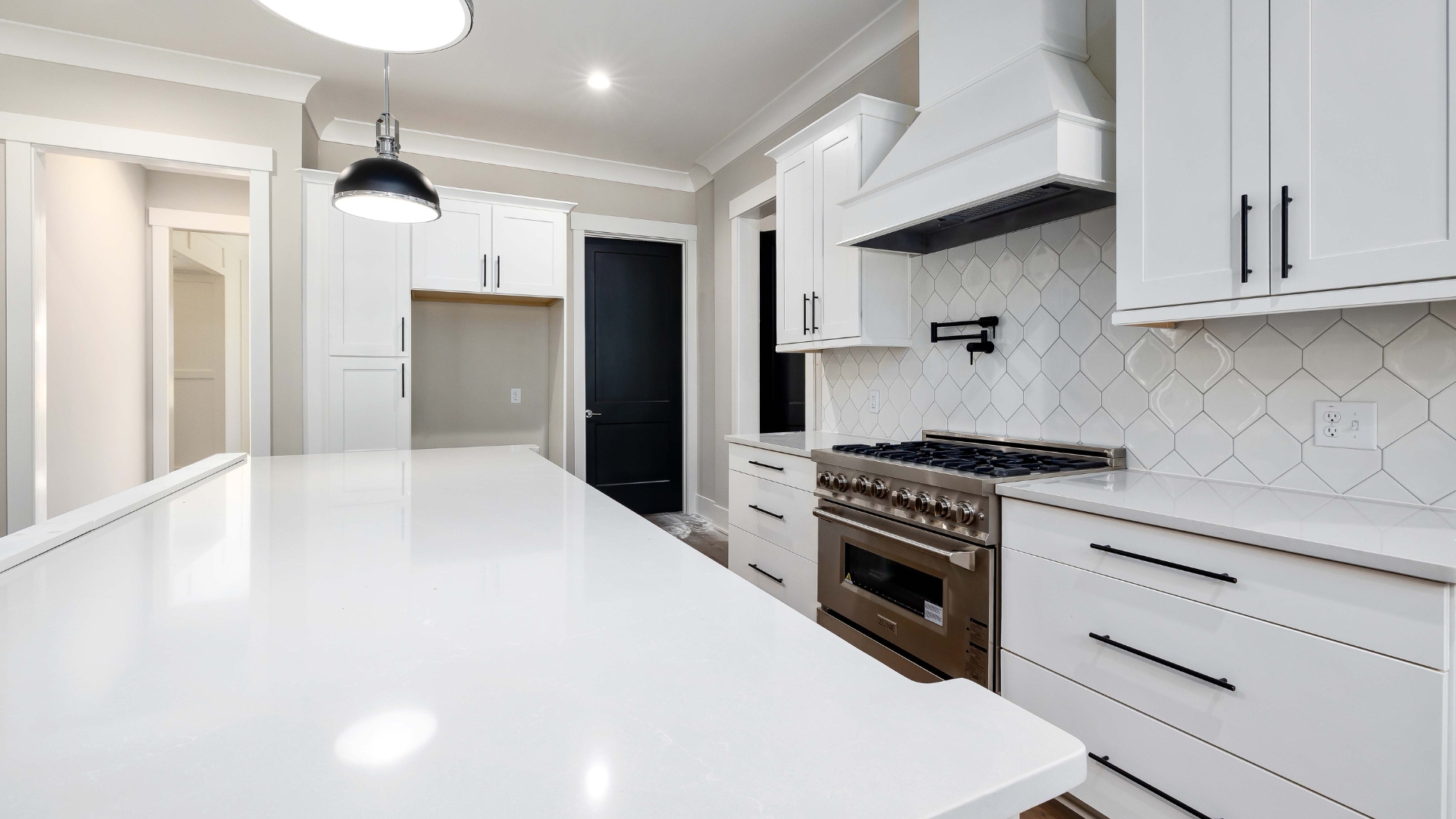
Ways to Save Money on a Kitchen Remodel
A kitchen remodel can quickly become expensive, but there are practical ways to reduce costs without sacrificing quality or functionality. The key is knowing where to invest and where to scale back. By making smart, value-focused decisions, you can achieve a well-designed kitchen that fits your budget while still improving your home’s overall appeal and usability.
Keep the Existing Layout
One of the most effective ways to control costs is to avoid changing your kitchen’s layout. Moving plumbing lines, gas connections, or electrical wiring can significantly increase both labor and material expenses.
- Plumbing preservation: Keeping the sink, dishwasher, and refrigerator in their current positions avoids costly pipe relocation
- Electrical stability: Maintaining outlet and lighting placements reduces the need for rewiring and panel upgrades
- Structural simplicity: Avoiding wall removal or layout expansion eliminates engineering, permits, and additional labor costs
A layout-preserving remodel allows you to focus your budget on visible upgrades like finishes and fixtures, which tend to deliver a stronger visual impact.
Reface Instead of Replace Cabinets
Cabinets are often the most expensive part of a kitchen remodel, so finding ways to update them without a full replacement can lead to substantial savings.
- Cabinet refacing: Replacing doors and drawer fronts while keeping the existing cabinet boxes intact gives a fresh, updated look
- Hardware upgrades: Swapping out handles, knobs, and hinges can modernize cabinets at a relatively low cost
- Surface refinishing: Painting or staining existing cabinets can dramatically improve appearance without the expense of new units
Refacing works best when the cabinet structure is still solid. It provides a cost-effective way to achieve a near-new look without the price of custom cabinetry.
Choose Cost-Effective Materials
Material choices can greatly influence your total remodel cost. Selecting durable yet budget-friendly options helps you stay within range while maintaining quality.
- Countertop alternatives: Laminate or butcher-block countertops can mimic the look of higher-end materials at a lower price
- Flooring options: Vinyl plank or ceramic tile offers durability and style without the cost of hardwood or natural stone
- Backsplash savings: Simple subway tile or peel-and-stick options can create a clean, modern aesthetic without high installation costs
The goal is to balance aesthetics and function. Many mid-range materials now offer strong durability and visual appeal, making them practical substitutes for premium finishes.
DIY Where It Makes Sense
Taking on certain tasks yourself can reduce labor costs, but it is important to be realistic about your skill level and the complexity of the work.
- Beginner-friendly tasks: Painting walls, installing hardware, or adding a backsplash are manageable for most homeowners
- Time investment: DIY projects often take longer, so factor in your schedule and potential delays
- Professional boundaries: Electrical, plumbing, and structural work should be handled by licensed professionals to avoid costly mistakes
A selective DIY approach allows you to save money while ensuring that critical components are done safely and correctly.
Shop Appliances Strategically
Appliances can take up a large portion of your budget, but smart shopping can help you secure quality products at better prices.
- Seasonal discounts: Major sales events often provide significant savings on appliances
- Bundle deals: Purchasing multiple appliances from the same brand can result in package discounts
- Energy-efficient choices: Energy-efficient models may cost more upfront but can reduce long-term utility expenses
It is also worth comparing features carefully. Paying for advanced technology you will not use can unnecessarily increase your total cost.
Making thoughtful decisions at each stage of your kitchen remodel can help you stay on budget without compromising the final result. By focusing on high-impact upgrades and avoiding unnecessary changes, you can create a functional, attractive kitchen that delivers long-term value.
Hidden Costs Most Homeowners Miss
Even well-planned kitchen remodels can go over budget when hidden costs are not accounted for early. These expenses are often overlooked during the initial planning stage but can significantly impact your total investment. Understanding where these costs come from helps you build a more realistic budget and avoid last-minute surprises that delay your project or force compromises.
Permit Fees and Inspections
Most kitchen remodels require permits, especially if you are making structural, electrical, or plumbing changes. These are not optional in many areas and skipping them can lead to fines or issues when selling your home.
- Permit requirements: Local building codes often require permits for electrical rewiring, plumbing updates, and structural modifications
- Inspection costs: Each phase of the remodel may require inspections to ensure compliance with safety standards
- Processing delays: Permits can take time to approve, which may extend your timeline and increase labor costs
Permit fees vary depending on your location and the scope of work, but they are a necessary part of a compliant and legally sound remodel.
Unexpected Repairs (Water, Wiring, Mold)
Once demolition begins, it is common to uncover issues hidden behind walls, under floors, or within cabinetry. These problems are rarely visible during the planning phase but can quickly increase costs.
- Water damage: Leaks from old pipes or appliances can lead to rotted wood or weakened structures
- Outdated wiring: Older homes may not meet modern electrical standards, requiring full or partial rewiring
- Mold remediation: Moisture buildup behind cabinets or walls can create mold that must be professionally removed
These repairs are not optional and must be addressed before continuing construction, which is why experienced contractors often recommend setting aside a contingency budget.
Temporary Living Costs
Depending on the scale of your remodel, your kitchen may be unusable for several weeks. This can lead to additional daily expenses that are easy to underestimate.
- Dining expenses: Frequent takeout or dining out can add up quickly over the course of the project
- Temporary kitchen setup: You may need to set up a small kitchen in another part of your home with added equipment
- Short-term relocation: In major remodels, some homeowners choose to stay elsewhere, adding lodging costs
These lifestyle adjustments may not seem significant at first, but over time they can noticeably affect your overall budget.
Design and Planning Fees
A well-designed kitchen improves both functionality and long-term value, but professional planning services come at a cost that is sometimes overlooked.
- Kitchen designer fees: Hiring a professional designer can help optimize layout, storage, and material selection
- Architectural plans: Structural changes may require detailed drawings and approvals
- Consultation costs: Initial consultations with specialists, contractors, or engineers may be billed separately
While these fees increase upfront costs, they often prevent costly mistakes and improve the overall outcome of your remodel.
Planning for these hidden expenses early allows you to approach your kitchen remodel with more confidence and fewer financial surprises, ultimately leading to a smoother and more successful project.
Is a Kitchen Remodel Worth The Cost?
Deciding whether a kitchen remodel is worth the investment depends on more than just the upfront price. It comes down to how the renovation improves your daily life, how much value it adds to your home, and whether the timing aligns with your financial situation. For some homeowners, a remodel is a smart long-term investment. For others, it may make more sense to take a lighter, budget-conscious approach.
ROI And Home Value Impact
A kitchen remodel is widely considered one of the most valuable home improvements, but the return on investment can vary based on the scope of the project and the quality of execution.
- Average ROI range: Most mid-range kitchen remodels typically recoup about 50 percent to 70 percent of their cost at resale, depending on the market and location. Upscale remodels often recover a lower percentage because of higher upfront costs.
- Buyer appeal: An updated, functional kitchen is one of the top features buyers look for. A modern kitchen can make your home easier to sell and potentially reduce time on the market.
- Neighborhood alignment: The value you gain depends on how your remodel compares to other homes nearby. Over-improving beyond your neighborhood standard may limit your return.
- Quality over luxury: Well-designed, practical upgrades tend to deliver better returns than overly customized or high-end features that may not appeal to the average buyer.
In real-world scenarios, homeowners who focus on usability, durability, and clean design often see stronger value retention than those who prioritize purely aesthetic upgrades.
When It Makes Financial Sense
A kitchen remodel makes the most sense when it solves real problems and aligns with your financial goals, rather than being driven by trends alone.
- Functionality issues: If your current kitchen has poor layout, limited storage, or outdated systems, a remodel can significantly improve daily efficiency and comfort.
- Long-term ownership plans: If you plan to stay in your home for several years, you are more likely to benefit from both the lifestyle improvements and potential resale value.
- Energy-efficiency upgrades: Replacing old appliances, lighting, and fixtures with energy-efficient options can reduce long-term utility costs.
- Market readiness: If you are preparing to sell, a well-planned mid-range remodel can increase buyer interest and justify a higher listing price.
From a practical standpoint, the best remodels are those that balance personal use with broad appeal, especially if resale is part of your long-term plan.
When To Wait Or Scale Down
In some situations, a full kitchen remodel may not be the best decision right now. Knowing when to pause or adjust your plans can help you avoid unnecessary financial strain.
- Budget limitations: If funding the remodel would require significant debt or financial risk, it may be better to delay or focus on smaller improvements.
- Short-term ownership: If you plan to sell within a year or two, you may not recover enough value to justify a full renovation.
- Minor cosmetic issues: If your kitchen is structurally sound, simple updates like painting cabinets, upgrading hardware, or improving lighting can deliver noticeable improvements at a lower cost.
- Uncertain market conditions: In fluctuating housing markets, it may be wise to avoid large investments until conditions stabilize.
Scaling down does not mean sacrificing quality. Targeted upgrades can still enhance the look and function of your kitchen without the commitment of a full remodel.
Ultimately, a kitchen remodel is worth the cost when it improves how you live in your home and aligns with your financial priorities, not just when it promises a return on paper.

Kitchen Remodel Timeline (What to Expect)
Understanding the timeline of a kitchen remodel helps set realistic expectations and reduces stress once the project begins. While every remodel is different, most follow a predictable sequence from planning to final walkthrough. Knowing how long each phase typically takes and where delays can happen allows you to prepare both financially and logistically.
Planning Phase (2–4 Weeks)
The planning phase is where the foundation of your remodel is built. Rushing this stage often leads to costly mistakes later, so it is worth taking the time to get the details right.
- Design decisions: This includes choosing your layout, cabinet style, countertop material, appliances, and finishes. If you are working with a designer, this is when concepts are finalized and translated into actionable plans.
- Budget alignment:
- Contractor selection: Hiring a licensed and experienced contractor is critical. During this stage, you will review bids, check references, and finalize agreements.
- Permits and approvals: Depending on the scope of your remodel, you may need permits for electrical, plumbing, or structural changes. Approval timelines can vary by location.
- Material ordering: Cabinets, appliances, and specialty materials often have lead times. Ordering early helps prevent delays during construction.
A well-organized planning phase can significantly shorten the overall project timeline and reduce unexpected issues once work begins.
Construction Phase (6–12 Weeks)
The construction phase is where your kitchen transformation becomes visible. The timeline can vary based on the complexity of the remodel, but most projects fall within this range.
- Demolition: Old cabinets, countertops, and flooring are removed. This step typically takes a few days but can uncover hidden issues like water damage.
- Rough-in work: Plumbing, electrical, and HVAC updates are completed behind the walls. This is essential if you are changing the layout or upgrading systems.
- Inspections: Local inspectors may need to approve certain stages before work can continue. Scheduling these inspections can impact timing.
- Installation of major elements: Cabinets, countertops, and flooring are installed. This is often the longest part of the construction phase.
- Finishing work: This includes painting, backsplash installation, lighting fixtures, and hardware. These details bring the space together.
- Final walkthrough: The contractor reviews the completed work with you and addresses any remaining adjustments.
Even in a smooth remodel, coordinating multiple trades and schedules requires flexibility, so timelines can shift slightly.
Delays and What Can Go Wrong
Even the most well-planned kitchen remodel can face delays. Being aware of common issues helps you prepare and avoid frustration.
- Material delays: Custom cabinets, appliances, or specialty finishes may arrive later than expected, especially if supply chains are disrupted.
- Hidden problems: Issues like outdated wiring, plumbing leaks, or structural damage are often discovered during demolition and require additional work.
- Permit and inspection delays: Approval timelines can vary depending on your local municipality, which may slow progress.
- Contractor scheduling conflicts: High-demand contractors may be juggling multiple projects, which can impact availability.
- Change orders: Mid-project changes to design or materials can extend the timeline and increase costs.
Building a realistic schedule that includes a buffer for these potential setbacks can make the entire remodeling process smoother and more manageable.
A kitchen remodel is a significant investment of time and money, but understanding the timeline helps you stay in control and make informed decisions throughout the process.
If you’re ready to turn your kitchen ideas into a clear, realistic plan, take the next step by comparing options, setting your budget, and exploring cost-saving strategies that fit your goals. With the right approach, you can avoid costly surprises and create a kitchen that adds both value and everyday functionality to your home.
FAQs: About How Much Is a Kitchen Remodel?
- How much is a kitchen remodel on average?
The average kitchen remodel typically costs between $10,000 and $60,000, depending on size, materials, and scope. Smaller updates cost less, while full renovations with custom features can exceed $75,000. Your final cost will depend heavily on labor and material choices. - What is a realistic budget for a kitchen remodel?
A realistic budget depends on your home value and goals, but many homeowners spend 5% to 15% of their home’s value on a kitchen remodel. For moderate upgrades, $25,000 to $50,000 is common. Setting priorities early helps you stay within budget. - Can you remodel a kitchen for $10,000?
Yes, but it will likely be a cosmetic remodel focusing on updates like paint, cabinet refinishing, new hardware, and possibly budget-friendly countertops. Major layout changes or high-end materials are usually not possible at this price point. - What is the most expensive part of a kitchen remodel?
Cabinets are typically the most expensive component, often accounting for 25% to 40% of the total cost. Custom cabinetry significantly increases expenses. Appliances and labor can also take up a large portion of the budget. - Does kitchen size affect remodeling cost?
Yes, larger kitchens generally cost more because they require more materials and labor. However, layout complexity and customization often have a bigger impact than size alone. A small kitchen with high-end finishes can cost more than a larger basic one. - How can I reduce the cost of a kitchen remodel?
You can save money by keeping the existing layout, choosing stock cabinets, mixing high and low-end materials, and handling small DIY tasks. Planning ahead and comparing contractor quotes also helps avoid unnecessary expenses. - How long does a kitchen remodel usually take?
A kitchen remodel can take anywhere from 4 to 12 weeks depending on the scope. Minor updates may take a few weeks, while full renovations with structural changes can take several months. Delays often come from permits or material availability. - Is a kitchen remodel worth the investment?
A kitchen remodel can increase both home value and daily functionality. While you may not recover 100% of the cost, updated kitchens are highly attractive to buyers. The real value often comes from improved usability and comfort. - Do I need permits for a kitchen remodel?
- Should I hire a contractor or do it myself?
Hiring a contractor is recommended for complex projects involving plumbing, electrical work, or structural changes. DIY can help reduce costs for simple tasks like painting or installing hardware. A hybrid approach is often the most practical balance.
Conclusion
Planning a kitchen remodel comes down to understanding your cost range, knowing what drives your budget, and making informed decisions early. Most projects fall somewhere between basic cosmetic upgrades and full-scale renovations, with cabinets, labor, and materials being the biggest cost drivers. The reality is that prices can vary widely depending on your kitchen size, design choices, and location, but careful planning helps you stay in control and avoid unnecessary expenses. Taking time to define your priorities, set a realistic budget, and include a contingency fund can make the entire process smoother and far less stressful. If you are serious about moving forward, the smartest next step is to map out your budget clearly and consult with a qualified contractor who can provide a detailed, experience-based estimate tailored to your space.