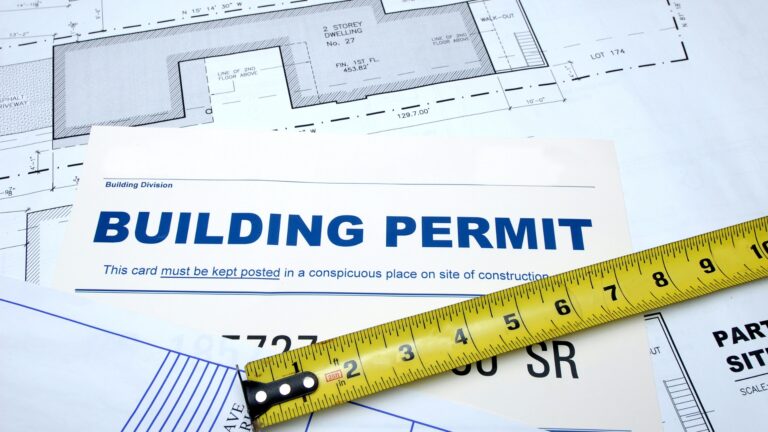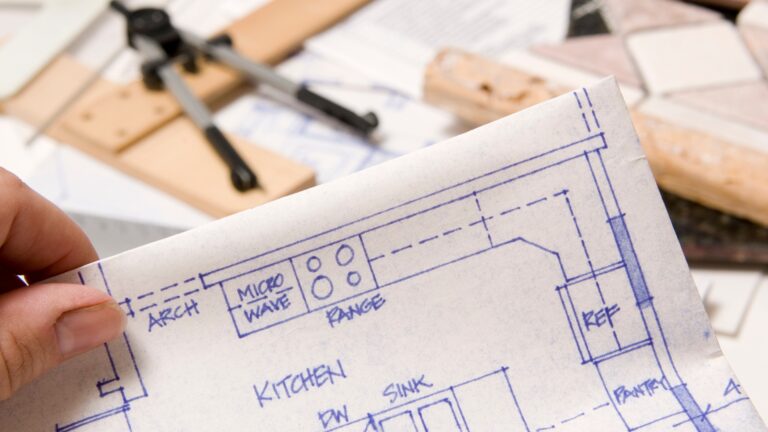

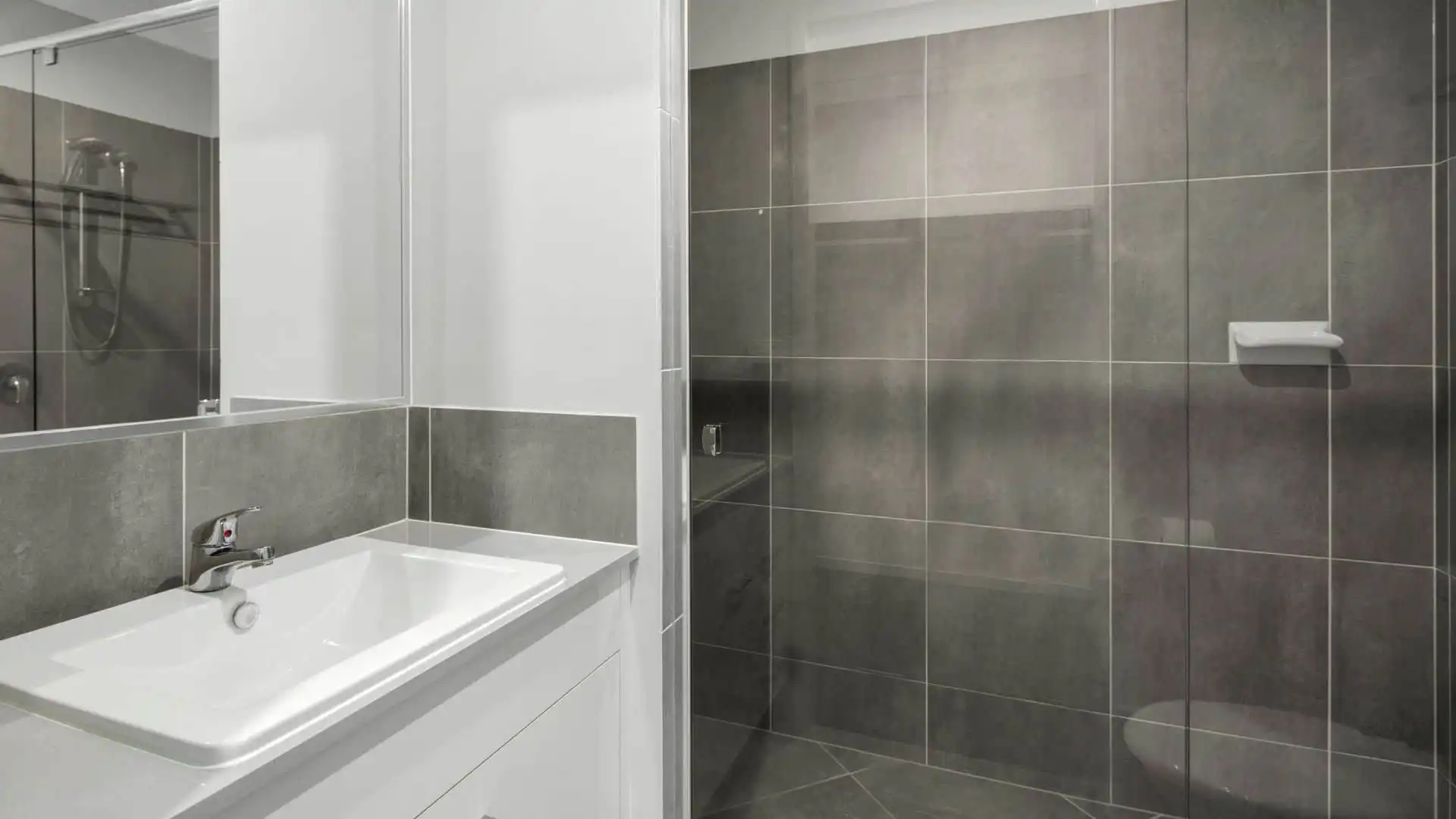
Welcome to the reality of bathroom remodeling—where small decisions can quietly turn into expensive regrets if you’re not careful. A bathroom may look simple on the surface, but behind the tiles and fixtures lies a complex system where planning mistakes, waterproofing errors, and tile issues can lead to long-term damage. From common renovation pitfalls like skipping proper preparation to costly bathroom renovation mistakes that only show up months later, homeowners often learn the hard way that bathrooms leave very little room for error. In this guide, we’ll walk through the most common bathroom remodel mistakes to avoid, so you can protect your investment, your home, and your peace of mind.
Bathroom remodel mistakes to avoid include poor planning, waterproofing errors, improper tile installation, and choosing inexperienced contractors. These common renovation pitfalls can lead to water damage, mold growth, cracked tiles, and costly repairs if not addressed during the remodeling process.
Common Renovation Pitfalls Homeowners Overlook
Many bathroom remodel mistakes begin long before a single tile is removed. This section focuses on common renovation pitfalls homeowners often overlook, not because of carelessness, but because of incorrect assumptions about how renovations actually work. Understanding these early missteps helps prevent many bathroom renovation mistakes later in the project.
Rushing Into Demolition Without A Plan
Starting demolition without a clearly defined plan is one of the most common renovation pitfalls. While tearing out an old bathroom can feel like progress, it often leads to layout changes, material delays, and costly rework when decisions have not been fully thought through.
- Undefined layout: Removing fixtures without confirming final placement can require additional plumbing and framing changes later
- Missing material selections: Beginning work before choosing tile, fixtures, and waterproofing systems causes project delays
- Unclear project scope: Lack of planning often leads to unexpected add-ons that increase cost and complexity
Underestimating Costs And Timelines
Many homeowners underestimate both the cost and duration of a bathroom remodel. Bathrooms involve multiple trades, inspections, and curing times that cannot be rushed without compromising quality. This common renovation pitfall often results in budget stress and timeline frustration.
- Insufficient budget buffer: Unexpected issues like water damage or outdated plumbing quickly increase expenses
- Overly optimistic schedules: Ignoring inspection delays and material lead times causes unrealistic timelines
- Hidden structural problems: Older bathrooms frequently reveal issues only after demolition begins
Poor Communication With Contractors
Clear communication is critical to avoiding bathroom renovation mistakes, yet it is often overlooked. Misunderstandings between homeowners and contractors can lead to incorrect installations, missed details, and dissatisfaction with the final result.
- Assumed expectations: Contractors cannot act on preferences that are not clearly communicated
- Lack of documentation: Verbal decisions without written confirmation increase the risk of errors
- Delayed decisions: Slow feedback can force rushed work or last-minute changes
Assuming All Renovations Follow The Same Rules
Bathrooms require a different approach than most other rooms in the home, yet many homeowners assume all renovations follow the same rules. This misconception is a major source of waterproofing errors and tile issues that appear after the remodel is complete.
- Wet-area requirements: Bathrooms need specialized waterproofing systems that go beyond standard construction practices
- Code differences: Plumbing and electrical codes are stricter due to moisture exposure
- Material limitations: Not all finishes or tiles perform well in high-humidity environments
Most common renovation pitfalls stem from assumptions rather than poor intentions. By recognizing these issues early, homeowners can approach their bathroom remodel with better preparation, clearer communication, and more realistic expectations. Addressing these foundational mistakes makes it easier to avoid the specific bathroom remodel mistakes discussed in the next section.
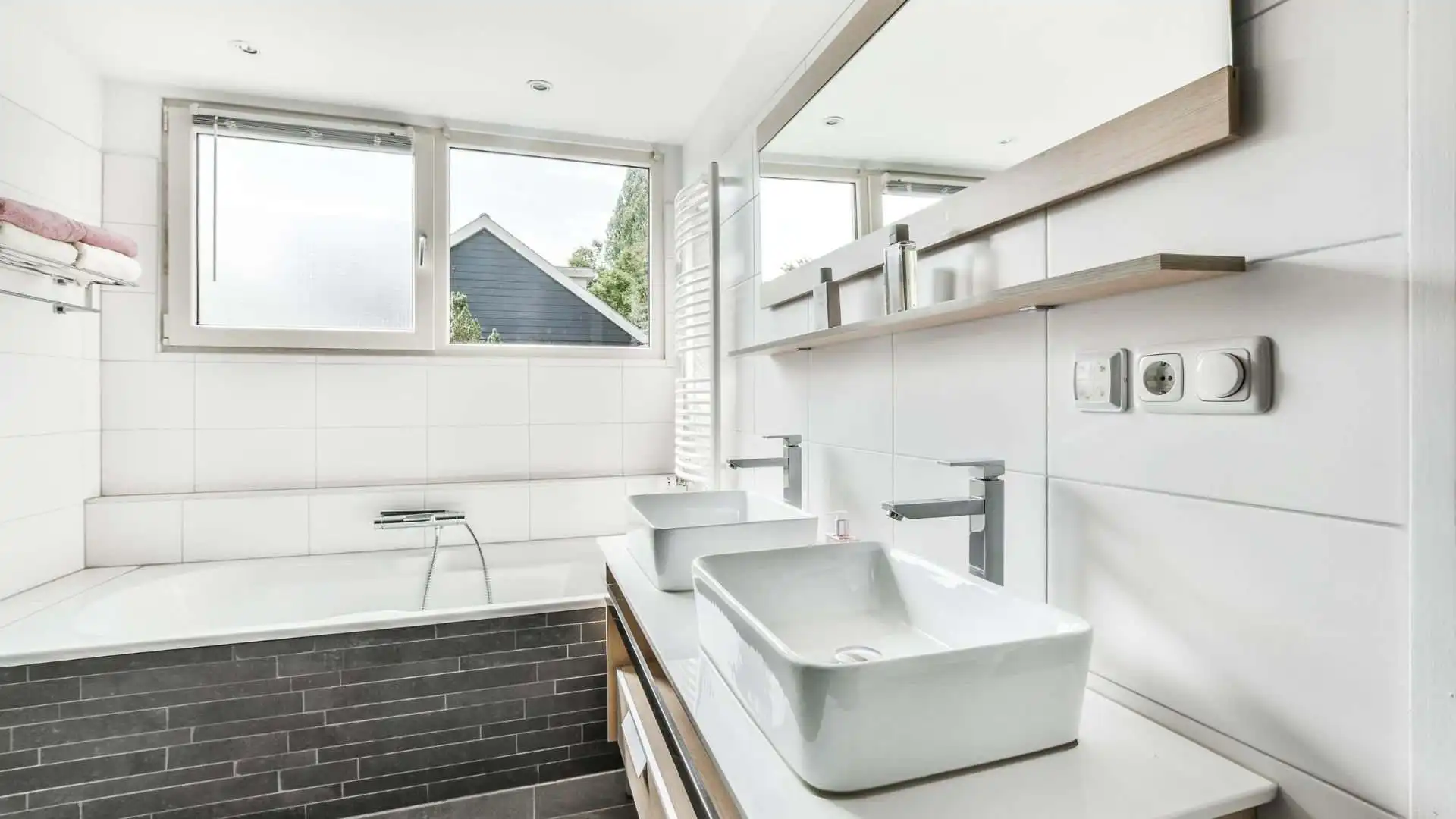
Skipping Proper Planning (A Core Bathroom Renovation Mistake)
One of the most common bathroom remodel mistakes to avoid is starting a renovation without a clear and detailed plan. Bathrooms may be compact spaces, but they require careful coordination between layout, plumbing, storage, and daily functionality. When planning is rushed or incomplete, small oversights quickly turn into major bathroom renovation mistakes that are costly and difficult to correct later.
Layout Mistakes
Layout errors often happen when visual appeal is prioritized over comfort and movement. Once fixtures are installed, even minor placement issues can affect how the bathroom feels and functions every day.
- Poor Fixture Placement: Toilets, sinks, or showers positioned too closely together can restrict movement and make the space feel cramped.
- Door Clearance Issues: Inadequate planning can result in doors that hit vanities, toilets, or towel bars when opened.
- Inefficient Use of Space: Oversized fixtures or unused corners reduce usable floor area and limit overall functionality.
A well-thought-out layout balances design with practicality and ensures the space feels comfortable rather than confined.
Storage Issues
Storage is one of the most frequently overlooked aspects of bathroom planning. Without adequate storage, even a newly remodeled bathroom can feel cluttered and disorganized.
- Lack of Closed Storage: Relying only on open shelving exposes everyday items to moisture and creates visual clutter.
- Insufficient Daily Storage: Failing to plan space for toiletries, towels, and cleaning supplies leads to overcrowded counters and cabinets.
- Missed Vertical Space: Ignoring wall space limits storage options and reduces overall efficiency in smaller bathrooms.
Proper storage planning supports a clean, organized space that remains functional long after the remodel is complete.
Ignoring Daily Habits
Designing a bathroom without considering how it will be used on a daily basis is a common renovation pitfall. A space that looks good but ignores routine behaviors often becomes inconvenient over time.
- Multiple Users: Bathrooms shared by families or couples require layouts that reduce congestion during busy times.
- Lighting Needs: Poor task lighting around mirrors makes grooming and personal care more difficult.
- Accessibility Concerns: Failing to plan for long-term mobility or aging needs can limit the bathroom’s usability in the future.
Effective planning starts with understanding how the bathroom will actually be used, not just how it should look.
No Contingency Budget
Financial planning is just as important as design planning. One of the most costly bathroom renovation mistakes is failing to set aside extra funds for unexpected issues.
- Unexpected Repairs: Hidden water damage, mold, or outdated plumbing often surface once demolition begins.
- Material Changes: Product availability or necessary upgrades can increase costs unexpectedly.
- Labor Adjustments: Delays or specialized work may add to labor expenses.
A contingency budget allows homeowners to handle surprises without sacrificing quality or rushing decisions.
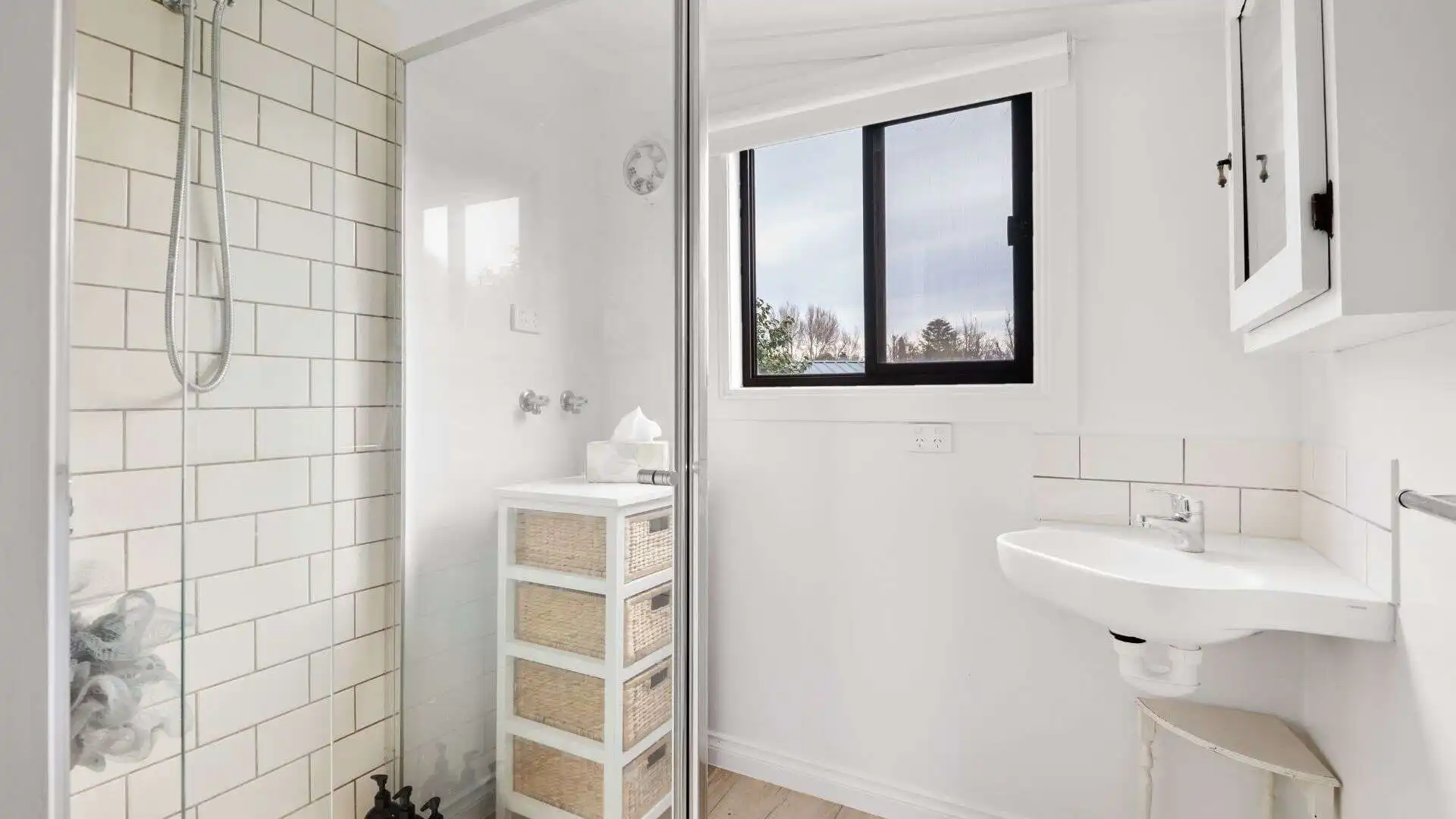
Waterproofing Errors That Cause Hidden Damage
Waterproofing is one of the most critical and most misunderstood parts of any bathroom remodel. While surface finishes may look flawless, serious damage often starts behind the walls or beneath the floor when moisture is allowed to escape its intended path. Many homeowners only discover waterproofing errors after mold appears, tiles loosen, or structural materials begin to deteriorate. Understanding how and why these failures occur is essential to preventing long-term damage that is expensive and disruptive to repair.
Thinking Tiles Are Waterproof
One of the most common and costly assumptions in bathroom remodeling is that tile alone provides waterproof protection. While tile creates a durable and attractive surface, it is not designed to stop water from penetrating the structure beneath it.
Water easily passes through grout lines, small cracks, and tile edges. Without a proper waterproofing layer behind the tile, moisture can seep into drywall, backer boards, and framing over time. This hidden exposure leads to mold growth, wood rot, and weakened structural integrity, often without visible warning signs in the early stages.
- Tile Reality: Tile and grout are water-resistant rather than waterproof, meaning they slow moisture down but do not fully stop water from passing through.
- Hidden Damage Risk: Moisture that reaches materials behind the tile can remain trapped, creating ideal conditions for mold and long-term deterioration.
- Long-Term Consequences: Continued exposure to moisture can cause loose tiles, cracking grout, soft walls, and costly structural repairs.
Proper waterproofing must exist behind the tile surface to act as a continuous barrier that directs water safely toward the drainage system.
Using Inadequate Waterproofing Systems
Another major source of waterproofing errors comes from relying on incomplete or outdated waterproofing methods. Not all systems provide the same level of protection, and shortcuts taken during installation often result in failure over time.
Some remodels depend on moisture-resistant drywall, minimal sealants, or partial membrane coverage instead of a fully integrated waterproofing solution. These approaches may appear sufficient at first, but they frequently allow water to bypass protective layers, especially in high-exposure areas like shower walls and corners.
- Incomplete Coverage: Gaps around corners, seams, niches, or plumbing penetrations allow moisture to slip past waterproofing layers.
- Improper Materials: Products not designed for constant water exposure can break down, peel, or crack under repeated moisture contact.
- Installation Errors: Even high-quality waterproofing systems can fail if they are not applied according to manufacturer’s specifications.
A proper waterproofing system should form a seamless, durable barrier that protects all vulnerable surfaces, not just select areas.
Poor Shower Pan And Drain Slope Design
Even when correct waterproofing materials are used, improper shower pan construction and poor drain slope design can still lead to moisture problems. Water that does not flow efficiently toward the drain places unnecessary stress on waterproofing layers and increases the risk of leaks.
Shower floors must be carefully sloped so water naturally moves toward the drain without pooling. When slopes are uneven or insufficient, water can collect beneath tile surfaces and slowly penetrate surrounding materials.
- Incorrect Slope: Insufficient pitch prevents proper drainage, allowing water to sit on or beneath the shower floor.
- Drain Placement Issues: Poorly positioned drains create low spots where water accumulates instead of flowing away.
- Subfloor Exposure: Persistent moisture beneath the shower pan can weaken subfloor materials and compromise structural stability.
Waterproofing errors rarely show immediate signs, but their effects build quietly behind finished surfaces. Addressing waterproofing correctly from the start protects the bathroom from hidden damage and helps ensure the remodel performs reliably over time. In the next section, we’ll explore how tile selection and installation mistakes can further impact the durability and appearance of a bathroom renovation.

Tile Issues That Undermine Bathroom Remodels
Tile issues are one of the most common reasons a bathroom remodel looks unfinished or begins to fail earlier than expected. Tile plays a critical role in protecting surfaces from moisture while also defining the overall look of the space. When tile selection or installation is rushed or poorly planned, problems such as uneven lines, cracking grout, and water damage become difficult to ignore. Once you notice crooked tile lines, you can’t unsee them, and these visual flaws often signal deeper functional issues beneath the surface.
Wrong Tile For Wet Areas
Using the wrong tile in wet areas is a frequent bathroom renovation mistake that leads to long-term damage. Not all tile is built to handle constant exposure to water, steam, and temperature changes.
- Water Absorption Rating: Tiles with higher absorption rates can soak up moisture, leading to staining, warping, and deterioration in showers and tub surrounds.
- Slip Resistance: Polished or glossy tiles may look appealing but can become hazardous when wet, especially on bathroom floors.
- Durability Needs: Wall tiles are often thinner and less impact-resistant, making them unsuitable for high-traffic or floor applications.
Choosing tile specifically designed for wet environments helps prevent safety hazards and extends the life of the remodel.
Poor Spacing And Layout
Tile layout and spacing affect how balanced and professional a bathroom looks. Even premium tile can appear poorly installed if spacing and alignment are inconsistent.
- Uneven Tile Lines: Inconsistent grout spacing draws attention to mistakes and disrupts the visual flow of the room.
- Awkward Tile Cuts: Poor planning often results in narrow tile slivers along walls or corners, making the layout feel rushed.
- Misaligned Focal Points: When tile patterns do not align with fixtures or features, the bathroom can feel visually off without an obvious reason.
Careful layout planning before installation creates clean lines and a more intentional, cohesive design.
Cracking Or Mold-Prone Grout
Grout problems are one of the most visible tile issues in bathroom remodels. While grout may seem secondary to tile, it is essential for both durability and hygiene.
- Incorrect Grout Selection: Using grout not suited for wet environments increases the risk of cracking and erosion over time.
- Inadequate Sealing: Unsealed grout absorbs moisture, creating conditions that encourage mold and mildew growth.
- Structural Movement: Bathrooms experience temperature shifts and minor structural movement, which can cause rigid grout to crack if flexibility is not considered.
Proper grout selection and sealing help maintain a clean appearance and protect the underlying structure.
Rushed Installation
Rushing tile installation is one of the fastest ways to undermine a bathroom remodel. Quality tile work requires patience, precision, and proper curing time.
- Uneven Tile Surfaces: Hastily installed tiles may not sit flush, resulting in lippage that is both visible and uncomfortable underfoot.
- Weak Adhesion: Skipping proper curing or using incorrect adhesives can cause tiles to loosen or lift over time.
- Missed Preparation Steps: Rushed installations often overlook critical waterproofing or surface preparation, increasing the risk of hidden water damage.
Taking the time to install tile correctly ensures long-term durability and reduces the likelihood of costly repairs.
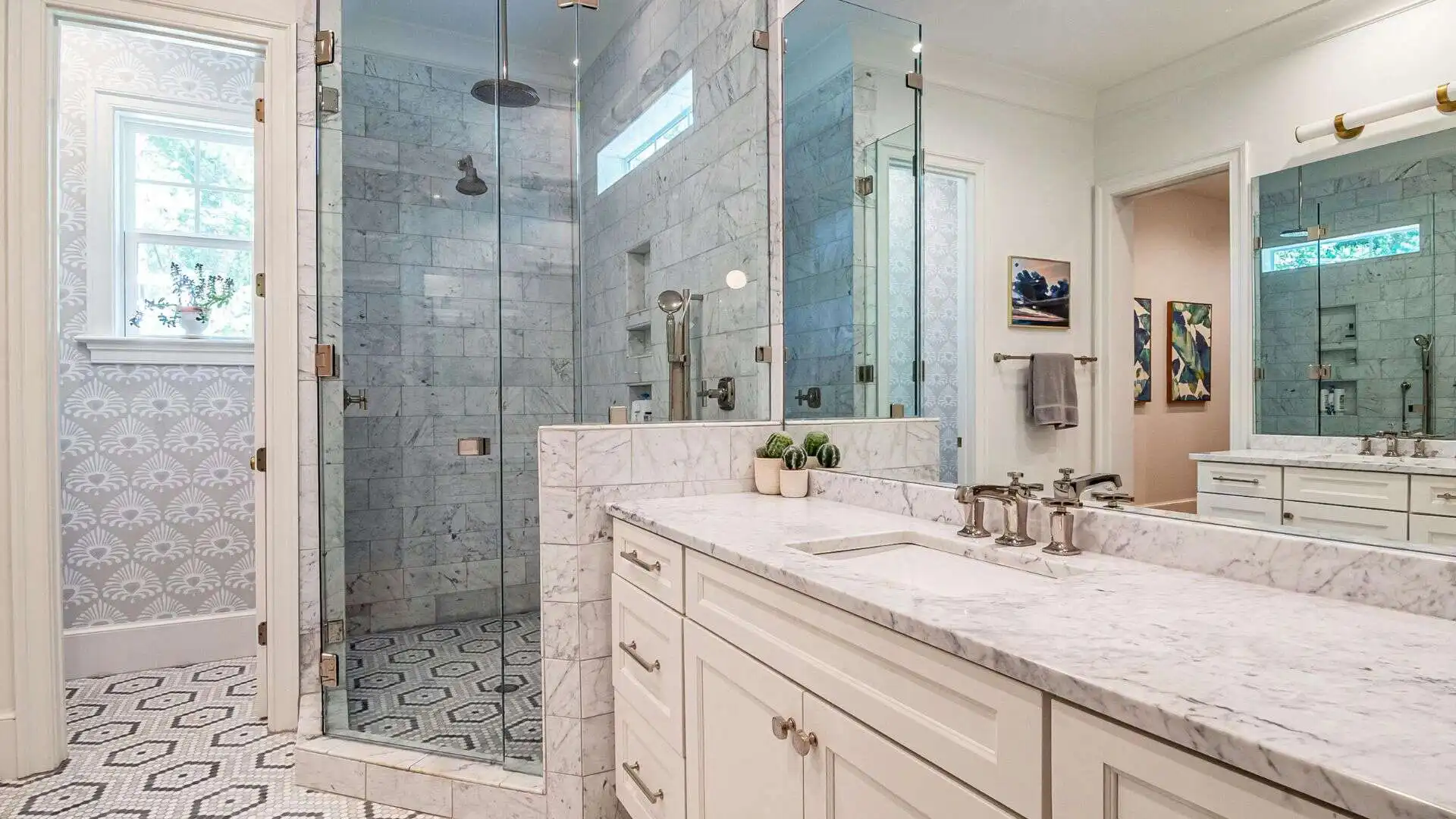
Hiring The Wrong Contractor Or Overestimating DIY Skills
Hiring the wrong contractor or assuming a bathroom remodel is an easy DIY project is one of the most common renovation pitfalls homeowners face. Bathrooms combine plumbing, waterproofing, tile installation, and ventilation in a tight space, leaving little room for error. When the person doing the work lacks the right experience, even small mistakes can turn into costly bathroom renovation mistakes that are difficult and expensive to fix later.
Hiring Based On Price Alone
Choosing a contractor based solely on the lowest price is a common bathroom remodel mistake to avoid. While it is natural to want to stay within budget, price alone rarely reflects the quality or scope of the work being offered.
- Shortcuts Taken: Low-cost bids often rely on skipping critical steps such as proper waterproofing, surface prep, or drying time, which increases the risk of leaks and premature failure.
- Lower-Quality Materials: Cheaper estimates may include inferior materials that cannot withstand constant moisture, leading to faster wear and tile issues.
- Hidden Costs Later: Repairs, water damage, and rework can quickly outweigh any upfront savings once problems begin to surface.
A fair price typically reflects the time, materials, and skill required to complete a bathroom remodel correctly the first time.
Lack Of Bathroom-Specific Experience
Not every contractor has experience working specifically in bathrooms, and that difference matters. Bathrooms require specialized knowledge that goes beyond general remodeling skills.
- Waterproofing Knowledge: Experienced bathroom professionals understand how to properly waterproof behind tile, around showers, and near plumbing fixtures to prevent hidden moisture damage.
- Tile Installation Expertise: Tile issues such as uneven spacing, poor alignment, and cracked grout often occur when installers lack experience working in wet environments.
- Code Compliance: Bathroom renovations must meet local plumbing, electrical, and building codes, and experienced contractors know how to apply these standards correctly.
Hiring someone with proven bathroom renovation experience significantly reduces the risk of long-term damage and compliance issues.
DIY Mistakes That Cost More Long Term
DIY bathroom projects can be tempting, but bathrooms are one of the least forgiving areas of a home to experiment with. Many homeowners underestimate the complexity involved and end up facing expensive corrections.
- Improper Waterproofing: Waterproofing errors made during DIY projects often remain hidden until water damage spreads behind walls or under floors.
- Incorrect Tile Installation: Poor adhesive coverage, uneven tile placement, and incorrect grout selection can lead to loose tiles and cracking over time.
- Plumbing Errors: Small plumbing mistakes can cause slow leaks, mold growth, and water damage that require professional repairs.
While cosmetic updates may be manageable for experienced DIYers, structural, waterproofing, and tile work are best handled by professionals.
Experience And Credentials Matter
When it comes to avoiding common renovation pitfalls, experience and credentials play a critical role in the success of a bathroom remodel.
- Proven Track Record: Contractors with a history of completed bathroom projects are better equipped to anticipate challenges and prevent mistakes.
- Proper Licensing And Insurance: Credentials provide accountability and protect homeowners if something goes wrong during the renovation process.
- Clear Communication: Experienced professionals explain timelines, processes, and potential risks clearly, helping homeowners make informed decisions.
Wrapping up, choosing the right contractor and knowing when to avoid DIY can make or break a bathroom remodel. Prioritizing experience, credentials, and bathroom-specific expertise helps prevent costly mistakes and sets the stage for a renovation that holds up well over time.
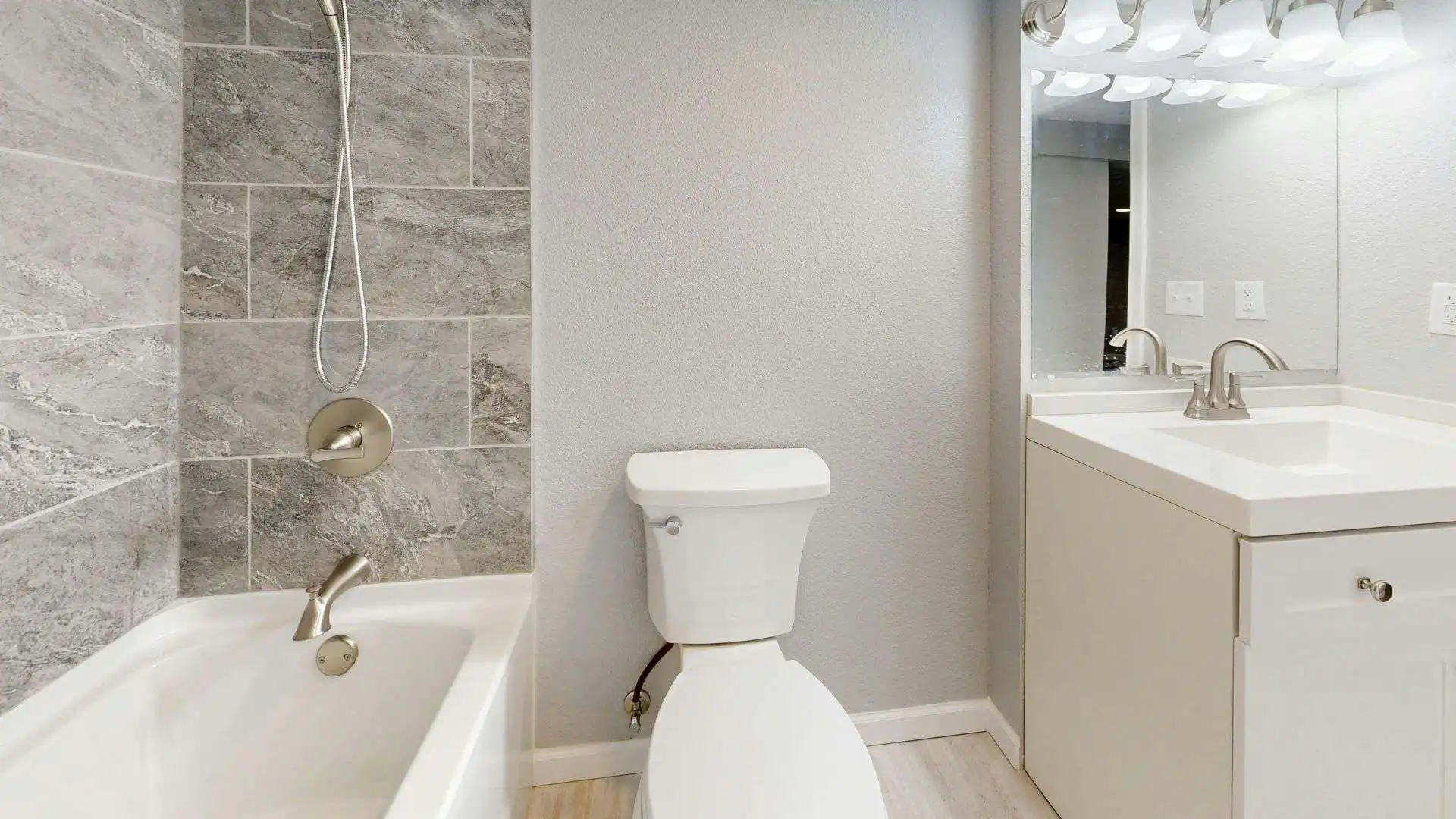
Ignoring Ventilation And Moisture Control
Ventilation and moisture control are often underestimated during a bathroom remodel, yet they directly affect how long the space lasts and how healthy it remains. Bathrooms generate constant humidity from showers, baths, and sinks, and without proper airflow, that moisture settles into surfaces and hidden cavities. Ignoring ventilation is a common renovation pitfall that can quietly undo even the most well-executed remodel.
Why Poor Airflow Is A Costly Bathroom Renovation Mistake
Bathrooms are exposed to moisture daily, and when that moisture is not removed efficiently, it begins to damage materials from the inside out. This is one of the bathroom renovation mistakes homeowners rarely notice until the damage becomes visible and expensive to fix.
- Hidden moisture buildup: Excess humidity seeps into drywall, insulation, and framing, weakening structural materials over time
- Reduced material lifespan: Paint, grout, sealants, and cabinetry break down faster when repeatedly exposed to trapped moisture
- Health concerns: Poor airflow creates ideal conditions for mold and mildew, which can affect indoor air quality and respiratory health
Poor ventilation impacts more than comfort. It shortens the lifespan of the entire bathroom remodel.
Inadequate Exhaust Fans And Improper Placement
Simply installing an exhaust fan does not guarantee proper moisture control. Many bathroom remodel mistakes to avoid stem from incorrect fan selection or installation.
- Incorrect fan size: Fans that are too weak for the room’s size cannot remove moisture fast enough
- Poor placement: Fans installed far from showers or tubs fail to capture steam where it is most concentrated
- Improper venting: Fans that exhaust into attics or wall cavities trap moisture instead of removing it from the home
A properly sized and correctly vented exhaust fan is one of the most effective defenses against long-term moisture damage.
Moisture Damage That Appears After The Remodel Is Complete
Ventilation problems are often overlooked because they do not cause immediate failure. Instead, damage develops gradually, making it easy to misdiagnose the source.
- Mold and mildew: Discoloration on ceilings, grout lines, or corners is often the first visible warning sign
- Peeling finishes: Bubbling or peeling paint indicates moisture trapped behind surfaces
- Warped materials: Cabinets, trim, and doors can swell or distort due to prolonged humidity exposure
By the time these signs appear, repairs are usually more invasive and expensive.
How Ventilation Relates To Waterproofing Errors
Ventilation and waterproofing are closely connected. Even high-quality waterproofing systems can fail prematurely when excess moisture remains in the bathroom. Persistent humidity places added stress on membranes, sealants, and grout, increasing the likelihood of breakdowns.
- Increased strain on waterproofing systems: Constant moisture accelerates wear on protective barriers
- Higher risk of tile issues: Damp environments encourage grout cracking, mold growth, and tile loosening
- Compounded renovation mistakes: Poor ventilation magnifies the impact of other bathroom remodel mistakes to avoid
Proper airflow supports waterproofing efforts and helps preserve the integrity of the remodel.
Planning Ventilation As Part Of A Smart Bathroom Remodel
Ventilation should be addressed early in the planning phase, not treated as an afterthought. This includes selecting the correct fan capacity, ensuring proper placement, and making the system easy to use consistently. In some cases, humidity-sensing fans or additional airflow solutions may be necessary for heavily used bathrooms.
By prioritizing ventilation and moisture control, homeowners can avoid one of the most damaging and common renovation pitfalls. A well-ventilated bathroom stays cleaner, resists long-term damage, and protects the investment made during the remodel, creating a strong foundation for the next phase of the renovation.
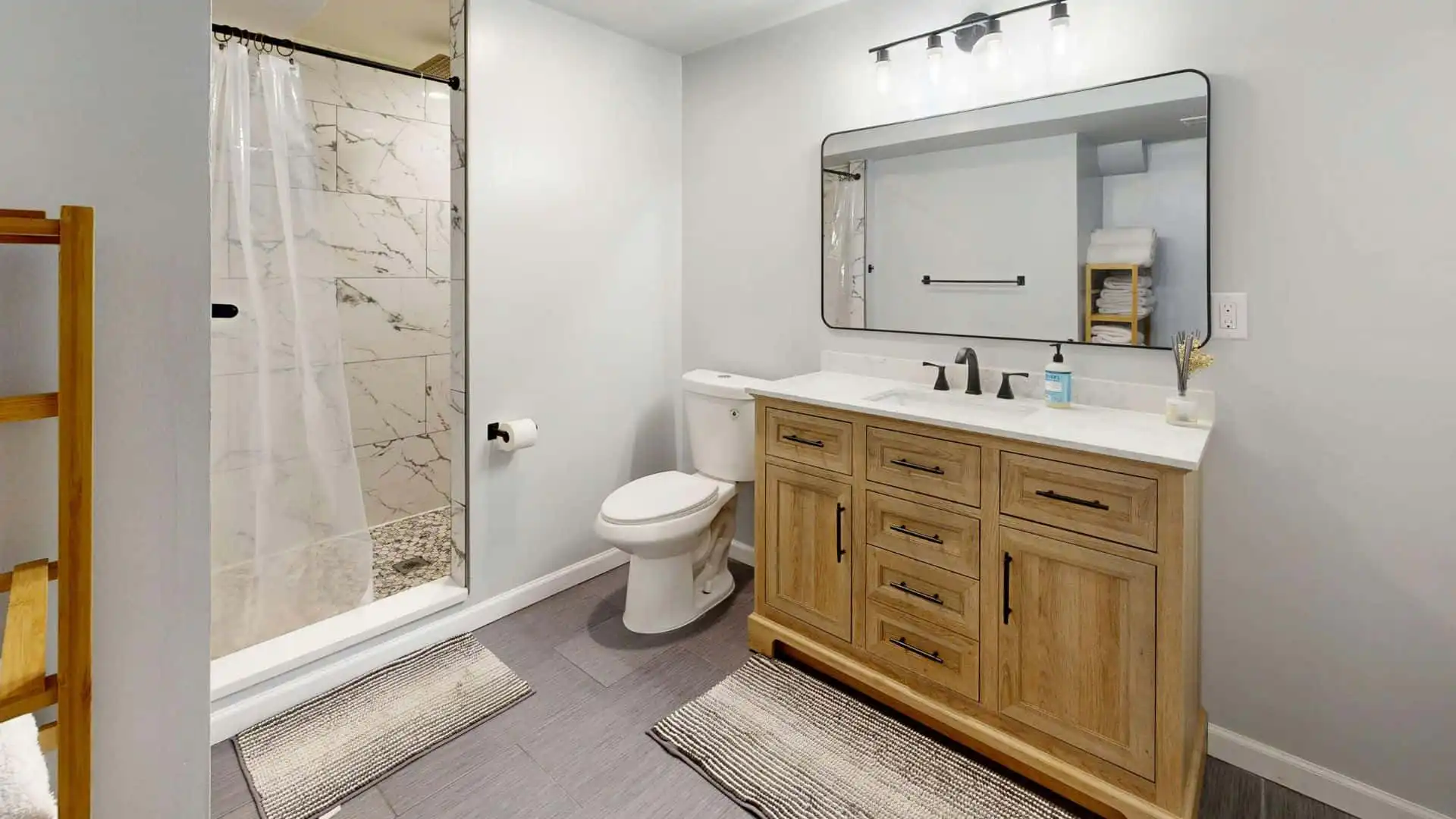
Falling For Trends Instead Of Long-Term Function
It is easy to get caught up in what looks stylish during a bathroom remodel, especially when design trends dominate social media and showrooms. While trendy features can feel exciting, they often become one of the most overlooked renovation pitfalls when they fail to support long-term usability, maintenance, and durability. In a space that is used every day, function should always guide design decisions.
Why Following Trends Can Backfire
Design trends are meant to create visual impact, not longevity. Many bathroom renovation mistakes stem from choosing finishes that look great now but age poorly or create complications later.
- Short design lifespan: Trend-driven bathrooms can feel outdated within a few years, even if the materials are still in good condition.
- Higher replacement costs: Trendy materials often require full replacement rather than simple updates when styles change.
- Limited repair options: Once a trendy product is discontinued, finding matching replacements becomes difficult and expensive.
From an experienced remodeling perspective, timeless choices consistently outperform trend-based designs over the long term.
Overly Bold Tile Patterns
Bold tile patterns are one of the most common examples of style overpowering function. While they photograph well, they can overwhelm a bathroom and limit future flexibility.
- Visual fatigue: Busy or high-contrast tile patterns can become distracting in a space meant for daily use.
- Resale challenges: Many buyers see bold tile as a project rather than a feature, which can reduce overall appeal.
- Repair complications: Replacing a single damaged tile often requires redoing an entire section to maintain visual consistency.
Choosing simpler tile designs allows homeowners to update the look later without major demolition.
Ultra-Dark Grout Choices
Ultra-dark grout is often chosen for contrast and modern appeal, but it introduces maintenance challenges that are frequently underestimated.
- Uneven fading: Dark grout can fade inconsistently over time, making wear more noticeable.
- Visible residue: Soap scum, minerals, and cleaning products tend to show more clearly on dark grout.
- Difficult touch-ups: Repairs rarely blend seamlessly, leaving patched areas that stand out.
Neutral grout tones tend to age better and are easier to maintain in high-moisture bathroom environments.
Hard-To-Match Custom Finishes
Highly customized finishes may feel unique, but they often become problematic when repairs or updates are needed. This is a common bathroom renovation mistake that impacts long-term value.
- Discontinued products: Custom colors or finishes are frequently phased out, making replacements impossible to match.
- Higher repair costs: Small damage can lead to large expenses when materials cannot be sourced.
- Limited design flexibility: Future updates become harder when new materials clash with existing custom finishes.
Professionals often recommend finishes that balance personality with availability to avoid unnecessary complications.
Why Function Should Lead Design Decisions
Bathrooms must perform reliably every day, which is why function should always come before trends during a remodel.
- Daily comfort: Practical layouts, proper lighting, and durable surfaces improve everyday usability.
- Long-term value: Functional bathrooms maintain appeal and adaptability over time.
- Reduced maintenance: Smart material choices minimize cleaning effort and future repair needs.
Trendy does not always mean livable, especially in a room where comfort and performance matter most.
In the long run, the most successful bathroom remodels treat trends as accents rather than foundations. By focusing on function first and style second, homeowners can create a bathroom that remains comfortable, practical, and visually appealing well into the future.

Skipping Final Checks And Post-Renovation Inspections
Once the bathroom remodel appears complete, many homeowners assume the work is finished. In reality, skipping final checks and post-renovation inspections is one of the most common bathroom remodel mistakes to avoid. This final stage is critical for catching small problems before they develop into costly repairs, especially in a space where water, moisture, and daily use can quickly expose weak points.
Not Checking For Leaks
Leaks are one of the easiest issues to miss and one of the most expensive to fix if left unaddressed. Even minor leaks can cause long-term damage behind walls or beneath flooring.
- Hidden plumbing leaks: Small drips under sinks, behind toilets, or inside shower walls may not be visible right away but can lead to mold growth and structural damage.
- Shower and tub water escape: Poorly sealed joints, drains, or fixtures allow water to seep out during use, often going unnoticed until damage spreads.
- Supply line connections: Loose or improperly tightened supply lines can leak slowly, causing damage before homeowners realize there is an issue.
Running all water fixtures and checking surrounding areas after use helps reveal these problems early.
Ignoring Uneven Tile And Finish Issues
Tile issues are often dismissed as cosmetic, but they frequently point to installation problems that can worsen over time. A thorough inspection helps ensure the work was done correctly.
- Uneven tile surfaces: Raised edges or lippage may indicate poor leveling and can lead to cracking or water penetration.
- Inconsistent grout lines: Uneven or thin grout weakens tile stability and creates spaces where moisture and dirt can collect.
- Loose or hollow tiles: Tiles that sound hollow when tapped may not be properly bonded and are more likely to shift or break.
Carefully inspecting tile alignment and finishes helps prevent future repairs and maintains the bathroom’s appearance.
Missing Early Warning Signs Of Bigger Problems
Some bathroom renovation mistakes reveal themselves through subtle warning signs that are easy to overlook without a final walkthrough.
- Slow or poor drainage: Standing water or slow drains can signal incorrect slope or leftover debris in plumbing lines.
- Persistent moisture: Damp odors, condensation buildup, or surfaces that stay wet may point to ventilation or waterproofing issues.
- Minor cracks or gaps: Small cracks in grout, caulk, or finishes often indicate movement or improper sealing that will worsen with use.
Addressing these issues early reduces the risk of larger and more expensive repairs later.
Why Early Fixes Save Money
Problems caught during final inspections are typically easier and cheaper to fix than those discovered months later. Post-renovation checks allow homeowners to resolve concerns while contractors are still accountable and before damage spreads to surrounding areas. Taking the time to complete this step ensures your bathroom remodel holds up to daily use and provides peace of mind as you move on to enjoying the finished space.
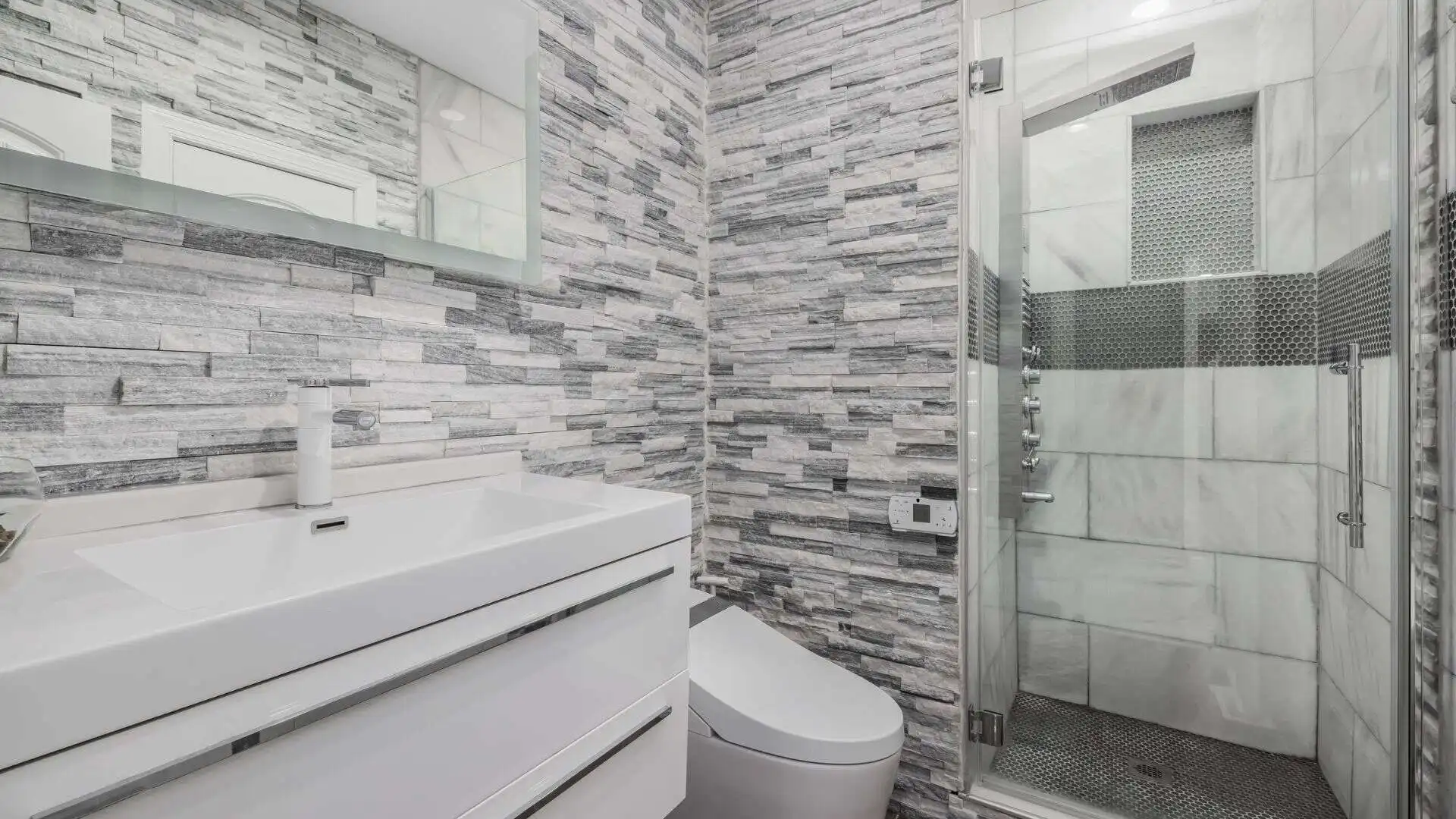
Quick Checklist: Bathroom Remodel Mistakes To Avoid
This quick checklist highlights the most common bathroom remodel mistakes that homeowners make and explains why each one can create long-term problems. Bathrooms are high-moisture spaces, and even small oversights can lead to expensive repairs. Reviewing these points before and during your renovation can help you avoid preventable issues and protect the quality of your finished bathroom.
Key Mistakes To Double-Check Before Remodeling
- Skipping waterproofing steps: Waterproofing errors are among the most damaging bathroom renovation mistakes because moisture can seep behind walls and under flooring without being visible. Since tile and grout are not waterproof, proper membranes, sealants, and correctly installed shower pans are essential for preventing hidden water damage.
- Choosing the wrong tile materials: Tile issues often arise when homeowners select tiles based only on appearance. Porous tiles or slick surfaces in wet areas can absorb moisture, crack over time, or create safety hazards, especially on shower floors and high-traffic bathroom areas.
- Hiring inexperienced contractors: One of the most common renovation pitfalls is hiring a contractor without bathroom-specific experience. Bathrooms require specialized knowledge of waterproofing systems, drainage, and tile installation, and mistakes in these areas can be costly to fix later.
- Ignoring ventilation needs: Poor ventilation allows excess moisture to build up, which can lead to mold growth, peeling paint, and warped cabinetry. Installing the right exhaust fan in the correct location is a critical step that is often overlooked during bathroom remodels.
Using this checklist as a final review can help you catch bathroom remodel mistakes before they turn into long-term problems. In the next section, we will explore how thoughtful planning and informed decisions can set the foundation for a smooth, successful bathroom renovation.
Planning a bathroom remodel doesn’t have to feel overwhelming—or risky. If you want to avoid costly mistakes, get expert guidance, and make confident renovation decisions from day one, explore our in-depth resources and proven remodeling insights. Click through our website today to plan smarter, avoid common renovation pitfalls, and create a bathroom that’s built to last.

FAQs: Bathroom Remodel Mistakes To Avoid
- What are the most common bathroom remodel mistakes to avoid?
The most common bathroom remodel mistakes include poor planning, skipping proper waterproofing, choosing the wrong tile materials, inadequate ventilation, and hiring inexperienced contractors. These issues often lead to water damage, mold, and costly repairs. - Why is waterproofing one of the biggest bathroom renovation mistakes?
Waterproofing errors are costly because water can seep behind tiles and walls, causing hidden structural damage. Since tile and grout are not waterproof on their own, proper waterproofing systems are essential to protect the bathroom long term. - Are tile issues really that common in bathroom remodels?
Yes, tile issues are very common and often result from rushed installation, improper spacing, uneven surfaces, or using the wrong type of tile for wet areas. These mistakes can cause cracking, lifting, or mold growth over time. - How can I avoid common renovation pitfalls during a bathroom remodel?
You can avoid common renovation pitfalls by planning thoroughly, setting a realistic budget, hiring experienced professionals, using quality materials, and understanding how the bathroom will be used daily before starting the remodel. - Is DIY bathroom remodeling a bad idea?
DIY bathroom remodeling isn’t always bad, but tasks involving plumbing, waterproofing, and tile installation are risky without experience. Mistakes in these areas are expensive to fix and often outweigh any initial cost savings. - Why is ventilation important in a bathroom remodel?
Proper ventilation prevents excess moisture buildup, which can lead to mold, peeling paint, warped cabinets, and lingering odors. Ignoring ventilation is a common bathroom renovation mistake that affects both comfort and durability. - How do I know if my contractor is qualified for bathroom remodeling?
A qualified contractor should have bathroom-specific experience, proper licensing and insurance, positive reviews, and a clear understanding of waterproofing systems, tile installation, and building codes. - Can bathroom remodel mistakes show up after the project is finished?
Yes, many bathroom remodel mistakes don’t become visible until weeks or months later. Leaks, mold, loose tiles, and drainage issues often appear after regular use begins. - Are trendy bathroom designs a renovation pitfall?
Trends can become renovation pitfalls if they prioritize appearance over function or longevity. Extremely bold tiles, hard-to-match finishes, and trendy materials can be difficult and costly to repair or replace later. - How can I make sure my bathroom remodel lasts long-term?
To ensure longevity, focus on proper planning, professional installation, high-quality materials, effective waterproofing, and thorough final inspections before considering the project complete.
Conclusion
Avoiding common renovation pitfalls in a bathroom remodel comes down to thoughtful planning, informed decisions, and relying on the right expertise from the start. Many bathroom remodel mistakes to avoid are not dramatic errors but small oversights that compound over time, such as underestimating waterproofing needs, overlooking tile installation details, or rushing choices without considering long-term use. By understanding where bathroom renovation mistakes typically occur and taking the time to plan layouts, materials, ventilation, and professional support carefully, homeowners can protect both their investment and their peace of mind. A well-executed bathroom remodel is not about perfection but about making smart, deliberate choices that reduce risk and increase durability, setting the stage for a space that performs just as well years from now as it does on day one.
Additional Home Renovation Services That Complement Your Bathroom Remodel And Improve Overall Comfort
- Full Home Remodeling in Tampa Bay
This service helps align your bathroom remodel with the overall layout, finishes, and functionality of your home. Coordinating updates across multiple spaces ensures consistent quality and avoids design or structural conflicts later on. - Tampa Bay’s Leading Kitchen Remodel Experts
Renovating the kitchen alongside a bathroom remodel can improve workflow, scheduling efficiency, and design cohesion. It also helps homeowners plan upgrades strategically rather than tackling major projects separately. - Water Damage Restoration
This service is especially valuable when a bathroom remodel reveals hidden leaks or moisture damage. Addressing these issues first helps protect new materials and ensures the remodeled space remains safe and durable. - Drywall Repair and Installation
Proper drywall work is essential after demolition or plumbing updates during a bathroom remodel. Smooth, well-installed surfaces provide a clean foundation for tile, paint, and fixtures. - Interior & Exterior House Painters
Professional painting completes a bathroom remodel by tying together walls, trim, and adjacent spaces. It helps ensure a polished finish that blends seamlessly with the rest of the home.