

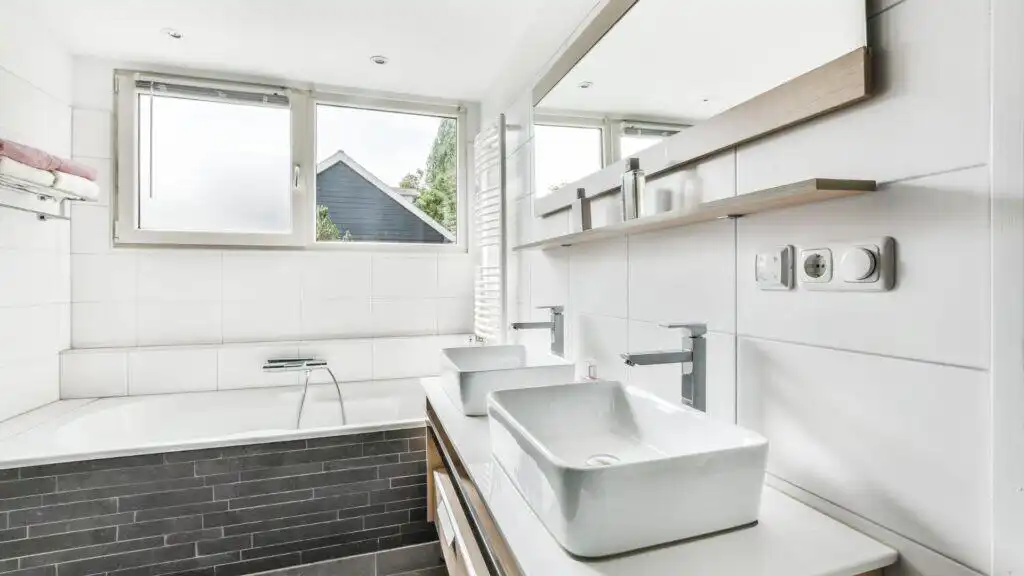
Welcome to your quick guide on how much a bathroom renovation costs in Florida, where you’ll see clear price ranges, real factors that change your budget, and simple examples that help you understand what you might spend depending on your bathroom size, your materials, and the changes you want to make so you can plan with confidence and avoid surprises.
Bathroom renovation costs in Florida usually range from $6,000 to $30,000, depending on the size of the bathroom, the materials you choose, and whether plumbing or layout changes are needed. Small updates land on the lower end, while full remodels with custom features fall near the top.
Average Bathroom Renovation Cost In Florida
Understanding the cost of a bathroom renovation in Florida helps you set a realistic budget before you start choosing tiles or fixtures. Prices vary by size, layout, materials, and the condition of your current space. Below is a clear look at what Florida homeowners usually spend, along with examples to guide you.
Small Bathroom Cost
A small bathroom in Florida often costs between $6,000 and $12,000. This space usually covers a compact layout with a toilet, a sink, and a small shower or tub.
Typical upgrades in this range include new flooring, fresh paint, updated lighting, a modern vanity, and basic plumbing adjustments. You can often keep costs lean by sticking with standard tiles and avoiding changes to the layout.
Think about your current space. Is your bathroom used mostly by guests or for quick daily routines? Do you have limited square footage and a simple layout? If yes, your project likely fits into the small bathroom category.
Mid Size Bathroom Cost
A mid size bathroom in Florida often ranges from $12,000 to $20,000. These bathrooms offer more room, which gives you space for design upgrades and improved function.
Projects in this range often include larger tile areas, updated vanities with more storage, improved lighting, a new shower system, and modest plumbing updates. Some homeowners also choose to replace an outdated tub or expand a shower.
Take a moment to picture your space. Do you have enough room to add storage or adjust the layout slightly? Do you want materials that go beyond the basic options? If your answers lean toward yes, you may be planning a mid size renovation.
Primary Bathroom Cost
A primary bathroom in Florida often costs between $20,000 and $35,000, sometimes more if custom features are involved. These rooms tend to be the most used and the most personalized.
Renovations at this level often include large walk in showers, premium tiles, dual vanities, custom storage, upgraded plumbing lines, frameless glass, and high quality fixtures. Many homeowners also choose improvements that increase comfort, such as better lighting, smart mirrors, or improved ventilation.
Ask yourself a few questions. Does your bathroom serve as your main space for daily routines? Do you want premium finishes or a stronger design impact? If so, you may be planning a primary bathroom renovation.
With a clear idea of where your bathroom fits, you can plan smarter and make choices that match your goals and budget. If you want help shaping your project, just let me know.
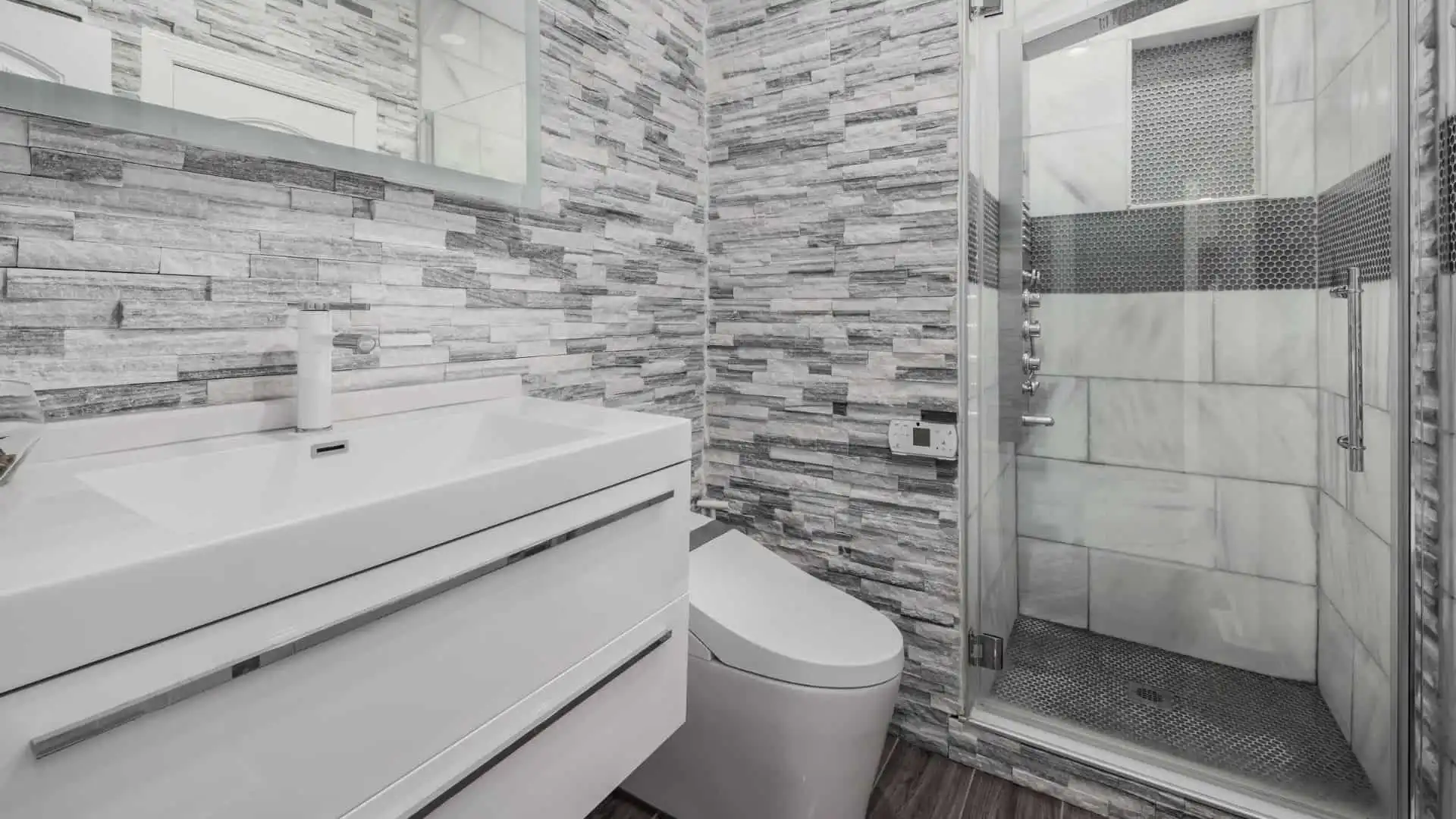
Cost Breakdown By Bathroom Type
Before you compare specific bathroom types, it helps to understand how each space shapes the final price. Every bathroom has its own needs, materials, and labor demands, and these differences play a big part in what you end up spending in Florida. Below is a simple breakdown that shows how costs shift from small rooms to full primary suites.
Half Bathroom / Powder Room
A half bathroom costs less than other spaces because the area is small and the upgrades are limited. Most Florida homeowners spend between $2,000 and $6,000 for basic improvements. This usually covers a new toilet, a fresh vanity, updated lighting, and minor flooring work. If you keep the plumbing where it is, the cost stays on the lower end. The space also needs fewer tiles and fixtures, which cuts material expenses. Many people update a powder room to freshen their home before guests arrive, so the work often focuses on quick improvements instead of full reconstruction.
Guest Bathroom
A guest bathroom sits in the middle of most renovation budgets. The range often runs from $6,000 to $15,000 depending on finishes and labor. Homeowners tend to replace fixtures that get regular use, such as the toilet, vanity, shower fittings, and lighting. Tile updates are also common since many guest bathrooms still have older floors or dated wall designs. Layout changes make a noticeable difference here. Moving a toilet line or adjusting the shower footprint raises both labor and material costs because the crew must open walls or floors. Keeping the layout makes the project smoother and keeps spending lower.
Primary Bathroom
A primary bathroom usually carries the highest cost because it is larger and includes more features. Most Florida remodels land between $15,000 and $30,000, but the number rises when you add premium materials. Custom upgrades such as walk in showers, freestanding tubs, double vanities, and upgraded storage push the price higher. Many homeowners also pick higher tier tile, stone, or glass for a more polished finish. Plumbing layout plays a major role in labor time. If the shower, tub, or sinks move to new spots, the crew must reroute water lines and drains. This adds hours of work and increases the overall budget. When the layout stays the same, the project moves faster and costs stay predictable.
A clear understanding of the bathroom type you are updating helps you plan your budget with confidence and choose the improvements that matter most.

Price Breakdown By Renovation Components
A bathroom remodel in Florida includes several moving parts that influence the total cost. Each component adds its own share to the budget, and the choices you make will shape how much you spend. The sections below walk you through the most common elements so you can plan with clarity and make decisions that fit your goals.
Labor
Labor takes a large portion of the total budget because skilled work drives most of the renovation. In many Florida regions, labor accounts for forty to sixty percent of the full cost. Cities with high demand like Miami and Tampa show higher contractor prices, while smaller markets fall slightly lower. Labor charges rise when the room needs structural changes, repairs, or specialty tile work.
Plumbing
Plumbing becomes a major cost factor when you change the layout or update older lines. Moving toilet drains, shifting shower locations, or upgrading outdated pipes can raise the price fast. Florida plumbers often charge more for any task tied to relocation because it requires permits and inspections. Homes built decades ago may need extra repairs, which also affects the final cost.
Flooring
Flooring options vary in price depending on the material. Tile remains popular in Florida because it handles moisture well. Ceramic tile fits smaller budgets, while porcelain and natural stone cost more per square foot. Vinyl plank gives a modern look for less. Patterns, angled layouts, and decorative borders add time to the job and increase installation costs.
Shower And Tub
Shower and tub updates shape much of the bathroom’s total cost. Walk-in showers stand out as a top choice in Florida, with prices rising when you add custom tile or frameless glass. A tub-to-shower conversion costs more due to demolition and plumbing adjustments. Premium materials and upgraded glass also increase the final price but deliver a noticeable style boost.
Vanity And Cabinets
Vanity and cabinet choices range from budget stock units to higher-priced custom builds. Stock options keep costs low and fit common layouts. Custom designs cost more because they offer tailored sizes and unique storage. Florida homes often favor coastal finishes, white shaker styles, and floating vanities. Installation costs rise when electrical or plumbing adjustments are needed.
Countertops
Countertop pricing depends on the material you select. Quartz remains a strong choice because it is durable and low maintenance. Granite offers a natural look and fits mid-range budgets. Prefabricated slabs and solid surface materials give affordable alternatives. Larger vanities and specialty cuts add to installation costs.
Fixtures
Fixtures help shape the room’s look and function. Faucet prices vary widely depending on design and finish. Showerheads range from simple single-setting models to premium rainfall options. Lighting upgrades require careful placement and sometimes new wiring, which influences cost. Updated fixtures create a more polished room without major spending.
Paint, Trim, and Finishing Touches
Paint and small finishing details help bring the project together. Paint stays cost-effective and refreshes the room quickly. Trim and baseboards add a clean edge, while moisture-resistant coatings help protect the walls. Repairs or refinishing work add to the cost but improve the final result.
These details give you a clear picture of how each component shapes your renovation budget. With this insight, you can plan confidently and choose upgrades that fit your goals and your home.

Regional Florida Price Differences
Florida prices shift from city to city, and you feel the difference fast when you compare labor, demand, and material access. You also see how local rules, permit wait times, and contractor availability shape your final bill. Use the sections below to gauge where your home fits so you can plan a budget that makes sense for your area.
Coastal Cities
Costs often rise in coastal areas because demand stays high all year. Homes near the water face moisture and salt exposure, so remodels may need extra prep work. Tile, waterproofing materials, and plumbing upgrades can cost more because contractors must meet local durability standards.
You also pay more when skilled labor stays fully booked during peak months, which makes scheduling harder. If your home sits in a coastal community, think about how moisture protection and higher labor rates may influence your range.
Central Florida
Prices tend to stay steadier across Central Florida. Labor is more available, and many areas offer a mix of mid-range and premium contractors. Material costs often stay lower too because suppliers face shorter transport routes.
You still see price changes when you add layout changes, custom tilework, or premium fixtures. If you live in a growing suburb or a busy metro area, ask yourself whether your contractor market leans budget-friendly or premium.
South Florida
South Florida often carries some of the highest renovation costs in the state. Dense cities, strong demand, and a steady flow of remodels keep prices elevated. Labor shortages appear more often here, which pushes quotes higher.
Luxury homes also shape the market. Many contractors specialize in high-end finishes, so even basic upgrades may cost more. If you live in Miami-Dade, Broward, or nearby areas, expect higher labor and material costs than the state average.
How Demand And Contractor Availability Shift Pricing
When demand climbs, prices rise because contractors juggle packed schedules. You pay more for priority work, faster timelines, and specialists who handle plumbing or tile installations.
When availability opens up, you may find lower quotes or more room to negotiate. Seasonal slowdowns or mild dips in demand can help you save. Think about the timing of your project and how far in advance you need to book your team.
Compare Your Range
Where do you live in Florida? Your location plays a direct role in your renovation budget. Prices change based on demand, labor strength, and how many contractors serve your area. Take a moment to place yourself in one of the regions above so you can choose a cost range that fits your home.
A clear view of your region helps you plan a bathroom remodel that stays realistic, predictable, and easier to manage.
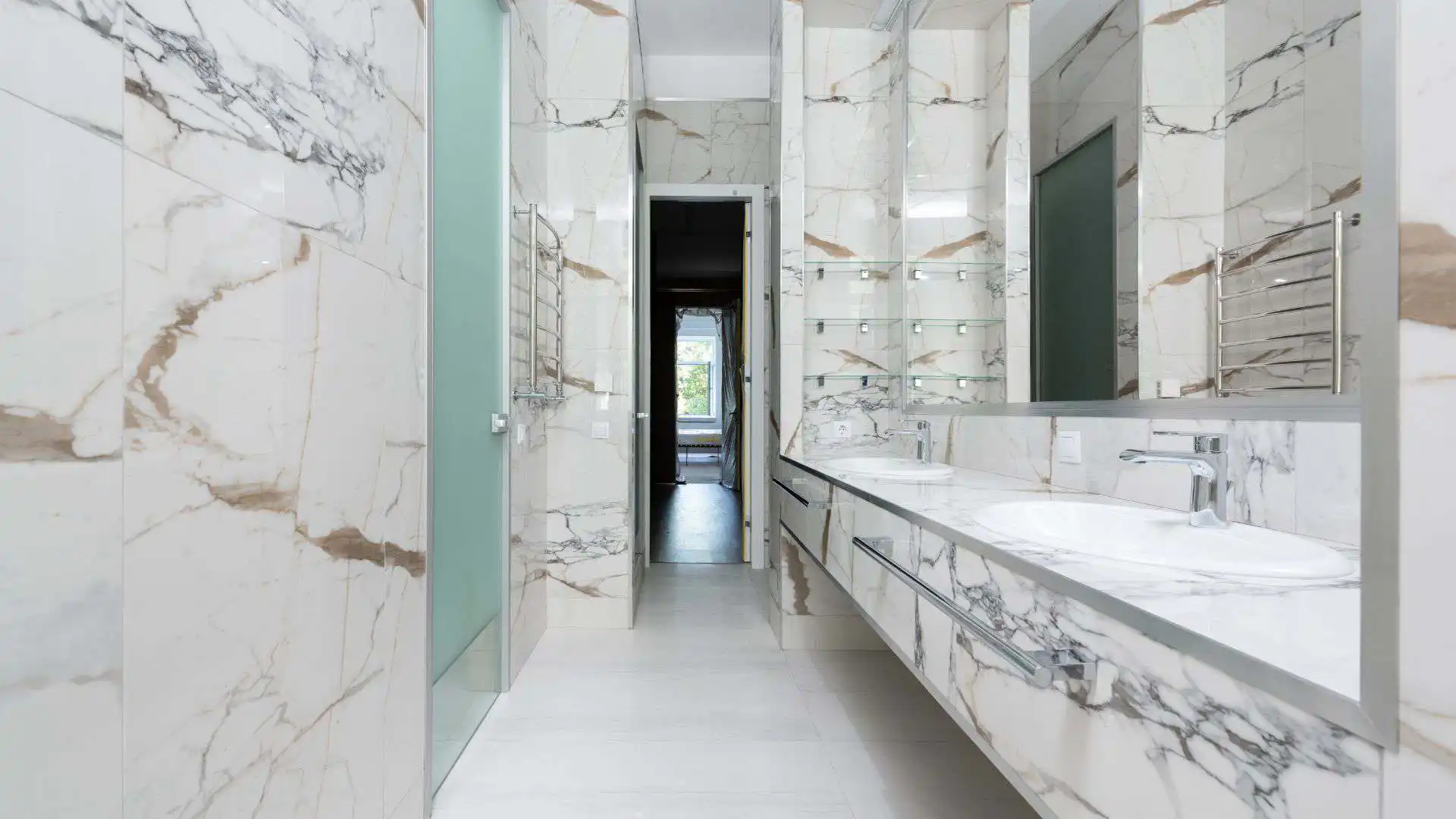
Factors That Raise Or Lower The Total Cost
You face several cost factors when planning a bathroom renovation in Florida, and each one shapes your final budget in a different way. Some depend on your home’s condition, while others come from choices you make during the project. Understanding these points gives you better control over what you spend and helps you avoid surprises once the work begins.
Bathroom Size
Bathroom size plays a big part in the final price. A smaller room needs fewer tiles, less paint, and fewer fixtures. A larger space adds cost because you pay for more materials and more labor time. Bigger layouts often include double vanities, extra lighting, or a larger shower, which all push the price higher. Think about how much space you use and what parts matter most to you. A clear idea of your layout helps you control expenses early.
Age Of The Home
Older homes can increase the budget because they often hide problems behind the walls. Outdated plumbing, worn wiring, or weak framing can slow the project and require small fixes before the upgrade begins. Homes built decades ago may also need upgrades to meet current codes. If you live in an older Florida property, set aside extra funds for unexpected issues. Newer homes usually have fewer surprises, which keeps costs predictable.
Structural Changes
Any change that affects the room’s layout brings extra cost. Moving a wall, expanding the shower area, or opening space for a larger vanity all require extra labor. Structural adjustments often involve permits, inspections, and skilled specialists. These updates can improve the room, but they raise the timeline and the total spend. If your goal is to save money, keeping the existing layout is a strong option.
Material Choices
Material selection shapes the final price more than many people expect. Tile, flooring, hardware, and countertops come in a wide range of prices. Premium stone, handcrafted tile, and high-end fixtures cost more but last longer. Mid-range products keep the look fresh without a heavy impact on your budget. Think about how long you plan to stay in your home. Long-term plans can justify better materials, while short-term needs make mid-range picks a smart choice.
Plumbing Or Electrical Updates
Work on plumbing or wiring adds cost because both jobs require licensed trades. Moving drains, shifting water lines, or rewiring outlets takes skill and time. These updates are common when switching from a tub to a walk-in shower or when adding new lighting. If your current setup functions well, keeping plumbing and electrical in place helps you stay within budget.
Permitting Needs
Many Florida cities need permits for bathroom work, especially when plumbing or electrical is involved. Permit fees vary by location, and the review process can slow the project. While this adds cost, permits protect the homeowner by ensuring the work meets current code. When collecting estimates, ask each contractor who handles the permit and what fees to expect.
Mid-Range Or Luxury Choices
Your design level affects the final cost more than any single line item. Mid-range options give you a clean look at a lower price. Luxury choices increase the budget because of finer materials, custom products, and upgraded features. Before starting the project, decide where you want to invest and where you prefer to save. A clear plan keeps the project on track and prevents overspending.
A thoughtful look at these factors helps you plan a bathroom upgrade that fits your needs and your budget. When you know what raises or lowers the cost, you can make choices that match your goals with fewer surprises along the way.
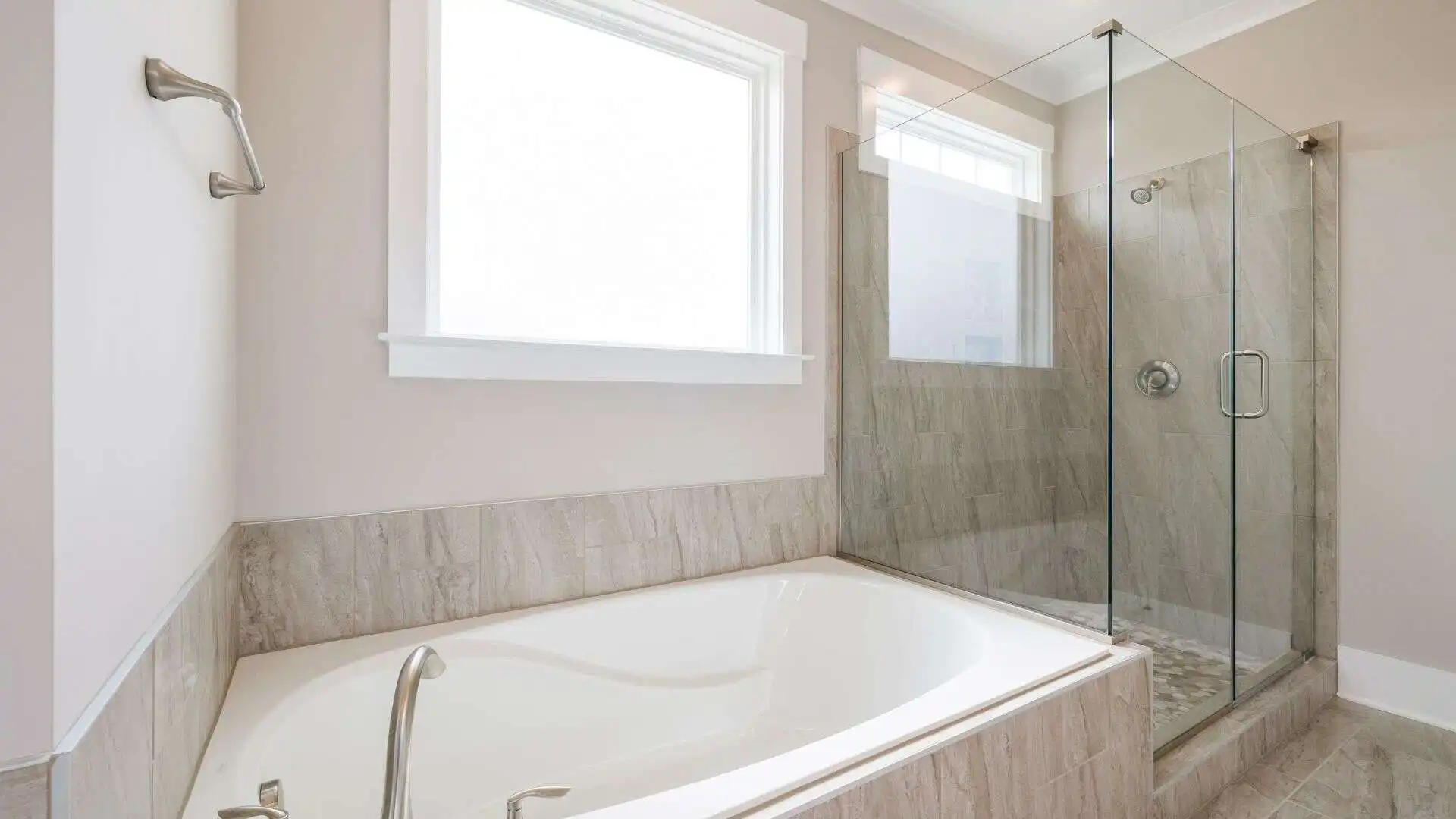
Cost Of Hiring A Florida Contractor
Hiring a contractor shapes your total bathroom renovation cost, and understanding what you get for your money helps you choose the right company with confidence. You want clear quotes, fair pricing, and a team that communicates well. Use the points below to guide your decision and protect your budget.
What Contractors Typically Include In Their Quotes
Most Florida contractors give itemized quotes so you can see how each part of the project fits into the total price. A solid quote often includes:
- Labor
- Materials
- Demolition
- Removal of old fixtures
- Installation of new fixtures
- Plumbing adjustments
- Electrical updates
- Tile work
- Cleanup
Some contractors add projected timelines or warranty details. Others include sample materials, fixture options, or design guidance. You want a quote that explains each step so you know exactly where your money goes. Ask whether the price is fixed or if unexpected issues can raise the total. This protects you from surprises.
How To Compare Estimates
Comparing estimates helps you pick the contractor that meets your needs, not just the lowest priced option. Look for clear line-by-line breakdowns. If one company lists a higher labor cost, check if they include more tasks. If materials differ, ask why. Better materials can raise the long-term value of your bathroom.
Look at:
- Scope of work
- Quality of materials
- Warranties
- Timeline
- Cleanup details
- Payment schedule
If two quotes show the same tasks but have very different prices, ask for clarification. A higher price does not always mean better results, and a low price can signal gaps in the work. Trust clarity over vague promises.
Warning Signs To Watch Out For
Some contractors show early signs that they may not be reliable. Watch for:
- Quotes that are too short or unclear
- Requests for large upfront payments
- No license or insurance
- Difficulty reaching them
- No written contract
- Pressure to decide quickly
If you feel rushed or your questions go unanswered, look for other options. Good contractors want you to feel informed and comfortable before you agree to anything.
Questions Readers Should Ask Before Hiring
Asking the right questions helps you avoid problems later. Use this list when you meet with each contractor:
- Are you licensed and insured in Florida
- Can I see recent bathroom renovation work you completed
- What does your quote include
- How do you handle unexpected issues
- Who oversees the project each day
- What is the timeline
- How do you protect my home during work
- What payment schedule do you follow
- Do you offer any warranties
These questions help you learn how the contractor works and whether their process fits your expectations.
Choosing a contractor is one of the most important steps in your renovation, and clear communication is the key to a smooth project. Take your time, review each estimate, and ask as many questions as you need. You want a team you feel confident trusting with your home.
DIY Vs. Professional: What Makes Sense In Florida
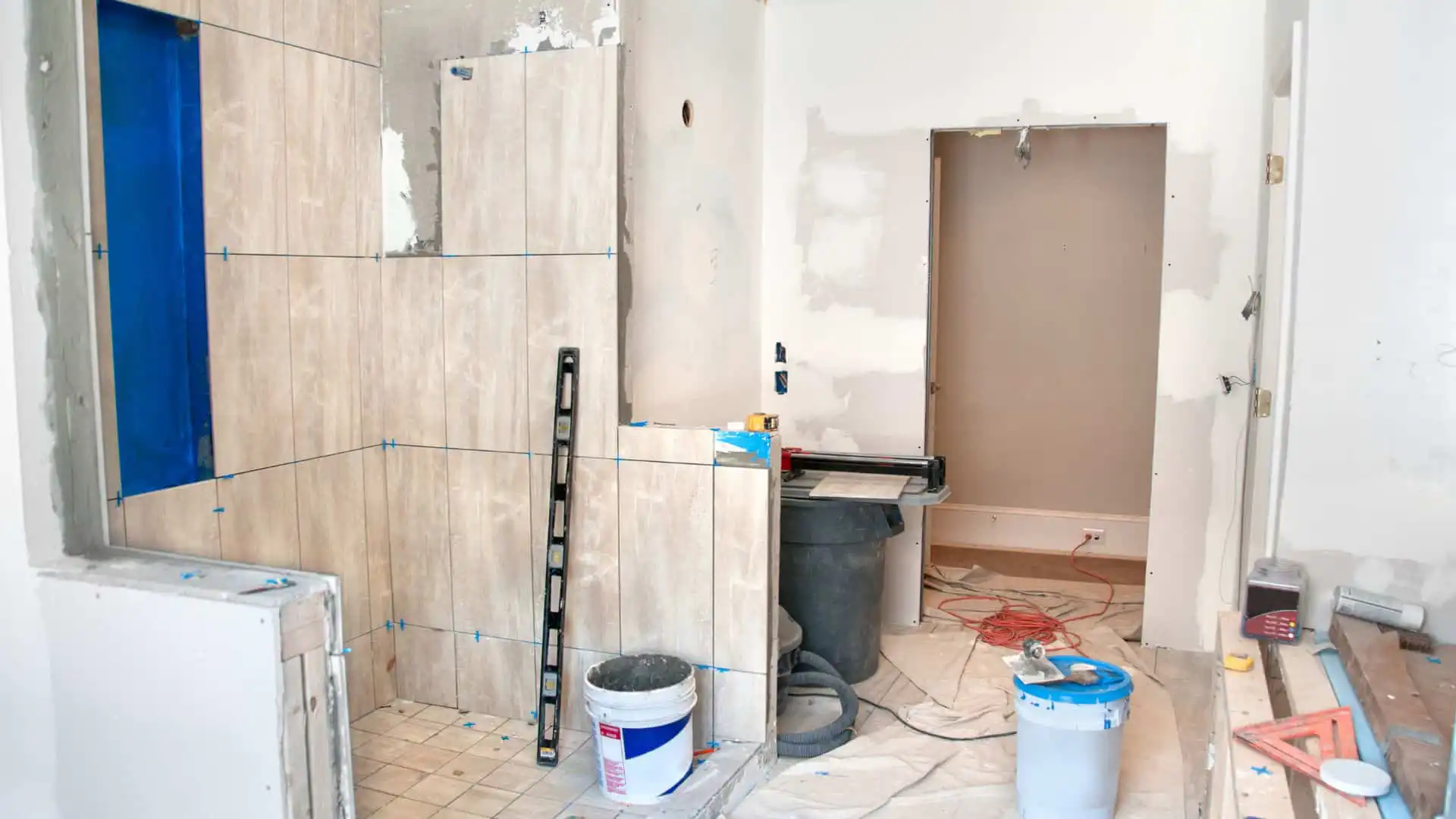
Many Florida homeowners wonder which bathroom projects they can handle on their own and which ones should go to a licensed expert. Your choice affects cost, safety, and how long the remodel lasts. Think about your skill level, the tools you have, and the risks tied to moisture in Florida homes before deciding.
Tasks Homeowners Can Tackle Safely
You can handle a few simple jobs on your own without taking big risks.
- Painting walls
- Swapping hardware like knobs, towel bars, or showerheads
- Replacing standard light fixtures
- Updating mirrors
- Installing peel-and-stick flooring in small areas
These tasks give you quick wins without touching plumbing or electrical systems. You also learn more about your bathroom’s condition. Ask yourself how comfortable you are with tools and whether you have the time to finish the job. Small upgrades often take longer than you expect, so plan around your schedule.
Tasks Best Left To Licensed Pros
Some parts of a bathroom remodel need more skill.
- Plumbing relocation
- Electrical upgrades
- Tile work that needs precise cuts
- Waterproofing showers
- Changing ventilation systems
Florida code rules are strict when you handle plumbing or electrical work. Licensed pros follow these rules, protect you from future safety problems, and help you avoid expensive fixes. Hiring someone with a solid track record lowers the chance of leaks, moisture damage, or wiring issues.
Risks Of DIY In Humid, Moisture-Prone Areas
Florida humidity creates extra pressure on bathrooms. When you make mistakes with tile, grout, ventilation, or waterproofing, moisture builds up fast. This can cause mold, loose tiles, and damage behind the walls. Small errors grow into problems that cost more to repair than paying a pro from the start. Humidity also affects how long materials last, so products must be installed the right way to stay in good shape.
When DIY Saves Money And When It Doesn’t
DIY saves you money when the work is simple and you already know how to do it. Painting, hardware updates, and basic fixture swaps let you cut labor costs. For bigger tasks, DIY can become more expensive if you need extra tools, materials, or repeat work after mistakes.
Examples:
- DIY saving you money: Updating a faucet or repainting the vanity.
- DIY costing more: Replacing tile, changing plumbing locations, or doing your own waterproofing.
A balanced approach helps you get the most value. Handle quick updates yourself and hire a licensed pro for tasks that shape the structure and safety of your bathroom. This keeps your project on track and protects your home.
Timeline For A Typical Renovation
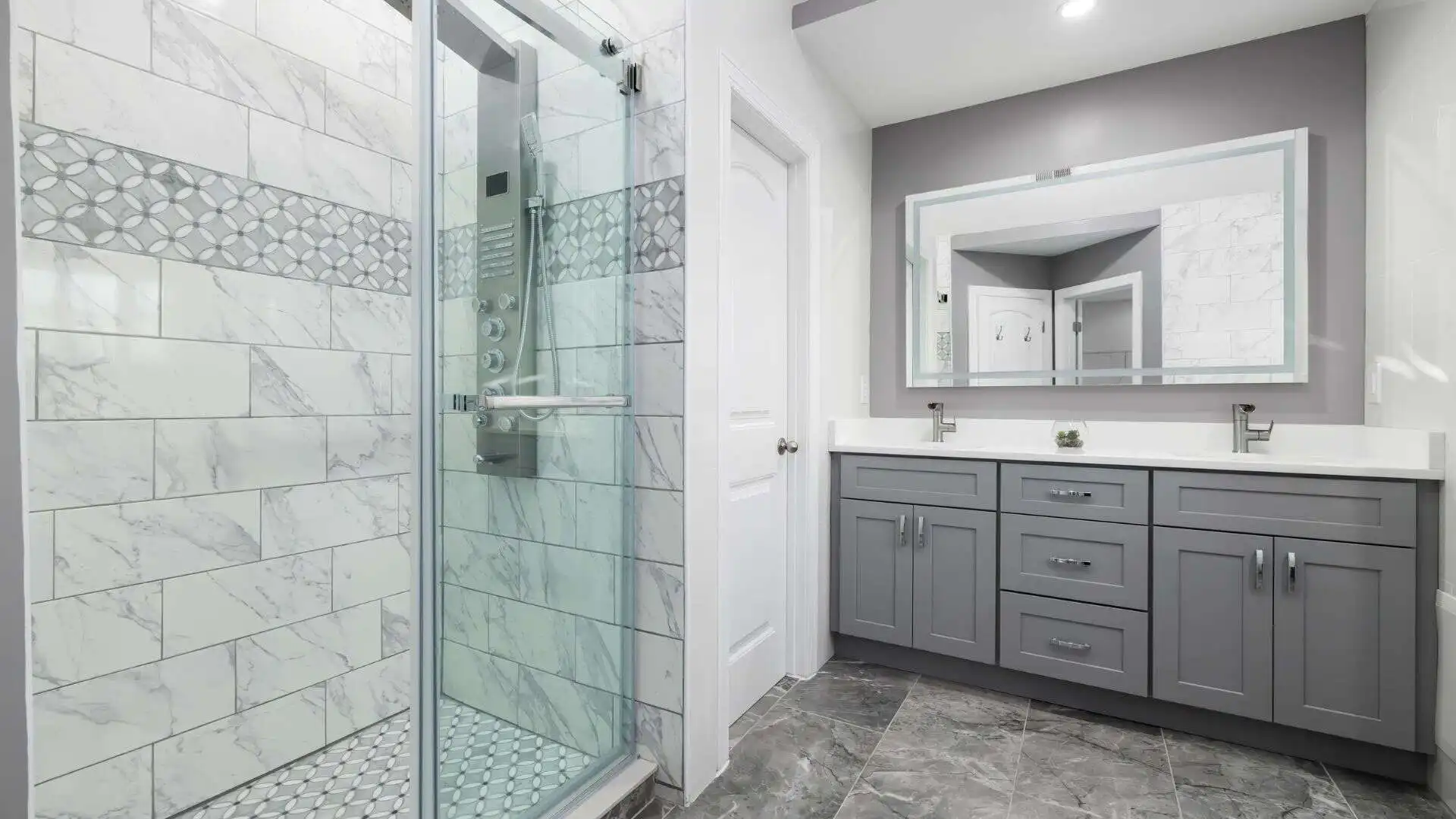
A bathroom renovation in Florida follows a clear timeline once work begins, but the length of the project depends on the size of the room, the scope of the upgrades, and how fast materials and permits move through the system. Knowing what to expect helps you plan your budget, prepare your home, and avoid unnecessary stress.
Average Duration For Small vs. Large Bathrooms
Small bathrooms usually take seven to fourteen days to complete. These rooms require less tile work, fewer fixtures, and minimal plumbing changes, which keeps the schedule shorter. Many of the steps happen quickly because the space is compact and easier for contractors to move through.
Larger bathrooms take longer. Most full remodels run three to five weeks, especially when the project involves new flooring, upgraded showers, electrical updates, or structural changes. Primary bathrooms often need custom features, and those add days to the timeline.
How Permit Delays Or Material Shortages Affect The Schedule
Permits can shift your timeline before any work starts. Some Florida cities process them within a few days. Others need a week or more. If your renovation involves plumbing relocation, electrical work, or changes to the layout, plan extra time for approval.
Material shortages can also slow progress. Tile, vanities, lighting, and custom glass sometimes take longer to arrive. Special orders may come with extended lead times. When materials arrive late, contractors must adjust their schedules, which pushes the project out further.
What Homeowners Should Plan For During The Renovation
Expect noise, dust, and limited access to the bathroom being remodeled. If it is your only bathroom, arrange temporary options before work begins. Set aside a space where contractors can store tools. Ask about daily start and end times so the flow of your day stays predictable.
You should also check in regularly. Short conversations with your contractor help you stay aware of progress, upcoming steps, and any issues that need quick decisions. Clear communication keeps delays to a minimum.
Taking time to understand the full renovation timeline prepares you for a smoother experience. With clear expectations and good planning, your bathroom upgrade becomes far easier to manage and much more rewarding in the end.

Smart Ways To Save On Bathroom Renovation Costs
You can cut your bathroom renovation costs without sacrificing quality by making a few careful decisions throughout your project. The goal is to focus on updates that matter most to you while reducing expenses in areas that offer easy savings. These steps help you stay within budget, avoid surprise costs, and still create a space that feels fresh and comfortable.
Reusing Or Refinishing Fixtures
You can lower your spending by keeping fixtures that still work well. A sturdy vanity can be restored with paint and new hardware. A tub with surface wear can be reglazed instead of replaced. These small choices save money and reduce waste while giving tired pieces a clean look.
Choosing Cost Effective Materials
Select materials that fit your budget and still offer good performance. Ceramic tile often costs less than porcelain. Prefab shower units cost less than tile surrounds. Stock cabinets cost less than custom pieces. Review your options and choose materials that offer the best value for the way you use your bathroom.
Buying During Seasonal Sales
Plan purchases around seasonal sales from local stores and online retailers. Items like faucets, lighting, tile, and vanities often drop in price during holiday promotions or clearance periods. Making a list early helps you catch deals when they appear.
Avoiding Unnecessary Layout Changes
Keeping your existing layout helps you avoid extra plumbing and electrical work. Moving a toilet, shower, or sink can increase the total cost by a wide margin. Before making layout decisions, check if the current setup still supports your daily routine.
Asking Yourself What Matters Most
Think about the upgrades that improve your daily use of the bathroom. You may care most about storage, lighting, or a better shower. Identifying these priorities keeps your budget focused and prevents unnecessary spending on features that do not impact your comfort.
Taking a thoughtful approach to each decision helps you save money without lowering the overall quality of your renovation. These steps make it easier to stay on track while creating a bathroom that suits your needs.

How To Budget For A Bathroom Remodel
Creating a clear budget helps you stay in control from the start of your project to the final walkthrough. You avoid surprises, make smarter choices, and know exactly where your money goes. This section walks you through simple steps you can use right away.
Suggested Budget Ranges
Bathroom projects in Florida usually fall into three levels.
- Small updates: paint, fixtures, and minor repairs often land in the lower range.
- Mid-scale remodels: new tile, vanity, lighting, and small layout changes move you into the middle range.
- Full remodels: full tile replacement, new shower, new flooring, plumbing shifts, and custom features take you to the top tier.
Think about what matters most to you. If you plan to upgrade tile or replace an old shower, set your budget toward the higher end. If you only want cosmetic changes, stay closer to the lower range.
How To Set A Realistic Spending Cap
Start by listing the parts of the remodel you care about.
- Which upgrades are must-haves
- Which upgrades you want only if the price fits
- Which upgrades you can skip
Gather estimates from a few local contractors. Compare the numbers and look at what each quote includes. Use these details to create a spending cap that you can stick to. Your cap should be high enough to cover your goals but low enough to keep your project grounded.
Building An Emergency Buffer
Unexpected costs appear often in older Florida homes. You might find hidden water damage, outdated wiring, or plumbing that needs more work than expected. Add a buffer to your budget so these surprises do not stop your project. A buffer of ten to twenty percent is common and gives you room to handle issues with less stress.
Tracking Costs As The Project Moves Forward
Once the work starts, track every cost.
- Keep receipts
- Log each purchase
- Record when you approve upgrades or changes
Check your totals each week and compare them to your cap and your buffer. This habit helps you stay on track and catch problems early. You see where the money goes, and you make better choices as the remodel moves along.
Take the guesswork out of your project. See real prices, compare options, and get expert help tailored to your bathroom. Visit our site now and start planning your remodel with confidence.
FAQs: About How Much Does Bathroom Renovation Cost
- How much does a bathroom renovation cost in Florida?
Most projects run from $6,000 to $30,000. Your price depends on size, materials, layout changes, and labor. - What affects bathroom renovation costs the most?
Plumbing changes, tile choices, labor rates, and custom features raise your total. - Do bathroom sizes change the price range?
Yes. Small rooms cost less. Larger rooms need more labor, tile, and fixtures. - How long does a bathroom renovation take in Florida?
Most take two to four weeks. Larger projects take longer. - Do Florida homes need permits for bathroom work?
Many do. Any work on plumbing or electrical often needs a permit. - Can I renovate my bathroom for under $5,000?
You can if the changes are small. Simple fixture swaps and paint fit this range. - Should I hire a contractor or try DIY?
Hire a pro for plumbing, tile, and electrical. DIY works for small updates. - What adds the most value to a Florida bathroom remodel?
New tile, updated lighting, modern fixtures, and better storage boost value. - How do I save money on a bathroom renovation?
Keep your layout, choose mid-range materials, and reuse items that still look good. - Is a bathroom renovation worth the cost in Florida?
Yes. A well-done remodel can raise comfort and improve resale appeal.
Conclusion
Bathroom renovation costs in Florida usually fall between the lower end for small updates and the higher end for full remodels, and you can get a clearer picture of your own budget by comparing prices from local contractors who understand your area and the style you want. When you start planning, list out the upgrades you care about most, look at the materials that fit your budget, and set a spending limit that gives you room for unexpected changes without slowing the project. As you review your options, ask yourself which improvements will make the biggest difference in your daily routine, because the choices that matter to you should guide where your money goes. This gives you a solid starting point as you move toward your renovation plans.