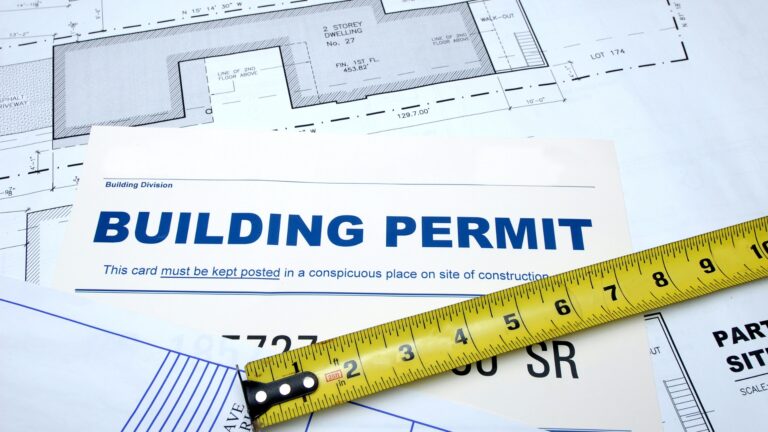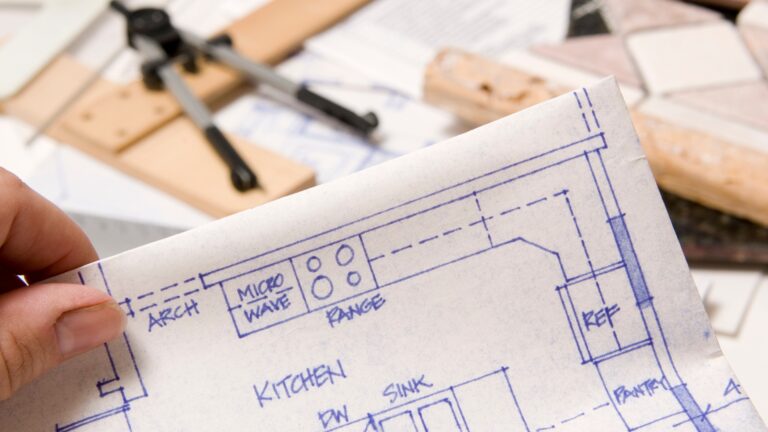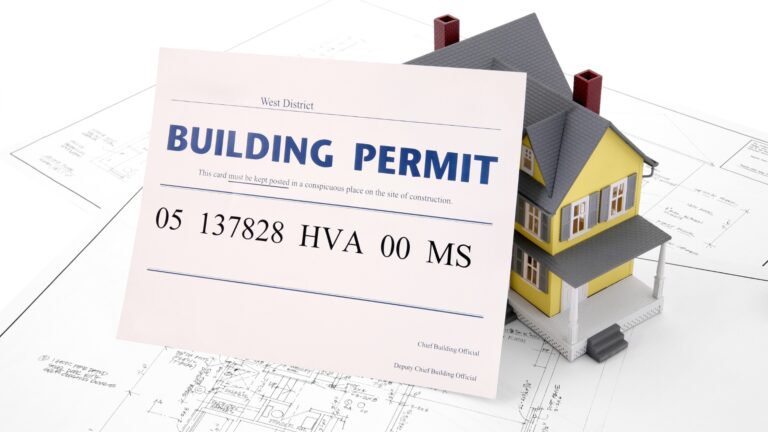


Welcome to your complete guide to commercial renovation tips that help business owners, property managers, and decision-makers plan smarter, avoid costly mistakes, and create spaces that truly support growth. Whether you are updating an office layout, modernizing a retail storefront, or considering commercial remodeling in Tampa, a well-executed renovation requires more than good design ideas. It demands clear strategy, realistic budgeting, regulatory awareness, and the right construction partners. In this guide, you will learn how to define your renovation goals, manage timelines and costs, improve functionality, and future-proof your commercial space so your investment delivers long-term value, improved productivity, and a stronger customer experience.
Commercial renovation tips include defining clear business goals, setting a realistic budget with contingency funds, hiring experienced licensed contractors, ensuring code and permit compliance, minimizing operational disruption, and prioritizing functional, future-proof design. Successful commercial renovations focus on long-term value, energy efficiency, and strategic planning rather than cosmetic updates alone.
Start With A Clear Renovation Strategy Before You Call A Contractor
One of the most common and costly mistakes in commercial renovation projects is contacting a contractor before defining a clear strategy. A renovation should solve business problems, not just update finishes. Whether you are planning a full commercial remodeling project in Tampa or refreshing a professional office space, your decisions should be guided by measurable outcomes, operational needs, and long-term business goals. A well-defined strategy reduces change orders, prevents budget overruns, and ensures your renovated space supports growth rather than creating new limitations.
Define Your Goals And Business Outcomes
Before discussing layouts or materials, clarify why you are renovating. Every successful commercial renovation begins with purpose. Without defined objectives, projects tend to drift toward aesthetic upgrades instead of functional improvements.
Ask yourself what is driving the renovation:
- Business Growth: Are you expanding staff, adding services, or increasing customer capacity? Growth-driven renovations often require reconfigured layouts, additional workstations, or improved traffic flow.
- Rebranding Effort: If your company has repositioned itself in the market, your physical space should reflect that shift through updated finishes, signage, and spatial design.
- Compliance Requirements: Older buildings may require upgrades to meet current safety codes, ADA accessibility standards, or fire regulations.
- Operational Efficiency: Inefficient layouts can reduce productivity. Improving workflow and reducing bottlenecks can significantly impact employee performance.
- Resale Or Lease Value: If you plan to sell or attract higher-quality tenants, strategic upgrades can increase property value and market appeal.
Different property types require different priorities:
- Office Renovations: Focus on productivity, collaboration zones, lighting quality, and acoustic control.
- Retail Spaces: Prioritize customer flow, brand presentation, and first-impression design.
- Medical Or Professional Facilities: Emphasize compliance, privacy, sanitation standards, and functional room placement.
When renovations align with long term strategy, the result is a space that actively supports your business objectives instead of simply looking updated.
Evaluate Your Existing Space
Once goals are defined, conduct a detailed assessment of your current space. Skipping this step often leads to unexpected costs during construction.
- Layout Inefficiencies: Identify areas where workflow is disrupted, storage is inadequate, or square footage is underutilized. For example, poorly positioned conference rooms or reception areas can create daily operational friction.
- Code Compliance Issues: Older commercial properties may not meet current fire, electrical, or accessibility standards. Addressing compliance early prevents delays during inspection.
- Structural Or MEP Constraints: Mechanical, electrical, and plumbing systems often determine what is realistically achievable. Relocating restrooms, upgrading electrical capacity, or modifying HVAC systems can significantly affect cost and scope.
- ADA Accessibility Considerations: Door widths, restroom layouts, parking access, and entry points must comply with federal and local accessibility laws. Failing to plan for ADA requirements can result in fines or forced redesigns.
A professional space assessment, ideally with input from an architect or experienced contractor, helps uncover hidden limitations before design plans are finalized. This reduces surprises and strengthens budgeting accuracy.
Understand Local Market And Regulatory Factors
Commercial renovation is not just about design and construction. It is heavily influenced by local regulations and environmental conditions. In markets such as Tampa, regulatory knowledge and climate awareness are essential.
- Permits And Inspections: Most commercial renovations require permits for structural work, electrical updates, plumbing modifications, and major build-outs. Inspections occur at multiple stages, and failing to schedule them properly can delay completion.
- Zoning And Building Codes: Zoning laws determine how a property can be used. Building codes govern structural integrity, occupancy limits, fire safety systems, and more. Confirming compliance before construction prevents costly redesigns.
- Hurricane And Storm Requirements: In coastal regions like Tampa, commercial remodeling projects must meet strict wind-load and storm-resistance standards. This may affect roofing systems, window selection, exterior doors, and structural reinforcement.
- HOA Or Landlord Restrictions: If the property is leased, review lease agreements carefully. Many landlords require design approvals, contractor documentation, and proof of insurance before renovations begin.
Understanding these regulatory and structural realities demonstrates professional foresight and protects your investment. It also ensures your renovation timeline accounts for approval processes that are often outside your direct control.
Build A Realistic Commercial Renovation Budget
A well-planned budget is the backbone of any successful commercial renovation. Whether you are updating an office space, retail storefront, or mixed-use property, the financial planning stage determines how smoothly your project moves forward. In my experience working on commercial remodeling projects, most budget problems do not come from dramatic surprises but from overlooked details and unclear expectations. A realistic budget accounts for both visible construction costs and the operational impact of renovating an active business space.
Break Down The Core Cost Categories
Before approving numbers, you need a clear understanding of where your money is going. Commercial renovation costs extend far beyond materials and labor. Breaking the budget into defined categories makes it easier to forecast accurately and control spending.
- Design And Architectural Fees: Professional design is not just about aesthetics. Architects and designers ensure your layout meets building codes, maximizes functionality, and aligns with your brand. These fees may include space planning, engineering consultations, and construction drawings required for permits. Cutting corners here often leads to expensive corrections later.
- Permits And Inspections: Most commercial renovation projects require multiple permits and formal inspections. Costs vary depending on location and project scope. In areas with stricter regulations, such as commercial remodeling in Tampa, hurricane compliance and updated building codes can increase permitting complexity and cost.
- Demolition And Construction: This includes site preparation, structural changes, framing, drywall, and general build-out. Demolition often reveals hidden conditions such as outdated wiring or water damage, which is why thorough pre-construction assessments are essential.
- Electrical Plumbing HVAC Upgrades: Mechanical systems are frequently the most underestimated expense. Upgrading electrical panels, plumbing lines, or HVAC systems to meet modern capacity demands can significantly impact the overall budget. These systems must meet safety standards and accommodate current and future operational needs.
- Finishes And Fixtures: Flooring, lighting, cabinetry, paint, and commercial-grade finishes shape the final appearance of your space. Quality matters here because high-traffic environments require durable materials that reduce long-term maintenance costs.
- Contingency Fund Ten To Twenty Percent: Every commercial renovation budget should include a contingency reserve of at least 10 to 20 percent. This protects your project from unexpected structural issues, material price changes, or code-related upgrades discovered during construction.
Plan For Hidden Or Overlooked Costs
Even well-planned budgets can fall short if operational realities are ignored. The true cost of a commercial renovation extends beyond construction invoices.
- Downtime And Lost Revenue: If your business must reduce hours or close temporarily, lost income becomes part of the renovation cost. For retail stores and service-based businesses, even short disruptions can affect monthly cash flow.
- Temporary Relocation: Some projects require moving staff or equipment during construction. This may involve short-term lease agreements, storage solutions, or modular workspaces to keep operations running.
- Technology Upgrades: Renovations often reveal outdated cabling, insufficient bandwidth, or incompatible infrastructure. Modern businesses rely on reliable connectivity, security systems, and integrated technology. Upgrading these systems should be planned, not treated as an afterthought.
- Furniture And Equipment: New layouts frequently require updated desks, shelving, seating, or specialized equipment. Budgeting for furniture that complements the redesigned space ensures your renovation delivers both function and visual consistency.
When business owners overlook these indirect expenses, they often feel blindsided midway through the project. Careful forecasting protects both the construction timeline and operational stability.
How To Avoid Budget Overruns
Staying on budget is not about being overly conservative. It is about making informed decisions and managing risk proactively. Overruns typically occur due to unclear contracts, uncontrolled changes, or rushed planning.
- Fixed Vs Cost Plus Contracts: A fixed-price contract provides predictable costs and is ideal when project scope is clearly defined. A cost-plus contract allows flexibility but can increase risk if changes are not carefully monitored. Choosing the right structure depends on how detailed your renovation plans are before construction begins.
- Scope Creep Management: Scope creep happens when additional features, layout changes, or upgrades are added after construction starts. Each change affects labor, materials, and timeline. Establish a formal change-order process so every modification is reviewed for cost impact before approval.
- Phased Renovation Strategies: For larger commercial renovation projects, completing work in phases can reduce financial strain and operational disruption. Phasing allows you to spread expenses over time and maintain partial business operations while construction progresses.
From a financial planning perspective, clarity and communication are your strongest tools. Work closely with experienced commercial contractors, request detailed line-item estimates, and review the budget regularly throughout the project. A realistic commercial renovation budget is not just a spreadsheet. It is a strategic plan that aligns construction decisions with long-term business performance.
Create A Functional, Future-Proof Design
A successful commercial renovation does more than refresh appearances. It improves how people move, work, interact, and experience the space every day. Functional, future-proof design focuses on operational efficiency, adaptability, technology-readiness, and long-term value. Whether you are planning a full office renovation or upgrading a retail property, thoughtful commercial space planning ensures your investment continues to perform as your business evolves.
Office Renovation Tips For Productivity And Collaboration
Modern office layout design must support focus, teamwork, and flexibility. Over the years, many businesses have shifted away from purely open offices after realizing that productivity suffers without balance. The goal is not trendy design but performance-driven planning.
Open Vs. Hybrid Office Layouts
Open office layouts encourage collaboration, but they often increase noise and distraction. Hybrid layouts offer a more strategic approach.
- Open collaborative zones: Designated areas for teamwork, brainstorming, and informal meetings. These work best when clearly separated from focus areas.
- Private focus rooms: Small enclosed spaces for deep work, calls, and confidential meetings.
- Hybrid balance: A thoughtful mix of open seating and enclosed rooms that reflects how your team actually works rather than how you assume they work.
In practice, companies that analyze employee workflow before renovation achieve better results than those that follow design trends alone.
Acoustic Planning
Noise is one of the biggest productivity killers in commercial offices. Proper acoustic planning should never be an afterthought.
- Sound-absorbing materials: Acoustic ceiling panels, carpet tiles, and fabric wall treatments reduce echo and background noise.
- Zoning strategies: Separating quiet work zones from collaborative areas minimizes disruption.
- Enclosed call rooms: Small sound-insulated booths prevent meetings from interrupting the entire office.
A well-designed acoustic strategy can dramatically improve concentration and employee satisfaction.
Lighting And Ergonomics
Lighting and ergonomic planning directly affect employee comfort and output. Poor lighting and uncomfortable workstations often lead to fatigue and reduced performance.
- Layered lighting: Combine natural light, overhead ambient lighting, and task lighting to reduce glare and eye strain.
- Ergonomic furniture: Adjustable desks and supportive seating reduce long-term health complaints.
- Energy-efficient fixtures: LED systems lower operating costs while providing consistent illumination.
Thoughtful lighting design also contributes to energy-efficient upgrades that support sustainability goals.
Flexible Meeting Spaces
Rigid conference rooms no longer meet the needs of modern teams. Flexible design allows businesses to adapt quickly.
- Modular furniture: Moveable tables and partitions allow rooms to shift between small and large group settings.
- Multi-use areas: Breakout spaces that double as informal meeting areas increase space efficiency.
- Integrated technology: Built-in displays and video conferencing systems support hybrid teams.
Future-proof design means anticipating how your team might grow or change within the next five to ten years.
Wellness-Focused Design
Employee well-being has become a priority in office renovation planning. Wellness-focused spaces improve morale and reduce burnout.
- Biophilic elements: Incorporating plants, natural materials, and organic textures helps create a calming environment.
- Access to natural light: Maximizing window exposure improves mood and energy levels.
- Air quality improvements: Upgraded HVAC systems with proper filtration support healthier indoor environments.
These upgrades may seem subtle, but they have measurable long-term benefits for retention and productivity.
Designing For Customer Experience In Retail And Commercial Spaces
For retail stores and customer-facing commercial spaces, renovation decisions directly influence revenue. Effective commercial space planning enhances how customers feel and move through the environment.
Traffic Flow And Wayfinding
A well-planned layout guides customers naturally without confusion.
- Clear pathways: Ensure wide, unobstructed aisles that meet accessibility standards.
- Logical zoning: Group related products or services together to encourage browsing.
- Strategic focal points: Use visual anchors such as feature displays or signage to draw attention.
When customers feel comfortable navigating a space, they stay longer and engage more.
Branding Integration
Renovation is an opportunity to reinforce brand identity.
- Consistent color palettes: Align finishes, signage, and décor with brand guidelines.
- Material selection: Choose textures and finishes that reflect your brand personality.
- Branded touchpoints: Incorporate subtle design elements such as logo placement or signature lighting features.
Strong branding integration ensures your physical space communicates the same message as your digital presence.
ADA Accessibility
Accessibility is both a legal requirement and a best practice.
- Compliant entrances and pathways: Ensure door widths, ramps, and circulation areas meet code requirements.
- Accessible restrooms: Renovate facilities to accommodate all users comfortably.
- Clear signage: Install readable, well-placed signs to support navigation.
Failing to address ADA accessibility can result in fines and reputational damage, making this a critical part of responsible renovation planning.
First Impressions And Curb Appeal
The exterior and entryway of your building shape perception before customers step inside.
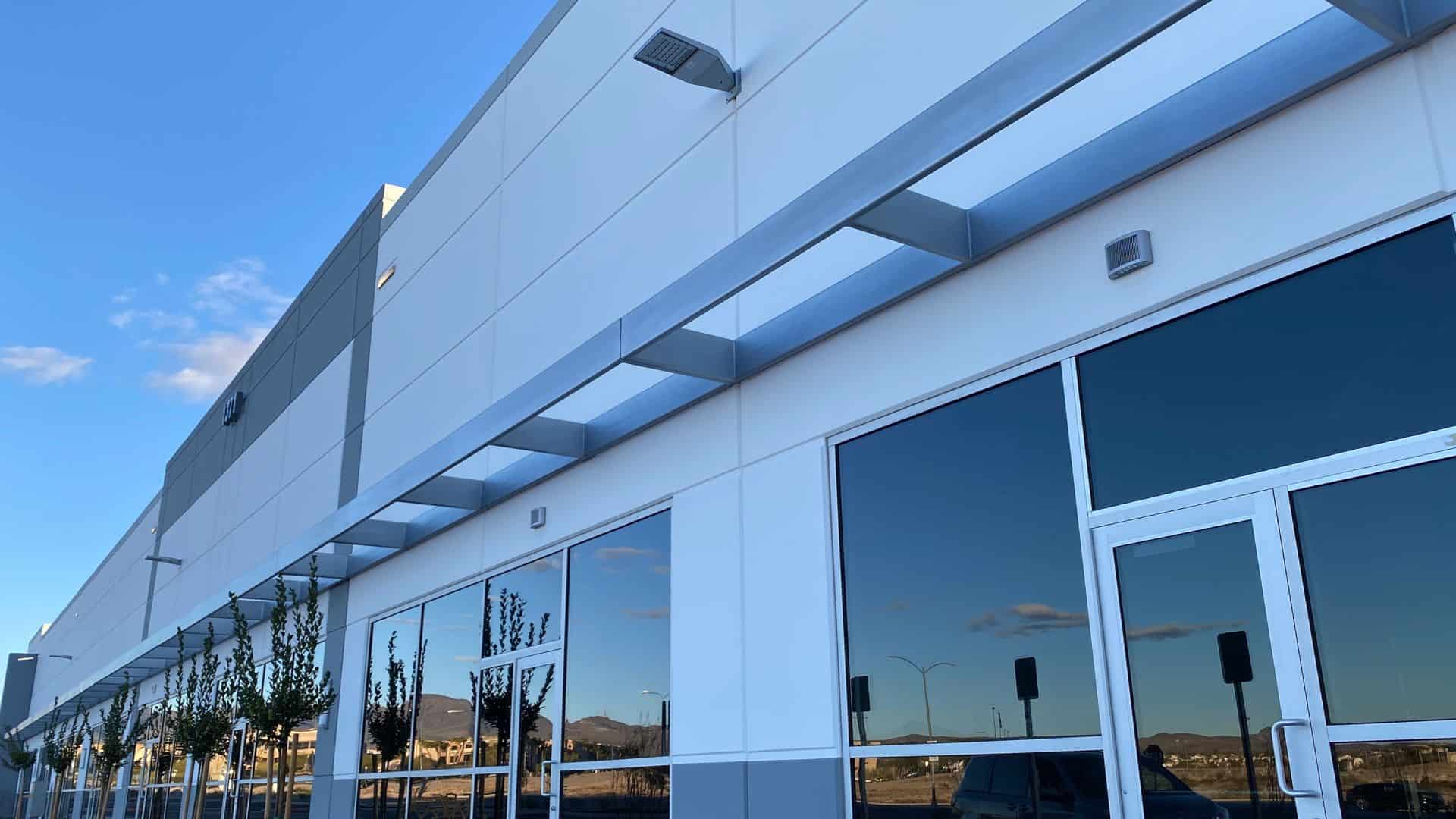
- Updated façades: Modern materials and clean finishes enhance credibility.
- Improved lighting: Exterior lighting improves safety and visual appeal.
- Welcoming entry points: Glass doors, signage, and landscaping create an inviting atmosphere.
In competitive markets, curb appeal can directly influence foot traffic and brand perception.
Plan For Technology And Infrastructure
Technology infrastructure is often overlooked during commercial renovation projects, yet it determines how efficiently your space functions. Future-ready infrastructure prevents costly retrofits later.
High-Speed Internet And Cabling
Reliable connectivity is essential for modern operations.
- Structured cabling systems: Organized wiring supports scalability and easier maintenance.
- Dedicated server rooms: Proper ventilation and security protect critical systems.
- Bandwidth planning: Account for future growth and increasing data demands.
Planning ahead avoids disruptive upgrades once your business expands.
Smart Systems
Smart building systems improve efficiency and convenience.
- Automated lighting controls: Motion sensors and programmable schedules reduce energy waste.
- Smart thermostats: Optimized temperature control lowers utility costs.
- Integrated building management systems: Centralized controls allow real-time monitoring of systems.
These systems contribute to operational savings and energy-efficient upgrades over time.
Security Systems
Security planning protects both assets and people.
- Access control systems: Keycard or biometric entry enhances building security.
- Surveillance cameras: Modern systems offer remote monitoring and cloud storage.
- Alarm integration: Fire and intrusion alarms should connect to centralized monitoring services.
A secure environment builds trust with employees, tenants, and customers.
Energy Efficiency Upgrades
Energy efficiency is a long-term investment that supports sustainability and cost control.
- High-efficiency HVAC systems: Reduce energy consumption while improving air quality.
- Insulation improvements: Minimize heat transfer in climate-sensitive regions.
- Energy-efficient windows: Reduce glare and improve temperature regulation.
Energy-efficient upgrades often qualify for rebates or incentives and increase overall property value.
A functional, future-proof commercial renovation balances aesthetics with performance. By combining strategic office layout design, thoughtful commercial space planning, and scalable infrastructure, you create a space that not only looks modern today but continues delivering measurable value for years to come.
Hire The Right Commercial Remodeling Contractor
Choosing the right contractor is one of the most important decisions you will make during a commercial renovation. Even the best design plans and well-structured budgets can fall apart without experienced project leadership. A qualified commercial remodeling contractor does more than manage construction. They coordinate timelines, navigate permitting, oversee subcontractors, control costs, and protect your business from avoidable risk. Whether you are planning a full office renovation or commercial remodeling in Tampa, selecting the right partner ensures your project stays compliant, efficient, and aligned with your long-term goals.
What To Look For In A Commercial Contractor
Not all contractors are equipped to handle commercial projects. Commercial renovations involve stricter codes, higher safety standards, and more complex mechanical systems than most residential builds. Evaluating the right qualifications upfront protects your investment and prevents costly setbacks.
- Licensed and Insured: A commercial contractor should hold all required state and local licenses and carry general liability and workers compensation insurance. This protects you from legal exposure, job-site accidents, and compliance violations. Always verify license numbers and request proof of insurance before moving forward.
- Experience With Similar Property Types: Renovating a medical office is very different from remodeling a retail storefront or corporate office. Look for contractors who have successfully completed projects in your specific industry. Familiarity with industry-specific regulations, workflow requirements, and building systems reduces errors and speeds up execution.
- Portfolio of Completed Projects: A strong portfolio demonstrates quality workmanship and consistency. Ask to see before-and-after photos, case studies, or completed commercial renovation examples. If possible, request references from previous clients to gain insight into communication style, budget accuracy, and problem-solving capabilities.
- Knowledge of Local Regulations: Local expertise is especially important for commercial remodeling in Tampa, where projects must comply with Florida building codes, hurricane-resistance standards, and city permitting requirements. A contractor who understands regional codes can proactively prevent inspection failures and costly redesigns.
Selecting a contractor based solely on the lowest bid is rarely a smart decision. Experience, transparency, and project management skills matter far more than short-term cost savings.
Questions To Ask Before Signing A Contract
Before entering into any agreement, take time to ask detailed questions about the process, accountability, and expectations. Clear communication at this stage sets the foundation for a smooth renovation.
- Timeline Expectations: Ask for a realistic construction schedule that outlines key milestones such as demolition, inspections, system installations, and final walkthroughs. Clarify how delays are handled and what factors could extend the timeline. Experienced contractors provide realistic projections rather than overly aggressive promises.
- Subcontractor Management: Most commercial remodeling contractors rely on subcontractors for electrical, plumbing, HVAC, and specialty trades. Ask who manages these teams and how quality control is enforced. A well-organized contractor maintains strong relationships with vetted subcontractors and supervises their work closely.
- Change Order Process: Changes during construction are common, but they should never be chaotic. Ask how change orders are documented, approved, and priced. A transparent process prevents budget surprises and keeps scope creep under control.
- Warranty and Post-Project Support: Reputable contractors stand behind their work. Confirm what warranties apply to labor and materials and how post-completion issues are addressed. Reliable post-project support demonstrates long-term accountability and professionalism.
Taking the time to ask these questions does more than protect your budget. It reveals how organized, transparent, and experienced a contractor truly is.
Why Local Experience Matters
Commercial renovation is never one-size-fits-all. Local building codes, environmental conditions, and market dynamics significantly impact project execution. Contractors with regional experience bring practical advantages that out-of-area firms often lack.
- Understanding Regional Climate: In Tampa and similar coastal markets, humidity, heavy rainfall, and hurricane exposure influence material selection and structural requirements. Experienced contractors know which moisture-resistant materials, roofing systems, and impact-rated windows perform best in these conditions.
- Familiarity With Local Permitting Offices: Navigating municipal permitting departments can be time-consuming. Contractors who routinely work with local inspectors understand submission requirements, documentation standards, and inspection protocols. This familiarity helps avoid unnecessary delays and compliance issues.
- Supplier Relationships: Established relationships with regional suppliers often lead to faster material sourcing and more reliable delivery schedules. In commercial renovation, where downtime affects revenue, dependable supply chains are a major advantage.
Local knowledge is not just a convenience. It directly affects timeline efficiency, compliance accuracy, and long-term durability. When hiring a commercial remodeling contractor, prioritize proven regional expertise alongside technical capability.
Minimize Business Disruption During Renovation
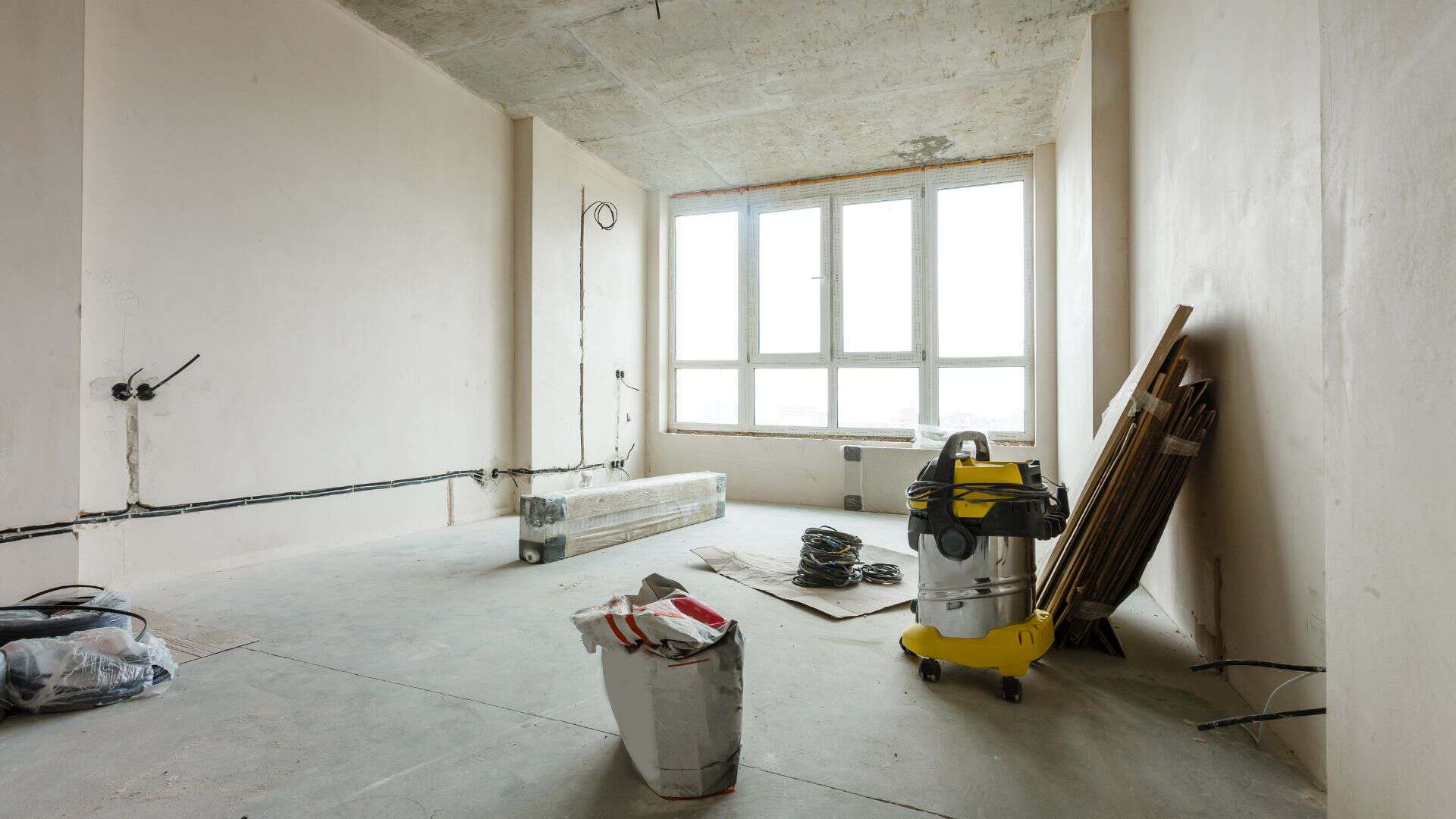
One of the biggest concerns in any commercial renovation project is how to keep your business running while construction is underway. Lost productivity, frustrated customers, and safety risks can quickly turn a well-planned remodel into an operational headache. The key is proactive coordination. With the right scheduling strategy, clear communication, and strict safety oversight, you can complete a commercial renovation while protecting revenue, employee morale, and your brand reputation.
Plan Around Operational Hours
Smart scheduling is one of the most effective ways to reduce disruption during a commercial remodeling project. Before construction begins, evaluate how your space is used throughout the day and identify non-peak hours that allow work to move forward with minimal interference.
Night Or Weekend Construction
Scheduling construction during evenings or weekends can significantly reduce interruptions for customer-facing businesses and busy office environments.
- Reduced productivity loss: Work completed after-hours prevents construction noise and restricted access from impacting daily operations.
- Improved safety: Fewer people on-site lowers the risk of accidents and confusion in active work zones.
- Faster progress: Contractors can often complete high-impact tasks such as demolition or electrical upgrades more efficiently without daytime restrictions.
This approach may increase labor costs slightly, but for many businesses, protecting revenue during peak hours outweighs the added expense.
Phased Renovations
Phased renovation planning allows you to remodel one section of the space at a time while keeping other areas fully operational.
- Section-by-section execution: Offices can relocate teams temporarily while one department undergoes renovation.
- Customer continuity: Retail and hospitality spaces can maintain service by closing only portions of the floor at a time.
- Cash flow protection: Spreading construction across phases can ease budget pressure and maintain ongoing income.
Phased renovations require careful logistical planning, but they are highly effective for maintaining stability in active commercial environments.
Communicate With Employees, Tenants, Or Customers
Clear communication builds trust and prevents confusion during any office renovation or commercial remodeling project. People are far more tolerant of temporary inconvenience when they understand what is happening and why.
Clear Timelines
Providing realistic timelines and consistent updates helps manage expectations and reduces frustration.
- Pre-construction briefing: Share the renovation scope, schedule, and anticipated impacts before work begins.
- Milestone updates: Notify stakeholders when major phases start or finish.
- Delay transparency: If supply chain or inspection issues arise, communicate them early to maintain credibility.
Experienced project managers know that silence creates anxiety. Consistent updates demonstrate professionalism and accountability.
Safety Planning
During renovation, safety must be visible and well-organized, not assumed.
- Defined work zones: Clearly separate construction areas from active business areas with barriers.
- Dust and noise control: Use protective coverings and air filtration to minimize environmental impact.
- Emergency coordination: Ensure everyone understands evacuation routes and temporary procedures during construction.
A documented safety plan reassures employees and customers that their well-being is a priority throughout the project.
Signage And Temporary Solutions
Temporary adjustments can significantly reduce confusion in a renovated commercial space.
- Directional signage: Clearly mark alternate entrances, restrooms, and work areas.
- Temporary workstations: Provide flexible setups for employees displaced during phased construction.
- Customer messaging: Post clear explanations that renovations are underway to improve service or facilities.
These small but strategic adjustments help maintain operational continuity and customer confidence.
Maintain Safety And Compliance
Beyond convenience, commercial renovation projects must comply with strict safety and building standards. Failing to meet these requirements can cause costly delays, fines, or liability issues.
OSHA Standards
Occupational Safety and Health Administration regulations apply to most commercial construction projects and are critical for protecting workers and occupants.
- Personal protective equipment: Contractors must follow proper PPE requirements on active job sites.
- Hazard communication: Clear labeling of materials and restricted zones is essential.
- Site supervision: Qualified site managers should oversee safety compliance daily.
Business owners should confirm that their contractor enforces OSHA-compliant practices throughout the renovation.
Fire Safety
Fire safety protocols must remain fully functional during construction.
- Accessible exits: Emergency exits cannot be blocked or compromised.
- Temporary fire protection systems: Sprinklers and alarms must remain operational or have approved alternatives in place.
- Inspection coordination: Local fire authorities may require inspections during phased renovations.
Ignoring fire safety regulations can lead to serious penalties and operational shutdowns, so proactive coordination with inspectors is critical.
Accessibility During Construction
Commercial properties must maintain accessibility standards even while renovations are underway.
- ADA-compliant pathways: Temporary routes must remain accessible to individuals with disabilities.
- Restroom access: If permanent facilities are under renovation, provide compliant alternatives.
- Entry adjustments: Ensure ramps, doorways, and parking accommodations remain functional.
Maintaining accessibility is not only a legal requirement but also a reflection of responsible business practices.
Sustainability And Long-Term ROI
A successful commercial renovation is not just about improving how a space looks today. It is about making strategic upgrades that reduce operating costs, improve efficiency, and increase commercial property value over time. Sustainable improvements and long-term planning allow business owners to control expenses, attract quality tenants, and position their property competitively in the market. When approached thoughtfully, an energy-efficient office renovation can deliver measurable returns year after year.
Energy-Efficient Improvements
Energy performance plays a major role in long-term ROI. Utility costs are one of the largest recurring expenses in commercial buildings, and targeted upgrades can significantly reduce those monthly operating costs while improving comfort and productivity.
LED Lighting
Lighting upgrades are often the fastest way to see measurable savings.
- Lower energy consumption: LED lighting uses significantly less electricity than traditional fluorescent or incandescent fixtures, reducing utility bills immediately.
- Longer lifespan: LEDs last substantially longer, which lowers replacement frequency and maintenance labor costs.
- Improved light quality: Modern LED systems offer better color rendering and brightness control, enhancing workplace visibility and customer experience.
- Smart integration capability: Many LED systems integrate with motion sensors and daylight-harvesting controls for additional energy savings.
For offices, retail stores, and medical spaces, improved lighting also supports productivity and safety, which indirectly contributes to long-term business performance.
HVAC Upgrades
An outdated HVAC system can quietly drain your budget.
- Energy efficiency ratings: Modern systems operate at higher efficiency standards, reducing electricity usage while maintaining consistent indoor temperatures.
- Improved air quality: Upgraded filtration and ventilation improve occupant comfort and health, especially important in office and healthcare environments.
- Zoned climate control: Zoning systems allow different areas to maintain independent temperatures, minimizing energy waste.
- Lower repair frequency: Newer systems typically reduce emergency repairs and unexpected downtime.
In warm and humid regions, including Tampa, high-performance HVAC systems also help control moisture levels, preventing mold-related issues that can damage interiors and reduce property value.
Insulation Improvements
Insulation is often overlooked during commercial remodeling, yet it directly affects energy retention.
- Thermal efficiency: Proper insulation reduces heat gain and loss, easing the workload on HVAC systems.
- Moisture control: Quality insulation helps prevent condensation buildup within walls and ceilings.
Upgrading insulation during renovation is typically more cost-effective than retrofitting later, making it a smart investment in a future-focused renovation plan.
Smart Thermostats
Technology-driven climate management is becoming standard in energy-efficient office renovation projects.
- Programmable scheduling: Smart thermostats automatically adjust temperatures based on occupancy patterns.
- Remote access: Facility managers can monitor and adjust settings from mobile devices.
- Energy usage tracking: Data insights allow owners to identify inefficiencies and fine-tune performance.
- Integration with building management systems: Advanced systems connect with lighting and security controls for holistic efficiency.
Over time, these systems generate measurable cost savings while supporting sustainability goals and environmental compliance initiatives.
Materials That Reduce Maintenance Costs
Selecting the right materials during a commercial renovation is just as important as improving energy efficiency. Durable, low-maintenance materials reduce repair costs, minimize operational disruptions, and extend the lifespan of your investment.
Durable Flooring
Commercial flooring must withstand heavy foot traffic, equipment movement, and daily wear.
- High-traffic resilience: Materials such as luxury vinyl tile, polished concrete, and commercial-grade carpet tiles are designed for durability.
- Ease of maintenance: Surfaces that resist stains and scratches lower cleaning and repair expenses.
- Replaceable sections: Modular flooring systems allow for partial replacement rather than full-scale removal when damage occurs.
Investing in durable flooring reduces ongoing maintenance costs and helps maintain a professional appearance for years.
Commercial-Grade Finishes
Residential finishes may look appealing initially, but they rarely hold up in commercial environments.
- Impact resistance: Commercial-grade paints, wall panels, and cabinetry withstand frequent use.
- Extended lifespan: Higher-quality finishes reduce repainting and refinishing cycles.
- Professional appearance: Consistent, well-maintained finishes enhance brand perception and tenant satisfaction.
Experienced contractors prioritize materials designed specifically for business environments to ensure longevity and performance.
Moisture-Resistant Materials
In humid climates like Tampa, moisture control is critical to protecting commercial property value.
- Mold prevention: Moisture-resistant drywall, treated framing materials, and sealed flooring systems reduce the risk of mold growth.
- Structural protection: Properly sealed materials prevent water intrusion that can compromise building integrity.
- Lower remediation costs: Proactive material selection minimizes expensive restoration work later.
Addressing moisture risks during renovation is significantly more cost-effective than repairing long-term damage.
Renovations That Increase Property Value
Strategic upgrades not only reduce operating costs but also enhance the overall value of your commercial property. Investors, tenants, and buyers consistently look for buildings that feel modern, functional, and well-maintained.
Modernized Lobbies
The lobby sets the tone for the entire property.
- First impressions: Updated finishes, lighting, and signage create a professional and welcoming environment.
- Brand alignment: A modern lobby reinforces company identity and builds credibility.
- Market competitiveness: Properties with contemporary entryways often command higher lease rates.
A well-designed lobby signals that the building is actively maintained and future-ready.
Updated Restrooms
Restroom renovations are one of the most practical value-boosting improvements.
- Improved hygiene standards: Modern fixtures and touch-free technology enhance cleanliness.
- Water-efficient fixtures: Low-flow toilets and faucets reduce water consumption.
- Enhanced tenant satisfaction: Clean, updated restrooms directly influence employee and customer perception.
Because restrooms are high-use areas, upgrades here provide visible and functional ROI.
Flexible Workspaces
Work environments continue to evolve, and adaptability has become a major factor in commercial property value.
- Reconfigurable layouts: Movable partitions and modular furniture allow businesses to adapt quickly.
- Hybrid-work accommodation: Spaces designed for collaboration and quiet focus support modern work models.
- Future-proof design: Flexible layouts reduce the need for major structural changes as business needs shift.
When sustainability upgrades and strategic design improvements work together, the result is more than a cosmetic renovation. It is a performance-driven investment that lowers operating costs, supports occupant well-being, and strengthens long-term commercial property value.
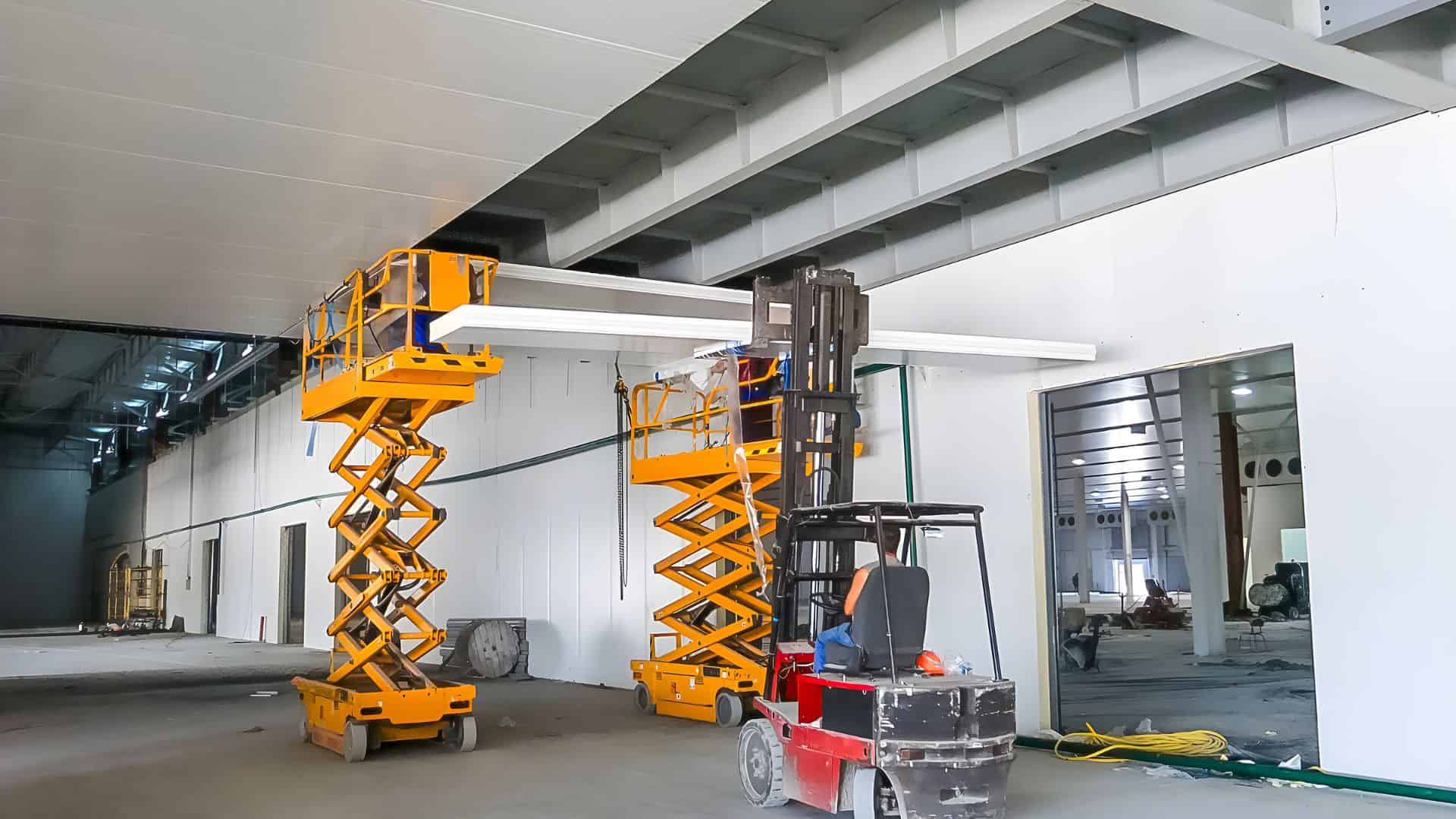
Common Commercial Renovation Mistakes To Avoid
Even well-planned commercial renovation projects can run into trouble when early decisions are rushed or based on incomplete information. After working with business owners across office, retail, and mixed-use spaces, one thing becomes clear: most renovation challenges are predictable and preventable. Understanding where projects typically go wrong helps you protect your investment, reduce stress, and ensure your commercial space delivers long-term value. Below are the most common commercial renovation mistakes and how to avoid them.
Underestimating Timelines
One of the most frequent issues in commercial remodeling projects is unrealistic scheduling. Business owners often assume construction will move in a straight line from demolition to completion. In reality, commercial renovation involves multiple moving parts including design revisions, permitting approvals, inspections, material lead times, subcontractor coordination, and weather-related delays in certain markets.
A realistic timeline accounts for:
- Pre-construction planning: Architectural drawings, engineering reviews, and material selections often take longer than expected, especially when multiple decision-makers are involved.
- Permit approval periods: Local jurisdictions may require several review cycles before approval is granted.
- Inspection scheduling: Final approvals depend on inspector availability, which can delay occupancy if not planned properly.
- Material lead times: Custom fixtures, specialty glass, cabinetry, and HVAC systems may have extended delivery windows.
A well-structured renovation schedule includes buffer time for unexpected adjustments. If your commercial space must remain operational, phased construction planning becomes even more critical to prevent revenue disruption.
Ignoring Permitting Requirements
Permitting is not just a formality. It protects your business from legal liability, fines, failed inspections, and future resale complications. Skipping or misunderstanding permit requirements is one of the costliest mistakes in commercial remodeling.
Depending on your project scope, you may need permits for:
- Structural modifications: Changes to load-bearing walls or structural supports.
- Electrical and plumbing upgrades: Especially when expanding capacity.
- HVAC system replacements: Code compliance is often strict in commercial properties.
- Accessibility updates: ADA compliance requirements must be met.
In cities with active development such as Tampa, permitting timelines can fluctuate based on review volume and local building regulations. An experienced commercial contractor understands local code requirements and can manage submissions efficiently, reducing risk and delays. Always verify that your contractor pulls permits under their licensed credentials.
Choosing Lowest Bid Without Vetting
Budget control is essential in commercial renovation, but selecting a contractor solely based on the lowest bid often leads to larger expenses later. A significantly lower proposal may indicate incomplete scope coverage, lower-quality materials, or inexperienced subcontractors.
Before signing a contract, evaluate:
- Scope clarity: Does the estimate clearly define materials, labor, timelines, and exclusions?
- Commercial experience: Has the contractor handled similar office or retail renovation projects?
- Licensing and insurance: Are they properly licensed for commercial work and adequately insured?
- Project management process: Who oversees scheduling, inspections, and subcontractors?
Commercial remodeling requires coordination across trades and strict compliance with safety standards. Paying slightly more for an experienced team often reduces costly rework, delays, and compliance issues.
Not Planning For Contingencies
Even the most detailed commercial renovation plan can uncover surprises once walls are opened or systems are examined. Older buildings may reveal outdated wiring, water damage, structural weaknesses, or non-compliant installations.
A strong renovation budget includes:
- Financial contingency reserve: Typically 10 to 20 percent of the total project cost.
- Schedule contingency: Additional time built into the project timeline.
- Scope flexibility: Prioritized improvement list to adjust if unexpected costs arise.
Without contingency planning, minor surprises can force rushed decisions or compromise quality. A structured decision-making process helps you adjust responsibly while protecting long-term performance.
Poor Communication With Stakeholders
Commercial renovation impacts more than the property owner. Employees, tenants, customers, and vendors are all affected. Poor communication often leads to confusion, frustration, and operational inefficiencies.
Effective stakeholder communication includes:
- Clear renovation timeline: Share realistic start and completion dates with updates as needed.
- Safety planning: Outline restricted areas and temporary access routes.
- Operational adjustments: Notify staff or tenants about temporary relocations or schedule changes.
- Feedback channels: Designate a point of contact for concerns or questions.
In office renovation projects, transparent communication improves morale and reduces productivity disruptions. In retail or customer-facing spaces, proactive messaging protects your brand image during construction.
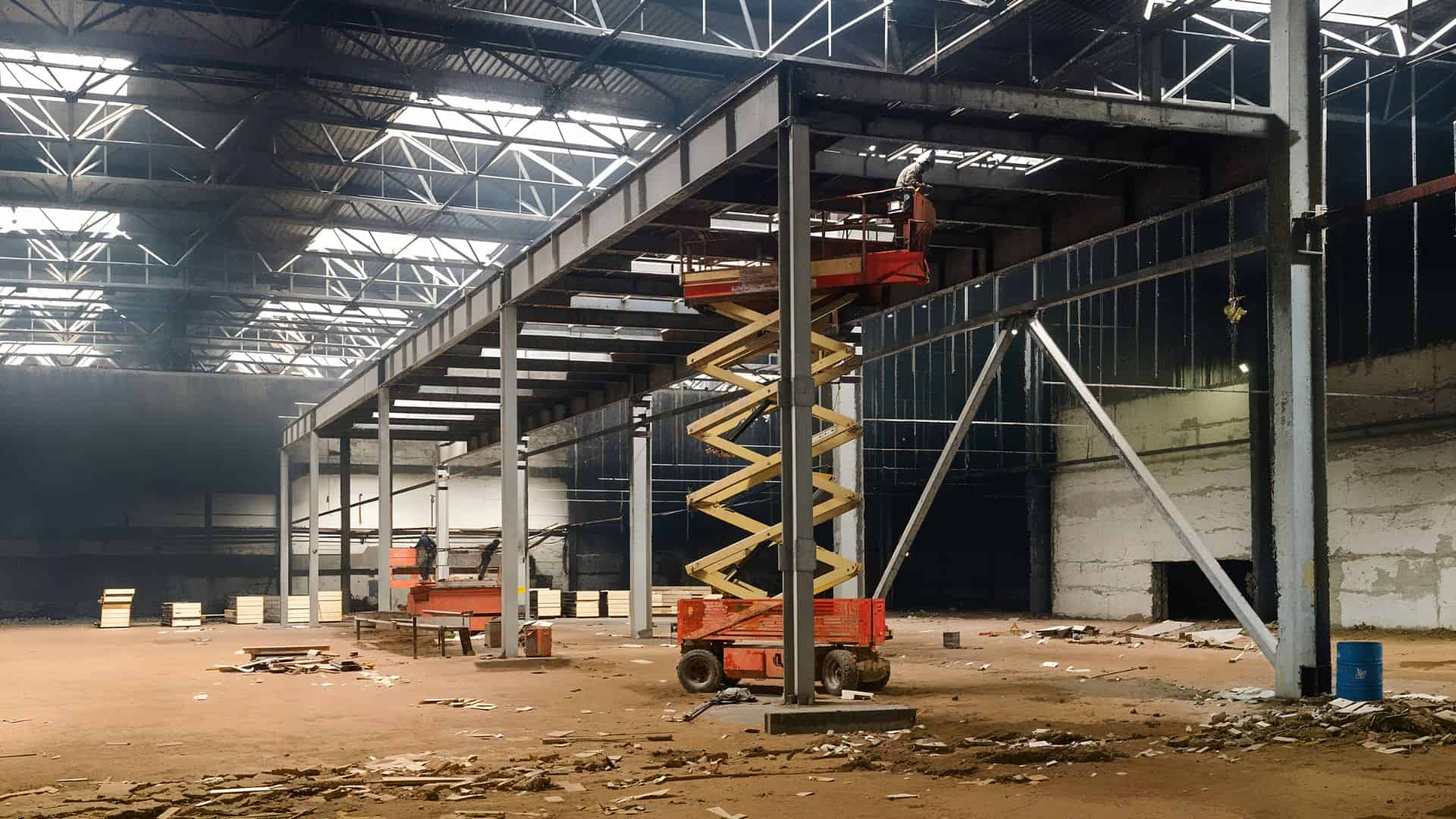
How to Know When It’s Time to Renovate Your Commercial Space
Deciding when to invest in a commercial renovation is not always straightforward. Many business owners wait until problems become urgent, but the most successful renovations are proactive rather than reactive. Your physical space directly affects employee performance, customer perception, operational efficiency, and long-term property value. If your facility is showing signs of strain or no longer aligns with your business goals, it may be time to consider a well-planned renovation.
Declining Employee Productivity
One of the earliest and most overlooked indicators is reduced employee productivity. Workspace design plays a measurable role in focus, collaboration, morale, and retention. Poor lighting, outdated layouts, excessive noise, and inefficient traffic flow can all slow performance.
In older office environments, you may notice:
- Poor space utilization: Departments are overcrowded in one area while other sections sit unused, creating workflow bottlenecks.
- Inadequate lighting: Dim or harsh lighting that causes eye strain and fatigue.
- Acoustic problems: Open layouts without sound control that reduce concentration and increase stress.
- Limited collaboration zones: A lack of flexible meeting areas for team-based work.
If employees are frequently improvising workspaces, struggling to find meeting rooms, or expressing dissatisfaction with the environment, those are operational red flags. A thoughtful office renovation that improves ergonomics, lighting, layout efficiency, and technology infrastructure can significantly enhance daily performance and job satisfaction.
Outdated Branding
Your commercial space is a physical representation of your brand. If your environment no longer reflects your company’s identity, values, or level of professionalism, it can quietly undermine credibility.
An outdated reception area, worn finishes, or inconsistent design elements send subtle signals to clients and partners. This is especially important in competitive markets such as commercial remodeling in Tampa, where first impressions can influence long-term business relationships.
Signs your branding may need an update include:
- Mismatched design elements: Colors, signage, or decor that no longer align with your current brand identity.
- Aging finishes: Flooring, paint, or fixtures that appear dated or poorly maintained.
- Ineffective customer flow: Layouts that create confusion instead of guiding visitors naturally.
- Low-impact curb appeal: Exterior features that fail to reflect a modern, professional image.
A renovation aligned with your brand strategy does more than improve aesthetics. It reinforces trust, supports marketing efforts, and creates a cohesive customer experience from the moment someone walks through the door.
Increased Maintenance Issues
Frequent repairs are often a clear financial signal that renovation makes more sense than ongoing patchwork fixes. Aging HVAC systems, plumbing leaks, electrical inefficiencies, and structural wear can quietly drain resources year after year.
Common warning signs include:
- Recurring system failures: HVAC breakdowns or electrical issues that disrupt operations.
- Rising utility costs: Outdated systems that consume excessive energy.
- Water damage or mold concerns: Particularly relevant in humid climates like Florida.
- Deferred maintenance accumulation: Minor issues stacking up into major capital expenses.
When maintenance costs begin approaching a meaningful percentage of a renovation budget, it is often more strategic to modernize systems entirely. Upgrading to energy-efficient equipment, durable materials, and code-compliant infrastructure can lower long-term operating costs while improving safety and reliability.
Business Growth Demands
Growth is one of the best reasons to renovate. Expansion often exposes limitations in your existing space that were not apparent when the business was smaller.
Indicators that growth is driving renovation needs include:
- Overcrowded workstations: Teams sharing space not designed for current staffing levels.
- Insufficient storage: Inventory or equipment spilling into walkways or temporary areas.
- Limited customer capacity: Retail or service spaces unable to accommodate increased traffic.
- Technology strain: Infrastructure that cannot support expanded digital operations.
A growth-driven renovation should focus on scalability. Flexible layouts, modular furniture systems, and upgraded technology infrastructure allow your space to adapt as your business evolves. Planning ahead prevents the need for repeated renovations and supports sustainable expansion.
If you are planning a commercial renovation or exploring commercial remodeling in Tampa, partnering with an experienced team can make the difference between costly setbacks and a smooth, value-driven transformation. Visit our website to explore our renovation expertise, see real project examples, and schedule a consultation to discuss how we can help you design and execute a commercial space that supports your business goals with confidence and precision.
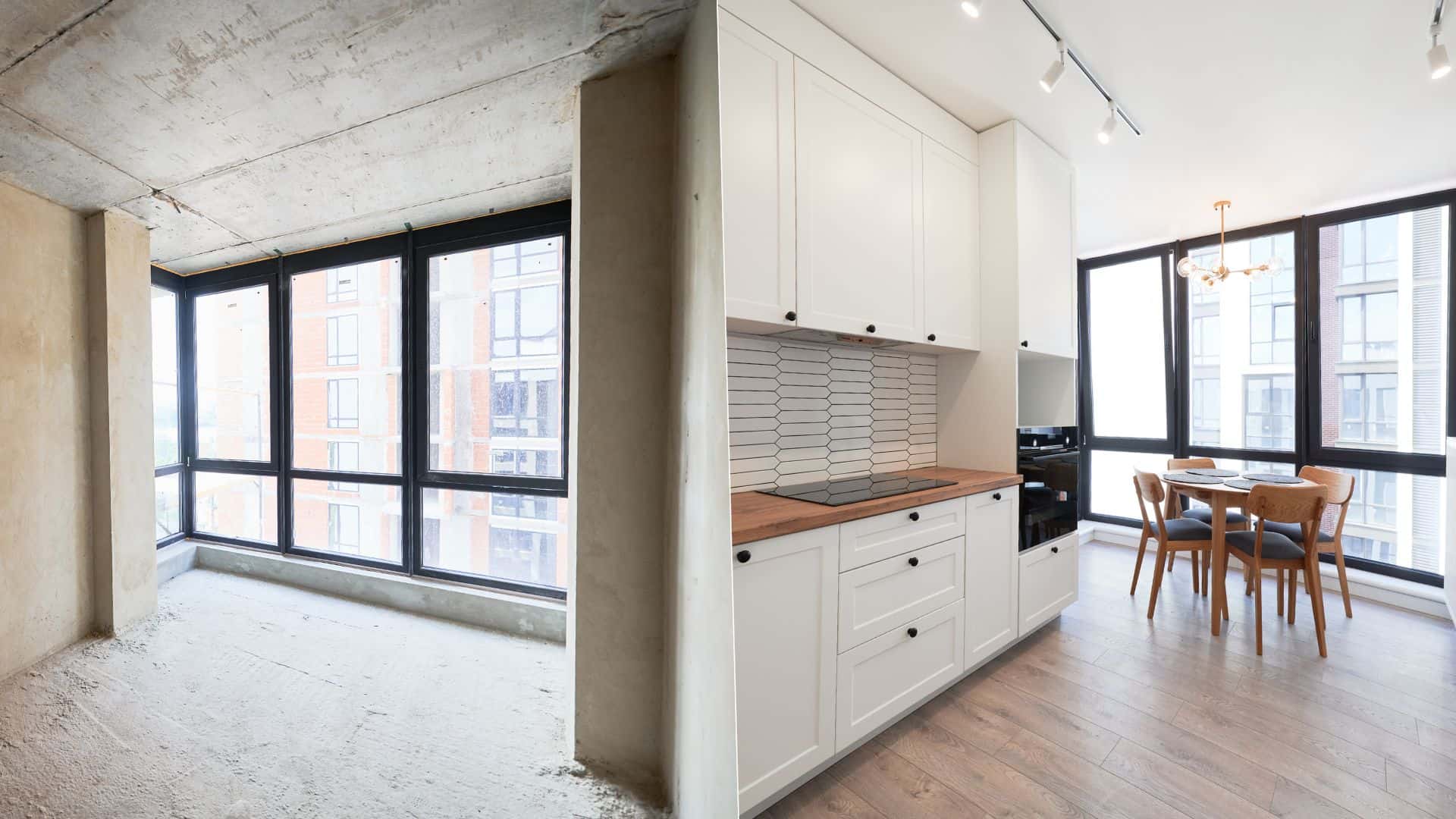
FAQs: About Commercial Renovation Tips
- What is the first step in a commercial renovation project?
The first step is defining clear business goals and identifying what you want the renovation to achieve, such as improving productivity, increasing customer appeal, or meeting compliance standards. A site evaluation and feasibility assessment should follow to identify structural, mechanical, and zoning considerations before design begins. - How much should I budget for a commercial renovation?
Commercial renovation costs vary widely depending on size, scope, materials, and location. A realistic budget should include design fees, permits, construction, technology upgrades, and a contingency reserve of at least 10 to 20 percent to cover unexpected expenses. - How long does a commercial renovation typically take?
Timelines depend on project complexity, permitting requirements, and material availability. Small office renovations may take a few weeks, while full commercial remodels can take several months from planning to final inspection. - Do I need permits for commercial remodeling in Tampa?
Yes, most commercial remodeling projects in Tampa require permits and inspections to ensure compliance with local building codes, zoning laws, and safety regulations. Working with an experienced local contractor helps streamline approvals and avoid delays. - How can I minimize business disruption during renovation?
You can reduce disruption by scheduling construction during off-hours, renovating in phases, and clearly communicating timelines with staff or tenants. Careful planning and coordination with contractors are essential to maintain safety and productivity. - What are the most common mistakes in commercial renovations?
Common mistakes include underestimating costs, ignoring code requirements, choosing contractors based solely on price, and failing to plan for operational downtime. Lack of clear communication and scope management can also lead to delays and budget overruns. - How can office renovation improve employee productivity?
A well-designed office renovation improves lighting, acoustics, workflow, and collaboration areas, which can increase focus and efficiency. Modern layouts that balance open space with private areas also support employee well-being and engagement. - What should I look for in a commercial remodeling contractor?
Look for a licensed and insured contractor with proven experience in commercial projects similar to yours. Review their portfolio, ask about their project management process, and confirm their familiarity with local building codes and permitting procedures. - Are energy-efficient upgrades worth the investment?
Yes, energy-efficient upgrades such as LED lighting, HVAC improvements, and smart building systems can significantly reduce long-term operating costs. They also enhance sustainability, improve comfort, and may qualify for tax incentives or rebates. - How do I know when it’s time to renovate my commercial space?
Signs include outdated design, frequent maintenance issues, declining employee productivity, or reduced customer engagement. If your space no longer supports your operational needs or brand image, a strategic renovation can improve performance and long-term value.
Conclusion
A successful commercial renovation is never the result of guesswork or rushed decisions. It begins with a clear strategy that aligns your physical space with your long-term business goals, whether that means improving workflow, elevating customer experience, increasing property value, or supporting company growth. Smart planning includes building a realistic, well-structured budget that accounts for design, construction, permits, and contingency costs, selecting a qualified commercial contractor with proven local experience, and ensuring full compliance with building codes and safety regulations. Businesses that approach commercial remodeling with preparation rather than shortcuts consistently see stronger returns on investment, fewer delays, and smoother project execution. Taking the time to evaluate your needs, vet your partners, and understand regulatory requirements protects both your budget and your timeline. If you’re considering commercial remodeling in Tampa or planning an office renovation, consult with an experienced local contractor to evaluate your space and goals. A thoughtful conversation today can help you avoid costly mistakes tomorrow, clarify your renovation roadmap, and ensure your updated space supports long-term performance and growth. Consider requesting a consultation, downloading a renovation planning checklist, or speaking directly with a renovation specialist to move forward with confidence.
Professional Commercial Renovation Services Designed To Transform Your Business Space
- Full Home Remodeling: For mixed-use or live-work properties, our full home remodeling solutions ensure cohesive upgrades that align residential comfort with professional functionality and long-term renovation goals.
- Kitchen Remodeling: Whether improving a breakroom or upgrading a hospitality kitchen, our kitchen remodeling services focus on efficient layouts, durable materials, and clean finishes that support daily operations.
- Bathroom Remodeling: We renovate commercial and residential bathrooms with attention to accessibility, compliance, and high-traffic durability, enhancing both comfort and property value.
- Flooring Contractor: Our flooring solutions provide long-lasting, professional-grade materials that withstand heavy foot traffic while elevating the overall appearance of your commercial space.
- In-House Interior Designer: Our in-house interior designer helps align your renovation vision with smart space planning, ensuring finishes, layouts, and branding elements reflect your business identity.
- Roofing Contractor: Protect your investment with expert roofing services that strengthen structural integrity and support comprehensive commercial renovation projects.