

Welcome to your complete guide to understanding countertop materials pros and cons so you can confidently choose the right surface for your kitchen or bathroom. With so many options available from quartz and granite to marble, laminate, and butcher block, it can be difficult to know which material truly fits your lifestyle, budget, and long-term goals. In this guide, we break down durability, maintenance, cost, resale value, and climate considerations, including important insights for homeowners comparing quartz vs granite in Florida or exploring countertop options in Tampa. Whether you are planning a full renovation or simply upgrading your surfaces, this resource will help you avoid common mistakes, understand real-world performance, and make a smart, informed investment that enhances both the beauty and functionality of your home.
The pros and cons of countertop materials vary by durability, maintenance, cost, and appearance. Quartz is low maintenance and non-porous, but can be sensitive to heat. Granite offers natural beauty and heat resistance, but requires sealing. Laminate is affordable yet less durable. The best choice depends on lifestyle, budget, and climate conditions.
How to Choose the Best Countertop Material For Your Home
Choosing the right countertop material is not just about color or style. It is about how the surface will perform in your real, everyday life. As someone who has guided homeowners through countless kitchen and bathroom upgrades, I can tell you the best decisions happen when you match the material to your habits, budget, and environment. Below are the key factors that truly determine whether a countertop will feel like a smart investment or an ongoing frustration.
1. Consider Your Lifestyle And Daily Use
Before comparing quartz, granite, marble, or laminate, take an honest look at how your space functions. The best countertop materials pros and cons comparison always starts with daily use.
Cooking Frequency
If you cook several times a day, your countertops need to handle heat, spills, and constant cleaning.
- Frequent Meal Prep: Quartz is highly stain-resistant and non-porous, making it ideal for messy prep work. Granite also performs well but requires sealing to prevent stains.
- High Heat Exposure: Granite tolerates hot pans better than most materials. Quartz can handle moderate heat but should not be exposed to direct high temperatures.
- Heavy Cutting And Chopping: Natural stone is durable, but cutting boards are still recommended to prevent surface damage and protect knives.
If you rarely cook and mainly use your kitchen for light meals, you may have more flexibility to prioritize aesthetics over extreme durability.
Kids And Pets
Families with children or pets should prioritize durability and easy maintenance.
- Spill Resistance: Non-porous materials like quartz prevent liquids from soaking in, reducing the risk of stains and bacteria buildup.
- Scratch Resistance: Granite and quartz hold up better against accidental scratches from toys, dishes, or pet accessories.
- Low Maintenance Cleaning: Surfaces that do not require sealing or special cleaners are easier to maintain in busy households.
In my experience, families who choose high-maintenance materials often regret the extra upkeep within the first year.
Entertaining
If your kitchen doubles as a gathering space, your countertop becomes both a functional surface and a design focal point.
- Visual Impact: Granite offers unique natural patterns, while quartz provides consistent, modern finishes.
- Durability Under Traffic: Entertaining increases the risk of spills, wine stains, and dropped utensils. Durable, stain-resistant materials reduce stress.
- Seating And Overhang Support: Some materials require additional structural support for extended countertop seating.
When clients entertain frequently, we typically recommend surfaces that combine durability with visual appeal to avoid worrying about every spill.
Heavy Appliance Use
Modern kitchens often feature stand mixers, espresso machines, air fryers, and other heavy appliances.
- Weight Tolerance: Both quartz and granite can support heavy appliances when properly installed.
- Surface Protection: Repeated movement of small appliances can cause wear over time, especially on softer materials like laminate or marble.
- Moisture Resistance: Appliances that generate steam can affect porous surfaces if not properly sealed.
If your countertop will serve as a daily workstation, strength and stability should rank high on your priority list.
2. Budget vs. Long-Term Value
It is easy to focus on the initial price per square foot, but the real cost of countertop materials goes beyond installation day. A smart homeowner looks at both upfront investment and long-term performance.
Initial Cost Vs Lifetime Cost
The least expensive option is not always the most affordable over time.
- Upfront Savings: Laminate and butcher block often have lower installation costs.
- Maintenance Expenses: Granite requires periodic sealing, and marble may require professional refinishing.
- Longevity: Quartz and granite can last decades with proper care, often reducing replacement costs.
I have seen homeowners replace lower-cost countertops within five to seven years, which ultimately cost more than investing in a durable material upfront.
ROI For Resale
Countertops play a major role in buyer perception.
- Market Appeal: Granite and quartz are widely viewed as premium features in real estate listings.
- Buyer Expectations: In competitive markets like Florida, updated kitchens significantly influence resale value.
- Design Consistency: Neutral, high-quality materials tend to attract more buyers than bold or highly personalized choices.
While no upgrade guarantees a specific return, high-quality countertop options often strengthen a home’s overall marketability.
Repair And Replacement Considerations
Every material responds differently to damage.
- Repairability: Solid surface countertops can often be sanded and repaired seamlessly.
- Stone Repairs: Granite and quartz repairs are possible but may require professional service.
- Full Replacement Risk: Laminate typically cannot be repaired once damaged and may require full replacement.
Understanding how a material ages is just as important as how it looks on day one.
3. Climate And Environment Especially In Florida
Climate plays a larger role in countertop performance than many homeowners realize. In Florida and other warm, humid regions, environmental factors should influence your decision.
Humidity
Florida’s high humidity levels can impact certain materials.
- Moisture Resistance: Quartz is non-porous and resists moisture absorption.
- Sealing Needs: Granite must be properly sealed to prevent moisture penetration.
- Wood Surfaces: Butcher block can expand or warp without consistent sealing and maintenance.
Homes near the coast or with limited air conditioning control should prioritize moisture-resistant surfaces.
Heat Exposure
Sunlight and ambient heat can affect countertop durability.
- Heat Tolerance: Granite handles high heat well, making it suitable for hot climates.
- Resin Sensitivity: Quartz contains resins that can discolor if exposed to prolonged direct heat.
- Outdoor Kitchens: Natural stone is generally more suitable for exterior installations.
For Florida homeowners comparing quartz vs granite, heat resistance is a meaningful consideration, especially in homes with large windows or outdoor cooking areas.
UV And Light Exposure
Direct sunlight can impact color over time.
- UV Stability: Granite maintains its color in direct sunlight better than many engineered surfaces.
- Quartz Limitations: Some quartz products may fade or discolor with prolonged UV exposure.
- Placement Strategy: Avoid placing engineered surfaces in direct sun without protective window treatments.
Understanding your home’s natural light patterns helps prevent long-term discoloration issues.
Coastal Homes And Salt Air Impact
Homes near the ocean face additional environmental stress.
- Corrosion Risk: Salt air can affect metal fixtures and fasteners used during installation.
- Moisture Control: High salinity combined with humidity increases the need for proper sealing in natural stone.
- Material Selection: Durable, low-maintenance materials tend to perform better in coastal conditions.
For homeowners researching countertop options in Tampa or other coastal cities, factoring in salt exposure and humidity ensures a smarter long-term investment.
Countertop Materials Pros And Cons (Detailed Breakdown)
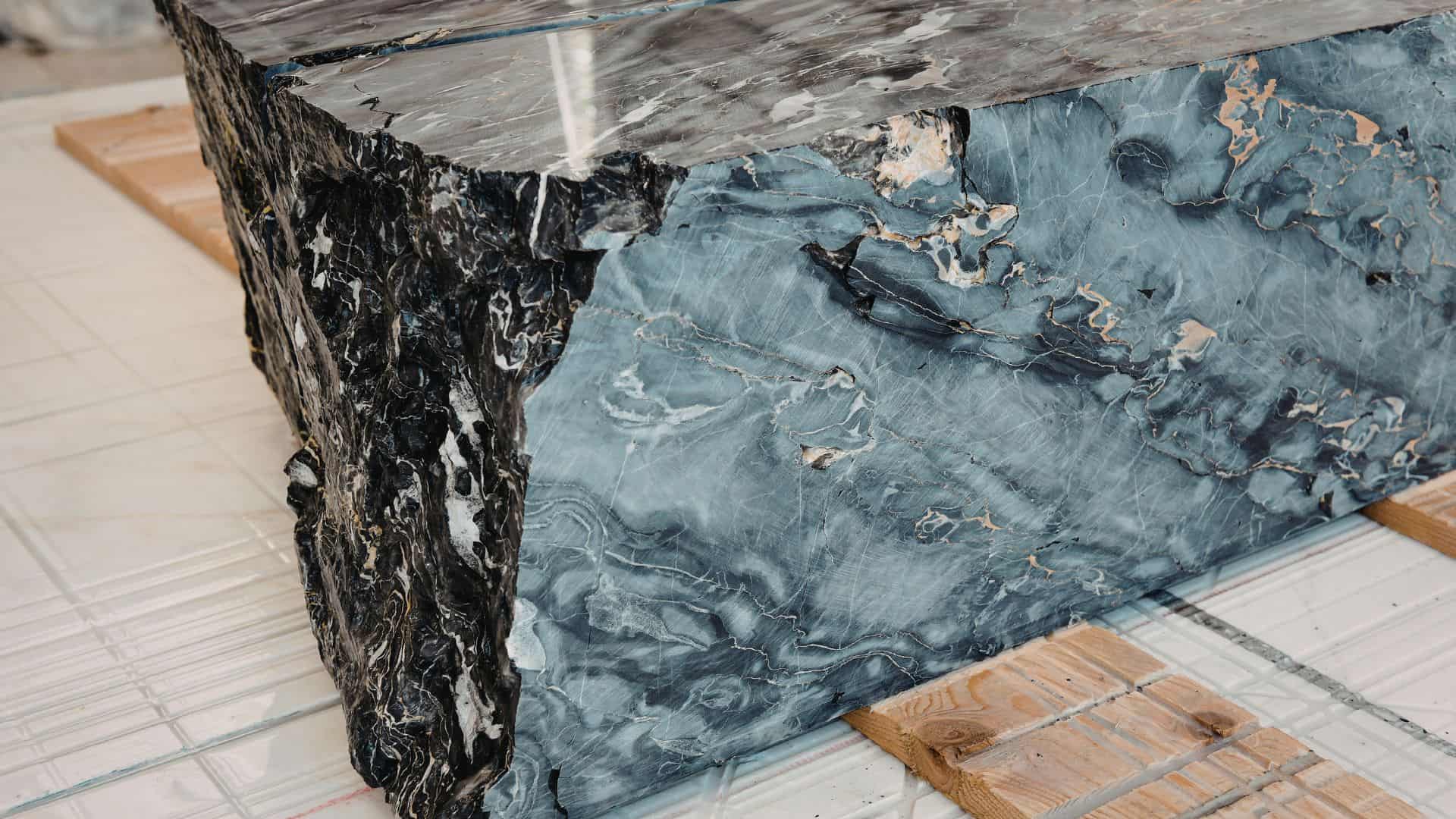
Choosing the right countertop material is about more than appearance. It affects how your kitchen functions, how much maintenance you will handle, and how your investment performs over time. Below is a balanced, experience-based breakdown of the most popular countertop materials, including how they perform in real homes and what you should realistically expect from each option.
Quartz Countertops
Quartz countertops are engineered stone surfaces made from crushed natural quartz combined with resin binders and pigments. The result is a dense, non-porous surface that offers consistency and durability while mimicking the look of natural stone.
Pros
- Non-porous surface: Quartz does not require sealing because it resists moisture and bacterial absorption. This makes it a practical option for busy kitchens and households concerned about hygiene.
- Highly durable construction: Quartz stands up well to daily wear, including cutting prep, spills, and general kitchen activity. It resists cracking and chipping under normal use.
- Consistent patterns: Because it is manufactured, quartz offers predictable color and veining. This is ideal for homeowners who want uniform slabs without natural variation.
- Strong stain resistance: Common kitchen spills like wine, coffee, and oil are less likely to penetrate the surface compared to natural stone.
- Wide color selection: From bright whites to dramatic veining and contemporary tones, quartz offers one of the broadest design ranges on the market.
Cons
- UV sensitivity: Prolonged exposure to direct sunlight can cause discoloration over time, which is important for kitchens with large windows or outdoor installations.
- Higher price point: Quartz is typically priced in the mid to upper range of countertop materials, especially for premium brands.
- Not fully heatproof: While durable, quartz can be damaged by direct heat because of the resin content. Trivets and heat pads are strongly recommended.
Best For
- Busy kitchens: Ideal for families who cook frequently and want low maintenance.
- Modern aesthetics: Works well in contemporary or transitional designs where consistency matters.
- Low maintenance households: Excellent for homeowners who prefer not to reseal or perform ongoing upkeep.
Granite Countertops
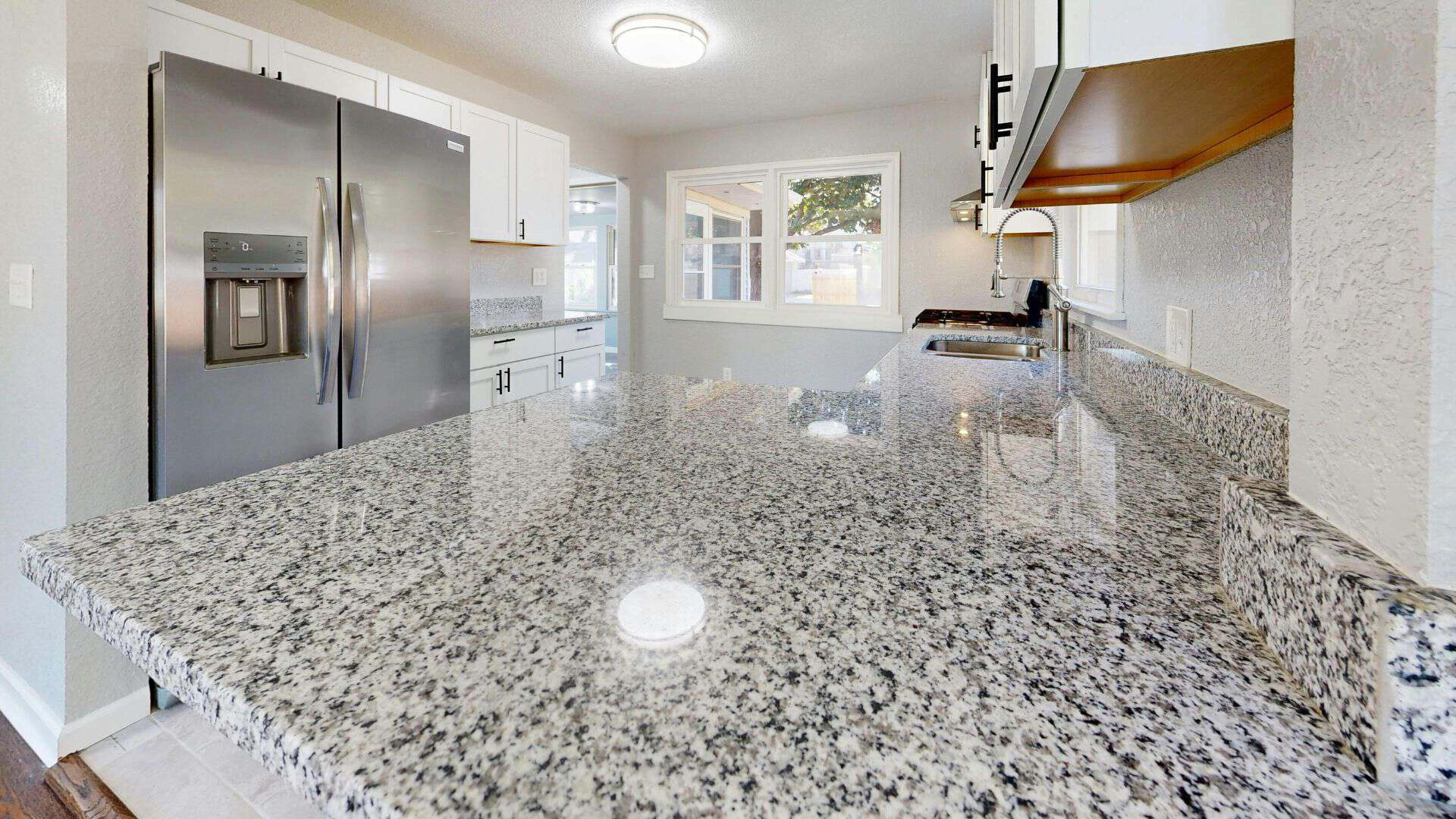
Granite countertops are cut from natural stone slabs, each with its own distinct mineral composition and veining. No two slabs are identical, which is part of their appeal.
Pros
- Extreme heat resistance: Granite can handle hot pans better than most materials, making it highly functional for avid cooks.
- Unique natural patterns: Every slab is one of a kind, offering depth and organic character that cannot be replicated by manufactured surfaces.
- Strong resale appeal: Granite remains a highly recognized premium material that many buyers actively look for.
- Long-term durability: When properly sealed, granite can last decades with minimal structural issues.
Cons
- Requires periodic sealing: Granite is porous and needs sealing every one to three years to maintain stain resistance.
- Potential staining: If neglected, spills can penetrate the surface and cause discoloration.
- Natural variation: Veining and color shifts may not suit homeowners seeking uniform design.
Best For
- Homeowners who prefer natural stone: Ideal for those who appreciate organic patterns and unique slabs.
- Traditional or luxury aesthetics: Granite complements classic and high-end kitchen designs.
Quartz Vs Granite In Florida: Which Performs Better?
Florida’s climate introduces additional considerations when comparing countertop materials. Heat, humidity, and sunlight exposure all play a role in performance and maintenance.
Heat Resistance Comparison
Granite handles direct heat more effectively than quartz. For homeowners who frequently place hot cookware on surfaces, granite offers a performance advantage. Quartz can tolerate moderate heat but should always be protected.
UV Resistance Considerations
Quartz can discolor with prolonged UV exposure, making it less suitable for outdoor kitchens or areas with intense sunlight. Granite generally performs better in direct sun, especially in covered outdoor spaces.
Maintenance In Humid Climates
Humidity does not significantly impact quartz due to its non-porous nature. Granite performs well in Florida homes as long as it is properly sealed, which prevents moisture intrusion.
Mold And Mildew Resistance
Quartz naturally resists mold growth because it does not absorb moisture. Granite also resists mold when sealed correctly, but neglected surfaces may be more vulnerable in high humidity.
Cost Comparison In Florida Markets
In many Florida markets, including Tampa, quartz and granite are similarly priced in the mid to upper range. Exotic granite slabs and premium quartz brands increase costs significantly. Installation and fabrication quality also influence final pricing.
Local Resale Trends
Florida buyers often expect stone countertops in mid-range and upscale homes. Both quartz and granite are viewed favorably, but quartz has gained popularity due to its low-maintenance appeal.
Marble Countertops
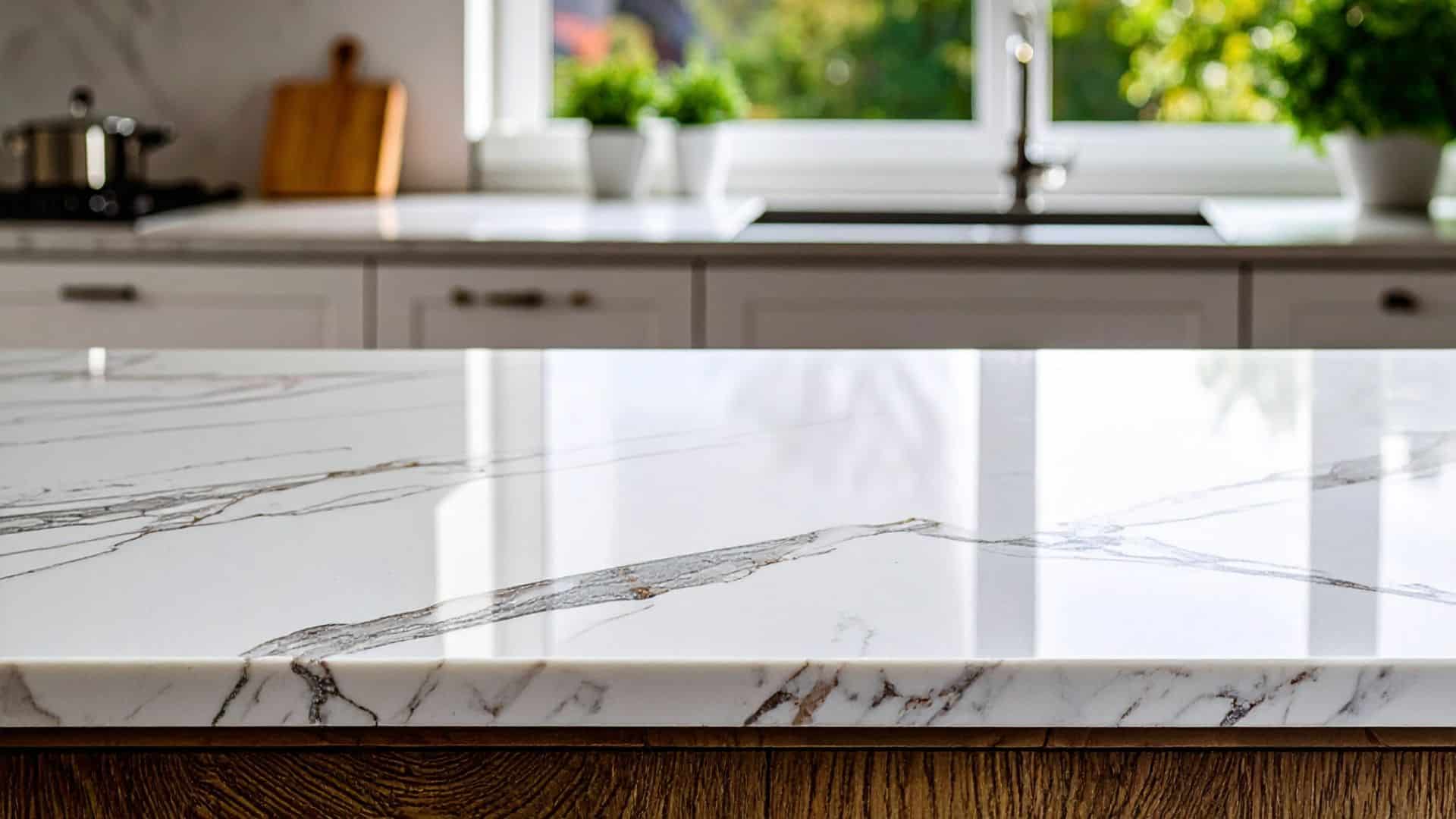
Marble is a natural stone associated with luxury and timeless design. Its soft veining and bright appearance make it visually striking.
Pros
- Elegant appearance: Marble offers a refined, high-end look that enhances bathrooms and statement kitchens.
- Cool surface temperature: Naturally cool stone makes it popular for baking and pastry preparation.
Cons
- Prone to staining and etching: Marble reacts to acidic substances like lemon juice and vinegar, which can dull the finish.
- Higher maintenance: Requires regular sealing and careful cleaning.
- Premium pricing: Marble typically falls into the higher price category.
Best For
- Low traffic kitchens: Works best in spaces where heavy cooking is limited.
- Bathroom vanities: Excellent for decorative applications.
- Design-focused spaces: Ideal when aesthetics take priority over durability.
Laminate Countertops
Laminate countertops are made from layers of plastic bonded to particleboard. Modern versions have improved in appearance and durability.
Pros
- Budget-friendly option: One of the most affordable countertop materials available.
- Simple installation: Often quicker and less labor-intensive to install.
- Wide design range: Available in patterns that mimic stone or wood.
Cons
- Limited heat resistance: Can scorch or bubble under high temperatures.
- Surface scratching: More susceptible to wear compared to stone.
- Lower resale value: Often viewed as an entry-level material.
Best For
- Rental properties: Cost-effective and functional.
- Budget remodels: Suitable for short-term upgrades.
- Quick renovations: Ideal for projects on tight timelines.
Butcher Block Countertops
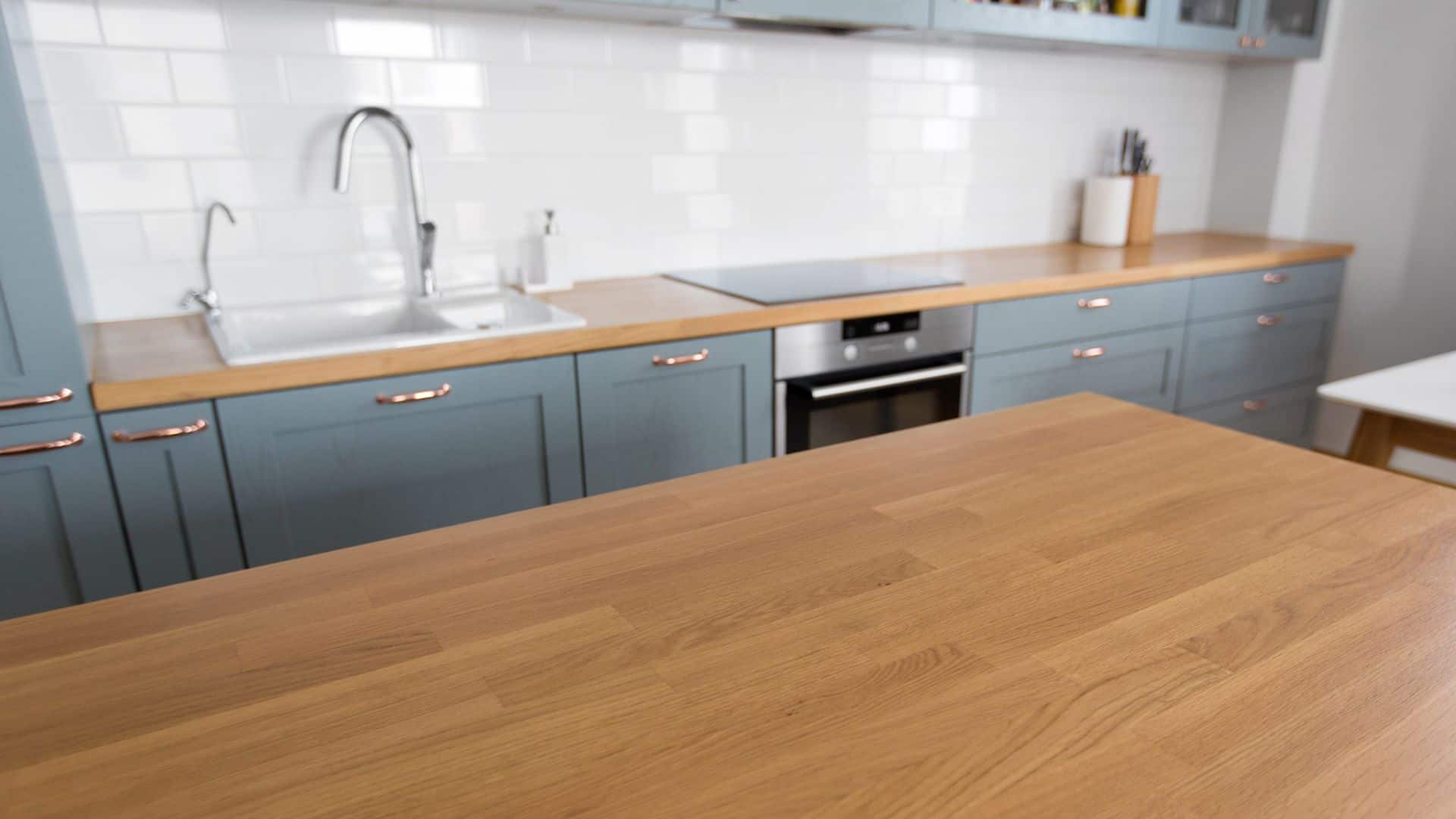
Butcher block countertops are made from strips of hardwood bonded together. They add warmth and natural texture to kitchens.
Pros
- Natural aesthetic: Creates a welcoming and organic look.
- Repairable surface: Minor scratches and dents can be sanded and refinished.
- Lower cost compared to stone: Often more affordable than quartz or granite.
Cons
- Requires sealing: Needs oiling or sealing to protect against moisture.
- Water vulnerability: Prolonged exposure to water can cause warping.
- Sanitation concerns: Without proper maintenance, bacteria can penetrate the surface.
Solid Surface (Corian)
Solid surface countertops, commonly known by brand names like Corian, are made from acrylic or polyester blends.
Pros
- Seamless appearance: Joints can be virtually invisible, creating a smooth look.
- Repairable scratches: Surface damage can often be sanded out.
- Non-porous construction: Resists stains and bacteria without sealing.
Cons
- Lower heat tolerance: Susceptible to damage from hot cookware.
- Less premium appearance: May not deliver the visual depth of natural stone.
Solid surface countertops are a practical choice for homeowners seeking affordability, seamless design, and easy repairability, though they may not provide the same resale appeal as quartz.
Countertop Options In Tampa: What Homeowners Should Know
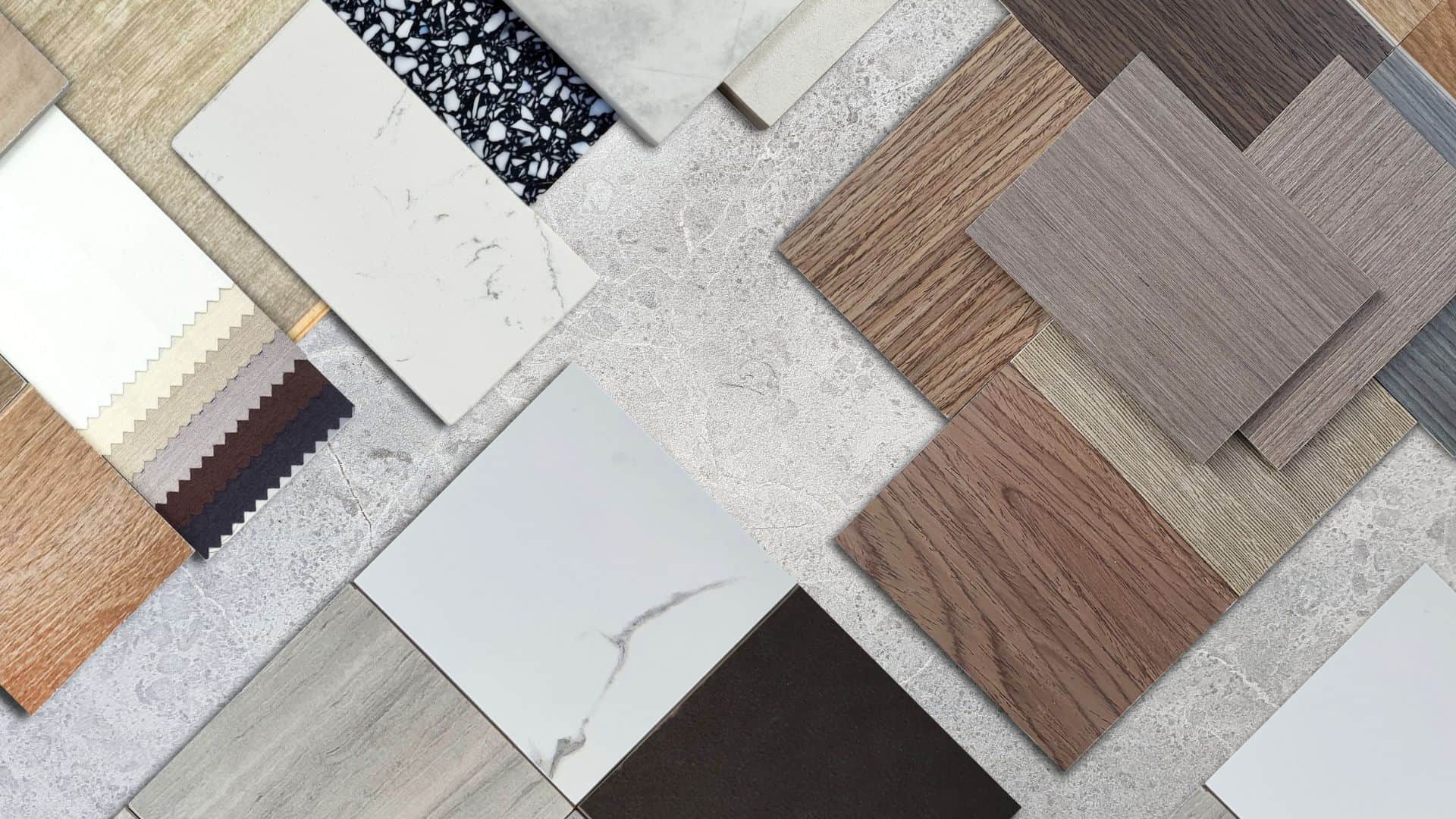
Choosing the right countertop in Tampa involves more than picking a color or material you like. Florida’s humidity, heat, strong sunlight, and growing outdoor living trend all influence which surfaces perform best long-term. Homeowners also need to consider local installation standards, material availability, and how countertops impact resale value in the Tampa real estate market. Below is a practical breakdown of what performs well locally, what you can expect to pay, and how to choose a trusted supplier or installer.
Popular Materials In Tampa Homes
Tampa homeowners tend to prioritize durability, moisture resistance, and low maintenance. Design preferences also lean toward bright, coastal-inspired kitchens with light colored surfaces and clean finishes.
Quartz Trends
Quartz continues to lead among countertop options in Tampa, especially in newer construction and full kitchen remodels.
- Low Maintenance Appeal: Quartz is non-porous, meaning it does not require sealing and resists stains and moisture. In a humid climate like Tampa, this is a major advantage.
- Modern Aesthetics: Homeowners often choose white or light gray quartz with subtle veining to create an open, airy look that complements coastal and transitional designs.
- Consistent Appearance: Because quartz is engineered, slabs offer uniform color and patterning, which appeals to homeowners who want predictable results.
One important consideration in Florida is UV exposure. Standard quartz can discolor in prolonged direct sunlight, so it is typically best suited for indoor kitchens rather than uncovered outdoor areas.
Granite Demand
Granite remains highly popular in Tampa, particularly among homeowners who prefer natural stone and unique patterns.
- Heat Resistance: Granite performs exceptionally well in hot environments and tolerates hot cookware better than engineered surfaces.
- Natural Beauty: Each slab is unique, which appeals to buyers who want a high-end, one-of-a-kind look.
- Strong Resale Perception: Granite is still viewed as a premium upgrade in many Florida homes, especially in mid-range and higher-end properties.
Because granite is porous, proper sealing is essential. In humid regions, maintaining the seal helps prevent staining and moisture absorption over time.
Outdoor Kitchen Considerations
Outdoor kitchens are common in Tampa due to year-round warm weather. Not all countertop materials are suitable for exterior use.
- UV Stability: Granite is generally preferred for outdoor kitchens because it withstands direct sunlight without fading.
- Weather Resistance: Materials must handle rain, humidity, and temperature shifts without cracking or warping.
- Avoid Resin-Based Surfaces: Standard indoor quartz may discolor in direct sun unless specifically rated for outdoor use.
If you are planning an outdoor kitchen in Tampa, always confirm the material’s exterior rating before installation.
Cost Ranges In The Tampa Area
Countertop pricing in Tampa varies depending on material, slab quality, fabrication complexity, and installation requirements. Understanding realistic price tiers helps homeowners set appropriate budgets.
Entry Level Options
Entry-level countertops typically range from budget-conscious materials to basic natural stone selections.
- Laminate: Often the most affordable choice, laminate offers low upfront cost but limited durability and resale value.
- Basic Granite Colors: Some entry-level granite slabs are competitively priced and can provide a natural stone look without premium pricing.
- Prefabricated Options: Pre-cut slabs with standard dimensions reduce fabrication costs.
Entry-level pricing may start around the lower end of the per square foot spectrum, but customization is limited.
Mid Range
Mid-range countertops represent the most common investment level for Tampa homeowners.
- Standard Quartz Designs: Popular colors and patterns fall into this category.
- Mid Grade Granite: Slabs with more distinctive veining or rarer colors.
- Custom Fabrication: Edge profiles, cutouts, and kitchen islands increase total cost.
This range offers a balance of aesthetics, durability, and long-term value.
Premium Slabs
Premium countertops are typically chosen for luxury remodels or high-end homes.
- Exotic Granite: Rare patterns and imported slabs command higher pricing.
- Designer Quartz Collections: High-end brands and intricate veining styles.
- Marble Or Specialty Stone: Luxury materials that require careful maintenance.
Premium materials significantly increase visual impact but require thoughtful planning and budgeting.
Installation Considerations
Installation costs in Tampa depend on layout complexity and labor requirements.
- Cutouts And Edges: Sink cutouts, waterfall edges, and custom shapes increase fabrication time.
- Demolition And Removal: Removing old countertops adds labor and disposal fees.
- Sealing And Finishing: Natural stone requires proper sealing to perform well in Florida’s humidity.
A professional installation ensures seams are tight, surfaces are level, and long-term performance is protected.
Choosing A Local Supplier Or Installer
Selecting the right countertop company in Tampa is just as important as choosing the material itself. Quality fabrication and installation directly affect durability and appearance.
What To Look For
A reputable supplier or installer should demonstrate both technical expertise and transparency.
- Local Experience: Companies familiar with Tampa’s climate understand which materials perform best in humid and coastal conditions.
- In-house Fabrication: Businesses that fabricate locally often provide better quality control and faster turnaround.
- Clear Portfolio: Reviewing completed projects helps you assess workmanship and design capability.
Questions To Ask
Before signing a contract, ask specific, informed questions.
- What Is Included In The Quote: Clarify whether removal, cutouts, sealing, and installation are included.
- What Warranty Is Offered: Ask about both manufacturer warranties and workmanship guarantees.
- How Are Slabs Selected: Confirm whether you can view and choose your actual slab rather than selecting from a sample.
Clear answers signal professionalism and reduce misunderstandings later.
Red Flags To Avoid
Not all contractors operate at the same standard. Watch for warning signs.
- Vague Pricing: Estimates without detailed breakdowns can lead to unexpected costs.
- No Physical Location: Established showrooms or fabrication facilities provide credibility.
- High-Pressure Sales Tactics: Reputable companies educate rather than rush decisions.
Taking the time to evaluate suppliers carefully protects your investment and ensures your countertop performs well for years.
Cost Comparison Table (At-a-Glance)
When comparing countertop materials, most homeowners want a quick way to understand how options stack up in terms of cost, maintenance, and long-term performance. While prices can vary depending on location, slab selection, edge profiles, and installation complexity, the ranges below reflect realistic market averages for kitchen countertop materials in Florida and similar markets. Use this table as a starting point, then factor in your specific layout, square footage, and installation needs.
Quartz
- Average Cost per Sq Ft: $60 to $120 installed, depending on brand, color, and fabrication complexity
- Maintenance Level: Low because it is non-porous and does not require sealing
- Durability: High resistance to stains and scratches, moderate resistance to heat
- Best For: Busy households, modern kitchens, and homeowners who want low maintenance with consistent design patterns
Quartz remains one of the most popular countertop options in Tampa and throughout Florida due to its durability and ease of care. It performs well in humid climates and resists staining without ongoing sealing. However, it is important to use trivets under hot cookware since excessive heat can damage the resin binders.
Granite
- Average Cost per Sq Ft: $50 to $150 installed depending on slab rarity and thickness
- Maintenance Level: Moderate because it requires sealing every one to three years
- Durability: Very high heat resistance and strong scratch resistance when sealed
- Best For: Homeowners who value natural stone character and long-term resale appeal
Granite continues to be a strong competitor in the quartz vs granite Florida debate. It handles heat exceptionally well and offers one-of-a-kind patterns. The key consideration is maintenance. Proper sealing protects against staining and moisture absorption, especially in humid environments.
Marble
- Average Cost per Sq Ft: $75 to $180 installed depending on quality and origin
- Maintenance Level: High because it is porous and prone to etching
- Durability: Moderate durability but susceptible to scratches and acid damage
- Best For: Bathroom vanities, baking stations, and design-focused kitchens
Marble delivers timeless elegance but requires commitment. Acidic substances like lemon juice or vinegar can etch the surface, and darker liquids may stain if spills are not cleaned quickly. It is best suited for homeowners who prioritize aesthetics and understand the maintenance involved.
Laminate
- Average Cost per Sq Ft: $20 to $50 installed
- Maintenance Level: Low because it does not require sealing
- Durability: Moderate resistance to stains but low heat and scratch resistance
- Best For: Budget remodels, rental properties, and short-term upgrades
Laminate is one of the most affordable countertop materials available. While it has improved significantly in design and realism, it does not offer the longevity or heat resistance of stone surfaces. It can be a practical solution when cost is the primary factor.
Butcher Block
- Average Cost per Sq Ft: $40 to $100 installed depending on wood species
- Maintenance Level: Moderate to high because it requires regular oiling or sealing
- Durability: Moderate durability but vulnerable to water damage and scratches
- Best For: Warm, natural kitchens and homeowners who appreciate a softer surface
Butcher block adds warmth and character that stone cannot replicate. It is repairable through sanding, which is a benefit, but it must be maintained carefully to prevent moisture damage, especially in humid climates like Florida.
Solid Surface
- Average Cost per Sq Ft: $50 to $100 installed
- Maintenance Level: Low because it is non-porous and repairable
- Durability: Moderate heat resistance and good stain resistance
- Best For: Seamless designs and integrated sink applications
Solid surface materials such as Corian offer a clean, seamless look. Scratches can often be buffed out, which makes them appealing for families. However, they do not provide the same premium appearance or heat resistance as natural stone.
How To Use This Table When Making Your Decision
A cost comparison table provides clarity, but choosing the right countertop material requires context. Consider the following practical factors before making a final decision:
- Lifestyle Demands: If you cook daily and frequently place hot pans on the counter, heat resistance should be a priority.
- Maintenance Tolerance: Some homeowners prefer a surface that requires no sealing or special care.
- Long Term Plans: If you plan to sell within a few years, materials with strong resale appeal such as quartz or granite, may offer better return on investment.
- Climate Conditions: In Florida, humidity and sun exposure should influence your choice, particularly for outdoor kitchens or areas with direct sunlight.
- Design Goals: The visual impact of natural stone versus engineered surfaces can significantly affect the overall feel of your space.
When reviewing countertop materials’ pros and cons, the goal is not simply to find the cheapest or most popular option. It is to choose the surface that aligns with how you actually live. By understanding the true cost, durability, and maintenance requirements of each material, you can move forward with confidence and avoid expensive surprises later.

Common Mistakes To Avoid When Choosing Countertops
Selecting the right countertop material is a major decision that affects how your kitchen or bathroom looks, functions, and holds value over time. While many homeowners focus on color and style first, experienced remodelers know that long-term performance, maintenance, and installation details matter just as much. Avoiding the common mistakes below can save you from costly regrets and ensure your new countertops perform as beautifully as they look.
Choosing Based On Looks Alone
Design is important, but it should never be the only deciding factor. A countertop might look stunning in a showroom yet fail to meet the practical demands of your home.
- Lifestyle compatibility: A white marble slab may look elegant, but if you cook daily with acidic ingredients like citrus or vinegar, etching and staining can become a constant frustration.
- Traffic level: High traffic family kitchens benefit from durable, low-maintenance materials such as quartz or properly sealed granite.
- Long-term satisfaction: Trends change. Choose a surface that balances aesthetic appeal with durability and resale value.
When reviewing countertop materials pros and cons, always weigh visual appeal against performance. The best countertop is one that fits your daily habits, not just your design inspiration board.
Ignoring Maintenance Requirements
Every countertop material has maintenance needs, and overlooking them can lead to damage, staining, or disappointment.
- Sealing needs: Natural stone such as granite typically requires sealing every one to three years to maintain stain resistance.
- Heat sensitivity: Quartz resists stains but can discolor if exposed to excessive direct heat.
- Ongoing care: Butcher block requires regular oiling to prevent drying and cracking.
Understanding maintenance upfront allows you to choose a material that aligns with how much upkeep you are willing to commit to. If low maintenance is a priority, engineered surfaces like quartz may be more practical than porous natural stone.
Not Factoring Installation Costs
Many homeowners focus only on the material price per square foot, overlooking installation variables that significantly impact the final budget.
- Fabrication complexity: Intricate cuts around sinks, cooktops, and corners increase labor costs.
- Material weight: Heavy stone slabs may require cabinet reinforcement or specialized handling.
- Edge detailing and finishing: Decorative edges add both labor time and cost.
When exploring countertop options in Tampa or any other market, request a full estimate that includes templating, fabrication, installation, and any additional structural adjustments. A transparent quote helps prevent unexpected expenses mid-project.
Forgetting Edge Profiles And Thickness
Edge profiles and slab thickness influence both appearance and durability, yet they are often treated as afterthoughts.
- Edge profile impact: A simple eased edge creates a modern look, while an ogee edge adds traditional elegance. The style can subtly shape the entire design aesthetic.
- Safety considerations: Rounded edges may be safer in homes with young children.
- Thickness and strength: Thicker slabs can create a more substantial, high-end appearance and may improve structural integrity for certain materials.
Discuss edge options with your installer early in the selection process so your countertop feels intentional rather than generic.
Skipping Samples In Natural Lighting
Showroom lighting rarely reflects how a countertop will look inside your home. Stone and engineered materials can appear dramatically different under various lighting conditions.
- Color variation: Granite and marble are natural products with unique veining that may look warmer or cooler depending on your lighting.
- Cabinet coordination: A sample allows you to see how the countertop pairs with cabinetry, flooring, and backsplash.
- Daylight exposure: In sunny climates like Florida, natural light can change how quartz vs granite appears throughout the day.
Always request a sample and place it in your kitchen or bathroom for several days. View it in morning light, evening light, and under artificial lighting. This small step can prevent costly dissatisfaction after installation.
Expert Tips For Making The Final Decision
Choosing between countertop materials is not just about comparing pros and cons on paper. It is about seeing how a material performs in your real space, under your lighting, with your cabinets, and within your long-term plans. After helping homeowners evaluate everything from quartz vs granite in Florida to budget-friendly countertop options in Tampa, one thing is clear: the final decision becomes much easier when you approach it methodically. The following steps will help you move from uncertainty to confidence.
Bring Cabinet Samples To The Showroom
Countertops never exist in isolation. They interact with cabinetry, flooring, backsplash, wall color, and lighting. A slab that looks perfect under showroom lighting may feel completely different in your kitchen.
- Color Harmony: Bring a cabinet door, drawer front, or at a minimum a paint swatch so you can see undertones side by side. Warm cabinets can clash with cool-toned quartz or granite if you do not compare them directly.
- Contrast Balance: Decide whether you want subtle blending or bold contrast. Seeing samples together helps prevent choosing a countertop that overwhelms or disappears against the cabinetry.
- Lighting Reality Check: Showrooms often use bright overhead lighting. Ask to view samples near a window or under different lighting conditions to better mimic natural light at home.
This simple step prevents one of the most common remodeling regrets: choosing a beautiful slab that does not feel cohesive once installed.
Ask About Slab Origin
When comparing countertop materials’ pros and cons, most homeowners focus on durability and price. Fewer ask where the slab comes from and how it was manufactured. That information matters.
- Material Source: Granite is quarried from specific regions around the world, and quality can vary by quarry. Quartz brands also vary in manufacturing standards and resin composition.
- Consistency And Quality Control: Established manufacturers typically have stricter quality checks, which can impact durability, color consistency, and warranty coverage.
- Ethical And Environmental Standards: Some suppliers follow higher environmental or labor standards. If sustainability matters to you, ask direct questions.
Understanding slab origin demonstrates due diligence and protects you from purchasing lower-grade material marketed at premium prices.
Check Warranty Details
Not all warranties are equal, and the fine print can make a significant difference in long-term satisfaction.
- Coverage Scope: Confirm what is covered, such as manufacturing defects, staining, cracking, or discoloration. Some warranties exclude installation errors or improper maintenance.
- Duration: Quartz often comes with longer manufacturer warranties compared to natural stone. However, duration is only meaningful if the coverage is clear and enforceable.
- Transferability: If you plan to sell your home, a transferable warranty can add appeal to potential buyers.
Take a few minutes to review warranty documentation rather than relying on verbal assurances. This step reinforces trust and protects your investment.
Consider Future Resale
Even if you plan to stay in your home for years, it is wise to think about resale. Countertops are highly visible and strongly influence buyer perception.
- Market Expectations: In many Florida markets, granite and quartz are considered standard in mid-range and higher-end homes. Laminate may limit perceived value.
- Timeless Appeal: Neutral tones and classic patterns typically have broader appeal than highly dramatic or trendy designs.
- Neighborhood Standards: Consider what materials are common in comparable homes. Installing an ultra-luxury slab in a modest neighborhood may not deliver full return on investment.
Balancing personal taste with market awareness helps ensure your countertop upgrade supports both enjoyment and long-term value.
Request Care Instructions Upfront
Maintenance requirements vary widely between materials. Before finalizing your decision, make sure you understand what ownership looks like after installation.
- Daily Cleaning: Ask what cleaners are safe and whether special products are required. Quartz is generally low maintenance, while marble demands more caution.
- Sealing Requirements: If choosing granite or another natural stone, confirm how often sealing is needed and whether the installer provides initial sealing.
- Heat And Impact Limits: Clarify realistic expectations for heat resistance and scratch resistance so you can avoid accidental damage.
Making the final decision on countertop materials is less about finding the single best option and more about finding the right fit for your home, lifestyle, and goals. By bringing cabinet samples, verifying slab origin, reviewing warranty terms, thinking about resale, and understanding maintenance expectations, you move beyond surface-level comparisons and make a well-informed, confident choice grounded in experience and practical insight.
Choosing the right countertop is an investment in your home’s beauty, functionality, and long-term value, and having expert guidance can make all the difference. If you are comparing materials, exploring quartz vs granite in Florida, or researching countertop options in Tampa, our team is here to help you make a confident decision backed by experience and industry expertise. Visit our website to explore material options, view inspiration, and schedule a personalized consultation so you can move forward with clarity and peace of mind.
FAQs: About Pros & Cons Of Countertop Materials
- What countertop material is the most durable?
Quartz and granite are generally considered the most durable countertop materials. Quartz is non-porous and resistant to stains and scratches, while granite is extremely heat-resistant and strong when properly sealed. The best choice depends on how much maintenance you are willing to handle. - Is quartz better than granite for Florida homes?
In Florida’s humid climate, quartz is often preferred because it is non-porous and does not require sealing. However, granite performs very well in heat and offers natural beauty that many homeowners prefer. The decision usually comes down to maintenance preference and design style. - Which countertop material requires the least maintenance?
Quartz requires the least maintenance because it does not need sealing and resists staining. Laminate is also low maintenance but less durable. Natural stones like granite and marble require periodic sealing to maintain their resistance to moisture and stains. - What is the most affordable countertop option?
Laminate is typically the most budget-friendly option, followed by butcher block and some entry-level granite slabs. While lower-cost materials reduce upfront expenses, they may not offer the same longevity or resale value as quartz or granite. - Do granite countertops increase home value?
Granite countertops can increase perceived home value because they are considered a premium, natural material. Buyers often associate granite with durability and luxury. The overall impact on value depends on the quality of installation and how well the material complements the kitchen design. - Are quartz countertops heat-resistant?
Quartz countertops are heat-resistant to a degree but not heat-proof. Because they contain resin, prolonged direct heat from hot pans can cause discoloration or damage. Using trivets or heat pads is recommended to protect the surface. - What countertops are best for busy families?
Quartz is often the top choice for busy households because it resists stains, scratches, and bacteria without requiring sealing. Granite is also durable but needs maintenance to keep it protected. For families with children, low-maintenance surfaces usually provide the best long-term experience. - How often do granite countertops need to be sealed?
Most granite countertops need sealing once every one to three years, depending on usage and the type of granite. A simple water test can determine if resealing is needed. Proper sealing helps prevent stains and extends the life of the stone. - What are the main disadvantages of marble countertops?
Marble is prone to staining, scratching, and etching from acidic substances. It requires more maintenance than quartz or granite and is typically more expensive. While it offers timeless elegance, it is better suited for low-traffic areas or homeowners comfortable with regular upkeep. - How do I choose the right countertop for my kitchen remodel?
Start by considering your budget, cooking habits, maintenance preferences, and long-term plans for the home. Visit showrooms to see materials in person and request samples to view in your own lighting. Comparing durability, cost, and care requirements will help you make a confident and informed decision.
Conclusion
Choosing the right countertop comes down to balancing budget, lifestyle, climate, and long-term maintenance in a way that makes sense for your home rather than simply following trends. A beautiful slab may catch your eye in a showroom, but the better question is how it will perform five or ten years from now under daily cooking, cleaning, sunlight exposure, and normal wear. If you cook often and want minimal upkeep, quartz offers durability and low maintenance, while homeowners who value natural character and strong heat resistance may lean toward granite, especially when properly sealed. Budget should include not only material costs but also fabrication, installation, edge profiles, and future care. Climate matters more than many people realize, particularly in warm and humid regions where UV exposure and moisture can influence long term performance. Taking the time to compare samples in your own lighting, understanding warranty details, and asking practical questions about maintenance will help you avoid costly mistakes. A professional consultation can provide clarity on slab selection, installation quality, and material suitability for your specific space, ensuring your final choice supports both your design vision and the long term functionality of your kitchen or bathroom.
Upgrade Your Countertops And Transform Your Home With Expert Remodeling Services
- Full Home Remodeling: Reimagine your entire home with cohesive design upgrades that align your countertops, cabinetry, flooring, and layout into one seamless, high-functioning space built for comfort and long-term value.
- Kitchen Remodeling: Design a kitchen that highlights your countertop choice with smart layouts, durable materials, and expert craftsmanship that enhance daily cooking, entertaining, and overall home appeal.
- Bathroom Remodeling: Elevate your bathroom with stylish vanities, moisture-resistant surfaces, and quality finishes that pair beautifully with the right countertop material for durability and elegance.
- ADU Builders & Garage Conversions: Expand your living space with custom ADUs or garage conversions that include functional kitchenettes and bathrooms designed with practical, long-lasting countertop solutions.
- Floor Installation: Complete your renovation with professionally installed flooring that complements your countertops and creates a balanced, polished look throughout your home.
- Outdoor Kitchen Contractor: Extend your lifestyle outdoors with weather-conscious outdoor kitchens featuring durable countertop materials designed to withstand Florida heat and humidity.
- Water Damage Restoration: Protect your investment with restoration services that safeguard cabinets, countertops, and interior finishes from long-term moisture damage.