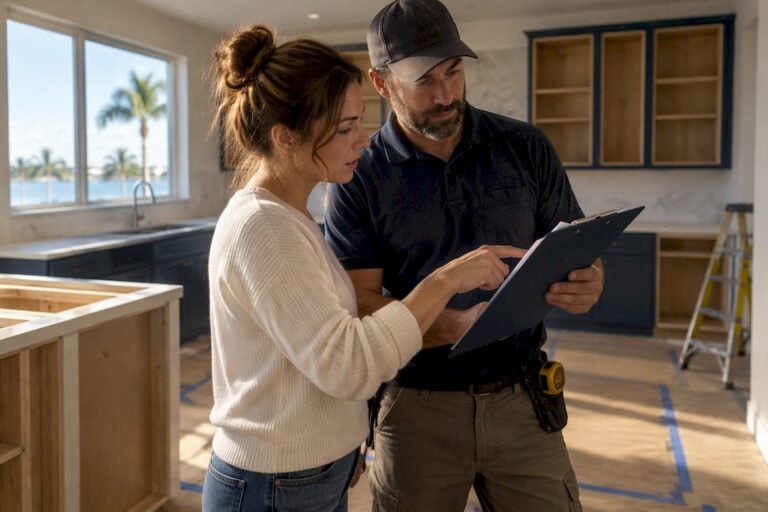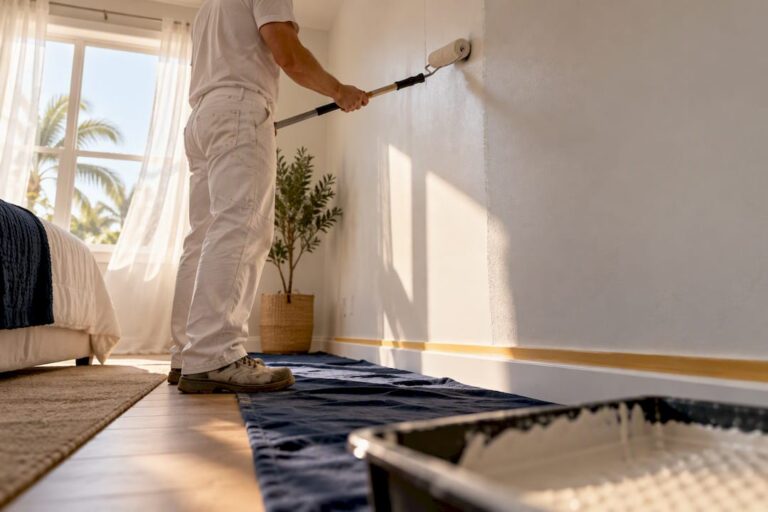


Welcome to your complete guide on whether you need a license to remodel homes in Florida, where we break down the legal requirements, common exceptions, and practical steps you need to take before starting any renovation project. Whether you are a homeowner planning upgrades or someone looking to offer remodeling services, understanding Florida’s contractor licensing laws can help you avoid costly mistakes, legal issues, and project delays. In this guide, you will learn what types of remodeling work require a license, when you may legally work without one, how permits factor into the process, and how to stay fully compliant while protecting your investment and reputation.
Yes, in most cases, you need a contractor license to remodel homes in Florida, especially for structural work or projects requiring permits. Minor repairs like painting or basic maintenance may not require a license. Always check local regulations, as requirements vary by project scope and municipality.
What Counts as “Remodeling” Under Florida Law?
Understanding what qualifies as remodeling in Florida is essential before starting any home improvement project. The term “remodeling” goes beyond simple upgrades and often includes work that affects a home’s structure, systems, or overall functionality. Florida law focuses less on the label of the project and more on the type of work being performed, especially when it involves safety, building codes, and permit requirements. Knowing where your project falls can help you determine whether a licensed contractor is required.
Common Types of Remodeling Work
Remodeling typically includes any project that alters the structure, layout, or core systems of a home. These projects often require permits and must comply with local building codes, which is why they usually fall under licensed contractor requirements.
- Kitchen and bathroom renovations: These projects often involve more than surface-level updates. Moving plumbing lines, installing new fixtures, or reconfiguring layouts can trigger permit requirements and licensing rules, even if the work appears straightforward at first.
- Structural changes: Any modification to load-bearing walls, roofing systems, or home additions is considered structural work. This type of remodeling directly impacts the safety and integrity of the property, making licensed oversight essential.
- Electrical, plumbing, and HVAC modifications: Work involving these systems is tightly regulated in Florida due to safety concerns. Even small upgrades like adding outlets or relocating plumbing fixtures may require a licensed professional, depending on the scope.
Difference Between Remodeling vs. Minor Repairs
Not all home improvement work is considered remodeling under Florida law. The distinction between remodeling and minor repairs is important because it determines whether a license and permits are required.
- Cosmetic vs. structural work: Cosmetic improvements such as painting, replacing cabinet hardware, or installing new flooring without altering substructures are generally considered minor repairs. In contrast, structural or system-related work falls under remodeling and typically requires a licensed contractor.
- When a project crosses into licensed territory: A project may start as a simple upgrade but become regulated once it involves permits, system changes, or structural adjustments. For example, replacing a sink may not require a license, but relocating plumbing lines or modifying cabinetry to fit new layouts can shift the project into licensed work.
In many cases, the difference between a simple repair and a full remodeling project comes down to how much the work impacts the home’s structure or systems, so taking the time to clarify this upfront can prevent costly mistakes later.

Do You Need a License to Remodel Homes in Florida? (Clear Legal Answer)
In Florida, whether you need a license to remodel a home depends largely on the type of work being performed, not just the size or cost of the project. The state has strict contractor-licensing laws designed to protect homeowners, ensure code compliance, and maintain safety standards across residential construction projects. In general, if the work goes beyond basic, non-structural repairs or involves regulated systems, a valid contractor license is required.
When a License Is Required
Understanding when a license is legally required is critical if you want to avoid fines, delays, or invalid contracts. Florida law focuses on the nature of the work rather than the price of the project.
Structural work
Any project that alters the structure of a home requires a licensed contractor. This includes changes that affect load-bearing walls, roofing systems, foundations, or additions to the property. Structural work directly impacts the safety and stability of the home, which is why it is tightly regulated.
- Load-bearing changes: Removing or modifying walls that support the structure requires professional oversight and a licensed contractor
- Additions and expansions: Building new rooms, garages, or second-story additions must meet strict building-code standards
- Roof modifications: Repairs or replacements that affect the integrity of the roof structure require proper licensing
Projects requiring permits
If a remodeling project requires a building permit, it is a strong indicator that a licensed contractor is needed. Permits ensure the work complies with local building codes and will be inspected during and after completion.
- Permit-triggered work: Kitchen remodels, bathroom upgrades, and major renovations often require permits due to system changes
- Inspection requirements: Licensed contractors are responsible for scheduling inspections and ensuring compliance
- Code compliance: Permits help confirm that the work meets safety and construction standards set by the local authority
Work involving regulated trades (electrical, plumbing, HVAC)
Florida strictly regulates certain trades due to the technical knowledge and safety risks involved. Any work related to these systems must be performed by a licensed professional in that specific field.
- Electrical systems: Installing wiring, panels, or lighting circuits requires a licensed electrician
- Plumbing systems: Modifying water lines, drains, or fixtures must be handled by a licensed plumber
- HVAC systems: Installing or repairing heating and cooling systems requires a certified HVAC contractor
Types of Contractor Licenses in Florida
Florida offers several types of contractor licenses depending on the scope and specialization of the work. Choosing the right license ensures you are legally authorized to perform specific types of remodeling.
Certified vs. Registered contractor
The difference between these two license types determines where you can legally work within the state.
- Certified contractor: Allowed to work anywhere in Florida after passing a state-level exam and meeting all requirements
- Registered contractor: Limited to specific local jurisdictions and must comply with local licensing rules
General contractor
A general contractor has the broadest scope of work and can handle large-scale remodeling and construction projects.
- Project scope: Can manage structural work, new construction, and major renovations
- Oversight role: Often supervises subcontractors and ensures the entire project stays compliant
Building contractor
Building contractors have a slightly narrower scope than general contractors but can still handle most residential and light-commercial projects.
- Permitted work: Residential remodeling, additions, and structural improvements
- Limitations: May not take on large-scale commercial or specialized structural projects
Residential contractor
Residential contractors focus specifically on home-based projects and are ideal for standard remodeling work.
- Typical projects: Home renovations, repairs, and improvements on one to four-family residences
- Specialization: Limited to residential structures rather than commercial buildings
Specialty licenses (roofing, plumbing, electrical)
Certain trades require their own specialized licenses due to the technical expertise involved.
- Trade-specific licensing: Each trade has its own certification requirements and exams
- Safety-focused roles: These licenses ensure that high-risk systems are handled by trained professionals
- Compliance requirements: Work must meet strict code standards and pass inspections
State vs. Local Licensing Rules
Florida’s contractor licensing system operates at both the state and local levels, which can sometimes create confusion for homeowners and contractors alike. Understanding how these layers interact helps ensure full compliance.
Florida DBPR role
The Florida Department of Business and Professional Regulation oversees contractor licensing at the state level and sets the standards for certification.
- Licensing authority: Issues certified contractor licenses and maintains records
- Regulatory oversight: Enforces rules, handles complaints, and manages disciplinary actions
- Public access: Provides an online system where licenses can be verified quickly
Local municipality requirements
In addition to state rules, local governments may impose their own requirements related to permits, inspections, and registered contractors.
- Permit enforcement: Cities and counties control when permits are required and how inspections are handled
- Local licensing: Some areas require contractors to register before working within that jurisdiction
- Code variations: Building codes and enforcement practices may differ slightly by location
Understanding both state-level and local-level requirements ensures that your remodeling project stays compliant from start to finish. Ignoring either layer can lead to delays, failed inspections, or legal issues that could have been avoided with proper planning.

When You Don’t Need a License (Legal Exceptions)
While Florida has strict licensing requirements for most remodeling work, there are specific situations where a license is not legally required. These exceptions are often misunderstood, which can lead to unintentional violations. Understanding where the line is drawn between licensed and unlicensed work is essential if you want to stay compliant and avoid costly mistakes.
Minor Repairs and Handyman Work
Certain low-risk, non-structural tasks can typically be performed without a contractor license. These are often referred to as handyman services and are limited to work that does not impact the structural integrity or major systems of a home.
- Cosmetic Improvements: Painting walls, staining wood, installing trim, or replacing fixtures like cabinet handles are generally allowed without a license because they do not alter the structure or require permits.
- Basic Carpentry Work: Small repairs such as fixing doors, patching drywall, or repairing fences usually fall within the scope of unlicensed work as long as no structural changes are involved.
- Simple Maintenance Tasks: Jobs like gutter cleaning, pressure washing, or minor tile repairs are considered routine maintenance and do not require specialized licensing.
The key factor is whether the work crosses the non-structural threshold. Once a project involves altering load-bearing components, modifying layouts, or touching regulated systems like electrical or plumbing, it moves into licensed territory. Even something that starts as a simple repair can require a license if it expands beyond basic maintenance.
Working on Your Own Property
Florida allows homeowners to take on certain remodeling projects without holding a contractor license through what is known as the owner-builder exemption. This can be a useful option, but it comes with important limitations that are often overlooked.
- Primary Responsibility: The homeowner must act as the contractor, meaning they are fully responsible for managing the project, obtaining permits, and ensuring all work meets building codes.
- Limited Use of Labor: You cannot freely hire unlicensed workers to complete the job. Any subcontractors used for regulated trades must still be properly licensed.
- Occupancy Requirement: In many cases, the property must be intended for personal use, not immediate resale or investment purposes. This helps prevent misuse of the exemption for commercial gain.
The owner-builder exemption is designed for individuals who genuinely want to work on their own home, not for those trying to bypass licensing requirements. Misusing this exemption can result in fines or complications when selling the property later.
Project Cost Considerations
A common misconception is that small or low-cost projects do not require a license. In Florida, licensing requirements are not determined by how much a project costs, but by the type of work being performed.
- Scope Over Price: A low-cost project that involves electrical or structural work still requires a licensed contractor, regardless of the total budget.
- No Universal Threshold: Unlike some states, Florida does not have a simple “under a certain dollar amount” rule that automatically exempts you from licensing requirements.
- Permit-Driven Rules: If the work requires a permit, it typically requires a licensed professional, even if the job seems minor in cost or size.
Relying on cost alone is one of the most common mistakes homeowners and new contractors make. The safer approach is to evaluate the nature of the work and check local building requirements before starting any project.

What Happens If You Remodel Without a License in Florida?
Taking on remodeling work without the proper license in Florida is not just a technical violation, it can lead to serious legal, financial, and safety consequences that affect both contractors and homeowners. Florida enforces strict contractor-licensing laws to protect public safety, ensure quality workmanship, and maintain accountability in the construction industry. Understanding these risks can help you avoid costly mistakes and make informed decisions before starting any project.
Legal Penalties And Fines
Operating without a valid contractor license in Florida can result in immediate legal consequences, even for first-time offenders. The state treats unlicensed contracting as a serious violation because it bypasses safety standards and regulatory oversight.
- Misdemeanor charges: Performing unlicensed contracting work is typically classified as a first-degree misdemeanor, which can lead to criminal charges, probation, or even jail time in severe cases or repeat offenses
- Financial penalties: Fines can range from hundreds to thousands of dollars depending on the scope of the violation, and local jurisdictions may impose additional penalties or stop-work orders that halt the project entirely
These penalties can escalate quickly, especially if the work involves structural changes or regulated trades like electrical or plumbing, where safety risks are higher.
Business And Financial Risks
Beyond legal trouble, unlicensed remodeling work can create long-term financial instability and damage your professional reputation. Even if the work is completed successfully, the lack of a license limits your legal protections.
- No legal ability to enforce contracts: In Florida, unlicensed contractors generally cannot enforce contracts in court, meaning you may not be able to collect payment for completed work
- Payment disputes: Clients who discover unlicensed work may refuse to pay or demand refunds, leaving you with little legal recourse and potential financial loss
These risks make it difficult to build a sustainable business and can quickly outweigh any short-term gains from taking on unlicensed work.
Liability And Safety Risks
One of the most overlooked consequences of unlicensed remodeling is the increased exposure to liability and safety issues. Without proper licensing, there is often a lack of insurance coverage and regulatory oversight.
- Insurance issues: Most insurance policies do not cover work performed without a valid license, which means you could be personally responsible for property damage, accidents, or injuries
- Homeowner risks: Homeowners who hire unlicensed contractors may face code violations, failed inspections, unsafe construction, and difficulty selling the property due to unpermitted work
These risks highlight why licensing exists in the first place, to ensure that remodeling work meets safety standards and protects everyone involved in the project.
Remodeling without a license in Florida may seem like a shortcut, but the legal exposure, financial loss, and safety risks make it a high-risk decision that rarely pays off in the long run.

How to Get a Contractor License in Florida
Getting a contractor license in Florida is a structured process designed to ensure that professionals have the knowledge, experience, and financial responsibility to perform construction work safely and legally. While the requirements may seem complex at first, breaking them down step by step makes the process much more manageable, whether you are starting a new career or expanding your contracting business.
Basic Requirements
Before applying for a contractor license in Florida, you must meet several foundational criteria that demonstrate your eligibility and reliability as a professional.
- Minimum age requirement: You must be at least 18 years old to apply for a contractor license in Florida.
- Background check: Applicants are required to undergo a background screening, which includes fingerprinting. While a past criminal record does not automatically disqualify you, serious offenses related to fraud or construction misconduct may impact approval.
- Financial stability verification: The state requires proof of financial responsibility, often through a credit report. This helps ensure that you can manage business obligations and complete projects without financial risk to clients.
Maintaining transparency during this stage is critical, as incomplete or inaccurate information can delay or prevent approval.
Experience and Education Requirements
Florida places a strong emphasis on real-world experience to ensure that licensed contractors are capable of handling the responsibilities of construction work.
- Work experience requirement: Most applicants need at least four years of relevant experience in construction or a related field. This can include hands-on work, supervisory roles, or a combination of both.
- Experience substitution options: Certain educational backgrounds can replace part of the experience requirement. For example, a college degree in construction management, engineering, or a related field may count toward your experience total.
- Documented proof: You must provide verifiable records of your experience, such as employer references, project history, or detailed work descriptions.
This combination of experience and education ensures that licensed contractors have both practical skills and foundational knowledge.
Exams and Application Process
Once you meet the basic qualifications, the next step involves passing the required exams and submitting your application through the appropriate state agency.
- Contractor exam overview: Florida requires applicants to pass a state-certified exam that tests knowledge in areas such as building codes, safety regulations, project management, and trade-specific practices.
- Business and finance exam: In addition to technical knowledge, many applicants must pass a business-focused exam that covers contracts, financial management, and legal responsibilities.
- Application through DBPR: All applications are submitted through the Florida Department of Business and Professional Regulation. This includes providing documentation, exam results, and any required financial disclosures.
- Review and approval process: After submission, the DBPR reviews your application to confirm that all requirements have been met before issuing a license.
Preparation is key at this stage, as passing the exams and submitting a complete application can significantly speed up approval.
Costs and Timeline
Understanding the financial and time commitment involved helps you plan ahead and avoid unexpected delays.
- Application fees: Fees typically range from a few hundred dollars depending on the type of license and timing within the licensing cycle.
- Exam costs: Exam fees can vary but generally fall between one hundred and several hundred dollars per test.
- Additional expenses: You may also need to budget for fingerprinting, credit reports, study materials, and potential prep courses.
- Typical approval timeline: The process can take anywhere from several weeks to a few months, depending on how quickly you complete exams and submit all required documentation.
Planning ahead and staying organized can help streamline the process and get you licensed more efficiently.
Getting licensed as a contractor in Florida takes effort, but it is a worthwhile investment that opens the door to larger projects, legal protection, and long-term credibility in the construction industry.

Do You Need Permits for Remodeling in Florida?
Understanding permit requirements is a critical part of any remodeling project in Florida. Permits are not just paperwork, they ensure that work meets safety standards, follows building codes, and protects both homeowners and contractors from future legal or structural issues. Whether you are planning a small upgrade or a major renovation, knowing when permits are required and how the process works can save you time, money, and unnecessary risk.
When Permits Are Required
In Florida, permits are typically required for any remodeling work that affects the structure, safety, or core systems of a home. Local building departments enforce these rules to ensure that all construction meets state and local codes.
- Structural changes: Any modification that alters load-bearing walls, roof structures, or the overall layout of the home requires a permit. This includes room additions, wall removals, and major renovations that impact the integrity of the building.
- Electrical work: Installing new wiring, upgrading panels, or modifying electrical systems requires permits to ensure compliance with safety codes and reduce fire risks.
- Plumbing updates: Moving pipes, installing new plumbing systems, or making significant changes to water lines and drainage systems must be permitted to prevent leaks and health hazards.
Even if a project seems straightforward, if it touches critical systems or structural elements, a permit is almost always required. It is always best to confirm with your local building department, as requirements can vary by city or county.
Who Pulls the Permit?
In most cases, the responsibility for pulling permits falls on the licensed contractor managing the project. This ensures accountability and confirms that the person overseeing the work is qualified and authorized to do so.
- Licensed contractor responsibility: A licensed contractor is expected to handle the permit application process, coordinate inspections, and ensure all work complies with building codes. This protects the homeowner and streamlines the approval process.
- Risks of homeowners pulling permits: While homeowners can pull permits under certain circumstances, doing so can shift full responsibility onto them. This means you may be liable for code violations, failed inspections, or incomplete work. It can also create complications if you hire unlicensed workers, which may violate local regulations and void insurance coverage.
As a general rule, if you are hiring a contractor, they should be the one obtaining permits. If they ask you to pull permits on their behalf, that is often a red flag.
Inspections and Compliance
Permits are only one part of the process. Inspections are what ensure the work is completed correctly and safely at each stage of the project.
- Why inspections matter: Inspections verify that the work meets current building codes and safety standards. They help catch issues early, prevent costly corrections later, and ensure the final result is safe for occupancy.
- Code enforcement: Local building officials enforce Florida’s construction codes through scheduled inspections. If work does not meet standards, corrections must be made before the project can move forward or be approved.
Skipping inspections or failing to comply with code requirements can lead to fines, delays, and serious complications when selling the property in the future.
Taking permits and inspections seriously is one of the smartest ways to protect your investment and ensure your remodeling project is done right from the start.

How To Verify A Contractor’s License In Florida
Before hiring anyone for a home-remodeling project, verifying their license is one of the most important steps you can take to protect your investment. A valid license confirms that the contractor meets state requirements, has the necessary experience, and is authorized to perform the type of work you need. In Florida, this process is straightforward if you know where to look and what details to review.
Using The Florida DBPR Website
The Florida Department of Business and Professional Regulation manages contractor licensing across the state, and their online database is the most reliable way to confirm a contractor’s credentials. Taking a few minutes to verify this information can help you avoid unqualified or unlicensed workers.
Step-by-step overview
- Access the official database: Go to the Florida DBPR website and navigate to the license search tool, which is publicly available and free to use
- Search by name or license number: Enter the contractor’s full name, business name, or license number for the most accurate results
- Check license status: Confirm that the license is listed as active and not expired, suspended, or revoked
- Review license type: Make sure the contractor holds the correct classification for your project, such as residential contractor, building contractor, or a specialty license
- Verify location eligibility: Confirm whether the contractor is certified to work statewide or registered only in specific local areas
- Look for disciplinary history: Review any complaints, violations, or enforcement actions that may indicate past issues
Using the DBPR database gives you a clear, factual snapshot of a contractor’s legal standing, which is essential before signing any agreement or allowing work to begin.
What To Look For Beyond A License
A valid license is only one part of hiring a qualified contractor. To ensure your project runs smoothly and meets professional standards, you should also evaluate additional factors that reflect reliability, accountability, and work quality.
- Insurance coverage: Confirm the contractor carries general liability insurance and workers’ compensation coverage, which protects you from financial responsibility if accidents or property damage occur during the project
- Work history and reviews: Look at online reviews, testimonials, and examples of completed projects to assess consistency, craftsmanship, and customer satisfaction
- Project experience: Ask whether the contractor has handled similar remodeling work, especially if your project involves structural changes or permits
- Professional references: Request references from recent clients and follow up with them to get honest feedback about timelines, communication, and overall experience
- Written estimates and contracts: A reputable contractor will provide detailed, written documentation outlining the scope of work, costs, and expectations
Taking a more thorough approach beyond simply checking a license helps you avoid costly mistakes and ensures you are working with someone who is both legally qualified and professionally dependable.
Verifying a contractor’s license and qualifications may take a little extra time upfront, but it can save you from serious legal, financial, and safety risks later, making it one of the smartest steps in any Florida home-remodeling project.

Tips for Homeowners Hiring a Remodeling Contractor
Hiring the right contractor can make the difference between a smooth, successful renovation and a stressful, costly experience. In Florida, where licensing laws and permit requirements are strictly enforced, taking the time to properly vet a contractor protects both your investment and your peace of mind. A careful, informed approach helps you avoid legal issues, poor workmanship, and unexpected delays.
Questions to Ask Before Hiring
Before signing any agreement, it is essential to ask direct, practical questions that verify the contractor’s qualifications and ensure alignment on expectations. These questions help you confirm that the contractor is legitimate, experienced, and capable of handling your specific project.
- License Number: Ask for the contractor’s license number and verify it through the Florida DBPR website. This confirms they are legally authorized to perform remodeling work and are in good standing.
- Insurance Proof: Request proof of general liability and workers’ compensation insurance. This protects you from liability if accidents or property damage occur during the project.
- Timeline and Scope: Clarify the expected start date, completion timeline, and full scope of work. A clear understanding upfront helps prevent misunderstandings and keeps the project on track.
Red Flags to Avoid
Recognizing warning signs early can save you from hiring an unreliable or unqualified contractor. Many common issues arise from overlooking these red flags, which often indicate deeper problems with professionalism or compliance.
- Cash-Only Deals: Be cautious of contractors who insist on cash-only payments. This can signal an attempt to avoid taxes or operate without proper licensing and documentation.
- No Written Contract: Refusing to provide a written agreement is a major warning sign. Without documentation, you have little legal protection if disputes arise.
- Unusually Low Bids: Extremely low estimates may indicate corner-cutting, lack of experience, or the use of substandard materials. It often leads to higher costs later due to repairs or incomplete work.
Importance of Written Contracts
A well-structured contract is one of the most important safeguards in any remodeling project. It sets clear expectations, reduces the risk of disputes, and provides a legal framework that protects both parties. Even for smaller projects, a written agreement is essential for accountability and transparency.
- Scope: Clearly defines what work will be completed, including materials, labor, and specific deliverables. This prevents scope creep and ensures both parties are aligned.
- Payment Terms: Outlines payment schedules, deposit amounts, and conditions for final payment. Structured payments help maintain progress and reduce financial risk.
- Timeline: Establishes a realistic project schedule, including milestones and completion dates. This helps manage expectations and provides a reference point if delays occur.
Taking the time to ask the right questions, watch for red flags, and insist on a detailed written contract gives you greater control over your remodeling project and significantly reduces the risk of costly mistakes.
Before you start your remodeling project or hire a contractor, take a few minutes to verify licensing requirements and avoid costly setbacks later. If you want expert guidance, trusted professionals, and peace of mind knowing your project is fully compliant, explore our recommended resources and connect with licensed contractors who can help you get it done right the first time.

FAQs: About Do You Need a License to Remodel Homes in FL
- Do you need a license to remodel homes in Florida?
Yes, in most cases you need a contractor license in Florida to perform remodeling work, especially if it involves structural changes, permits, or regulated trades like plumbing or electrical. Minor cosmetic work may not require a license, but it depends on the scope of the project. - What types of remodeling work require a license in Florida?
Work that involves structural modifications, roofing, additions, or systems like plumbing, electrical, and HVAC requires a licensed contractor. If a permit is needed for the job, a license is typically required as well. - Can a handyman legally remodel homes in Florida?
A handyman can perform minor repairs and basic maintenance tasks that do not require permits or specialized trade work. However, once the job involves structural work or regulated systems, a licensed contractor is legally required. - What happens if you remodel without a license in Florida?
Working without a license can lead to fines, legal penalties, and even criminal charges. You may also lose the right to enforce contracts or get paid for completed work, which creates serious financial risks. - Do homeowners need a license to remodel their own homes in Florida?
Homeowners can use the owner-builder exemption to work on their own property without a license. However, they must follow strict rules, including not hiring unlicensed workers and meeting all permit and inspection requirements. - Do all remodeling projects require permits in Florida?
Not all projects require permits, but most structural, electrical, plumbing, or major renovation work does. Permit requirements vary by city or county, so it is important to check with your local building department. - How can you verify a contractor’s license in Florida?
You can verify a contractor’s license through the Florida Department of Business and Professional Regulation website. This allows you to confirm their license status, qualifications, and any disciplinary actions. - What is the difference between a certified and registered contractor in Florida?
A certified contractor can work anywhere in Florida, while a registered contractor is limited to specific local jurisdictions. Both must meet licensing requirements, but certified licenses offer broader work authority. - How long does it take to get a contractor license in Florida?
The process can take several weeks to a few months, depending on experience verification, exam completion, and application approval. Delays can occur if documentation or requirements are incomplete. - Is it illegal to hire an unlicensed contractor in Florida?
Hiring an unlicensed contractor is risky and may lead to legal and financial issues. Homeowners could face liability problems, lack of insurance coverage, and poor workmanship with little legal protection.
Conclusion
Understanding Florida’s remodeling license requirements is not just about following the law, it is about protecting your investment, your safety, and your long-term peace of mind. Whether you are a homeowner planning a renovation or someone offering services, working with a properly licensed contractor ensures the job meets building codes, passes inspections, and avoids costly legal issues. Before starting any project, take the time to verify licenses, confirm permit requirements, and check with your local building department for project-specific rules, since regulations can vary by location. If you are unsure about your situation, speaking with a licensed professional can help you make informed decisions and avoid unnecessary risks.