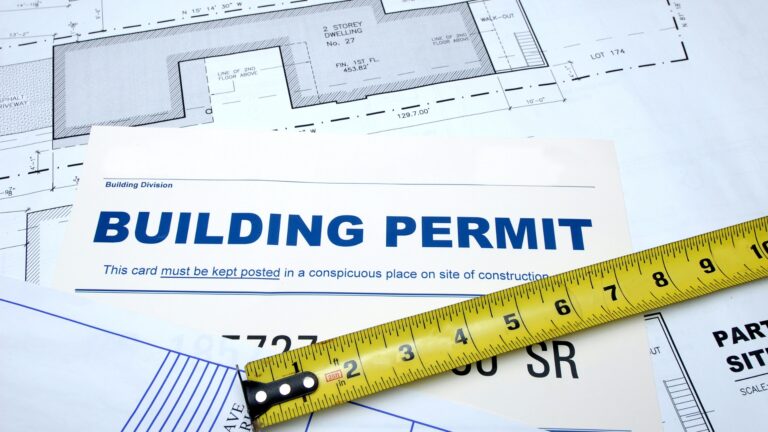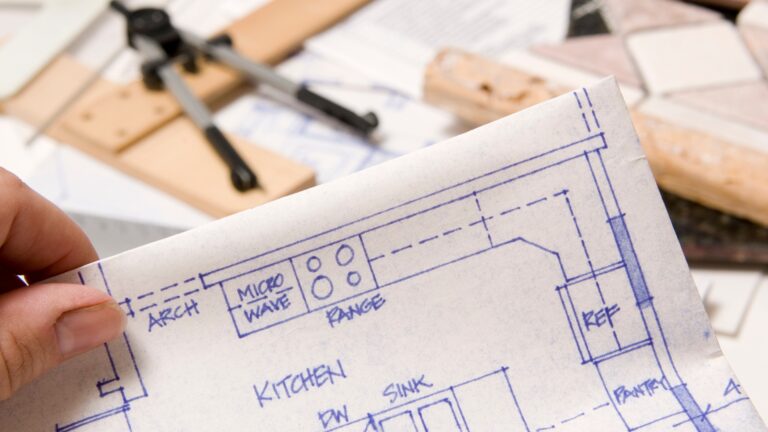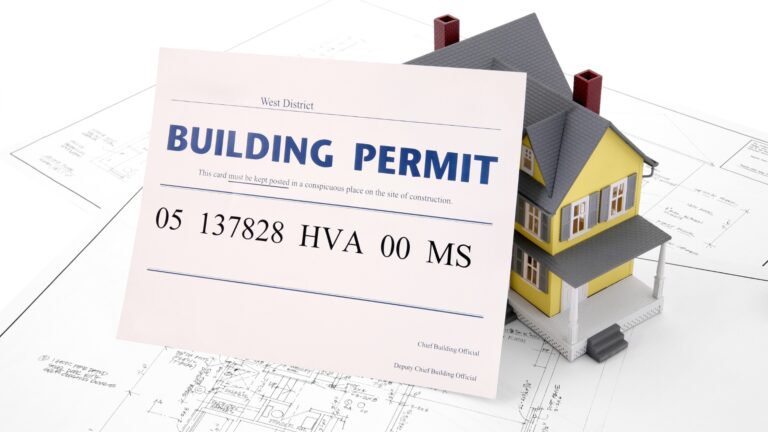


Welcome to your complete guide to planning a successful home renovation without the stress, costly mistakes, or endless guesswork. A full home renovation is exciting, but without a clear plan, it can quickly become overwhelming—budgets creep up, timelines stretch, and small decisions snowball into big problems. Whether you’re updating an older property, planning a major remodel in Tampa, or simply want a clear renovation planning roadmap, this full home renovation checklist will walk you through every critical step, from early planning and budgeting to hiring the right contractor and managing the process with confidence.
A full home renovation checklist is a step-by-step guide that helps homeowners plan, budget, and manage a complete home remodel. It includes renovation planning steps, a room-by-room remodeling checklist, and a contractor checklist to ensure projects stay on schedule, within budget, and compliant with local requirements—especially for major renovations like full home remodels in Tampa.
Understanding The Scope Of A Full Home Renovation
A full home renovation is a large-scale project, and many homeowners run into problems simply because the scope is not clearly defined from the beginning. Understanding what is truly involved helps set realistic expectations, supports better renovation planning, and reduces the risk of budget surprises or delays once work begins.
What A Full Home Renovation Typically Includes
A full home renovation usually addresses both the visible parts of the home and the essential systems behind the walls. While the exact scope varies by property, most full renovations include the following core areas.
- Structural changes:
This can include removing or adding walls, adjusting floor plans, reinforcing load-bearing elements, or repairing foundations and framing. Structural work often requires permits and inspections, making it one of the most complex and regulated parts of a renovation. - Kitchens and bathrooms:
These spaces are commonly rebuilt during a full renovation. Work may involve new layouts, cabinetry, countertops, fixtures, waterproofing, plumbing upgrades, and improved ventilation. Kitchens and bathrooms often represent a large share of the overall renovation budget. - Flooring:
A full renovation typically replaces or refinishes flooring throughout the home. This may include hardwood, tile, vinyl, or carpet, along with repairing or leveling the subfloor if damage is uncovered. - Electrical and plumbing:
Older homes often need electrical and plumbing systems brought up to current code. This can include new wiring, outlets, lighting, panels, water lines, drains, and shutoff valves to improve safety and functionality. - HVAC:
Heating, ventilation, and air conditioning systems may be replaced or upgraded to improve efficiency, comfort, and indoor air quality. In many full renovations, ductwork and system placement are also adjusted. - Exterior updates:
A full home renovation may extend outside the home with updates such as new windows, doors, siding, roofing, or exterior paint. These improvements enhance curb appeal and protect the home from weather-related damage.
Renovation Vs. Remodel Vs. Cosmetic Updates
These terms are often used interchangeably, but they describe very different levels of work. Understanding the distinction helps homeowners better define their renovation goals.
- Renovation:
A renovation focuses on improving or restoring existing spaces while maintaining the home’s overall structure. It often includes system upgrades and functional improvements without a complete redesign. - Remodel:
A remodel changes the layout or function of a space, such as reconfiguring a kitchen or combining rooms. Remodeling can be part of a full renovation or applied to specific areas only. - Cosmetic updates:
Cosmetic updates involve surface-level changes like painting, replacing fixtures, or updating finishes. These do not address structural or system-related issues and are not considered a full home renovation.
Why Scope Clarity Is Critical Before Planning Or Budgeting
Clearly defining the scope of work is essential for accurate budgeting and scheduling. Without a detailed scope, contractor estimates may be incomplete, permits may be overlooked, and unexpected costs can arise mid-project. A well-defined scope ensures all parties understand what is included, which helps prevent miscommunication and costly change orders.
Common Mistake: Underestimating The True Scope
One of the most common renovation planning mistakes is assuming the project is smaller than it actually is. Hidden issues such as outdated wiring, plumbing damage, or structural wear often surface once demolition begins. When the scope is underestimated, homeowners may face budget overruns, extended timelines, and added stress.
Taking the time to clearly define the scope of a full home renovation creates a stronger foundation for the entire project. With a realistic understanding of what the work includes, homeowners can plan more effectively, communicate clearly with contractors, and move forward with confidence throughout every phase of the renovation.

Pre-Renovation Planning Checklist (Before Any Work Starts)
Before any demolition begins or contractors are hired, solid renovation planning is what separates a smooth renovation from an expensive, stressful one. This stage is where homeowners gain clarity, reduce risk, and make informed decisions that affect the entire project.
Define Your Renovation Goals
Clear goals keep your renovation focused and prevent costly changes later. Many renovation issues start because homeowners skip this step or rush through it without fully thinking through what they want to achieve.
Start by identifying the core problem your renovation is meant to solve. Are you dealing with outdated layouts, lack of storage, poor energy efficiency, or a home that no longer fits your lifestyle? Understanding the “why” behind the renovation makes decision-making easier as the project progresses.
Next, consider how lifestyle improvements compare to resale value. Some updates, like improving flow or adding functional living space, directly impact daily comfort. Others, such as modern kitchens or updated bathrooms, may be more focused on long-term value. Knowing your priority helps guide material choices, design decisions, and budget allocation.
It is also important to separate essentials from extras. Creating two lists can help:
- Must-haves: Non-negotiable items that solve your primary problem, such as replacing outdated wiring or fixing structural issues.
- Nice-to-haves: Upgrades that improve aesthetics or convenience but can be adjusted or postponed if needed.
This approach keeps your renovation grounded and prevents decision fatigue later in the process.
Set A Realistic Budget Range
A realistic budget is one of the most critical elements of successful renovation planning. Many homeowners underestimate costs by focusing only on visible upgrades and overlooking supporting expenses.
A comprehensive budget typically includes:
- Construction: Structural changes, framing, demolition, and major system upgrades.
- Materials: Flooring, cabinetry, fixtures, finishes, and appliances.
- Labor: Contractor fees, subcontractors, and specialized trades.
- Permits: Required approvals, inspections, and administrative fees.
- Contingency: A reserve of 10 to 20 percent of the total budget set aside for unexpected issues.
Contingency funds matter because hidden problems are common, especially in older homes. Once walls are opened, issues like water damage, outdated plumbing, or electrical code violations can surface. Without a contingency buffer, these surprises can stall your project or force rushed decisions.
Setting a realistic budget upfront allows you to plan confidently, communicate clearly with contractors, and avoid unnecessary stress when unexpected costs arise.
Research Local Requirements
Local regulations play a significant role in any full renovation, yet they are often overlooked during early planning. Researching requirements ahead of time prevents delays and compliance issues once work begins.
Most full renovations require permits and inspections, particularly for structural changes, electrical work, plumbing, and major remodels. Understanding what approvals are needed helps you plan timelines and avoid fines or rework.
If your property is part of a homeowners association, HOA rules may affect exterior changes, materials, or construction hours. Reviewing these guidelines early prevents conflicts and last-minute design changes.
Local factors also matter, especially when using a home remodeling checklist Tampa homeowners rely on. Weather patterns, flood zones, and regional building codes can influence material selection, construction methods, and scheduling. Homes in Tampa, for example, may need additional considerations for moisture control, storm resistance, or elevated foundations.
Addressing these requirements early keeps your renovation compliant and reduces unexpected disruptions during construction.
Full Home Renovation Checklist (Room-By-Room)
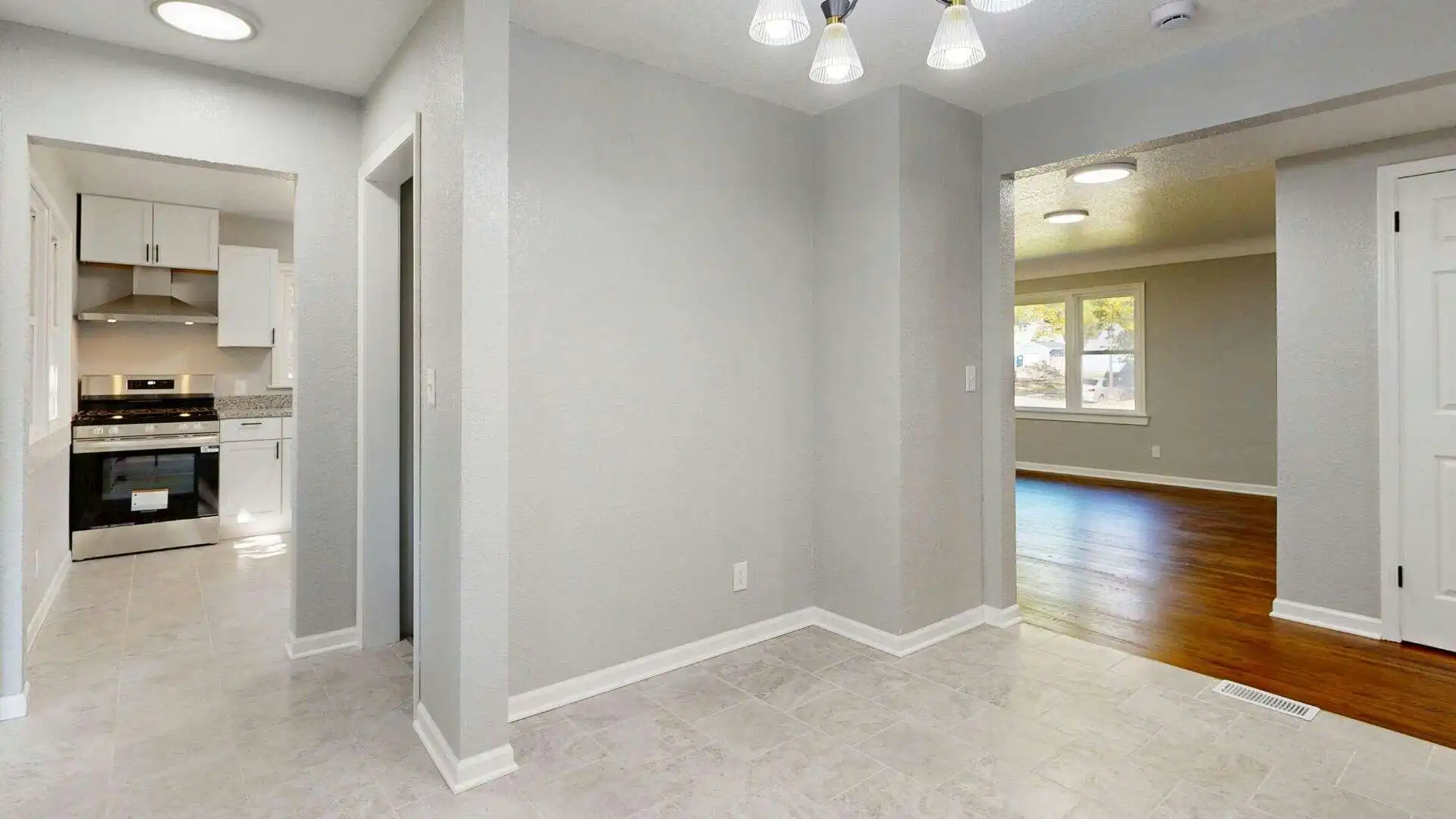
A full home renovation checklist is most effective when it is broken down room by room and system by system. This structure makes renovation planning easier to manage, helps prevent overlooked details, and allows homeowners to make informed decisions at every stage of the process. The checklist below is designed to guide you through each major area of the home in a clear, practical, and organized way.
Structural & Systems Checklist
Before focusing on finishes or design upgrades, it is essential to address the structural and mechanical systems that support the entire home. These elements form the foundation of a successful full home renovation and should always be evaluated first.
- Roof: Inspect for leaks, damaged shingles, aging materials, and drainage issues. Addressing roof problems early helps prevent water damage and protects interior renovations.
- Foundation: Look for cracks, uneven settling, or moisture intrusion. Structural concerns should be resolved before any cosmetic improvements are made.
- Electrical Wiring: Assess whether the existing wiring meets current safety standards and can handle modern electrical loads. Older homes often require panel upgrades or rewiring.
- Plumbing: Check for outdated pipes, corrosion, low water pressure, or hidden leaks. A renovation is the ideal time to replace aging plumbing systems.
- HVAC: Review heating and cooling efficiency, ductwork condition, and system sizing. Upgrading HVAC improves comfort and energy efficiency.
- Insulation: Evaluate insulation in walls, attics, and crawl spaces to improve temperature control and reduce energy costs.
Addressing these systems early reduces the risk of costly repairs later and creates a strong foundation for the rest of the renovation.
Kitchen Renovation Checklist
The kitchen is one of the most complex spaces in any full home renovation checklist. Careful planning is essential to ensure functionality, comfort, and long-term value.
- Layout Changes: Evaluate workflow, traffic patterns, and appliance placement. Changes to layout may improve functionality but can require structural or plumbing modifications.
- Cabinets: Select durable materials and storage configurations that fit daily needs while complementing the overall design.
- Countertops: Choose surfaces that balance durability, maintenance, and appearance, such as quartz, granite, or solid surface options.
- Appliances: Confirm appliance sizes, energy efficiency ratings, and compatibility with the kitchen layout.
- Lighting: Combine task lighting, ambient lighting, and accent lighting to improve visibility and create a welcoming atmosphere.
- Ventilation: Ensure proper ventilation to remove heat, moisture, and odors, helping protect cabinetry and improve indoor air quality.
A well-planned kitchen renovation supports everyday use while adding measurable value to the home.
Bathroom Renovation Checklist
Bathrooms require special attention due to moisture exposure and frequent use. A detailed checklist helps avoid common issues that can surface after renovation.
- Plumbing Upgrades: Replace outdated pipes and ensure fixture placement supports comfort and efficiency.
- Waterproofing: Apply proper waterproofing behind tile, around showers, and under flooring to prevent leaks and mold growth.
- Fixtures: Choose quality faucets, toilets, and shower systems that balance performance, efficiency, and design.
- Tile And Flooring: Use slip-resistant, water-safe materials designed for bathroom environments.
- Storage: Incorporate vanities, built-in shelving, or recessed niches to keep the space organized and functional.
Thoughtful bathroom planning improves durability, safety, and daily comfort.
Living Areas & Bedrooms
Living rooms and bedrooms play a major role in overall comfort and livability. These spaces benefit from upgrades that improve flow, lighting, and storage.
- Flooring: Select flooring that suits foot traffic, maintenance preferences, and consistency throughout the home.
- Walls And Ceilings: Repair cracks, update drywall, and apply finishes that enhance brightness and visual appeal.
- Lighting: Use a mix of overhead lighting, lamps, and accent fixtures to support different activities and moods.
- Storage Solutions: Add built-in shelving, closets, or multifunctional furniture to maximize usable space.
These improvements help create cohesive, comfortable living spaces that support daily routines.
Exterior & Outdoor Areas
Exterior upgrades are a key part of any full home renovation checklist, affecting curb appeal, durability, and outdoor usability.
- Siding: Inspect for weather damage, deterioration, or outdated materials. Updated siding improves protection and appearance.
- Windows And Doors: Replace inefficient or damaged units to enhance security, insulation, and natural light.
- Landscaping: Plan for drainage, plant selection, and low-maintenance designs that suit the local climate.
- Patios Or Decks: Evaluate structural integrity, materials, and layout to create safe and functional outdoor living areas.
Exterior improvements protect the home while extending usable living space beyond the interior.
Using a room-by-room full home renovation checklist helps homeowners stay organized and confident throughout the renovation process. By addressing structural systems first and then moving through each space methodically, you reduce risks, control costs, and create a smoother renovation experience from start to finish.

Contractor Checklist: How To Choose The Right Renovation Partner
Choosing the right contractor is one of the most important decisions you will make during a full home renovation. The contractor you hire will influence the quality of work, the project timeline, and how smoothly the entire process runs. Using a clear contractor checklist helps you compare options objectively and avoid costly mistakes that can derail your renovation.
What To Look For In A Contractor
A reliable renovation partner should demonstrate professionalism, experience, and accountability before any work begins. These qualities are especially important for full home renovations, which require careful coordination and long-term commitment.
- Licensing and insurance: Always verify that the contractor holds the proper licenses required in your area and carries both liability insurance and workers’ compensation coverage. This protects you financially if accidents, damage, or disputes occur during the project.
- Experience with full home renovations: Look for contractors who have successfully completed whole-house projects, not just small remodels. Full renovations involve structural planning, system upgrades, and multiple trades working together.
- Local expertise, especially Tampa-specific projects: Contractors familiar with Tampa understand local building codes, permit processes, weather considerations, and regional construction standards. This local knowledge can prevent delays and compliance issues.
Questions To Ask Before Hiring
Asking direct and thoughtful questions allows you to evaluate how organized and transparent a contractor is before you commit to working together.
- Timeline expectations: Ask how long similar projects have taken and what factors could impact the schedule. A qualified contractor should provide a realistic timeline and explain potential delays clearly.
- Past project examples: Request photos, case studies, or references from previous full home renovations. Reviewing past work helps confirm quality, consistency, and experience.
- Communication process: Clarify how often updates will be provided, who your main point of contact will be, and how questions or concerns are handled throughout the renovation.
- Change order handling: Ask how unexpected changes are documented, approved, and priced. Clear change order procedures help prevent misunderstandings and budget surprises.
Red Flags To Avoid
Identifying warning signs early can help you avoid unreliable contractors and protect your renovation investment.
- Vague estimates: Contractors who cannot clearly break down costs or explain pricing may introduce unexpected charges later.
- No written contract: A professional contractor should always provide a written agreement detailing scope, costs, timelines, and responsibilities.
- Pressure tactics: Be cautious of contractors who rush decisions, offer unusually low prices, or push you to sign immediately.
- Unrealistic timelines: Promising extremely fast completion times can indicate inexperience or poor project planning.
Taking the time to carefully evaluate your options using this contractor checklist can make a significant difference in the success of your renovation. By choosing a contractor who values transparency, experience, and communication, you create a stronger foundation for a smooth and well-managed home renovation project.
Renovation Timeline: What to Expect From Start to Finish
Understanding the renovation timeline helps set realistic expectations and reduces much of the stress homeowners experience during a full home renovation. While every project is different, most renovations follow a predictable sequence of phases. Knowing what happens at each stage, and why timelines sometimes change, allows you to plan ahead, communicate clearly with your contractor, and feel more confident from start to finish.
Planning And Design
This phase sets the direction for the entire renovation and plays a major role in preventing delays later on. Careful planning ensures that everyone involved understands the scope, goals, and expectations before work begins.
- Key activities: Defining the renovation scope, setting priorities, creating layouts, selecting materials, and finalizing design plans
- Why it matters: Poor planning often leads to change orders, which can increase costs and extend the timeline
- Typical duration: Several weeks to a few months, depending on the complexity of the renovation
Taking time during planning helps minimize disruptions once construction starts.
Permits And Approvals
Permits and approvals are required for most full home renovations and ensure the work complies with local building codes and safety standards.
- Key activities: Submitting plans to local authorities, securing permits, and scheduling required inspections
- Why it matters: Starting work without permits can lead to fines, delays, or complications during resale
- Typical duration: A few weeks, though timelines can vary based on location and project scope
This phase often depends on local regulations and can influence the overall renovation schedule.
Demolition
Demolition is when the renovation becomes visible and existing materials are removed to prepare the space for new construction.
- Key activities: Removing flooring, cabinets, fixtures, walls, and outdated systems
- Why it matters: Hidden issues such as water damage or outdated wiring are often discovered during demolition
- Typical duration: One to two weeks for most full home renovations
Addressing problems uncovered during demolition early helps avoid larger setbacks later.
Construction
Construction is the most time-intensive phase and involves coordination between multiple trades working throughout the home.
- Key activities: Structural work, framing, electrical and plumbing installation, HVAC updates, drywall, and major system upgrades
- Why it matters: Proper scheduling and communication between trades keeps the project moving efficiently
- Typical duration: Several months, depending on the size and complexity of the renovation
Regular progress checks help identify potential delays before they become major issues.
Finishing And Inspections
This phase focuses on final details and ensuring the renovation meets quality and safety standards.
- Key activities: Painting, flooring installation, fixture placement, trim work, final inspections, and punch-list items
- Why it matters: Attention to detail ensures the finished space meets expectations and passes inspections
- Typical duration: A few weeks
Finishing work brings the renovation together and prepares the home for use.
Why Renovation Timelines Often Shift
Even well-planned renovations can experience timeline changes due to factors beyond a homeowner’s control.
- Common reasons: Permit delays, material shortages, weather disruptions, unexpected repairs, or changes in project scope
- How it affects projects: Timeline shifts may also impact budget if adjustments are not managed carefully
Understanding these factors helps homeowners stay patient and prepared.
Tips For Staying Flexible During Renovation
Staying flexible can make a significant difference in how smooth the renovation process feels.
- Helpful practices: Build extra time into your schedule, communicate regularly with your contractor, avoid frequent design changes, and focus on long-term results rather than short-term inconveniences
- Why it helps: Flexibility reduces stress and allows for better decision-making when challenges arise
A full home renovation is a journey with many moving parts, and timelines rarely follow a perfect path. By understanding each phase and remaining adaptable along the way, homeowners can navigate the process with greater clarity, confidence, and peace of mind.

Common Full Home Renovation Mistakes (And How To Avoid Them)
A full home renovation is a major investment, and even well-intentioned homeowners can run into problems without realizing it. Many of the most expensive and stressful issues don’t come from bad luck but from avoidable mistakes made early in the renovation planning process. Understanding these common pitfalls and knowing how to prevent them can help keep your project on track, on budget, and far less stressful.
Skipping Planning
One of the most common renovation mistakes is rushing into construction without a clear plan. Homeowners often feel eager to start demolition or purchase materials before fully defining the scope, budget, and timeline. This usually leads to confusion, delays, and unexpected costs once work begins.
How to avoid it:
- Define the scope clearly: List every room, system, and upgrade included in your full home renovation checklist before work starts.
- Set priorities early: Decide which updates are essential and which are optional so decisions don’t change mid-project.
- Plan timelines realistically: Account for design, permits, material lead times, and inspections during renovation planning.
Taking time upfront to plan creates a strong foundation and prevents costly course corrections later.
Choosing The Lowest Bid
It can be tempting to accept the lowest contractor quote, especially when renovation costs start adding up. However, the cheapest bid often leaves out important details, uses lower-quality materials, or underestimates labor. This can result in change orders, quality issues, or unfinished work.
How to avoid it:
- Compare detailed estimates: Look beyond the final number and review what is actually included.
- Check experience and credentials: A contractor with proven experience in full home renovations is often worth the higher upfront cost.
- Ask clarifying questions: Make sure allowances, timelines, and responsibilities are clearly defined in writing.
Paying slightly more for transparency and experience often saves money and stress in the long run.
Ignoring Permits
Some homeowners skip permits to save time or reduce costs, especially for interior work. This can lead to serious problems, including failed inspections, fines, or issues when selling the home. In many areas, including Tampa, permits are required for electrical, plumbing, structural, and major remodeling work.
How to avoid it:
- Research local requirements: Understand which permits apply to your renovation before work begins.
- Confirm contractor responsibility: Make sure your contractor includes permits and inspections as part of the project scope.
- Keep records organized: Save copies of approved permits and inspection results for future reference.
Following permit requirements protects your investment and ensures your renovation meets safety and building standards.
Making Too Many Changes Mid-Project
Changing layouts, materials, or finishes once construction is underway can quickly derail a renovation. Each change often affects labor, materials, scheduling, and costs. While some adjustments are unavoidable, frequent changes are a common reason projects run over budget and past deadlines.
How to avoid it:
- Finalize selections early: Choose layouts, finishes, and fixtures before construction begins.
- Understand change impacts: Ask how each change affects cost and timeline before approving it.
- Limit changes to essentials: Reserve mid-project changes for necessary corrections, not preference shifts.
Sticking to original decisions helps maintain momentum and keeps renovation planning under control.
Not Documenting Decisions
Verbal agreements and informal conversations can easily be forgotten or misunderstood during a long renovation. When decisions aren’t documented, disagreements may arise about materials, timelines, or costs.
How to avoid it:
- Document everything in writing: Keep records of selections, approvals, and changes.
- Use written change orders: Any modification should be signed and dated by all parties.
- Maintain a project file: Store contracts, invoices, permits, and communication in one place.
Clear documentation creates accountability and helps prevent disputes throughout the renovation process.
Planning a full home renovation doesn’t have to feel overwhelming. With the right checklist and expert guidance, you can avoid costly mistakes and move forward with confidence. Explore our website to access professional renovation resources, expert insights, and trusted contractor guidance designed to help homeowners plan smarter and renovate with peace of mind.

FAQs: About Full Home Renovation Checklist
- What is included in a full home renovation checklist?
A full home renovation checklist includes renovation planning steps, budgeting guidelines, a room-by-room remodeling list, and a contractor checklist to help manage the entire renovation process from start to finish. - Why do I need a renovation planning checklist before remodeling my home?
Renovation planning helps prevent budget overruns, delays, and miscommunication by clearly defining scope, priorities, timelines, and responsibilities before any work begins. - How much should I budget for a full home renovation?
Budgets vary by home size and scope, but most full renovations should include a 10–20% contingency fund to cover unexpected repairs, material changes, or permit requirements. - Is a full home renovation different from a home remodel?
Yes. A full home renovation typically involves updating multiple rooms, systems, and structural elements, while a remodel may focus on specific areas like a kitchen or bathroom. - What should I look for in a contractor checklist?
A contractor checklist should include licensing, insurance, experience with full home renovations, clear estimates, written contracts, timelines, and a defined communication process. - How long does a full home renovation usually take?
Most full home renovations take several months, depending on project complexity, permit approvals, material availability, and unforeseen issues discovered during construction. - Are permits required for a full home renovation?
In most cases, yes. Structural changes, electrical work, plumbing updates, and major remodels typically require permits and inspections to meet local building codes. - What are common mistakes homeowners make during full renovations?
Common mistakes include skipping planning, choosing the lowest bid without vetting contractors, underestimating costs, and making frequent changes after construction begins. - How does location affect renovation planning, especially in Tampa?
Local factors like weather conditions, flood zones, building codes, and permit timelines can impact renovation planning, making a localized home remodeling checklist especially important in Tampa. - Can a renovation checklist help increase my home’s resale value?
Yes. A well-planned renovation guided by a checklist ensures upgrades are functional, compliant, and appealing to future buyers, which can positively impact resale value.
Conclusion
A full home renovation does not have to be overwhelming or unpredictable when it is guided by a clear plan and a well-structured checklist that keeps every decision organized from start to finish. With the right full home renovation checklist in place, homeowners can confidently manage renovation planning, stay on budget, communicate effectively with contractors, and avoid many of the common mistakes that cause delays and frustration. Thoughtful preparation allows you to make informed choices, anticipate challenges before they arise, and ensure that each phase of the renovation moves forward smoothly. While a checklist provides structure, professional guidance can add valuable insight, helping you navigate permits, timelines, and contractor coordination with greater confidence. As you move forward, using trusted resources, reviewing expert advice, or accessing a downloadable checklist or consultation can help turn a complex renovation into a well-managed project that delivers results you can enjoy for years to come.
Other Services We Offer To Support Your Renovation
- Full Home Remodeling offers a comprehensive revamp of your entire living space, ensuring that every renovation decision flows together seamlessly and enhances the value and comfort of your home.
- Kitchen Remodeling focuses on transforming your kitchen into a practical, stylish hub, complementing your overall renovation by creating a cohesive look and improved daily functionality.
- Bathroom Remodeling upgrades fixtures, finishes, and layouts in your bathrooms, supporting your larger renovation goals by ensuring every room in your home feels modern and well-designed.
- Water Damage Restoration addresses underlying moisture and damage issues that could interfere with renovation progress, helping protect structural integrity as you update your home.
- Flooring Contractor Services provides professional installation of durable, beautiful floors that tie together your renovated spaces and elevate the overall aesthetic of your home.
- Roofing Contractor Services ensures your roof is sound and secure, complementing interior renovation efforts by protecting your investment from weather and structural concerns.