

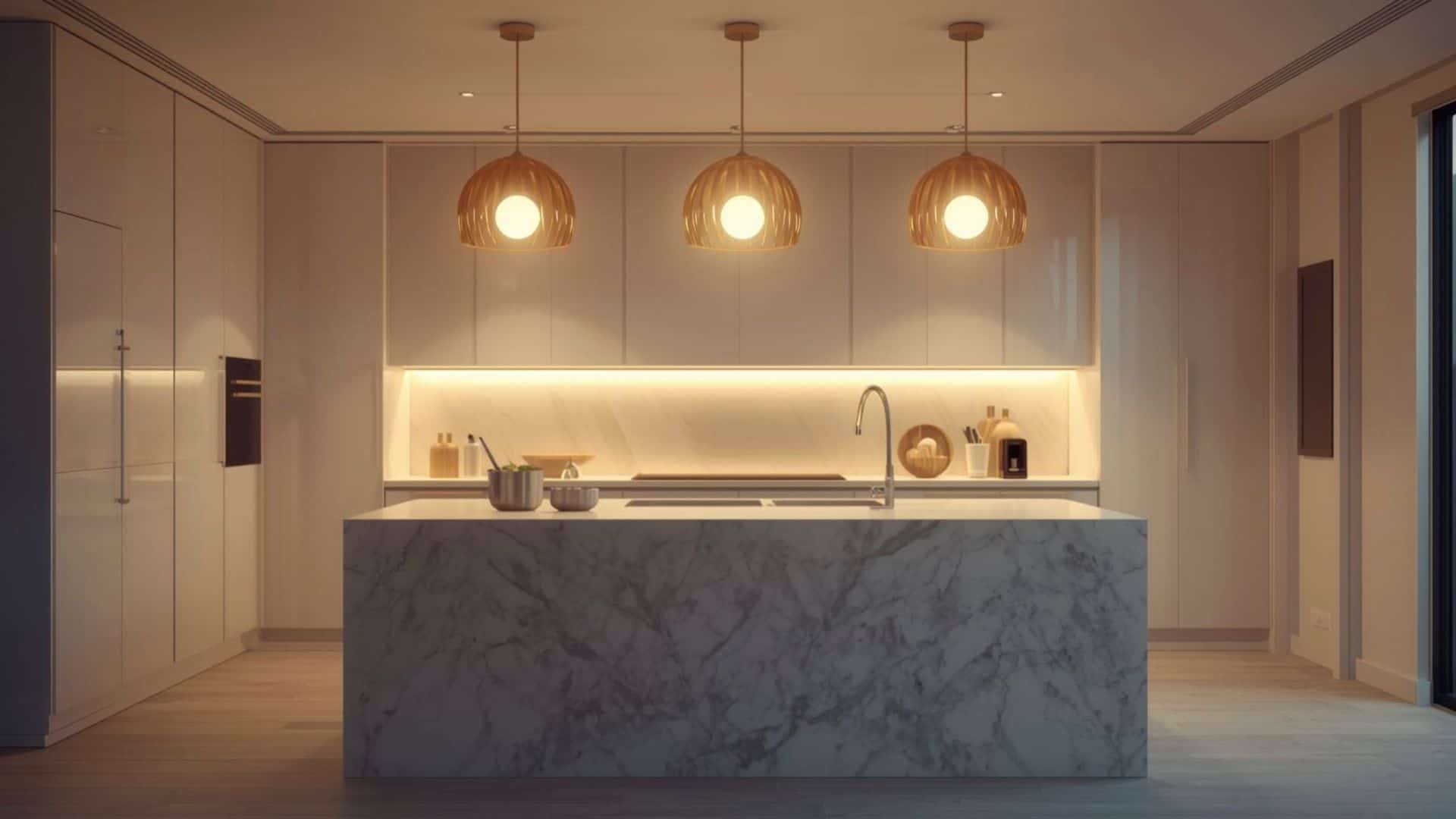
Welcome to your complete guide to kitchen lighting ideas that elevate both the look and functionality of your space. The right lighting can completely transform a kitchen, making meal prep easier, enhancing safety, and creating a warm, inviting atmosphere for family and guests. From modern recessed lighting kitchen layouts to statement pendants and energy-efficient LED upgrades, thoughtful lighting design blends beauty with performance. In this guide, you will discover practical layout tips, expert insights, common mistakes to avoid, and inspiring ideas that work for kitchens of every size and style, helping you make confident decisions that improve both everyday living and long-term home value.
Kitchen lighting ideas combine ambient, task, and accent lighting to create a functional and stylish space. Popular options include recessed lighting for even illumination, pendant lights over islands, under-cabinet LED strips for task lighting, and decorative fixtures for visual interest. Layering these elements ensures proper brightness, reduces shadows, and enhances the overall design.
Why Kitchen Lighting Matters More Than You Think
Kitchen lighting does far more than brighten a room. It directly affects how efficiently you cook, how safe your workspace feels, and how inviting your home becomes when guests gather. Well-planned lighting supports daily tasks while enhancing design elements like cabinetry, countertops, and backsplashes. Many homeowners focus on finishes and appliances first, but an effective lighting plan is what ties everything together. When thoughtfully designed, kitchen lighting improves workflow, reduces eye strain, and elevates the overall look of the space.
Lighting Affects Function, Safety, and Mood
A kitchen is a task-heavy environment. Chopping vegetables, reading recipes, handling hot cookware, and cleaning sharp utensils all require clear, consistent visibility. Poor lighting can create dark zones, glare, or shadows that make everyday tasks harder than they need to be.
- Food prep visibility: Bright, well-positioned task-lighting ensures that countertops are evenly illuminated. This reduces eye strain and allows you to see texture, color, and detail clearly when slicing, measuring, or plating meals.
- Reducing shadows on countertops: One of the most common mistakes in kitchen lighting design is placing ceiling lights directly behind where you stand. When overhead lighting is poorly positioned, your body blocks the light and casts shadows onto the counter. Properly spaced recessed-lighting fixtures placed slightly in front of work zones eliminate this issue and create a more functional prep-area setup.
- Entertaining atmosphere: Kitchens often serve as social hubs. Lighting should shift easily from bright-task mode during cooking to soft-ambient mode during gatherings. Dimmable lighting and layered-lighting combinations help create a welcoming environment that feels comfortable rather than clinical.
When lighting is balanced correctly, the kitchen feels open, inviting, and safe. When it is not, even a high-end renovation can feel underwhelming.
The 3 Layers Of Effective Kitchen Lighting
Professional lighting design relies on a layered-lighting approach. Instead of depending on a single overhead fixture, effective kitchen lighting ideas combine three distinct layers that work together to create depth, clarity, and visual interest.
Ambient Lighting
Ambient-lighting provides overall illumination for the entire kitchen. It establishes baseline brightness and ensures the space feels evenly lit from wall to wall. Recessed-lighting layouts are a popular choice because they offer clean lines and consistent light distribution. Flush-mount or semi-flush fixtures can also serve as ambient sources, particularly in kitchens with lower ceilings.
The goal of ambient-lighting is uniform coverage without harsh glare. It should allow you to move comfortably through the space without dark corners or overly bright hot spots.
Task Lighting
Task-lighting focuses on specific work areas where precision matters most. This includes countertops, islands, sinks, and cooktops. Under-cabinet LED strips are a practical example because they direct light exactly where it is needed while minimizing shadow-creation from upper cabinets.
Effective task-lighting design requires intentional placement. Fixtures should be aligned with work zones rather than centered blindly in the ceiling. In well-designed kitchens, task-lighting feels natural and supportive rather than overpowering.
Accent Lighting
Accent-lighting adds dimension and highlights design details. This layer enhances architectural features, glass-front cabinets, open shelving, or textured backsplashes. While accent-lighting is decorative, it also contributes to depth and balance within the overall lighting scheme.
When layered correctly, these three elements create a cohesive lighting system. Ambient-lighting provides the foundation, task-lighting supports productivity, and accent-lighting introduces character and warmth. This layered-lighting method is what separates a thoughtfully designed kitchen from one that simply has light fixtures installed.
Understanding these lighting design fundamentals allows homeowners to move beyond surface-level choices and build a kitchen that feels both functional and visually refined.

25 Kitchen Lighting Ideas For Every Style And Budget
Choosing the right kitchen lighting ideas is not just about picking attractive fixtures. It is about building a well-balanced, layered system that supports how you cook, gather, and move through the space every day. A thoughtfully designed lighting plan combines ambient, task, and accent lighting so your kitchen feels inviting while remaining highly functional. Below are practical, real-world ideas organized by purpose to help you design a space that looks beautiful and works efficiently.
Ambient Kitchen Lighting Ideas
Ambient lighting forms the foundation of your kitchen. It provides overall illumination and ensures the room feels bright and comfortable before adding more focused layers.
Flush-Mount Ceiling Fixtures For Low Ceilings
If your kitchen has an 8-foot ceiling or lower, a flush-mount ceiling fixture is often the most practical solution. It sits close to the ceiling, providing broad light distribution without crowding the space visually.
- Space-saving design: Ideal for compact kitchens where hanging fixtures would feel intrusive
- Even illumination: Distributes light across the room without creating harsh shadows
- Style flexibility: Available in modern, traditional, and minimalist designs to match cabinetry and finishes
Semi-Flush Mount Lights For Transitional Kitchens
Semi-flush mount fixtures hang slightly below the ceiling, offering more visual interest than flush options while maintaining a low profile. They work especially well in transitional-style kitchens that blend classic and contemporary elements.
- Decorative upgrade: Adds dimension without overwhelming the ceiling
- Balanced brightness: Provides better light spread than a single pendant
- Versatile placement: Works well in kitchens with 8 to 9-foot ceilings
Recessed Lighting Kitchen Layouts For A Modern Minimal Look
Recessed lighting kitchen designs are popular because they create a clean, streamlined appearance. When spaced properly, recessed lights provide consistent illumination across countertops and walkways.
- Modern aesthetic: Fixtures remain hidden within the ceiling for a clutter-free look
- Flexible layout: Lights can be positioned over prep areas, islands, and sinks
- Layer-friendly base: Works seamlessly with pendants and under-cabinet lighting
Proper spacing is essential. Placing recessed lights too close to walls or directly behind you can create shadows on countertops. Strategic placement ensures functional, glare-free brightness.
Track Lighting For Flexible Coverage
Track lighting offers adjustable heads that can be directed toward specific zones. It is a smart solution for kitchens with changing layouts or multi-purpose areas.
- Directional control: Aim lights toward prep zones or highlight architectural features
- Expandable system: Add or reposition heads as needs evolve
- Contemporary appeal: Complements modern and industrial-style kitchens
Cove Lighting For Soft Indirect Glow
Cove lighting is installed along upper cabinets or ceiling perimeters to create a subtle, indirect glow. It enhances ambiance without harsh glare.
- Soft-light effect: Reduces shadows and adds warmth
- Design-enhancing detail: Highlights ceiling height or crown molding
- Even distribution: Supports other lighting layers without overpowering them
Task Lighting Ideas For Practical Function
Task lighting is where function takes priority. These fixtures ensure safe food preparation and eliminate dark spots on work surfaces.
Under-Cabinet LED Strip Lighting
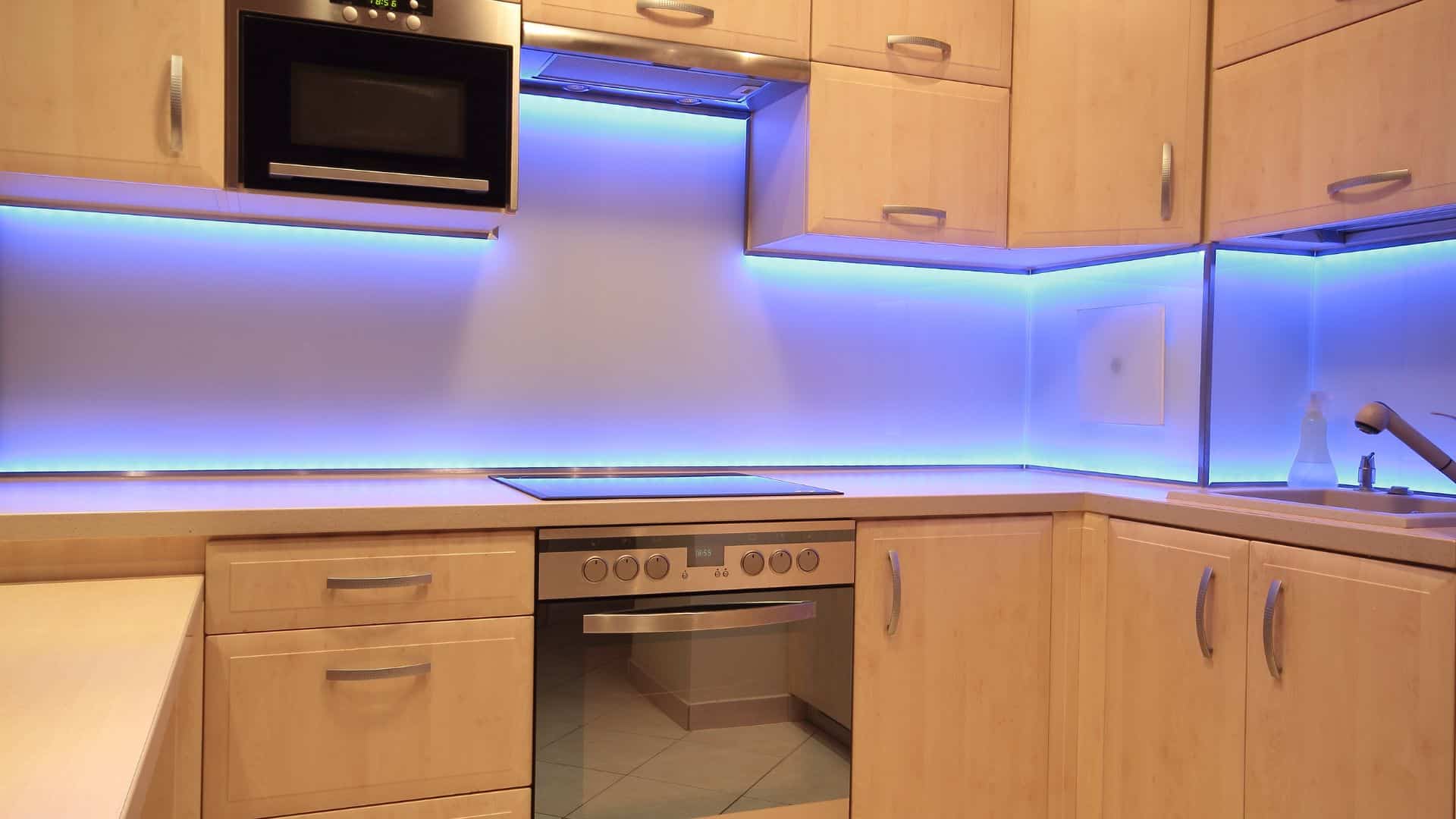
Under-cabinet LED strip lighting is one of the most effective upgrades for any kitchen. It directs light exactly where you need it, directly onto countertops.
- Shadow reduction: Prevents overhead lighting from casting shadows
- Energy-efficient performance: LED strips use minimal electricity while delivering strong brightness
- Clean installation: Slim design stays hidden beneath cabinets
Puck Lights For Focused Counter Illumination
Puck lights provide concentrated beams of light, making them ideal for targeted task lighting.
- Compact size: Easily installed in tight cabinet spaces
- Focused brightness: Ideal for detailed prep tasks
- Custom spacing: Can be placed at specific intervals for precision lighting
Pendant Lights Over Kitchen Islands
Pendant lights combine style and function. Positioned correctly, they deliver task-level brightness while acting as a visual focal point.
- Work-surface clarity: Provides direct light over islands and breakfast bars
- Design statement: Enhances the overall aesthetic of the kitchen
- Scalable configuration: Install single or multiple pendants depending on island size
Proper height matters. Pendants typically hang 30 to 36 inches above the countertop for balanced light and sightlines.
Directional Recessed Lighting For Prep Zones
Directional recessed lights feature adjustable trims that allow you to aim the beam toward high-use areas.
- Targeted illumination: Ideal for sinks, stovetops, and prep counters
- Low-profile appearance: Maintains a minimalist ceiling design
- Improved visibility: Enhances safety when handling knives and hot cookware
Toe-Kick Lighting For Nighttime Visibility
Toe-kick lighting is installed along the base of lower cabinets. It is subtle yet incredibly useful.
- Night-safety solution: Provides gentle illumination for late-night use
- Soft ambiance: Creates a warm glow that enhances depth
- Energy-saving option: Often paired with motion sensor controls
Accent And Decorative Lighting Ideas
Accent lighting brings personality to your kitchen and highlights architectural details.
Statement Chandeliers
A chandelier can redefine a kitchen, especially in open-concept layouts.
- Visual centerpiece: Draws attention above an island or dining area
- Elevated style: Works well in luxury-inspired or traditional kitchens
- Layered impact: Pairs beautifully with recessed lighting kitchen layouts
Glass Pendant Lighting Clusters
Clustered glass pendants create visual interest while maintaining an airy feel.
- Light-enhancing transparency: Glass allows light to disperse evenly
- Modern appeal: Ideal for contemporary and coastal kitchens
- Custom arrangement: Stagger heights for added dimension
Open-Shelf Lighting Accents
Integrated shelf lighting adds depth and showcases decorative pieces.
- Display enhancement: Highlights dishes and design accents
- Subtle illumination: Prevents shelves from appearing dark or heavy
- Built-in sophistication: Creates a custom-finished look
Cabinet Interior Lighting
Interior lighting improves visibility and adds a refined touch.
- Functional clarity: Makes it easier to locate items
- Luxury feel: Adds a high-end detail to cabinetry
- Automatic operation: Often paired with door-activated switches
Backlit Backsplash Design
A backlit backsplash uses LED panels behind stone or glass for dramatic impact.
- Design-forward feature: Creates a striking focal point
- Soft diffusion: Provides ambient glow without glare
- Customizable brightness: Adjust intensity with dimmers
Smart And Energy-Efficient Kitchen Lighting Ideas
Modern kitchens benefit from technology-driven solutions that enhance convenience and reduce energy consumption.
Dimmable Lighting Systems
Dimmers allow you to adjust brightness based on time of day and activity.
- Mood flexibility: Shift from bright prep-light to soft evening ambiance
- Energy control: Lower output reduces electricity usage
- Fixture longevity: Extends bulb life
Smart Kitchen Lighting Controls
Smart lighting systems integrate with home-automation platforms.
- Voice control: Adjust settings hands-free
- Scheduling capability: Automate lighting throughout the day
- Scene presets: Create custom light-settings for cooking or entertaining
Motion Sensor Lighting
Motion-activated lighting improves efficiency and safety.
- Hands-free operation: Ideal when carrying groceries
- Energy-saving performance: Lights turn off automatically
- Enhanced safety: Illuminates pathways instantly
Energy-Efficient LED Recessed Lighting
LED recessed lighting offers long-term savings and consistent brightness.
- Extended lifespan: LEDs last significantly longer than traditional bulbs
- Low heat output: Reduces strain on cooling systems
- Cost-effective upgrade: Minimizes maintenance and replacement costs
Tunable White Lighting For Mood Control
Tunable white systems allow you to adjust color temperature throughout the day.
- Day-to-night adaptability: Cooler light for productivity, warmer light for relaxation
- Circadian support: Aligns lighting with natural rhythms
- Advanced customization: Fine-tune ambiance based on preference
Design-Forward And Trending Kitchen Lighting Ideas
For homeowners seeking a distinctive look, design-forward lighting adds character and personality.
Mixed-Metal Fixture Combinations
Combining finishes such as brushed nickel and matte black creates visual contrast.
- Modern balance: Adds depth without overwhelming the space
- Coordinated detail: Ties together hardware and appliances
- Flexible styling: Works across transitional and contemporary kitchens
Oversized Statement Pendants
Large-scale pendants make bold design statements above islands.
- Proportion emphasis: Anchors wide countertops
- Architectural presence: Adds drama to open kitchens
- Focused illumination: Combines style with practical light output
Industrial-Style Exposed Bulbs
Exposed-bulb fixtures deliver a raw, urban aesthetic.
- Minimalist charm: Emphasizes simple materials
- Warm glow: Best paired with vintage-style LED bulbs
- Design personality: Complements brick or concrete finishes
Minimalist Recessed Lighting Kitchen Concepts
Minimalist designs rely heavily on recessed lighting in kitchen layouts to maintain a clean ceiling line.
- Clutter-free appearance: No hanging fixtures interrupt sightlines
- Balanced brightness: Evenly spaced lights reduce visual distraction
- Modern appeal: Ideal for sleek cabinetry and flat-panel designs
Natural Light Integration With Layered Lighting
Natural light should work in harmony with artificial lighting.
- Daylight enhancement: Position fixtures to complement window placement
- Glare management: Use dimmers to balance strong sunlight
- Energy efficiency: Reduce artificial-light usage during daytime hours
A well-designed kitchen lighting plan blends these ideas thoughtfully rather than relying on a single fixture type. By layering ambient, task, and accent lighting while integrating smart and energy-efficient solutions, you create a space that is visually appealing, highly functional, and built to support daily life.
How To Plan The Perfect Kitchen Lighting Layout
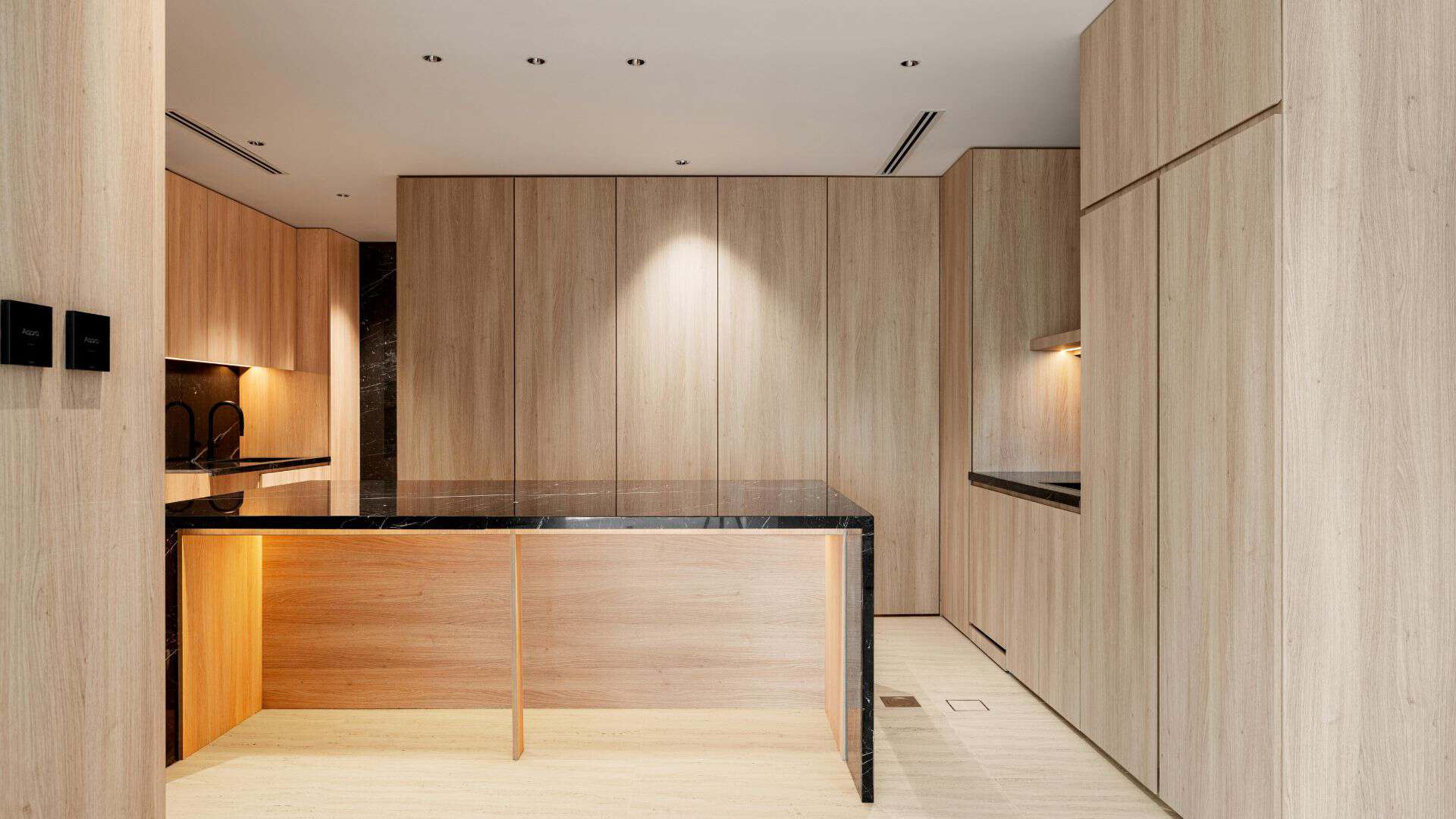
A well-planned kitchen-lighting layout is the difference between a space that looks beautiful in photos and one that actually works in real life. The goal is not simply to add more fixtures, but to create a balanced, well-layered system that supports cooking, cleaning, entertaining, and everyday movement. Thoughtful planning ensures your recessed lighting, pendants, and task lights work together instead of competing with each other. Below is a practical, step-by-step approach used by experienced lighting designers to create a functional and visually cohesive kitchen.
Step 1 – Measure And Map Key Work Zones
Before choosing fixtures, you need to understand how the kitchen is used. Lighting should follow function, not just ceiling symmetry. Start by identifying your primary work zones and mapping them out on a simple floor plan. This prevents common mistakes like placing recessed lights in the wrong spot and creating unwanted shadows.
- Sink Area: This zone requires bright, direct task-lighting for cleaning and food prep. Position the lighting slightly in front of the sink area so your body does not block the light. If there are upper cabinets nearby, account for their depth to prevent shadow-heavy coverage.
- Stove Or Cooktop: Cooking demands clear visibility for safety and precision. In addition to range-hood lighting, overhead recessed lighting should be positioned to illuminate the front burners without casting glare on stainless surfaces.
- Prep Area: This is often the most-used part of the kitchen. Countertop-prep zones benefit from focused task-lighting such as recessed fixtures placed in front of upper cabinets or under-cabinet LED strips to eliminate shadow-lines.
- Island: The island is both a work zone and a gathering-space. Combine overhead recessed lighting with well-scaled pendant lighting to provide both functional brightness and visual definition.
Mapping these zones first ensures every lighting decision supports real-world use rather than relying on guesswork.
Step 2 – Decide On Recessed Lighting Placement
Recessed lighting is one of the most popular kitchen-lighting solutions because it provides clean, even illumination without visual clutter. However, poor placement can make even high-quality fixtures ineffective.
Spacing is critical. As a general rule, recessed lights are placed about 4 to 6 feet apart, depending on ceiling height. Higher ceilings require slightly wider spacing, while standard 8-foot ceilings benefit from closer placement for consistent brightness. The goal is even light-distribution without creating hot-spots or dark gaps.
Avoid placing recessed lights directly behind where you stand at the counter. This creates shadow-casting over work surfaces. Instead, position lights approximately 12 to 18 inches in front of upper cabinets. This forward placement ensures the light falls onto the countertop instead of being blocked by your body.
Also consider cabinet depth and crown molding. Fixtures placed too close to cabinets can cause uneven light patterns on the ceiling. A carefully-planned layout keeps the beam-spread consistent and the visual lines clean.
If your kitchen includes an island, align recessed lighting with the island’s edges rather than the center of the room. This keeps the illumination task-focused and balanced.
Step 3 – Choose Color Temperature
Color temperature dramatically affects how your kitchen feels. Even a perfectly-installed layout can look off if the color temperature is inconsistent.
For most kitchens, 2700K to 3000K creates a warm, welcoming glow. This range works especially well in traditional, farmhouse, or transitional kitchens where a cozy atmosphere is desired. It complements wood cabinetry and warmer finishes.
For task-focused areas, particularly prep zones, some homeowners prefer 3500K to 4000K for brighter clarity. This cooler-white light enhances visibility and works well in modern or minimalist kitchens.
Mixing temperatures without a plan often leads to a visually disjointed space. For example, combining 2700K pendants with 4000K recessed lighting can create a noticeable contrast between warm and cool tones. To maintain a cohesive look, select one primary color temperature and only vary it intentionally in defined task zones.
Consistency is key. A unified lighting-tone makes the kitchen feel professionally designed rather than pieced together.
Step 4 – Balance Aesthetics With Function
A beautiful fixture that does not provide enough light will quickly become frustrating. Likewise, overly bright lighting without design consideration can make a kitchen feel harsh and clinical. The best kitchen-lighting layout balances both.
Start by determining your brightness needs in lumens rather than relying solely on fixture count. A well-lit kitchen typically requires around 30 to 40 lumens per square foot for ambient-lighting, with additional brightness layered into task areas.
Dimmers are one of the most valuable additions to a kitchen-lighting system. They allow you to adjust brightness throughout the day, shifting from bright meal-prep lighting to softer evening ambiance.
When selecting pendants or decorative fixtures, consider scale and proportion. Oversized fixtures can overwhelm a small kitchen, while underscaled pendants may look lost above a large island. Always evaluate both visual impact and light-output before finalizing your selection.
Finally, remember that kitchen lighting should enhance movement and comfort. Walk through the space mentally and ask yourself where shadows might fall and where extra illumination would improve usability. A thoughtfully-designed layout will feel effortless, functional, and inviting every time you step into the room.
Recessed Lighting In The Kitchen: What Homeowners Should Know
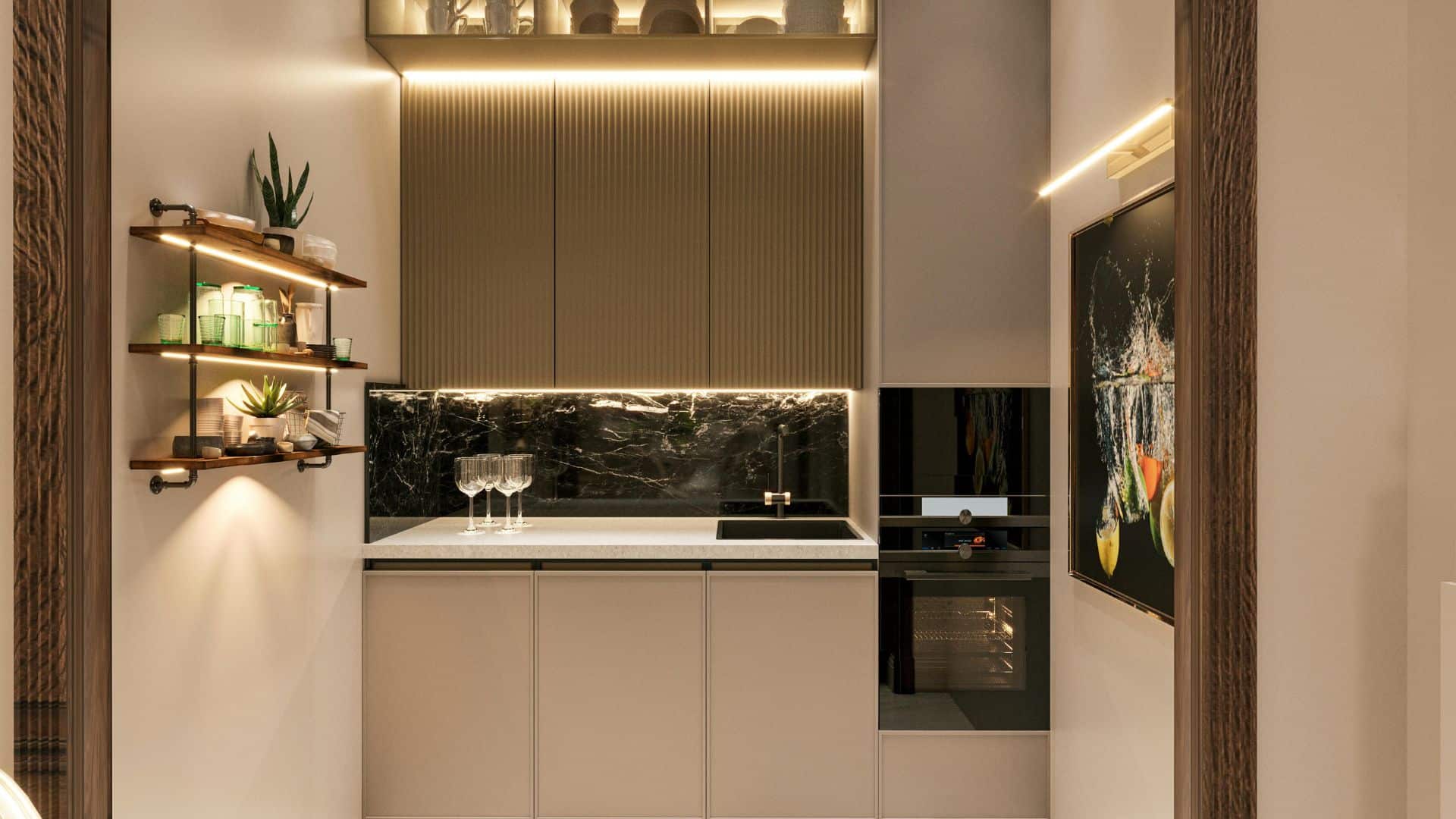
Recessed lighting is one of the most requested upgrades in modern kitchen design, and for good reason. A well-planned recessed lighting kitchen layout creates a clean, balanced, and highly functional space without visual clutter. However, successful results depend on thoughtful placement, correct spacing, and proper fixture selection. Homeowners often assume recessed lights are a simple plug-and-play solution, but strategic planning makes the difference between a professionally-lit kitchen and one filled with harsh shadows or uneven brightness.
Pros Of Recessed Lighting
Recessed fixtures offer several advantages when designed correctly. They provide streamlined illumination that blends into nearly any style, from modern minimalist kitchens to transitional or coastal-inspired homes.
- Clean look: Recessed fixtures sit flush with the ceiling, which eliminates visual bulk and keeps sightlines open. This is especially beneficial in open-concept kitchens where decorative clutter can overwhelm the space.
- Even light distribution: When spaced correctly, recessed lights provide consistent ambient lighting across the room. This helps eliminate dark corners and creates a balanced overall glow that supports both daily cooking and entertaining.
- Works well with low ceilings: Because the fixtures are installed inside the ceiling cavity, they do not hang down. This makes them ideal for kitchens with standard-height or low-height ceilings where pendant lighting might feel intrusive.
From a design perspective, recessed lighting also supports layered-lighting strategies. It acts as the foundation of ambient illumination, allowing homeowners to add task and accent lighting without overloading the space visually.
Common Recessed Lighting Mistakes
While recessed lighting offers flexibility, installation errors are surprisingly common. Poor planning can lead to glare, uneven brightness, or shadows in critical work zones.
- Overcrowding fixtures: Installing too many recessed lights can create a runway-light effect that feels harsh and over-illuminated. More fixtures do not automatically mean better lighting. The goal is balanced coverage based on ceiling height and room size.
- Poor spacing near cabinets: Placing recessed lights directly behind upper cabinets often creates shadow-heavy countertops. Fixtures should typically be positioned a few inches in front of cabinet faces so light falls directly onto prep surfaces rather than behind the person working.
- Using the wrong trim type: Trim selection affects both brightness and glare control. For example, baffle-trim reduces glare and softens light, while reflector-trim increases brightness. Choosing the wrong style can make lighting feel overly intense or uneven.
- Ignoring dimmer compatibility: Not all recessed fixtures work seamlessly with dimmer switches. Failing to confirm compatibility can result in flickering or a limited dimming range. A dimmer-ready LED fixture provides flexibility for both daytime cooking and evening ambiance.
These mistakes are avoidable with careful planning and consultation. A layout-driven approach ensures that recessed lighting enhances functionality rather than undermines it.
When Recessed Lighting Is Not Enough
Recessed lighting kitchen layouts provide excellent ambient coverage, but they rarely solve every lighting need on their own. Kitchens are task-heavy environments that benefit from multi-layer illumination.
Why Layering Matters
Layered lighting combines ambient, task, and accent sources to create depth and usability. Recessed lights handle general brightness, but they do not always eliminate shadows under cabinets or above islands. Without task-specific lighting, work surfaces can remain dim even in a bright room.
A well-designed kitchen typically includes:
- Ambient lighting: Recessed ceiling fixtures that create overall brightness.
- Task lighting: Focused light for countertops, sinks, and cooking zones.
- Accent lighting: Decorative or highlight lighting that adds warmth and visual interest.
This multi-layer strategy improves both comfort and performance.
Combining With Pendants And Under-Cabinet Lighting
To maximize effectiveness, recessed lighting should work alongside other fixtures.
- Pendant lighting over islands: Pendants provide downward-focused task illumination while adding style and definition to the island area. They also reduce shadows caused by overhead-only lighting.
- Under-cabinet lighting: LED strip or puck lights installed beneath upper cabinets directly illuminate countertops. This eliminates shadow-heavy prep areas and significantly improves safety and precision.
- Toe-kick lighting: Low-level accent lighting adds nighttime visibility and a high-end finish to the space.
By combining recessed lighting with targeted task-light solutions, homeowners create a kitchen that is not only visually cohesive but also highly functional for everyday use. When planned correctly, recessed lighting becomes the foundation of a thoughtfully-lit kitchen rather than the sole source of illumination.

Kitchen Lighting Ideas for Different Kitchen Styles
The best kitchen lighting ideas are never one size fits all. Lighting should complement your cabinetry, finishes, ceiling height, and overall design direction. A modern kitchen benefits from clean-lined fixtures and strategic recessed lighting, while a traditional space often calls for decorative centerpieces and warm-toned illumination. Below, you will find practical, style-specific guidance to help you choose lighting that enhances both function and visual harmony.
Modern Kitchens
Modern kitchens prioritize simplicity, open space, and clutter-free surfaces. Lighting in these spaces should feel intentional and architectural rather than decorative-heavy. The goal is balanced, even illumination that highlights clean lines and contemporary finishes.
Minimalist Recessed Lighting
Recessed lighting is a cornerstone of modern kitchen design because it provides seamless, low-profile illumination. When installed correctly, it creates a bright, shadow-free workspace without competing with other design elements.
- Strategic placement: Install lights directly above prep areas, islands, and walkways rather than along cabinet edges to prevent shadow-casting.
- Even spacing: Position fixtures 4 to 6 feet apart, depending on ceiling height to ensure uniform light-distribution.
- Trim selection: Choose thin-trim or trimless recessed lights for a sleek, integrated look.
- Dimmable controls: Incorporate dimmer-switch systems to adjust brightness for cooking versus entertaining.
A well-planned recessed-lighting layout keeps the ceiling visually clean while delivering practical, high-performance lighting.
Linear Pendants
Linear pendants are ideal over modern kitchen islands because they reinforce horizontal lines and symmetry. Instead of multiple small fixtures, one streamlined fixture often creates a stronger design statement.
- Proportional sizing: The fixture should be approximately two-thirds the length of the island for balanced scale.
- Neutral finishes: Matte-black, brushed-nickel, or minimal-metal finishes complement modern cabinetry.
- Integrated LED options: Built-in LED fixtures maintain the minimalist aesthetic while improving energy-efficiency.
When paired with recessed lighting, linear pendants provide both visual interest and targeted task-lighting.
Traditional Kitchens
Traditional kitchens emphasize warmth, craftsmanship, and decorative detail. Lighting in these spaces should feel classic and refined, adding character without overwhelming the design.
Chandeliers
A chandelier can serve as a focal-point feature in a traditional kitchen, especially over an island or breakfast nook. It adds depth and elegance while maintaining practical illumination.
- Scaled placement: Choose a chandelier proportional to ceiling height and island size to avoid a crowded look.
- Decorative detailing: Opt for fixtures with curved arms, crystal accents, or antique-brass finishes for timeless appeal.
- Layered support: Pair with recessed or under-cabinet lighting to ensure adequate task-brightness.
A well-chosen chandelier elevates the room while reinforcing a cohesive, classic design theme.
Warm-Toned Lighting
Color temperature plays a critical role in traditional kitchens. Warm-toned lighting enhances wood cabinetry, natural stone, and decorative molding.
- Color temperature range: Select bulbs between 2700K and 3000K for a soft, inviting glow.
- Consistent lighting tone: Avoid mixing cool-white bulbs with warm finishes to maintain visual harmony.
- Dimming capability:
Warm-toned lighting supports a welcoming atmosphere and highlights traditional architectural details.
Farmhouse Kitchens
Farmhouse kitchens blend comfort with rustic charm. Lighting should feel approachable, slightly vintage-inspired, and layered for a cozy environment.
Rustic Metal Pendants
Rustic metal pendants are a popular choice for farmhouse-style kitchens because they introduce texture and character.
- Material selection: Matte-black, oil-rubbed-bronze, or aged-metal finishes reinforce the farmhouse aesthetic.
- Balanced spacing: Install pendants evenly over the island to maintain symmetry and adequate task-lighting.
- Open-shade designs: Fixtures with exposed bulbs or wide shades distribute light more broadly across prep surfaces.
These pendants provide both function and a touch of old-world character without overwhelming the space.
Soft Ambient Glow
Farmhouse kitchens benefit from gentle, well-distributed ambient lighting that feels comfortable rather than clinical.
- Under-cabinet lighting: Install LED strip lights beneath upper cabinets to eliminate shadows on countertops.
- Accent lighting: Consider open-shelf lighting to highlight dishware and decorative elements.
- Layered approach: Combine ceiling-mounted fixtures with task-lighting to create depth and warmth.
A soft ambient-glow effect ensures the kitchen feels inviting while remaining highly functional.
Small Kitchens
Lighting plays an even greater role in small kitchens because it directly affects how spacious the room feels. Smart fixture selection and strategic layering can make a compact kitchen appear larger and brighter.
Space-Saving Flush Mounts
Flush-mount fixtures are ideal for kitchens with lower ceilings or limited square footage.
- Low-profile design: Fixtures that sit close to the ceiling prevent visual crowding.
- Light-diffusing covers: Frosted-glass or acrylic covers help spread light evenly.
- Integrated LED models: Energy-efficient, integrated fixtures reduce maintenance and maximize brightness.
A well-positioned flush-mount fixture delivers broad illumination without overwhelming the ceiling.
Bright Layered Lighting to Expand Feel
Layered lighting is essential in small kitchens because it eliminates dark corners and creates depth.
- Recessed support lighting: Evenly spaced recessed lights improve overall brightness.
- Under-cabinet illumination: Targeted task-lighting prevents shadow-casting from upper cabinets.
- Reflective surfaces: Pair bright lighting with light-colored cabinetry and backsplashes to amplify the sense of openness.
When thoughtfully layered, lighting can visually expand a small kitchen and enhance daily usability.
By aligning your kitchen lighting ideas with your specific design style, you create a cohesive, high-function space that feels intentional rather than accidental. Whether you prefer modern minimalism, traditional elegance, farmhouse charm, or compact efficiency, the right lighting plan enhances both form and function while increasing long-term home value.
Common Kitchen Lighting Mistakes To Avoid
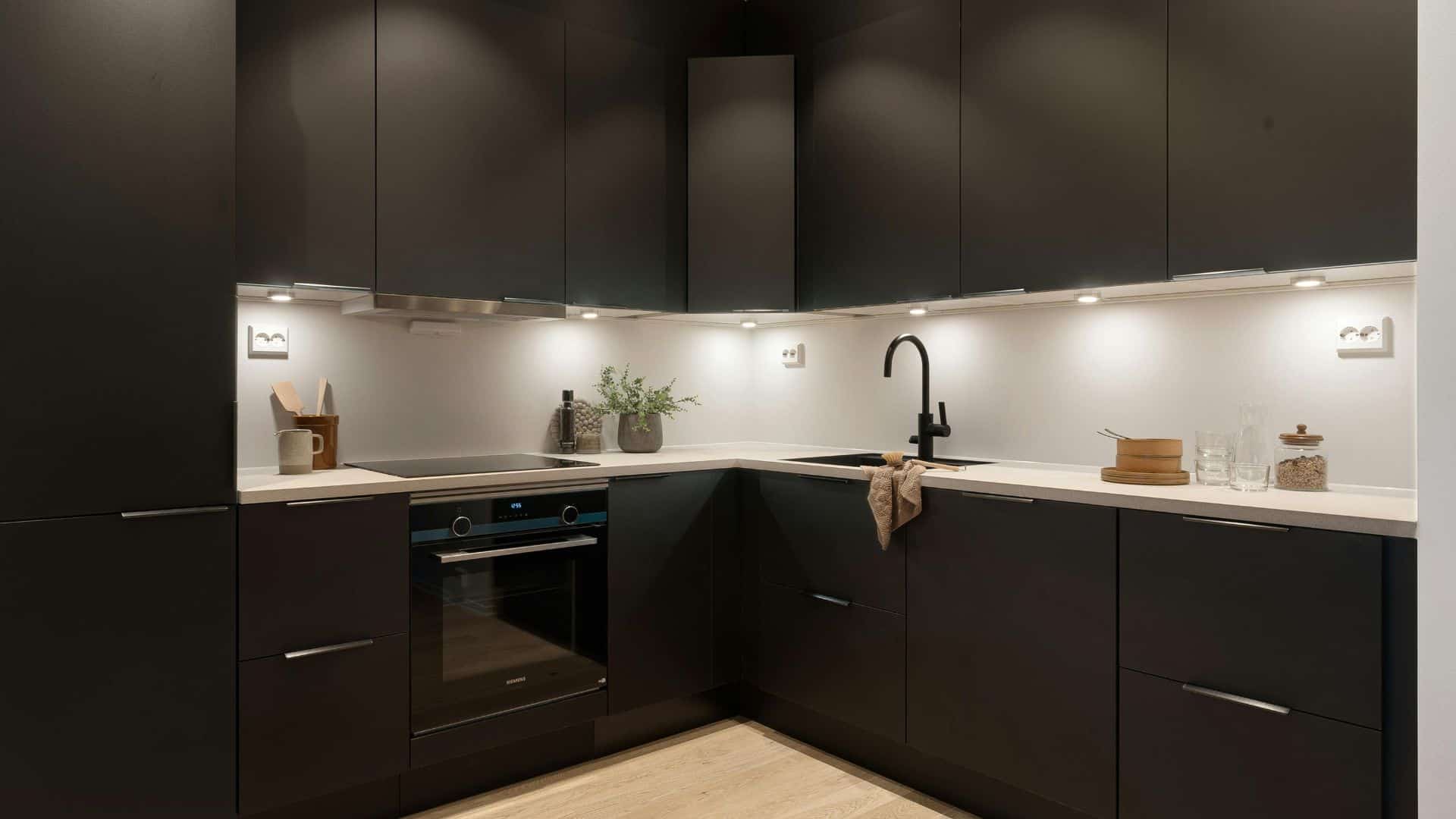
Even beautifully designed kitchens can feel uncomfortable or impractical if the lighting plan is poorly executed. Over the years, I have seen homeowners invest in high-end cabinets and countertops, only to overlook lighting decisions that directly affect how the space functions every day. Avoiding a few common mistakes can dramatically improve visibility, comfort, and overall design cohesion. Below are the most frequent kitchen-lighting errors and how to prevent them with a smarter, well-planned approach.
Relying On One Central Ceiling Light
One of the most common design flaws is depending on a single ceiling-mounted fixture to illuminate the entire kitchen. While it may technically brighten the room, it rarely provides balanced, functional lighting.
A central light source creates shadows wherever your body blocks the beam, especially at countertops, sinks, and cooktops. This makes food preparation more difficult and can even create safety concerns.
Instead of relying on one fixture, use a layered-lighting strategy:
- Task lighting: Focuses on work zones such as countertops and islands through under-cabinet lighting or directional recessed fixtures.
- Accent lighting: Adds depth and visual interest with toe-kick lighting or cabinet-interior lighting.
A well-balanced plan ensures consistent brightness across the entire space rather than a spotlight effect in the center.
Ignoring Shadows From Upper Cabinets
Upper cabinets often block overhead light, casting dark shadows directly onto countertops where you prep food. This is especially common in kitchens that rely solely on recessed-light placement behind the user instead of above work surfaces.
To prevent shadow-heavy work areas:
- Strategic placement: Position recessed lights slightly in front of cabinets, not directly overhead or behind you.
- Under-cabinet lighting: Install LED strip lighting beneath upper cabinets to illuminate counters evenly.
- Island-focused task lighting: Use pendants or recessed fixtures aimed directly at the island surface.
When lighting is positioned correctly, countertops feel brighter and more functional without increasing overall wattage.
Choosing Style Over Brightness
Aesthetic appeal matters, but lighting is first and foremost functional. I often see homeowners select decorative fixtures that look beautiful but fail to provide adequate lumens for a working kitchen.
Low-output decorative pendants or overly dim vintage-style bulbs can leave the room feeling under-lit, especially in larger kitchens.
When balancing design and performance:
- Lumen output: Ensure fixtures provide sufficient brightness based on kitchen size and ceiling height.
- Fixture scale: Match fixture size to island or room proportions for balanced light distribution.
- Function-first approach: Confirm that task zones are properly illuminated before finalizing decorative elements.
You can always soften bright lighting with dimmers, but you cannot compensate for fixtures that never provided enough light to begin with.
Forgetting Dimmers
Lighting needs change throughout the day. Morning meal prep requires bright, high-output lighting, while evening gatherings benefit from a softer, more inviting glow. Without dimmers, you lose flexibility and energy efficiency.
Installing dimmer switches is a simple upgrade that offers long-term benefits:
- Adjustable brightness: Tailor light levels to cooking, cleaning, or entertaining.
- Energy savings: Reduce electricity use when full brightness is unnecessary.
- Extended bulb life: Lower output reduces strain on LED components.
Dimmers create a dynamic lighting system rather than a static, one-level environment.
Mismatched Color Temperatures
Color temperature inconsistencies can make a kitchen feel disjointed and uncomfortable. For example, combining warm-white pendants with cool-white recessed lights often results in an uneven visual tone.
To maintain a cohesive look:
- Consistent Kelvin rating: Choose fixtures within the same temperature range, typically 2700K to 3000K for residential kitchens.
- Zone-based planning: If using slightly cooler task lighting, ensure transitions feel intentional rather than accidental.
- Sample testing: Install one fixture temporarily to evaluate how it looks with cabinetry, flooring, and natural light.
A unified color-temperature plan enhances both comfort and visual harmony.
A thoughtfully planned kitchen-lighting design avoids these common mistakes by focusing on layered functionality, proper placement, and balanced aesthetics. When lighting supports how the kitchen is actually used, the entire space feels brighter, safer, and more inviting without requiring excessive fixtures or unnecessary complexity.
Kitchen Lighting in Tampa: What Local Homeowners Should Consider
Designing kitchen lighting in Tampa requires a slightly different mindset than planning a space in colder or darker regions. Florida homes benefit from abundant natural light, coastal-influenced architecture, and open-concept layouts, all of which impact how artificial lighting should be layered and controlled. When thoughtfully designed, a well-balanced kitchen-lighting plan enhances functionality during meal prep, complements Tampa’s bright climate, and supports long-term energy efficiency. Below are the key considerations local homeowners should keep in mind when planning or upgrading their kitchen lighting.
Adapting Lighting for Florida’s Natural Sunlight
Tampa homes often feature large windows, sliding glass doors, and open layouts that invite in significant daylight. While that is a major advantage, it also requires strategic lighting choices to maintain consistency from morning through evening.
Leveraging Large Windows
Natural daylight can reduce the need for artificial lighting during daytime hours, but it must be integrated thoughtfully into your overall design.
- Daylight-layering strategy: Position recessed lighting kitchen fixtures to complement, not compete with, window placement. This prevents uneven brightness as the sun moves throughout the day.
- Balanced brightness: Use dimmable LED fixtures so artificial light can adjust as natural light changes, especially in open-concept kitchens connected to living spaces.
- Color-temperature consistency: Choose bulbs in the 2700K to 3000K range to blend smoothly with Florida’s warm daylight, avoiding harsh contrasts.
- Energy-efficiency focus: Since Tampa experiences long daylight hours, integrating smart-controls or occupancy sensors can reduce unnecessary energy use.
The goal is to create a kitchen-lighting system that feels natural and cohesive, whether the sun is shining brightly or setting over the Gulf.
Managing Glare
Strong sunlight can create glare on glossy countertops, stainless-steel appliances, and polished tile backsplashes. Poorly positioned artificial lighting can make that glare worse.
- Fixture-angle adjustment: Adjustable recessed lighting trims allow you to direct light away from reflective surfaces.
- Diffused-light selection: Frosted-glass pendants and diffused LED strips soften brightness and reduce harsh reflections.
- Window-treatment coordination: Sheer shades or light-filtering blinds help control midday glare without eliminating natural light.
- Task-light placement: Install under-cabinet lighting toward the front edge of cabinets to minimize shadow-casting and reflection hotspots.
Managing glare effectively ensures your kitchen remains comfortable and visually balanced throughout the day.
Coastal Design Influences
Tampa kitchens often reflect coastal or modern-Florida design elements, which influence fixture choice, finish selection, and overall lighting style. The key is selecting fixtures that complement architectural features while maintaining performance-driven functionality.
Light Fixtures That Complement Coastal or Modern Florida Homes
Coastal-inspired kitchens typically emphasize light colors, natural textures, and airy layouts. Lighting should reinforce that aesthetic without overwhelming it.
- Soft-metal finishes: Brushed nickel, matte-white, and champagne-brass finishes pair well with coastal color palettes.
- Glass-pendant lighting: Clear or seeded-glass pendants add visual interest while maintaining an open, breezy feel.
- Minimalist recessed lighting: A clean recessed lighting kitchen layout supports modern design without cluttering the ceiling space.
- Natural-material accents: Fixtures incorporating rattan, wood, or woven elements can enhance a relaxed coastal vibe.
- Proportion-focused sizing: Oversized fixtures may overpower smaller kitchens, so scale matters in open-concept layouts.
In Tampa homes, the most successful kitchen-lighting plans blend aesthetics with functionality. A design-forward fixture should still provide proper illumination for cooking, cleaning, and entertaining.
When to Work With a Professional Lighting Installer in Tampa
While some lighting updates are DIY-friendly, many kitchen-lighting projects involve electrical planning, load calculations, and layout precision that benefit from professional oversight. In a region like Tampa, where building codes and humidity conditions can affect installations, working with a qualified lighting installer ensures safety and long-term performance.
Electrical Upgrades
Older homes or major remodels often require panel adjustments or wiring updates.
- Load-capacity evaluation: Adding multiple recessed lights or high-output LED fixtures may require circuit upgrades.
- Dimmer compatibility checks: Not all dimmers work with all LED systems, so compatibility testing prevents flickering or reduced lifespan.
- Moisture-aware installation: Florida’s humidity levels require properly rated fixtures and sealed connections to prevent corrosion.
Professional evaluation helps prevent costly rework and ensures your system operates efficiently.
Layout Redesign During Renovations
If you are relocating an island, expanding cabinetry, or changing ceiling height, lighting placement must be reconsidered.
- Shadow-free design: Professionals calculate optimal spacing to eliminate shadow-casting from upper cabinets.
- Layered-light integration: A balanced plan includes ambient, task, and accent lighting tailored to your new layout.
- Future-proof planning: Thoughtful placement accommodates future appliance upgrades or cabinetry changes.
Lighting should never be an afterthought during a renovation. It should be planned alongside cabinetry, countertops, and appliance positioning.
Code Compliance Considerations
Electrical work in Tampa must follow local building codes and inspection requirements.
- Permit requirements: Significant electrical modifications often require permits and inspections.
- Fire-safety standards: Recessed lighting installations must meet insulation-contact and fire-rating guidelines.
- Energy-code compliance: Florida energy codes may require energy-efficient fixtures or controls in residential remodels.
Working with a licensed lighting installer ensures your kitchen-lighting system meets all regulatory requirements and performs safely for years to come.
If you are ready to upgrade your kitchen lighting with a design that balances style, efficiency, and long-term performance, explore our website to see how our experts can help you plan the perfect solution. We combine thoughtful design guidance with professional installation experience to ensure your kitchen looks stunning and functions flawlessly. Take the next step toward a brighter, more beautiful space by connecting with a team you can trust.

FAQs: About Kitchen Lighting Ideas
- How many recessed lights do I need in my kitchen?
The number of recessed lights depends on your kitchen size, ceiling height, and layout. A common guideline is spacing lights about 4 to 6 feet apart and positioning them over key work areas rather than along the walls. For accurate planning, calculate total lumens needed based on square footage and layer with task lighting. - What is the best lighting for kitchen ceilings?
Recessed lighting is one of the most popular ceiling options because it provides even, unobtrusive illumination. Flush-mount or semi flush fixtures work well for lower ceilings, while a combination of recessed lights and pendants offers balanced brightness and visual interest. - Should kitchen lighting be warm or cool?
Most kitchens benefit from color temperatures between 2700K and 3000K for a warm, inviting feel. For task areas like countertops, some homeowners prefer slightly cooler lighting around 3500K for improved visibility. Consistency across fixtures helps maintain a cohesive appearance. - Are LED lights the best choice for kitchens?
Yes, LED lights are energy efficient, long-lasting, and available in a range of color temperatures. They produce less heat than traditional bulbs and provide strong, consistent brightness. Dimmable LED options also allow you to adjust lighting levels throughout the day. - What is layered lighting and why is it important in kitchens?
Layered lighting combines ambient, task, and accent lighting to create a functional and visually appealing space. Ambient lighting provides overall brightness, task lighting supports food preparation, and accent lighting highlights design features. This approach prevents shadows and enhances usability. - Where should recessed lighting be placed in a kitchen?
Recessed lights should be installed over work zones such as countertops, islands, and sinks rather than directly behind you, where they create shadows. Placement should account for cabinet depth and ceiling height. Strategic positioning ensures even light distribution and maximum functionality. - How can I improve lighting in a small kitchen?
In small kitchens, use bright, evenly spaced recessed lights combined with under-cabinet lighting to eliminate dark corners. Light colored finishes and reflective surfaces can also amplify brightness. Avoid oversized fixtures that overwhelm the space visually. - Are pendant lights necessary over a kitchen island?
Pendant lights are not mandatory, but they provide focused task lighting and enhance visual appeal. They help define the island as a central gathering area. Proper spacing and sizing are essential to avoid glare or overcrowding. - What are common kitchen lighting mistakes to avoid?
Common mistakes include relying on a single ceiling fixture, ignoring shadows from cabinets, mixing inconsistent color temperatures, and skipping dimmer switches. Overcrowding recessed lights or choosing fixtures based solely on style can also reduce functionality. - How much does it cost to install kitchen lighting?
Costs vary depending on fixture type, number of lights, electrical upgrades, and local labor rates. Simple fixture replacements may be affordable, while adding recessed lighting or rewiring can increase expenses. Consulting a licensed professional ensures accurate estimates and code compliance.
Conclusion
Creating a kitchen that truly works for your home requires more than selecting attractive fixtures or following the latest design trend, it demands a thoughtful, well-planned lighting strategy built around layered lighting principles. A well-lit kitchen combines ambient lighting for overall brightness, task lighting for safe and efficient food preparation, and accent lighting that highlights architectural details and adds visual depth, ensuring the space feels both welcoming and practical. Instead of relying on quick-fix upgrades like swapping a single ceiling fixture or overcrowding the room with recessed lighting, take the time to evaluate how you actually use your kitchen, where shadows form, and which areas require focused illumination. The most successful kitchen lighting ideas blend form and function seamlessly, pairing energy-efficient solutions with style-forward design so that pendants enhance an island workspace, under-cabinet lighting improves visibility, and carefully spaced recessed fixtures provide balanced coverage without glare. When lighting decisions are guided by both aesthetics and performance, you create a kitchen that not only looks beautiful in photos but also supports everyday cooking, entertaining, and family life with long-term durability and comfort.
Transform Your Space With Professional Kitchen Lighting & Remodeling Solutions
- Kitchen Remodeling: Upgrade your kitchen lighting ideas with a complete remodel that improves layout, adds recessed lighting, kitchen features, and enhances functionality while creating a brighter, more efficient cooking space.
- Full Home Remodeling: Create a cohesive lighting plan that connects your kitchen with surrounding living areas, ensuring consistent brightness, modern design flow, and energy-efficient upgrades throughout your home.
- Outdoor Kitchen Contractor: Extend your kitchen lighting ideas outdoors with professionally installed lighting that enhances safety, ambiance, and functionality for evening gatherings and year-round entertaining.
- Interior & Exterior House Painting: Maximize the impact of your kitchen lighting by pairing it with professionally painted walls and cabinetry that reflect light beautifully and enhance overall brightness and design appeal.