

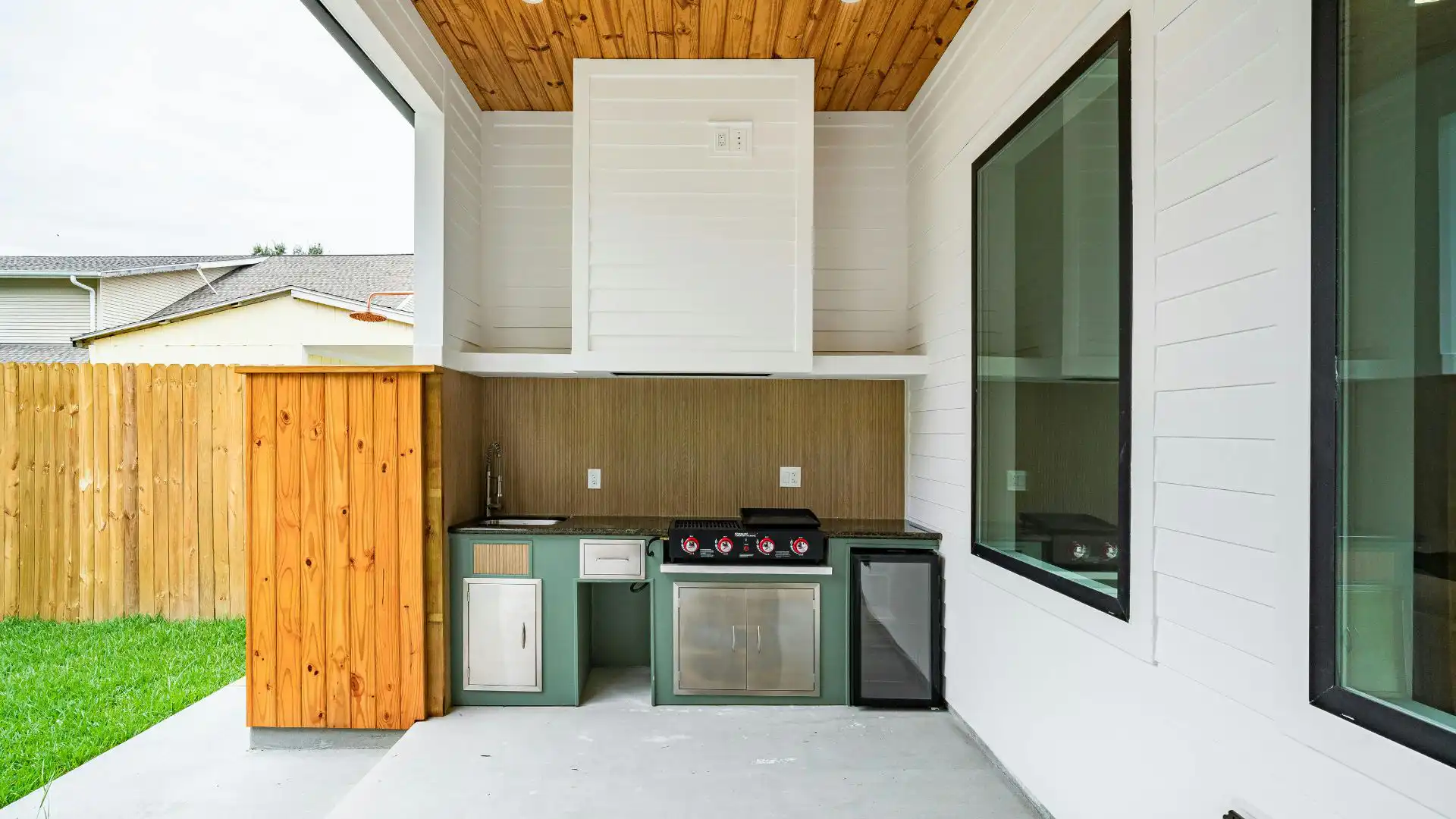
Welcome to your complete guide to outdoor kitchen benefits and why more homeowners are transforming their backyards into fully functional outdoor living spaces. An outdoor kitchen is more than just a grill on a patio, it is a strategic home upgrade that expands your entertaining space, enhances your cooking experience, increases property value, and encourages more time spent outdoors with family and friends. Whether you are considering a simple backyard grill station or a fully equipped outdoor cooking area with built-in appliances and seating, understanding the true advantages can help you decide if this investment aligns with your lifestyle and long-term goals. In this guide, you will discover the practical, financial, and lifestyle benefits of outdoor kitchens, along with expert insights to help you determine if building one is the right move for your home.
Outdoor kitchen benefits include expanding your living space, increasing home value, enhancing outdoor entertaining, and improving the cooking experience. They help keep heat and odors outside, encourage more time outdoors, and create a functional backyard gathering area. With proper design, an outdoor kitchen can also provide a strong return on investment and long-term lifestyle value.
What Is an Outdoor Kitchen? (And What Does It Typically Include?)
An outdoor kitchen is a purpose-built outdoor cooking space designed to bring the function of an indoor kitchen into your backyard. Unlike a standalone grill placed on a patio, a well-designed outdoor kitchen is a structured backyard kitchen setup that includes permanent fixtures, work surfaces, and often utility connections such as gas, water, and electricity. The goal is to create a functional, weather-resistant cooking and entertaining area that feels like a natural extension of your home.
At its simplest, an outdoor kitchen can be a built-in grill with counter space. At its most advanced, it can include multiple cooking appliances, refrigeration, storage, seating, lighting, and overhead coverage. The level of complexity depends on budget, available space, climate, and how often you plan to cook or entertain outdoors.
Basic vs. Fully Equipped Outdoor Kitchens
Outdoor kitchens generally fall into two categories: simple setups designed for occasional grilling and fully equipped installations that function like a second kitchen. Understanding the difference helps you plan realistically and avoid overspending on features you may not use.
Grill Stations
A grill station is the foundation of most outdoor cooking spaces. It typically includes a built-in grill integrated into a masonry, stone, or concrete island.
- Built-in grill: A fixed grill unit that is connected to a natural gas line or propane source, offering greater stability and a more polished look than a freestanding model
- Island base: A permanent structure that houses the grill and provides support, often finished in stone, brick, or stucco
- Safety considerations: Proper ventilation, safe clearances from combustible materials, and correct gas-line installation are essential for long-term safety
For many homeowners, a high-quality grill station paired with modest counter space is enough to significantly improve outdoor cooking.
Counter Space and Prep Areas
Prep space is often overlooked, but it dramatically improves functionality. Without it, you are constantly moving between your indoor kitchen and the backyard.
- Food-prep zone: A durable, weather-resistant countertop surface such as granite, concrete, or tile for chopping and plating
- Serving area: Space for setting down platters, condiments, and drinks during gatherings
- Heat-resistant materials: Countertops must handle high temperatures and outdoor exposure without cracking or fading
Well-planned counter space makes the outdoor kitchen feel intentional rather than improvised.
Sinks and Refrigeration
Adding water and cold storage takes a backyard kitchen setup from basic to highly functional.
- Outdoor sink: Allows you to wash hands, rinse produce, and clean utensils without going indoors
- Under-counter refrigerator: Keeps beverages, marinades, and perishable ingredients close at hand
- Utility planning: Plumbing and drainage must comply with local building codes, which may require permits
These features are especially valuable for homeowners who entertain frequently.
Pizza Ovens, Smokers, and Side Burners
Expanded cooking options turn an outdoor kitchen into a versatile culinary space.
- Wood-fired pizza oven: Adds high-heat cooking capability and becomes a focal point for entertaining
- Smoker: Ideal for low-and-slow barbecue enthusiasts who want restaurant-level results at home
- Side burner: Useful for sauces, sautéing, or boiling without stepping inside
These additions should match your cooking habits. A feature-rich setup only adds value if you genuinely use it.
Storage Solutions
Outdoor storage keeps tools organized and protects equipment from the elements.
- Weather-resistant cabinetry: Stainless-steel or sealed cabinetry that withstands moisture and temperature changes
- Pull-out drawers: Convenient storage for grilling tools, utensils, and cleaning supplies
- Sealed compartments: Help prevent pests and water intrusion
Proper storage reduces clutter and increases the lifespan of your investment.
Popular Outdoor Kitchen Design Styles
Beyond appliances and layout, design plays a major role in how your outdoor cooking space feels and functions. The right style should complement your home’s architecture and support year-round usability.
Covered vs. Open-Air Kitchens
The choice between a covered structure and an open-air layout affects comfort, durability, and seasonal use.
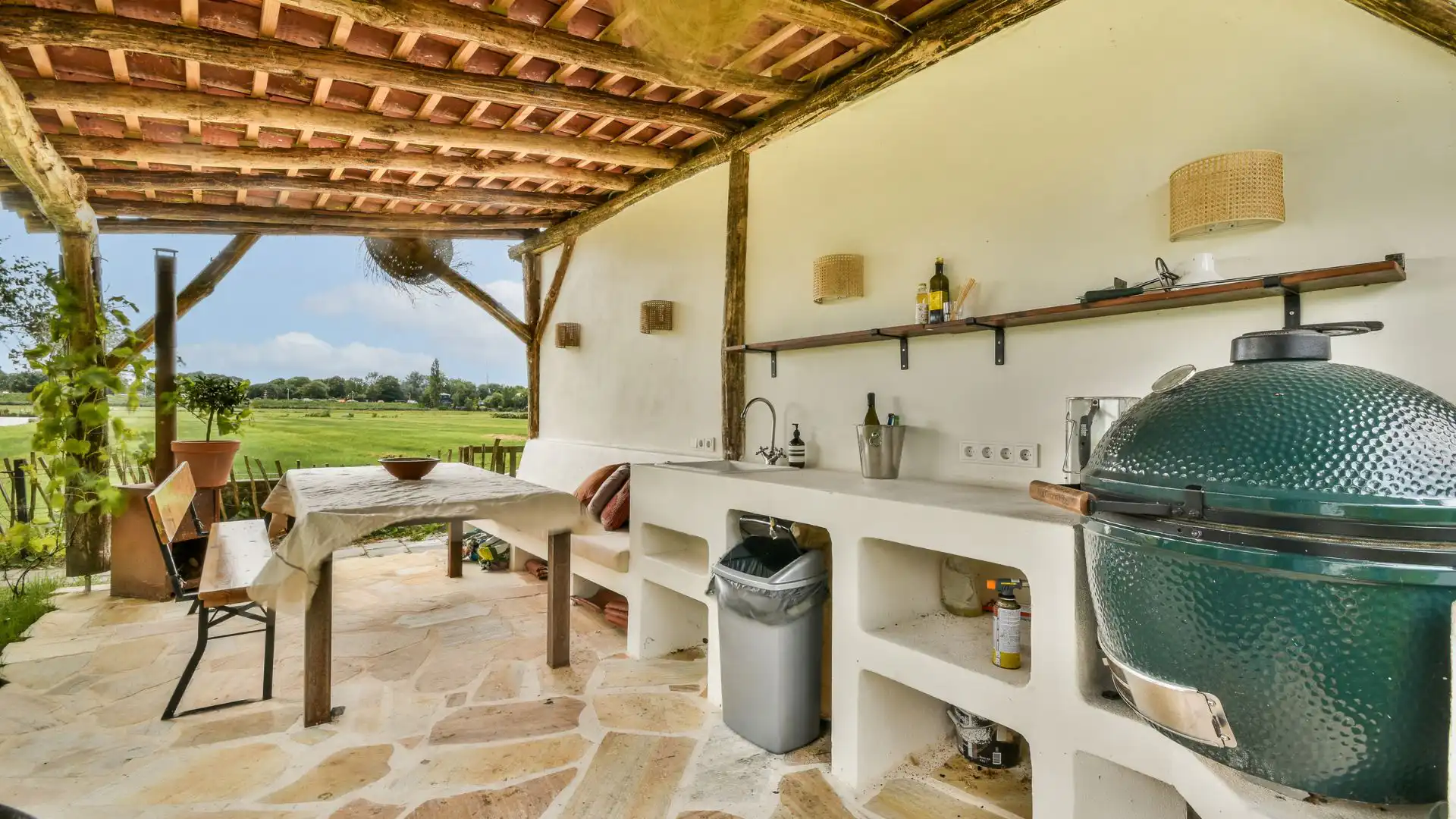
- Covered outdoor kitchen: Includes a pergola, pavilion, or roof structure that provides shade and weather protection
- Ventilation design: Covered spaces require proper airflow planning, especially when using gas or charcoal appliances
- Open-air kitchen: Offers full exposure to the outdoors and is typically more budget-friendly and easier to build
In warmer climates, a covered design often extends usability during hot summer months. In cooler areas, adding heaters under a covered structure can create a comfortable multi-season environment.
Patio Kitchens vs. Poolside Setups
Location within the backyard influences both functionality and atmosphere.
- Patio kitchen design: Integrates directly with a deck or patio area, making it a natural extension of indoor living space
- Poolside kitchen: Designed for convenience during swimming and outdoor recreation, often including bar seating and beverage storage
- Traffic flow planning: Placement should allow easy movement between seating, cooking, and dining areas
A thoughtfully positioned kitchen prevents crowding and improves the overall entertainment experience.
Modern vs. Rustic Aesthetics
Design style shapes the visual identity of your backyard kitchen setup.
- Modern design: Clean lines, stainless-steel finishes, minimalist cabinetry, and neutral color palettes
- Rustic design: Natural stone, wood accents, textured finishes, and warm lighting
- Cohesive integration: The outdoor kitchen should visually align with your home’s exterior architecture
A cohesive design creates a polished, high-end appearance and increases long-term property appeal.
An outdoor kitchen is ultimately about blending functionality with lifestyle. Whether you choose a simple built-in grill with a prep area or a fully equipped, covered outdoor cooking space, the key is thoughtful planning. When designed correctly, it becomes more than a backyard upgrade. It becomes a permanent, value-adding extension of your home.

10 Key Outdoor Kitchen Benefits
An outdoor kitchen is more than a grill and a countertop. When thoughtfully designed, it becomes a functional outdoor living space that improves how you cook, entertain, and use your property. Below are the most impactful outdoor kitchen benefits, explained with practical insight so you can understand both the lifestyle value and long-term investment potential.
1. Expands Your Living And Entertaining Space
One of the most immediate benefits of an outdoor kitchen is the way it extends your usable square footage. Instead of confining meals and gatherings indoors, you create a dedicated outdoor entertaining space that feels intentional and inviting.
Creates A Natural Gathering Area
A well-designed backyard kitchen setup naturally draws people together.
- Encourages Social Interaction: Unlike an indoor kitchen where the cook is separated from guests, an outdoor layout keeps everyone in the same open-air environment. Guests can relax, talk, and engage while food is being prepared.
- Keeps The Host Part Of The Conversation: With seating built around a grill station or island-style counter, the host remains involved instead of moving back and forth between rooms.
The result is a more connected and relaxed atmosphere during backyard gatherings.
Ideal For Hosting Parties And Family Gatherings
Outdoor kitchens shine when it comes to hosting.
- Summer Cookouts: Grilling outdoors keeps the heat outside and creates a natural focal point for casual get-togethers.
- Game Days: A built-in BBQ station with counter seating turns your backyard into a social hub.
- Holiday Entertaining: Even during cooler months, a properly equipped outdoor dining area can handle large meals without overwhelming your indoor kitchen.
For homeowners who enjoy hosting, this added space often becomes the most-used part of the property.
2. Increases Home Value And Market Appeal
Beyond lifestyle improvements, outdoor kitchens can contribute to strong home improvement ROI when built with quality materials and thoughtful design.
ROI Of Outdoor Kitchens
Outdoor renovations consistently rank high among desirable backyard upgrades.
- Outdoor Renovation Value: Real estate professionals frequently note that well-designed outdoor living areas increase buyer interest, especially in regions with long warm seasons.
- Buyer Appeal In Warmer Climates: In sun-belt states and coastal areas, outdoor kitchens are often viewed as essential lifestyle features rather than luxury add-ons.
While ROI depends on location and build quality, a functional outdoor kitchen can increase perceived property value and set your home apart.
Competitive Advantage In Real Estate Listings
In competitive markets, presentation matters.
- Lifestyle Marketing Appeal: Listing photos that showcase a fully equipped outdoor cooking space help buyers imagine themselves entertaining at home.
- Visual Impact: Stone finishes, built-in appliances, and covered seating areas create a high-end impression that elevates the entire property.
For many buyers, an outdoor kitchen signals that the home is move-in ready and designed for entertaining.
3. Enhances Cooking Experience And Flavor
Outdoor cooking offers practical and culinary advantages that indoor kitchens simply cannot replicate.
Better Ventilation And Fewer Indoor Odors
Cooking outside eliminates common indoor discomforts.
- Keeps Smoke And Heat Outside: Grilling, searing, and frying generate heat and smoke that can linger indoors. An open-air cooking space prevents that buildup.
- Reduces Lingering Odors: Strong food aromas stay outdoors, keeping your interior fresh.
This benefit alone can dramatically improve comfort during warm-weather cooking.
Expanded Cooking Capabilities
Outdoor kitchens often support more versatile cooking methods.
- Grilling And Smoking: Dedicated equipment allows for precise temperature control and authentic flavor.
- Wood-Fired Cooking: Pizza ovens and smokers deliver restaurant-quality results at home.
- Multi-Appliance Flexibility: Combining a grill, side burner, and refrigeration creates a fully functional cooking zone.
These outdoor grilling benefits allow homeowners to experiment with techniques that are less practical indoors.
4. Reduces Indoor Heat And Energy Usage
Energy efficiency is an often-overlooked advantage of outdoor kitchens, especially in warm climates.
Keeps The House Cooler In Warm Months
Indoor cooking appliances generate significant heat.
- Less Reliance On Air Conditioning: By preparing meals outdoors, you prevent excess indoor heat buildup, which reduces cooling demands.
Over time, this can contribute to lower summer energy bills and improved comfort.
Energy-Efficient Summer Cooking
Outdoor cooking aligns well with seasonal living.
- Avoid Heating The Kitchen Indoors: Even a short oven cycle can raise indoor temperatures noticeably. Using an outdoor grill or cooktop prevents that heat gain.
For households focused on energy-conscious living, this is a meaningful practical benefit.
5. Encourages More Time Outdoors
An outdoor kitchen naturally encourages homeowners to spend more time outside, which supports both physical and social well-being.
Promotes Healthier Lifestyle Habits
Spending time outdoors has measurable benefits.
- Fresh Air: Cooking and dining outside reduces screen time and encourages movement.
- More Social Activity: Neighbors and friends are more likely to gather in an inviting outdoor environment.
An outdoor living space makes outdoor time part of daily routine rather than a special occasion.
Strengthens Family Connections
Shared experiences matter.
- Cooking Together: Preparing meals outdoors can become a collaborative activity rather than a solo task.
- Shared Meals Outside: Eating together in a relaxed backyard setting often leads to longer conversations and stronger family bonds.
These intangible benefits are often cited by homeowners as the most valuable.
6. Customizable To Your Needs And Budget
Outdoor kitchens are highly adaptable, making them accessible to a wide range of homeowners.
Modular Vs. Custom-Built Options
You can scale your project according to budget and goals.
- Starter Setups: A simple grill island with prep space can deliver core functionality.
- Luxury Builds: Fully custom layouts may include built-in refrigeration, storage, lighting, and plumbing.
The outdoor kitchen cost varies widely, but the flexibility allows for phased upgrades over time.
Budget-Friendly Outdoor Kitchen Ideas
Even smaller budgets can support meaningful improvements.
- Portable Grills: A high-quality portable unit can serve as the foundation for a future built-in design.
- DIY Countertop Additions: Adding weather-resistant prep space improves usability without major construction.
Affordable outdoor kitchen ideas make it possible to start small and expand as needs evolve.
7. Improves Outdoor Aesthetic And Property Appeal
A thoughtfully designed outdoor kitchen enhances overall backyard design and curb appeal.
Creates A Cohesive Backyard Design
Integration is key.
- Integrates With Landscaping: Stone, brick, or concrete finishes can complement garden features and hardscaping.
- Complements Patio And Decking: Coordinated materials create a seamless transition between indoor and outdoor spaces.
This cohesive design elevates the appearance of the entire property.
Turns Unused Yard Space Into Functional Living Space
Many backyards include underutilized areas.
- Functional Transformation: Converting unused lawn space into a cooking and dining zone maximizes the value of your lot.
- Defined Zones: Outdoor kitchens help create purposeful areas for relaxation, dining, and entertainment.
This shift from empty yard to usable space significantly improves daily living.
8. Ideal For All Seasons With The Right Setup
Outdoor kitchens are not limited to summer use when designed strategically.
Adding Shade, Pergolas, Or Patio Covers
Protection enhances usability.
- Covered Outdoor Kitchen: A roof structure shields appliances and guests from sun and light rain.
- Outdoor Kitchen With Pergola: Pergolas provide partial shade while maintaining an open feel.
These features extend the comfortable use of your outdoor space.
Incorporating Heaters Or Fire Features For Cooler Months
Cold weather does not have to end outdoor enjoyment.
- Patio Heaters: Targeted heat makes outdoor dining comfortable during cooler evenings.
- Fire Features: Fire pits or fireplaces add warmth and visual appeal.
With these additions, an outdoor kitchen can remain functional well beyond peak summer months.
9. Reduces Cleanup And Indoor Mess
Outdoor cooking helps maintain a cleaner indoor environment.
Keeps Grease, Smoke, And Food Odors Outside
High-heat cooking methods can create splatter and residue.
- Grease Containment: Cooking outdoors limits grease accumulation on indoor surfaces.
- Odor Control: Strong aromas dissipate naturally in open air.
This reduces post-meal cleaning and improves indoor air quality.
Easy-To-Clean Outdoor Materials
Most outdoor kitchens use durable surfaces designed for exposure.
- Weather-Resistant Finishes: Stainless steel and sealed stone resist stains and moisture.
- Low-Maintenance Design: Smooth, non-porous surfaces simplify cleanup.
Practical material choices reduce ongoing maintenance demands.
10. Creates A Unique Lifestyle Experience
Beyond functionality and financial value, an outdoor kitchen changes how you experience your home.
Restaurant-Style Dining At Home
A dedicated outdoor cooking space feels elevated.
- Professional Setup: Built-in appliances and bar seating mimic a high-end dining environment.
- Interactive Cooking: Guests can watch meals prepared in real time, creating an engaging atmosphere.
This experience adds a sense of occasion to everyday meals.
Everyday Luxury And Relaxation
Small daily moments often define quality of life.
- Relaxed Evenings Outdoors: Preparing dinner while enjoying sunset views transforms routine tasks.
- Enhanced Property Enjoyment: A well-designed outdoor kitchen makes your backyard a destination rather than an afterthought.
For many homeowners, this combination of function, comfort, and lifestyle improvement is what makes the investment truly worthwhile.
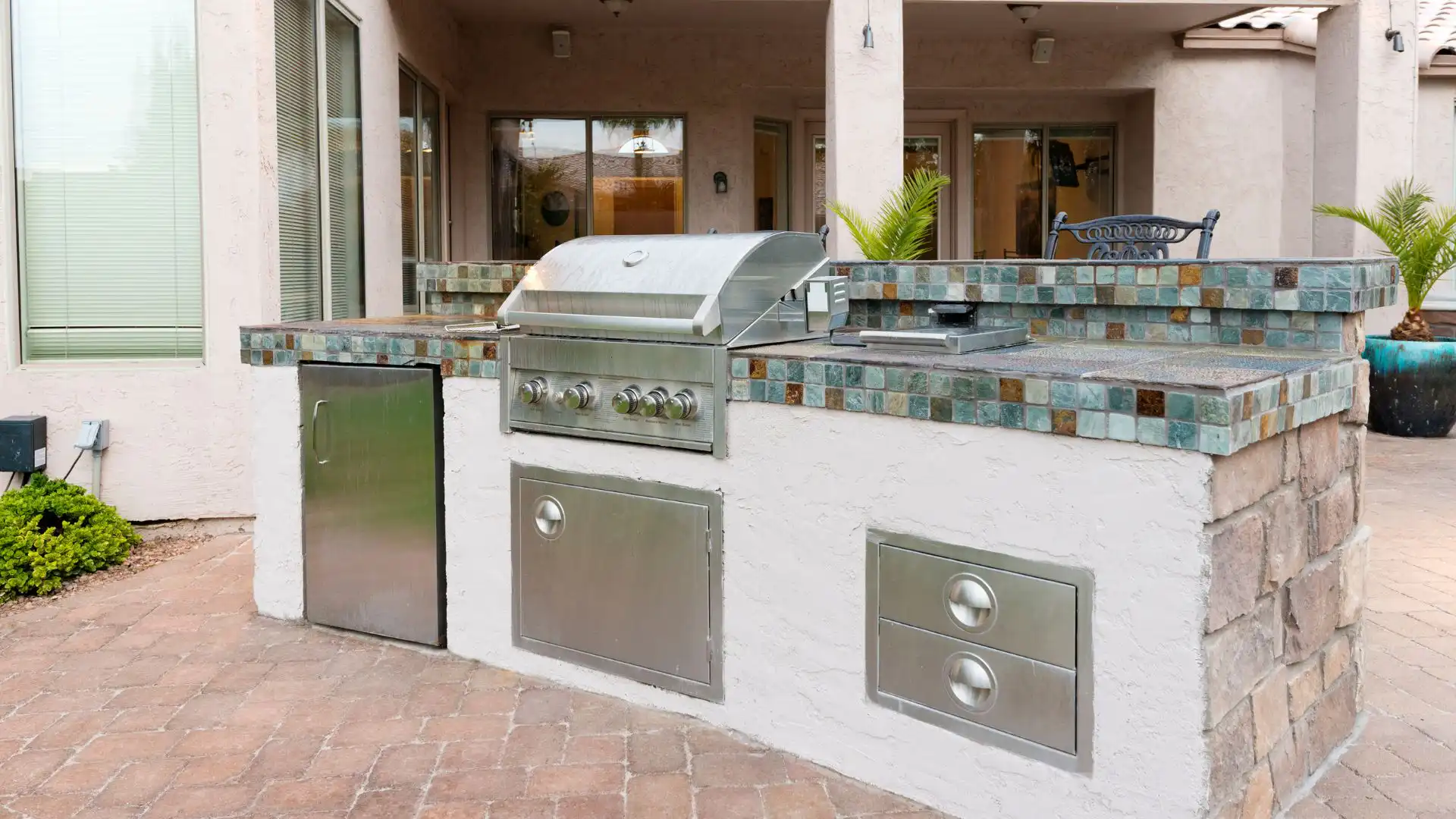
Are There Any Downsides? What To Consider Before Building
An outdoor kitchen can transform a backyard into a functional, lifestyle-focused space, but it is not a decision to rush. Like any major home improvement project, it comes with financial, practical, and regulatory considerations. Understanding the potential downsides before you build helps you plan wisely, avoid expensive mistakes, and ensure the investment delivers long-term value rather than short-term excitement.
Initial Installation Costs
One of the most significant factors homeowners must consider is the upfront cost. Outdoor kitchens vary widely in scope, and expenses can increase quickly depending on design complexity, appliance choices, and utility requirements.
Budget Ranges
The cost of an outdoor kitchen depends on size, materials, appliances, and labor. A simple grill island with basic counter space will fall on the lower end of the spectrum, while a fully equipped outdoor cooking space with plumbing, electrical lines, refrigeration, and custom masonry can represent a substantial investment.
Several cost drivers typically influence the final price:
- Appliance selection: Built-in grills, smokers, pizza ovens, and refrigeration units significantly increase overall cost compared to a standalone grill.
- Utility integration: Running gas lines, water supply, drainage, and electrical wiring requires licensed professionals and often permits.
- Custom construction: Stonework, poured concrete counters, and weather-resistant cabinetry add durability but also raise expenses.
- Site preparation: Leveling ground, extending patios, or reinforcing foundations can increase labor and material costs.
It is important to budget beyond just materials. Professional installation, design consultation, and potential landscaping adjustments should be factored into the total project estimate.
Long-Term Value Comparison
While the initial investment can feel substantial, an outdoor kitchen should be evaluated as a long-term value addition rather than a short-term expense. A well-designed outdoor cooking area can enhance property appeal, expand usable living space, and improve lifestyle quality.
From a real estate perspective, outdoor living spaces are often highlighted in property listings, especially in warmer climates. Buyers frequently view an outdoor kitchen as a premium feature that distinguishes a home from comparable listings. However, the return on investment depends heavily on build quality and regional demand.
A thoughtfully planned outdoor kitchen with durable materials and practical design will retain value far better than a low-quality installation. Cutting corners upfront often leads to repairs or replacements that eliminate any perceived savings.
Maintenance And Weather Exposure
Unlike an indoor kitchen, an outdoor kitchen must withstand year-round exposure to sun, rain, humidity, and temperature changes. Planning for durability is essential if you want the space to remain functional and visually appealing for years.
Material Selection
Choosing the right materials is one of the most important decisions in the planning process. Not all finishes and appliances are designed for outdoor conditions.
- Stainless steel: High-quality stainless steel resists rust and corrosion, making it ideal for grills, appliances, and hardware. Lower-grade steel can deteriorate quickly in humid climates.
- Natural stone and masonry: Stone, brick, and concrete are durable, heat-resistant, and well-suited for long-term outdoor use.
- Weatherproof cabinetry: Cabinets specifically built for outdoor environments are constructed to handle moisture and temperature swings without warping or cracking.
Selecting materials designed for outdoor use reduces maintenance demands and extends the life of your investment. Indoor-grade products often fail prematurely when exposed to constant environmental stress.
Seasonal Care
Even with durable materials, outdoor kitchens require ongoing care. Routine cleaning, protective covers, and seasonal inspections help prevent damage.
Practical maintenance steps include:
- Protective covering: Covering appliances when not in use shields them from rain and debris.
- Routine cleaning: Removing grease buildup and debris prevents corrosion and extends appliance life.
- Seasonal inspection: Checking gas lines, plumbing connections, and electrical components before peak usage seasons helps identify potential safety issues.
In colder climates, winterizing water lines and shutting off certain utilities can prevent freeze-related damage. Neglecting seasonal care is one of the most common causes of premature wear.
Local Building Codes And Permits
Many homeowners overlook the regulatory side of installing an outdoor kitchen. Depending on the scope of the project, permits may be required, and local rules can influence layout and design.
Utility Connections
If your outdoor kitchen includes natural gas, electrical wiring, or plumbing, local building codes typically require permits and inspections. These regulations are in place to ensure safety and proper installation.
Key considerations include:
- Gas lines: Improper installation can create fire hazards and may void homeowner insurance coverage.
- Electrical wiring: Outdoor-rated wiring and outlets must meet code requirements for moisture protection.
- Plumbing systems: Proper drainage and backflow prevention are often mandated by municipal guidelines.
Working with licensed contractors familiar with local codes reduces the risk of costly rework or fines.
HOA Restrictions
If you live in a community governed by a homeowners’ association, additional restrictions may apply. HOAs may regulate:
- Structure size and placement: Limits on how close structures can be to property lines.
- Design aesthetics: Requirements that match neighborhood architectural styles.
- Fuel types: Restrictions on open-flame appliances or wood-burning features.
Before breaking ground, review HOA guidelines and obtain written approval if necessary. Addressing these details early prevents delays and disputes.
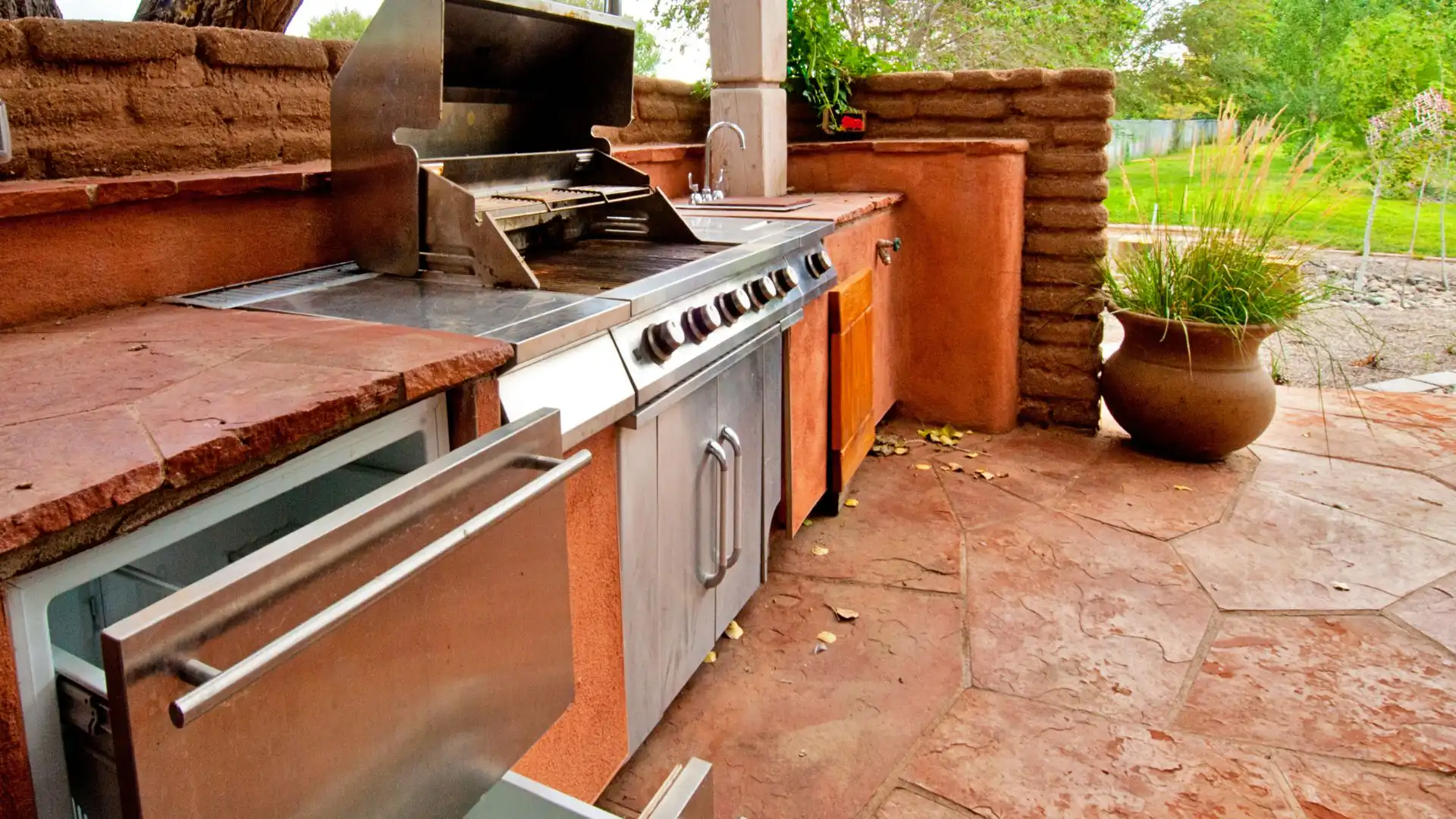
Is an Outdoor Kitchen Worth It for You?
Deciding whether an outdoor kitchen is worth the investment comes down to lifestyle, space, climate, and long-term goals. While outdoor kitchen benefits are widely discussed, not every home or homeowner will gain the same level of value. The key is understanding how this type of upgrade fits into your daily routines, entertaining habits, and property plans. When designed thoughtfully, a well-planned outdoor kitchen can become a high-use living space that delivers both personal enjoyment and financial upside. However, it should serve a real purpose in your life rather than simply follow a trend.
Who Benefits Most From an Outdoor Kitchen
Certain homeowners see an immediate return in usability and satisfaction because an outdoor cooking space aligns naturally with how they live and entertain.
Frequent Entertainers
If you regularly host cookouts, birthday parties, game-day gatherings, or neighborhood dinners, an outdoor kitchen can dramatically improve how you entertain. Instead of being stuck inside preparing food while guests socialize outdoors, you remain part of the experience.
A properly designed outdoor-entertaining layout creates a natural flow between cooking, serving, and seating areas. In my experience working with homeowners, the most successful setups include:
- Dedicated Prep Space: Countertops positioned next to the grill for easy food preparation without constant back-and-forth trips indoors
- Guest-Friendly Layout: Bar seating or island-style counters that allow conversation while cooking
- Multiple Cooking Zones:
For people who entertain often, this upgrade is not just aesthetic. It becomes a functional extension of the home that reduces stress and improves hosting capacity.
Families
Families who spend time outdoors together tend to benefit significantly from an outdoor kitchen. Cooking outside encourages shared activity, whether that means prepping vegetables together, grilling on weekends, or enjoying regular backyard dinners.
Beyond cooking, an outdoor kitchen creates a central gathering space that pulls everyone away from screens and into shared experiences. For households with children or teenagers, that dedicated outdoor-dining area often becomes a natural meeting point.
There are also practical benefits for family life:
- Reduced Indoor Mess: Cooking outside keeps grease, smoke, and food odors out of the main kitchen
- Healthier Habits: Fresh-air meals and more outdoor time can promote a more active lifestyle
- Functional Backyard Use: Transforms unused lawn space into a purposeful living area
When the space supports real family interaction, the value becomes clear over time.
Homeowners In Warm Climates
Climate plays a major role in determining value. In regions with long summers or mild winters, an outdoor kitchen can be used for much of the year. In these areas, it often becomes a primary cooking location during warmer months.
Warm-climate homeowners benefit from:
- Energy Savings: Cooking outdoors reduces indoor heat buildup and lowers air-conditioning demand
- Extended Usability: More months of practical use compared to colder regions
- Higher Resale Appeal: Outdoor living features are especially attractive in sun-heavy markets
In markets where outdoor living is part of the culture, a well-designed outdoor kitchen is often viewed as a premium home feature rather than an optional luxury.
Situations Where It May Not Be Necessary
While outdoor kitchen benefits are compelling, there are situations where the investment may not make sense. Honest evaluation is important to avoid overspending on a feature that goes unused.
Limited Backyard Space
If your yard is small or already crowded with landscaping, play equipment, or seating areas, adding a full outdoor kitchen may create congestion rather than comfort. Outdoor kitchens require thoughtful layout planning to avoid disrupting traffic flow.
Before committing, consider:
- Clearance Requirements: Adequate room for cooking safely and moving comfortably
- Seating Integration: Space for guests without overcrowding
- Storage and Utility Access: Proper placement of gas, water, and electrical lines
In very tight spaces, a compact grill-station setup may be more practical than a fully built-in configuration. Functionality should always outweigh appearance.
Rare Outdoor Use
If you rarely cook outdoors or prefer indoor hosting, the return on investment may be limited. An outdoor kitchen works best when it aligns with consistent habits. Installing one purely for resale appeal without personal use can reduce perceived value.
Ask yourself practical questions:
- Do I already use my backyard regularly?
- Do I enjoy grilling or outdoor cooking?
- Will I realistically maintain and clean this space?
If the honest answer is no, a simpler patio upgrade or landscaping enhancement may provide better value.
Ultimately, whether an outdoor kitchen is worth it depends on how well it supports your lifestyle. When it enhances daily routines, improves entertaining, and fits your climate and space constraints, it can become one of the most rewarding home improvements you make. When it does not align with how you live, even the most beautiful setup can feel underutilized. The right decision is the one that delivers long-term usability, not just visual appeal.
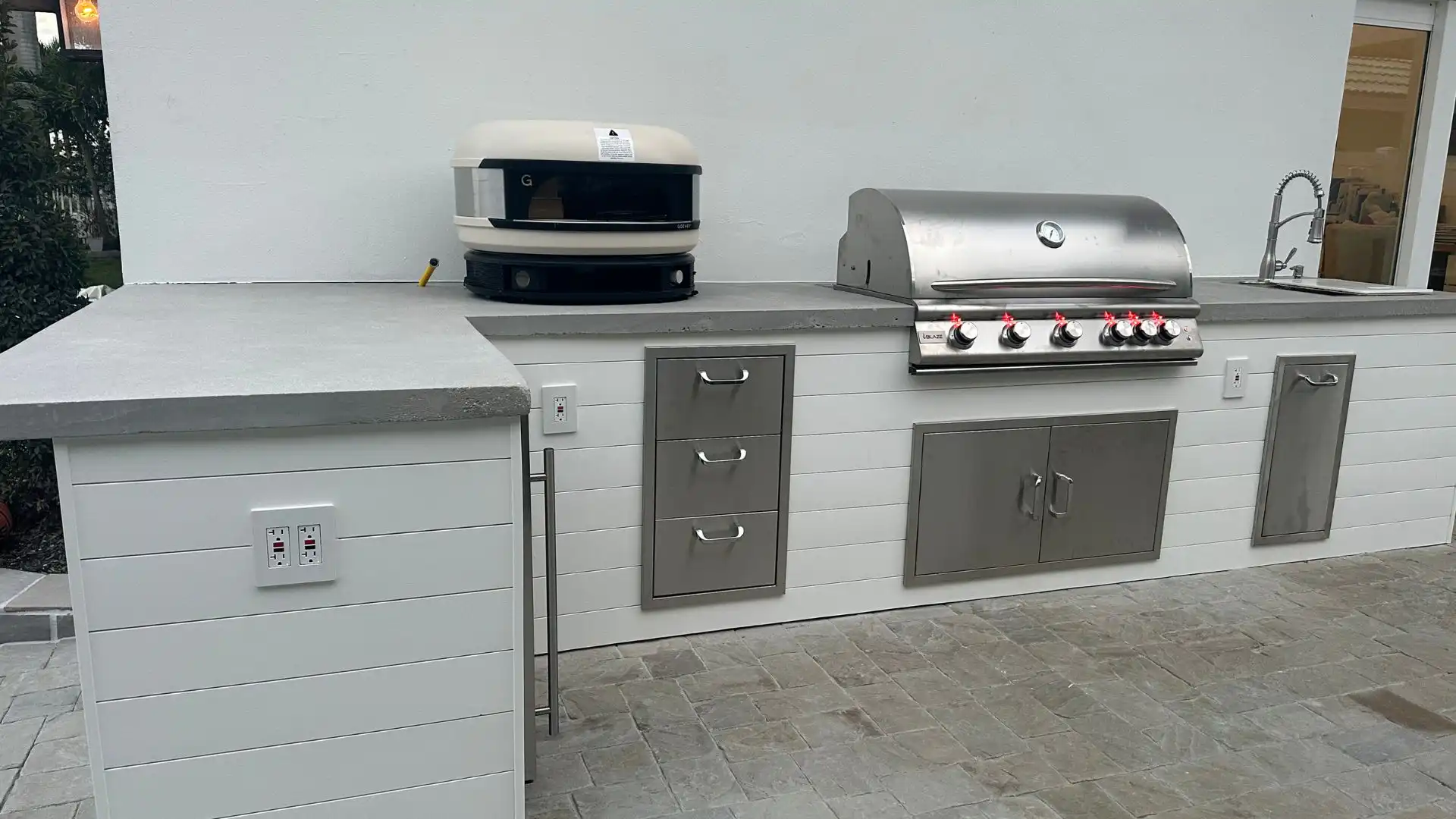
Expert Tips For Planning A Successful Outdoor Kitchen
Designing an outdoor kitchen is exciting, but long-term satisfaction comes down to smart planning. A well-planned outdoor cooking space should be functional, durable, and aligned with how you actually live and entertain. After working with homeowners on a wide range of backyard upgrades, one thing becomes clear: the difference between a high-performing outdoor kitchen and a frustrating one is in the early decisions. From material selection to layout strategy, every choice affects usability, maintenance, and long-term value.
Choose Durable, Weather-Resistant Materials
- Stainless-Steel Components: Marine-grade stainless-steel resists rust and corrosion, making it ideal for grills, drawers, and cabinet fronts. Lower-grade metals may look similar at first but deteriorate quickly in humid climates.
- Stone And Masonry Bases: Natural stone, concrete block, and brick create a solid foundation that handles moisture and heat without warping or cracking easily.
- Weather-Resistant Countertops: Granite, sealed concrete, and certain outdoor-rated porcelain surfaces hold up better than laminate or wood. Always verify that the material is rated for freeze-thaw conditions if you live in a colder region.
- UV-Resistant Finishes: Cabinets and finishes should be designed to resist fading from prolonged sun exposure. This is especially important in south-facing backyard layouts.
Cutting corners on materials may save money upfront, but premature deterioration leads to costly repairs. Investing in high-quality, weather-resistant materials protects both the structure and your overall home-improvement investment.
Plan Utility Access Early Gas Water Electrical
Utilities are often the most overlooked aspect of outdoor kitchen planning, and they are also the most expensive to modify later. A strategic plan for gas, water, and electrical access ensures your space functions safely and efficiently.
- Gas Line Planning: If you plan to install a built-in grill, side burner, or pizza oven, confirm whether natural gas is available or if propane will be required. Extending a gas line after construction can significantly increase project costs.
- Water Supply And Drainage: Adding a sink improves functionality, but it requires proper plumbing and drainage solutions. In colder climates, freeze-protection measures are essential to prevent pipe damage.
- Electrical Capacity: Refrigerators, lighting, outlets, and entertainment systems require outdoor-rated wiring and GFCI protection. Planning dedicated circuits avoids overload issues and future limitations.
- Local Code Compliance: Permits and inspections are often required for utility connections. Working with licensed professionals ensures compliance and long-term safety.
Addressing utilities at the design stage prevents layout compromises and unexpected construction delays. A utility-ready outdoor kitchen is more versatile and adds measurable resale appeal.
Think About Workflow And Layout The Outdoor Work Triangle
Functionality should guide design decisions. The classic kitchen work-triangle concept, which connects the grill, sink, and refrigerator, applies just as strongly to an outdoor cooking space. Without thoughtful layout planning, even a beautiful outdoor kitchen can feel awkward and inefficient.
- Efficient Movement Zones: Position key components within a few steps of each other to reduce unnecessary movement during meal preparation.
- Adequate Prep Space: Counter space near the grill is essential for plating and food preparation. A common mistake is underestimating how much prep area is needed.
- Guest Flow Management: Separate cooking zones from seating areas to prevent congestion during gatherings. This improves both safety and social flow.
- Wind And Sun Orientation: Consider prevailing winds to avoid smoke blowing toward guests or into the home. Shade structures also improve comfort and food safety.
A well-designed workflow transforms the outdoor kitchen from a simple grill station into a high-functioning entertaining hub. Good layout planning increases daily usability and reduces long-term frustration.
Future-Proof Your Design
Homeowners often underestimate how their needs evolve over time. A future-ready outdoor kitchen anticipates lifestyle changes and allows flexibility for upgrades.
- Expandable Layout Options: Leave space for additional appliances such as a smoker, beverage center, or outdoor-rated storage cabinets.
- Infrastructure For Upgrades: Installing conduit or capped gas lines during initial construction makes future appliance additions easier and less expensive.
- Low-Maintenance Design Choices: Select materials and finishes that reduce ongoing upkeep, especially if you prefer a low-maintenance backyard setup.
- Technology Integration: Outdoor-rated speakers, lighting controls, and smart-home compatibility enhance long-term functionality without requiring major renovations later.
Thinking beyond immediate needs protects your investment and ensures your outdoor living space remains relevant for years to come. A future-proof design reflects careful planning, not overbuilding.
If you are ready to explore how an outdoor kitchen can elevate your home, increase property appeal, and create a space built for connection and enjoyment, our team is here to help. Visit our website to discover expert insights, design inspiration, and practical planning guidance tailored to your goals, and take the next step toward creating a backyard that delivers lasting value and everyday enjoyment.
FAQs: About Outdoor Kitchen Benefits
- Do outdoor kitchens really increase home value?
Yes, outdoor kitchens can increase home value, particularly in regions where outdoor living is popular. They enhance buyer appeal by expanding functional living space and creating a strong lifestyle feature. While ROI varies by location and build quality, well-designed outdoor kitchens are often viewed as premium upgrades. - How much does it cost to build an outdoor kitchen?
The cost of an outdoor kitchen typically ranges from a few thousand dollars for a basic setup to significantly more for fully customized designs with built-in appliances, plumbing, and electrical work. Factors such as materials, layout, utilities, and size will influence the final price. Planning a realistic budget early helps avoid unexpected expenses. - Are outdoor kitchens worth the investment?
For homeowners who enjoy entertaining, cooking outdoors, or enhancing their backyard space, an outdoor kitchen can provide strong lifestyle value and long-term enjoyment. Beyond financial return, the daily usability and social benefits often justify the investment. The key is designing a space that aligns with your needs and climate. - Can outdoor kitchens be used year-round?
Yes, outdoor kitchens can be used year-round with the right features, such as covered structures, heaters, wind protection, and weather-resistant materials. In colder climates, usage may decrease in winter months, but thoughtful design can extend seasonal functionality significantly. - What appliances are essential in an outdoor kitchen?
A built-in grill is typically the foundation of any outdoor kitchen. Many homeowners also include counter space, storage, refrigeration, sinks, and side burners. The ideal setup depends on how often you cook outdoors and the type of meals you plan to prepare. - Do outdoor kitchens require permits?
Permits may be required if your project involves gas lines, electrical wiring, plumbing, or structural additions such as covered patios. Local building codes and HOA regulations vary, so it is important to check with your municipality before construction begins. - What materials are best for outdoor kitchens?
Durable, weather-resistant materials such as stainless steel, natural stone, concrete, and masonry are commonly recommended. These materials withstand moisture, heat, and temperature fluctuations. Choosing quality materials reduces maintenance and increases longevity. - How do outdoor kitchens reduce indoor heat and energy use?
Cooking outdoors prevents excess heat from building up inside your home, especially during warmer months. This can reduce the need for air conditioning and improve overall indoor comfort. Over time, this may contribute to lower energy consumption in summer. - What are common mistakes when building an outdoor kitchen?
Common mistakes include underestimating space requirements, neglecting proper ventilation, ignoring workflow layout, and choosing materials not suited for outdoor exposure. Failing to plan utilities early can also increase costs later. Working with experienced professionals helps prevent these issues. - Is an outdoor kitchen suitable for small backyards?
Yes, even small yards can accommodate compact outdoor kitchen designs. Modular units, built-in grill islands, or space-efficient layouts can maximize functionality without overwhelming the area. Proper planning ensures the space remains comfortable and usable rather than crowded.
Conclusion
An outdoor kitchen is more than a backyard upgrade; it is a lifestyle-enhancing investment that expands your living space, strengthens social connections, and elevates everyday cooking into a more engaging experience. From increasing property value and boosting market appeal to creating a purpose-built entertaining area that keeps heat and mess outside, the benefits are both practical and long-term. Homeowners who carefully evaluate their space, climate, budget, and how they truly plan to use their outdoor cooking area are far more likely to see lasting satisfaction and strong return on investment. Thoughtful planning, durable materials, and a well-designed layout ensure your outdoor living space feels intentional rather than impulsive. When approached strategically, an outdoor kitchen becomes a functional extension of your home that supports relaxed gatherings, efficient meal preparation, and a more connected outdoor-focused lifestyle for years to come.
Maximize Outdoor Kitchen Benefits With Our Expert Services
- Outdoor Kitchen Contractor in Tampa Bay: Our custom-built outdoor kitchens are designed to maximize outdoor kitchen benefits by expanding your living space, improving entertaining flow, and creating a durable, functional outdoor-cooking area tailored to your home.
- General Contractor in St. Petersburg, FL: We manage every phase of your outdoor-kitchen project from permits to final installation, ensuring a seamless build process that protects your investment and delivers long-term outdoor-living value.
- Full Home Remodeling in Tampa Bay: For homeowners looking to fully integrate indoor-outdoor living, our remodeling services create cohesive transitions that enhance outdoor kitchen benefits and improve overall home functionality.
- In-House Interior Designer: Our design team helps you plan a visually cohesive outdoor-kitchen layout that complements your architecture, maximizes workflow efficiency, and elevates your backyard into a polished, entertainment-ready space.