
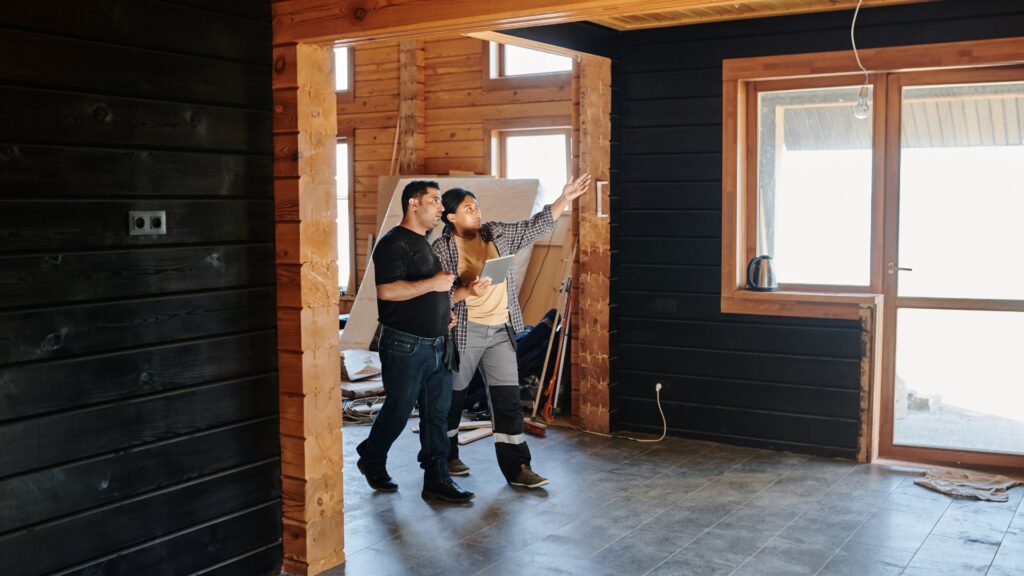
Welcome to your complete guide to pre-remodel evaluation for homes in Florida, where understanding what lies beneath the surface can save you from costly surprises and project delays. Whether you are planning a full renovation or minor upgrades, evaluating your home before remodeling is a critical first step that ensures structural safety, code compliance, and long-term value. Florida homes face unique challenges such as humidity, storm damage, and strict building regulations, making a thorough assessment even more essential. In this guide, you will learn what a pre-remodel evaluation involves, why it matters, and how it helps you make smarter decisions, avoid hidden issues, and confidently move forward with your renovation plans.
A pre-remodel evaluation for a home in Florida is a detailed inspection conducted before renovation to assess structural integrity, electrical and plumbing systems, moisture issues, and code compliance. It helps homeowners identify hidden problems, meet Florida building requirements, and plan renovations more accurately while avoiding costly delays and repairs.
What Is a Pre-Remodel Home Evaluation?
Before starting any renovation project, it is important to understand the current condition of your home. A pre-remodel home evaluation is a detailed, pre-construction assessment designed to identify potential issues, ensure compliance with local regulations, and help homeowners plan renovations with confidence. This process goes beyond a basic home inspection by focusing specifically on areas that may impact remodeling work, including structural stability, system performance, and safety considerations.
Definition And Purpose
A pre-remodel home evaluation is a comprehensive inspection conducted before any renovation begins. Its primary purpose is to uncover existing problems that could affect the scope, cost, or safety of your project while giving you a clear understanding of what needs to be addressed upfront.
- Pre-construction assessment: This evaluation takes place before any work starts, allowing homeowners and contractors to plan accurately and avoid mid-project surprises.
- Structural review: Inspectors assess key components such as the foundation, load-bearing walls, and framing to ensure the home can support planned changes.
- System evaluation: Electrical, plumbing, HVAC, and other critical systems are reviewed to determine if upgrades or repairs are needed before remodeling.
- Code-compliance check: The evaluation identifies any existing violations or outdated features that must be corrected to meet current building standards.
By identifying these factors early, homeowners can create a realistic budget, avoid delays, and ensure that renovation plans are both safe and feasible.
Why It’s Especially Important In Florida
While pre-remodel evaluations are valuable anywhere, they are particularly important for Florida homes due to the state’s unique environmental and regulatory conditions. Homes in Florida are exposed to factors that can accelerate wear and create hidden issues that may not be visible during a standard walkthrough.
- Hurricane exposure: Florida homes must withstand high winds and severe storms, which can weaken roofing systems, structural connections, and exterior components over time.
- Moisture-related risks: High humidity levels increase the likelihood of mold growth, wood rot, and hidden water damage behind walls and under flooring.
- Water-intrusion concerns: Frequent rain and potential flooding can lead to long-term damage that impacts both structural integrity and indoor air quality.
- Strict building codes: Florida has some of the most rigorous building codes in the country, especially for wind mitigation and safety. A pre-remodel evaluation ensures your project aligns with these requirements from the start.
- Permit requirements: Local municipalities often require detailed inspections and approvals before renovation work begins, making early evaluation essential for a smooth permitting process.
Because of these factors, skipping a pre-remodel evaluation in Florida can lead to unexpected repairs, compliance issues, and increased costs. Taking the time to assess your home thoroughly ensures your renovation is built on a solid, code-compliant foundation.
A well-executed pre-remodel evaluation gives you clarity, reduces risk, and sets the stage for a smoother renovation process, helping you move forward with confidence and fewer surprises.

When Should You Get a Pre-Remodel Evaluation?
Timing is one of the most important factors in getting real value from a pre-remodel evaluation. Many homeowners wait until problems surface mid-project, which often leads to delays, budget overruns, and stressful decisions. A well-timed evaluation gives you clarity upfront, allowing you to plan smarter, stay compliant with Florida regulations, and avoid costly surprises. Knowing when to schedule this step can make the difference between a smooth renovation and a reactive one.
Before Buying a Fixer-Upper
If you are considering purchasing a fixer-upper in Florida, a pre-remodel evaluation should happen before you finalize the deal. Standard home inspections provide a general overview, but they often do not go deep enough for renovation planning, especially in older or storm-exposed properties.
- Hidden structural risks: Foundation shifts, framing damage, or previous storm-related repairs may not be obvious during a basic walkthrough but can significantly impact renovation costs
- Moisture and mold concerns: Florida’s humid climate increases the likelihood of hidden mold or water intrusion, especially in older homes or properties near the coast
- Real renovation feasibility: An evaluation helps you determine whether your renovation goals are realistic within your budget and timeline
Getting this insight early allows you to negotiate better, adjust your plans, or even walk away from a property that may require more work than expected.
Before Hiring Contractors or Designers
Many homeowners jump straight into hiring contractors or designers without fully understanding their home’s current condition. This can lead to inaccurate estimates and unexpected change orders once work begins.
- Accurate project scope: A detailed evaluation gives contractors a clear picture of what needs to be addressed, reducing guesswork
- Better cost estimates: When underlying issues are identified early, quotes are more realistic and less likely to increase mid-project
- Stronger decision-making: You can compare contractors more effectively when everyone is working from the same set of facts
Approaching contractors with a clear evaluation report positions you as an informed homeowner and helps set expectations from the start.
Before Applying for Permits
Florida has strict building codes and permitting requirements, especially for structural, electrical, and plumbing work. Applying for permits without a proper evaluation can slow down your project or result in costly revisions.
- Code compliance readiness: Identifying issues early ensures your renovation plans meet Florida Building Code requirements
- Avoid permit rejections: Incomplete or inaccurate plans often lead to delays when permits are denied or require revisions
- Streamlined inspections: A well-prepared project is more likely to pass required inspections without complications
Taking this step before submitting permit applications helps you move through the approval process more efficiently and with fewer setbacks.
When Planning Major vs Minor Renovations
Not all remodeling projects require the same level of evaluation, but understanding the difference is key to making the right decision. The scope of your renovation should guide how detailed your evaluation needs to be.
Different Levels of Evaluation Needed
- Minor upgrades: Cosmetic changes such as painting, flooring, or cabinetry may only require a basic inspection to confirm there are no underlying issues
- Moderate renovations: Projects involving kitchens, bathrooms, or system upgrades often benefit from a more detailed assessment of plumbing, electrical, and ventilation systems
- Major remodels: Structural changes, additions, or whole-home renovations typically require a comprehensive evaluation, including input from structural engineers and specialized inspectors
Matching the level of evaluation to your project ensures you are not overpaying for unnecessary inspections while still protecting yourself from hidden risks.
A well-timed pre-remodel evaluation gives you control, clarity, and confidence before any work begins, helping you avoid costly mistakes and move forward with a solid plan tailored to your Florida home.

What Does a Pre-Remodel Evaluation in Florida Typically Include?
A pre-remodel evaluation in Florida is a detailed, renovation-focused assessment that helps you understand your home’s true condition before any work begins. Unlike a standard inspection, this process is tailored to identify risks that could affect construction, budgeting, timelines, and code compliance. Because Florida homes are exposed to high humidity, storms, and strict building regulations, each component must be carefully reviewed to ensure your remodel starts on a solid and compliant foundation.
Structural Integrity Check
A structural-integrity check focuses on the core elements that support your home. This step is essential if you plan to remove walls, add rooms, or make layout changes.
- Foundation condition: Inspectors look for cracks, uneven settling, or moisture-related damage that could weaken the base of the home.
- Framing stability: The internal framework is checked for signs of rot, warping, or stress, which can develop in humid environments.
- Load-bearing walls: Identifying which walls support the structure is critical before any demolition to avoid compromising safety.
- Movement indicators: Sloping floors, ceiling cracks, or doors that do not close properly can signal deeper structural issues that need correction.
Electrical System Assessment
Electrical systems must be able to support modern appliances, lighting, and technology. Many Florida homes, especially older ones, may require upgrades to meet current safety standards.
- Wiring condition: Outdated or damaged wiring can pose fire hazards and often does not meet current code requirements.
- Panel capacity: The electrical panel is evaluated to determine if it can handle increased demand from new installations.
- Safety compliance: Inspectors check for proper grounding, breaker function, and adherence to Florida safety codes.
- Upgrade needs: Recommendations are provided if the system cannot safely support your remodeling plans.
Plumbing and Drainage Review
A plumbing and drainage review ensures your water systems are reliable and capable of supporting any new fixtures or layout changes.
- Pipe condition: Pipes are inspected for corrosion, leaks, or outdated materials that may fail during renovation.
- Water pressure and flow: Adequate pressure is necessary to support additional bathrooms, kitchens, or appliances.
- Drainage performance: Proper drainage helps prevent water buildup around the home, which is especially important during heavy Florida rainfall.
- Flood-risk awareness: Homes in flood-prone areas require additional checks to ensure systems are protected against water intrusion.
Roof and Exterior Inspection
The roof and exterior serve as the home’s first line of defense against Florida’s weather conditions. Any weaknesses here can impact the entire remodeling project.
- Roof condition and lifespan: Inspectors assess wear, storm damage, and whether the roof should be replaced before remodeling begins.
- Exterior integrity: Walls, siding, and finishes are checked for cracks or damage that could allow moisture to enter.
- Insurance considerations: Many insurers in Florida require roofs and exteriors to meet specific standards before approving coverage.
- Impact-resistant features: Windows and doors are evaluated for hurricane-rated protection, which may be required in certain areas.
HVAC and Ventilation
Heating, ventilation, and air-conditioning systems play a key role in maintaining comfort and controlling moisture inside the home.
- System efficiency: The current system is reviewed to ensure it can handle any added space or layout changes.
- Ductwork condition: Leaks or poor insulation in ducts can reduce efficiency and increase energy costs.
- Airflow and ventilation: Proper airflow helps maintain indoor air quality and prevents stale or humid conditions.
- Humidity control: Effective moisture management is essential in Florida to reduce the risk of mold growth.
Mold, Moisture, and Termite Inspection
Florida’s climate creates ideal conditions for mold and pests, making this step especially important in a pre-remodel evaluation.
- Mold presence: Inspectors look for visible and hidden mold that could impact health and structural materials.
- Moisture detection: Specialized tools may be used to identify moisture behind walls or under flooring.
- Termite activity: Wood-destroying insects can cause significant structural damage if not addressed early.
- Preventive measures: Recommendations are provided to help protect the home from future moisture and pest issues.
Code Compliance and Safety Issues
Ensuring your home meets current regulations is critical before starting any remodeling project in Florida.
- Florida Building Code review: The home is evaluated to confirm it aligns with current standards for safety and construction.
- Unpermitted work: Previous renovations done without permits are identified and may need correction before new work begins.
- Safety risks: Issues such as faulty installations or outdated systems are flagged for immediate attention.
- Permit readiness: A thorough evaluation helps ensure your project meets requirements, reducing delays during the approval process.
A thorough pre-remodel evaluation gives you a clear understanding of your home’s strengths and weaknesses, helping you plan smarter, avoid costly surprises, and move forward with confidence in your Florida renovation project.
Florida-Specific Regulations and Considerations
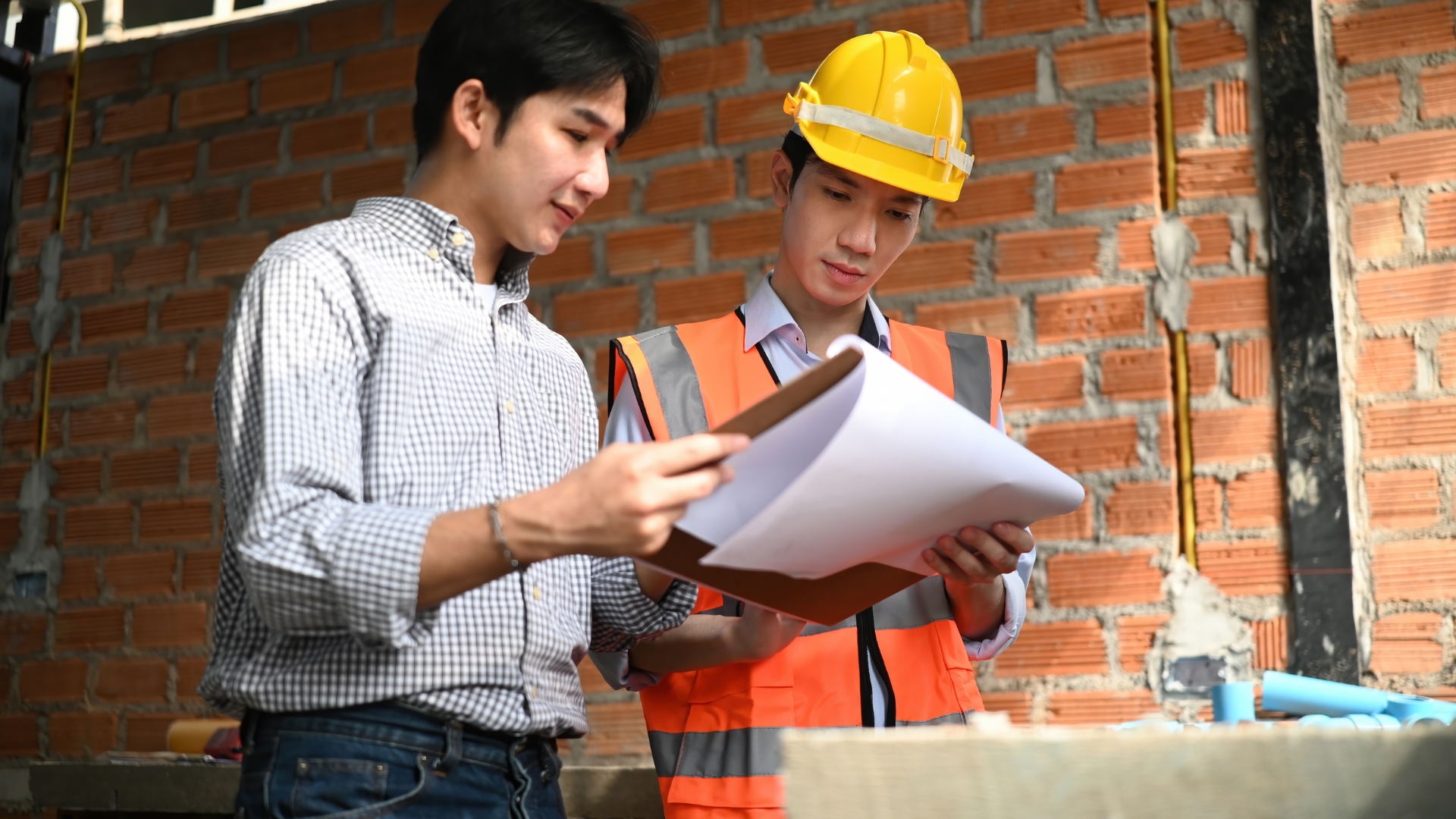
Remodeling a home in Florida involves more than design and construction decisions. The state has strict regulations shaped by its climate, especially hurricanes, flooding, and high humidity. Understanding these requirements early in your planning process helps you avoid delays, failed inspections, and costly revisions. A well-informed approach ensures your remodel is safe, compliant, and built to last in Florida’s unique environment.
Florida Building Code (FBC) Basics
The Florida Building Code is the foundation for all residential construction and remodeling in the state. It sets minimum standards for safety, structural integrity, energy efficiency, and storm resistance. Any remodel that affects structural components, electrical systems, plumbing, or major renovations must comply with the current version of the FBC.
- Scope of Coverage: The code applies to structural changes, additions, system upgrades, and even some interior renovations, depending on the extent of work
- Regular Updates: The FBC is updated every three years, so requirements may change between projects
- Plan Approval: Most remodeling projects require submitted plans that demonstrate compliance before permits are issued
- Inspection Alignment: Work must match approved plans exactly or risk failing inspections
Working with professionals familiar with the FBC ensures your project meets all requirements from the start and avoids costly rework.
Hurricane and Wind Mitigation Requirements
Florida’s exposure to hurricanes makes wind resistance a critical part of any remodel. Even if you are not doing a full structural upgrade, certain improvements may trigger requirements to strengthen the home against high winds.
- Impact-Resistant Openings: Windows and doors may need to meet impact standards, especially in coastal or high-risk areas
- Roof Attachment Standards: Roof-to-wall connections must meet current uplift resistance requirements
- Structural Reinforcement: Load-bearing elements may need upgrades if you are altering walls or adding square footage
- Insurance Benefits: Proper wind-mitigation features can reduce insurance premiums
Ignoring these requirements can lead to failed inspections and increased risk during storms, so they should be part of your evaluation from the beginning.
Flood Zones and FEMA Considerations
Flood risk is a major factor in many parts of Florida, and it directly impacts how remodeling projects are planned and approved. Homes located in FEMA-designated flood zones must follow additional rules to reduce flood damage and protect occupants.
- Elevation Requirements: Certain renovations may require elevating the home or key systems above base flood elevation
- Substantial Improvement Rule: If renovation costs exceed a specific percentage of the home’s value, full compliance with current flood standards may be required
- Material Restrictions: Flood-resistant materials may be required for areas below flood level
- Insurance Implications: Changes to the home can affect flood insurance eligibility and premiums
Understanding your property’s flood zone status early helps prevent unexpected compliance issues during the project.
Permits and Inspections Required
Most remodeling projects in Florida require permits, even for work that may seem minor. Permits ensure that all work meets safety and building standards, and inspections verify that each phase is completed correctly.
- Permit Types: Structural, electrical, plumbing, mechanical, and roofing permits may all be required depending on the scope
- Inspection Stages: Projects are typically inspected at multiple stages, including rough-in and final inspections
- Documentation: Approved plans must be available on-site during inspections
- Penalties for Non-Compliance: Unpermitted work can lead to fines, project delays, or forced removal of completed work
Securing permits early and scheduling inspections properly keeps your project on track and legally compliant.
Local Municipality Variations
While the Florida Building Code sets statewide standards, local municipalities often add their own rules and processes. These variations can affect timelines, costs, and specific requirements for your remodel.
- Zoning Restrictions: Local rules may limit building height, setbacks, or property use
- Permit Processing Times: Approval timelines can vary significantly between cities and counties
- Additional Requirements: Some areas require extra documentation, such as environmental or historical reviews
- Inspection Procedures: Local inspectors may have slightly different expectations or processes
Checking with your local building department before starting ensures you understand all requirements specific to your area and avoid unnecessary delays.
Taking the time to understand Florida’s regulatory landscape gives you a clear advantage when planning a remodel, helping you avoid setbacks while ensuring your project is safe, compliant, and built for long-term performance.
Common Issues Found In Florida Homes Before Remodeling
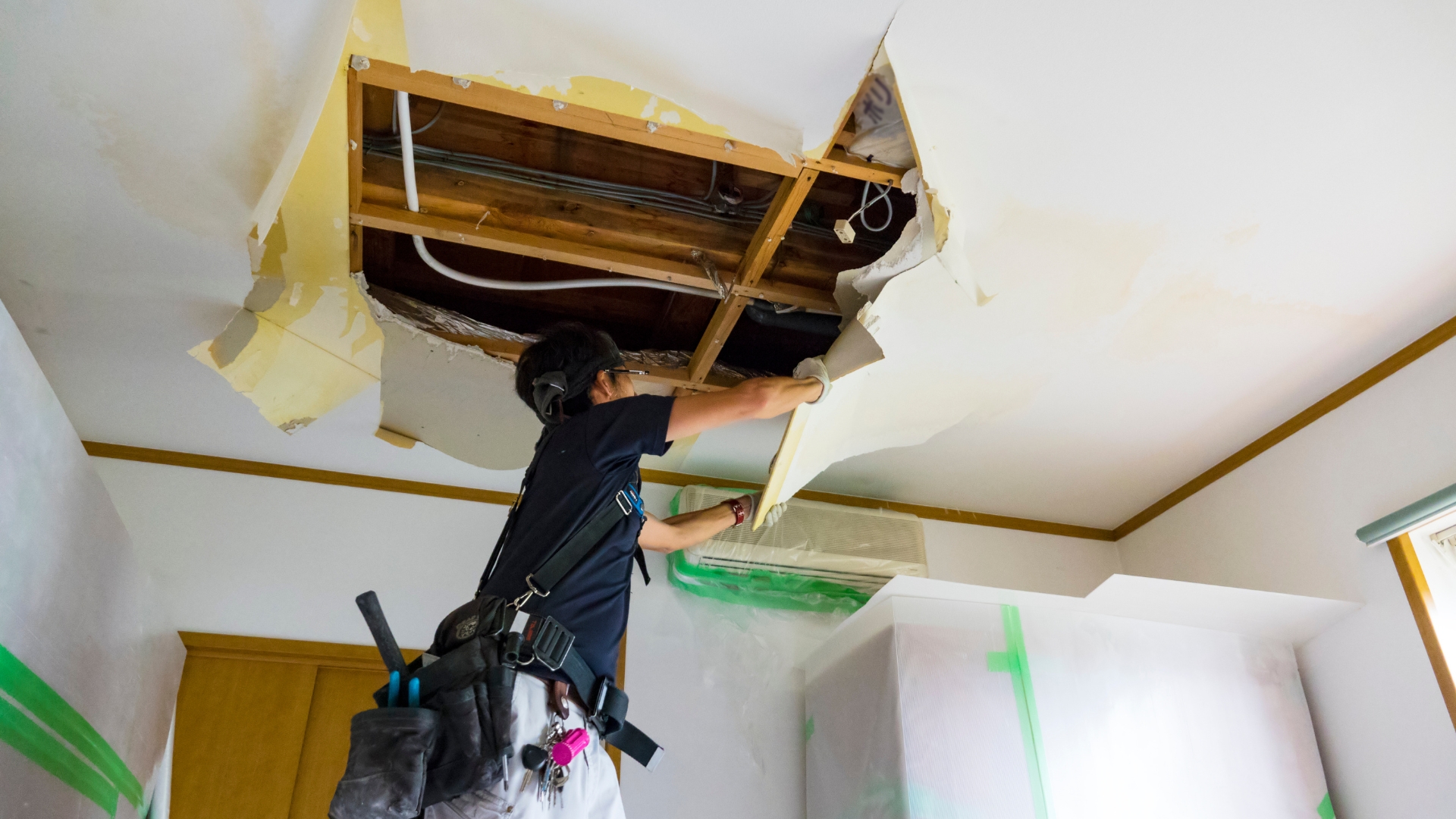
Before starting any renovation project in Florida, it is important to understand the hidden issues that often exist beneath the surface. Due to the state’s humid climate, frequent storms, and aging housing stock in many areas, homes can develop problems that are not immediately visible. Identifying these issues early through a pre-remodel evaluation helps prevent unexpected costs, delays, and safety concerns during construction.
Water Damage Behind Walls
Water intrusion is one of the most common problems in Florida homes, and it often goes unnoticed until remodeling begins. Leaks from roofs, plumbing, or exterior walls can slowly damage internal structures over time.
- Hidden leaks: Small leaks from pipes or roofing can seep into drywall and insulation without visible signs.
- Weakened materials: Prolonged moisture exposure can cause wood framing to rot and drywall to deteriorate.
- Increased repair costs: Once walls are opened during remodeling, previously hidden damage can significantly increase project scope and budget.
Mold Growth In Hidden Areas
Florida’s high humidity creates ideal conditions for mold growth, especially in areas with limited airflow or past water exposure. Mold is not always visible and can develop behind walls, under flooring, or inside HVAC systems.
- Health concerns: Mold spores can affect indoor air quality and trigger respiratory issues.
- Hidden spread: Mold often grows in concealed spaces, making it difficult to detect without proper inspection.
- Remediation requirements: If discovered, professional mold-removal is usually necessary before continuing with remodeling.
Outdated Electrical Systems
Many Florida homes, particularly older properties, still rely on outdated electrical systems that may not support modern energy demands. Remodeling projects often expose these limitations.
- Insufficient capacity: Older panels may not handle new appliances, lighting, or smart-home systems.
- Safety risks: Aging wiring can increase the risk of electrical fires or code violations.
- Upgrade necessity: Bringing the system up to current Florida building standards is often required before renovation work continues.
Roof Deterioration
Florida roofs endure intense sun, heavy rain, and frequent storms, all of which contribute to faster wear and tear. Even if a roof appears intact from the outside, underlying issues may exist.
- Storm-related damage: High winds and debris can weaken roofing materials over time.
- Shortened lifespan: Florida’s climate can reduce the life expectancy of shingles and other roofing systems.
- Insurance implications: Roof condition can affect insurance coverage and may require repairs before remodeling approval.
Structural Weaknesses From Past Storms
Hurricanes and tropical storms can leave behind structural damage that is not always immediately obvious. Over time, these weaknesses can compromise the integrity of the home.
- Foundation shifting: Soil saturation and flooding can lead to uneven settling or cracks.
- Framing damage: Wind pressure and impact can weaken load-bearing components.
- Code compliance issues: Older structures may not meet current hurricane-resistance standards and may need reinforcement.
Poor Ventilation
Proper airflow is essential in Florida homes to manage heat and humidity. Poor ventilation can lead to long-term issues that affect both comfort and structural health.
- Moisture buildup: Inadequate ventilation traps humidity, increasing the risk of mold and mildew.
- HVAC strain: Systems work harder to maintain indoor temperatures, reducing efficiency and lifespan.
- Indoor air quality: Limited airflow can lead to stale air and increased allergens inside the home.
Addressing these common issues before remodeling ensures your project starts on a solid foundation, helping you avoid costly surprises and create a safer, more efficient home suited to Florida’s unique environment.
How Much Does a Pre-Remodel Evaluation Cost In Florida?
Before starting any renovation, one of the most common questions homeowners ask is how much a pre-remodel evaluation will cost. The answer depends on the depth of the inspection, the type of property, and the specific risks involved in Florida homes. While pricing can vary, understanding what goes into the cost helps you make an informed decision and avoid unexpected expenses later in your project.
Typical Price Ranges
The cost of a pre-remodel evaluation in Florida can range from a few hundred dollars for a basic inspection to over a thousand dollars for more detailed, specialized assessments. The difference comes down to how comprehensive the evaluation needs to be.
- General Home Inspection: A standard pre-remodel inspection typically ranges from $300 to $600 and covers structural components, roofing, electrical, plumbing, and HVAC systems. This is often the starting point for most homeowners.
- Specialized Evaluations: More in-depth inspections, such as structural engineering reports, mold testing, termite inspections, or roof certifications, can cost anywhere from $150 to $800 per service, depending on complexity.
- Full Pre-Renovation Assessment Package: For larger or older homes, combining multiple inspections can bring total costs between $700 and $1,500 or more, especially when expert-level analysis is required.
A general inspection gives you a broad overview, while specialized evaluations provide targeted insights into high-risk areas, which is especially important in Florida due to moisture and storm-related concerns.
Factors That Affect Cost
Several variables influence the final price of a pre-remodel evaluation, and understanding these factors can help you budget more accurately.
- Home Size: Larger homes require more time to inspect, which increases labor costs and may require multiple specialists.
- Home Age: Older homes often need more thorough assessments due to outdated systems, potential structural wear, and code compliance issues.
- Location: Coastal areas or flood-prone zones in Florida may require additional inspections related to wind mitigation, flood risk, or insurance compliance.
- Type Of Renovation Planned: A kitchen upgrade may only require a general inspection, while a full-home remodel or structural modification often requires engineering evaluations and permit-related assessments.
The more complex your renovation and the older or more exposed your property is to environmental risks, the more comprehensive and costly the evaluation tends to be.
Is It Worth The Investment?
For many homeowners, a pre-remodel evaluation may seem like an added expense, but it often pays for itself by preventing costly surprises during construction. Skipping this step can lead to hidden issues surfacing mid-project, which typically results in higher repair costs and project delays.
- Early Problem Detection: Identifies structural damage, outdated wiring, or moisture issues before work begins.
- Accurate Budget Planning: Helps contractors provide more realistic estimates based on the actual condition of the home.
- Reduced Risk Of Delays: Prevents unexpected repairs that can halt construction timelines.
- Code Compliance Confidence: Ensures your project aligns with Florida building codes and permit requirements from the start.
When you compare the relatively small upfront cost to the potential thousands of dollars in unexpected repairs, a pre-remodel evaluation becomes a smart, risk-reducing investment rather than an optional step.
Taking the time to invest in a thorough evaluation gives you clarity, control, and confidence as you move forward with your Florida remodeling project.

Who Should Perform The Evaluation?
Choosing the right professional for a pre-remodel evaluation is one of the most important decisions you will make before starting any renovation. In Florida, where homes are exposed to moisture, storms, and strict building regulations, relying on qualified experts ensures that your evaluation is accurate, compliant, and useful for planning. Different types of professionals bring different expertise, and in many cases, a combination of specialists provides the most complete picture of your home’s condition.
Licensed Home Inspectors
Licensed home inspectors are typically the first point of contact for a pre-remodel evaluation. They provide a comprehensive, whole-home assessment that helps identify visible and underlying issues before any renovation work begins. Their role is to give you a broad understanding of your home’s current condition.
A qualified inspector will evaluate key systems and components, including:
- Structural overview: Identifying signs of foundation movement, wall cracks, or framing concerns
- Electrical systems: Checking panels, wiring condition, and capacity for upgrades
- Plumbing systems: Looking for leaks, corrosion, and outdated piping materials
- Roof and exterior: Assessing wear, storm damage, and potential entry points for water
- HVAC systems: Reviewing functionality, efficiency, and ventilation performance
While a home inspector provides a solid general evaluation, they may recommend further review by specialists if deeper issues are suspected. This makes them an essential starting point for most Florida remodeling projects.
Structural Engineers (For Major Renovations)
If your remodel involves removing walls, adding square footage, or making structural changes, a structural engineer becomes critical. These professionals go beyond surface-level inspection and analyze the integrity and load-bearing capacity of your home.
In Florida, structural evaluations are especially important due to hurricane exposure and soil conditions. A structural engineer can:
- Assess load-bearing elements: Determine whether walls, beams, or columns can be modified safely
- Evaluate foundation stability: Identify settlement issues or risks related to shifting soil
- Provide engineered plans: Create documentation required for permits and contractor execution
- Ensure code compliance: Verify that all structural changes meet Florida building standards
Hiring a structural engineer early can prevent costly redesigns and ensure your renovation is both safe and legally compliant.
Specialized Inspectors (Mold, Termites, Roofing)
Florida homes often require additional inspections due to climate-related risks. Specialized inspectors focus on specific problem areas that general inspections may only partially address.
These experts provide targeted insights such as:
- Mold inspectors: Detect hidden moisture issues, indoor air quality concerns, and mold growth behind walls or under flooring
- Termite inspectors: Identify active infestations or structural damage caused by wood-destroying organisms
- Roofing specialists: Evaluate roof lifespan, storm damage, and insurance-related compliance requirements
Bringing in specialized inspectors is particularly important for older homes, waterfront properties, or homes that have experienced prior storm damage. Their findings can significantly impact your renovation scope and budget.
What To Look For In A Qualified Professional
Not all inspectors or evaluators offer the same level of expertise, so choosing the right professional requires careful consideration. In Florida, where regulations and environmental factors are more complex, qualifications matter.
- Florida licensing: Ensure the professional holds a valid Florida license appropriate for their field, which confirms they meet state standards and legal requirements
- Remodeling experience: Look for professionals who have direct experience with pre-remodel evaluations, not just general inspections, so they understand renovation-specific risks
- Local code knowledge: Choose someone familiar with Florida building codes, hurricane requirements, and local permitting processes to avoid compliance issues later
Taking the time to vet your evaluator ensures you receive accurate insights, avoid missed problems, and set your remodeling project up for success from the start.
Working with the right mix of professionals gives you a clear, reliable understanding of your home before any work begins, helping you make informed decisions and move forward with confidence.
Pre-Remodel Evaluation Checklist (Quick Reference)
Before starting any renovation, having a clear, step-by-step checklist helps you stay organized and avoid missing critical issues that could impact safety, budget, or timeline. A pre-remodel evaluation for a home in Florida should focus on the core systems and structural elements that determine whether your project can move forward smoothly. Use this quick reference to guide your evaluation and ensure nothing important gets overlooked.
Structural Condition
The structural condition of your home is the foundation of any successful remodel. Even minor upgrades can expose hidden weaknesses, especially in older Florida homes that have experienced years of humidity, storms, or settling.
- Foundation stability: Check for cracks, uneven floors, or signs of shifting that may indicate underlying structural movement
- Load-bearing walls: Identify walls that support the structure before making layout changes or removing partitions
- Framing integrity: Look for wood rot, termite damage, or weakened framing that could compromise safety
Electrical Capacity
Modern renovations often require more power than older systems were designed to handle. Evaluating your electrical capacity ensures your home can safely support new appliances, lighting, and technology.
- Panel capacity: Confirm your electrical panel can handle additional load from new installations
- Wiring condition: Inspect for outdated or unsafe wiring such as aluminum or knob-and-tube systems
- Safety compliance: Ensure outlets, grounding, and circuit protection meet current safety standards
Plumbing Integrity
Plumbing issues can quickly escalate during a remodel if not addressed early. A thorough inspection helps prevent leaks, water damage, and costly repairs down the line.
- Pipe condition: Check for corrosion, leaks, or outdated materials that may need replacement
- Water pressure: Evaluate pressure levels to ensure proper function after upgrades
- Drainage system: Confirm that drainage is efficient and not prone to backups or flooding
Roof Condition
Your roof plays a critical role in protecting your investment, especially in Florida’s storm-prone climate. Remodeling without addressing roofing issues can lead to major setbacks.
- Material lifespan: Assess whether the roof is nearing the end of its usable life
- Storm damage: Look for missing shingles, weak spots, or previous repair areas
- Water intrusion risk: Identify leaks or areas where moisture could enter during heavy rain
HVAC System
A well-functioning HVAC system is essential for comfort and air quality, particularly in Florida’s hot and humid environment. Remodeling may change airflow needs, making evaluation important.
- System efficiency: Determine if your current system can handle added square footage or layout changes
- Ductwork condition: Inspect for leaks, blockages, or poor insulation
- Ventilation quality: Ensure proper airflow to reduce humidity and prevent mold growth
Moisture/Mold Presence
Moisture is one of the most common issues in Florida homes, and it often hides behind walls or under flooring. Addressing it early protects both your health and your renovation investment.
- Visible mold signs: Check for discoloration, musty odors, or damp areas
- Hidden moisture: Use inspections to detect moisture behind walls or in crawl spaces
- Source identification: Determine whether issues stem from leaks, poor ventilation, or external water intrusion
Code Compliance
Ensuring your home meets current building codes is essential before making any upgrades. Non-compliant features can delay permits or require costly corrections.
- Previous work review: Identify any unpermitted or outdated modifications
- Safety standards: Verify that electrical, plumbing, and structural elements meet current codes
- Local regulations: Understand Florida-specific requirements that may affect your remodel
Permit Requirements
Permits are a key part of any remodeling project in Florida, and failing to secure them can lead to fines or project delays. Knowing what is required upfront keeps your project on track.
- Project scope review: Determine which aspects of your remodel require permits
- Local authority guidelines: Check requirements specific to your city or county
- Inspection process: Understand when inspections will occur and what approvals are needed
Taking the time to go through this checklist gives you a clearer picture of your home’s condition and helps you avoid surprises once construction begins. A well-prepared evaluation sets the stage for a smoother, safer, and more cost-effective remodeling experience.

Mistakes to Avoid Before Remodeling Your Florida Home
Before starting any renovation, it is important to understand that many costly problems do not come from the remodel itself but from decisions made beforehand. Florida homes present unique challenges due to climate conditions, building regulations, and aging infrastructure, which makes early planning even more critical. Avoiding common pre-remodel mistakes can help you stay on budget, meet code requirements, and prevent unnecessary delays.
Skipping Inspection To Save Money
Many homeowners try to cut upfront costs by skipping a pre-remodel inspection, assuming it is an optional expense. In reality, this is one of the most expensive mistakes you can make. Without a proper evaluation, hidden structural or system issues often go unnoticed until construction begins.
- Hidden Structural Problems: Issues such as foundation cracks or weakened framing may not be visible but can significantly impact safety and cost once uncovered
- Unexpected Repair Costs: Discovering problems mid-project often leads to change orders, delays, and increased labor expenses
- Planning Limitations: Without accurate information, your design and budget may be based on incorrect assumptions
A pre-remodel inspection provides a clear understanding of your home’s condition, allowing you to plan realistically and avoid surprises.
Relying Only On Contractor Estimates
Contractors play a key role in the remodeling process, but relying solely on their estimates without an independent evaluation can lead to gaps in understanding your home’s true condition. Contractors typically base their estimates on visible conditions and project scope rather than a full-system analysis.
- Surface-Level Assessments: Estimates may not account for hidden issues behind walls, under floors, or within systems
- Scope Gaps: Important repairs may be excluded, leading to additional costs later in the project
- Conflict Of Interest: Some contractors may prioritize speed or cost over thorough investigation
Combining contractor input with an independent pre-remodel evaluation ensures that your project is based on accurate, unbiased information.
Ignoring Permit Requirements
Florida has strict building regulations designed to ensure safety, especially in areas prone to hurricanes and flooding. Ignoring permit requirements or assuming they are unnecessary can create serious legal and financial consequences.
- Code Violations: Unpermitted work may fail inspections or require costly corrections
- Project Delays: Work may be halted if permits are missing or incomplete
- Resale Issues: Future buyers and lenders often require proof that renovations were properly permitted and inspected
Understanding permit requirements before starting your project helps you stay compliant and avoid complications down the line.
Overlooking Hidden Damage
Many issues in Florida homes are not immediately visible but can significantly affect your remodel if left unaddressed. Moisture intrusion, termite activity, and previous storm damage are common examples that may exist behind finished surfaces.
- Moisture And Mold: Florida’s humid climate makes homes vulnerable to hidden mold growth and water damage
- Pest Damage: Termites and other pests can weaken structural components without obvious signs
- Aging Systems: Older plumbing, wiring, or roofing materials may be near failure even if they appear functional
Identifying these problems early allows you to address them proactively rather than reacting during construction.
Underestimating Climate-Related Risks
Florida’s environment plays a major role in how homes should be evaluated and remodeled. Failing to consider climate-related risks can lead to poor design decisions and long-term performance issues.
- Storm Exposure: High winds and heavy rain require impact-resistant materials and proper structural reinforcement
- Humidity Control: Inadequate ventilation can lead to condensation, mold, and reduced indoor air quality
- Flood Risk: Homes in flood-prone areas may need elevation adjustments or specialized drainage solutions
Factoring in these conditions during the planning stage ensures that your remodel is not only functional but also durable and compliant with Florida standards.
Taking the time to avoid these common mistakes sets a strong foundation for a smoother, more predictable remodeling experience and helps ensure your investment delivers long-term value.
Preparing For Your Evaluation: What Homeowners Should Do
Getting ready for a pre-remodel evaluation is not just about scheduling an inspection. The more prepared you are, the more accurate, efficient, and valuable the evaluation will be. Taking a few simple steps beforehand helps inspectors identify potential issues faster, gives you clearer insights, and ensures the final report truly supports your renovation goals. A well-prepared homeowner often gets more actionable recommendations and avoids delays once the remodeling process begins.
Gather Previous Inspection Reports
If your home has been inspected before, those reports can provide important context for the current evaluation. They help professionals understand past issues, track changes over time, and identify areas that may need closer attention.
- Historical Insight: Previous reports reveal recurring problems like moisture intrusion or structural concerns that may have worsened over time
- Faster Assessment: Inspectors can focus on known trouble areas instead of starting from scratch
- Better Planning: Comparing old and new findings helps you prioritize repairs and avoid overlooking critical issues
Even if the reports are a few years old, they still offer valuable background that can improve the accuracy of your pre-remodel evaluation.
List Renovation Goals
Before the evaluation, clearly define what you want to achieve with your remodel. This helps the inspector tailor their assessment to your specific plans rather than providing a general overview.
- Project Clarity: Whether you are updating a kitchen or planning a full-scale renovation, your goals guide the evaluation process
- Targeted Recommendations: Inspectors can highlight structural or system limitations that may affect your design
- Budget Awareness: Knowing your goals helps identify potential cost drivers early, allowing for better financial planning
A goal-focused evaluation ensures that the insights you receive are directly aligned with your renovation vision.
Provide Access To Key Areas
A thorough evaluation requires full visibility into your home’s critical systems and structural components. Limited access can lead to incomplete findings and missed issues.
- Inspection Accuracy: Clear access to attics, crawl spaces, electrical panels, and plumbing areas allows for a more complete assessment
- Time Efficiency: Inspectors can work more quickly without delays caused by blocked or locked areas
- Issue Detection: Hidden problems like leaks, mold, or wiring defects are easier to identify when all areas are accessible
Before the appointment, make sure pathways are clear and any necessary keys or permissions are ready.
Be Ready With Questions
A pre-remodel evaluation is an opportunity to gain expert insight, not just receive a report. Preparing questions in advance helps you make the most of the process.
- Clarify Concerns: Ask about visible issues, potential risks, or areas you are unsure about
- Understand Priorities: Get guidance on which repairs should come first and which can wait
- Improve Decision-Making: Use the inspector’s expertise to refine your renovation plans and avoid costly mistakes
Engaging actively during the evaluation ensures you walk away with practical knowledge, not just technical findings.
Being prepared for your pre-remodel evaluation puts you in a stronger position to make informed decisions, reduce unexpected costs, and move forward with confidence as your renovation plans take shape.
If you are planning a remodel, taking the time to get a professional pre-remodel evaluation can make all the difference in protecting your investment and avoiding unexpected setbacks. Connect with a qualified Florida expert today to gain clear insights into your home’s condition, ensure compliance, and move forward with confidence knowing your renovation is built on a solid foundation.

FAQs: About Pre-Remodel Evaluation Home in Florida
- What is a pre-remodel evaluation for a home in Florida?
A pre-remodel evaluation is a detailed inspection of your home’s structure, systems, and code compliance before renovation begins. It helps identify hidden issues like structural damage, outdated wiring, or moisture problems. In Florida, it also ensures your home meets hurricane and building code requirements. - Why is a pre-remodel evaluation important in Florida?
Florida homes face unique risks like humidity, hurricanes, and flooding, which can cause hidden damage. An evaluation helps uncover these issues early and ensures your renovation meets strict local codes. This reduces costly surprises and project delays. - Is a pre-remodel evaluation required by law in Florida?
It’s not always legally required, but it is strongly recommended before major renovations. However, permits and inspections are required for most remodeling projects. A pre-evaluation helps ensure you meet those legal requirements smoothly. - How much does a pre-remodel evaluation cost in Florida?
Costs typically range from $300 to $1,000 depending on the size of the home and the depth of inspection. Specialized evaluations, like structural or mold assessments, may cost more. The investment often saves thousands by preventing unexpected repairs. - Who should perform a pre-remodel evaluation?
A licensed home inspector is usually the first step for general assessments. For major renovations, you may also need a structural engineer or specialized inspectors for mold, termites, or roofing. Always choose professionals familiar with Florida building codes. - What issues are commonly found during a pre-remodel evaluation in Florida?
Common problems include moisture damage, mold, outdated electrical systems, and roof wear from storms. Structural issues from past hurricanes and poor ventilation are also frequently discovered. Identifying these early helps you plan accurately. - Can I skip the evaluation if I already had a home inspection?
A standard home inspection may not be enough for remodeling purposes. Pre-remodel evaluations focus more deeply on systems that will be altered or upgraded. It’s best to get a targeted evaluation based on your renovation plans. - How long does a pre-remodel evaluation take?
Most evaluations take 2 to 4 hours, depending on the home’s size and complexity. Additional specialized inspections may require extra time. You’ll usually receive a detailed report within a few days. - What happens if major issues are found during the evaluation?
If serious problems are identified, you can adjust your renovation plans or budget before starting. In some cases, repairs must be completed to meet code requirements. This prevents costly mid-project disruptions. - How does a pre-remodel evaluation help save money?
It helps you identify hidden problems before construction begins, avoiding unexpected expenses. Contractors can provide more accurate estimates when they know the home’s condition. This leads to better budgeting and fewer delays during the project.
Conclusion
Starting any renovation without a proper pre-remodel evaluation is one of the most common and costly mistakes homeowners make, especially in Florida where climate, building codes, and hidden damage can significantly impact your project. Taking the time to assess your home’s structure, systems, and compliance requirements ensures that your remodel is built on a safe and reliable foundation, reducing risks and avoiding expensive mid-project surprises. A thorough evaluation also helps you stay aligned with Florida regulations, streamline the permitting process, and create a more accurate budget from the start. Rather than viewing it as an added expense, a pre-remodel evaluation should be seen as a smart, cost-saving first step that protects your investment and sets your renovation up for long-term success.