


Welcome to your complete guide to small bathroom vanity ideas designed to help you transform even the most compact space into something stylish, functional, and thoughtfully organized. Whether you are updating a powder room, remodeling an apartment bathroom, or simply looking for smarter storage solutions, the right vanity can dramatically improve both the look and usability of your space. In this guide, you will discover practical design strategies, space-saving layouts, material recommendations, and expert tips that make choosing a small bathroom vanity easier and more confident. From floating vanities that create an airy feel to clever storage upgrades that reduce clutter, these ideas will help you maximize every inch while creating a bathroom that feels intentional, modern, and built to last.
Small bathroom vanity ideas focus on maximizing space, storage, and visual openness. Popular options include floating vanities, corner vanities, narrow-depth cabinets, and integrated sink designs. Choosing the right size, moisture-resistant materials, and smart storage features can help make a small bathroom feel larger, more organized, and more stylish.
Why The Right Vanity Matters In A Small Bathroom
In a small bathroom, every design choice carries more weight because there is less room for error. The vanity is not just a cabinet with a sink. It is the most used fixture in the space, a major visual anchor, and often the primary storage unit. Choosing the right vanity can improve daily functionality, increase storage capacity, and create a more open feel even in a compact bathroom design. When selected thoughtfully, it supports efficient traffic flow, enhances lighting, and helps small bathroom layout ideas feel intentional rather than cramped.
The Vanity As A Functional Focal Point
In most small bathrooms, the vanity naturally becomes the focal point because it combines plumbing, storage, and countertop space into one central feature. Its size, shape, and placement directly affect how the room functions.
Storage That Reduces Clutter
Storage is one of the biggest challenges in a small bathroom. Without enough built-in organization, countertops quickly become cluttered, which makes the space feel even smaller.
- Drawer Configuration: Deep-drawer vanities offer better organization than traditional cabinet doors because they allow full visibility and access to stored items. U-shaped drawers that work around plumbing maximize usable space.
- Vertical Storage: Taller vanity designs or integrated linen towers help take advantage of vertical space, which is essential in space-saving bathroom furniture planning.
- Hidden Compartments: Built-in dividers and pull-out organizers keep everyday essentials accessible without overcrowding the countertop.
Well-planned storage supports a clean and functional layout, which is critical in a compact space.
Smart Sink Integration
The type of sink integrated into the vanity affects both usability and available counter space. In small bathrooms, even a few extra inches matter.
- Integrated Sink Designs: Seamless sink-and-countertop units are easy to clean and visually streamlined, making them ideal for modern small bathroom layout ideas.
- Undermount Sinks: These provide more usable counter space and create a clean-lined appearance.
- Vessel Sinks: While visually striking, they require careful height planning to avoid awkward ergonomics in tight spaces.
Choosing the right sink style ensures comfort without sacrificing precious countertop real estate.
Countertop Space That Works Harder
Limited countertop space is a common frustration in small bathrooms. A thoughtfully chosen vanity balances aesthetic appeal with daily practicality.
- Extended Counter Edges: Even a slight extension beyond the cabinet base provides extra room for frequently used items.
- Integrated Backsplashes: These protect walls and reduce maintenance in high-moisture environments.
- Durable Materials: Quartz or solid-surface countertops resist staining and water damage, making them practical for high-use areas.
A well-designed vanity countertop improves both usability and long-term durability.
Impact On Visual Openness And Traffic Flow
In a small bathroom, physical space and visual space are equally important. The right vanity design influences how open or cramped the room feels.
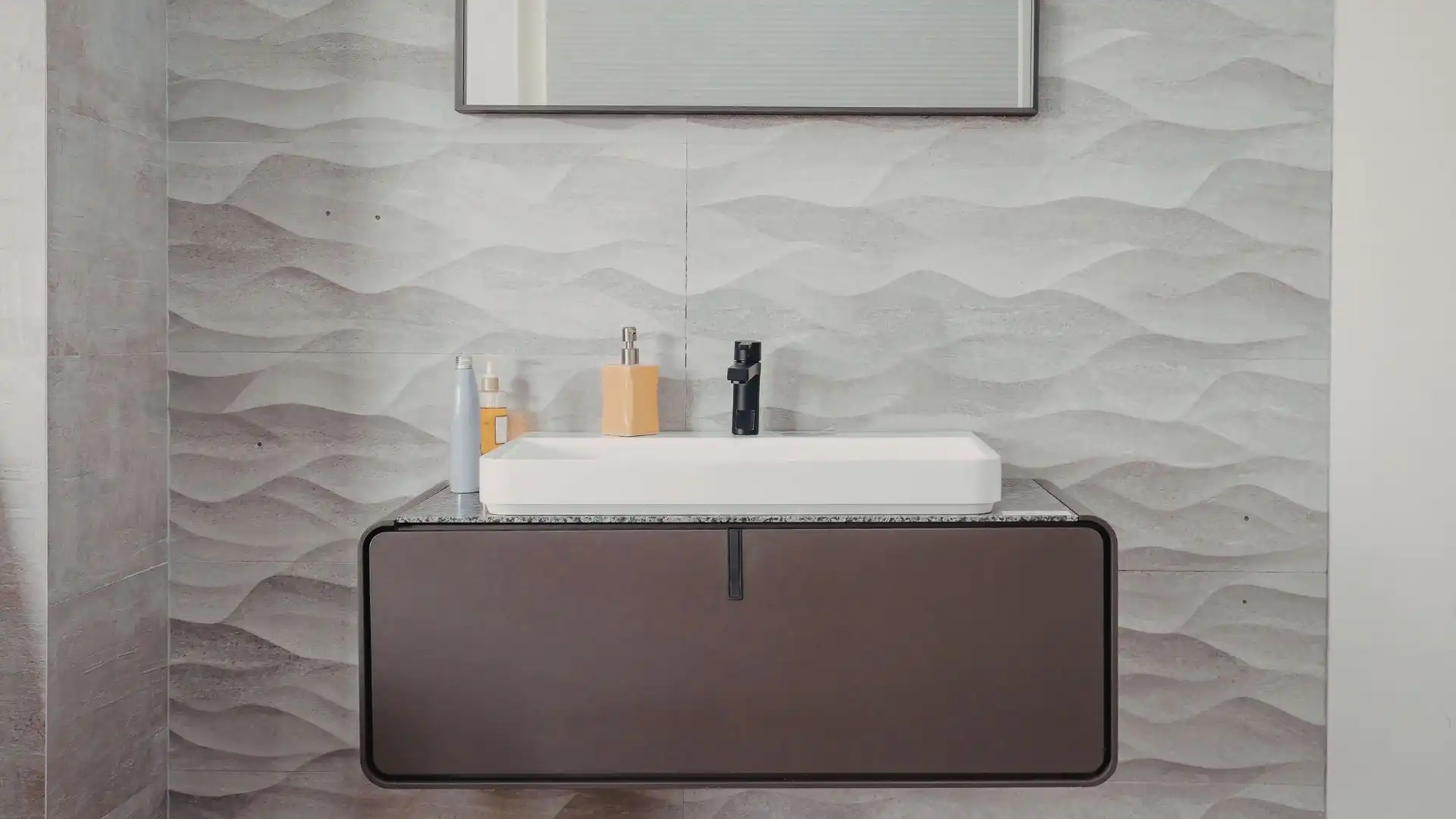
- Floating Vanities: Wall-mounted designs expose floor area, creating an airy feel and improving perceived square footage.
- Slim-Profile Cabinets: Shallow-depth vanities help maintain comfortable walkways in narrow bathrooms.
- Legged Or Open-Base Designs: These allow light to travel beneath the unit, reducing visual heaviness.
When the vanity supports natural movement and does not obstruct pathways, the entire bathroom feels more functional and balanced.
Common Small Bathroom Layout Challenges
Small bathrooms come in many shapes and configurations, each presenting unique design constraints. Understanding these challenges helps guide smarter vanity selection.
Narrow Bathrooms
Narrow bathrooms often have limited clearance between walls and fixtures. Standard-depth vanities may intrude into the walking space and make the room feel confined.
- Shallow-Depth Options: Vanities under 18 inches deep are ideal for tight layouts.
- Wall-Mounted Fixtures: Pairing a floating vanity with a wall-mounted toilet enhances a streamlined layout.
- Sliding Or Pocket Doors: These eliminate swing-clearance issues that restrict vanity placement.
In narrow layouts, every inch saved improves both comfort and usability.
Powder Rooms
Powder rooms are typically smaller and designed for guest use. Because storage needs are minimal, aesthetics often take priority, but functionality still matters.
- Compact Vanity Sizes: 18-inch to 24-inch vanities are common in powder rooms.
- Decorative Statement Pieces: A bold finish or unique sink can elevate the design without overwhelming the space.
- Minimal Storage Solutions: Small drawers or a single shelf are usually sufficient.
Powder rooms allow more creative freedom, but proportions must remain balanced.
Apartment Bathrooms
Apartment bathrooms frequently have fixed plumbing locations and limited renovation flexibility. In these spaces, the vanity must adapt to existing constraints.
- Pre-Plumbed Configurations: Choosing a vanity that aligns with existing plumbing reduces installation costs.
- Multi-Functional Designs: Storage-focused vanities help compensate for the lack of additional cabinetry.
- Light-Reflective Finishes: Glossy or light-toned surfaces enhance brightness in window-limited environments.
In apartment settings, strategic vanity selection can significantly improve comfort without structural changes.
Corner Placement Limitations
Corner placement can be challenging because standard rectangular vanities may not fit efficiently into angled spaces.
- Corner-Specific Vanities: Triangular or curved designs maximize unused corners.
- Wall-Hung Corner Units: These preserve floor space while maintaining accessibility.
- Compact Sink Designs: Smaller integrated sinks prevent crowding in tight angles.
A thoughtful vanity choice is not just about aesthetics. It shapes storage efficiency, daily comfort, and the overall feel of the bathroom. In a well-designed compact bathroom, the vanity supports both form and function, creating a space that feels intentional, practical, and visually balanced.

How to Choose the Right Size Vanity for a Small Bathroom
Choosing the right vanity size is one of the most important decisions in a small-bathroom remodel. The wrong dimensions can make the space feel cramped and awkward, while the right fit improves flow, storage, and visual balance. Before you focus on style or finishes, you need to understand how width, depth, and height affect daily use. A well-sized vanity should support comfortable movement, provide enough storage for essentials, and complement the overall layout without overwhelming the room.
Standard Small Vanity Widths (18”, 24”, 30”, 36”)
Small-bathroom vanities typically range from 18 inches to 36 inches wide. Each size serves a different purpose depending on layout, storage needs, and whether the bathroom is a primary space or a guest powder room.
When Each Size Works Best
- 18-inch vanity: Best for ultra-compact powder rooms or half-baths where space is extremely limited. It provides basic hand-washing functionality but minimal storage.
- 24-inch vanity: A practical option for small guest bathrooms. It offers a bit more countertop space and limited under-sink storage without crowding the room.
- 30-inch vanity: One of the most versatile small-bathroom options. It balances storage and usability, making it ideal for apartments or secondary bathrooms.
- 36-inch vanity: Suitable for slightly larger small bathrooms where added storage and countertop space are priorities. It works well for single-sink setups in primary bathrooms with tight layouts.
From experience, many homeowners underestimate how quickly storage fills up. If your layout allows it, choosing a slightly wider vanity often prevents long-term clutter issues.
Measuring Clearance And Door Swing Space
Even a well-designed vanity can feel wrong if clearance is ignored. Proper measurement protects both function and comfort.
- Front clearance: Leave at least 30 inches of open space in front of the vanity for safe and comfortable movement.
- Side clearance: Ensure doors and drawers can fully open without hitting walls, toilets, or shower enclosures.
- Door swing space: Account for the bathroom door’s swing path to prevent daily frustration and surface damage.
Use painter’s tape on the floor to outline the vanity footprint before purchasing. This simple step reveals potential layout conflicts immediately.
Depth And Height Considerations
Width is only part of the equation. Vanity depth and height directly affect usability, comfort, and how spacious the bathroom feels.
Shallow-Depth Vanities For Tight Spaces
Standard vanity depth is around 20 to 21 inches, but many small bathrooms benefit from a shallow-depth design ranging from 16 to 18 inches.
- Space-saving advantage: A reduced-depth vanity increases walkway space and improves traffic flow.
- Visual openness: Slim profiles make narrow bathrooms feel less boxed-in.
- Storage trade-off: Shallower cabinets may limit under-sink storage capacity.
In tight apartment bathrooms or older homes with narrow floor plans, a shallow-depth vanity often makes the difference between a cramped layout and a functional one.
Comfort Height Vs Standard Height
Vanity height impacts daily comfort more than most people realize.
- Standard height: Typically 30 to 32 inches tall. Common in older homes and suitable for children.
- Comfort height: Around 34 to 36 inches tall. Better aligned with modern ergonomic standards and adult use.
Comfort-height vanities reduce bending and strain, especially in frequently used bathrooms. However, if young children primarily use the space, a standard-height option may be more practical.
Single Sink Vs Integrated Sink Designs
Beyond size, sink configuration affects how much usable surface area you have and how easy the vanity is to maintain.
Pros And Cons
- Single-sink vanity: Maximizes storage beneath the basin and is ideal for small bathrooms where space efficiency matters most.
- Integrated-sink design: Features a sink molded into the countertop, offering a seamless, easy-to-clean surface.
- Vessel-sink setup: Sits above the counter and creates visual impact but requires careful height planning.
For most small-bathroom layouts, a single-sink vanity offers the best balance of storage and practicality.
Countertop Space Trade-Offs
Counter space is often limited in compact bathrooms, so thoughtful planning is essential.
- Integrated sink benefit: Provides a continuous surface area with fewer crevices for dirt and moisture buildup.
- Vessel sink limitation: Reduces usable counter space and may increase splash risk.
- Offset sink layout: Shifting the basin slightly to one side can increase usable countertop area.
If daily-use functionality is your priority, focus on preserving as much flat, usable surface area as possible. In small bathrooms, even a few extra inches of counter space make a noticeable difference.
By carefully evaluating width, depth, height, and sink configuration, you can select a small-bathroom vanity that improves comfort, enhances storage, and maintains a balanced, well-proportioned look. Thoughtful sizing ensures your bathroom feels intentional and functional rather than crowded and compromised.

15 Smart Small Bathroom Vanity Ideas That Maximize Space
Choosing the right vanity can completely change how a small bathroom looks and functions. In compact spaces, every inch matters, and the best small bathroom vanity ideas combine smart storage, efficient layouts, and thoughtful design. Below are practical, experience-backed options that work in real homes, from tight apartment bathrooms to narrow powder rooms. Each idea focuses on space-saving bathroom storage while maintaining style and long-term usability.
1. Floating Wall-Mounted Vanities For An Airy Look
Floating vanities, also known as wall-mounted vanities, are one of the most effective ways to make a small bathroom feel larger. By lifting the cabinet off the floor, you create visible floor space, which visually expands the room.
A floating vanity works especially well in modern small bathroom vanity designs because it keeps the layout clean and uncluttered. The open floor area also makes the bathroom easier to maintain.
- Visual openness: Exposed flooring gives the illusion of more square footage and prevents the room from feeling boxed in.
- Easy-to-clean floors: With no base touching the ground, sweeping and mopping are much simpler.
- Modern appeal: The sleek, minimalist profile pairs well with contemporary fixtures and wall-mounted faucets.
Proper installation is essential. A wall-mounted unit must be securely anchored to studs or reinforced backing to support daily weight and long-term use.
2. Corner Vanities For Awkward Layouts
Corner vanities are ideal for bathrooms where traditional placement disrupts traffic flow. If your door swing limits wall space or your layout feels tight, this option can solve multiple problems at once.
These are especially effective powder room vanity ideas because they maximize unused corners without crowding the space.
- Space efficiency: Corners often go unused, making them perfect for a compact vanity cabinet.
- Improved flow: Placing the sink in the corner opens up the central floor area.
- Practical for small layouts: Ideal for guest bathrooms where storage needs are lighter.
When choosing a corner unit, verify plumbing placement. Relocating pipes can increase renovation costs if not planned carefully.
3. Narrow Depth Vanities For Tight Bathrooms
Standard vanities are typically around 21 inches deep, which can feel bulky in tight layouts. A narrow depth vanity, often under 18 inches deep, creates much-needed walking space without sacrificing functionality.
This slim-profile option works well in hallway bathrooms or long, narrow spaces.
- Better clearance: Extra inches of walkway improve comfort and accessibility.
- Minimal visual bulk: A shallow cabinet feels lighter and less imposing.
- Functional compromise: Choose designs with deep drawers rather than shallow shelves to maintain storage capacity.
Be sure to check sink dimensions, as some basins extend beyond the cabinet depth.
4. Open Shelf Vanities For Visual Lightness
Open shelf vanities reduce visual weight and create a more relaxed look. Without full cabinet doors, the bathroom feels less closed-in.
This design works best for homeowners who value style and can maintain organized storage.
- Airy appearance: Open shelving prevents the space from feeling heavy.
- Flexible storage: Baskets or decorative bins keep essentials contained.
- Styling opportunity: Rolled towels and neatly arranged containers add personality.
Use matching storage baskets to maintain a cohesive, clutter-free appearance.
5. Vanities With Built-In Drawer Organizers
Clutter is the enemy of small bathrooms. Vanities with built-in drawer organizers provide structured storage that maximizes vertical space and prevents messy buildup.
- Vertical efficiency: Deep drawers utilize height instead of relying on wasted under-sink space.
- Custom compartments: Dividers keep cosmetics, grooming tools, and cleaning supplies separated.
- Long-term organization: Dedicated compartments reduce daily clutter accumulation.
Soft-close drawers and high-quality hardware improve durability and daily usability.
6. Vessel Sink Vanities For Added Counter Space
A vessel sink sits above the countertop, freeing up cabinet space beneath and creating a strong design statement. This style works well in modern or spa-inspired bathrooms.
- Counter space advantage: Compact basin footprints leave more usable surface area.
- Design impact: Vessel sinks elevate the visual appeal of a small bathroom vanity.
- Height awareness: Ensure the combined cabinet and sink height remains comfortable for everyday use.
Pair vessel sinks with wall-mounted faucets to maintain a clean and balanced look.
7. Vanity Plus Linen Tower Combos
If floor space is limited but wall space is available, combining a vanity with a vertical linen tower provides efficient storage without expanding the footprint.
- Vertical storage solution: Tall cabinets maximize unused wall height.
- Unified design: Matching finishes creates a cohesive built-in feel.
- Ideal for families: Extra storage accommodates towels, toiletries, and cleaning supplies.
This solution works well in slightly larger small bathrooms where the width allows a side-by-side configuration.
8. Mirrored Vanities To Reflect Light
Mirrored vanities enhance brightness and create the illusion of depth, making them ideal for small bathrooms with limited natural light.
- Light reflection: Mirrors bounce light around the room.
- Perceived expansion: Reflective surfaces visually double the space.
- Modern aesthetic: Clean lines complement contemporary designs.
Pair mirrored cabinetry with warm lighting to prevent the room from feeling cold or overly reflective.
9. Glass Or Acrylic Vanity Designs
Glass and acrylic vanities are visually light and nearly transparent, which prevents them from dominating the room.
- Modern aesthetic: Sleek materials support a contemporary design-forward bathroom.
- Minimal obstruction: Transparent surfaces reduce visual barriers.
- Space-enhancing effect: The room appears less crowded.
These materials require regular cleaning to maintain clarity and shine.
10. Vintage Or Repurposed Furniture Vanities
Repurposing a dresser into a vanity adds character and uniqueness to a compact space. This approach works particularly well in eclectic or farmhouse-inspired designs.
- Personalized style: A converted piece adds warmth and individuality.
- Solid construction: Older furniture is often built with durable hardwood.
- Custom sizing: You can select a piece that perfectly fits your layout.
Professional plumbing modifications are usually required to accommodate sink placement and water lines.
11. Minimalist Scandinavian-Inspired Designs
Scandinavian-inspired vanities emphasize simplicity, functionality, and natural materials. Light woods and neutral tones help small bathrooms feel calm and open.
- Light wood finishes: Reflect light while adding warmth.
- Clean lines: Simple forms prevent visual clutter.
- Neutral palette: Soft colors make compact rooms feel larger.
This style pairs well with matte-black or brushed-nickel fixtures for subtle contrast.
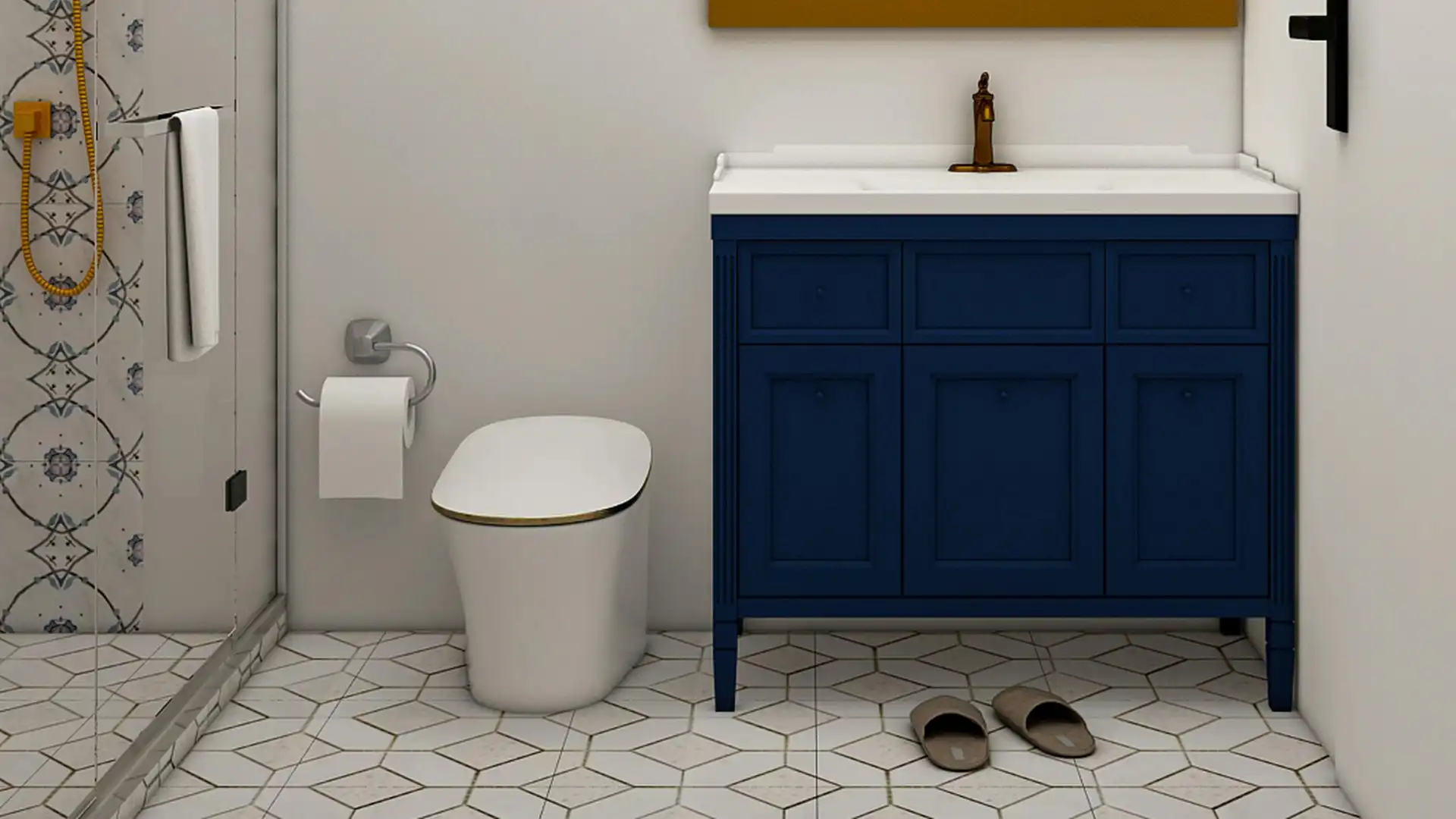
12. Dark Vanities For Bold Contrast In Small Spaces
Contrary to common belief, dark vanities can work beautifully in small bathrooms when balanced correctly.
- Statement design: Deep tones create visual interest.
- Grounding effect: Dark cabinetry anchors the room.
- Strategic contrast: Pair with light walls and ample lighting to avoid heaviness.
Ensure the space has adequate task lighting to maintain brightness.
13. Wall-To-Wall Custom Vanity Solutions
A built-in vanity that spans wall-to-wall maximizes every inch of available space. This approach eliminates gaps and awkward dead zones.
- Custom fit: Designed to match exact measurements.
- Increased storage: Continuous cabinetry increases capacity.
- Polished finish: Creates a high-end, intentional look.
Custom solutions require careful planning but deliver unmatched efficiency.
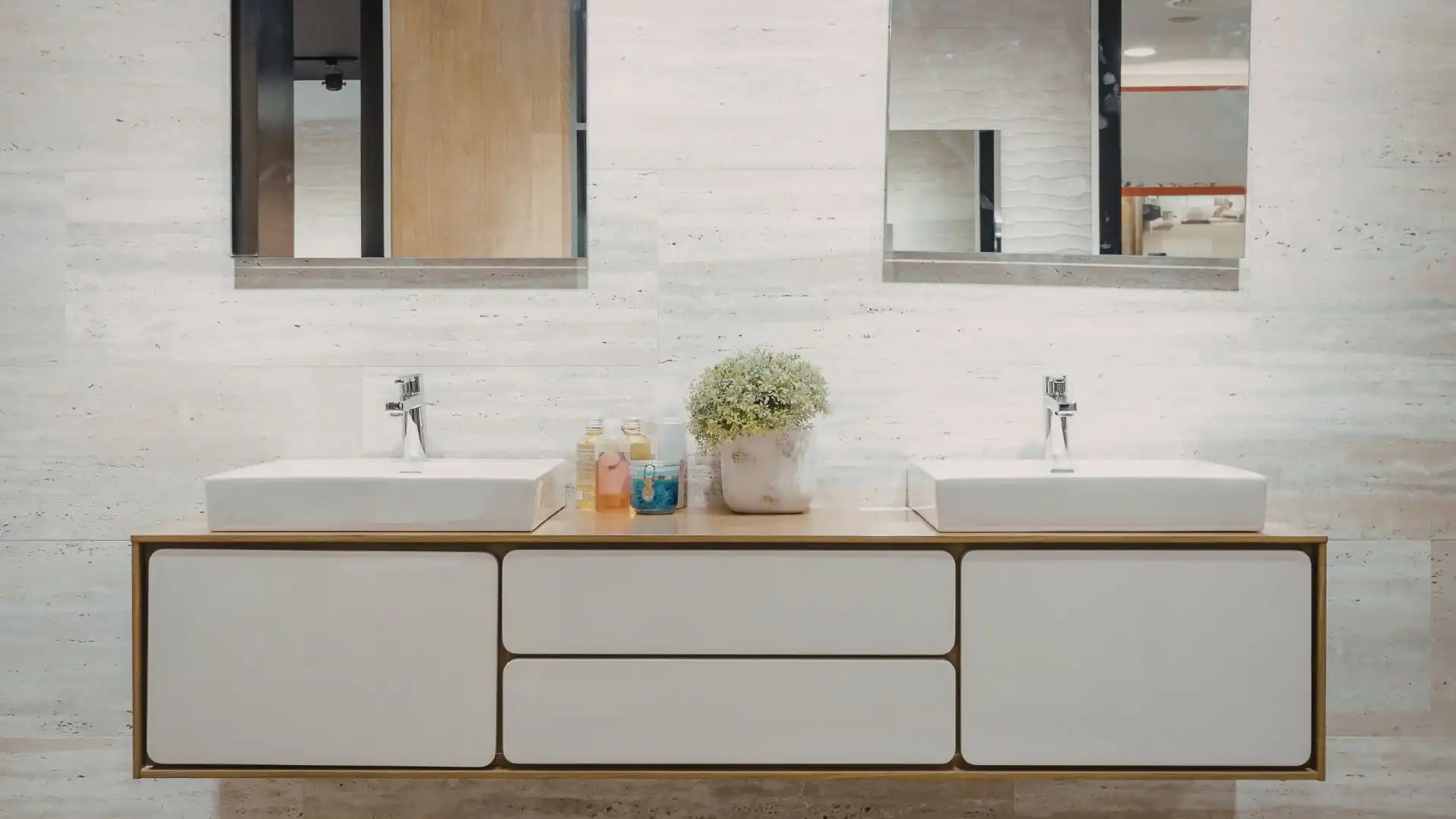
14. Compact Double Sink Vanities When Possible
In slightly larger small bathrooms, a compact double sink vanity may be feasible. This option is most practical in layouts at least 48 inches wide.
- Shared functionality: Ideal for couples or family bathrooms.
- Efficient mornings: Two users can get ready simultaneously.
- Smart layout planning: Proper spacing between sinks prevents crowding.
If space is tight, consider a single-sink design with extended counter space instead.
15. Integrated Sink And Countertop Seamless Design
An integrated sink and countertop design offers a smooth, continuous surface that is both modern and easy to maintain.
- Easy maintenance: No seams mean fewer areas for grime buildup.
- Clean aesthetic: Seamless surfaces create a streamlined look.
- Durable materials: Quartz and solid-surface options resist moisture damage.
This style works particularly well in contemporary small bathroom vanity installations where simplicity and hygiene are priorities.
By selecting a design that aligns with your layout, storage needs, and long-term durability goals, you can transform even the most compact bathroom into a highly functional and visually appealing space.
Best Materials For Small Bathroom Vanities
Choosing the right materials for a small bathroom vanity is not just about appearance. In a moisture-heavy environment where temperature changes and daily water exposure are constant, material quality directly affects durability, maintenance, and long-term performance. A well-built vanity should resist swelling, warping, staining, and surface damage while maintaining its structure and finish. Below is a practical breakdown of cabinet materials, countertop options, and hardware finishes that perform well in compact, high-humidity spaces.
Moisture-Resistant Cabinet Materials
Cabinet construction determines how well a vanity handles humidity, plumbing leaks, and everyday wear. Not all materials respond the same way in a humid environment, so understanding their strengths and weaknesses helps you make a confident decision.
MDF vs Plywood vs Solid Wood
Each material has a place, but performance varies significantly in a small bathroom setting.
- MDF: Medium-density fiberboard is a budget-friendly engineered wood product with a smooth surface that works well for painted finishes. It resists minor surface cracking better than some solid woods, but standard MDF is vulnerable to water damage if moisture penetrates the finish. High-quality, moisture-resistant MDF performs better, especially when properly sealed along edges and joints.
- Plywood: Furniture-grade plywood is one of the most reliable choices for bathroom cabinetry. It is constructed in cross-layered sheets, which increases structural stability and reduces the risk of warping. Compared to MDF, plywood generally handles moisture exposure more effectively, particularly when finished with a protective sealant.
- Solid Wood: Solid wood offers strength and a premium look, especially in stained finishes. However, natural wood expands and contracts with humidity changes. In a poorly ventilated bathroom, this movement can lead to minor cracking or joint separation over time. When properly sealed and maintained, solid wood remains a durable and attractive option.
From a durability-focused perspective, high-quality plywood cabinets with moisture-resistant finishes often provide the best balance of strength, cost, and long-term reliability in a small bathroom environment.
Durability In Humid Spaces
Small bathrooms tend to trap humidity more easily, especially in powder rooms without windows or bathrooms with limited ventilation. Over time, trapped moisture can weaken poorly constructed cabinets.
- Sealed edges: Cabinet edges and interior panels must be properly sealed to prevent water infiltration.
- Quality joinery: Dovetail joints and reinforced corner blocks increase structural stability.
- Protective coatings: Water-resistant paint or laminate finishes help extend lifespan.
- Ventilation compatibility: Pairing durable materials with proper ventilation reduces long-term swelling and damage.
If you want a low-maintenance, long-lasting vanity, prioritize cabinet-box construction and moisture-resistant finishes over purely aesthetic features.
Countertop Options For Compact Spaces
Countertops in a small bathroom need to balance durability, visual lightness, and ease of maintenance. Because surface area is limited, stains, chips, and water spots become more noticeable. The right material improves both performance and appearance.
Quartz
Quartz is one of the most practical choices for a small-space vanity.
- Non-porous surface: Resistant to stains, mold, and bacteria.
- Low maintenance: Does not require sealing.
- Consistent appearance: Offers uniform color and pattern, which suits modern and minimalist designs.
Quartz works especially well in compact bathrooms because its durability offsets the heavy use concentrated in a smaller area.
Marble
Marble delivers a timeless, high-end look that instantly elevates a bathroom.
- Natural variation: Each slab has unique veining.
- Luxury appeal: Adds resale value in upscale renovations.
- Maintenance requirement: Needs regular sealing to prevent staining and etching.
Marble can work beautifully in a small bathroom, but it requires attentive care. It is best suited for homeowners comfortable with routine maintenance.
Porcelain
Porcelain countertops are increasingly popular due to their performance and versatility.
- Water-resistant surface: Highly resistant to moisture absorption.
- Scratch resistance: Durable against everyday wear.
- Thin-profile option: Lightweight slabs are ideal for floating-vanity installations.
Porcelain is particularly effective in modern or contemporary small-bathroom designs where clean lines and minimal bulk are priorities.
Solid Surface
Solid-surface materials offer a seamless and repairable option.
- Integrated sink compatibility: Allows for a smooth, joint-free appearance.
- Easy repair: Minor scratches can be buffed out.
- Mid-range durability: More affordable than natural stone while offering good moisture resistance.
For homeowners who prefer a low-maintenance and budget-conscious option with a clean aesthetic, solid surface remains a practical choice.
Hardware And Finish Considerations
Hardware may seem like a small detail, but in a compact bathroom, every element contributes to the overall feel. Oversized pulls or heavy finishes can visually overwhelm a small-scale vanity, while thoughtfully selected hardware enhances the design without crowding it.
Brushed Nickel
Brushed-nickel hardware remains a popular choice for good reason.
- Neutral tone: Works with both warm and cool color palettes.
- Timeless appeal: Complements transitional and modern designs.
This finish works well in compact bathrooms because it blends seamlessly rather than dominating the space.
Matte Black
Matte-black hardware adds contrast and a modern edge.
- Bold definition: Creates visual structure in light-colored bathrooms.
- Contemporary style: Ideal for modern, industrial-inspired spaces.
- Maintenance awareness: Can show water spots in high-splash areas.
In a small bathroom, matte-black hardware works best when balanced with light surfaces and adequate lighting.
Warm Brass
Warm-brass finishes bring character and depth.
- Warm undertone: Softens white or neutral vanities.
- Design-forward look: Adds subtle luxury.
- Finish variation: Brushed-brass tends to age more gracefully than polished-brass.
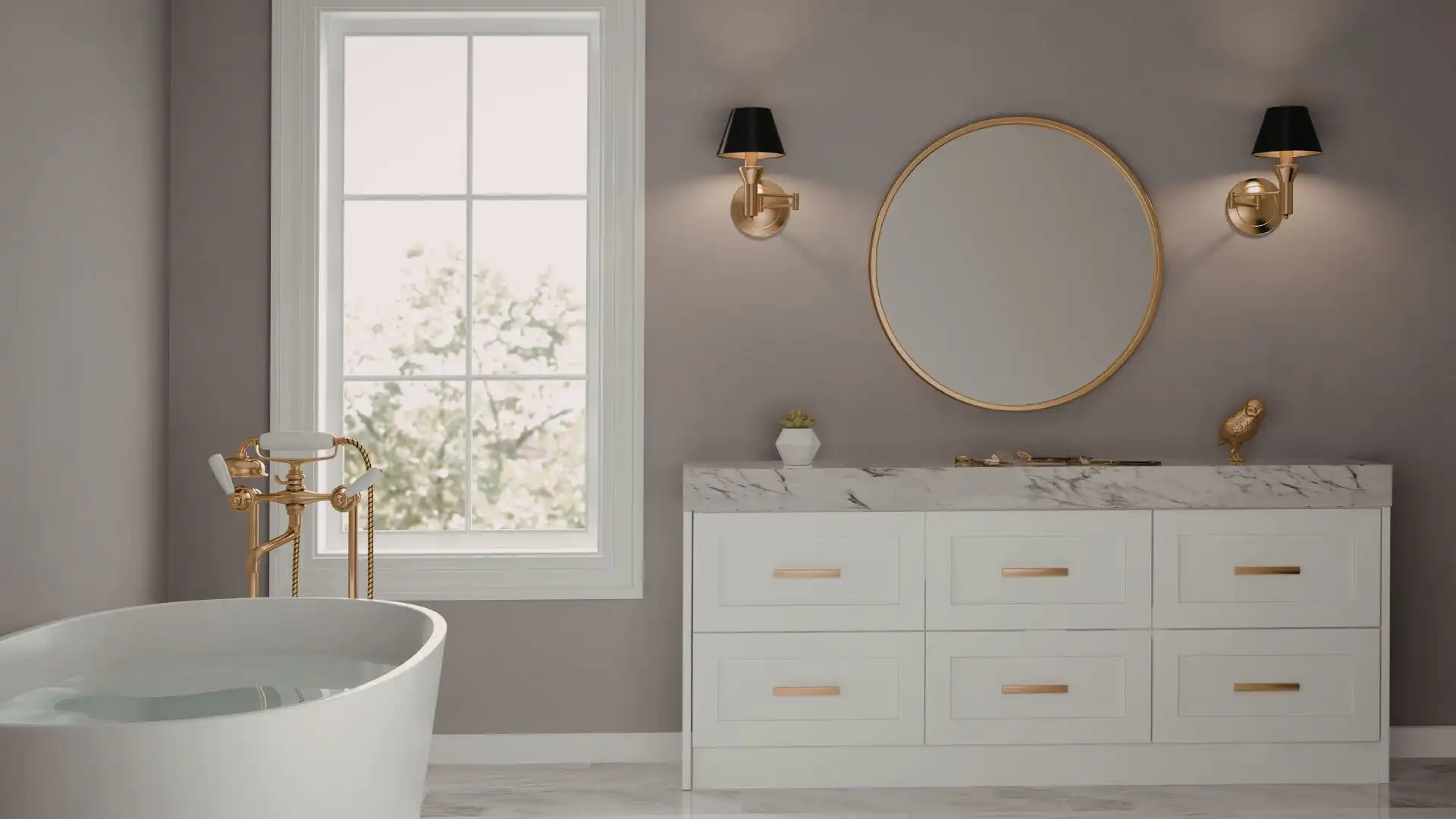
Warm-brass hardware pairs beautifully with wood-tone vanities or classic marble countertops in small-space settings.
Minimal Hardware For Smaller Scale
In a compact bathroom, simplicity often creates the strongest visual impact.
- Low-profile pulls: Keep the design uncluttered.
- Integrated handles: Reduce protrusion in tight walkways.
- Touch-latch drawers: Eliminate hardware entirely for a sleek look.
Minimal hardware choices support a clean, open feel and prevent the vanity from appearing bulky in a limited-space layout.
Selecting the right materials for a small bathroom vanity requires balancing aesthetics with performance. Prioritize moisture-resistant construction, durable countertop surfaces, and scale-appropriate hardware to ensure your vanity not only looks good on installation day but continues performing reliably for years.
Small Bathroom Vanity Storage Hacks That Actually Work
When you are working with a small bathroom, storage is rarely just a convenience. It is a necessity. A well-designed vanity can either control clutter or contribute to it, depending on how thoughtfully the space is used. The key is not adding more cabinets, but maximizing every inch with smart, space-saving solutions that feel intentional and easy to maintain. Below are practical, real-world vanity storage hacks that consistently work in compact bathrooms.
Use Vertical Space Strategically
One of the most overlooked opportunities in a small bathroom layout is vertical space. When floor area is limited, building upward allows you to expand storage without crowding the room.
Above-Vanity Shelving
Installing shelving above the vanity is one of the simplest and most effective ways to increase storage capacity.
- Floating shelves: Slim, wall-mounted shelves above the sink create additional storage for everyday essentials like hand towels, skincare products, or decorative containers without adding visual weight.
- Layered storage: Use stacked baskets or lidded containers to keep smaller items organized while maintaining a clean, clutter-free appearance.
- Proportion matters: In a small-scale bathroom, choose shelves that are not deeper than the vanity itself to maintain balance and prevent the area from feeling top-heavy.
For best results, keep the styling minimal and functional. Overloading open shelves can quickly make a compact bathroom feel chaotic.
Medicine Cabinets
A recessed or wall-mounted medicine cabinet is a high-impact storage solution that combines function with visual simplicity.
- Recessed option: Built-in medicine cabinets sit flush with the wall, preserving valuable inches in narrow bathrooms.
- Mirrored-front design: A mirrored door doubles as a reflective surface, helping small bathrooms feel brighter and more open.
From a design perspective, medicine cabinets provide hidden storage that keeps countertops clear, which is essential in a small bathroom vanity setup.
Drawer Dividers And Pull-Out Organizers
Vanity drawers often become a catch-all for clutter. Without structure, even deep drawers lose efficiency quickly. Adding internal organization transforms how usable the space actually feels.
Keeping Clutter Hidden
The goal is not just storing items, but making them easy to access without creating daily frustration.
- Drawer dividers: Adjustable dividers create designated sections for makeup, razors, brushes, and grooming tools, preventing items from shifting around.
- Tiered organizers: Multi-level inserts maximize vertical space inside deep drawers, effectively doubling storage capacity.
- Pull-out trays: Slim slide-out compartments allow you to access items stored at the back without digging through everything in front.
When vanity drawers are organized properly, the countertop stays clear, and the bathroom maintains a streamlined, clutter-free look. This is especially important in small-space bathrooms where visual simplicity enhances the perception of size.
Under-Sink Optimization Tips
The area beneath the sink is often underutilized because of plumbing obstacles. With the right design choices, this space can become one of the most efficient storage zones in your small bathroom vanity.
U-Shaped Drawers
U-shaped drawers are specifically designed to accommodate plumbing pipes while still providing functional storage.
- Smart cut-out design: The drawer wraps around the drainpipe, preserving valuable side-storage space.
- Better than traditional cabinets: Unlike open cabinet space, drawers allow you to pull everything out for full visibility.
- Improved accessibility: No more crouching and reaching into the back of a dark cabinet.
For homeowners renovating or upgrading vanities, selecting a model with built-in U-shaped drawers is one of the most practical long-term investments.
Custom Inserts
If replacing the vanity is not an option, custom inserts can dramatically improve the usability of the existing under-sink cabinet.
- Stackable bins: Clear, stackable containers create vertical layers within cabinet space.
- Sliding caddies: Rolling or sliding organizers make it easier to access cleaning supplies or backup toiletries.
- Pipe-friendly layouts: Choose adjustable systems that can be configured around plumbing without wasting space.
The goal is to convert awkward, hard-to-reach spaces into organized, intentional storage that supports daily routines.
Lighting Integration For Function + Style
Storage is not only about cabinets and drawers. Proper lighting plays a critical role in how functional your small bathroom vanity feels. Good lighting reduces shadows, improves usability, and enhances the overall design.
Sconces Vs Overhead Lighting
Lighting placement can either elevate or undermine your vanity area.
- Wall sconces: Mounted on either side of the mirror, sconces provide even, face-level illumination ideal for grooming tasks. They also free up ceiling space and add architectural interest.
- Overhead lighting: A single overhead fixture is space-efficient but may cast downward shadows. In very compact bathrooms, pairing overhead lighting with a mirror-mounted light can improve clarity.
- Task-focused placement: In small-bathroom design, layered lighting ensures both function and ambiance without overcrowding the space.
Thoughtful lighting design enhances visibility inside drawers and cabinets, making organizational systems more effective.
LED Mirror Cabinets
LED mirror cabinets combine storage and illumination in one streamlined solution.
- Integrated lighting: Built-in LED strips provide shadow-free lighting for daily routines.
- Hidden storage: The mirrored cabinet conceals items while maintaining a clean, modern aesthetic.
- Energy-efficient design: LED technology consumes less power and generates minimal heat, making it ideal for small-space bathrooms.
This type of all-in-one solution works especially well in compact bathrooms where every design element must serve multiple purposes.
Design Mistakes To Avoid In Small Bathroom Vanity Selection
Choosing the right vanity for a compact bathroom is not just about aesthetics. It is about proportion, function, durability, and long-term usability. Over the years, I have seen beautiful small-bathroom renovations fall short because one key detail was overlooked during the planning stage. A well-chosen small bathroom vanity should improve flow, increase storage, and enhance the overall design rather than create frustration. Below are the most common mistakes homeowners make and how to avoid them with practical, experience-backed guidance.
Choosing A Vanity That’s Too Large For The Layout
One of the most frequent design mistakes in small bathroom remodels is selecting a vanity that visually or physically overwhelms the space. It is easy to assume that more storage requires a bigger cabinet, but in a limited-square-foot bathroom, scale matters more than capacity.
Before purchasing a vanity, measure the full layout, not just the wall width. Consider door swings, shower clearance, and walkway space. A vanity that technically fits wall-to-wall may still feel cramped once installed.
- Clearance spacing: Allow at least 30 inches of clear floor space in front of the vanity for comfortable use.
- Door swing impact: Check whether cabinet doors or drawers will collide with the toilet, shower glass, or bathroom door.
- Visual weight: Bulky cabinetry with thick side panels can make a small bathroom feel tighter than it is.
In many cases, a well-designed 24-inch floating vanity provides better functionality and flow than a heavy 36-inch floor-mounted option. The goal is proportional design, not maximum size.
Ignoring Plumbing Placement
Plumbing layout can significantly influence your vanity options, yet many homeowners overlook this factor until installation day. Moving plumbing lines increases renovation costs and complexity, particularly in older homes or apartment buildings.
A smart approach is to evaluate the existing plumbing configuration before falling in love with a specific vanity style.
- Drain location: Ensure the vanity cabinet can accommodate the existing drain position without major structural modification.
- Water supply lines: Confirm that shut-off valves will remain accessible after installation.
- Wall-mount compatibility: Floating vanities often require careful alignment with wall-stud support and plumbing height.
If you are working within a tight budget, choosing a vanity that works with your current plumbing layout can save significant time and expense. Professional consultation during the planning phase can prevent costly surprises later.
Overloading With Dark Colors Without Proper Lighting
Dark bathroom vanities can look stunning and dramatic, but in a small bathroom, they must be used strategically. Without proper lighting and contrast, dark cabinetry can make the room feel smaller and heavier.
Lighting and color work together. If your space lacks natural light or sufficient layered-lighting, a dark vanity may visually shrink the room.
- Light balance: Pair dark cabinetry with light-colored walls, reflective surfaces, and bright task-lighting.
- Mirror placement: Large mirrors help bounce light and prevent a closed-in feeling.
- Finish selection: Matte finishes absorb more light, while semi-gloss or satin finishes subtly reflect it.
In compact bathrooms, lighter wood tones, soft neutrals, or warm-white finishes often create a more open and airy feel. When using darker colors, balance is essential.
Prioritizing Style Over Storage Needs
A sleek, minimalist vanity can look beautiful in photos, but if it does not support daily-use storage needs, it quickly becomes impractical. Small bathrooms require intentional organization to prevent countertop clutter.
Think about what you actually store in your vanity. Towels, toiletries, hair tools, and cleaning supplies all require accessible space. A design-forward vanity without functional storage can create frustration over time.
- Drawer depth: Deep drawers with built-in organizers maximize vertical storage space.
- Cabinet configuration: Adjustable shelves accommodate taller items like bottles and cleaning products.
- Countertop space: Integrated-sink designs often provide more usable surface area than vessel sinks.
An experienced approach is to map out your storage needs before choosing the style. Function-first design ensures your small bathroom vanity supports daily routines rather than complicating them.
Skipping Proper Ventilation Considerations
Bathrooms are high-moisture environments, and ignoring ventilation can shorten the lifespan of your vanity materials. Warping, peeling finishes, and mold growth are often the result of poor air circulation rather than poor product quality.
Ventilation is especially important in compact bathrooms where moisture builds quickly after showers.
- Exhaust fan efficiency: Ensure your bathroom has a properly sized and functioning exhaust fan.
- Material durability: Choose moisture-resistant plywood or sealed, solid-wood cabinetry instead of low-quality particleboard.
- Seal protection: Confirm that all edges and seams are sealed to prevent water intrusion.
Investing in quality materials and maintaining adequate airflow protects your vanity and preserves the overall integrity of your renovation. A well-ventilated space extends the life of your cabinetry and keeps your bathroom healthier.
Expert Tips for Making a Small Bathroom Feel Bigger
Choosing the right small bathroom vanity is only part of the equation when you want to make a compact space feel open and comfortable. The way you handle light, color, flooring, and fixture placement has a measurable impact on how spacious the room feels. In my experience working with space-conscious layouts, the most successful small bathroom designs focus on visual continuity, light reflection, and floor visibility. These details may seem subtle, but together they create a more open, well-balanced space that feels intentionally designed rather than cramped.
Strategic Mirror Placement
A well-placed mirror does more than help you get ready in the morning. It reflects both natural and artificial light, expands sight lines, and visually doubles the perceived depth of the room.
- Full-width mirrors: Installing a mirror that spans the width of your small bathroom vanity creates a wider visual plane and reduces hard stops in the wall design.
- Opposite-light placement: Positioning a mirror directly across from a window or light source increases light-reflection and brightens shadow-heavy corners.
- Vertical emphasis: In bathrooms with lower ceilings, taller mirrors draw the eye upward and subtly elongate the room.
- Mirrored cabinets: A mirror-front medicine cabinet adds hidden storage while maintaining a clean, reflective surface.
Avoid undersized mirrors that look disconnected from the vanity. A proportionate, well-mounted mirror makes the vanity feel integrated and prevents the wall from appearing fragmented.
Light Color Palettes vs High-Contrast Designs
Color psychology plays a powerful role in how we perceive space. Lighter tones reflect more light, while darker tones absorb it. That does not mean dark finishes are off limits, but balance is critical in a small bathroom.
Light color palettes work especially well when you want to enhance openness.
- Soft neutrals: White, cream, light gray, and pale beige create an airy foundation that complements most small bathroom vanity styles.
- Light wood finishes: Oak, maple, or white-washed cabinetry adds warmth without overwhelming the space.
- Monochromatic layering: Using varying shades of the same color minimizes visual breaks and creates seamless flow.
High-contrast designs can also succeed when used intentionally.
- Grounded accents: A darker vanity paired with light walls adds depth without shrinking the room.
- Balanced contrast: Matte-black fixtures or deep navy cabinets work best when offset by bright lighting and reflective surfaces.
- Defined focal points: Strategic contrast draws attention to a design feature instead of highlighting the room’s size limitations.
If your bathroom lacks natural light, prioritize a light-reflective palette and layer your lighting with vanity sconces and overhead illumination to prevent a shadow-heavy environment.
Consistent Flooring to Create Flow
One of the most overlooked small-space strategies is maintaining flooring continuity. Visual breaks in flooring interrupt the eye and make a room feel segmented.
- Single-material flooring: Using the same tile or plank throughout the bathroom creates a unified, open look.
- Extended flooring: Continuing the flooring material into a shower area strengthens a cohesive design and visually expands square footage.
- Large-format tiles: Larger tiles reduce grout lines, which minimizes visual clutter in compact bathrooms.
- Diagonal or lengthwise installation: Installing planks or tiles in a direction that follows the longest wall enhances the sense of depth.
Avoid mixing multiple small-pattern tiles in a tight space unless you are intentionally creating a defined design feature. Clean lines and continuity generally make a small bathroom feel more spacious and well-planned.
Floating Fixtures to Open Floor Space
Exposed floor area is one of the simplest ways to make a small bathroom feel bigger. When more of the floor is visible, the room appears less crowded and more breathable.
Floating elements are especially effective in space-limited bathrooms.
- Wall-mounted vanities: A floating small bathroom vanity reveals more floor area and contributes to a light, modern aesthetic.
- Wall-mounted toilets: These create a streamlined look and eliminate bulky bases.
- Floating shelves: Open wall-mounted storage provides function without heavy cabinetry.
- Minimal-leg furniture: Choosing fixtures with slim, elevated supports instead of solid bases maintains visual openness.
In real-world renovations, I often see immediate improvement simply by removing bulky, floor-to-ceiling cabinetry and replacing it with wall-mounted alternatives. The result is a more open, balanced layout that feels thoughtfully designed rather than overfilled.

Budget-Friendly Small Bathroom Vanity Ideas
Upgrading a small bathroom does not have to mean stretching your budget beyond comfort. With the right approach, you can find or create a space-saving vanity that looks custom-designed without the custom-built price. The key is understanding where to cut costs strategically and where quality truly matters. Whether you are remodeling a compact powder room or refreshing a primary bath on a tight budget, smart planning makes it possible to balance style, storage, and long-term durability.
Affordable Ready-to-Assemble Options
Ready-to-assemble vanities are one of the most practical solutions for budget-conscious homeowners. These flat-packed units are designed for easy transport and home assembly, which significantly reduces manufacturing and shipping costs. When chosen carefully, they can look just as polished as higher-end alternatives.
When evaluating ready-to-assemble models, focus on the details that impact long-term performance.
- Cabinet Construction: Look for plywood or furniture-grade MDF rather than particle board. These materials hold up better in moisture-heavy environments like bathrooms.
- Soft-Close Hardware: Even affordable vanities can include soft-close hinges and drawer slides, which improve everyday usability and reduce wear.
- Integrated Countertops: Many budget-friendly options come with pre-installed sinks and countertops, saving you on fabrication and installation costs.
- Compact Sizing: Models between 18 and 30 inches wide are ideal for tight-space bathrooms and often cost less than larger custom units.
As someone who has seen many budget remodels go wrong, I recommend checking the weight capacity and assembly instructions before purchasing. A poorly constructed vanity may look appealing online, but fail under daily use. Always read reviews and verify return policies before committing.
DIY Vanity Makeovers
If you already have a vanity in decent structural condition, a DIY-makeover can dramatically transform the space at a fraction of the cost of replacement. This approach works especially well for solid-wood cabinets or sturdy older pieces that simply look outdated.
Repurposing furniture is another budget-friendly strategy. A vintage dresser can become a custom-looking vanity with proper sealing and plumbing adjustments. However, plumbing access and moisture protection must be handled carefully to ensure long-term functionality.
Before starting a DIY-project, consider these essentials:
- Structural Integrity: Ensure the cabinet frame is stable and not compromised by water damage.
- Proper Sealing: Bathrooms require moisture-resistant finishes to prevent swelling and peeling.
- Plumbing Clearance: Verify that drawers or shelves will not interfere with drainpipes or supply lines.
A well-executed DIY-makeover often results in a unique, character-driven vanity that feels intentional rather than temporary.
Painting and Hardware Upgrades
One of the simplest and most cost-effective ways to update a small bathroom vanity is through paint and hardware replacement. This approach works particularly well in small-space bathrooms where the vanity acts as a visual focal point.
Color choice plays a significant role in how spacious the room feels. Light-neutral shades such as soft white, pale gray, or muted beige reflect light and create an open atmosphere. Deep navy or forest green can also work beautifully when balanced with bright walls and ample lighting.
Hardware upgrades can elevate even the most basic cabinet.
- Modern Pulls: Matte-black or brushed-nickel hardware instantly modernizes older vanities.
- Minimal Knobs: Sleek, low-profile hardware keeps a compact bathroom from feeling cluttered.
- Consistent Finish: Coordinate faucet finishes with cabinet hardware for a cohesive look.
Use high-quality, moisture-resistant paint formulated for cabinets. Proper surface preparation, including sanding and priming, is critical. Skipping prep work often leads to chipping within months.
When To Invest Vs When To Save
Knowing where to invest and where to save is what separates a smart renovation from a short-lived upgrade. In a small bathroom, every element works harder due to limited space and frequent use.
It is wise to invest in structural components that affect durability.
- Cabinet Box Construction: A sturdy cabinet frame prevents sagging and long-term damage.
- Countertop Material: Quartz or solid-surface countertops resist stains and moisture better than low-grade laminate.
- Plumbing Fixtures: Quality faucets and drains reduce leaks and maintenance costs.
On the other hand, you can often save on aesthetic elements.
- Decorative Hardware: Easy to upgrade later if trends change.
- Mirror Style: Affordable mirrors can look high-end when properly framed or installed with good lighting.
- Open-Shelf Styling: Decorative baskets and organizers provide flexibility without major expense.
In real-world remodels, overspending on cosmetic upgrades while neglecting core construction is a common mistake. A moisture-resistant cabinet with a simple finish will outlast a trend-driven vanity made from low-quality materials.
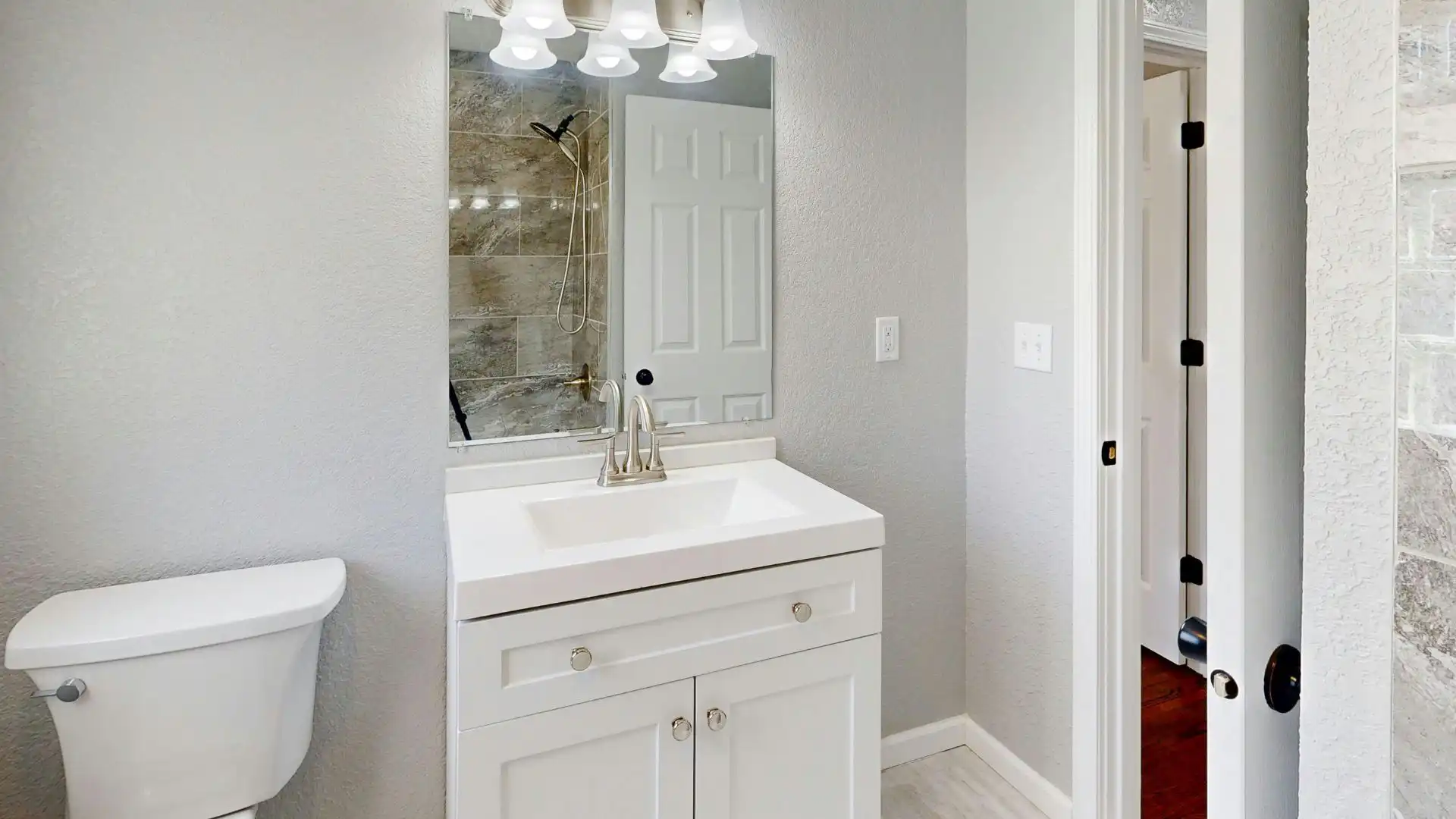
How to Choose the Best Small Bathroom Vanity for Your Space
Choosing the right vanity for a small bathroom is not just about picking something that looks good in a showroom. It is about finding a space-efficient solution that works with your layout, supports your daily routine, and holds up in a moisture-heavy environment. A well-selected vanity can make a tight bathroom feel organized and intentional, while the wrong choice can create clutter and frustration. Below is a practical, experience-driven checklist to help you make a confident decision that balances function, durability, and design.
Measure Carefully
Accurate measurements are the foundation of any successful small-bathroom upgrade. Even a few inches can determine whether the space feels open or cramped.
- Wall width: Measure the maximum available width for the vanity, accounting for baseboards and trim. Leave breathing room so the vanity does not feel squeezed into the space.
- Clearance space: Ensure there is enough room for doors, drawers, and nearby fixtures to open fully without obstruction. Aim for comfortable walk-through clearance in front of the sink.
- Plumbing placement: Check where supply lines and drain pipes enter the wall or floor. Moving plumbing can increase renovation costs significantly.
- Depth limitations: In narrow bathrooms, a shallow-depth vanity often works better than a standard model. Even reducing depth by a few inches can improve movement flow.
Before purchasing, map out the footprint with painter’s tape on the floor. This simple step provides a realistic sense of how the vanity will function within the room.
Consider Storage Needs
In a compact bathroom, storage is not a luxury. It is essential. A beautiful vanity without adequate storage will quickly lead to countertop clutter and frustration.
- Daily-use items: Consider what needs to be stored within reach, such as toiletries, cleaning supplies, or grooming tools.
- Drawer functionality: Deep, full-extension drawers are often more practical than traditional cabinet doors because they allow easier access to stored items.
- Vertical space: If floor space is limited, combine the vanity with a wall-mounted cabinet or recessed medicine cabinet for added storage.
- Organizational features: Built-in dividers, pull-out trays, and under-sink organizers help maximize every inch of usable space.
Think about how the bathroom is used on a typical day. A guest powder room may require minimal storage, while a shared family bathroom demands more structured organization.
Choose Moisture-Resistant Materials
Bathrooms are high-humidity environments, and not all materials perform equally over time. Selecting moisture-resistant construction is critical for long-term performance.
- Cabinet construction: Plywood with proper sealing generally outperforms low-grade particleboard in humid conditions. Solid wood can also perform well when properly finished.
- Countertop durability: Quartz and solid-surface materials resist staining and water damage better than many natural stones.
- Finish protection: Look for high-quality, water-resistant finishes that protect against peeling, swelling, and discoloration.
- Hardware quality: Soft-close hinges and corrosion-resistant hardware extend the functional lifespan of the vanity.
Durability should never be compromised for aesthetics. A moisture-resistant vanity maintains its appearance and structure even with daily exposure to water and steam.
Balance Style And Practicality
Design matters, especially in a small bathroom where every feature is visible. However, style must work alongside function rather than compete with it.
- Proportion and scale: Choose a vanity that complements the room’s dimensions without overpowering it. Oversized units can make a compact space feel cramped.
- Color impact: Light finishes can create an open feel, while darker finishes can add contrast when paired with proper lighting.
- Sink design: Integrated sinks offer a seamless, easy-to-clean surface, while vessel sinks create a more decorative focal point.
- Hardware choices: Minimal, streamlined hardware can reduce visual clutter in a small-scale design.
When evaluating options, imagine how the vanity will look and function five years from now. Trend-forward designs are appealing, but timeless elements tend to age better.
Think Long-Term Durability
A small bathroom vanity is used multiple times a day, so durability should be a priority from the start. Investing in quality construction often prevents costly replacements later.
- Structural stability: Ensure the cabinet frame feels solid and well-assembled. Wobbly construction is a red flag.
- Finish longevity: High-quality finishes resist chipping and fading, maintaining a polished appearance over time.
- Ease of maintenance: Smooth, non-porous surfaces simplify cleaning and reduce long-term upkeep.
- Warranty coverage: Reputable manufacturers typically stand behind their products with clear warranty terms.
Long-term thinking also includes adaptability. A well-chosen vanity should support evolving needs, whether that means additional storage accessories or updated hardware for a refreshed look.
If you are ready to upgrade your small bathroom with a vanity that balances style, storage, and smart design, explore our curated selection and expert resources to find the perfect fit for your space. Our team specializes in practical, high-quality solutions that maximize small bathrooms without sacrificing aesthetics, so you can move forward with confidence and create a space that truly works for your everyday needs.

FAQs: About Smart Small Bathroom Vanity Ideas
- What size vanity is best for a small bathroom?
Most small bathrooms work well with vanities between 18 and 30 inches wide. The ideal size depends on available wall space, door clearance, and traffic flow. Always measure carefully and allow enough room for comfortable movement around the sink area. - Are floating vanities a good choice for small bathrooms?
Yes, floating vanities create the illusion of more space by exposing the floor underneath. They also make cleaning easier and contribute to a modern, open look. Proper wall support and professional installation are important for long-term durability. - How can I add storage to a small bathroom vanity?
Look for vanities with deep drawers, built-in organizers, and pull-out compartments. Adding vertical storage like a mirrored medicine cabinet or shelves above the vanity can significantly increase usable space without expanding the footprint. - What colors make a small bathroom look bigger?
Light colors such as white, soft gray, beige, and pale wood tones help reflect light and create an airy feel. However, darker vanities can work well when balanced with bright walls, mirrors, and good lighting to maintain openness. - Is a corner vanity practical in a compact bathroom?
A corner vanity can be an excellent solution for awkward layouts or powder rooms. It maximizes unused space while maintaining functionality. This option works especially well when standard wall placement limits movement. - What materials are best for small bathroom vanities in humid environments?
Moisture-resistant plywood and solid wood with proper sealing are durable choices. Quartz and solid surface countertops resist water damage and staining. Selecting high-quality finishes ensures the vanity withstands daily humidity and splashes. - Can I install a double sink vanity in a small bathroom?
Double sink vanities are possible in slightly larger small bathrooms, typically 48 inches or wider. In tighter spaces, a single sink with extra counter space often provides better functionality. Layout and plumbing placement are key factors to evaluate. - What is the difference between a vessel sink and an integrated sink vanity?
A vessel sink sits above the countertop and creates a bold design statement, while an integrated sink is built into the countertop for a seamless look. Integrated sinks are often easier to clean and better suited for minimal maintenance needs. - How do I choose between open shelving and closed cabinets?
Open shelving makes a small bathroom feel lighter and less crowded, but it requires tidy organization. Closed cabinets conceal clutter and provide a cleaner appearance. Your decision should reflect how much storage you need and how organized you prefer to keep the space. - What mistakes should I avoid when selecting a small bathroom vanity?
Avoid choosing a vanity that overwhelms the room or blocks door clearance. Do not overlook plumbing placement and storage needs. Prioritize function, proper measurements, and durable materials to ensure the vanity supports daily use for years to come.
Conclusion
Even the most compact bathroom can feel refined, functional, and intentionally designed when the vanity is chosen with care. A well-proportioned vanity does more than hold a sink. It improves traffic flow, increases usable storage, and sets the tone for the entire space. Instead of making an impulse purchase based on appearance alone, take a thoughtful, plan-first approach that balances size, layout, storage needs, and long-term durability. Start by measuring your space accurately, including wall width, plumbing placement, and door clearance, so you avoid costly fit issues. Create a simple mood board that reflects your preferred style, whether that is modern-minimal, warm-wood, or classic-white, to ensure your vanity complements the rest of the bathroom. Compare floating vs floor-mounted options carefully, considering both the open-look benefit of wall-mounted designs and the added storage capacity of cabinet-based models. If organization is a priority, explore additional small-bathroom storage ideas such as drawer dividers, recessed shelving, and mirror-cabinet upgrades to maximize every square inch. When you are ready to move forward, browse curated vanity collections that prioritize quality materials and smart-space solutions, download a practical small-bathroom planning checklist to guide your decision-making, and explore related guides on bathroom-lighting tips and space-saving storage strategies so you can confidently transform your bathroom into a space that looks beautiful and works effortlessly every day.
Upgrade Your Small Bathroom With Expert Vanity Remodeling Services
- Bathroom Remodeling: Transform your small bathroom with a professionally planned remodel that includes space-smart vanity installation, optimized layouts, and moisture-resistant materials designed to improve storage, flow, and long-term durability.
- Bathroom Remodel Tampa, FL: Tampa homeowners trust our team to design and install small bathroom vanities that maximize tight layouts, enhance storage capacity, and create a clean, modern look tailored to your lifestyle.
- Bathroom Remodel St. Petersburg, FL: Our St. Petersburg remodeling service focuses on custom-fit vanity solutions that improve functionality, elevate style, and make compact bathrooms feel more open and well-organized.
- Bathroom Remodel Clearwater, FL: In Clearwater, we specialize in small-bathroom upgrades that integrate smart-storage vanities, durable finishes, and thoughtful design details for a beautiful, space-efficient result.
- Bathroom Remodel Brandon, FL: Brandon homeowners benefit from our personalized approach to small-bathroom remodeling, including vanity replacements that improve layout efficiency and everyday comfort.
- Bathroom Remodel Gulfport, FL: Our Gulfport remodeling experts install high-quality small bathroom vanities that balance style and storage, helping you make the most of every square foot while increasing home value.