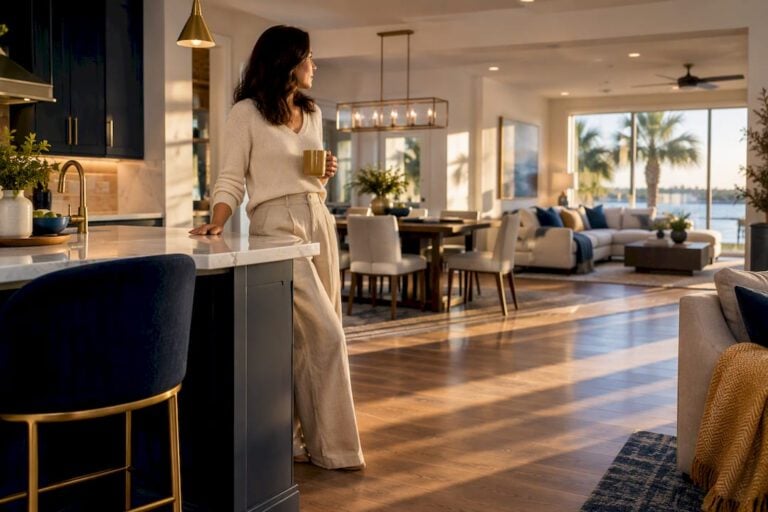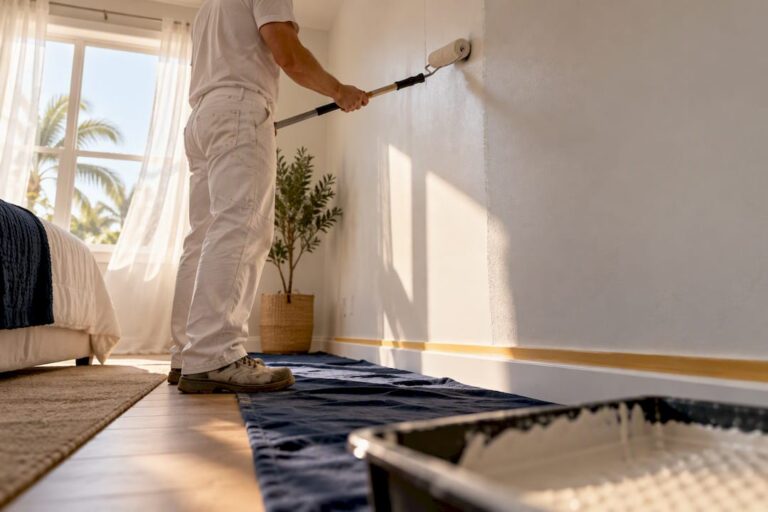

The most effective ways to upgrade dated living spaces require no structural work and very little budget. Decluttering, repainting walls, swapping hardware, updating lighting, and layering rugs and mirrors deliver visible results in a weekend. These changes work in any home, whether you rent a condo in St. Petersburg or own a house in Hillsborough County, and most cost well under a few hundred dollars per room.
Here is a quick overview of what moves the needle most:
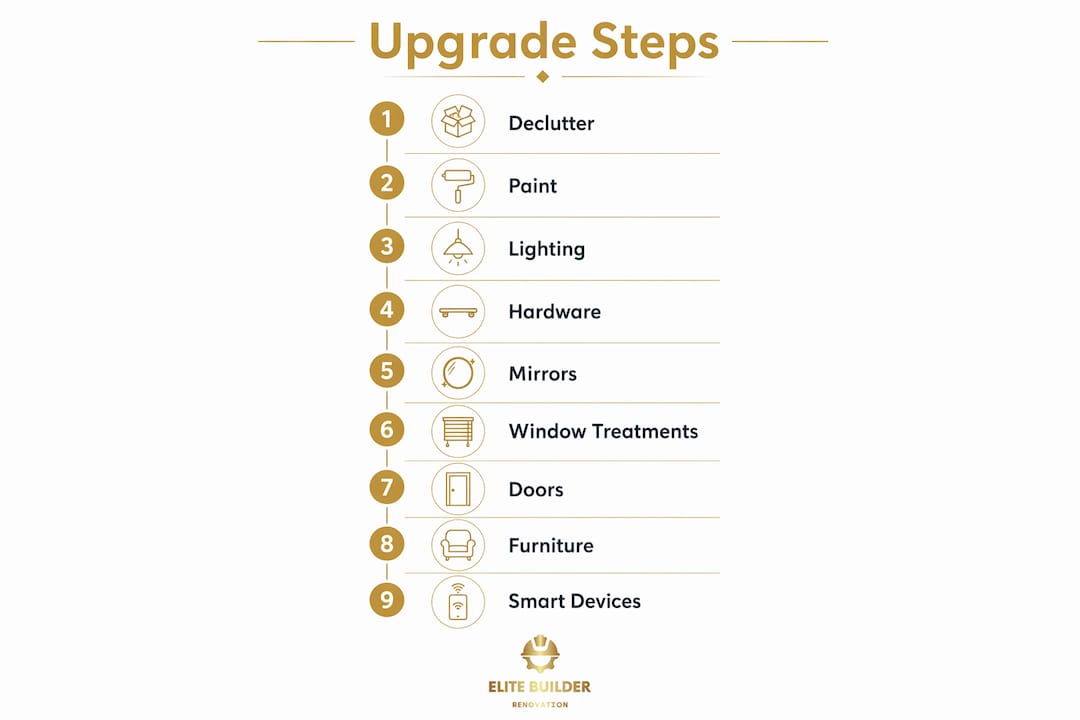
- Declutter and deep clean to reset the visual baseline
- Repaint walls and surfaces using the 60-30-10 color rule for balance
- Replace lighting fixtures and bulbs with warm LEDs and dimmers
- Swap cabinet and door hardware for a modern finish
- Add mirrors and area rugs to define space and add warmth
- Update window treatments and wall art for personality and light control
- Conceal what you cannot change with peel-and-stick wallpaper or paint
- Refresh faucets and fixtures for an immediate quality upgrade
- Upgrade entry and front doors to improve curb appeal
- Install removable backsplashes for a kitchen or bath refresh
- Rearrange furniture and add multi-functional pieces for better flow
- Add smart home devices for modern convenience without rewiring
Each of these updates avoids the cost and disruption of structural remodeling, which can consume a significant portion of a renovation budget before a single visible improvement appears.
1. Declutter and deep clean your living spaces first
A room cannot look updated if it is visually overloaded. Removing 20–30% of small clutter from a living room immediately improves its perceived style, often more than any decorative addition. The principle is simple: clear surfaces let furniture and architecture speak for themselves. Aim to remove about 20–30% of visible clutter for a dramatic improvement.
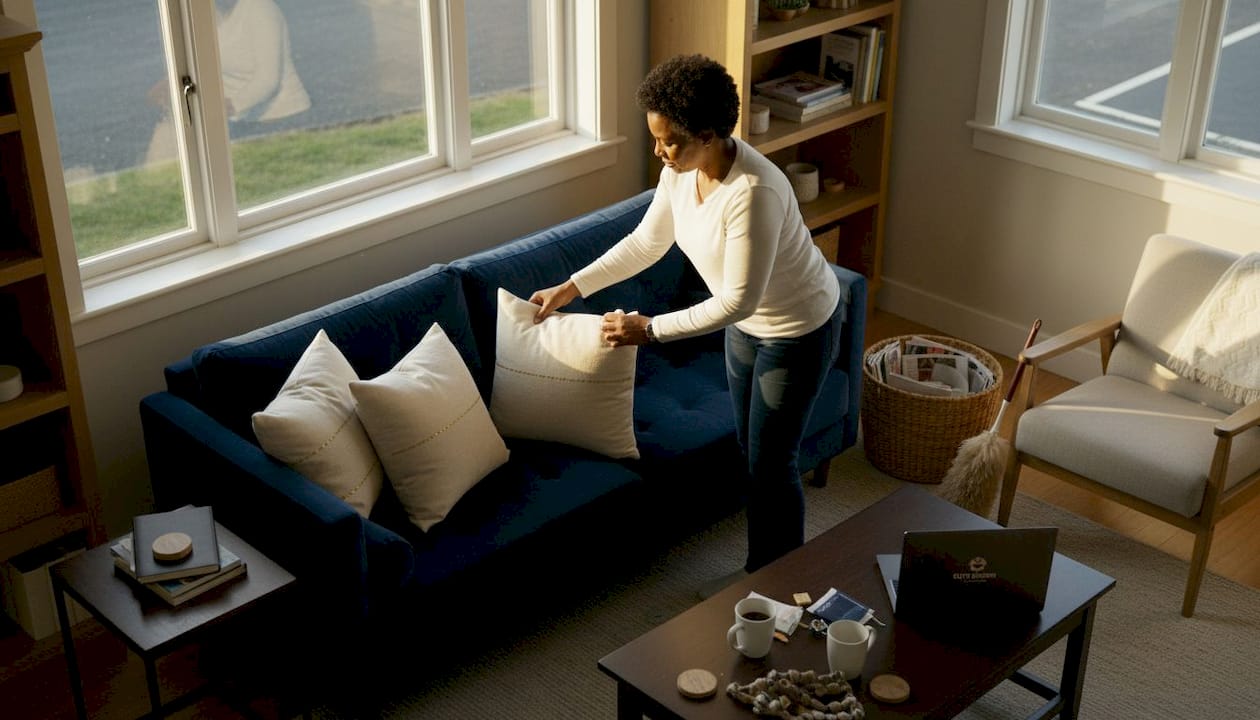
Work room by room rather than tackling the whole house at once. Pull everything off shelves and counters, then return only what earns its place. Donate or store the rest. After decluttering, a thorough deep clean, including baseboards, window sills, and light fixtures, removes the layer of grime that makes even newer finishes look dated.
In Tampa Bay, the combination of humidity and dust means surfaces collect buildup faster than in drier climates. Paying attention to grout lines, ceiling fans, and window tracks makes a measurable difference in how fresh a room feels.
Pro Tip: Set a 20-minute timer per room. The time constraint keeps you decisive and prevents the common trap of sorting the same pile twice.
2. Harness the power of paint for walls and surfaces
Paint delivers among the highest return on investment of any home improvement, and it is one of the few updates a homeowner can complete in a single weekend. The key is choosing the right palette rather than just picking a color you like in isolation.
Designers rely on the 60-30-10 color rule for a reason: the room uses a dominant color for the majority of the space (typically walls), a secondary color for a substantial portion (larger furniture and drapery), and an accent color sparingly (pillows, small accessories). This proportion creates a layered, intentional look without requiring expensive furnishings.
- Matte and eggshell finishes work well for living areas and bedrooms
- Satin holds up better in kitchens and hallways where walls get touched
- Accent walls in a deeper tone add depth without overwhelming a small room
- Painting dated trim or cabinetry in a crisp white or warm off-white modernizes the entire room
Peel-and-stick wallpaper and removable decals offer a non-permanent alternative for renters or anyone hesitant to commit to a full repaint. They apply in hours and remove cleanly.
Pro Tip: Warm whites and soft greige tones (a blend of gray and beige) make rooms feel larger and work with almost any furniture color. Avoid stark cool whites in Florida interiors, where natural light tends to amplify blue undertones.
3. Update lighting fixtures and bulbs
Lighting is the most underrated upgrade in any home. A well-furnished room with a single overhead fixture looks flat at night. The same room with layered lighting looks finished and warm.
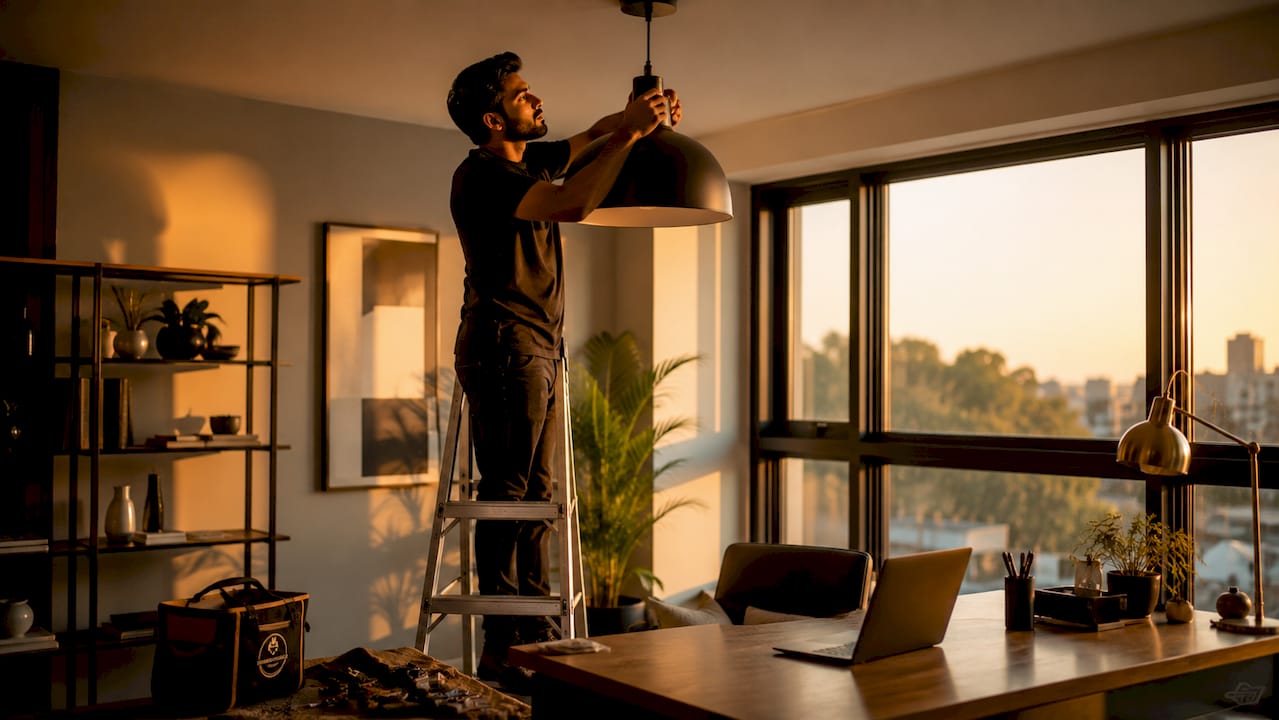
Layered lighting combines three sources: ambient (ceiling fixtures or recessed lights), task (floor lamps and reading lights), and accent (table lamps, picture lights, and sconces). Most builder-grade homes in Clearwater and Largo rely entirely on overhead ambient light, which is why so many rooms feel institutional even after redecorating.
Replacing bulbs with warm LED options in the range recommended for cozy home ambiance creates a noticeably cozier atmosphere without touching a single fixture. Adding dimmer switches, which are an affordable upgrade option, gives you control over mood throughout the day. For fixture upgrades, focus on pieces at eye level, such as table lamps and pendants, where the visual impact is greatest.
- Replace outdated flush-mount fixtures with modern drum shades or semi-flush designs
- Add a floor lamp behind the sofa for warm reading light
- Install dimmer switches on all overhead circuits
- Swap dated switch plates and outlet covers for brushed nickel or matte black versions
The switch plate swap is often overlooked, but mismatched or yellowed covers undermine even a freshly painted room.
4. Swap out hardware and faucets
Cabinet knobs, drawer pulls, and door handles are the jewelry of a room. Replacing them costs relatively little and takes an afternoon, yet the visual shift is immediate. Dated brass or plastic hardware reads as old regardless of how clean the rest of the space is.
Current finishes that read as modern include brushed nickel, matte black, and unlacquered brass. The key is consistency: matching hardware across kitchen cabinets, bathroom vanities, and interior doors creates a cohesive look that feels intentional rather than assembled over time.
Cabinet jigs are an inexpensive tool available at any hardware store. They ensure every pull is installed at exactly the same height and spacing, which is what separates a DIY hardware swap that looks professional from one that looks rushed. Before purchasing new hardware, measure the existing hole spacing (center to center) so you buy pieces that fit without drilling new holes.
5. Use mirrors and area rugs to enhance space
Mirrors do two things at once: they reflect light into darker corners and create the visual impression of more square footage. A large mirror on the wall opposite a window effectively doubles the natural light in a room. In smaller Tampa Bay homes and condos, this is one of the fastest ways to make a space feel less cramped.
Area rugs anchor a seating arrangement and define zones in open-plan rooms. The most common mistake is choosing a rug that is too small. At minimum, the front two legs of every main seating piece should rest on the rug. For most living rooms, an 8×10 is the starting point, and a 9×12 often works better.
- Place a large mirror on the wall opposite the main window to maximize light
- Use a leaning floor mirror in a corner to add depth without wall anchors
- Choose rugs in warm neutrals or earthy tones to complement Florida’s natural palette
- Layer a smaller textured rug over a larger flatweave for added dimension
Pro Tip: Rotate rugs seasonally. A lighter jute or sisal rug in summer and a warmer wool or shag in cooler months keeps the room feeling fresh without buying new furniture.
6. Rethink window treatments and wall art
Heavy, dated drapes are one of the fastest ways to make a room look older than it is. Replacing them with lightweight bamboo shades, roman shades, or linen panels immediately updates the aesthetic and improves natural light. In Safety Harbor and Pinellas County homes where natural light is abundant, the goal is usually to filter rather than block.
Layering works well here. A simple roller shade for privacy paired with loose linen curtains adds texture and softness without the weight of traditional drapes. Mount curtain rods close to the ceiling and extend them 6–10 inches beyond the window frame on each side. This makes windows look taller and the room feel larger.
Wall art follows the same logic as decluttering: less is often more. A single large-format print or a small, tightly curated gallery wall reads as intentional. Rotating artwork seasonally, or simply rearranging existing pieces, refreshes the room without spending anything. Indoor plants placed near windows complement wall art and add a layer of organic texture that no print can replicate.
7. Conceal what you can’t change and refresh interior doors
Not every dated element can be removed, especially in a rental. Peel-and-stick wallpaper covers imperfect walls, dated tile surrounds, and even old laminate surfaces without permanent alteration. Applied carefully to a clean, degreased surface, it holds well and removes without damage.
Interior doors are frequently overlooked. Painting them in a contrasting color, such as a deep charcoal or forest green against white walls, adds architectural interest at minimal cost. Replacing hollow-core doors with solid-core versions improves both sound insulation and the perceived quality of the space. Updating door hardware and refinishing doors ranks among the most cost-effective cosmetic upgrades available.
Small details matter here too. New hinges in a matching finish, a fresh coat of paint on door frames, and consistent hardware throughout the home create a level of polish that most dated interiors lack.
8. Expert design principles that inform every upgrade decision
Good design follows repeatable principles, and knowing them prevents expensive mistakes. The 2/3 rule guides furniture scale: a coffee table should be roughly two-thirds the length of the sofa it sits in front of. This proportion creates visual balance without requiring a designer’s eye.
Floating furniture away from walls by 6–18 inches is the single most common correction professional decorators make in amateur spaces. Pushing every piece to the perimeter creates a hollow, institutional feel. Pulling the sofa forward and centering the rug under the front legs of the seating group immediately improves the room’s sense of intimacy and flow.
Budget discipline matters as much as design sense. The 30% renovation rule caps total remodeling spend at no more than 30% of a home’s current market value to avoid over-improvement. For homeowners in Hillsborough County considering larger projects, this guardrail prevents spending that the local market will not support at resale.
Pro Tip: Before buying any furniture, use painter’s tape to map the footprint on the floor. It costs nothing and takes 20 minutes. Professional designers do this on every project to test circulation before committing to a purchase.
Prioritizing cosmetic upgrades, paint, lighting, and hardware, over structural changes delivers higher perceived value per dollar. Structural work consumes budget before any visible improvement appears, which is why the home renovation best practices approach from Elite Builder Renovation’s decade of Tampa Bay projects consistently recommends surface-level upgrades first.
9. Refreshing faucets and fixtures throughout the home
A faucet is one of the most touched surfaces in any home, and its condition communicates quality more directly than almost any other element. Replacing a builder-grade faucet with a solid-brass or heavy-weight model in a current finish, brushed nickel, matte black, or warm brass, upgrades the perceived quality of an entire bathroom or kitchen without touching a single tile.
Water-efficient models, those rated WaterSense by the EPA, reduce water use while delivering the same pressure. In Florida, where water costs and conservation matter, this is a practical benefit alongside the aesthetic one. Most faucet replacements are straightforward DIY projects requiring only basic plumbing knowledge and a wrench.
Showerheads, towel bars, toilet paper holders, and sink drains all contribute to the overall finish of a bathroom. Replacing them as a coordinated set, rather than one at a time, creates the cohesive look that distinguishes a refreshed bathroom from a piecemeal one. For a deeper look at what to avoid during bathroom updates, the bathroom remodel mistakes guide from Elite Builder Renovation covers the most common and costly errors.
10. Upgrading entry and front doors for curb appeal
The front door is the first thing visitors see and the last thing you look at when leaving. A dated or worn entry door undercuts the impression of an otherwise well-maintained home. Repainting it with a weatherproof exterior paint in a bold, current color, deep navy, forest green, or classic black, costs under $50 in materials and takes a single afternoon.
If the door itself is structurally sound, refinishing is almost always the right call before replacement. New exterior hardware, a matching kickplate, updated house numbers, and a new doorbell cover complete the refresh. These details cost very little individually but read as a coordinated upgrade when done together.
For doors that are genuinely beyond refinishing, a fiberglass or steel replacement offers better insulation and durability than the original wood in most older Florida homes. Pair the new door with weatherstripping to address the drafts that are common in Pinellas County homes built before the 1990s.
11. Employing removable backsplashes or tiles for easy upgrades
Peel-and-stick tile backsplashes have improved significantly in quality and now offer a convincing alternative to traditional tile in kitchens and bathrooms. They apply directly to a clean, flat wall surface and can be removed without damage, making them ideal for renters or homeowners who want a temporary upgrade before a full renovation.
The critical preparation step is degreasing. Kitchen walls collect grease over time, and peel-and-stick products will not adhere properly to a greasy surface. A thorough wipe-down with a degreaser before installation is the difference between a backsplash that lasts years and one that peels within months.
For a more permanent option, traditional subway tile at $3–$5 per square foot remains one of the most cost-effective tile choices available. It reads as clean and current regardless of the surrounding style, which is why it appears in both budget refreshes and high-end renovations. For design inspiration on tile and backsplash approaches, renovation insights from Buildberry offer useful guidance on spatial upgrades and material selection.
12. Strategic furniture arrangement and multi-functional furniture use
Layout is the foundation of every other upgrade. A room with good furniture placement looks better than a room with expensive furniture placed poorly. The starting point is always function: decide how the room is used, then arrange furniture to support that use rather than filling the perimeter.
In smaller Tampa Bay homes and apartments, multi-functional furniture recovers usable space. An ottoman with internal storage replaces both a coffee table and a storage unit. A sofa bed or daybed handles overnight guests without a dedicated guest room. A console table behind the sofa doubles as a workspace or display surface.
Designers often recommend taping out furniture footprints with painter’s tape before purchasing anything. This 20-minute exercise reveals circulation problems and scale mismatches that are invisible on a floor plan. A piece that looks right in a showroom can overwhelm a real room, and the tape test catches that before money is spent.
13. Incorporating smart home devices for modern convenience
Smart home devices update the feel of a home without any structural work. A smart thermostat, such as a Nest or Ecobee, replaces a dated analog unit and reduces energy costs within the first billing cycle. Smart bulbs allow color temperature and brightness control from a phone, effectively giving every room a dimmer without rewiring.
Smart plugs convert any standard lamp or appliance into a scheduled or voice-controlled device. For older Tampa Bay homes where rewiring is not practical, this is the most accessible path to modern lighting control. A smart video doorbell replaces the dated doorbell cover while adding security and convenience.
The upgrade sequence matters. Start with devices that replace something already present, a thermostat, a light switch, a doorbell, rather than adding new hardware. Replacement devices integrate cleanly into the existing home without visible additions, and they deliver the modern convenience that makes a dated space feel current.
When your dated space needs more than a refresh
Some homes in Tampa, St. Petersburg, and Clearwater have dated bones that cosmetic upgrades cannot fully address. Water-damaged walls, outdated electrical panels, or layouts that genuinely do not work require professional assessment before surface-level updates make sense. Spending on paint and hardware over a moisture problem only delays a larger repair.
Elite Builder Renovation has completed over 375 projects across the Tampa Bay area, from targeted kitchen and bathroom remodels to full home renovations. The approach is straightforward: assess what is structural first, then prioritize the cosmetic upgrades that deliver the highest visible return. Financing options are available, and every project carries a 100% satisfaction guarantee.
If your home needs more than a weekend refresh, home remodeling in Tampa is a practical next step. For homeowners in St. Petersburg or Clearwater, dedicated local teams handle everything from initial consultation through completion. Read what past clients experienced at Elite Builder Renovation’s remodeling reviews before making any decisions.
Key Takeaways
The most cost-effective ways to upgrade dated living spaces focus on surfaces, lighting, and hardware rather than structural changes, delivering visible results without major renovation budgets.
| Point | Details |
|---|---|
| Paint delivers the highest ROI | The 60-30-10 color rule creates balanced palettes; warm whites open small rooms effectively. |
| Lighting transforms atmosphere | Warm LEDs at 2700K–3000K and dimmer switches update ambiance for under $50 per room. |
| Hardware and fixtures signal quality | Consistent finishes across cabinets, doors, and faucets create a cohesive, modern look. |
| Furniture placement matters as much as furniture | Floating seating 6–18 inches from walls and sizing rugs correctly improves flow and scale. |
| Elite Builder Renovation handles what DIY cannot | For Tampa Bay homes needing structural or full-room renovation, Elite Builder Renovation offers over a decade of local expertise and financing options. |
FAQ
What are some easy ways to update a dated living room?
The fastest updates are repainting walls with a warm neutral, replacing cabinet and door hardware, swapping bulbs for warm LEDs, and adding a correctly sized area rug. Each of these costs relatively little and can be completed in a weekend without professional help.
What is the 60-30-10 rule for living rooms?
The 60-30-10 rule divides color proportion across a room: 60% dominant color (typically walls), 30% secondary color (larger furniture and drapery), and 10% accent color (pillows and small accessories). It creates a balanced palette without requiring a designer.
What is the 30% rule in remodeling?
The 30% renovation rule caps total remodeling spend at no more than 30% of a home’s current market value. It prevents over-improvement in neighborhoods where the local market will not support a higher resale price.
What is the 2/3 rule for living rooms?
The 2/3 rule guides furniture scale and visual balance: a coffee table should be roughly two-thirds the length of the sofa, and visual weight in a room should distribute in a two-thirds to one-third ratio. It prevents rooms from feeling either too sparse or too crowded.