
Welcome to your complete guide to understanding what a general contractor does and why their role is so important in construction projects of all sizes. Whether you are planning a home renovation, building from the ground up, or exploring commercial construction, a general contractor serves as the central figure who brings the entire project together. From managing timelines and budgets to coordinating subcontractors and overseeing each stage of construction, general contractors handle the responsibilities that keep projects organized, compliant, and moving forward smoothly. In this guide, we will break down their role in simple terms, explain the services they provide, and show how construction management fits into the bigger picture so you can make informed decisions with confidence.
A general contractor manages and oversees construction projects from start to finish by coordinating subcontractors, scheduling work, controlling budgets, obtaining permits, and ensuring all construction meets safety standards and building codes. They act as the main point of contact, handling planning, execution, and project completion.
What Is a General Contractor?
A general contractor is the professional responsible for overseeing and delivering a construction project from start to finish. They act as the central authority on a job site, ensuring that every phase of the project is properly planned, coordinated, and executed. For homeowners and property owners, the general contractor is the primary point of contact who brings structure, accountability, and expertise to an otherwise complex process.
In practical terms, a general contractor takes responsibility for transforming plans and permits into a completed building or renovation. Their role is to handle the logistics and decision-making so the client does not have to manage dozens of details on their own.
Where a General Contractor Fits Into a Construction Project
A general contractor sits at the center of the construction process and oversees the project from early planning through completion. They typically become involved during the pre-construction stage and remain responsible until the final inspection and handover are complete.
Their position in the project includes:
- Project Leadership: Taking overall responsibility for how the project progresses each day and ensuring milestones are met.
- Central Communication: Acting as the main point of contact between the client, subcontractors, suppliers, inspectors, and local authorities.
- Oversight and Accountability: Monitoring schedules, costs, quality, and compliance to ensure nothing falls through the cracks.
By managing these responsibilities, general contractors help keep projects organized and reduce the risk of delays, miscommunication, or costly errors.
Difference Between General Contractors and Subcontractors
Although general contractors and subcontractors often work closely together, their roles are clearly defined and serve different purposes within a construction project.
- General Contractor: Oversees the entire project, manages subcontractors, controls scheduling and budgeting, secures permits, coordinates inspections, and ensures the project is completed according to plan.
- Subcontractor: Performs a specific trade or specialty service, such as electrical work, plumbing, framing, roofing, or HVAC, under the direction of the general contractor.
Subcontractors focus on their individual scope of work, while the general contractor ensures all trades are scheduled correctly and work together efficiently. This coordination is essential because most construction tasks depend on others being completed in the proper order.
Why General Contractors Are Responsible for Both Execution and Coordination
General contractors handle both execution and coordination because construction projects require continuous oversight and real-time decision-making. Without a single party accountable for the full scope of work, projects can quickly become disorganized or exceed their budget.
They manage execution by:
- Quality Assurance: Ensuring all work meets approved plans, specifications, and workmanship standards.
- Regulatory Compliance: Making sure construction follows building codes, safety regulations, and inspection requirements.
- Issue Resolution: Addressing unexpected challenges such as material delays, design changes, or site conditions.
They manage coordination by:
- Sequencing Work Properly: Scheduling subcontractors so tasks are completed in the correct order without conflicts.
- Aligning Teams and Resources: Keeping trades, suppliers, and inspectors working toward the same timeline.
- Client Communication: Providing clear updates and guidance so clients can make informed decisions without confusion.
This dual responsibility is what allows general contractors to keep complex projects running smoothly while protecting the client’s time, budget, and investment.
What Does a General Contractor Do? (Core Responsibilities Explained)
A general contractor plays a central role in turning construction plans into a finished project. Their responsibilities go far beyond supervising labor and extend across every stage of construction, from early planning through final delivery. Understanding these responsibilities helps explain why a general contractor is essential for keeping projects organized, compliant, and moving forward efficiently.
Planning & Pre-Construction Responsibilities
Before construction begins, a general contractor focuses on preparation and risk reduction. Decisions made at this stage directly impact cost control, scheduling, and overall project success.
- Reviewing blueprints and project scope: The general contractor studies architectural plans, engineering drawings, and specifications to fully understand the work involved and identify potential conflicts or gaps before construction starts.
- Estimating budgets and timelines: Based on the scope of work, the contractor prepares realistic cost estimates and schedules that account for labor, materials, permits, and potential contingencies.
- Advising on materials and feasibility: Using practical experience, the contractor may recommend alternative materials or construction methods that improve durability, reduce costs, or better suit site conditions.
- Securing permits and approvals: The general contractor typically manages permit applications and works with local authorities to ensure the project meets zoning laws and building code requirements.
Project Scheduling & Workflow Management
Once construction begins, managing time and workflow becomes one of the general contractor’s most important responsibilities.
- Creating construction schedules: The contractor develops a detailed timeline that outlines when each phase of work will occur and how tasks will progress.
- Coordinating trade timelines: Multiple subcontractors must work in the correct order. The contractor aligns their schedules to avoid conflicts and downtime.
- Preventing delays and bottlenecks: By monitoring progress closely, the contractor identifies issues early and takes corrective action to keep the project on track.
- Adjusting plans when issues arise: Weather delays, material shortages, or unexpected site conditions require schedule adjustments that the contractor manages in real time.
Hiring, Managing, and Overseeing Subcontractors
A significant part of what a general contractor does involves coordinating skilled professionals who handle specialized tasks.
- Selecting licensed professionals: The contractor hires qualified subcontractors who meet licensing, insurance, and experience requirements.
- Managing contracts and work quality: Clear contracts define expectations, and the contractor ensures all work meets quality standards and project specifications.
- Coordinating inspections: The contractor schedules inspections at required stages to confirm compliance with building codes and regulations.
- Resolving conflicts or performance issues: When workmanship or scheduling problems occur, the general contractor addresses them promptly to maintain progress.
On-Site Supervision & Safety Management
Daily on-site oversight ensures work is performed correctly and safely throughout the construction process.
- Daily site oversight: The general contractor regularly visits the site to monitor progress and verify that work aligns with plans and schedules.
- Enforcing safety protocols: Safety procedures are enforced to protect workers, visitors, and property.
- Protecting property and workers: Site security, material storage, and hazard prevention are actively managed.
- Ensuring compliance with local regulations: The contractor confirms that all on-site work complies with safety standards and local building regulations.
Budget Control & Cost Management
Cost control is a core responsibility that directly affects client satisfaction and project viability.
- Tracking expenses: The contractor monitors labor, material, and equipment costs throughout the project.
- Managing change orders: When scope changes occur, the contractor documents adjustments and communicates cost impacts clearly.
- Preventing cost overruns: Proactive planning and oversight help identify potential financial risks before they escalate.
- Communicating financial updates to clients: Regular updates keep clients informed and help maintain transparency.
Quality Control & Final Project Delivery
As construction nears completion, the general contractor ensures the finished project meets expectations and regulatory standards.
- Ensuring work meets plans and codes: All completed work is reviewed for accuracy and compliance with approved designs and building codes.
- Managing inspections: Final inspections are coordinated to confirm the project is ready for occupancy or use.
- Creating punch lists: Any remaining issues or incomplete items are documented and addressed promptly.
- Overseeing project close-out: The contractor ensures all work is finalized, documentation is delivered, and the project is formally completed.
By managing these responsibilities across every phase of construction, a general contractor provides structure, accountability, and professional oversight that keeps projects running smoothly. With this foundation in place, the next section will explore how general contractor services vary based on project type and construction needs.
General Contractor Responsibilities Across Each Project Stage
A general contractor’s responsibilities evolve as a project moves from planning to completion, but their core role remains the same: overseeing the entire construction process and ensuring every stage runs smoothly. By managing tasks, people, and compliance requirements at each phase, a general contractor helps keep projects organized, efficient, and aligned with client expectations. The following sections break down those responsibilities across the three main project stages.
Stage 1: Pre-Construction
The pre-construction stage lays the groundwork for a successful build. During this phase, the general contractor focuses on preparation, coordination, and planning to prevent issues before construction begins.
- Planning and budgeting: The general contractor reviews plans, evaluates the project scope, and develops detailed cost estimates. This helps establish a realistic budget and timeline while identifying potential challenges early in the process.
- Permits and approvals: Securing permits is a critical responsibility at this stage. The general contractor works with local authorities to obtain approvals and ensure the project complies with zoning laws, building codes, and regulatory requirements.
- Contractor and vendor coordination: The general contractor selects and coordinates subcontractors, suppliers, and vendors. This includes reviewing qualifications, negotiating contracts, and aligning schedules so all parties are prepared once construction starts.
Stage 2: Construction Phase
Once construction is underway, the general contractor becomes the central point of control for daily operations. This phase requires hands-on management, clear communication, and ongoing oversight.
- Scheduling and daily oversight: The general contractor manages the construction schedule, supervises daily work on-site, and ensures tasks are completed in the correct sequence to maintain progress.
- Subcontractor coordination: With multiple trades involved, the general contractor ensures subcontractors perform their work according to plans, timelines, and quality standards while minimizing conflicts between teams.
- Safety and quality assurance: Maintaining a safe job site is a top priority. The general contractor enforces safety protocols, monitors compliance, and conducts quality checks to ensure work meets building codes and project specifications.
- Issue resolution: Construction projects often face unexpected challenges. The general contractor identifies issues quickly, communicates with stakeholders, and implements solutions that keep the project moving forward.
Stage 3: Project Completion and Post-Construction
The final stage focuses on delivering a completed project that meets quality standards and client expectations. Attention to detail is essential during this phase to ensure a smooth handoff.
- Final inspections: The general contractor schedules and oversees final inspections to confirm compliance with building codes and regulatory requirements, addressing any issues required for approval.
- Corrections and finishing work: Known as punch list items, these final corrections ensure all work meets agreed-upon standards before the project is officially completed.
- Client walkthroughs: The general contractor conducts a walkthrough with the client to review the finished project, explain features, and address any remaining questions or concerns.
- Warranty coordination and documentation: After completion, the general contractor provides warranty information, documentation, and contact details so the client understands post-construction support options.
By managing responsibilities across each project stage, a general contractor ensures continuity, accountability, and quality from start to finish. With a clear understanding of these stages, the next section explores the specific services general contractors offer across residential and commercial construction projects.

General Contractor Services Explained
General contractor services vary based on the type of project, but their purpose remains the same: to manage construction efficiently, safely, and to a professional standard. Whether working on a private residence or a commercial property, a general contractor coordinates people, processes, and materials to ensure each phase of construction is completed correctly. Understanding these services helps property owners know what support to expect and how a general contractor adds value beyond basic labor.
Residential General Contractor Services
Residential general contractors specialize in projects involving homes and living spaces, where attention to detail, safety, and coordination are especially important. These services are designed to balance aesthetics, functionality, and structural integrity while minimizing disruption for homeowners.
- New Builds: A residential general contractor oversees the entire home construction process, coordinating architects, engineers, and trades while managing schedules, inspections, and quality control to ensure the home is built according to plans and local building codes.
- Renovations and Remodels: Remodeling existing homes often uncovers hidden challenges such as outdated systems or structural issues. A general contractor manages demolition, repairs, and specialized trades while adapting the plan as needed to keep the project safe, compliant, and on budget.
- Additions and Structural Changes: Home additions and structural modifications require careful planning and precise execution. General contractors manage foundation work, load-bearing changes, and integration with the existing structure while handling permits and inspections to ensure long-term safety.
Commercial General Contractor Services
Commercial general contractor services are typically more complex due to larger project scopes, stricter regulations, and tighter timelines. These projects require advanced coordination and a strong understanding of commercial construction standards.
- Office, Retail, and Industrial Projects: General contractors manage the construction and renovation of commercial spaces by coordinating multiple subcontractors, maintaining schedules, and ensuring the finished space meets operational and safety requirements.
- Tenant Improvements: Tenant improvement projects involve modifying existing commercial spaces for new occupants. A general contractor coordinates layout changes, system upgrades, and finish work while minimizing disruptions to neighboring businesses and meeting tight deadlines.
- Compliance-Driven Construction: Commercial construction must meet strict building codes, accessibility standards, and safety regulations. General contractors ensure compliance with requirements such as fire codes, ADA guidelines, and zoning laws, reducing the risk of delays or failed inspections.
Additional Construction Management Services
Many general contractors also provide construction management services that focus on planning, coordination, and risk reduction. These services are especially valuable for complex projects that require close oversight and strategic decision-making.
- Design-Build Coordination: In design-build projects, the general contractor works closely with designers and engineers from the start, helping identify potential issues early and improving communication between all parties involved.
- Timeline Optimization: General contractors develop and manage detailed schedules, coordinating trades and adjusting workflows to prevent delays and keep the project moving efficiently.
- Vendor and Material Sourcing: Contractors leverage established supplier relationships to source quality materials, manage deliveries, and address supply chain challenges that could impact construction progress.
- Risk Management: Construction projects involve safety, financial, and logistical risks. General contractors identify potential issues early, implement safety protocols, and develop contingency plans to protect both the project and the property owner.
Understanding the scope of general contractor services highlights the role these professionals play in keeping construction projects organized, compliant, and on track. In the next section, we will explore how general contractors compare to construction managers and how each role supports different types of construction projects.

Construction Management vs. General Contracting: What’s the Difference?
Construction management and general contracting are closely related but serve different roles within a construction project. While both aim to keep projects organized, on schedule, and within budget, they differ in how responsibility, risk, and control are distributed. Understanding these differences helps homeowners and commercial clients choose the approach that best fits their project goals and level of involvement.
What Construction Management Involves
Construction management focuses on planning, coordination, and oversight rather than direct construction work. A construction manager acts as an advisor to the client, helping guide decisions and manage the moving parts of a project without assuming full responsibility for construction execution.
- Project Planning and Scheduling: A construction manager develops detailed schedules, sequences construction activities, and coordinates timelines to ensure work progresses efficiently and logically.
- Budget Monitoring and Cost Guidance: Instead of controlling payments, the construction manager tracks costs, forecasts expenses, and advises the client on budget adjustments and cost-saving opportunities.
- Team Coordination: Construction managers align architects, engineers, subcontractors, and suppliers to reduce miscommunication and keep everyone working toward the same objectives.
- Advisory Role: They provide professional insight, identify risks early, and recommend solutions, while the client retains greater control over contracts and final decisions.
This model is often used for complex or large-scale projects where transparency, collaboration, and early involvement are priorities.
Where General Contractors Take Full Responsibility
General contracting involves a more hands-on and accountable role. A general contractor is responsible for delivering the completed project and managing nearly all aspects of construction under a single agreement.
- Holding Contracts: The general contractor signs and manages contracts with subcontractors and vendors, making them responsible for performance, quality, and compliance.
- Managing Labor and Materials: They coordinate crews, procure materials, and ensure the right resources are available at each stage of construction.
- Daily On-Site Supervision: General contractors oversee daily operations, enforce safety standards, and address issues directly on the job site.
- Delivering the Finished Project: From initial construction through final inspections, the general contractor ensures the project meets plans, building codes, and client expectations.
Because they assume full responsibility, general contractors provide a single point of accountability, which is especially valuable for clients who want minimal involvement in day-to-day management.
Which Model Is Best for Your Project?
The right choice between construction management and general contracting depends on the project type, budget structure, and how much control the client wants to retain.
- Homeowners: Residential projects often benefit from general contracting because it simplifies communication and places responsibility for outcomes on one party.
- Commercial Clients: Larger commercial projects may favor construction management when multiple stakeholders want oversight and flexibility during planning and execution.
- Budget Considerations: Construction management can offer greater cost transparency, while general contracting provides clearer pricing and defined financial responsibility.
- Level of Control: Clients seeking hands-on involvement may prefer construction management, while those prioritizing convenience and accountability often choose general contracting.
Both models can lead to successful projects when used in the right context. The key is aligning the delivery method with your goals, experience level, and tolerance for risk.

Why a General Contractor Is Critical for Complex Projects
Complex construction projects involve many moving parts, overlapping responsibilities, and decisions that can quickly become overwhelming without proper oversight. When multiple trades, timelines, permits, and inspections are involved, having a general contractor is not just helpful, it is often essential. A general contractor serves as the central point of coordination, ensuring that every stage of the project stays organized, compliant, and aligned with the original plan while protecting the client from unnecessary risk and stress.
Keeps Projects Organized From Start to Finish
One of the most important roles of a general contractor is maintaining structure throughout a complex project. Without a clear system in place, even well planned construction jobs can spiral into confusion.
- Centralized coordination: A general contractor manages schedules, subcontractors, materials, and inspections through a single organized plan, preventing miscommunication between trades.
- Sequenced workflows: Work is scheduled in the correct order so that tasks are completed efficiently without delays caused by overlapping or conflicting activities.
- Document management: Contracts, permits, approvals, and inspection records are tracked and organized, reducing the risk of missing critical paperwork that can stall progress.
For example, without a general contractor, a project may have subcontractors arriving before prerequisite work is completed, leading to wasted labor time and rescheduling delays.
Reduces Stress for Clients Throughout the Project
Managing a complex construction project can quickly become stressful for homeowners or property owners who are unfamiliar with construction processes. A general contractor absorbs much of that burden by handling the day to day management.
- Single point of contact: Clients communicate with one professional instead of juggling multiple subcontractors, inspectors, and suppliers.
- Problem resolution: When unexpected issues arise, such as material delays or design conflicts, the general contractor handles solutions without placing that responsibility on the client.
- Clear communication: Regular updates help clients understand what is happening at each stage and what to expect next.
In real world projects, clients often underestimate how stressful it is to manage construction decisions while balancing work, family, and finances. A general contractor provides stability and peace of mind by managing those details on their behalf.
Prevents Costly Mistakes and Delays
Complex projects leave little room for error, and small mistakes can quickly turn into expensive setbacks. A general contractor helps prevent these issues through experience and oversight.
- Code compliance oversight: The general contractor ensures that all work meets local building codes, reducing the risk of failed inspections or required rework.
- Quality control checks: Work is reviewed at each stage to catch problems early before they become costly corrections.
- Change management: Adjustments to scope or design are evaluated carefully to minimize budget overruns and scheduling impacts.
A common example of a costly mistake occurs when work is completed out of sequence, such as installing finishes before inspections are approved. A general contractor prevents this by managing the order of operations and coordinating inspections at the right time.
Ensures Accountability Across Every Project Stage
Accountability is critical on complex projects where many parties are involved. A general contractor provides clear responsibility and oversight from beginning to end.
- Clear responsibility ownership: The general contractor is accountable for delivering the project according to agreed timelines, quality standards, and budget expectations.
- Subcontractor oversight: Performance, workmanship, and timelines are monitored to ensure each trade meets expectations.
- Project continuity: From pre construction planning through final walkthroughs, the general contractor maintains consistency and follow through at every stage.
Without this level of accountability, clients may find themselves caught between subcontractors blaming one another when problems occur. A general contractor eliminates that confusion by taking responsibility for coordinating and resolving issues.
Real World Problems a General Contractor Helps Avoid
Experience plays a major role in managing complex construction projects, and general contractors routinely prevent problems that clients may not anticipate.
- Scheduling conflicts: Trades arriving out of order or competing for space on the job site.
- Permit delays: Work paused due to missing approvals or incorrect documentation.
- Budget overruns: Untracked change orders or mismanaged material costs.
- Quality issues: Work that must be redone because standards were not enforced early.
In many cases, these issues do not stem from poor intentions but from a lack of coordination and oversight. A general contractor brings structure, foresight, and experience that helps keep complex projects on track.

When Do You Need a General Contractor?
Knowing when to hire a general contractor is one of the most important decisions you can make on a construction or renovation project. Many property owners start with the idea of managing the work themselves, only to realize partway through that the scope, coordination, and compliance requirements are more complex than expected. A general contractor becomes essential when a project involves multiple moving parts that must be planned, scheduled, and executed correctly to avoid costly mistakes, delays, or code violations. The situations below are the most common indicators that professional oversight is not just helpful, but necessary.
Multi-Trade Projects
Any project that requires several skilled trades working in coordination is a strong candidate for a general contractor. Managing the sequence and quality of different trades is far more complex than it appears on paper, and mistakes in coordination can lead to delays or rework.
- Trade coordination: A general contractor schedules electricians, plumbers, framers, HVAC technicians, and other specialists in the correct order so each phase builds properly on the last.
- Work quality oversight: With multiple crews involved, a contractor ensures that each trade meets quality standards and that one team’s work does not interfere with another’s.
- Conflict resolution: When issues arise between subcontractors, the general contractor steps in to resolve them quickly without pushing problems onto the client.
Permit-Heavy Work
Projects that require permits and inspections often involve strict rules and documentation that can be difficult for nonprofessionals to navigate. Errors in this area can result in fines, stop-work orders, or forced corrections after work is completed.
- Permit management: A general contractor understands which permits are required and submits the correct applications to local authorities.
- Inspection scheduling: Contractors coordinate inspections at the right stages so work continues without unnecessary delays.
- Code compliance: By staying current with local building codes, a general contractor helps ensure the project passes inspections the first time.
Structural Changes
Any project that alters the structure of a building carries higher risk and demands a higher level of oversight. Structural mistakes can affect safety, resale value, and long-term durability.
- Structural coordination: General contractors work with engineers and inspectors to ensure load-bearing elements are modified correctly.
- Risk management: They identify potential structural risks early and address them before they become serious problems.
- Accountability: A licensed contractor takes responsibility for ensuring the structure meets safety standards and approved plans.
Tight Timelines
When a project must be completed by a specific deadline, professional management becomes especially important. Delays can be expensive, disruptive, or even cause a project to fail entirely.
- Schedule control: General contractors create realistic timelines and actively manage daily progress to keep work on track.
- Problem mitigation: When unexpected issues arise, they adjust schedules and resources quickly to minimize downtime.
- Deadline accountability: Contractors are responsible for coordinating all parties toward a shared completion goal.
Understanding when a general contractor is truly needed helps you avoid unnecessary stress and costly missteps. When a project involves multiple trades, complex permits, structural work, or strict deadlines, professional oversight provides clarity and control from start to finish. In the next section, we will explore how general contractor services differ between residential and commercial projects and what that means for your specific needs.
How to Choose the Right General Contractor
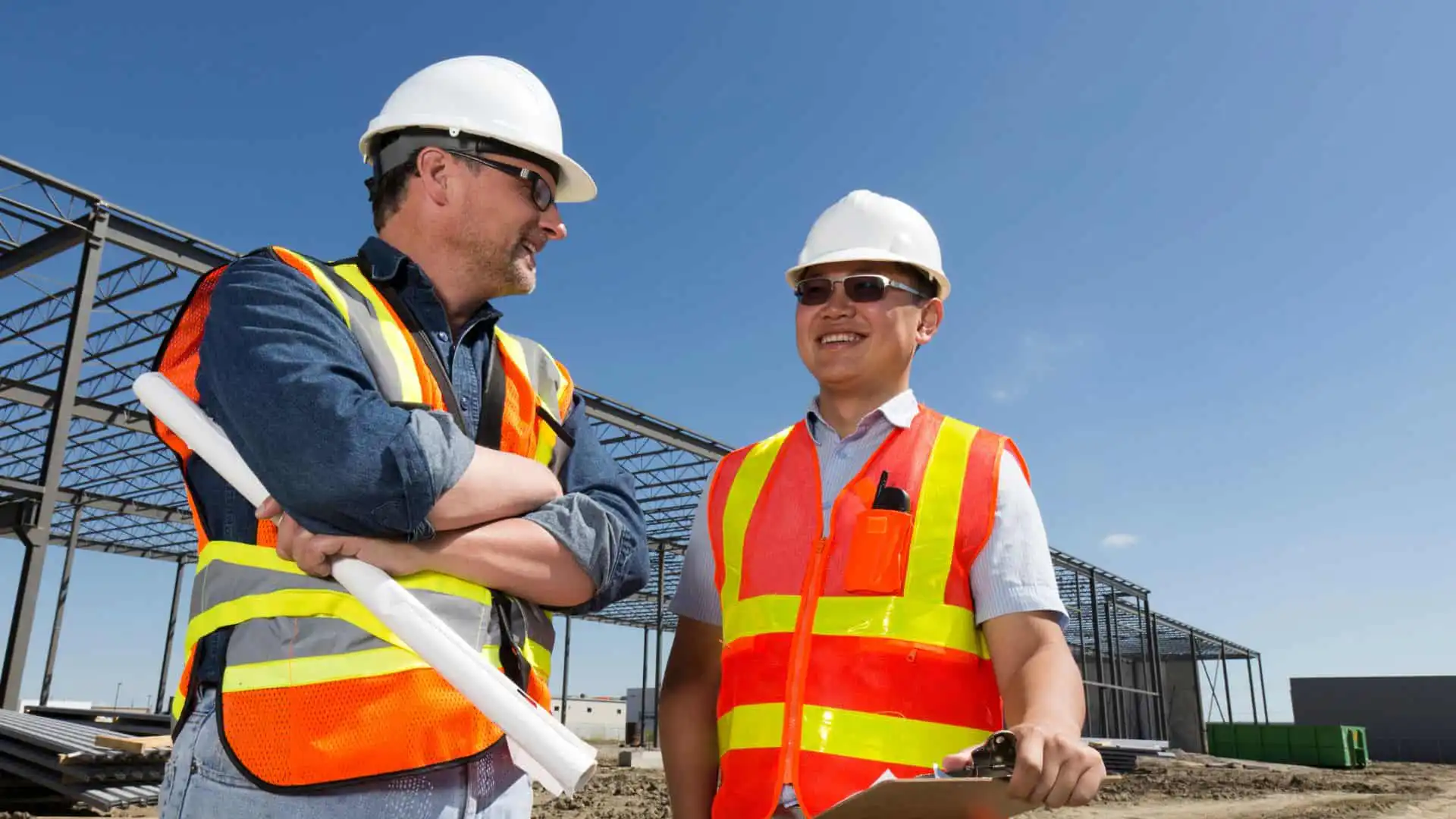
Choosing the right general contractor is one of the most important decisions you will make for your construction or renovation project. The contractor you hire will influence everything from the quality of the work to how smoothly the project runs and how issues are handled along the way. A reliable general contractor does more than manage labor. They provide structure, accountability, and professional oversight at every stage of the build, which is why careful evaluation is essential.
What to Look For
Before signing a contract, take time to review the qualifications and track record of any general contractor you are considering. These factors help protect your investment and ensure your project is handled by a capable professional.
- Licensing and Insurance: A qualified general contractor should hold all required licenses for your state or local jurisdiction and carry proper insurance coverage. Licensing confirms they meet regulatory standards, while insurance protects you from liability if accidents, injuries, or property damage occur during construction.
- Experience by Project Stage: Not all contractors have the same level of experience across planning, construction, and project closeout. Look for a general contractor who has successfully managed projects similar to yours from pre construction planning through final inspections. This shows they understand the full construction process and can anticipate challenges before they become problems.
- References and Reviews: Past client feedback offers valuable insight into how a contractor communicates, manages schedules, and resolves issues. Ask for references from recent projects and review online testimonials to confirm consistency in quality, professionalism, and reliability.
Smart Questions to Ask
Asking the right questions helps clarify expectations and reveals how a general contractor operates in real world situations. These conversations are often more telling than marketing materials or proposals.
- How do you manage project stages?: This question helps you understand how the contractor plans, schedules, and coordinates each phase of the project. A strong answer should include clear processes for planning, execution, and completion, along with how progress is tracked and communicated.
- How are responsibilities handled if issues arise?: Construction projects rarely go exactly as planned. A trustworthy general contractor should explain how they address delays, budget changes, or workmanship concerns, and how accountability is maintained among subcontractors.
- Who oversees daily operations?: Knowing who is responsible for day to day supervision is critical. Some contractors personally manage job sites, while others delegate to project managers or site supervisors. Clear oversight ensures work stays aligned with plans, safety standards, and timelines.
Choosing a general contractor is not just about finding the lowest bid. It is about selecting a professional who demonstrates experience, transparency, and a structured approach to managing construction responsibilities. With the right contractor in place, you set the foundation for a smoother project and better results, which naturally leads into understanding how general contractors support successful outcomes throughout the entire build process.
If you are planning a construction or renovation project and want expert guidance you can trust, explore our website to learn how professional general contractor services can simplify the process and protect your investment. From planning to final inspection, we share practical insights, proven strategies, and real-world experience to help you move forward with clarity and confidence.
FAQs: About What Does a General Contractor Do
- What does a general contractor do on a construction project?
A general contractor oversees the entire construction project from planning to completion. They manage subcontractors, schedules, budgets, permits, inspections, and ensure the work meets building codes and safety standards. - What are the main responsibilities of a general contractor?
The main responsibilities include project planning, hiring and supervising subcontractors, managing timelines, controlling costs, ensuring quality workmanship, handling permits, and communicating with the client throughout the project. - What services does a general contractor typically provide?
General contractor services often include residential and commercial construction, renovations, remodeling, project management, construction scheduling, cost estimation, and coordination of inspections and approvals. - How is a general contractor different from a construction manager?
A general contractor is usually responsible for delivering the completed project and holds contracts with subcontractors, while a construction manager focuses more on planning, coordination, and oversight without always performing the physical construction work. - At what project stage should you hire a general contractor?
It is best to hire a general contractor during the pre-construction stage so they can help with planning, budgeting, permits, and scheduling before construction begins. - Does a general contractor handle permits and inspections?
Yes, in most cases a general contractor is responsible for obtaining necessary permits, scheduling inspections, and ensuring the project complies with local building codes and regulations. - Is hiring a general contractor worth the cost?
Hiring a general contractor can save time, reduce stress, prevent costly mistakes, and help keep projects on schedule and within budget, making them a valuable investment for most construction projects. - What types of projects require a general contractor?
Projects that involve multiple trades, structural changes, permits, or strict timelines typically require a general contractor, including home builds, major renovations, additions, and commercial construction. - How does a general contractor manage construction stages?
A general contractor manages each stage by planning the workflow, coordinating subcontractors, monitoring progress, addressing issues as they arise, and ensuring smooth transitions from pre-construction to completion. - How do you choose the right general contractor?
Choosing the right general contractor involves checking licensing and insurance, reviewing past projects, reading client reviews, asking detailed questions about responsibilities, and ensuring clear communication throughout the process.
Conclusion
Understanding the role of a general contractor comes down to recognizing how much responsibility and coordination is involved at every stage of a construction project, from early planning and budgeting to daily site oversight and final completion. A skilled general contractor manages project stages with intention, ensuring subcontractors are aligned, timelines stay realistic, budgets remain controlled, and quality standards are met along the way. This level of construction management is what keeps projects organized and prevents costly delays, miscommunication, and rework. Whether the project is residential or commercial, having proper leadership in place helps protect the client’s investment and creates a smoother experience from start to finish. By knowing what a general contractor does and how their responsibilities impact each phase of construction, readers are better equipped to make informed decisions as they move forward into the next steps of planning or hiring the right professional for their project.
Why Choose Elite Builder Renovation For Your Project
Choosing the right general contractor means working with a team that can manage every stage of construction while delivering quality results you can trust. Elite Builder Renovation offers a full range of professional services designed to simplify your project, protect your investment, and bring your vision to life with clear communication and skilled execution.
- Full Home Remodeling: We manage complete home transformations by coordinating design, construction, and finishing work to improve functionality, comfort, and long-term value across every room.
- Kitchen Remodeling: Our kitchen remodeling services focus on efficient layouts, durable materials, and modern finishes that enhance both everyday use and overall home appeal.
- Bathroom Remodeling: We upgrade bathrooms with thoughtful designs, quality fixtures, and practical layouts that balance comfort, style, and long-lasting performance.
- Commercial Remodeling: Our commercial remodeling services help businesses update and improve their spaces while maintaining safety standards, timelines, and minimal operational disruption.
- Water Damage Restoration: We provide fast, reliable water damage restoration to repair affected areas, address underlying issues, and restore your property to a safe condition.
- Floor Installation Services: From material selection to installation, we deliver flooring solutions that improve durability, appearance, and everyday usability.
- Roofing Services: Our roofing services include repairs and replacements designed to protect your property, improve energy efficiency, and enhance curb appeal.
- Interior and Exterior Painting: We offer professional painting services that refresh interiors and exteriors while protecting surfaces and delivering clean, lasting results.
- ADU Builders and Garage Conversions: We help homeowners add functional living space through well-planned accessory dwelling units and garage conversions that meet code and lifestyle needs.
- Outdoor Kitchen and Fireplace Remodeling: Our outdoor living services create inviting spaces for entertaining and relaxation using durable materials and thoughtful design.