

Welcome to your complete guide on who does fireplace remodels, where we break down exactly which professionals you need, how to choose the right expert, and what to expect from start to finish so you can confidently plan your project, avoid costly mistakes, and create a fireplace that is both functional and beautifully designed to elevate your home.
Fireplace remodels are typically handled by general contractors, fireplace specialists, masons, or interior designers, depending on the project scope. Structural changes often require contractors or masons, while design updates may involve designers, and gas or electrical work should be completed by licensed technicians for safety and compliance.
What Is a Fireplace Remodel?
A fireplace remodel refers to updating, improving, or transforming an existing fireplace to enhance its appearance, functionality, or efficiency. This can range from simple cosmetic improvements to more complex structural modifications or even a complete rebuild. Understanding the difference between a minor update and a full-scale remodel helps homeowners make better decisions about budget, timeline, and which professionals to involve.
Fireplace Remodeling vs. Simple Updates vs. Full Rebuilds
Not all fireplace projects are the same, and the scope of work determines how the project is classified.
- Simple updates: These are surface-level changes that improve appearance without altering the structure or function. Examples include repainting, replacing a mantel, or updating tile. These are typically quick and cost-effective.
- Fireplace remodels: A remodel goes beyond aesthetics and may involve changing materials, improving efficiency, or modifying certain elements of the fireplace while keeping the core structure intact. This is the most common type of project homeowners pursue.
- Full rebuilds: This is the most extensive option, involving tearing down and reconstructing the fireplace. It may be necessary when the existing structure is damaged, outdated, or no longer meets safety codes.
Choosing the right approach depends on your goals, whether they are visual, functional, or safety-related.
Cosmetic Upgrades: Tile, Mantel, and Surround
Cosmetic upgrades focus on improving the look of your fireplace without changing how it operates. These are ideal for homeowners who want a fresh design without a major renovation.
- Tile replacement: Swapping outdated tile for modern materials like porcelain or natural stone can instantly update the space.
- Mantel upgrades: Installing a new wood or stone mantel adds character and can redefine the room’s style.
- Surround enhancements: Updating the fireplace surround with new textures or finishes creates a more cohesive and polished appearance.
These upgrades are generally less invasive and can often be completed quickly with minimal disruption.
Structural Changes: Size, Layout, and Conversion
Structural changes involve modifying the physical structure or layout of the fireplace. These projects require more planning and often involve skilled professionals.
- Size adjustments: Expanding or reducing the fireplace opening to better fit the room’s scale.
- Layout changes: Relocating or redesigning the fireplace as part of a larger room renovation.
- Built-in integration: Incorporating the fireplace into a feature wall or adding storage elements around it.
Because these changes affect the structure, they often require permits and professional oversight to ensure safety and compliance.
Fuel-Type Conversions: Wood to Gas or Electric
Many homeowners choose to upgrade their fireplace by changing how it operates, often for convenience, efficiency, or safety reasons.
- Wood-to-gas conversion: Offers easier operation, cleaner burning, and less maintenance while maintaining a traditional look.
- Wood-to-electric conversion: Provides a low-maintenance, energy-efficient option that does not require venting.
- Efficiency upgrades: Modern systems can improve heat output and reduce energy waste compared to older fireplaces.
Fuel-type conversions typically require licensed technicians, especially when gas lines or electrical systems are involved.
When a Fireplace Remodel Is Necessary vs. Optional
Not every fireplace needs a remodel, but certain situations make it a smart or necessary investment.
- Necessary remodels: These are driven by safety concerns, structural damage, or outdated systems that no longer meet building codes. Cracks, poor ventilation, or inefficient operation are common warning signs.
- Optional remodels: These focus on improving aesthetics, increasing home value, or upgrading to modern features. While not urgent, they can significantly enhance comfort and design.
Understanding the difference helps prioritize your project and ensures you invest where it matters most.
A well-planned fireplace remodel can transform both the look and performance of your space, making it more enjoyable, efficient, and aligned with your home’s overall design.
Who Does Fireplace Remodels?
If you are wondering who does fireplace remodels, the short answer is that it often involves more than one type of professional. The exact expert you need depends on the size, complexity, and type of remodel you are planning. A simple cosmetic update may only require one specialist, while a full-scale renovation with structural or fuel-type changes may involve a coordinated team.
General Contractors
General contractors play a central role in full-scale fireplace remodel projects, especially when multiple trades are involved. They oversee the entire process from planning to completion, ensuring that each phase of the remodel is completed correctly and on schedule.
- Project coordination: They manage different specialists such as masons, electricians, and gas technicians to keep the project organized and efficient
- Permit handling: They often take care of permits and inspections required for structural or code-related changes
- Timeline management: They create a realistic schedule and ensure each stage of the remodel progresses smoothly
You should hire a general contractor if your project involves structural modifications, wall changes, chimney adjustments, or a full room renovation that includes the fireplace. Their experience helps prevent costly mistakes and ensures all work meets local building codes.
Fireplace Specialists / Hearth Professionals
Fireplace specialists, often called hearth professionals, focus specifically on the installation, repair, and upgrading of fireplaces. They bring in-depth knowledge of fireplace systems, safety standards, and performance requirements.
- System expertise: They understand gas, electric, and wood-burning systems and how each operates
- Safety compliance: They ensure proper ventilation, clearance, and installation according to safety standards
- Product knowledge: They can recommend the best fireplace inserts, liners, and components for your specific setup
These professionals are ideal if you are upgrading an existing fireplace, installing a new insert, or converting from one fuel type to another. Their specialized knowledge ensures your fireplace not only looks good but functions safely and efficiently.
Masons and Bricklayers
Masons and bricklayers are essential for traditional masonry fireplaces, particularly those made of brick or stone. Their work is highly skilled and focuses on both structural integrity and craftsmanship.
- Structural repairs: They fix cracked bricks, deteriorating mortar, and damaged fireboxes
- Rebuilding expertise: They can rebuild entire fireplaces or chimneys when necessary
- Material craftsmanship: They create custom stone or brick finishes that enhance both durability and visual appeal
If your fireplace involves heavy masonry work or you want a classic stone or brick design, a mason is the right professional. Their attention to detail ensures the structure is both safe and long-lasting.
Interior Designers
Interior designers focus on the visual and stylistic aspects of a fireplace remodel, helping you create a cohesive look that fits your overall home design. While they may not handle technical work, they play a key role in the final appearance.
- Design planning: They help select materials, colors, and finishes that match your interior style
- Space integration: They ensure the fireplace complements surrounding elements like furniture, lighting, and layout
- Aesthetic upgrades: They guide choices for mantels, surrounds, tile, and feature walls
You should consider hiring an interior designer when your priority is improving the look and feel of your fireplace rather than making structural changes. They are especially valuable for modern, custom-designed spaces.
HVAC Technicians or Gas Fitters
HVAC technicians and licensed gas fitters are required for any fireplace remodel that involves gas lines, ventilation systems, or heating components. Their work is critical for both safety and legal compliance.
- Gas line installation: They install or modify gas lines needed for gas fireplace conversions
- Ventilation systems: They ensure proper airflow and exhaust to prevent dangerous gas buildup
- Code compliance: They follow strict safety regulations and local codes to protect your home
You will need one of these professionals if you are converting a wood-burning fireplace to gas, installing a new gas unit, or making any changes that involve fuel systems. Skipping this step can lead to serious safety risks and failed inspections.
Choosing the right professional for your fireplace remodel ultimately comes down to understanding your project’s scope and requirements. By matching the right expert to the job, you ensure a smoother process, better results, and a fireplace that adds both value and comfort to your home.
How to Choose the Right Professional for Your Fireplace Remodel
Choosing the right professional for your fireplace remodel is one of the most important decisions you will make in the entire process. The best choice depends heavily on the scope of your project, the type of fireplace you have, and the level of customization you want. Taking the time to match your needs with the right expert helps ensure a safe, well-executed, and long-lasting result.
Match the Pro to Your Project Type
Not every fireplace remodel requires the same level of expertise, so it is important to align your project with the appropriate professional. Hiring the wrong type of contractor can lead to unnecessary costs, delays, or even safety issues.
- Minor updates: Small cosmetic changes such as painting, replacing a mantel, or updating tile can often be handled by a skilled handyman or an interior designer. These projects are typically surface-level and do not involve structural or mechanical work.
- Mid-level remodels: If your project includes installing a new insert, updating the surround, or converting fuel types, a fireplace specialist is usually the best fit. These professionals understand ventilation, heat output, and safety standards.
- Full-scale renovations: Major changes such as rebuilding the fireplace, altering its size or location, or integrating it into a larger home remodel require a general contractor. They coordinate multiple trades and ensure the project meets building codes.
Taking a scope-first approach helps you avoid overpaying for simple work or underestimating the complexity of more advanced projects.
Check Credentials and Certifications
Verifying credentials is essential when hiring someone to work on a fireplace, especially since it involves heat, combustion, and structural components. A qualified professional should meet all local requirements and demonstrate a commitment to industry standards.
- Licensing: Ensure the contractor holds the appropriate license required in your area. Licensing confirms that they meet local regulations and have the necessary training.
- Certifications: Look for industry-recognized certifications such as those from the National Fireplace Institute. These credentials indicate specialized knowledge in fireplace installation and safety.
- Insurance: Confirm that the contractor carries both liability insurance and worker coverage. This protects you in case of property damage or on-site injuries.
- Permits: A reliable professional will handle or guide you through the permit process, ensuring your remodel complies with local building codes.
Working with properly credentialed professionals reduces risk and gives you confidence that the work will be completed safely and correctly.
Review Past Work and Experience
A contractor’s past work is one of the most reliable indicators of what you can expect from your own project. Reviewing real examples helps you assess both technical ability and design quality.
- Portfolio quality: Look for a range of completed projects that reflect different styles and levels of complexity. This shows versatility and experience.
- Before-and-after results: These provide a clear view of transformation and attention to detail, especially in fireplace remodels where both function and aesthetics matter.
- Relevant experience: Prior work on projects similar to yours is especially valuable. For example, if you are converting to gas, choose someone who has done that type of work multiple times.
Taking the time to evaluate previous projects helps you avoid guesswork and ensures your expectations align with the contractor’s capabilities.
Ask the Right Questions Before Hiring
A thorough conversation before hiring can reveal a lot about a professional’s reliability, communication style, and overall approach to the project. Asking the right questions helps you make an informed decision and avoid surprises later.
- Project timeline: Ask how long the remodel will take and what factors could affect the schedule. A clear timeline helps set realistic expectations.
- Cost breakdown: Request a detailed estimate that outlines labor, materials, and any additional fees. Transparency here prevents unexpected expenses.
- Material recommendations: Discuss the types of materials they suggest and why. An experienced professional should be able to explain durability, maintenance, and cost differences.
- Safety compliance: Confirm how they ensure proper ventilation, heat resistance, and adherence to building codes, especially for gas or wood-burning systems.
- Warranty coverage: Ask what guarantees are offered on both labor and materials. This provides peace of mind if issues arise after completion.
Choosing the right fireplace remodel professional ultimately comes down to aligning your project goals with the right level of expertise, verifying qualifications, and trusting proven experience. A careful selection process sets the foundation for a smooth renovation and a finished fireplace that enhances both the safety and style of your home.
Fireplace Remodel Cost Breakdown
Understanding the cost of a fireplace remodel helps you plan realistically and avoid surprises once work begins. Pricing can vary significantly depending on the type of remodel, materials used, and level of customization. Instead of focusing on exact numbers, it is more useful to look at typical cost ranges and what drives those costs so you can make informed decisions based on your goals and budget.
Average Costs by Project Type
Basic Cosmetic Update
A basic cosmetic update is the most budget-friendly option and focuses on improving the appearance rather than changing the structure or function. This type of remodel is ideal if your fireplace is in good working condition but looks outdated.
- Typical scope: Replacing tile, repainting brick, updating the mantel, or refinishing the surround
- Estimated range: A few hundred to a couple of thousand dollars depending on materials and labor
- Best for: Homeowners looking for a quick, high-impact visual upgrade without major construction
Mid-Range Remodel
A mid-range remodel involves both design improvements and some functional upgrades. This may include partial structural adjustments or upgrading components while keeping the overall fireplace footprint intact.
- Typical scope: Installing new stone or tile surrounds, upgrading inserts, adding built-in features, or modifying the layout slightly
- Estimated range: A few thousand to several thousand dollars depending on complexity and finishes
- Best for: Those wanting a more modern, cohesive look with improved performance or efficiency
Full Rebuild or Conversion
A full rebuild or conversion is the most extensive and expensive type of fireplace remodel. This often involves tearing down the existing structure and rebuilding it or converting the fuel type entirely.
- Typical scope: Rebuilding a masonry fireplace, converting wood-burning to gas or electric, relocating the fireplace, or redesigning the entire feature wall
- Estimated range: Several thousand to well over ten thousand dollars depending on scope and technical requirements
- Best for: Major renovations where safety, efficiency, or a completely new design is the priority
Factors That Affect Cost
Materials (Stone, Tile, Wood, Marble)
The materials you choose have a major impact on both cost and final appearance. High-end finishes can quickly increase your budget, while more standard options can still deliver a strong visual upgrade.
- Natural stone: Premium look with higher material and installation costs
- Tile: Wide price range with flexible design options and generally lower labor costs
- Wood mantels: Moderate cost depending on quality and customization
- Marble: High-end finish that significantly increases total project cost
Labor Complexity
Labor costs often make up a large portion of the total budget, especially for projects that require specialized skills or structural changes.
- Simple installs: Lower labor cost when work is straightforward and does not require structural changes
- Custom builds: Higher cost due to detailed craftsmanship and longer timelines
- Structural modifications: Increased expense for framing, reinforcement, or demolition work
Gas/Electrical Work
Any work involving gas lines or electrical systems must be handled by licensed professionals, which adds to the overall cost but is essential for safety and compliance.
- Gas line installation: Requires permits and certified technicians, increasing both cost and timeline
- Electrical upgrades: Needed for electric fireplaces or added lighting features
- Ventilation systems: May require additional work depending on the type of fireplace
Custom Design Elements
Custom features can transform your fireplace into a standout focal point, but they also add complexity and cost.
- Built-in shelving: Adds storage and visual balance but requires additional carpentry
- Feature walls: Incorporating the fireplace into a full wall design increases materials and labor
- Unique finishes: Custom textures, patterns, or mixed materials raise both design and installation costs
A well-planned fireplace remodel balances budget, design goals, and long-term value, and understanding these cost factors makes it easier to prioritize what matters most for your space while avoiding unnecessary expenses.
Fireplace Remodel Ideas To Consider
Choosing the right fireplace remodel idea can completely transform the look and function of your living space, but the best results come from balancing style with practicality. Whether you are updating an outdated design or planning a full upgrade, focusing on options that improve both aesthetics and usability will help ensure long-term satisfaction and value.
Modern Fireplace Designs
Modern fireplace designs are ideal for homeowners who want a clean, updated look that fits seamlessly into contemporary spaces. These designs prioritize simplicity, efficiency, and visual impact without unnecessary ornamentation.
- Linear Gas Fireplaces: These long, horizontal units create a sleek focal point and are often installed at eye level or integrated into walls for a streamlined appearance. They offer consistent heat, easy operation, and work well in open-concept layouts.
- Minimalist Finishes: Materials such as smooth concrete, matte tile, or polished stone create a refined look without overwhelming the room. Neutral color palettes and uncluttered surrounds help the fireplace blend naturally into modern interiors while still standing out as a design feature.
Traditional And Rustic Styles
For homeowners who prefer a warm, inviting atmosphere, traditional and rustic fireplace styles remain a popular choice. These designs emphasize texture, craftsmanship, and timeless appeal.
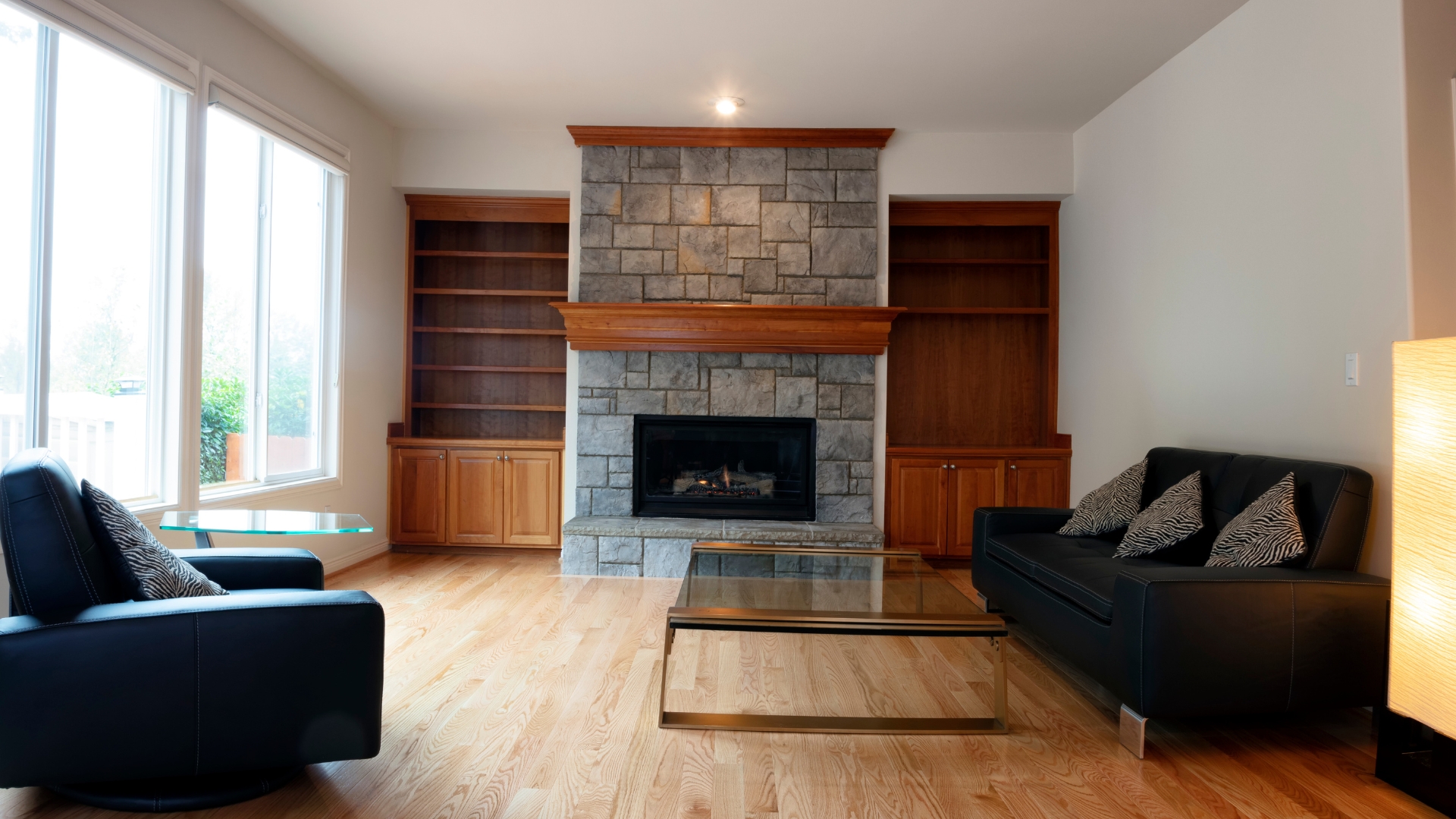
- Stone Surrounds: Natural or manufactured stone adds depth and character, making the fireplace feel grounded and substantial. This option works especially well in living rooms aiming for a cozy, lodge-style or farmhouse-inspired aesthetic.
- Wood Mantels: A well-crafted wood mantel introduces warmth and can serve as a functional display area for decor. Whether you choose a reclaimed beam or a finely finished hardwood, the mantel becomes a central design element that enhances the overall space.
Converting To Gas Or Electric
Switching from a traditional wood-burning fireplace to a gas or electric model is one of the most practical upgrades homeowners consider, especially for ease of use and improved efficiency.
- Efficiency: Gas and electric fireplaces provide more consistent heat output and reduce energy waste compared to traditional wood-burning systems.
- Convenience: With simple on-and-off controls, these fireplaces eliminate the need for wood storage, cleaning ash, or maintaining a fire manually.
- Safety: Modern gas and electric units are designed with built-in safety features, making them a safer option for families and reducing the risks associated with open flames and smoke.
Built-In Storage Or Feature Walls
Integrating your fireplace into a larger design element can maximize both function and visual appeal, especially in living rooms where space and organization matter.
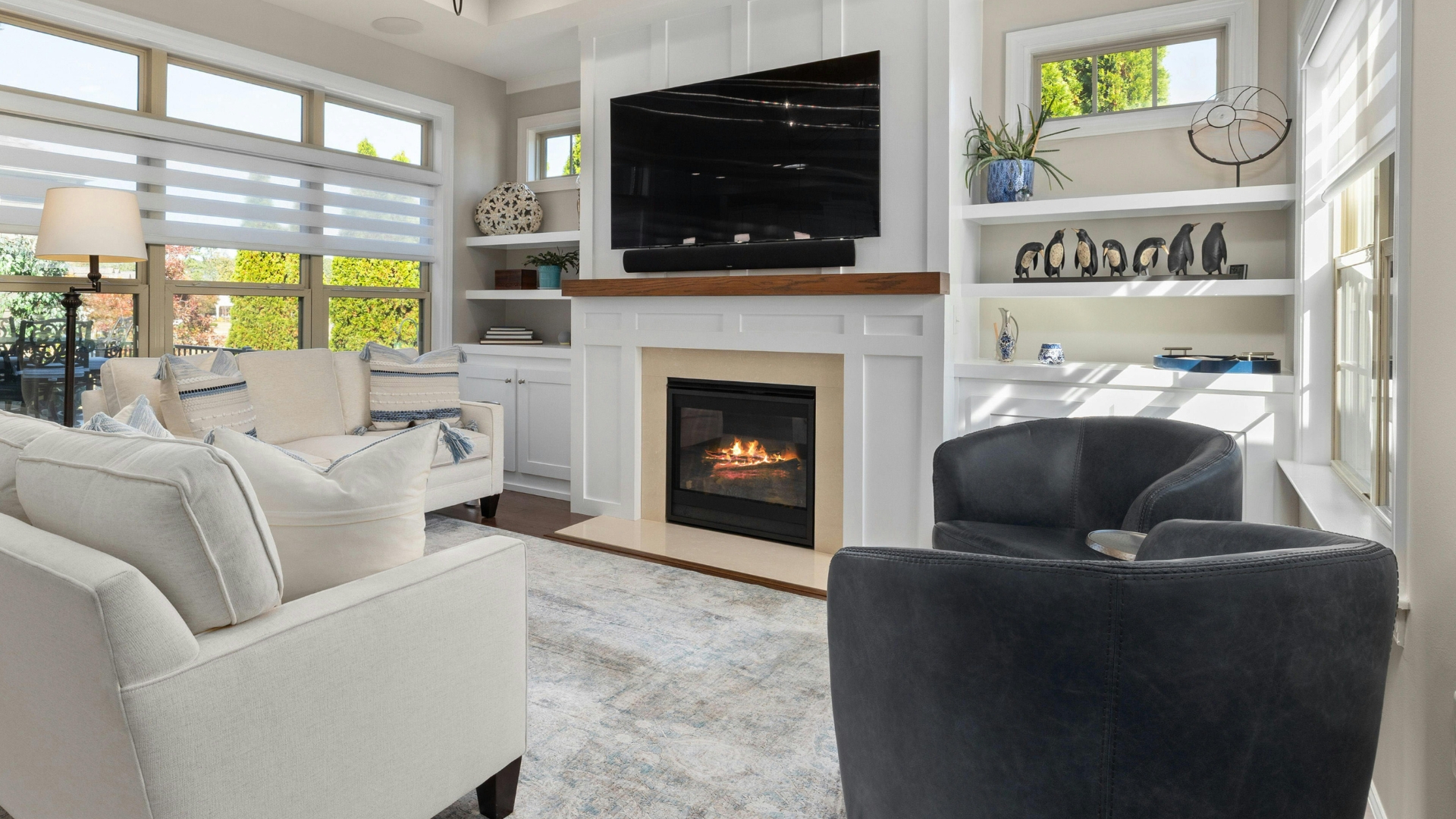
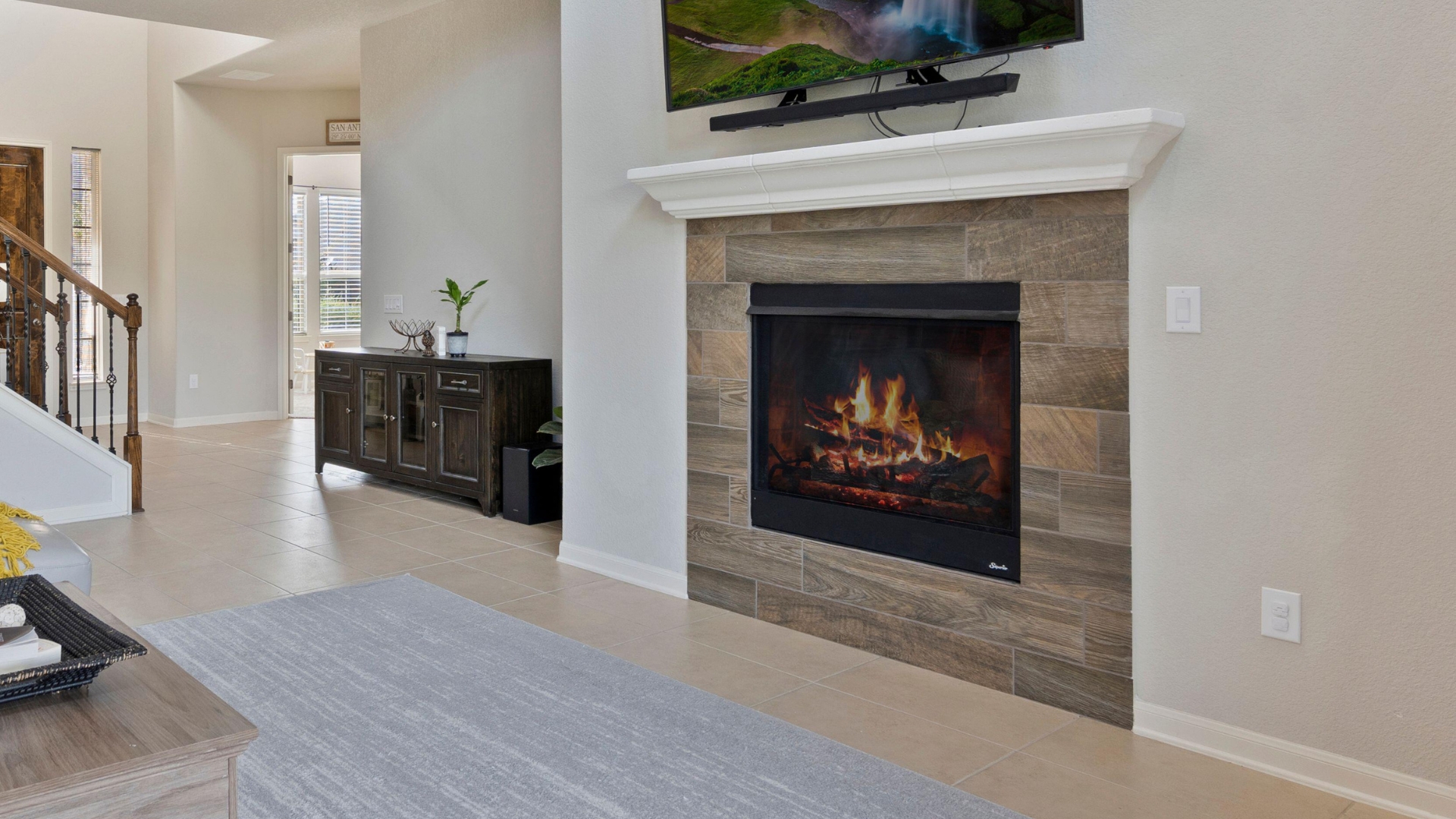
- Combining Fireplace With Media Wall: A built-in media wall allows you to position a television above or beside the fireplace while incorporating shelving or cabinets for storage. This creates a cohesive, space-saving layout that serves as the central hub of the room.
A well-planned fireplace remodel should reflect how you actually use your space while enhancing comfort and visual appeal, making it a worthwhile investment that adds both character and functionality to your home.
Common Mistakes To Avoid When Remodeling A Fireplace
Remodeling a fireplace can dramatically improve both the look and functionality of your home, but it also involves technical details that are easy to overlook. Many homeowners focus on design and cost without fully understanding the structural, safety, and planning aspects involved. Avoiding these common mistakes will help ensure your fireplace remodel is safe, efficient, and worth the investment.
Hiring The Wrong Type Of Professional
Choosing the right professional is one of the most important decisions in a fireplace remodel. Not all contractors have experience with fireplaces, and hiring someone without the proper expertise can lead to costly errors or unsafe installations.
- Mismatched expertise: A general handyman may handle cosmetic updates, but complex work like gas-line installation or chimney modifications requires a licensed specialist.
- Lack of fireplace-specific knowledge: Fireplace systems involve venting, heat distribution, and fire safety, which differ from standard home improvement projects.
- Poor project coordination: Larger remodels often require multiple trades, so hiring a qualified general contractor can help manage timelines and ensure all components work together properly.
Ignoring Ventilation And Safety Requirements
Fireplaces are not just decorative features, they are heat-producing systems that must meet strict safety standards. Ignoring ventilation requirements can create serious risks, including smoke buildup or carbon monoxide exposure.
- Improper venting systems: Gas and wood-burning fireplaces require correct venting to safely remove fumes and smoke.
- Code compliance issues: Local building codes dictate clearance distances, materials, and installation methods that must be followed.
- Fire hazards: Using the wrong materials near high-heat areas can increase the risk of fire damage or long-term structural issues.
Choosing Style Over Function
It is easy to get caught up in design trends, but a fireplace should first and foremost perform well. A visually appealing fireplace that does not heat effectively or function safely will quickly become a disappointment.
- Inefficient heat output: Some modern designs prioritize aesthetics but may not provide sufficient warmth for your space.
- Material limitations: Certain finishes may not withstand high temperatures or long-term use.
- Poor layout decisions: Changing the fireplace size or placement without considering room flow and heating efficiency can reduce usability.
Underestimating Budget
Fireplace remodels often involve hidden costs that are not immediately obvious during the planning stage. Underestimating your budget can lead to delays, compromises, or unfinished work.
- Unexpected structural work: Opening up walls or updating an old fireplace can reveal issues like damaged flues or outdated components.
- Material upgrades: Premium materials such as stone, tile, or custom mantels can significantly increase costs.
- Labor complexity: Specialized work, especially involving gas or masonry, typically requires skilled labor that comes at a higher price.
Skipping Permits
Skipping permits might seem like a way to save time or money, but it can create serious problems down the line. Fireplace remodels often involve elements that must meet local regulations.
- Legal and compliance risks: Unpermitted work can result in fines or complications when selling your home.
- Inspection requirements: Permits ensure that the work is inspected and meets safety standards.
- Insurance concerns: In some cases, insurance claims may be denied if the fireplace work was not properly permitted and approved.
A well-planned fireplace remodel goes beyond aesthetics and requires careful attention to safety, budgeting, and professional expertise. By avoiding these common mistakes, you can create a fireplace that not only enhances your space but also performs reliably for years to come.
Fireplace Remodel Timeline: What to Expect
Planning a fireplace remodel involves more than just choosing materials and hiring a contractor. Understanding the timeline helps you set realistic expectations, avoid unnecessary stress, and ensure the project runs smoothly from start to finish. While every remodel is different, most follow a predictable sequence that depends on the scope of work, the professionals involved, and any required approvals.
Typical Timeline From Planning to Completion
A fireplace remodel typically moves through several key phases, each with its own time requirements. Even smaller projects benefit from proper planning to avoid delays later.
- Initial planning and design: This phase usually takes one to two weeks and involves defining your goals, selecting materials, gathering inspiration, and consulting with professionals. If you are working with a designer, this stage may take longer due to revisions and approvals.
- Hiring professionals and scheduling: Finding and booking the right contractor or specialist can take one to three weeks depending on availability. Highly skilled professionals often have waiting periods, especially during peak renovation seasons.
- Permits and approvals: If your project involves gas lines, electrical work, or structural changes, permit approval can take anywhere from a few days to several weeks depending on your local regulations.
- Material sourcing and delivery: Ordering materials such as stone, tile, or custom mantels may take one to four weeks. Delays are common if materials are backordered or custom-built.
- Construction and installation: The actual remodel can take anywhere from a few days for cosmetic updates to several weeks for more complex builds. This includes demolition, installation, inspections, and finishing work.
- Final inspection and cleanup: Once the work is complete, inspections may be required to ensure safety and code compliance. This step usually takes a few days but is essential for long-term reliability.
Differences Between Simple vs. Complex Projects
Not all fireplace remodels follow the same timeline, and the complexity of the project plays a major role in how long it will take.
- Simple cosmetic updates: These projects involve surface-level changes such as painting, replacing a mantel, or updating tile. They are typically completed within a few days to one week since they do not require structural work or permits.
- Moderate remodels: Projects that include new surrounds, updated inserts, or minor modifications may take one to three weeks. These often involve multiple trades and may require coordination between professionals.
- Full-scale remodels or conversions: Major renovations such as converting a wood-burning fireplace to gas, rebuilding the structure, or redesigning the layout can take three to six weeks or longer. These projects require permits, inspections, and specialized labor, which adds to the timeline.
Delays and What Causes Them
Even well-planned fireplace remodels can experience delays. Knowing the most common causes helps you prepare and reduce potential setbacks.
- Permit-related delays: Approval processes can take longer than expected, especially if additional documentation or revisions are required.
- Material availability issues: Custom or high-end materials may be backordered, delaying installation and extending the overall timeline.
- Contractor scheduling conflicts: Skilled professionals often work on multiple projects, so unexpected delays on another job can impact your schedule.
- Unexpected structural issues: Hidden problems such as damaged masonry, outdated wiring, or ventilation concerns may be discovered during demolition and require additional work.
- Weather conditions: For projects involving exterior elements like chimneys, weather can slow progress or temporarily halt work.
A well-organized plan, clear communication with your contractor, and some flexibility in your schedule can go a long way in keeping your fireplace remodel on track and minimizing disruptions.
A fireplace remodel is not just about timing but about getting the details right, so approaching the process with patience and preparation will help ensure a result that is both functional and long-lasting.
Do You Need Permits For A Fireplace Remodel?
Before starting any fireplace remodel, it is important to understand whether permits are required and why they matter. Many homeowners assume permits are only necessary for major construction, but even moderate upgrades can involve safety, ventilation, or structural considerations that fall under local regulations. Taking the time to understand permit requirements helps ensure your project is compliant, safe, and free from costly setbacks.
When Permits Are Required
Permit requirements depend on the scope of your fireplace remodel and the type of work involved. In general, any project that affects the structure, fuel source, or safety systems of your fireplace will likely require approval from your local building authority.
- Structural Changes: If you are altering the size, shape, or location of the fireplace, a permit is typically required to ensure the structure meets safety standards.
- Gas Line Installation: Converting to or installing a gas fireplace almost always requires a permit due to fire and ventilation risks.
- Electrical Work: Adding an electric fireplace or integrating lighting and controls may require an electrical permit.
- Chimney Modifications: Repairs, relining, or rebuilding a chimney often need approval to meet proper venting requirements.
- Major Remodel Projects: Full-scale renovations that involve multiple trades, such as contractors and technicians, usually require permits as part of the overall project.
Even if your project seems minor, it is always wise to confirm with your local municipality or work with a licensed professional who understands the permitting process.
Importance Of Local Building Codes
Building codes are not just bureaucratic requirements, they exist to protect your home, your safety, and your long-term investment. Fireplace systems involve heat, combustion, and airflow, which means even small mistakes can create serious hazards if not properly regulated.
- Safety Compliance: Codes ensure proper clearances from combustible materials and safe installation of heat-producing elements.
- Ventilation Standards: Proper airflow and exhaust systems prevent smoke buildup and dangerous gases like carbon monoxide.
- Material Requirements: Approved materials are required to handle high temperatures and reduce fire risks.
- Inspection Process: Code enforcement includes inspections that verify the work is done correctly and safely before use.
- Resale Value: A code-compliant fireplace remodel is easier to sell and avoids complications during home inspections.
Following local codes is not just about meeting regulations, it is about ensuring your fireplace functions safely and reliably for years to come.
Risks Of Skipping Permits
Skipping permits might seem like a way to save time or money, but it often leads to bigger problems down the line. Unpermitted work can create legal, financial, and safety issues that are far more costly than the permit itself.
- Safety Hazards: Improper installation can increase the risk of fire, gas leaks, or ventilation problems.
- Fines And Penalties: Local authorities may issue fines or require you to redo the work if it was completed without approval.
- Insurance Issues: Home insurance claims may be denied if damage is linked to unpermitted work.
- Resale Complications: Buyers and inspectors may flag unpermitted work, delaying or reducing the value of your sale.
- Costly Corrections: Fixing non-compliant work often costs more than doing it correctly from the start.
In most cases, working with a licensed professional who handles permits on your behalf is the simplest and safest route.
Taking the time to secure the right permits and follow local codes ensures your fireplace remodel is safe, compliant, and built to last, giving you peace of mind long after the project is complete.

DIY Vs. Hiring A Professional
Deciding whether to tackle a fireplace remodel yourself or hire a professional comes down to safety, complexity, and long-term value. While some updates are simple and budget-friendly for homeowners to handle, others involve technical systems that require licensed expertise. Understanding where to draw the line can help you avoid costly mistakes while still taking advantage of DIY opportunities where it makes sense.
When DIY Is Safe (Cosmetic Updates)
- Surface improvements: Painting brick, updating tile, or refinishing a mantel can dramatically change the appearance without altering functionality
- Decorative additions: Installing a new mantel shelf, adding trim, or incorporating built-in decor elements can enhance visual appeal
- Minor repairs: Filling small cracks in non-structural areas or replacing outdated fireplace doors can often be done safely with proper tools and materials
These projects are generally low-risk as long as you follow manufacturer guidelines and avoid interfering with heat-producing components. However, even with cosmetic work, it is important to use heat-resistant materials and maintain proper clearances around the firebox.
When To Avoid DIY (Gas Lines, Structural Changes)
More complex fireplace remodels involve systems that directly impact safety, building compliance, and long-term performance. These are not suitable for DIY work and should always be handled by qualified professionals.
- Gas-line installation or modification: Working with gas lines requires licensed technicians to prevent leaks, fire hazards, or code violations
- Structural changes: Altering the size, shape, or placement of a fireplace can affect load-bearing elements and requires a contractor or mason
- Ventilation and chimney work: Improper venting can lead to dangerous carbon monoxide buildup or poor airflow
- Electrical components: Installing electric fireplaces or integrating lighting systems must meet local electrical codes
Attempting these tasks without proper training can result in serious safety risks and may void insurance coverage or fail inspections. Hiring a professional ensures the work meets building codes and performs safely over time.
Cost Vs. Risk Comparison
One of the main reasons homeowners consider DIY is to save money, but it is important to weigh upfront savings against potential long-term costs.
- Lower upfront cost: DIY projects can reduce labor expenses, making them appealing for small-scale updates
- Higher risk exposure: Mistakes in installation or material choice can lead to repairs that cost more than hiring a professional initially
- Time investment: DIY projects often take longer, especially without prior experience or specialized tools
- Resale impact: Professionally completed work tends to add more value and credibility when selling a home
In many cases, a hybrid approach works best, where homeowners handle cosmetic upgrades while leaving technical and structural work to experienced professionals. This balance allows you to control costs without compromising safety or quality.
Choosing between DIY and hiring a professional ultimately comes down to understanding your limits and prioritizing safety over short-term savings. A well-executed fireplace remodel should not only look great but also function reliably for years to come.
If you’re planning a fireplace remodel and want to ensure it’s done right the first time, explore your options with experienced professionals who understand both design and safety requirements, compare trusted experts in your area, and take the next step toward creating a fireplace that adds real value, comfort, and style to your home.

FAQs: About Who Does Fireplace Remodels
- Who should I hire for a fireplace remodel?
The right professional depends on your project scope. General contractors handle full remodels, fireplace specialists manage installations and upgrades, and masons are best for brick or stone work. For gas or electrical changes, licensed technicians are essential for safety. - What is the difference between a fireplace remodel and a fireplace renovation?
A fireplace remodel typically involves updating the design, materials, or structure, while a renovation may include restoring or repairing an existing fireplace. Remodels are often more extensive and may involve layout or fuel-type changes. - How much does a fireplace remodel usually cost?
Costs vary widely depending on complexity, materials, and labor. A basic update may cost a few hundred dollars, while a full remodel or conversion can range from a few thousand to over $10,000. Custom designs and structural changes increase costs. - Do I need a permit for a fireplace remodel?
Permits are often required if your project involves structural changes, gas lines, or electrical work. Local building codes vary, so it’s important to check with your municipality or hire a professional who can handle permits for you. - Can I remodel a fireplace myself?
You can handle simple cosmetic updates like painting or replacing a mantel, but structural changes, gas lines, or venting systems should always be handled by licensed professionals to ensure safety and compliance. - How long does a fireplace remodel take?
A simple remodel can take a few days, while more complex projects may take several weeks. The timeline depends on the scope, materials, and whether permits or inspections are required. - Is it possible to convert a wood-burning fireplace to gas or electric?
Yes, many homeowners convert wood-burning fireplaces to gas or electric for convenience and efficiency. This process requires professional installation, especially for gas lines and ventilation systems. - What are the most popular fireplace remodel ideas?
Popular options include modern linear designs, stone or tile surrounds, rustic wood mantels, and built-in media walls. Many homeowners also upgrade to gas or electric fireplaces for easier maintenance. - How do I choose a reliable fireplace contractor?
Look for licensed and insured professionals with strong reviews, relevant experience, and a solid portfolio. Ask for references, detailed quotes, and ensure they understand local building codes and safety requirements. - What mistakes should I avoid when remodeling a fireplace?
Common mistakes include hiring the wrong professional, ignoring safety requirements, underestimating costs, and focusing only on aesthetics. Proper planning and working with qualified experts help avoid costly issues.
Choosing the right professional for your fireplace remodel comes down to understanding the scope of your project and prioritizing safety at every step. A simple design update may only require a skilled designer or contractor, while structural changes, gas conversions, or venting work demand specialized expertise from licensed professionals such as fireplace specialists, masons, or certified technicians. Taking the time to match the right expert to your specific needs not only protects your home but also ensures the finished result is both functional and visually aligned with your space. An informed decision reduces the risk of costly mistakes, code violations, and long-term performance issues, making it one of the most important steps in the entire remodeling process.