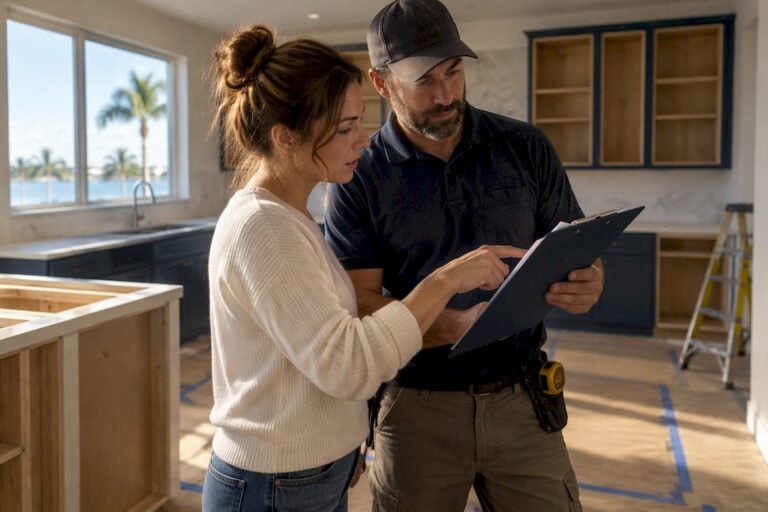


Successful demolition prep before remodeling comes down to nine steps completed in the right order: permits, hazardous material inspections, utility disconnections, scope freeze, structural precautions, contingency budgeting, debris planning, contractor vetting, and site protection. Skip any one of them and you risk fines, injuries, or costly rework that pushes your Tampa Bay remodel weeks off schedule.
1. Secure all required permits first
Permits are mandatory in Tampa Bay and across most US jurisdictions before any demolition activity begins. Hillsborough County and Pinellas County both require a demolition permit before a building permit for new construction can be issued. Apply early because review timelines vary, and work cannot legally start until the permit is in hand.
2. Conduct a hazardous materials inspection
Homes built before 1980 in St. Petersburg, Clearwater, and across Tampa Bay frequently contain asbestos in floor tiles, pipe insulation, and roofing, as well as lead-based paint on walls and trim. EPA regulations require certified abatement if either material is found, and starting demolition without this inspection exposes you to project stoppages and serious health liability. A pre-demolition inspection also surfaces other hazardous waste, including mercury thermostats and leftover chemicals, that cannot go to a standard landfill. Elite Builder Renovation recommends scheduling this inspection as the very first site visit, before any other prep work begins. For a deeper look at what these inspections cover, see our structural inspection guide.
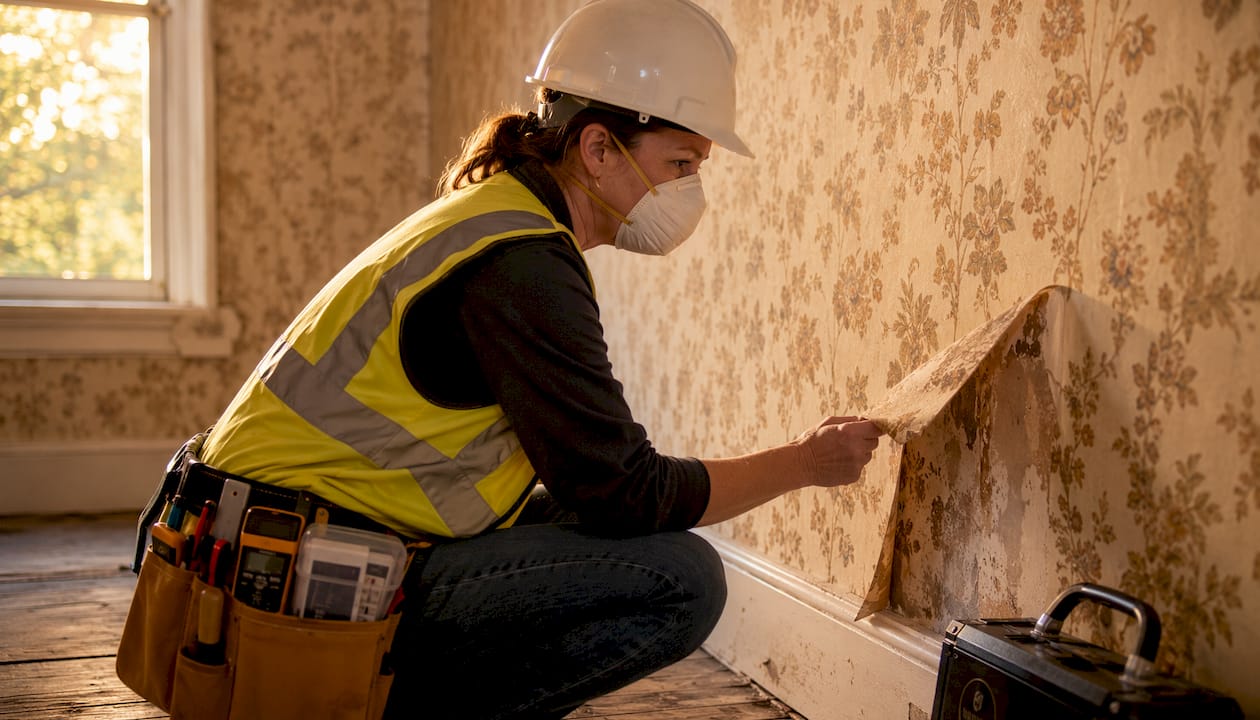
Pro Tip: Request written documentation of all hazardous material findings and abatement receipts. This paper trail protects you during resale and satisfies local inspector requirements in Largo and Safety Harbor.
3. Disconnect all utilities at the source
Gas, electric, water, and sewer lines must be disconnected and capped by licensed professionals before a single wall comes down. OSHA’s demolition standards require locating and securing all nearby utilities as part of pre-demolition planning, and your utility providers must physically verify the disconnection. Leaving a sewer line open invites pest issues; an uncapped gas line risks explosion. Most Tampa Bay municipalities also require a sewer cap inspection before demolition can proceed.
4. Freeze your design scope before demolition day
Changing design on paper costs a revision; the same change after drywall costs demolition. Lock in layouts, hardware selections, cabinet lead times, and finish materials before any work begins. Our home renovation planning guide walks through exactly how to do this without getting overwhelmed.
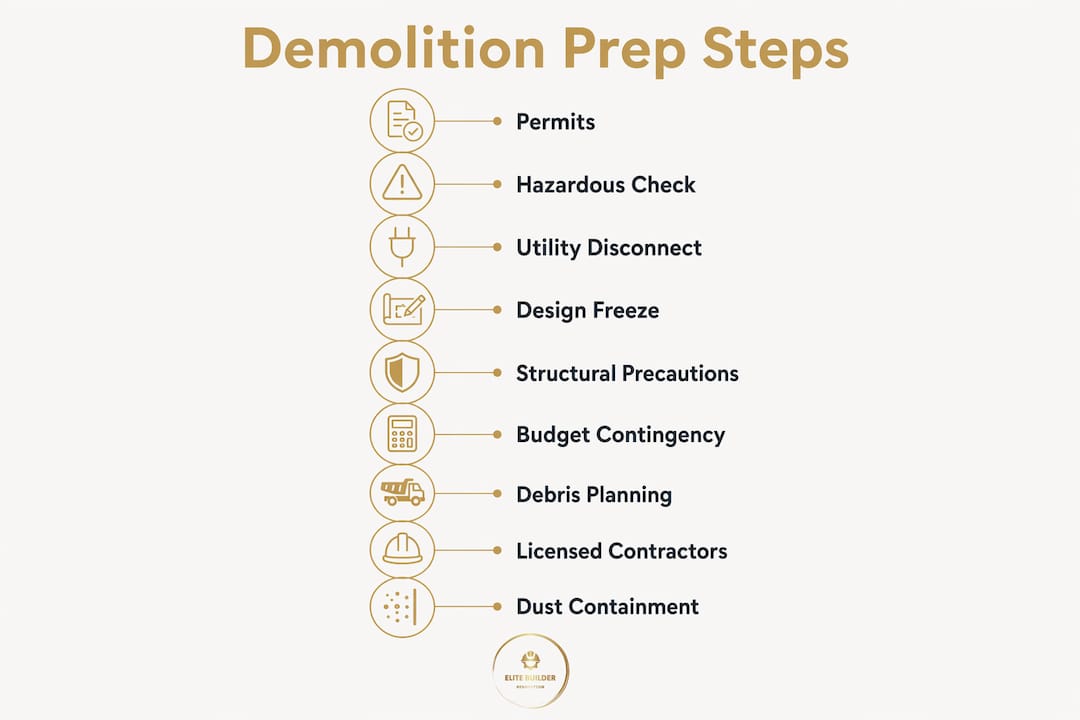
5. Plan for structural precautions and temporary shoring
Load-bearing walls cannot simply be removed without support. Temporary shoring must be installed before any load-bearing element is touched, and a structural engineer should assess the framing before demolition begins. Older homes in Pinellas County and Hillsborough County often have framing that does not meet current code, making this review especially important.
6. Build a contingency into your budget to cover unforeseen conditions revealed during demolition
Industry experts recommend a 10–20% contingency to cover unforeseen conditions revealed during demolition, such as mold, rot, or outdated wiring. Demolition regularly uncovers water damage in Tampa Bay homes, where humidity accelerates hidden moisture problems. If mold is discovered, Elite Builder Renovation’s water damage restoration services can address remediation before the rebuild phase begins.
7. Plan debris removal and recycling in advance
Sorting concrete, wood, and metal on site reduces landfill fees and supports local sustainability goals. Arrange dumpster placement and hauling schedules before demolition starts so debris does not accumulate and create safety hazards. Confirm with your Clearwater or Tampa waste hauler which materials they accept for recycling.
8. Hire licensed, insured demolition contractors
A licensed demolition contractor carries general liability and workers’ compensation insurance, understands local code requirements, and manages structural handling safely. Request a certificate of insurance naming you as an additional insured party. Elite Builder Renovation coordinates all contractor vetting as part of its full-service remodeling approach across Tampa, Brandon, and St. Petersburg.
9. Establish dust containment and site protection
Plastic sheeting, zip walls, and floor protection create negative pressure zones that prevent demolition dust from spreading into living areas. Temporary fencing keeps the site secure and limits neighbor exposure to debris. Notify adjacent properties at least five business days before work begins, a requirement in many Florida jurisdictions.
What every homeowner should know before demo day
Thorough demolition prep protects your budget, your family’s health, and your project timeline from the first day forward.
| Point | Details |
|---|---|
| Permits before everything | Secure demolition permits in Tampa Bay before any other prep step begins. |
| Hazardous inspections are mandatory | EPA rules require certified abatement for asbestos or lead found in pre-1980 homes. |
| Utilities disconnected at the source | Licensed professionals must cap gas, electric, water, and sewer before demolition starts. |
| Freeze scope early | Design changes after demolition cost far more than changes made on paper. |
| Carry a 10–20% contingency | Budget a 10–20% reserve to handle mold, rot, or structural surprises without stalling the project. |
How to plan demolition around your remodeling phases
Demolition fits into a fixed sequence: permits and hazardous abatement first, then utility disconnections, then physical demo, then structural framing, then rough-in trades. Scheduling demolition before materials are ordered and lead times confirmed creates gaps where your home sits partially dismantled. Elite Builder Renovation plans demolition only when cabinets, fixtures, and appliances are confirmed and on order, so the rebuild phase follows immediately. For Tampa Bay homeowners tackling a full home remodel in Tampa or a kitchen remodel in Clearwater, this sequencing discipline is what keeps projects on schedule and on budget.
Neighbor notification is also part of scheduling. Many Pinellas County and Hillsborough County jurisdictions require written notice to adjacent properties five to ten business days before demolition activity begins. Build that window into your timeline so it does not delay your start date.
Ready to start your Tampa Bay remodel the right way?
Elite Builder Renovation has completed over 375 projects across Tampa, St. Petersburg, Clearwater, Largo, and Safety Harbor, with a 100% satisfaction guarantee and financing options to make your project accessible. See what homeowners say about working with us on our remodeling reviews page, or get a consultation to discuss your demolition prep and remodeling plan today.
FAQ
Do I need a permit for demolition before remodeling in Tampa Bay?
Yes. Permits are required in most Tampa Bay jurisdictions before demolition begins, and a demolition permit must typically be issued before a building permit for new construction.
What hazardous materials should I test for before demolition?
Homes built before 1980 should be tested for asbestos and lead-based paint, and inspectors should also check for mercury, PCBs, and leftover chemical products that require special disposal.
Can I disconnect utilities myself before demolition?
No. Utility disconnections must be performed by the utility provider or a licensed professional. Improperly capping a gas or water line risks explosions, flooding, or damage to municipal infrastructure.
How much contingency budget should I set aside for demolition surprises?
Industry experts recommend a 10–20% contingency on top of your project budget to cover unforeseen issues like mold, rot, or structural repairs uncovered during demolition.
When should I finalize my design before demolition starts?
Lock in all layouts, materials, and fixture selections before demolition day. Changes made after demolition begins cost significantly more than revisions made during the planning phase.