
Welcome to your complete guide to eco-friendly renovation materials, where sustainability meets smart design and long-term value. Whether you are updating a single room or planning a full home remodel, choosing sustainable building materials can reduce environmental impact, improve indoor air quality, lower energy costs, and increase property durability, especially in climates like Florida, where heat, humidity, and storms demand resilient solutions. In this guide, you will learn how to identify truly sustainable materials, avoid common greenwashing traps, select options that perform well in real-world conditions, and confidently plan a green renovation that benefits both your home and the planet.
Eco-friendly renovation materials are sustainable building products designed to reduce environmental impact, improve energy efficiency, and promote healthier indoor spaces. These materials often include recycled, reclaimed, renewable, or low VOC options such as bamboo flooring, recycled insulation, metal roofing, and FSC certified wood, helping homeowners renovate responsibly while improving long term durability and performance.
Why Eco-Friendly Renovation Materials Matter More Than Ever
Homeowners are thinking differently about renovations today. It is no longer just about appearance or resale trends. Eco-friendly renovation materials have become central to smarter building decisions because they influence energy efficiency, indoor health, long-term durability, and environmental responsibility. Whether you are remodeling a kitchen or planning a whole home upgrade, the materials you choose directly affect operating costs, comfort, and sustainability for decades. Understanding why sustainable building materials matter helps you make decisions that go beyond surface-level upgrades.
Environmental Impact Of Traditional Renovation Materials
Many conventional renovation materials carry a hidden environmental cost. From extraction and manufacturing to transportation and disposal, traditional products often generate high levels of carbon emissions and construction waste.
Concrete, vinyl flooring, composite cabinetry, and standard insulation can involve energy-intensive production processes. These materials frequently rely on fossil fuels, chemical adhesives, and non-renewable resources. Once removed during renovations, much of this waste ends up in landfills where it contributes to long-term environmental strain.
In contrast, eco-friendly renovation materials are designed to reduce lifecycle impact. That includes:
- Recycled content: Products like recycled steel, reclaimed wood, or recycled glass countertops reduce demand for virgin raw materials.
- Renewable resources: Rapidly renewable options such as bamboo or cork regenerate faster than traditional hardwoods.
- Low embodied carbon: Materials manufactured using energy-efficient processes help lower total project emissions.
When we evaluate renovation decisions through a lifecycle lens rather than just upfront cost, sustainable building materials consistently outperform conventional alternatives in environmental responsibility.
Rising Energy Costs And Climate Concerns
Energy efficiency is no longer optional. Utility costs have increased steadily, and climate volatility continues to strain residential infrastructure. Eco-friendly renovation materials play a direct role in reducing energy consumption and improving building resilience.
High-performance insulation, energy-efficient windows, reflective roofing, and properly sealed building envelopes can dramatically reduce heating and cooling loads. In hot, humid states like Florida, managing heat gain and moisture is critical. A well-designed green renovation in Florida often prioritizes:
- Cool roof materials: Reflective roofing reduces solar heat absorption and lowers cooling demands.
- High-performance windows: Impact-resistant and low-emissivity glass improves thermal performance while meeting hurricane standards.
- Moisture-resistant insulation: Proper insulation prevents mold growth and maintains consistent indoor temperatures.
These upgrades do more than lower monthly bills. They improve comfort, stabilize indoor temperatures, and reduce strain on HVAC systems, extending equipment lifespan. Over time, energy-efficient materials often provide measurable financial returns.
Health Benefits of Low-Toxicity Materials And Indoor Air Quality
One of the most overlooked advantages of eco-friendly renovation materials is improved indoor air quality. Many traditional paints, adhesives, sealants, and engineered wood products emit volatile organic compounds that contribute to respiratory irritation, headaches, and long term health concerns.
Low VOC and non-toxic materials reduce off-gassing and improve air quality, particularly in tightly sealed energy-efficient homes. From professional experience, I have seen families notice a clear difference after switching to low-emission finishes during renovation. Fewer lingering odors, better air circulation, and reduced allergy symptoms are common outcomes.
Look for products that meet recognized indoor air quality standards such as:
- GREENGUARD certification: Indicates low chemical emissions for indoor environments.
- FSC certification: Confirms responsible forest management for wood products.
- Cradle to Cradle certification: Evaluates material safety and environmental impact across the product lifecycle.
Prioritizing low-toxicity materials creates a healthier living environment, especially for children, seniors, and individuals with asthma or allergies.
Growing Demand For Green Renovation In Florida And Climate Sensitive Regions
Climate-sensitive regions are driving much of the demand for sustainable building materials. In Florida, homeowners face heat, humidity, hurricanes, and rising insurance costs. Renovation decisions must account for resilience and code compliance in addition to sustainability.
Green renovation in Florida often aligns with both environmental and structural priorities. For example:
- Florida Building Code compliance: Impact-resistant windows and reinforced roofing systems improve safety and resilience.
- Storm-resistant materials: Fiber cement siding and metal roofing withstand high wind conditions while offering long service life.
- Moisture management systems: Proper vapor barriers and ventilation protect against mold growth in humid climates.
Sustainable materials that meet or exceed local building standards provide dual benefits. They support environmental goals while improving safety and insurability. As building codes evolve to address climate realities, eco-friendly renovation materials increasingly align with regulatory requirements rather than standing apart from them.
How Sustainable Building Materials Contribute To Long Term Property Value
Renovation decisions should always be evaluated through a long-term value perspective. Sustainable building materials often deliver stronger resale appeal, reduced maintenance costs, and improved durability.
Buyers today are more informed. Energy-efficient features, sustainable upgrades, and green certifications can differentiate a property in competitive markets. Homes that meet recognized standards such as LEED or include ENERGY STAR rated systems, signal thoughtful construction and operational efficiency.
From a property value standpoint, sustainable renovations offer:
- Lower operating costs: Reduced energy consumption makes the home more attractive to cost-conscious buyers.
- Enhanced durability: Long-lasting materials like metal roofing or fiber cement siding reduce replacement frequency.
- Market differentiation: Environmentally responsible features appeal to modern buyers seeking healthier living spaces.
Sustainable building materials are not just environmentally responsible choices. They represent strategic investments in performance, resilience, and long-term financial stability. When selected thoughtfully and installed correctly, eco-friendly renovation materials support environmental stewardship while strengthening the structural and economic value of the home.
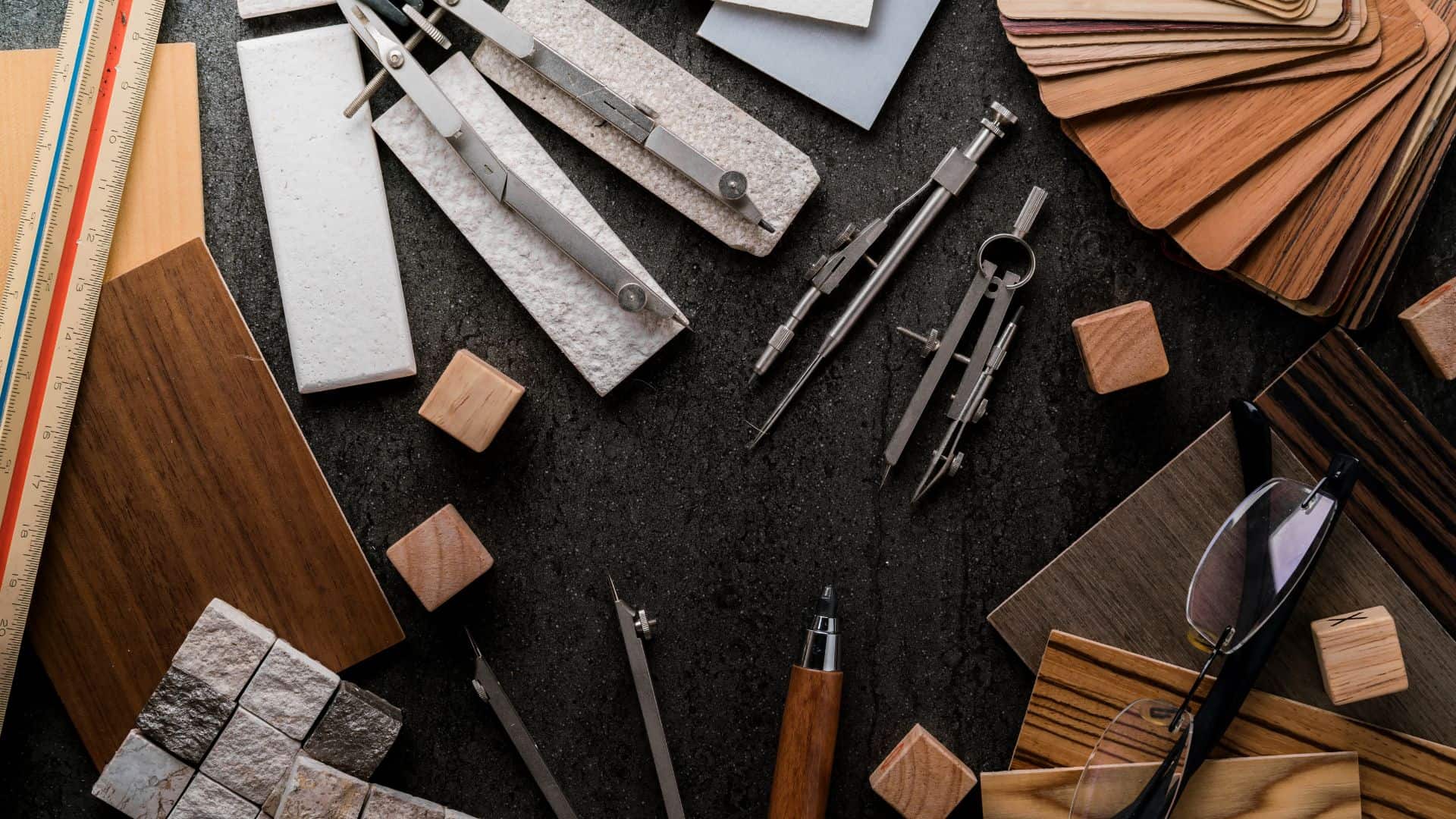
What Makes a Renovation Material Truly Sustainable?
When homeowners start researching eco-friendly renovation materials, they often discover that the term sustainable can mean very different things. A product may be renewable, recycled, locally sourced, low in emissions, or exceptionally durable, but not always all of the above. Truly sustainable building materials are evaluated based on how they are sourced, manufactured, transported, installed, and how they perform over time. Sustainability is not just about the label. It is about the long term environmental impact, health implications, and real-world performance of the material inside your home.
Renewable vs. Recycled vs. Reclaimed Materials
Understanding the differences between renewable, recycled, and reclaimed materials helps you make informed decisions rather than relying on marketing language.
Bamboo vs. Reclaimed Wood
Bamboo is often marketed as a fast-growing, renewable alternative to traditional hardwood. It regenerates quickly and can be harvested without replanting, which makes it an attractive option for sustainable flooring. However, sustainability also depends on how it is processed. Some bamboo products use high-energy manufacturing methods or chemical adhesives that reduce their overall environmental benefit.
Reclaimed wood, on the other hand, is salvaged from old barns, factories, or homes and reused in new renovation projects. Because it does not require new harvesting, reclaimed wood significantly reduces demand for virgin timber. It also adds character and durability, since older lumber was often cut from slow-growth trees with dense grain patterns.
When deciding between bamboo and reclaimed wood, consider the full context:
- Supply chain transparency: Can the manufacturer clearly explain sourcing and processing methods?
- Adhesive and finish quality: Are low-VOC finishes and formaldehyde-free binders used?
- Intended application: Will the material perform well in your climate and space?
Post-consumer Recycled Products
Post-consumer recycled products are made from materials that have already been used and diverted from landfills. Examples include recycled glass countertops, recycled steel framing, and cellulose insulation made from reclaimed paper.
These products reduce waste and lower the need for raw material extraction. However, it is important to verify the percentage of recycled content and the manufacturing process. A countertop labeled as recycled may contain only a small fraction of reclaimed material, which limits its environmental benefit.
Look for:
- Verified recycled content: Transparent documentation showing post-consumer percentages
- Responsible manufacturing: Energy-efficient production methods
- Longevity: Products designed to last, not just to meet a sustainability trend
Low VOC and Non-Toxic Materials
Sustainability is not only about environmental impact. It is also about human health. Indoor air quality is a critical part of green renovation, especially since modern homes are often tightly sealed for energy efficiency.
Why VOCs Matter
VOCs, or volatile organic compounds, are chemicals released into the air from paints, adhesives, sealants, flooring, and cabinetry. High VOC products can contribute to headaches, respiratory irritation, and long-term health concerns. In humid climates like Florida, where homes are frequently closed and air-conditioned, VOC buildup can become a serious indoor air quality issue.
Choosing low-VOC or zero-VOC materials helps create a healthier indoor environment while maintaining performance. This is particularly important in kitchens, bathrooms, and bedrooms where exposure is ongoing.
Certifications to Look For
Third-party certifications add credibility and reduce the risk of greenwashing.
- GREENGUARD Certification: Indicates that a product has been tested for low chemical emissions and contributes to healthier indoor air
- FSC Certification: Ensures wood products come from responsibly managed forests
- Cradle to Cradle Certification: Evaluates products based on material health, circularity, renewable energy use, and responsible manufacturing
Certifications do not replace research, but they provide a reliable starting point when evaluating eco-friendly renovation materials.
Durability and Lifecycle Impact
One of the most overlooked aspects of sustainable building materials is durability. A material that needs replacement every five years is rarely sustainable, even if it is made from renewable content.
Lifecycle Cost vs Upfront Cost
Many homeowners focus only on initial price. A sustainable renovation should evaluate lifecycle cost, which includes installation, maintenance, energy performance, and replacement over time.
For example, metal roofing may cost more upfront than traditional shingles. However, it often lasts significantly longer, resists storm damage, and reflects heat in warm climates. Over a twenty to thirty-year period, the total cost can be lower than repeatedly replacing less durable materials.
When evaluating materials, ask:
- Expected lifespan: How long will this realistically last in your climate?
- Maintenance requirements: Does it require chemical treatments or frequent repairs?
- Energy performance: Will it reduce heating or cooling costs?
Embodied Carbon Explained Simply
Embodied carbon refers to the total greenhouse gas emissions produced during the extraction, manufacturing, transportation, and installation of a material. Even highly durable materials can carry a heavy environmental footprint if they require energy-intensive production.
For example, concrete has high embodied carbon due to cement production. However, using recycled aggregates or supplementary materials can reduce its environmental impact. The goal is not perfection but improvement. Selecting materials with lower embodied carbon and long service life creates a more balanced sustainability profile.
Locally Sourced Materials Especially for Green Renovation in Florida
Location matters more than many homeowners realize. A material that performs well in one climate may fail in another. Local sourcing also affects environmental impact.
Reduced Transportation Footprint
Transporting heavy materials across long distances increases fuel consumption and emissions. Choosing locally manufactured or regionally sourced sustainable building materials reduces transportation impact and often supports local economies.
Local suppliers also tend to understand regional building codes and environmental demands, which improves overall project reliability.
Climate Suitability Including Humidity and Hurricane Resilience
Green renovation in Florida requires special attention to moisture control, heat resistance, and storm durability. Sustainable materials must perform under high humidity and severe weather conditions.
Consider the following climate-specific factors:
- Moisture resistance: Materials such as fiber cement siding and mold-resistant drywall reduce the risk of long term damage
- Impact resistance: Hurricane-rated windows and reinforced roofing systems improve safety and reduce insurance costs
- Heat reflectivity: Cool roof materials and reflective coatings lower cooling loads in hot environments
Sustainability in Florida is not just about eco-friendly materials. It is about choosing durable, climate-appropriate products that reduce waste, energy consumption, and repair cycles over time.
Top Eco-Friendly Renovation Materials By Category
Choosing eco-friendly renovation materials is not about chasing trends. It is about selecting sustainable building materials that perform well, last longer, and reduce environmental impact over time. The right materials can improve indoor air quality, lower long-term maintenance costs, and increase durability, especially in climates like Florida, where moisture, heat, and storms are constant factors. Below is a practical breakdown of high-performing options by category, along with guidance on when and why to use them.
Sustainable Flooring Options
Flooring covers a large surface area, which means your choice has a significant environmental and health impact. Sustainable flooring materials should be durable, responsibly sourced, and low in harmful emissions.
Bamboo Flooring
Bamboo flooring is often considered a fast-growing, renewable alternative to traditional hardwood. Unlike slow-growing trees, bamboo regenerates quickly, making it a more resource-efficient option when responsibly harvested.
- Rapid renewability: Bamboo matures in just a few years, making it a renewable resource when properly managed.
- Durability factor: Strand-woven bamboo is harder than many traditional hardwoods, making it suitable for high-traffic areas.
- Low-VOC finishes: Look for products with water-based adhesives and finishes to protect indoor air quality.
In humid climates like Florida, proper installation is critical. Bamboo can expand and contract with moisture changes, so moisture testing and professional installation are essential for long-term performance.
Cork Flooring
Cork flooring is harvested from the bark of cork oak trees without cutting the tree down, making it a regenerative material.
- Comfort underfoot: Cork has a natural cushion effect, reducing strain in kitchens and living areas.
- Thermal insulation: Its cellular structure helps maintain indoor temperature and reduce noise.
- Mold resistance: Naturally resistant to mold and mildew when properly sealed.
Cork performs well in moderate humidity, but a high-quality sealant is important in moisture-prone areas.
Reclaimed Hardwood
Reclaimed hardwood gives existing timber a second life and prevents usable materials from entering landfills.
- Reduced deforestation impact: No new trees are harvested.
- Long-term durability: Old-growth wood is often denser and more stable than newly harvested lumber.
- Unique character: Natural aging creates texture and tone that new materials cannot replicate.
Reclaimed wood is especially effective in eco-friendly renovation projects focused on reducing embodied carbon.
Polished Concrete
Polished concrete is often overlooked, but it is one of the most durable and low-maintenance flooring choices available.
- Longevity: Properly sealed concrete floors can last decades with minimal upkeep.
- Energy efficiency: Concrete has thermal-mass properties that help regulate indoor temperature.
- Minimal material use: It utilizes the existing slab, reducing additional material demand.
In warm climates, polished concrete helps keep interiors cooler, supporting energy-efficient building design.
Eco-Friendly Insulation
Insulation plays a major role in energy performance. Choosing eco-friendly insulation materials can significantly reduce heating and cooling costs while improving indoor comfort.
Cellulose Insulation
Cellulose insulation is made primarily from recycled paper products treated for fire resistance.
- High recycled content: Often composed of post-consumer newspaper.
- Air-sealing properties: Dense-packed cellulose reduces air infiltration.
- Lower embodied energy: Manufacturing requires less energy compared to fiberglass.
This is a cost-effective option for walls and attics in both new builds and retrofit projects.
Sheep’s Wool Insulation
Sheep’s wool insulation is a natural-fiber product with strong thermal and moisture-regulating properties.
- Moisture management: Wool can absorb and release moisture without losing insulation performance.
- Non-toxic composition: No harmful fibers or chemical irritants.
- Biodegradable material: Fully natural and renewable.
It is especially beneficial in humid environments where moisture control is critical.
Spray Foam Alternatives
Traditional spray foam can contain chemicals that raise environmental and indoor air quality concerns. Alternatives focus on lower-impact formulations.
- Plant-based spray foam: Uses renewable ingredients instead of petroleum-based chemicals.
- Mineral wool insulation: Fire-resistant and moisture-tolerant.
- Rigid foam with improved blowing agents: Lower global-warming potential compared to older versions.
Choosing alternatives depends on the project scope, climate conditions, and performance requirements.
Insulation Considerations For Florida’s Humid Climate
Humidity is one of the biggest factors in green renovation Florida projects. Insulation must manage moisture effectively.
- Moisture resistance: Materials should resist mold growth and humidity-related deterioration.
- Air-sealing integration: Proper installation prevents condensation issues.
- Attic ventilation balance: Reduces trapped heat and moisture buildup.
A poorly selected insulation system can undermine the benefits of even the best eco-friendly renovation materials.
Sustainable Wall And Structural Materials
Walls and structural elements make up the core of any renovation. Selecting sustainable building materials here can significantly reduce environmental impact.
Recycled Drywall
Recycled drywall uses reclaimed gypsum to reduce landfill waste.
- Material recovery: Diverts construction waste from disposal sites.
- Lower resource extraction: Reduces demand for newly mined gypsum.
- Comparable performance: Meets standard building requirements when properly certified.
It functions the same as conventional drywall but with a reduced environmental footprint.
Hempcrete
Hempcrete is a bio-composite material made from hemp fibers and lime.
- Carbon absorption: Hemp absorbs carbon dioxide during growth.
- Breathable structure: Allows moisture movement, reducing mold risk.
- Lightweight insulation properties: Provides insulation and structural support in certain applications.
While not suitable for all load-bearing applications, hempcrete is gaining popularity in sustainable renovation projects focused on long-term environmental impact.
Reclaimed Brick
Reclaimed brick offers durability and aesthetic appeal while reducing demand for new production.
- Extended material life-cycle: Prevents demolition waste.
- High durability: Brick structures can last for generations.
- Low maintenance: Requires minimal upkeep over time.
It works well for accent walls, patios, and exterior facades.
Low-Impact Framing Options
Framing choices influence the environmental footprint of a renovation.
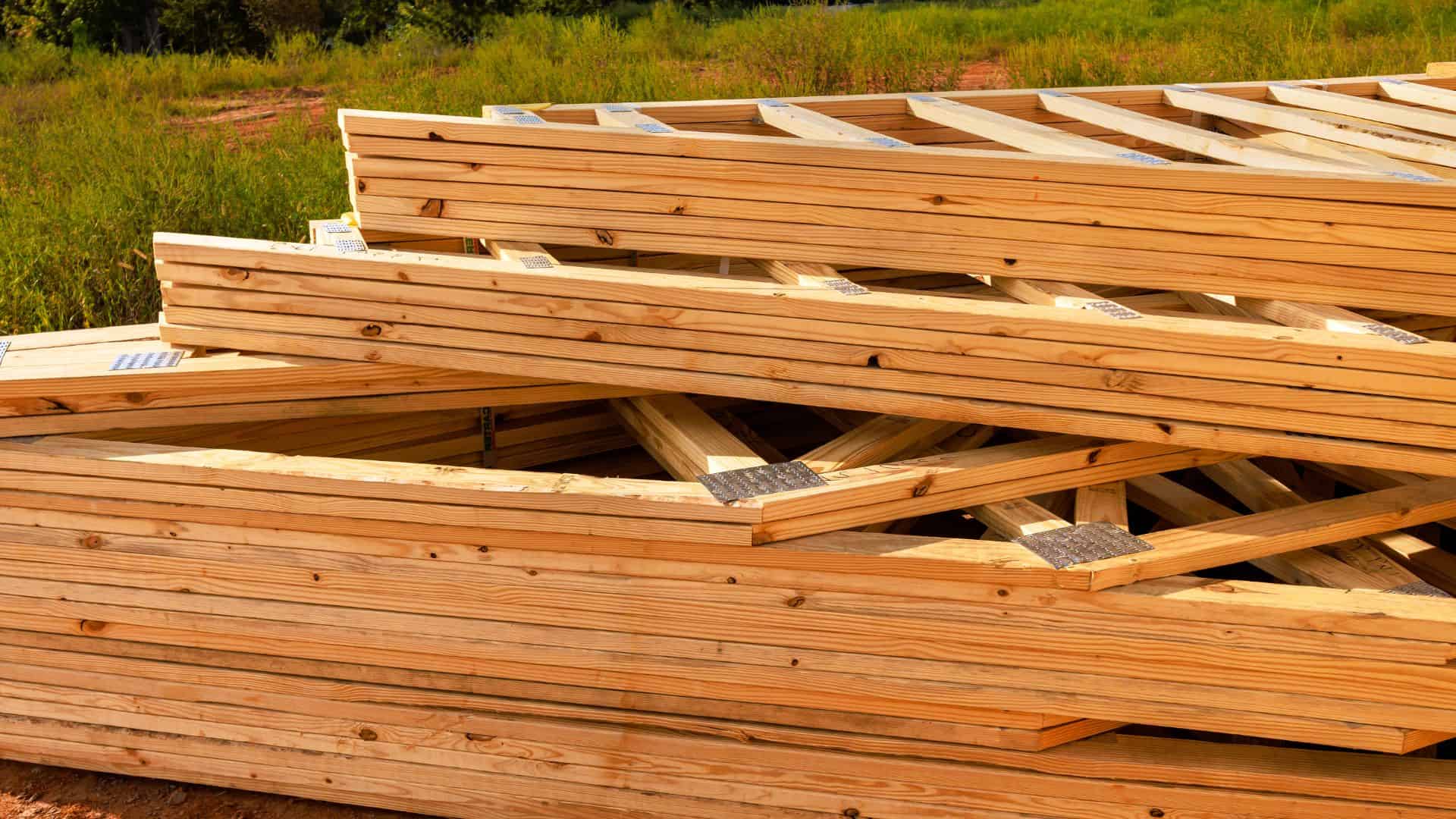
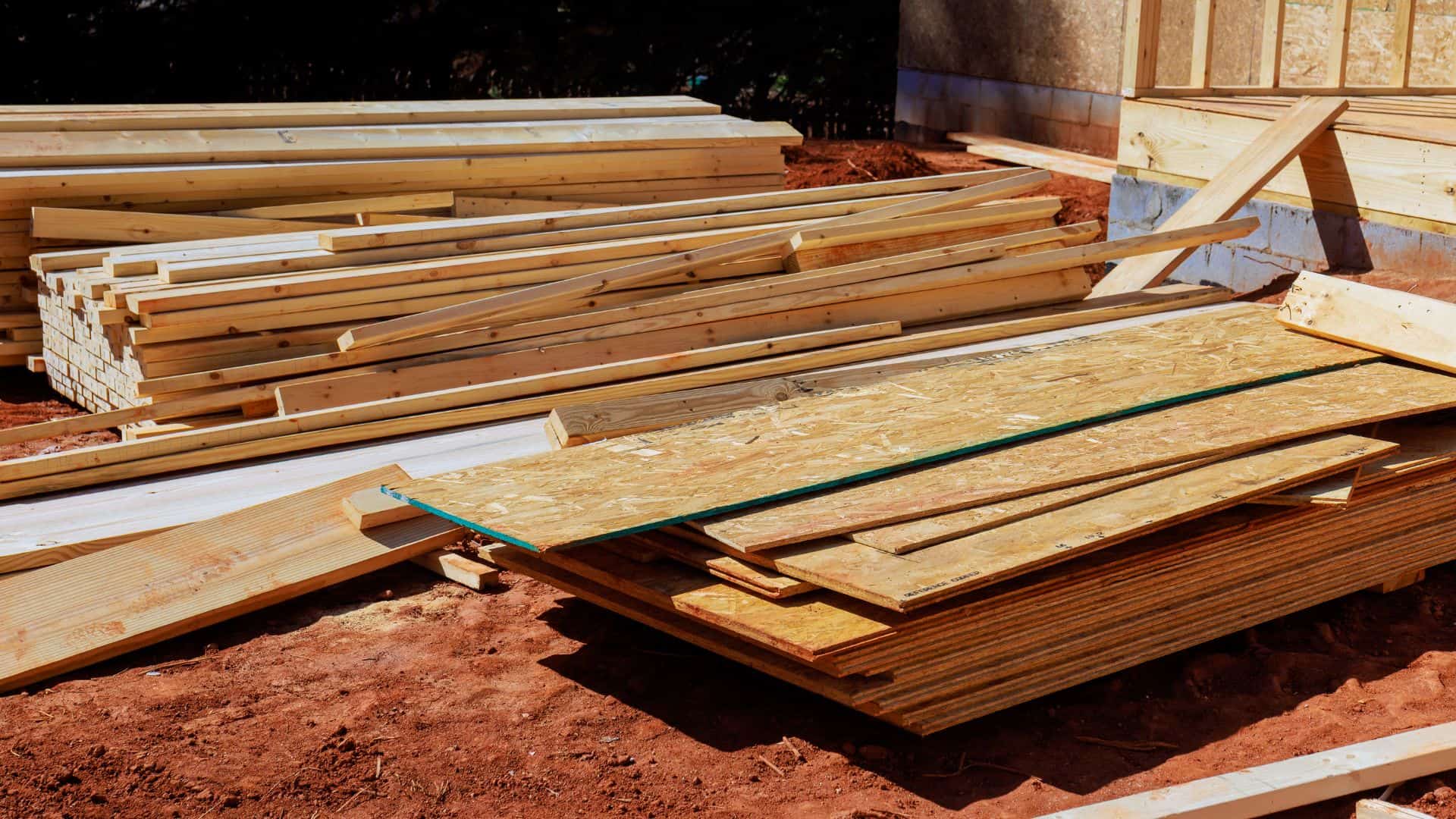
- FSC-certified lumber: Ensures responsible forest management.
- Engineered wood products: Use smaller trees more efficiently.
- Advanced framing techniques: Reduce material use while maintaining structural integrity.
Thoughtful framing design improves sustainability while maintaining structural performance.
Green Countertops And Cabinetry
Kitchens and bathrooms are renovation-heavy zones. Material choices here should balance durability, indoor air quality, and sustainability.
Recycled Glass Countertops
Recycled glass countertops combine crushed glass with binders to create durable surfaces.
- High recycled content: Diverts glass from landfills.
- Durable surface: Resistant to stains and heat when properly sealed.
- Distinct appearance: Offers unique patterns and color variations.
They are a strong alternative to resource-intensive natural stone.
FSC-Certified Wood Cabinets
FSC-certified wood ensures timber is sourced from responsibly managed forests.
- Verified sourcing: Reduces deforestation impact.
- Long-term durability: Quality hardwood cabinets can last decades.
- Ethical supply chain: Supports sustainable forestry practices.
Pairing certified wood with low-VOC finishes enhances indoor air quality.
Formaldehyde-Free Plywood
Many traditional plywood products contain formaldehyde-based adhesives that emit harmful gases.
- Improved indoor air quality: Reduces off-gassing in enclosed spaces.
- Health-conscious design: Ideal for kitchens, bathrooms, and bedrooms.
- Comparable strength: Meets performance standards without toxic binders.
This is a simple but meaningful upgrade in eco-friendly renovation planning.
Energy-Efficient Windows And Roofing
Energy-efficient windows and roofing systems play a major role in sustainable renovation, especially in Florida’s climate.
Impact-Resistant Windows
Impact-resistant windows are particularly important in hurricane-prone regions.
- Storm protection: Designed to withstand high winds and debris impact.
- Energy efficiency: Double-pane or triple-pane systems reduce heat transfer.
- Insurance benefits: May qualify for reduced premiums in Florida.
They combine safety with long-term energy savings.
Metal Roofing
Metal roofing is highly durable and fully recyclable at the end of its lifespan.
- Long service life: Can last 40 to 70 years.
- Reflective properties: Reduces heat absorption.
- Low maintenance: Resistant to rot, insects, and cracking.
In green renovation Florida projects, metal roofing performs exceptionally well under intense sun and heavy rain.
Cool Roofing Materials For Hot Climates
Cool-roof materials are engineered to reflect more sunlight and absorb less heat.
- Lower surface temperature: Reduces cooling demand.
- Energy savings: Improves overall building efficiency.
- Climate suitability: Ideal for homes exposed to constant sun.
When paired with proper insulation and ventilation, cool-roof systems significantly enhance sustainable building performance and long-term energy efficiency.
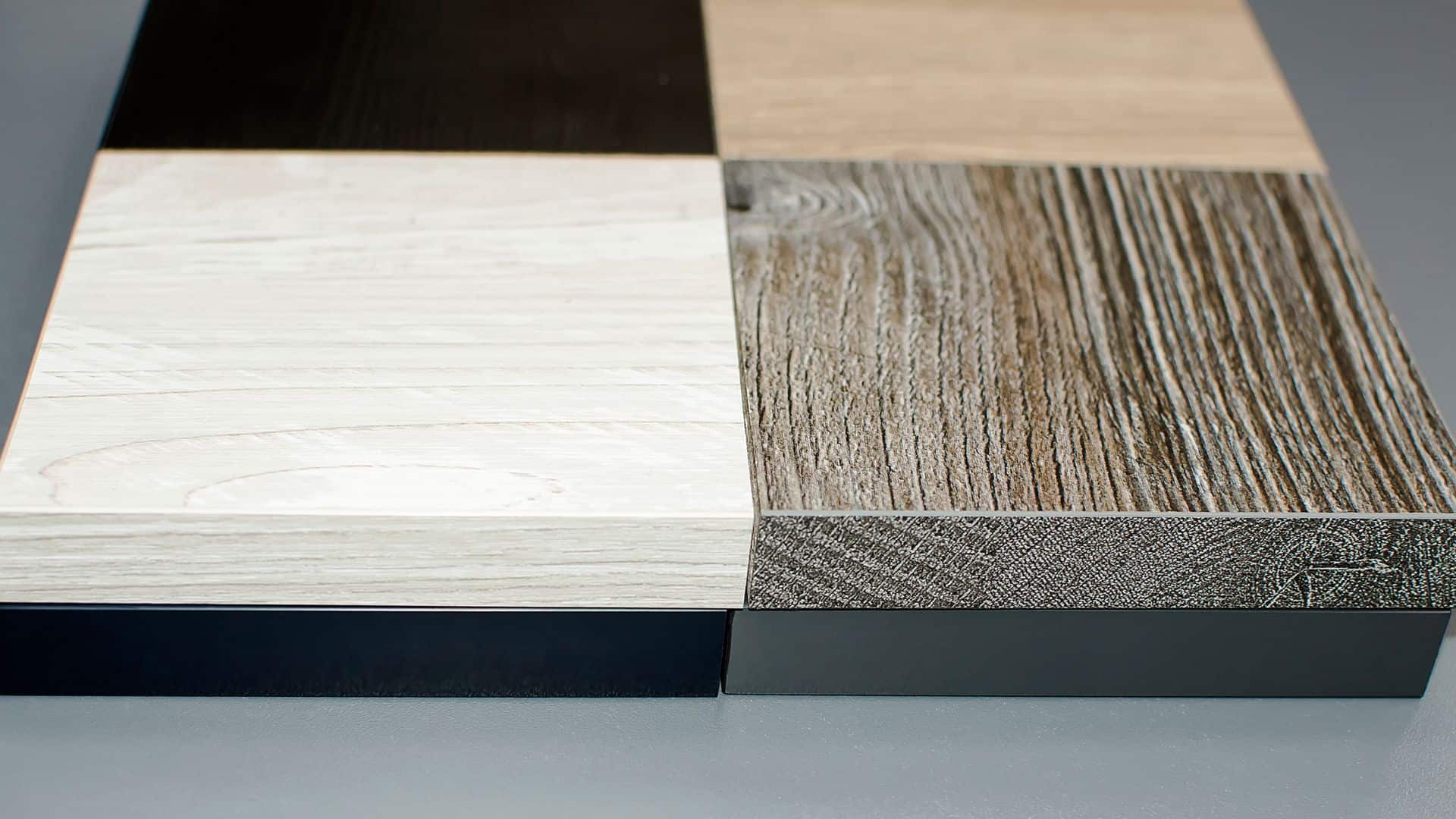
Eco-Friendly Renovation Materials For Florida Homes
Renovating sustainably in Florida requires more than choosing recycled or low-VOC products. The state’s hot, humid, storm-prone climate creates unique challenges that directly affect material performance, durability, and long-term value. Eco-friendly renovation materials must not only reduce environmental impact but also withstand moisture, intense sunlight, and hurricane-force winds. When chosen carefully, sustainable building materials can improve indoor air quality, lower energy costs, and increase resilience against Florida’s demanding weather conditions.
Climate-Specific Considerations
Florida’s environment is beautiful but unforgiving. Materials that perform well in cooler or drier regions may fail quickly here if they are not designed for high-moisture and high-heat conditions.
Humidity Resistance
High humidity is a year-round concern across most of Florida. Materials must resist swelling, warping, and moisture absorption.
- Moisture-stable materials: Choose engineered wood products rated for high-humidity climates or consider tile and polished-concrete flooring for areas prone to dampness.
- Proper sealing systems: Even sustainable materials need appropriate sealants and vapor-barriers to prevent moisture intrusion.
- Ventilation integration: Eco-friendly design should include well-planned ventilation systems that reduce trapped humidity and extend material lifespan.
In my experience working with Florida properties, material failure often happens not because the product was low quality but because humidity was underestimated.
Mold Prevention
Mold growth is one of the most common issues in Florida homes. Sustainable renovation should prioritize materials that discourage microbial growth.
- Mold-resistant drywall: Many modern drywall products contain additives that inhibit mold growth without introducing harmful chemicals.
- Low-VOC coatings: Eco-friendly paints and finishes reduce toxins while still providing protective barriers.
- Breathable assemblies: Wall systems that allow moisture to escape help prevent hidden mold behind surfaces.
Preventing mold is not only about health. It protects long-term structural integrity and avoids costly remediation.
Hurricane Durability
Florida building standards are among the strictest in the country due to hurricane exposure. Eco-friendly renovation materials must meet structural-performance requirements.
- Impact-rated windows: These reduce storm damage and improve energy-efficiency year-round.
- Reinforced fastening systems: Sustainable siding and roofing products should be installed with wind-rated fasteners that comply with Florida Building Code standards.
- Wind-resistant roofing materials: Metal roofing and properly rated shingles offer both durability and recyclability.
Resilient design is a core part of sustainable building. A material that fails during a storm and requires replacement is not environmentally responsible.
Heat-Reflective Materials
Florida’s intense sun drives up cooling costs. Reflective and energy-efficient materials significantly reduce heat absorption.
- Cool-roof technology: Reflective roofing surfaces lower attic temperatures and reduce HVAC strain.
- Energy-efficient glazing: Low-emissivity windows minimize solar heat gain while maintaining natural light.
- Light-colored exterior finishes: Reflective coatings help reduce surface heat buildup.
Energy-efficient materials are often the highest-return sustainable upgrade in hot climates.
Materials That Perform Well In Florida
Choosing the right sustainable building materials means balancing environmental responsibility with proven performance in Florida’s climate.
Fiber Cement Siding
Fiber cement siding is a durable, low-maintenance option that performs well in humid and storm-prone environments.
- Moisture resistance: Unlike traditional wood siding, fiber cement resists rot and insect damage.
- Fire and wind durability:
- Longevity: Its extended lifespan reduces replacement frequency, making it a practical eco-friendly renovation material.
Cool Roofs
Cool roofs are specifically engineered to reflect more sunlight and absorb less heat.
- Lower energy costs: Reduced attic heat lowers cooling demands.
- Extended roof life: Less heat expansion means slower material degradation.
- Recyclable options: Metal cool-roof systems are often recyclable at end-of-life.
For Florida homeowners, roofing is one of the most impactful sustainability decisions.
Moisture-Resistant Insulation
Insulation plays a major role in both comfort and efficiency.
- Closed-cell spray foam alternatives: Some low-emission formulations provide moisture control and high R-values.
- Cellulose insulation: Made from recycled paper, treated for fire and pest resistance.
- Proper installation: Even high-quality insulation fails without correct air-sealing and vapor management.
Energy-efficiency gains from upgraded insulation often deliver measurable cost savings within a few years.
Sustainable Decking Options
Outdoor living is central to Florida homes, so decking materials must handle sun and rain exposure.
- Recycled composite decking: Made from recycled plastics and wood fibers, resistant to moisture and rot.
- Responsibly sourced hardwoods: FSC-certified options provide durability without contributing to deforestation.
- Low-maintenance finishes: Reducing repainting and sealing lowers long-term environmental impact.
Decking should be selected with both durability and slip-resistance in mind due to frequent rainfall.
Incentives And Green Building Programs In Florida
Financial incentives and regulatory standards can make green renovation of Florida projects more affordable and structured.
Florida follows the Florida Building Code, which includes energy-efficiency and wind-resistance requirements. Compliance is not optional, and sustainable materials often align naturally with these standards.
- State and local rebates: Utility companies across Florida offer rebates for energy-efficient windows, roofing, insulation, and HVAC upgrades.
- Property-assessed clean energy programs: Some counties allow financing of energy-efficient improvements through property-tax assessments.
- Insurance discounts: Homes with impact-resistant roofing and windows may qualify for reduced premiums due to improved storm resilience.
- Recognized certifications: Programs such as ENERGY STAR, LEED for Homes, and the Florida Green Building Coalition provide structured sustainability frameworks.
Working within these programs not only ensures regulatory compliance but also strengthens the long-term return on investment.
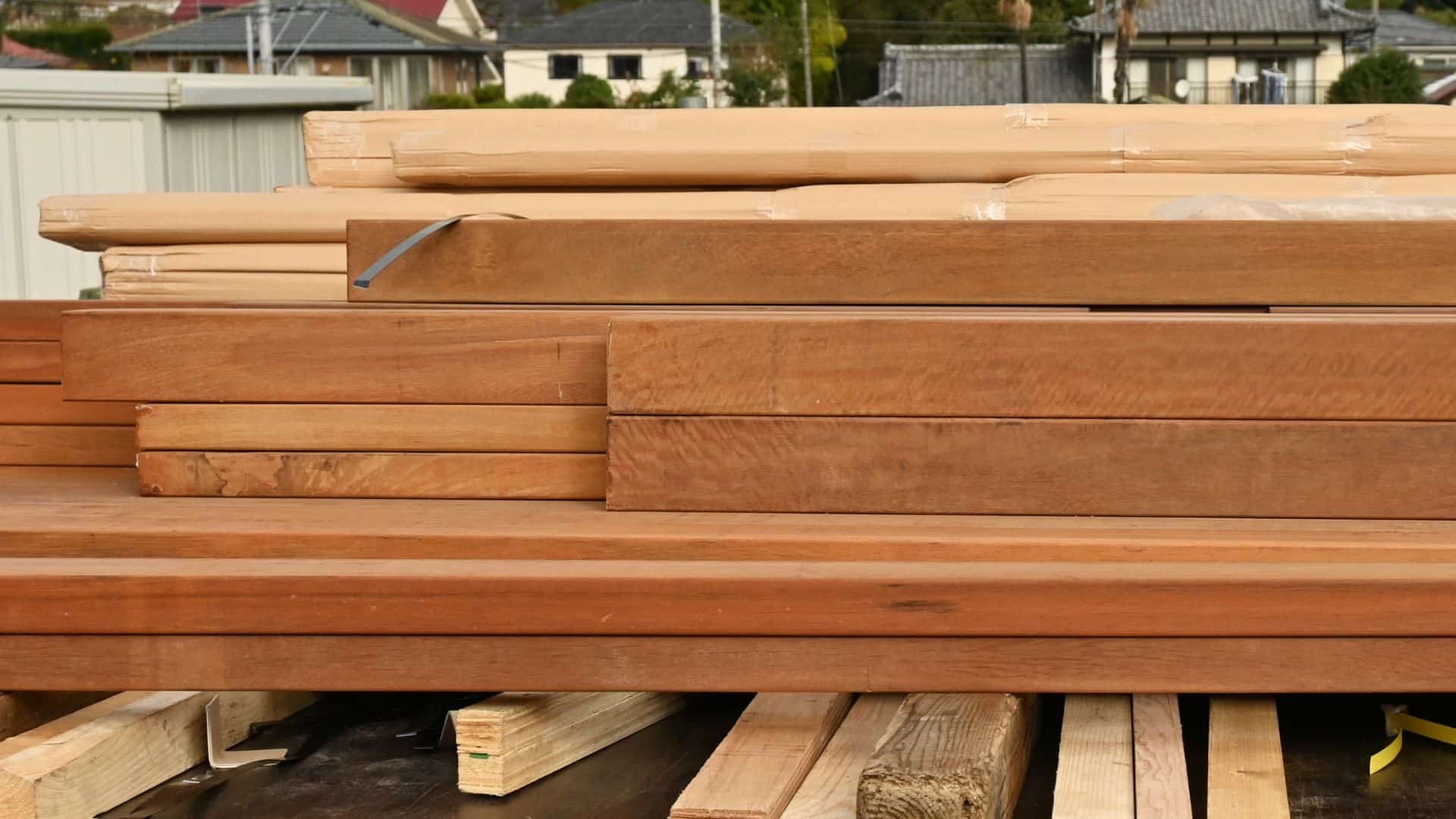
How to Choose the Right Sustainable Building Materials for Your Project
Choosing the right sustainable building materials is not about chasing trends or selecting the most expensive eco-labeled product on the market. It is about aligning your renovation goals with materials that deliver durability, energy-efficiency, indoor-air quality, and long-term value. Whether you are planning a small kitchen update or a whole-home remodel, smart material selection requires balancing upfront cost, performance expectations, climate considerations, and trusted sourcing. Below is a practical framework to help you make confident, informed decisions.
Budget vs Long-Term Savings
One of the most common misconceptions about eco-friendly renovation materials is that they are simply more expensive. In reality, the smarter comparison is not initial cost, but lifecycle cost. Sustainable building materials often outperform conventional products over time, particularly when energy-efficiency and durability are factored in.
Cost Comparison Over 10 to 20 Years
A short-term budget view can lead to expensive long-term mistakes. For example, choosing low-cost laminate flooring may save money today, but replacing it in eight years doubles your material and labor cost. By contrast, high-quality bamboo or reclaimed hardwood may last decades with minimal maintenance.
When comparing materials, consider:
- Maintenance requirements: Ongoing sealing, refinishing, cleaning, or repairs.
- Replacement cycle: How often the material will need to be replaced.
- Durability in your climate: Humidity, heat, or storm-exposure resistance, especially important in Florida homes.
- Resale value impact: Sustainable, high-performance materials often increase buyer appeal.
A 10 to 20 year projection often reveals that higher-quality sustainable building materials deliver better financial value, even if the upfront cost is higher.
Energy-Efficiency ROI
Energy-efficient materials provide one of the strongest returns on investment in any green-renovation project. Insulation, windows, roofing, and HVAC-related upgrades directly affect monthly utility costs.
Key factors to evaluate include:
- Insulation performance: High R-value insulation reduces heating and cooling loads.
- Window efficiency: Double-pane or impact-resistant windows improve thermal performance and storm-protection.
- Cool-roof materials: Reflective roofing lowers indoor temperatures in hot climates.
- Air-sealing upgrades: Reducing air leaks improves energy performance and indoor comfort.
In many Florida homes, improving insulation and installing energy-efficient windows can significantly reduce cooling costs. Over time, these savings offset material upgrades and improve long-term home resilience.
Renovation Scope: Kitchen, Bathroom, Whole Home
The scope of your renovation directly influences which sustainable building materials should take priority. Each area of the home has different moisture-levels, wear patterns, and performance requirements.
Material Priorities Per Project Type
Kitchen Renovation
Kitchens experience heavy use, heat exposure, and frequent cleaning. Focus on:
- Durable countertops: Recycled-glass, quartz with recycled content, or responsibly sourced stone.
- Low-VOC cabinetry: Formaldehyde-free plywood or FSC-certified wood.
- Water-efficient fixtures: Reduce water-consumption without sacrificing performance.
- Energy-efficient appliances: ENERGY STAR-rated appliances lower long-term energy costs.
Bathroom Renovation
Bathrooms require moisture-resistant materials to prevent mold and structural damage.
- Moisture-resistant drywall: Prevents mold-growth in humid environments.
- Water-saving fixtures: Low-flow toilets and faucets conserve water.
- Sustainable tile options: Recycled ceramic or porcelain tiles with long lifespan.
- Proper ventilation systems: Critical for maintaining indoor-air quality.
Whole-Home Renovation
Large-scale projects allow you to maximize energy-performance and material consistency.
- High-performance insulation: Improve building-envelope efficiency.
- Impact-resistant windows: Enhance energy-efficiency and storm-protection.
- Sustainable flooring throughout: Bamboo, cork, or reclaimed hardwood.
- Durable siding materials: Fiber-cement or reclaimed brick for longevity.
Prioritize materials that support building-envelope improvements first. Upgrading insulation and air-sealing often delivers more sustainability impact than cosmetic finishes alone.
Vetting Suppliers And Contractors
Even the best eco-friendly renovation materials can fail if they are poorly sourced or improperly installed. Working with knowledgeable suppliers and experienced contractors is essential for a successful green-renovation project.
Questions To Ask
Before purchasing materials or hiring a contractor, ask targeted, performance-focused questions:
- Material origin: Where is this product manufactured and sourced?
- Environmental certifications: What third-party standards verify sustainability-claims?
- Installation experience: Have you installed this material in similar climate-conditions?
- Maintenance expectations: What upkeep is required over time?
- Warranty coverage: Does the manufacturer provide long-term performance guarantees?
Clear answers demonstrate transparency and expertise.
Certifications To Verify
Not all sustainability claims are equal. Independent verification adds credibility and protects your investment.
Look for:
- FSC certification: Confirms responsibly sourced wood products.
- GREENGUARD certification: Indicates low chemical emissions.
- ENERGY STAR rating: Validates energy-efficiency standards.
- Cradle to Cradle certification: Evaluates product lifecycle sustainability.
- LEED contribution eligibility: Determines if materials support green-building credits.
Always confirm certifications directly through official databases rather than relying solely on marketing materials.
Avoiding Greenwashing
Greenwashing occurs when companies exaggerate or misrepresent environmental benefits. In my experience, this is one of the biggest pitfalls in sustainable renovations.
Watch for:
- Vague claims: Words like eco-safe or natural without measurable standards.
- Lack of documentation: No published environmental-product declarations.
- Irrelevant certifications: Labels unrelated to sustainability performance.
- Overemphasis on a single feature: For example, recycled packaging while ignoring high VOC content.
Choosing the right sustainable building materials requires thoughtful planning, long-term thinking, and informed partnerships. When you evaluate lifecycle cost, prioritize performance by renovation-scope, and verify supplier credibility, you create a renovation plan that is not only environmentally responsible but financially sound and structurally resilient.
Common Mistakes to Avoid When Planning a Green Renovation
A green renovation is about more than choosing eco-friendly finishes. It is about making long-term, performance-based decisions that improve durability, indoor-air quality, and overall sustainability. Over the years, I have seen well-intentioned homeowners invest in sustainable building materials but overlook practical details that ultimately reduce the effectiveness of their renovation. Avoiding the following common mistakes will help ensure your eco-friendly renovation materials truly deliver environmental and financial value.
Choosing Aesthetics Over Durability
It is easy to be drawn to a beautiful reclaimed-wood wall or a trendy natural-material finish. However, sustainability starts with durability. If a product needs to be replaced in five years, it is not environmentally responsible no matter how attractive it looks.
- Long-term performance: Sustainable building materials should withstand wear, moisture, and daily use without premature failure. For example, bamboo flooring may be renewable, but lower-quality versions can dent or warp in high-humidity climates.
- Maintenance demands: Some natural finishes require frequent sealing or refinishing, which adds cost and chemical exposure over time.
- Climate compatibility: Materials must perform well in the specific environment where they are installed. In Florida, heat-resistant and moisture-resistant options are far more sustainable than delicate finishes that deteriorate quickly.
When planning an eco-friendly renovation, always ask how long the material will realistically last and how it performs under stress.
Falling For Greenwashing Marketing
Greenwashing is one of the biggest challenges in the sustainable building industry. Many products are labeled eco-friendly without meaningful environmental credentials.
- Vague claims: Terms like natural, green, or environmentally-safe often lack clear definitions or certification.
- Missing third-party verification: Reputable sustainable building materials typically carry certifications such as FSC, GREENGUARD, ENERGY STAR, or Cradle-to-Cradle.
- Hidden trade-offs: A product may be made from recycled-content but manufactured through energy-intensive processes that increase its carbon-footprint.
As a best-practice, always review product documentation and ask suppliers for material-safety data sheets or certification proof. A truly eco-friendly renovation relies on transparency and evidence, not marketing language.
Ignoring Local Climate Suitability
Sustainability is not one-size-fits-all. What works in a dry, temperate region may fail in a high-humidity or hurricane-prone area. Climate-appropriate material selection is critical for green renovation in Florida and similar environments.
- Humidity-resistance: Materials that absorb moisture easily can promote mold-growth and structural damage.
- Heat-reflectivity: Cool-roof systems and reflective exterior-finishes reduce cooling costs and energy consumption.
- Storm-durability: Impact-resistant windows and reinforced roofing systems improve resilience and reduce repair-waste after severe weather events.
Choosing sustainable building materials that align with local building-codes and climate conditions ensures the renovation remains environmentally responsible over time.
Overlooking Ventilation And Moisture Control
Even the best eco-friendly renovation materials can fail if the home lacks proper ventilation and moisture-management. Sustainability includes building-science fundamentals, not just surface materials.
- Airflow planning: Proper attic-ventilation and balanced HVAC-systems prevent condensation build-up.
- Vapor-barriers: Correctly installed moisture-barriers protect insulation and structural components from hidden water-damage.
- Indoor-air quality: Low-VOC paints and adhesives are only effective if air-circulation supports pollutant-removal.
From experience, moisture-related issues are among the most common causes of premature material-failure. A green renovation should always integrate a whole-home approach rather than focusing solely on visible finishes.
Prioritizing Trend Over Lifecycle Performance
Design-trends change quickly, but sustainable decisions should be based on lifecycle-performance. A material that looks modern today may feel outdated in a few years, leading to unnecessary renovations.
- Lifecycle-cost analysis: Evaluate upfront-cost, maintenance, repair-frequency, and disposal-impact over 15 to 30 years.
- Embodied-carbon considerations: Longer-lasting materials often offset higher production-impact through extended service-life.
- Timeless design principles: Neutral, durable materials reduce the temptation for trend-driven replacements.
By avoiding these common mistakes, homeowners can ensure their eco-friendly renovation materials genuinely support long-term sustainability, resilience, and healthy-living. Thoughtful planning, climate-awareness, and evidence-based decision-making are what transform a renovation into a truly green investment.
Expert Insights: What Sustainable Builders Wish Homeowners Knew
Many homeowners focus on selecting eco-friendly finishes, but experienced sustainable builders know that high-performance renovation goes much deeper. True sustainability is not about choosing a single green product. It is about how every material, system, and design decision works together to create a resilient, energy-efficient, and healthy home. Below are the core insights professionals consistently share after years of hands-on experience in sustainable building and green renovation projects.
Sustainability Is Not Just About Materials, It Is About Systems
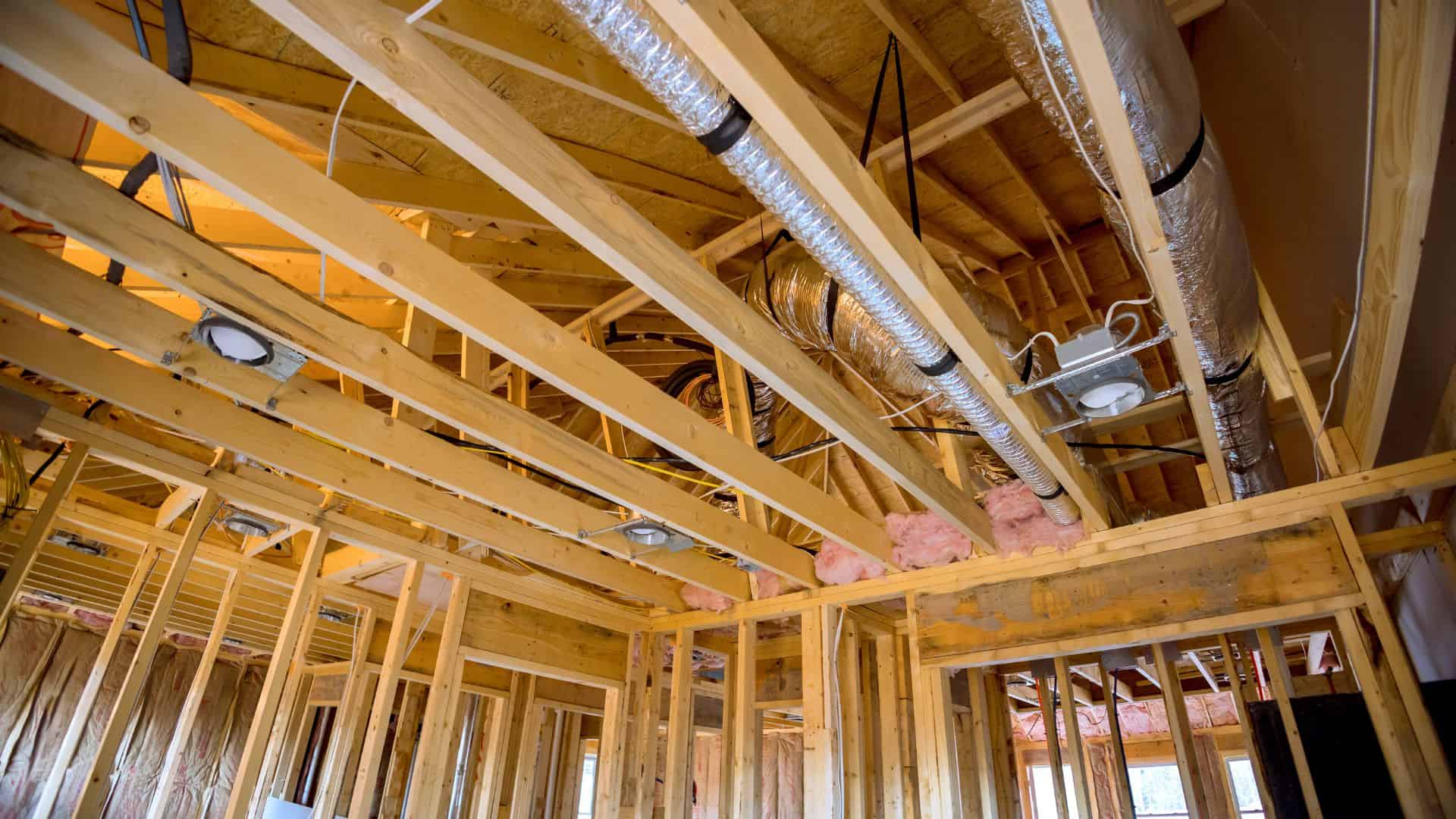
Choosing eco-friendly renovation materials is important, but materials alone do not create a high-performance home. A house functions as a connected system where insulation, ventilation, roofing, windows, HVAC, and moisture control must work together.
When one part of the system is weak, overall performance suffers. For example, installing sustainable insulation without proper air-sealing can significantly reduce its effectiveness. Similarly, adding energy-efficient windows without addressing solar heat-gain or shading strategies may not deliver the expected comfort improvements.
Sustainable renovation should prioritize:
- Whole-home thinking: Evaluate how upgrades affect airflow, temperature control, and humidity management.
- Building-envelope integrity: Focus on air-sealing, insulation continuity, and proper window-installation to reduce energy loss.
- Ventilation balance: Ensure fresh-air exchange without sacrificing energy efficiency through properly designed ventilation systems.
- Mechanical-system alignment: Size HVAC systems correctly after energy-efficiency upgrades to avoid over-cycling and excess humidity.
From experience, the most successful green renovation projects begin with an energy-audit or performance-assessment rather than a shopping list of materials. This approach leads to smarter decisions and long-term savings.
Energy Efficiency Often Matters More Than Surface Finishes
Homeowners are naturally drawn to visible upgrades such as bamboo flooring, recycled-glass countertops, or low-VOC paint. While these choices support sustainability goals, they often have less environmental impact than improvements in insulation, air-sealing, and mechanical-efficiency.
If your goal is to reduce carbon-footprint and utility costs, focus first on upgrades that lower energy-consumption over time.
High-impact energy-efficiency improvements include:
- Attic-insulation upgrades: Properly installed high-R-value insulation reduces heating and cooling demand immediately.
- Air-sealing improvements: Sealing ductwork, attic penetrations, and window frames prevents conditioned-air loss.
- Energy-efficient windows: Impact-rated, low-E windows are especially important in hot climates like Florida.
- High-efficiency HVAC systems: Modern systems paired with smart-thermostats optimize performance and comfort.
Surface materials improve aesthetics and indoor air-quality, but energy-system upgrades deliver measurable, long-term environmental and financial returns. Sustainable building materials are most powerful when they support an efficient structure beneath them.
The Importance Of Moisture Management In Humid Climates
In humid regions such as Florida, moisture control is not optional. It is foundational. Many well-intentioned green renovation projects fail because moisture-dynamics were not properly addressed.
High-humidity environments increase the risk of mold-growth, wood-rot, and insulation-degradation. Even eco-friendly renovation materials can underperform if installed without proper vapor-control and ventilation strategies.
Critical moisture-management considerations include:
- Humidity-resistant materials: Use fiber-cement siding, mold-resistant drywall, and moisture-tolerant flooring in high-risk areas.
- Proper vapor-barriers: Install vapor-control layers appropriate for your climate-zone to prevent condensation within walls.
- Ventilation strategy: Ensure bathrooms, kitchens, and laundry areas are properly vented to the exterior.
- Roof and flashing integrity: Durable roofing and correct flashing details prevent water-intrusion during storms.
In my experience working on sustainable renovation projects in humid climates, the most expensive repairs often result from overlooked moisture issues rather than material-failure. Prioritizing building-envelope protection protects both your investment and your indoor-air quality.
Why Durability Is The Most Underrated Sustainability Factor
A product is not sustainable if it needs replacement every five to ten years. True sustainability balances environmental-impact with long-term durability.
One of the biggest misconceptions in green renovation is assuming that “natural” automatically means durable. Some renewable materials perform exceptionally well, while others require climate-specific evaluation.
When assessing sustainable building materials, consider:
- Lifecycle-cost: Calculate replacement-frequency, maintenance-cost, and expected lifespan.
- Climate-compatibility: Ensure materials can withstand local heat, humidity, storms, or freeze-thaw cycles.
- Maintenance-requirements: Low-maintenance materials often reduce long-term environmental-impact.
- Recyclability at end-of-life: Materials that can be reused or recycled extend their sustainability beyond initial installation.
Durability is often the quiet hero of eco-friendly renovation. A metal-roof that lasts 40 to 70 years may offer greater environmental benefits than a shorter-life alternative marketed as green.
From Experience: A Builder’s Perspective
After years of working on sustainable building projects, one pattern stands out. The most successful eco-friendly renovations are not the ones with the most certifications or the trendiest materials. They are the ones who prioritize performance, moisture-control, and durability from the beginning.
Homeowners who invest in energy-efficiency, building-envelope integrity, and climate-appropriate materials consistently see better comfort, lower utility costs, and fewer long-term maintenance issues. Sustainable renovation materials matter, but how they are selected, installed, and integrated into the overall home system matters even more.
Step-By-Step: Planning Your Eco-Friendly Renovation
A successful eco-friendly renovation does not start with materials. It starts with clarity. The homeowners who see the best results approach sustainable remodeling with a plan that balances environmental impact, long-term savings, and real-world performance. Below is a practical framework I use when guiding clients through green renovation projects, whether they are upgrading a single room or transforming an entire home.
Assess Your Goals
Before choosing sustainable building materials, define what success looks like for you. Eco-friendly renovation can mean different things depending on your priorities.
- Health improvements: Focus on low-VOC paints, formaldehyde-free cabinetry, natural insulation, and materials that improve indoor-air quality. This is especially important for families with allergies, asthma, or chemical sensitivities.
- Cost savings: Prioritize energy-efficient windows, insulation upgrades, air-sealing, and high-performance roofing. These upgrades typically produce measurable utility savings within the first few years.
- Environmental impact: Choose recycled-content materials, FSC-certified wood, rapidly renewable products like bamboo, and locally sourced options to reduce embodied carbon.
- Resilience: In climate-sensitive areas such as Florida, hurricane-resistant windows, moisture-resistant materials, and cool-roof systems can protect both your investment and the environment.
Clear goals prevent overspending and help you avoid trendy upgrades that do not deliver meaningful results.
Audit Current Materials And Inefficiencies
A green renovation should be guided by data, not assumptions. Before purchasing anything, evaluate what is already in place and where the real inefficiencies exist.
- Energy performance: Review utility bills and identify patterns. High cooling costs may signal poor insulation or outdated windows.
- Moisture issues: Inspect for mold-prone areas, poor ventilation, or humidity damage. In humid climates, moisture-management is just as important as energy-efficiency.
- Material condition: Determine what can be reused or reclaimed. Salvaging existing hardwood floors or structural beams reduces waste and saves money.
- Air leakage: Check for drafts around windows, doors, and ductwork. Air-sealing is one of the most cost-effective sustainable upgrades available.
This audit stage ensures you focus on meaningful improvements instead of cosmetic changes that offer little environmental return.
Prioritize High-Impact Upgrades
Not all eco-friendly renovation materials deliver equal benefits. Strategic prioritization maximizes both environmental and financial returns.
- Insulation and air-sealing: These upgrades often provide the fastest return-on-investment by lowering heating and cooling costs.
- Energy-efficient windows: Impact-resistant and low-emissivity windows reduce energy loss while improving durability.
- Roofing systems: Cool-roof materials or metal roofing can significantly reduce heat absorption in warm climates.
- Mechanical systems: Upgrading HVAC systems to high-efficiency models enhances the performance of sustainable building materials.
Start with the building envelope. Once your home retains energy efficiently, decorative materials such as sustainable flooring or recycled countertops become the finishing layer rather than the foundation of your sustainability strategy.
Source Sustainable Building Materials
Choosing the right materials requires more than reading product labels. Many products claim to be green without meaningful environmental benefits.
- Third-party certifications: Look for FSC certification for wood, GREENGUARD for indoor-air quality, ENERGY STAR for performance, and other credible standards.
- Lifecycle durability: Select materials that last. A long-lasting product with minimal maintenance is often more sustainable than a trendy option that requires replacement.
- Local sourcing: Purchasing materials manufactured near your region reduces transportation emissions and supports the local economy.
- Supplier transparency: Request environmental-product declarations and ask suppliers detailed questions about sourcing and manufacturing processes.
Thoughtful sourcing reduces the risk of greenwashing and ensures your renovation aligns with sustainable-building principles.
Work With Experienced Green-Renovation Professionals
Even the best materials can fail if installed incorrectly. Experienced professionals understand how systems work together and how climate affects performance.
- Proven experience: Ask contractors about past eco-friendly renovation projects and request references.
- Climate knowledge: In regions like Florida, professionals should understand humidity-control, hurricane codes, and moisture-resistant assemblies.
- Integrated approach: Skilled builders consider insulation, ventilation, roofing, and window performance as a unified system rather than isolated upgrades.
- Clear documentation: A trustworthy contractor provides written specifications, material data, and performance expectations.
An experienced green-renovation team protects your investment and ensures sustainable-building materials deliver their intended benefits.
Measure Performance Post-Renovation
A renovation is not complete until performance is verified. Measuring results confirms whether your eco-friendly renovation achieved its goals.
- Energy tracking: Compare utility bills before and after improvements to evaluate savings.
- Indoor-air quality: Monitor humidity levels and air quality indicators to ensure low-VOC materials and ventilation upgrades are effective.
- Maintenance review: Track durability and repair needs over time to assess material performance.
- Comfort assessment: Notice temperature consistency, reduced drafts, and improved indoor comfort.
When approached step-by-step, eco-friendly renovation becomes practical and achievable rather than overwhelming. By defining goals, auditing inefficiencies, prioritizing impactful upgrades, carefully sourcing sustainable building materials, working with experienced professionals, and measuring performance, you create a home that is healthier, more durable, and aligned with long-term environmental responsibility.
If you are ready to move from research to results, our team specializes in helping homeowners choose eco-friendly renovation materials that are practical, durable, and tailored to Florida’s climate. Visit our website to explore expert insights, sustainable product recommendations, and proven green renovation strategies designed to protect your investment while building a healthier, more efficient home.
FAQs: About Eco-Friendly Renovation Materials
- What are eco-friendly renovation materials?
Eco-friendly renovation materials are sustainable building products designed to reduce environmental impact and improve indoor health. They often include recycled, reclaimed, renewable, or low-VOC materials such as bamboo flooring, reclaimed wood, recycled insulation, and energy-efficient windows. - Are sustainable building materials more expensive than traditional materials?
Some sustainable building materials have a higher upfront cost, but many reduce long-term expenses through durability and energy efficiency. Lower utility bills, reduced maintenance, and longer product lifespans often offset the initial investment over time. - How do I know if a material is truly eco-friendly?
Look for credible third-party certifications such as FSC, GREENGUARD, ENERGY STAR, or Cradle to Cradle. Review product transparency documents and verify claims about recycled content, VOC levels, and sourcing to avoid greenwashing. - What are the best eco-friendly renovation materials for Florida homes?
In Florida’s humid and storm-prone climate, materials like fiber cement siding, metal roofing, impact-resistant windows, moisture-resistant insulation, and mold-resistant drywall perform well. Durability and moisture control are key factors when choosing materials in this region. - Do eco-friendly materials improve indoor air quality?
Yes, many sustainable materials are low VOC or non-toxic, which helps reduce harmful emissions inside the home. Choosing low-emission paints, adhesives, and cabinetry can significantly improve indoor air quality and overall comfort. - Is bamboo flooring really sustainable?
Bamboo can be sustainable because it grows quickly and regenerates without replanting. However, sustainability also depends on responsible harvesting, manufacturing practices, and transportation distance, so verifying certifications is important. - What is the difference between recycled and reclaimed materials?
Recycled materials are manufactured using processed waste materials, such as recycled glass countertops or recycled steel. Reclaimed materials are salvaged from previous buildings or structures and reused in their existing form, such as reclaimed wood beams or bricks. - Can I complete a green renovation without remodeling my entire home?
Yes, sustainable upgrades can be done in phases. Replacing insulation, installing energy-efficient windows, switching to low-VOC paint, or upgrading to sustainable flooring are practical starting points that deliver meaningful environmental and financial benefits. - How do sustainable building materials affect home value?
Homes with energy-efficient systems and durable, sustainable materials often appeal to environmentally conscious buyers. Lower operating costs, improved resilience, and modern building standards can enhance long-term resale value. - What are common mistakes to avoid in a green renovation?
Common mistakes include focusing only on aesthetics, ignoring climate suitability, and trusting unverified eco claims. It is also important to consider durability, ventilation, and moisture management to ensure materials perform well over time.
Conclusion
Creating a truly sustainable home is not about chasing trends or selecting the most expensive eco-labeled product on the market. It is about making thoughtful, well-informed decisions that improve long term performance, protect indoor health, and reduce environmental impact in practical ways. When homeowners focus on eco-friendly renovation materials that are durable, climate-appropriate, and responsibly sourced, they build spaces that last longer and require fewer future repairs or replacements. Sustainable renovation is ultimately about long-term thinking, understanding how materials perform over decades rather than just how they look on installation day. Even small upgrades such as switching to low VOC paint, installing moisture-resistant insulation, improving attic ventilation, or choosing energy-efficient windows can create a meaningful impact on comfort, air quality, and energy bills. Real sustainability happens when materials, energy systems, and climate awareness work together as a complete system rather than isolated upgrades.
Transform Your Home With Eco Friendly Renovation Materials And Expert Craftsmanship
- Full Home Remodeling: Expert full home renovation services tailored to sustainable building goals, updating everything from structural elements to finishes with thoughtful, eco-conscious material choices.
- Kitchen Remodeling: Friendly kitchen renovation service that helps homeowners select durable, sustainable materials and energy-efficient appliances for a healthier, greener cooking space.
- Luxury Kitchen Remodel: Personalized design and high-performance renovation focusing on premium sustainable materials that balance style, long-term value, and environmental impact.
- Bathroom Remodeling: Professional bathroom remodels that integrate water-saving fixtures, low-VOC finishes, and resilient materials that support indoor health and home performance.
- Commercial Remodeling: Comprehensive renovation for commercial spaces using sustainable selections and expert project management to enhance efficiency and occupant comfort.
- Floor Installation Contractor: Flooring installation using high-quality, long-lasting materials suited to both sustainability objectives and stylish design for every room.
- In-house Interior Designer: Collaborative design services that guide you to eco-friendly finishes, energy-efficient layouts, and sustainable material selections for your renovation vision.