

Welcome to this practical guide on how to build a fireplace mantel in Florida, where design choices often balance style, humidity, and the unique construction of many local homes. You might be thinking about upgrading a dull living room, adding a focal point to an electric or decorative fireplace, or creating a cozy feature that fits your Florida lifestyle. This walkthrough gives you clear steps, helpful tips, and simple explanations so you can build a mantel that looks good, holds up well in a humid climate, and fits the overall feel of your home. You’ll learn what tools you need, how to measure your space, how to choose the right materials, and how to assemble and install the mantel safely. You’ll also see ideas for finishes, styling, and maintenance. By the end, you’ll feel ready to start planning your project with confidence and a clear direction.
To build a fireplace mantel in Florida, measure your fireplace area, choose moisture-resistant materials, build a simple mantel box or shelf, secure a mounting cleat to wall studs, and install the mantel evenly before finishing it with paint or stain that holds up well in humid conditions. This approach gives you a durable, stylish mantel suited for Florida homes.
What To Know Before You Start
Before you begin building a fireplace mantel, it helps to understand the type of fireplace you have and the conditions in your home. Florida homes vary widely, and knowing these details will guide your choices and prevent problems later. You want to make sure the mantel fits safely, looks right, and holds up well over time.
Functional vs Decorative Fireplaces
A functional fireplace gives off heat and follows strict safety rules. A decorative fireplace is mostly for appearance and may use electric units or simple wall inserts. This difference matters because a functional setup needs heat-safe materials, wider clearances, and careful spacing. A decorative one gives more freedom with styles, finishes, and placement. Think about how you use your fireplace and what you want the mantel to add to the space.
Florida’s High Humidity
Homes in Florida deal with moisture year-round. Wood can swell or warp if it is not sealed correctly. Choose materials that handle humidity well, such as treated wood or moisture-resistant boards. Add a finish that protects the surface from long-term exposure. This extra step helps your mantel stay straight and stable.
Coastal Environments
If you live near the coast, salt in the air can affect screws, brackets, and finishes. Pick hardware that resists corrosion. Seal all surfaces to keep the mantel in good shape. This keeps your project looking clean and reduces maintenance.
Lightweight Construction in Some Homes
Many Florida homes use lighter framing, especially in newer builds or homes with specific design features. Before mounting anything heavy, check the wall structure. A stud finder helps you see where the strongest mounting points are. You may need extra support if the wall feels thin or hollow.
Safe Clearances and Guidelines
Fireplaces have rules about how close materials can be to the firebox. These rules focus on safety and vary depending on your setup. For a functional fireplace, measure the distance from the firebox opening to the bottom of the mantel. Check manufacturer instructions and local rules so you stay within safe limits. For decorative fireplaces, spacing is more flexible, but a well-placed mantel still creates a balanced look.
Check Your Wall Support
Before building, ask yourself whether your wall can hold the weight of the mantel you want. Heavier materials need solid anchors and recessed supports. Light designs fit well in homes with thin framing. Taking a moment to confirm support helps you avoid sagging or unsafe mounting.
A few minutes of planning makes the rest of the project easier. Knowing what you’re working with helps you choose the right design and gives the final result a strong foundation.
Tools And Materials You’ll Need
When you start building a fireplace mantel for a Florida home, having the right tools and materials makes the project easier and helps you get a clean, stable finish. This section walks you through the items you’ll need, why each one matters, and how your choices can hold up better in a humid climate. You can adjust this list based on the size of your mantel and the style you want, but these basics give you a solid starting point.
Essential Tools
You can complete most mantel builds with common household tools. A drill helps you secure brackets and drive screws into wall studs. A level keeps the mantel straight so it doesn’t lean or tilt. Screws rated for interior construction give stability to the structure. A stud finder helps you locate the safest points for mounting the mantel. Wood glue strengthens joints and prevents gaps from forming over time. A measuring tape ensures accurate cuts and proper spacing before you commit to installation. These tools help you build safely and confidently, even if this is your first project.
Material Options
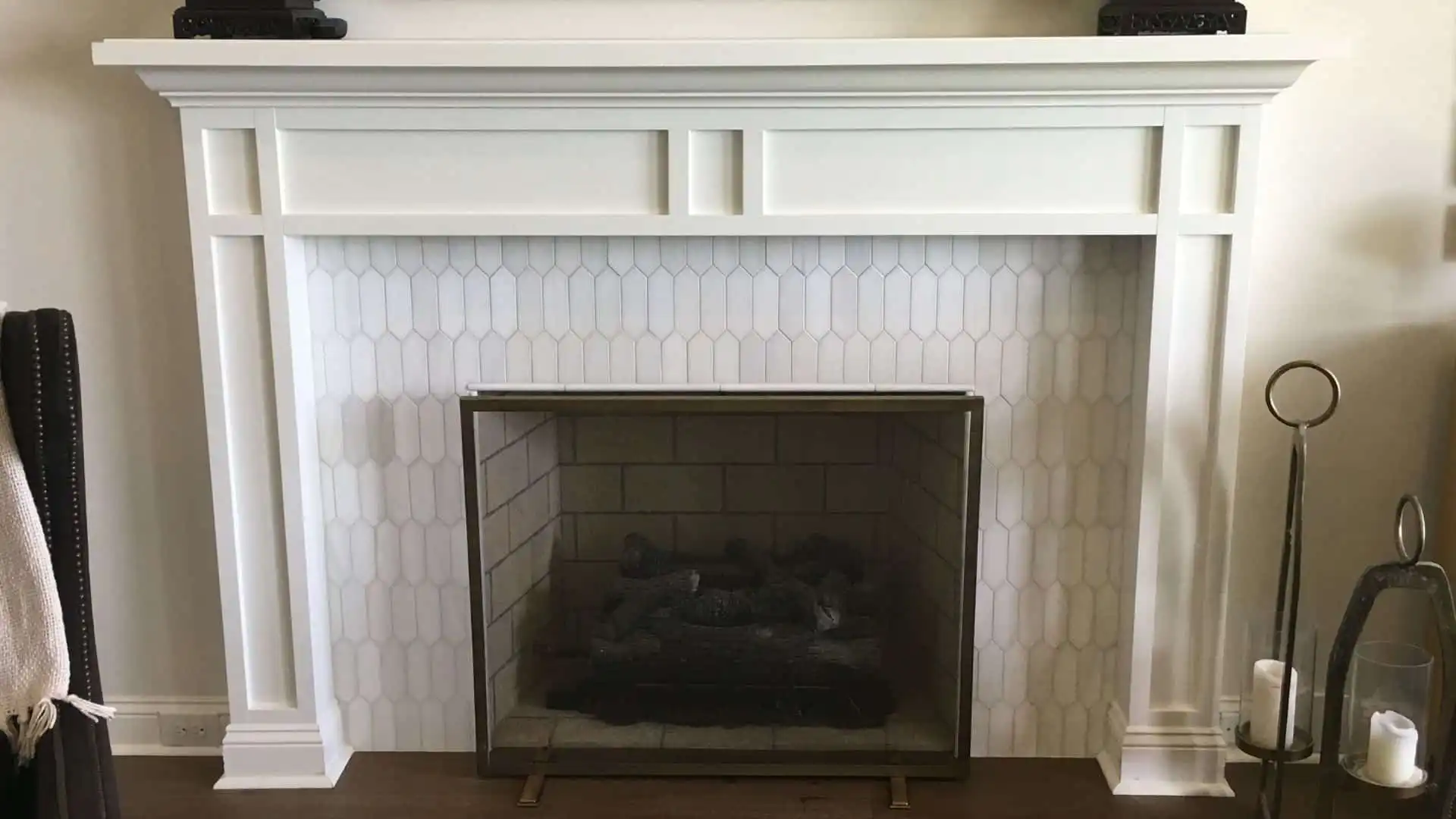
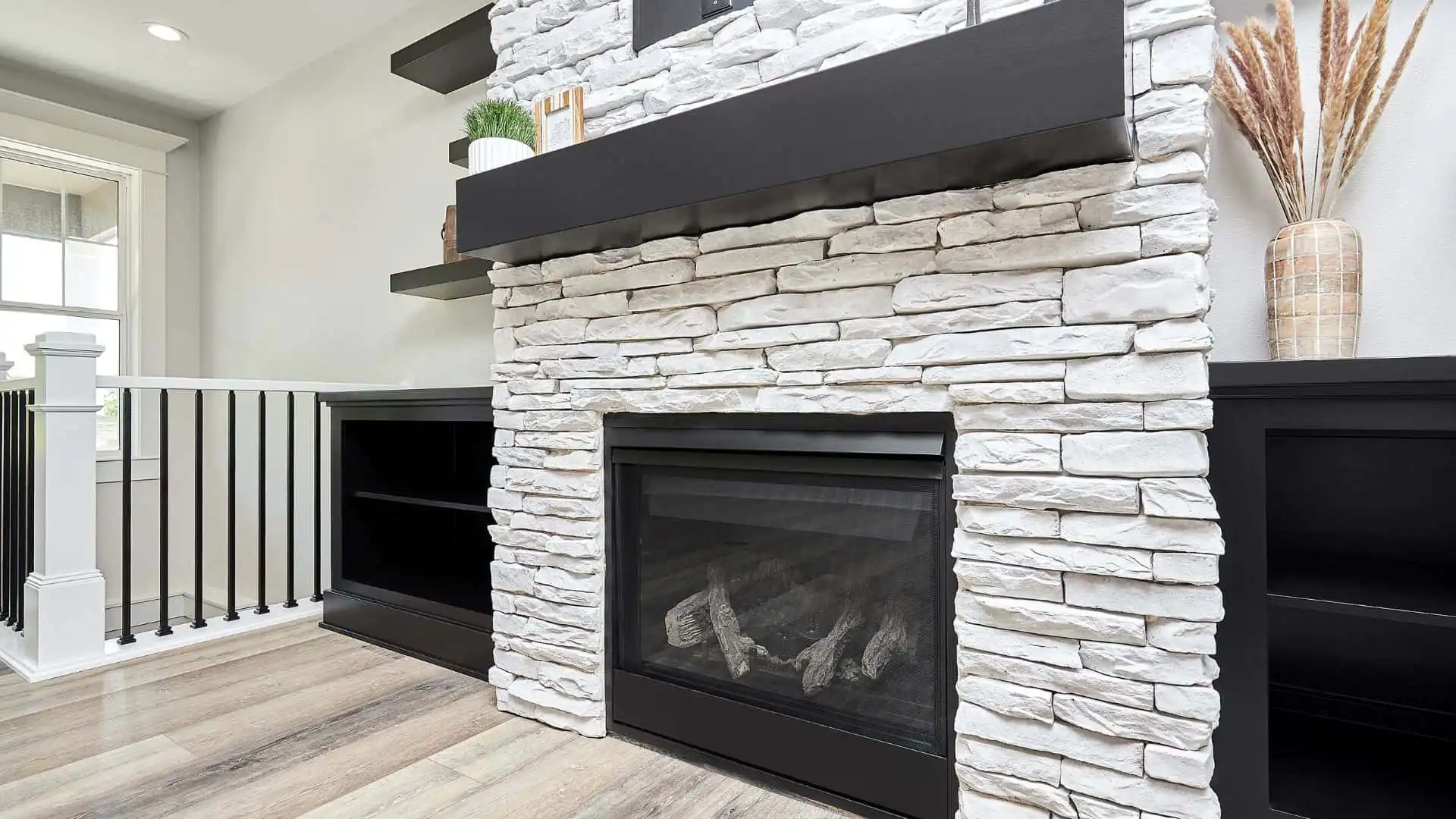
You have several choices when it comes to materials for the mantel. Solid wood gives a warm and natural feel that works well in many homes. MDF is an affordable option with a smooth surface that takes paint well. Reclaimed wood adds character and creates a lived-in look. Stone veneer offers a durable, decorative finish if you want something more dramatic. Each option has its benefits, and your choice depends on how you want the mantel to look in your space.
Best Materials For Florida’s Climate
Florida’s humidity can affect how materials age, so choosing wisely helps your mantel last longer. Solid hardwoods such as oak or maple resist warping better than softwoods. MDF can work well if you seal it properly. Reclaimed wood performs well when treated with the right protective coatings. Stone veneer holds up very well in humid conditions and needs minimal care. Picking climate-friendly materials can save you from future repairs.
Use Of Moisture-Resistant Finishes
No matter which material you choose, adding a moisture-resistant finish helps protect the mantel from swelling, cracking, and wear. A high-quality sealant or clear coat reduces the impact of humidity and keeps the surface looking smooth. This step matters in Florida, where temperature changes and damp air can cause problems if materials aren’t sealed correctly.
Choosing Your Style
Now that you know the tools and materials involved, think about the look you want. Do you like the texture of reclaimed wood, the clean surface of painted MDF, or the bold appearance of stone veneer? Your style choice guides the shape, color, and finish of the mantel, and it helps you create a feature that fits your home.
A well-planned set of tools and materials sets the tone for a smooth project, and taking time to choose the right items makes the rest of the build easier. If you’re ready to move forward, the next steps will walk you through the actual building process.
Measuring Your Space
Measuring your space carefully helps you build a mantel that fits the room, meets safety rules, and looks balanced on the wall. You only need a tape measure, a level, and a few minutes of focused attention. Clear measurements guide your cuts, help you choose the right mantel width, and prevent common mistakes that lead to awkward proportions or unsafe spacing.
Measuring The Firebox Opening
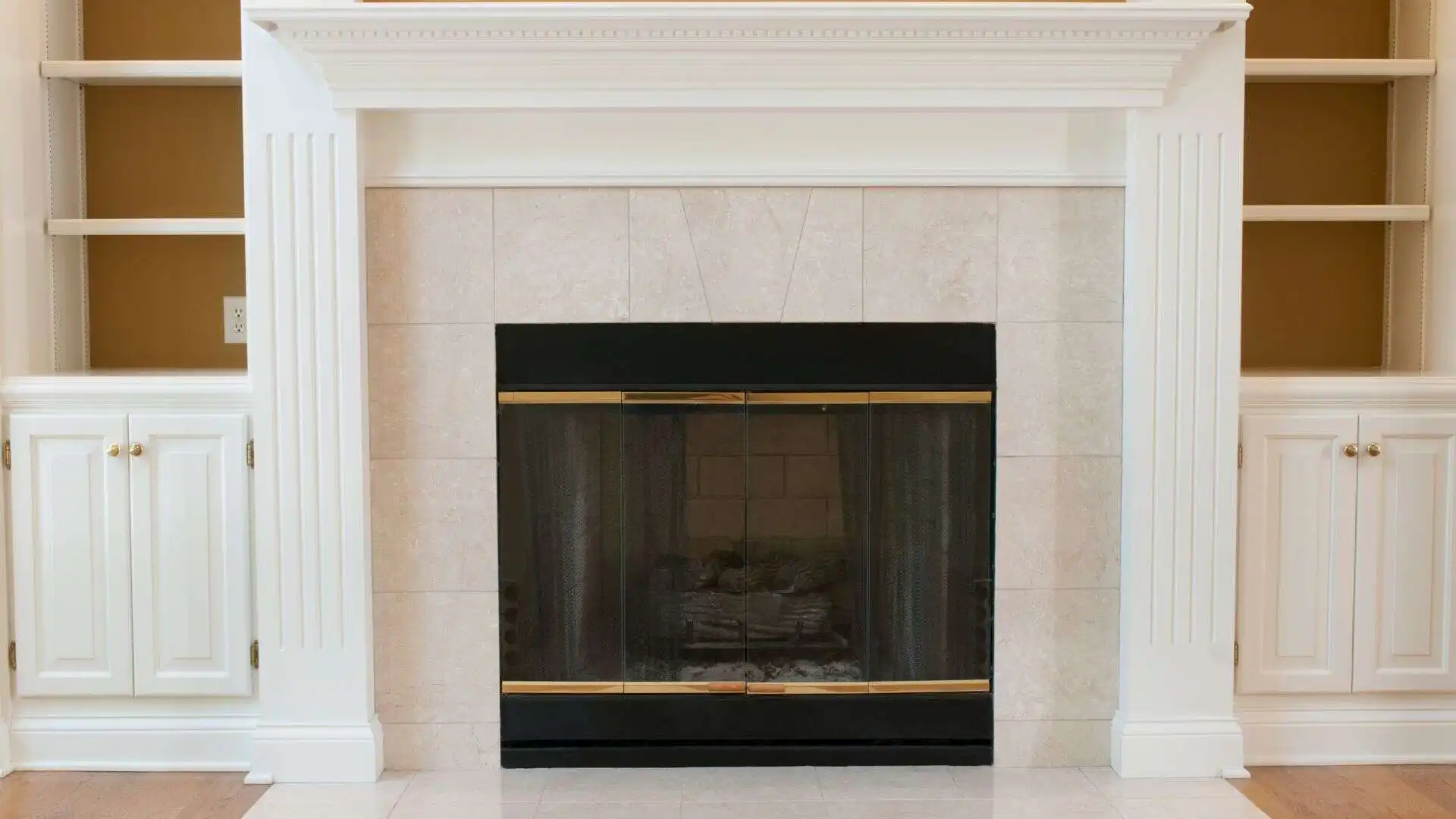
Start by measuring the width and height of the firebox opening. Measure from inside edge to inside edge so you get the true size of the visible firebox. Write these numbers down because they determine how wide your mantel shelf can be. A shelf that is too narrow looks small, while one that is too wide can overwhelm the space.
Measuring The Wall Width
Measure the full width of the wall area where the mantel will sit. Go from corner to corner or outline the section you want to focus on. This helps you decide how wide the mantel can be without crowding nearby features like windows, outlets, or built-ins. When in doubt, choose a mantel that fills about two-thirds of the available wall width. This ratio keeps the design visually balanced.
Finding The Ideal Mantel Height
Mantel height matters both for appearance and for basic safety. Measure from the floor to the top of your firebox opening, then add the recommended clearance for your fireplace type. Many homeowners use a height between 54 and 60 inches from the floor, but your clearances might require more. Always follow the guidelines from your fireplace manufacturer to avoid placing the mantel too close to the heat source.
Simple Safety Spacing Rules
Leave enough space between the firebox and the bottom of the mantel to avoid heat damage. Wood mantels need more clearance than noncombustible materials. Keep the mantel shelf far enough away from the heat so the finish does not warp or peel. If the fireplace is electric, you still want to maintain spacing that allows proper airflow.
A Tip For Better Balance
If your wall is large, a narrow mantel can get lost in the empty space. Add height with trim, extend the shelf a little wider, or include vertical elements that draw the eye upward. This keeps the design proportionate and helps the mantel stand out as the focal point of the room.
A few careful measurements now make the rest of the project smoother and more enjoyable. Once your numbers are set, you can move forward with confidence and start shaping your new mantel.

Preparing The Wall
Getting the wall ready helps you install a sturdy mantel that stays secure over time. You want a surface that supports the brackets, holds weight well, and stays stable in Florida’s humidity. Taking a few careful steps now saves you from problems later and makes the installation smoother.
Finding Studs And Marking Bracket Spots
Use a reliable stud finder and slide it slowly across the wall until it signals solid framing. Mark each stud lightly with a pencil so you know exactly where your support brackets will go. Test a few spots to confirm you are hitting the center of the stud. Once the studs are mapped out, hold your mantel template or mounting cleat against the wall and mark your screw holes. Check the alignment with a level to avoid a slanted installation.
Fixing Uneven Drywall And Reinforcing Weak Anchors
Look closely at the wall surface and feel for dips or raised areas. If you see uneven drywall, apply a thin layer of joint compound, smooth it out, and sand after it dries. This helps the mantel sit flush against the wall. If you find old or loose anchors from previous fixtures, remove them and patch the holes. When the patch dries, sand it lightly and install fresh anchors or screws into studs for stronger support. A solid foundation makes a noticeable difference in how well the mantel holds up.
Prepping For Humid Conditions
Florida humidity can affect both the wall and the materials you attach to it. Wipe the area clean to remove moisture, dust, or film. Make sure the drywall is fully dry before installing any brackets. If your home sits in a coastal area, consider using corrosion-resistant screws to help prevent long-term damage. Proper prep keeps the mantel stable and reduces maintenance later on.
Taking time to prepare the wall sets the stage for an easier build. Once the surface is level, clean, and supported, you can move on to the next step with confidence.

Building The Mantel (Step-by-Step)
Creating a fireplace mantel becomes much easier when you break the work into small, clear tasks. These steps help you shape, assemble, and prepare your mantel so it fits your space and holds up well in a Florida home. Each part of the process focuses on clean cuts, secure joints, and a finish that looks polished once installed.
Planning And Cutting Your Pieces
Start by reviewing your design and marking every measurement on the wood before making cuts. Accurate lines keep the mantel balanced and prevent gaps during assembly. Use a sharp blade and cut each piece slowly so the edges stay clean. This step sets the tone for the entire project, so take your time and double-check your numbers.
Building The Mantel Box Or Shelf
Once the pieces are ready, begin forming the main box or shelf. Arrange the boards in the order they will sit and make sure every joint meets evenly. Hold the pieces together while you check the alignment with a level. A simple mantel box works well for most homes, but you can build a deeper shelf if you want more display space.
Reinforcing Corners For Strength
Secure the corners using wood glue along the seams. Follow up by fastening each joint with brad nails to keep the structure firm. This combination helps the mantel stay tight even in humid conditions. Look over each corner as you go to confirm that the alignment stays true while the glue dries.
Adding Trim Or Molding
After the main frame is complete, attach trim or molding to give the mantel more character. Choose clean lines for a modern look or layered molding for a classic style. Measure and cut each piece carefully so the edges sit flush with the frame. Good trim work can make a simple box look like a custom piece.
Sanding And Checking For Gaps
Smooth every surface with fine-grit sandpaper. Focus on seams, edges, and any areas where pieces meet. Sanding helps the finish look even and removes marks left from cutting or nailing. As you sand, inspect the mantel for small gaps and fill them with wood filler before moving forward.
Choosing Your Mantel Style
At this point, think about whether you prefer a simple floating shelf or a full surround that frames the fireplace. A shelf works well for clean, minimal spaces, while a surround adds depth and becomes a stronger focal point. Ask yourself which option fits your room and how you plan to use the space above the fireplace.
This step-by-step process gives you a strong foundation for a mantel that looks great and holds up well, and you’re now ready to move on to mounting and finishing your piece with confidence. If you want help choosing materials, handling the cuts, or guiding the install, reach out to us and get the support you need so your project comes together smoothly.

Mounting The Mantel
Mounting your fireplace mantel is one of the final steps, and getting it right makes the entire project look clean and well-finished. This part focuses on securing the support cleat or bracket to the studs, keeping everything level, and avoiding alignment problems that can make the mantel look off. A steady setup also protects your wall and keeps the shelf safe for everyday use.
Securing The Cleat Or Bracket To Wall Studs
Start by locating the studs with a stud finder and marking each one lightly with a pencil. These marks guide you when placing the cleat or bracket. Hold the cleat against the wall at the height you chose earlier and pre-drill holes directly into the studs. Doing this keeps the wood from splitting and makes the screws grip better. Once the cleat is in place, fasten the screws tightly so the support feels firm without wobbling. A solid anchor is key because the cleat carries most of the mantel’s weight.
Leveling The Mantel Before Attaching
Set the mantel on top of the cleat and place a level across the entire length. Adjust it until the bubble sits perfectly in the center. Small shifts matter here because even a slight tilt becomes noticeable once you decorate the shelf. If the mantel leans in any direction, fix the cleat position or add shims behind the mantel until everything sits straight. Take your time with this step so the final result looks balanced.
Tips To Prevent Crooked Installs
A few quick habits help you avoid common mistakes. Double-check your measurements before drilling, especially if the fireplace sits off-center on the wall. Step back a few feet and look at the mantel from different angles to catch alignment issues early. Work slowly when tightening screws, because tightening one side too much can pull the piece out of position. If you’re installing a heavier mantel, ask someone to hold it while you fine-tune the placement.
Checking The Mantel’s Weight Capacity
Before you finish, confirm that the cleat or bracket is rated to support both the mantel and anything you plan to place on top of it. Manufacturers often list weight limits, and following these helps you avoid sagging or long-term stress on the studs. If your design uses thicker wood or decorative add-ons, make sure your mounting hardware can handle the added load.
A well-secured mantel gives your fireplace a polished centerpiece that stays sturdy and level. Taking a few careful steps now saves you the trouble of adjustments later and helps your project look clean from every angle.

Finishing The Mantel
A good finish protects the mantel and brings out the look you want. You can stain, paint, or seal the wood based on the style of your home and the amount of maintenance you prefer. Florida homes deal with humidity, so choosing the right products helps the mantel last longer and stay in good shape.
Staining The Wood
Stain works well when you want the natural grain to show. You can pick light, medium, or dark tones depending on the room.
- Light stains match bright Florida interiors.
- Medium stains add warmth without feeling heavy.
- Dark stains create contrast if you have light walls.
Stain soaks into the wood, so apply it evenly and wipe off any extra before it dries.
Painting The Mantel
Paint gives you a clean and consistent finish. It works well if your mantel has trim or detailed edges.
Popular color choices for Florida spaces include:
- Coastal whites for a light and open feel
- Natural wood tones recreated with paint techniques
- Soft grays that match modern or coastal rooms
Paint dries fast, but you still want smooth, even coats for the best results.
Sealing For Protection
A seal keeps moisture from damaging the wood.
This is especially helpful in humid climates.
- Use a clear sealer or a humidity-resistant top coat to protect the surface.
- Look for products labeled as moisture-safe or suitable for coastal areas.
- A strong seal helps prevent swelling, fading, or peeling over time.
A well-finished mantel stays beautiful and strong, even with Florida’s humidity. Take your time with this step so the final result matches your style and lasts for years.

Styling Ideas For Florida Homes
Creating a mantel style that fits a Florida home starts with choosing themes that feel natural in warm, coastal environments. Your goal is to design a look that works visually, stays practical in humid weather, and feels inviting no matter how often you use the fireplace. Think of the mantel as a focal point that reflects your daily life and the atmosphere you want in the room.
Coastal Style
A coastal theme suits many Florida homes. Light woods, soft blues, natural textures, and simple decor pieces help create a relaxed look. You can add items like driftwood accents, framed beach prints, and small plants. This style stays fresh through the year because it mirrors the environment outside.
Rustic Style
Rustic designs bring warmth into a Florida space without feeling heavy. A reclaimed wood mantel, woven baskets, candles, or simple greenery can bring character to the room. You can keep the look clean by choosing a few strong decor pieces instead of crowding the shelf.
Minimalist Style
Minimalist styling works well when you want the mantel to feel open and calm. Use neutral tones, clean lines, and a small number of meaningful items. A single framed print, a low-profile vase, or a neatly layered shelf gives the space a polished look without clutter.
Tropical Style
A tropical theme adds energy to the room with natural fibers, leafy plants, and warm wood tones. You can include palm leaves, rattan elements, or soft pops of green. This approach feels bright and fits the Florida setting without going over the top.
Seasonal Decor Ideas
Seasonal setups help keep your mantel interesting even when the fireplace is decorative only. Light summer decor might feature shells, airy fabrics, or soft colors. Fall and winter setups can include candles, warm textures, and small accents that add comfort. You can change these items easily as the seasons shift.
Thinking About Year-Round Use
When you choose decor, consider how the room feels throughout the year. If you host guests often, you may want a clean look that works for any season. If your home has a strong theme already, match the mantel to that style so the space feels connected.
A well-planned mantel becomes a year-round feature you enjoy every day, and these ideas help you shape a look that fits your Florida home with ease.
Cost Breakdown
A clear cost breakdown helps you plan your project and avoid surprises as you choose materials, tools, and the type of work you want to take on. Prices vary across Florida, but you can expect a few common ranges based on the style of mantel you want and the materials you choose.
Estimated Range For Materials
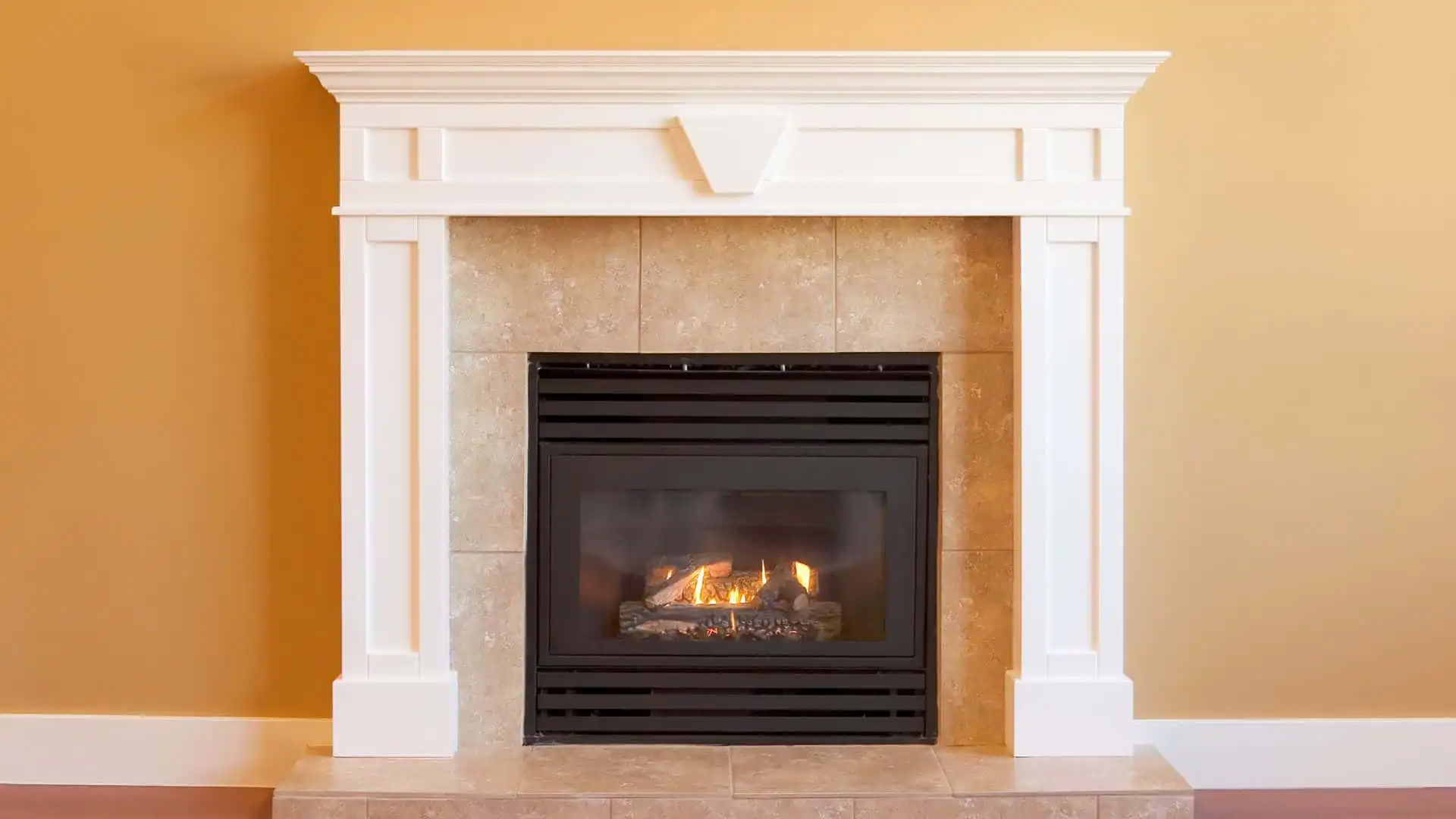
Most homeowners spend somewhere between low-cost MDF options and higher-priced hardwood designs. Basic MDF or plywood mantels often fall into the lower price range because they are easy to cut, lightweight, and budget friendly. Solid wood choices like oak, maple, or cedar cost more but offer a stronger finish and better long-term durability. If you prefer a reclaimed wood look, expect the price to shift slightly higher because these pieces are often sourced from specialty suppliers. Stone veneer or decorative concrete adds even more cost due to both the material and the added weight, which may require extra hardware or wall reinforcement.
DIY Vs Hiring A Local Carpenter
DIY is the cheaper option when you only need standard tools such as a drill, sander, level, and measuring tape. Many Florida homeowners choose this route because a simple mantel shelf is straightforward to build. DIY also gives you the flexibility to adjust measurements and finishes as you go. Hiring a carpenter brings higher labor costs, but it saves time and produces a more polished result. A skilled carpenter is helpful when your wall requires reinforcement, you want a custom design, or you are working around an existing built-in fireplace structure.
Factors That Increase Total Cost
Several choices can raise your overall budget during the build. Custom trim adds more time and materials, especially if you want detailed molding or layered designs. Heavy hardwoods cost more and may need stronger brackets. Unique finishes, such as weathered stains or multi-layer paint looks, can add extra steps and materials. If your home needs structural preparation, such as repairing drywall or reinforcing studs, this also increases the total cost. These factors help you decide where to invest depending on the look and durability you want.
A simple plan and a clear budget make the project easier to manage, so take time to weigh your options before you start building.

Safety Notes
This section gives you clear guidance on keeping your project safe while building and mounting a fireplace mantel in Florida homes. You learn how to manage heat clearance, understand the differences with electric units, and follow the right product rules before installing anything.
Clearance Rules For Combustible Materials
Fireplace mantels made from wood or similar materials need enough distance from the firebox to prevent heat damage. Most building codes call for a minimum of six to twelve inches of space above the fire opening, but the exact number depends on the design of your unit. Give your mantel extra room if the fireplace produces strong radiant heat. Keep side trim away from direct heat paths and avoid placing decor that could scorch or warp.
Mounting Differences With Electric Fireplaces
Many Florida homes use electric fireplaces for style rather than heat. These units give you more freedom because they stay cooler, yet you still need to measure and mount correctly. Electric models often require a simple bracket or cleat that holds the mantel in place without heavy heatproof materials. Make sure the wall can support the weight and confirm whether the electric insert has vents that need open space.
Check Manufacturer Recommendations
Every fireplace model has its own rules for mounting clearances, hardware, and acceptable materials. Read the manual before you cut or install anything. Some units call for specific screws, while others warn against blocking vents or placing wood too close to the frame. Following these details keeps your mantel safe and helps maintain the life of your fireplace.
A safe setup makes your mantel last longer and keeps your home protected. Taking a few minutes to confirm the right steps gives you a cleaner and stronger result.

Mistakes To Avoid
Building a fireplace mantel can feel simple at first, but small errors can lead to problems later. Paying attention to the details saves you time, money, and frustration. Here are the key mistakes you need to watch for when working on a mantel in a Florida home.
Poor Measurements
A mantel that is even slightly off can look uneven or feel unstable. Take your time when measuring the height, depth, and width of the area around your fireplace. Double check every number before cutting any materials. This reduces wasted wood and helps you create a balanced design that fits the room naturally.
Ignoring Stud Placement
Studs are essential for proper support. Mounting a mantel without finding the studs can lead to sagging or instability over time. Use a reliable stud finder and confirm each location before drilling. Anchoring your mantel into solid framing gives you long term strength and keeps the structure safe for daily use.
Using Materials Not Suited For Humidity
Florida homes deal with higher moisture levels than many other states. If you use untreated wood or low quality materials, the mantel can swell, warp, or crack. Choose lumber that resists moisture or apply a protective sealer before installation. This helps the mantel stay smooth and prevents early damage.
Rushing Finishing Work
Finishing is where the mantel gets its final look. If you rush the sanding, staining, or painting, the result may look uneven. Smooth the surface carefully and let each coat dry fully. Taking a little extra time ensures a clean finish that lasts longer and matches the style of your room.
Overloading The Shelf
A mantel can hold decor, but it is not built to carry heavy weight. Placing large objects or multiple bulky items can strain the brackets and studs. Keep the load reasonable and distribute weight evenly. This helps prevent stress on the structure and keeps the shelf secure.
A few careful steps can make a big difference in the quality and durability of your mantel. With the right choices, your project stays sturdy, attractive, and ready to enjoy for years.
Ready to turn your fireplace into a centerpiece? Visit our website for step-by-step guides, tool lists, and helpful resources that make your project easier and faster. Explore more tips now and start building with confidence.
FAQs: About How to Build a Fireplace Mantel in FL
- What is the first step in building a fireplace mantel in Florida?
Start by measuring your fireplace area and checking the condition of the wall to ensure it can support the mantel. - What materials work best for a Florida fireplace mantel?
Moisture-resistant woods, sealed MDF, and treated lumber work well because they hold up better in humid environments. - Can I build a mantel without a working fireplace?
Yes. Many Florida homeowners build mantels around electric units or decorative frames to add style. - How high should a fireplace mantel be installed?
Most mantels sit 54 to 60 inches from the floor, but you should follow clearance rules for your specific fireplace. - Do I need special tools for this project?
Basic tools such as a drill, stud finder, level, and measuring tape are usually enough for a standard mantel build. - How do I secure the mantel safely to the wall?
Use a solid mounting cleat or brackets screwed directly into wall studs to keep the mantel stable. - What finish works best for Florida humidity?
Paints and stains with moisture-resistant top coats help prevent warping, peeling, or swelling over time. - How long does it take to build a fireplace mantel?
Most DIY projects take a few hours to a full day, depending on the design and the level of detail you add. - Can a beginner handle this type of project?
Yes. A simple mantel shelf is beginner-friendly, and step-by-step instructions make the process manageable. - How do I maintain a fireplace mantel in a humid climate?
Keep it clean, check for moisture buildup, and reapply a protective finish when needed to extend its lifespan.
Conclusion
A simple design gives you a clean starting point and helps you understand how each part of the project comes together. As you picture the finished mantel in your living room, think about how it will shape the space and the kind of atmosphere you want it to create. You can begin with a basic shelf or box style, then build confidence as you add trim, color, or texture that fits your home. If you complete your own mantel, share your photos or stories so others can learn from your approach and see how different ideas come to life.
Other Services You Can Pair With Your Fireplace Remodel
- Interior & Exterior Painting
- You can freshen up the walls around your fireplace or the whole room. A new paint job helps the mantel stand out and gives the space a clean, polished look.
- Floor Installation / Flooring Updates
- New flooring can enhance how the fireplace area blends with the rest of the room. Matching or complementary floors make the fireplace a seamless part of your living space.
- Drywall Repair, Stucco & Wall Finishing
- If the wall around your fireplace has cracks, dents, or uneven plaster, we can repair and finish it before you mount the mantel. This gives you a smooth, stable backdrop for your fireplace feature.
- Full Home Remodeling
- If you want more than a fireplace update, a full remodel can tie together fireplace changes, flooring, paint, and room layout. It helps you create a unified look across your living space.
- Water Damage Restoration & Repairs
- If there are moisture issues or past water damage near the fireplace or elsewhere, this service addresses structural problems, ensures safety, and protects new installations from future damage.